Freshwater Fish of the United States
 Call Kai
 Learn
Learn Practice Test
 Spaced Repetition
 Match
Match Flashcards
 Knowt Play
1/944

Earn XP
Description and Tags
A complete collection of flashcards for all of the freshwater fish species that occur in the United States. Created for the diehard fish lovers trying to learn all of these species. If you are unfamiliar with some of the watersheds or geological features mentioned in the ranges, check out my "Hydrological Features of the United States" flashcard set found in my profile. Have any questions, suggestions, or straight up errors to report? Reach out on instagram: @fisherwood.fwm
Name | Mastery | Learn | Test | Matching | Spaced | Call with Kai | Chat |
|---|
No analytics yet
Send a link to your students to track their progress
945 Terms
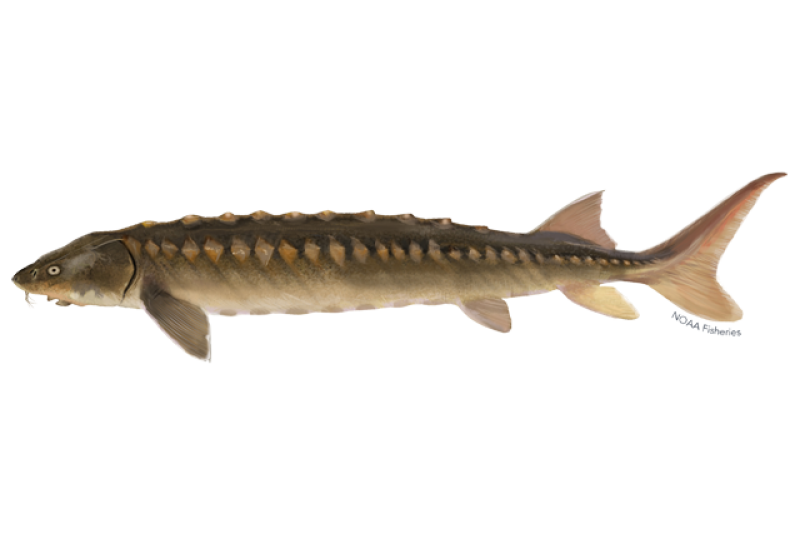
Found in the coastal rivers along the East Coast of North America. Living from the Saint John River in New Brunswick all the way to the Indian River in Florida.
Shortnose Sturgeon
Acipenser brevirostrum
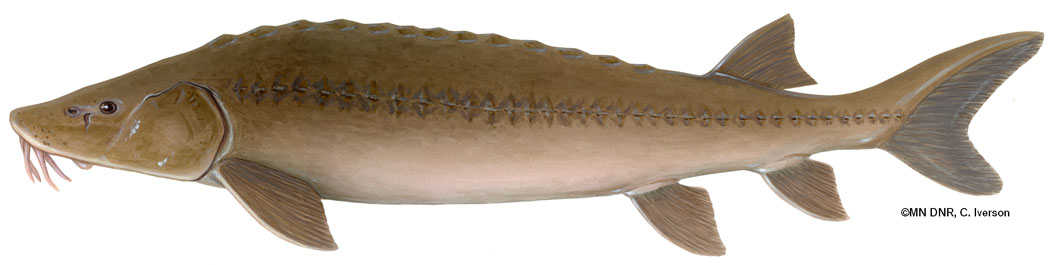
This species occurs in the Mississippi River drainage basin south to Alabama and Mississippi and east to the French Broad River in western North Carolina. It occurs in the Great Lakes and the Detroit River, east down the St. Lawrence River to the limits of fresh water. In the west, it reaches Lake Winnipeg and the North Saskatchewan and South Saskatchewan Rivers. In the north, it is found in the Hudson Bay Lowland. In the east, the species lives in Lake Champlain and in some Vermont rivers, including the Winooski, Lamoille and Missisquoi rivers, and Otter Creek.
Lake Sturgeon
Acipenser fulvescens
Nearshore marine waters from Mexico to the Bering Sea, with a general tendency to head North after their out-migration from freshwater. They are commonly observed in bays and estuaries along the western coast of North America, with particularly large concentrations entering the Columbia River estuary, Willapa Bay, and Grays Harbor during the late summer.
Green Sturgeon
Acipenser medirostris
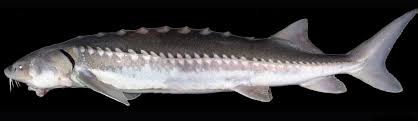
Native to several large North American rivers that drain to the Pacific Ocean. Reproducing populations have been documented along the West Coast, from northern Mexico up to the Aleutian Islands in Alaska.
White Sturgeon
Acipenser transmontanus
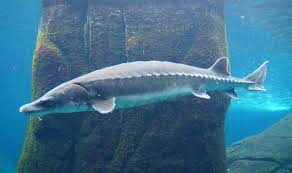
Eastern North America, extending from New Brunswick, Canada, to the eastern coast of Florida, United States. A highly endangered disjunct population occurs in the Baltic region of Europe
Atlantic Sturgeon
Acipenser oxyrinchus
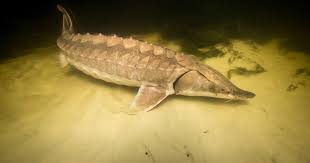
Inhabits the Gulf of Mexico and spawns in a number of rivers that drain into it, from southern Florida west to eastern Louisiana
Gulf Sturgeon
Acipenser desotoi
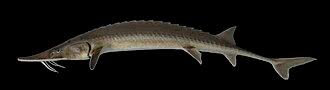
Found in the Missouri River and Mississippi River systems.
Shovelnose Sturgeon
Scaphirhynchus platorynchus
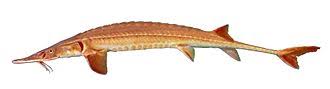
Native to the United States of America and now only believed to exist in 130 miles (210 km) of the lower Alabama River.
Alabama Sturgeon
Scaphirhynchus suttkusi
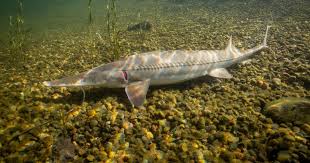
Endemic to the waters of the Missouri and lower Mississippi River basins of the United States.
Pallid Sturgeon
Scaphirhynchus albus
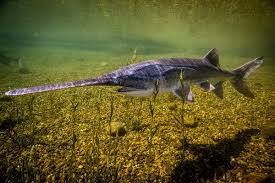
It commonly inhabited large, free-flowing rivers, braided channels, backwaters, and oxbow lakes throughout the Mississippi River drainage basin, and adjacent Gulf Coast drainages. Its peripheral range extended into the Great Lakes, with occurrences in Lake Huron and Lake Helen in Canada until about 1917.
American Paddlefish
Polyodon spathula
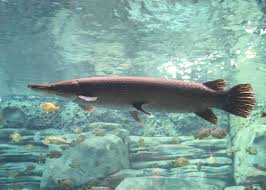
Populations are now located primarily in the southern portions of the United States extending into Mexico
Alligator Gar
Atractosteus spatula
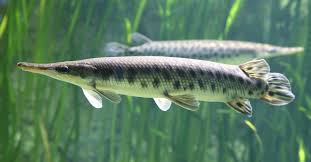
Located mainly in the central United States, they occupy much of the Mississippi and Missouri River basins ranging from Montana (in the west) to the Ohio River (in the east) in the north and the Gulf Coast from Louisiana and Alabama to parts of Texas in the south.
Shortnose Gar
Lepisosteus platostomus
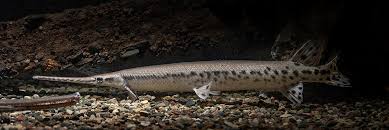
Found along the east coasts of North and Central America, and range as far west in the US as Kansas, Texas, and southern New Mexico.
Longnose Gar
Lepisosteus osseus
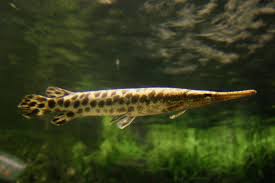
Its current range is from southern Ontario to the west from the Devils River in Texas east to the northern coast of the Gulf of Mexico and southeast to the lower Apalachicola River in Florida.
Spotted Gar
Lepisosteus oculatus
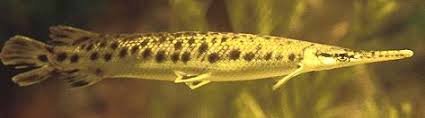
Found in the US from the Savannah River and Ochlockonee River watersheds of Georgia and throughout peninsular Florida.
Florida Gar
Lepisosteus platyrhincus
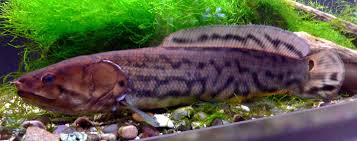
Range is limited to much of the eastern United States and adjacent southern Canada, including the drainage basins of the Mississippi River, Great Lakes, and various rivers exiting in the Eastern Seaboard or Gulf of Mexico.
Bowfin
Amia calva
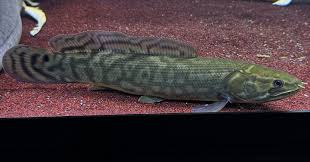
Ranges from around the Great Lakes and Ontario to the Gulf Coast wetlands of Louisiana and Texas.
Emerlald Bowfin
Amia ocellicauda
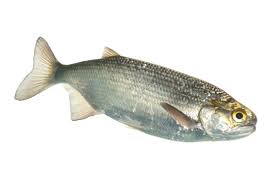
Occur from as far down the Mackenzie River as Aklavik in the north to Mississippi in the south, and from Alberta in the west to Ohio south of the Great Lakes, with an isolated population south of James Bay.
Goldeye
Hiodon alosoides
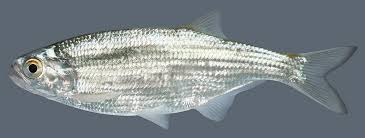
Widespread across eastern North America
Mooneye
Hiodon tergisus
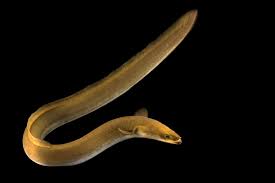
Found along the Atlantic coast including the tributaries of the Chesapeake Bay, the Delaware River, and the Hudson River, and as far north as the Saint Lawrence River.
American Eel
Anguilla rostrata
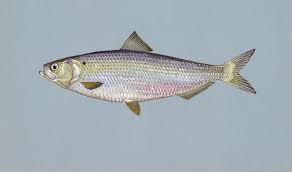
The native range of this fish is found along the Atlantic Coast from Cape Breton, Nova Scotia, to the St. Johns River, Florida. During spawning season, it migrates into coastal rivers.
Blueback Herring
Alosa aestivalis
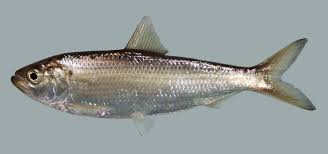
Anadromous species, some populations live entirely in fresh water, spans the North Atlantic coast from Newfoundland to South Carolina
Alewife
Alosa pseudoharengus
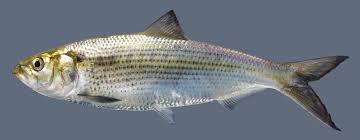
along the coast from Maine to the St. John's River, Florida
Hickory Shad
Alosa mediocris
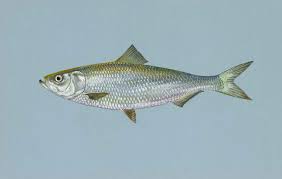
Western Central Atlantic: Gulf of Mexico (from Corpus Christi in Texas eastward to Pensacola in Florida; also in rivers, e.g. Mississippi and Ohio Rivers to Minnesota, Wisconsin and Pennsylvania)
Skipjack Shad
Alosa chrysochloris
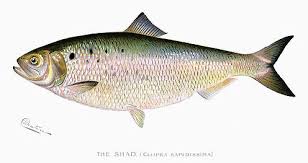
North America: Atlantic coast from Labrador, Canada to St. Johns River, Florida, USA; ascends coastal rivers during spring spawning migrations. Introduced into Sacramento River, California in 1870s and has spread along Pacific Coast from Kamchatka, Russia to Todos Santos Bay, Mexico. Landlocked in Millerton Lake, California, USA.
American Shad
Alosa sapidissima
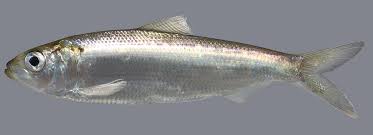
Western Central Atlantic: Gulf of Mexico (northern part, from the Mississippi delta eastward to the Choctawhatchee River in Florida; also in rivers from Iowa to Arkansas and across to West Virginia).
Alabama Shad
Alosa alabamae
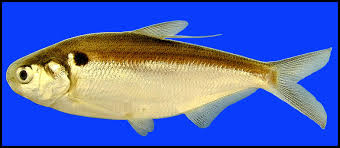
Northwest Atlantic: North America and Gulf of Mexico drainage (southeast South Dakota and central Minnesota, Great Lakes drainage, i.e. in Lake Erie, southern parts of Lakes Huron and Michigan, Lake Ontario basin; not Lake Superior; southernmost New York southward to the Mississippi system and to Gulf southward to Río Pánuco, Mexico.
Gizzard Shad
Dorosoma cepedianum
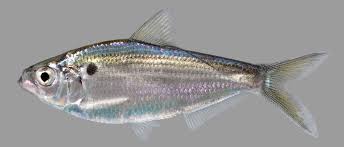
North and Central America: Gulf of Mexico drainage, Mississippi system, from the Ohio River of Kentucky and southern Indiana southwest to Oklahoma, and south to Texas and Florida, also rivers around the Gulf to northern Guatemala; also Belize River, British Honduras. Introduced in Hawaiian waters and in Chesapeake Bay tributaries.
Threadfin Shad
Dorosoma petenense
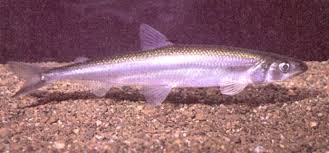
North Atlantic: Atlantic drainages from Lake Melville in Newfoundland and Labrador, Canada to Delaware River in Pennsylvania, USA and west through Great lakes. Arctic and Pacific drainages from Bathurst Inlet, Northwest Territories to Vancouver Island in British Columbia, Canada. Also Pacific drainages of Asia.
Rainbow Smelt
Osmerus mordax
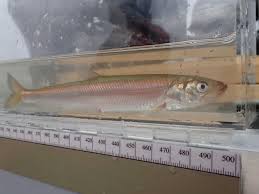
North Pacific and Arctic: Wonsan, North Korea and the Sea of Okhotsk to Barkley Sound, British Columbia, north to the Bering Sea and the Arctic. Estuaries and coastal waters of European and Siberian shores of Arctic ocean from White Sea to Chukota in eastern Siberia.
Arctic Smelt
Osmerus dentex
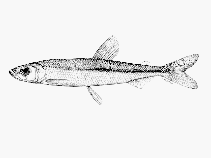
North America: Heney Lake in southern Quebec, Lake Utopia in southern New Brunswick in Canada, Wilton Pond and Green Lake in southern Maine, USA. Introduced into Meach and Ouimet lakes in southern Quebec. May be present in other lakes in eastern Canada and New England, USA.
Pigmy Smelt
Osmerus spectrum
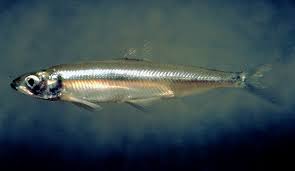
North America: Sacramento-San Joaquin Delta region in central California, USA.
Delta Smelt
Hypomesus transpacificus
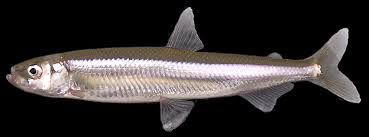
California water reservoirs
Japanese Pond Smelt
Hypomesus nipponense
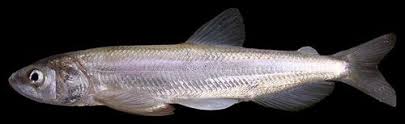
Pacific coast of North America, its range stretching from the San Francisco Bay in California to the Gulf of Alaska.
Longfin Smelt
Spirinchus thaleichthys
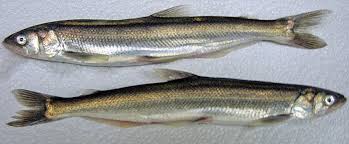
Pacific coast of North America from northern California to Alaska.
Eulachon
Thaleichthys pacificus
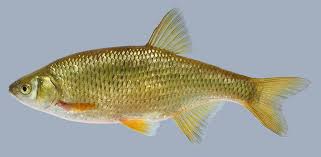
Eastern half of North America, north to the St Lawrence River, Great Lakes, and Lake Winnipeg, and west to the Dakotas and Texas
Golden Shiner
Notemigonus crysoleucas
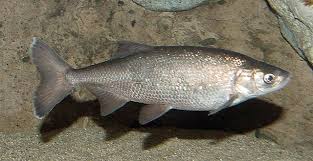
Endemic to central California
Hitch
Lavinia exilicauda
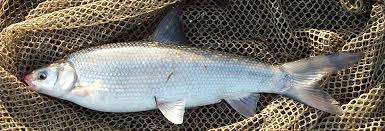
Lower-elevation waters of the Central Valley, extending to San Francisco Bay
Sacramento Splittail
Pogonichthys macrolepidotus
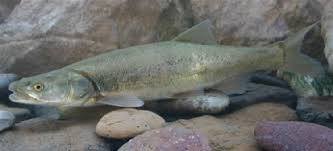
Upper Colorado drainage; currently, remnant populations are known from the Green, Gunnison, White, San Juan, and Yampa Rivers. They have been transplanted to the Salt and Verde Rivers, both within their native range.
Colorado Pikeminnow
Ptychocheilus lucius
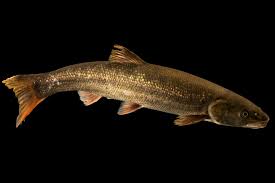
Native to California
Sacramento Pikeminnow
Ptychocheilus grandis
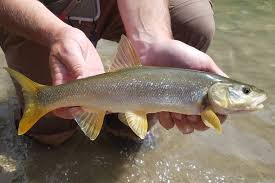
Native to northwestern North America, ranging from the Nass River basin to the Columbia River basin
Northern Pikeminnow
Ptychocheilus oregonensis
![<p><span>Southwest part of Oregon, usually along the </span>Umpqua<span> and </span>Siuslaw<span> river drainages,<sup>[</sup></span><sup>2</sup><span><sup>]</sup> as well as the </span>Siltcoos<span>, </span>Woahink<span>, and </span>Tahkenitch<span> lakes.<sup>[</sup></span><sup>4</sup><span><sup>]</sup> It has also been introduced in the </span>Rogue River</p>](https://knowt-user-attachments.s3.amazonaws.com/56e30d48-b8e5-4fb1-8b19-3c0151ac4119.jpg)
Southwest part of Oregon, usually along the Umpqua and Siuslaw river drainages,[2] as well as the Siltcoos, Woahink, and Tahkenitch lakes.[4] It has also been introduced in the Rogue River
Umpqua Pikeminnow
Ptychocheilus umpquae
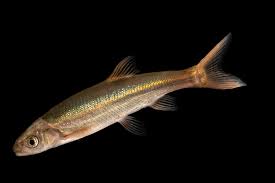
Drainage basin of the Sacramento and San Joaquin in California, and within the range it is widely distributed in the foothill streams. The Kern River, Kern County, is the southernmost part of the range and it reaches north to the Pit River drainage in Modoc County
Hardhead Minnow
Mylopharodon conocephalus
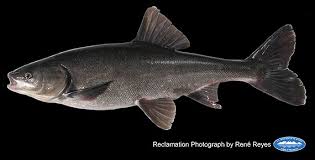
Endemic to central California
Sacracmento Blackfish
Orthodon microlepidotus
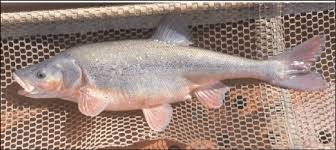
Southwestern North America. It is native to the Colorado River drainage basin, including the Gila River and other tributaries
Roundtail Chub
Gila robusta
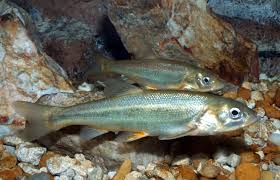
Gila River drainage in Arizona, and in the Santa Cruz River system in Sonora, Mexico
Gila Chub
Gila intermedia
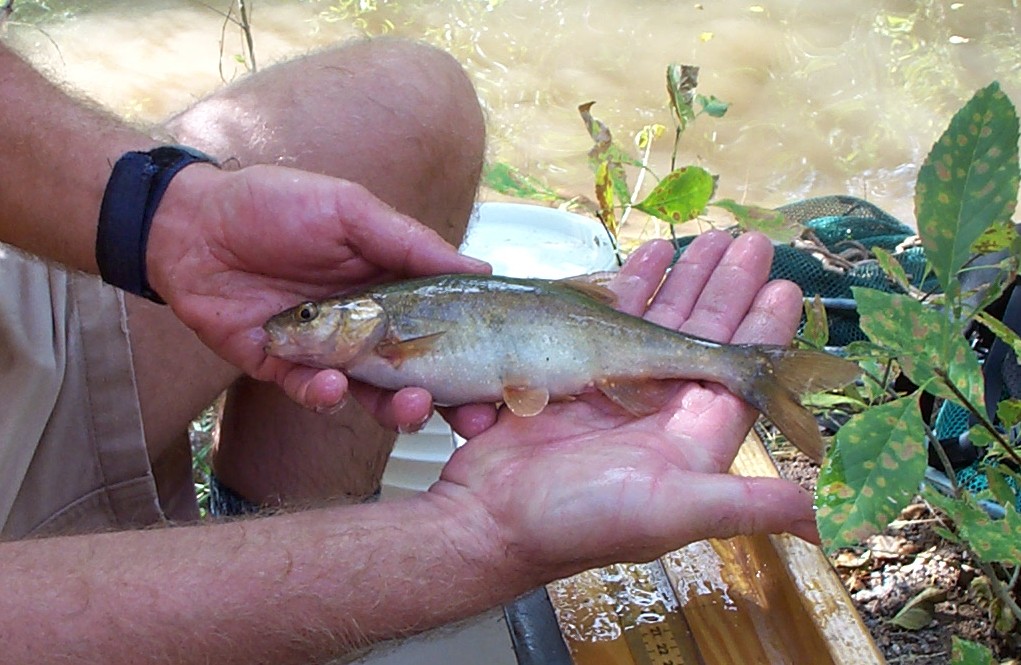
Gila River basin of Arizona and New Mexico where they occupy the middle and headwater reaches of middle-sized streams
Headwater Chub
Gila nigra
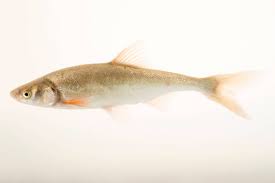
Restricted to two tributaries of the Colorado River, the Virgin River in Arizona, Nevada, and Utah, and the upper and middle reaches of the Muddy River in Nevada. The Arizona range is restricted to the Virgin River within Mohave County
Virgin River Chub
Gila seminuda
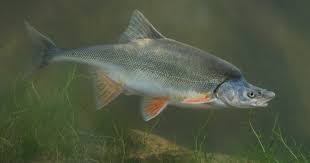
Below present-day Hoover Dam in the Colorado River upstream into Colorado, and in the larger portions of Colorado River tributaries in Arizona, Utah, Colorado, and Wyoming
Humpback Chub
Gila cypha
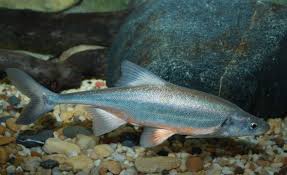
Green River of Utah and perhaps in the larger Colorado River water bodies
Bonytail Chub
Gila elegans
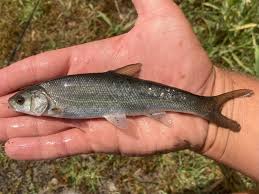
Endemic to the Western United States where it is found in the Lost River and the Klamath River in California and Oregon.
Blue Chub
GIla coerulea
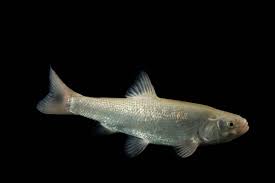
Snake River basin in Idaho and Wyoming and the Bonneville basin in Utah and Idaho
Utah Chub
Gila atraria
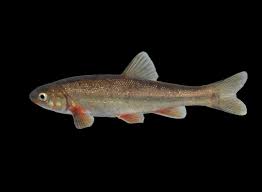
Found in Chihuahua, Mexico and in New Mexico, United States.
Chihuahua Chub
Gila nigrescens
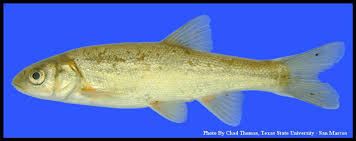
Inhabits the upper Rio Grande and Pecos River systems in Colorado, New Mexico and Texas
Rio Grande Chub
Gila pandora
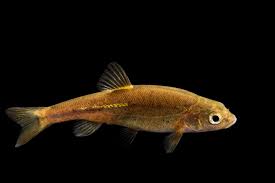
Primarily found in the Rio de la Concepcion drainages in Sonora, Mexico, and Arizona. Scattered records have been reported in the Rios Altar and Magdalena areas also
Sonora Chub
Gila ditaenia
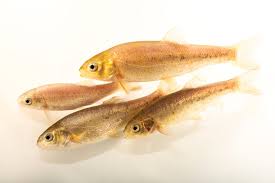
Native to coastal streams of Southern California, occurring primarily in Los Angeles, Orange, Riverside, and San Diego counties
Arroyo Chub
Gila orcuttii
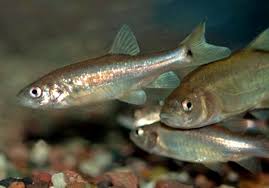
Established in Leslie Creek, in the Swisshelm Mountains of Arizona. Found in the San Bernardino National Wildlife Refuge (SBNWR) and Leslie Canyon National Wildlife Refuges of Cochise County in Arizona.
Yaqui Chub
Gila purpurea
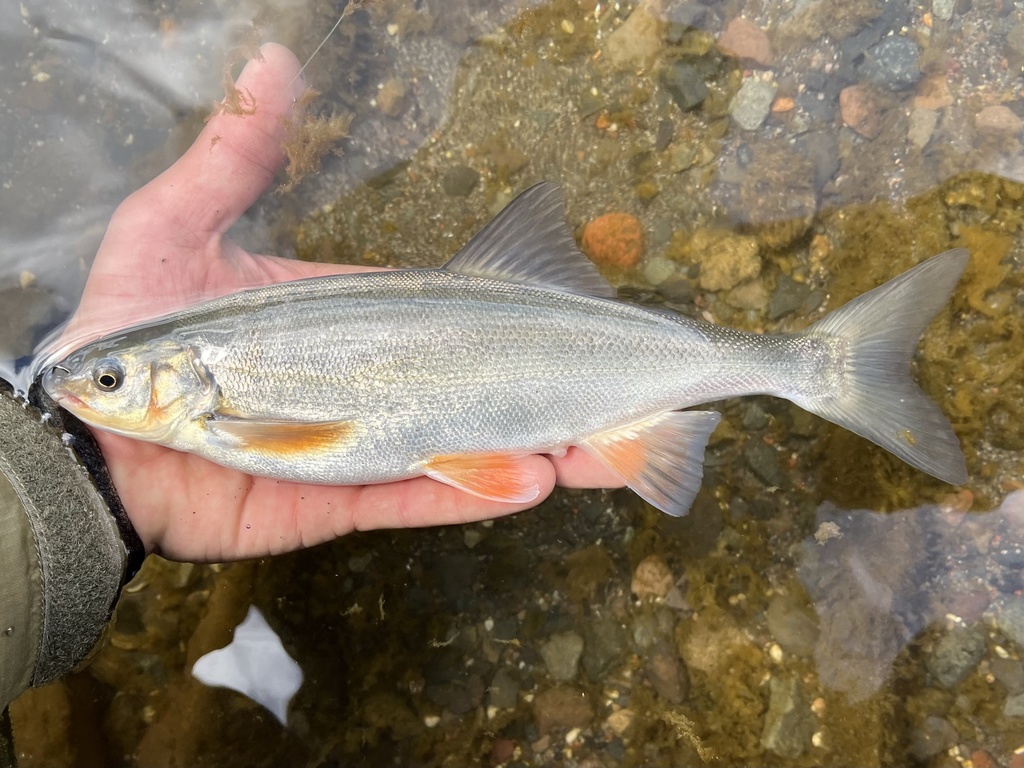
Found in warmer parts of streams and rivers in the drainages of the Columbia River, Fraser River, and the Harney-Malheur system of the Great Basin
Chiselmouth
Gila alutacea
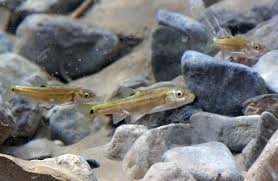
Southern Nevada, United States, found only in the upper parts of the Muddy (formerly Moapa) River
Moapa Dace
Gila coriacea
![<p>Lahontan<span> and Central system of the </span>Great Basin<span>, as well as the </span>Owens<span>, </span>Truckee<span>, Carson, Quinn, Humboldt, </span>Columbia<span> </span>Klamath<span>, and </span>Mojave Rivers<span>.<sup>[</sup></span><sup>8</sup><span><sup>]</sup> It is also found in the </span>Pit River<span> and </span>Goose Lake<span> of the upper </span>Central Valley, California<span>.</span></p>](https://knowt-user-attachments.s3.amazonaws.com/51533c64-0fc4-4ea8-80ad-9facf969f9fa.jpg)
Lahontan and Central system of the Great Basin, as well as the Owens, Truckee, Carson, Quinn, Humboldt, Columbia Klamath, and Mojave Rivers.[8] It is also found in the Pit River and Goose Lake of the upper Central Valley, California.
Tui Chub
Siphatales bicolor
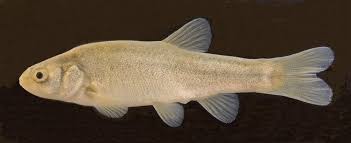
Endemic to the Alvord basin in southeastern Oregon and northwestern Nevada, U.S., known only from a few springs, streams and marshes in the Sheldon National Wildlife Refuge, and one location elsewhere.
Alvord Chub
Siphatales alvordensis
Found only in outflows and pools around Borax Lake, a small lake of the Alvord basin, Harney County, Oregon
Borax Lake Chub
Siphatales boraxobius
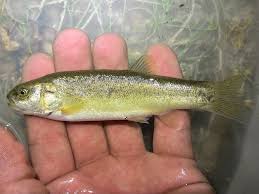
Occurs in only a handful of habitats in eastern Nevada, all of which were once covered by the prehistoric Lake Lahontan. Locations include the springs of Buttle and Ruby Valleys, and the drainage systems of Franklin Lake and Gale Lake.
Relict Dace
Relictus solitarius
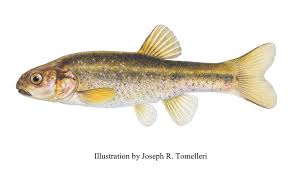
Only found in the thermal springs and the streams that emerge from Soldier Meadows in Humboldt County, Nevada
Desert Dace
Eremichthys acros
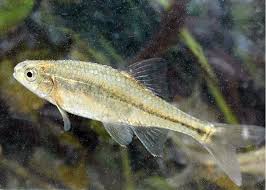
Native to the drainage of the Willamette River in Oregon
Oregon Chub
Oregonichthys crameri
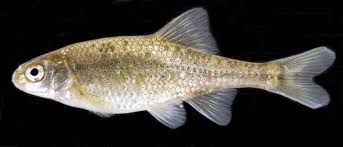
Found only in the Umpqua River and partially in its tributaries
Umpqua Chub
Oregonichythys kalawatseti
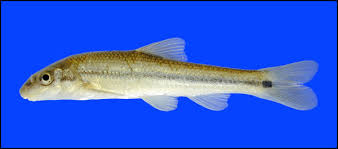
Occurs in the Mississippi River basin from Ohio and West Virginia to Wyoming, Colorado and New Mexico, and from southeastern Minnesota to northern Alabama and southern Oklahoma. It also occurs in the western Lake Erie drainage in Ohio.
Suckermouth Minnow
Phenacobius mirabilis
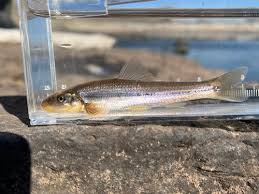
Found only in the New River (of upper Kanawha River) drainage in North Carolina, Virginia and West Virginia.
Kanawha Minnow
Phenacobius teretulus
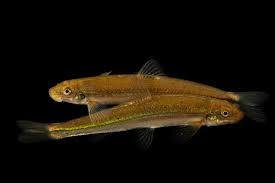
Upper Tennessee River drainage in western Virginia, western North Carolina, eastern Tennessee and northeastern Georgia.
Fatlips Minnow
Phenacobius crassilabrum
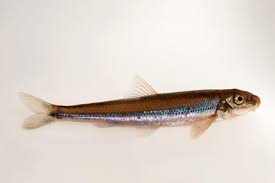
In the states of Alabama, Georgia, and Tennessee, above the Fall Line.
Riffle Minnow
Phenacobius catostomus
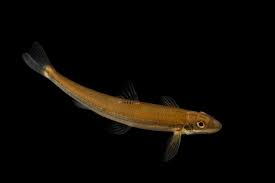
Distributed in the Green, Cumberland and Tennessee River drainages in Kentucky, Virginia, Tennessee, Georgia and Alabama.
Stargazing Minnow
Phenacobius uranops
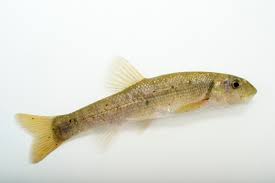
Lives throughout Ontario and the Northeastern United States. In the state of Ohio, the minnow is only confirmed to inhabit the Great Miami and Little Miami rivers.
Tonguetied Minnow
Exoglossum laurae
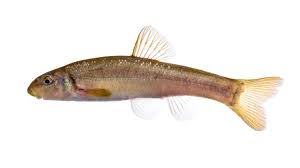
St. Lawrence and Lake Ontario south into Virginia.
Cutlip Minnow
Exoglossum maxillingua
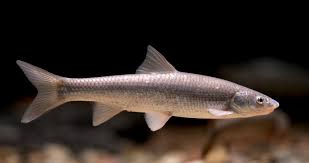
Saskatchewan River, the Mackenzie, Missouri-Mississippi, and Rio Grande drainages. Its distribution extends from the Northwest Territories to Texas.
Flathead Chub
Platygobio gracilis
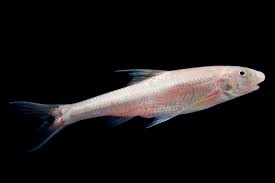
Entire Missouri River; the Mississippi River from the mouth of the Missouri River down to the Ohio River; and the Mississippi River in southern Mississippi and northern Louisiana.
Sicklefin Chub
Macrhybopsis meeki
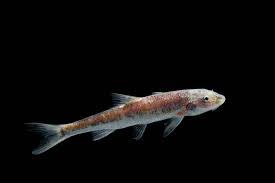
Extends over the Missouri River and its primary tributaries, the lower Mississippi River in the states of Mississippi and Louisiana, and some streams in northeastern Wyoming.
Sturgeon Chub
Macrhybopsis gelida
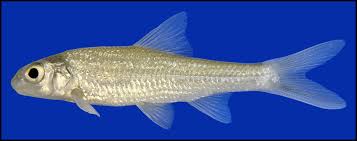
Widespread from southern New York to the Red River drainages. Texas distribution: In the Red River and the lower Brazos River
Silver Chub
Macrhybopsis storeriana
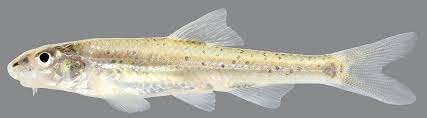
Mississippi River drainages from eastern Ohio to southern Minnesota and Nebraska south to Louisiana.
Shoal Chub
Macrhybopsis hyostoma
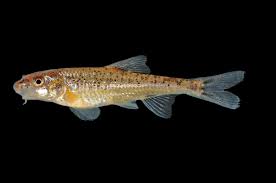
Found in the Gulf Slope drainages from the Apalachicola basin to the Rio Grande basin and north to Minnesota
Speckled Chub
Macrhybopsis aestivalis
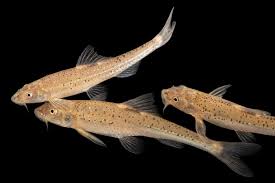
Found in the Ninnescah River, a small portion of the Arkansas River in Kansas and the South Canadian River between Ute and Meredith reservoirs in New Mexico and Texas.
Peppered Chub
Macrhybopsis tetranema
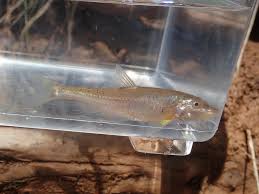
Occurs in the upper Red River drainage in Oklahoma and Texas.
Prairie Chub
Macrhybopsis australis
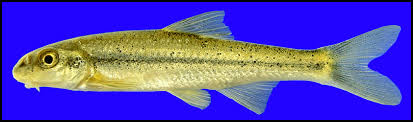
Endemic to the Colorado, Guadalupe, and San Antonio river drainages in Texas.
Burrhead Chub
Macrhybopsis marconis
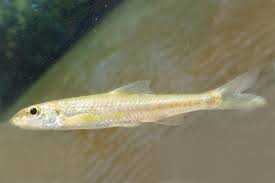
Lower Mobile River basin in Alabama and northeastern Mississippi
Mobile Chub
Macrhybopsis boschungi
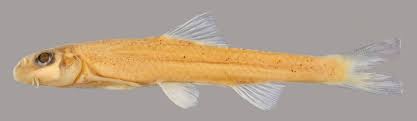
Florida Panhandle and southeastern Alabama.
Pallid Chub
Macrhybopsis pallida
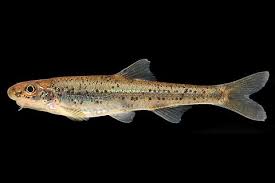
Restricted to areas above the Fall Line in the Coosa, Tallapoosa, and Cahaba river systems, encompassing specific areas in Georgia, Alabama, and extreme southeastern Tennessee
Coosa Chub
Macrhybopsis etnieri
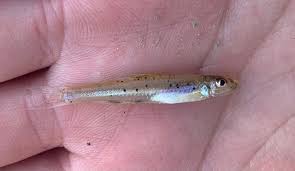
Mississippi and Louisiana. MS: Pearl River and Pascagoula River. LA: Lake Pontchartrain drainages as well as its southeastern waters.
Gulf Chub
Macrhybopsis tomellerii
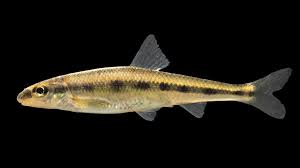
Ohio River basin from western New York to northern Indiana and south to northern Alabama.
It can also be found in the St. Francis and White River drainages in Missouri and Arkansas.
Streamline Chub
Erimystax dissimilis
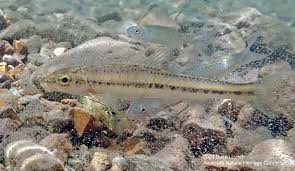
Throughout the White River and Black River drainages in southern Missouri and northern Arkansas.
Ozark Chub
Erimystax harryi
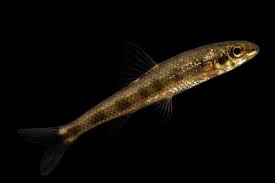
Primarily in the Cumberland and Tennessee River drainages of southern states.
Blotched Chub
Erimystax insignis
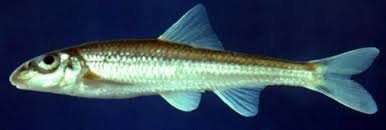
Clinch and Powell rivers.
Slender Chub
Erimystax cahni
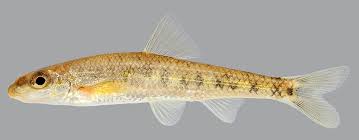
South-central Arkansas to southern Minnesota and out towards western New York.
Gravel Chub
Erimystax x-punctatus
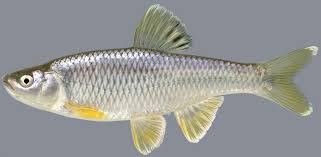
Inhabit all but one of the Great Lakes (Superior), and are found from the Saint Lawrence drainage, Quebec to the Potomac river drainage, Virginia. They also inhabit areas from Ontario and New York to North Dakota, as well as south to Alabama and eastern regions of Oklahoma.
Spotfin Shiner
Cyprinella spiloptera
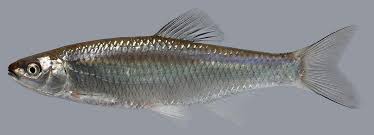
Common throughout the Mississippi River basin and in the Black Warrior River system in Alabama.
Steelcolor Shiner
Cyprinella whipplei
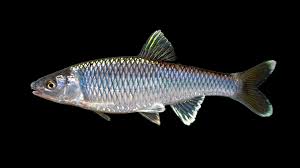
Native to the eastern United States, where its distribution extends from New York to South Carolina.
Satinfin Shiner
Cyprinella analostana
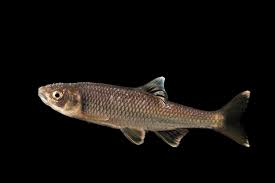
Occurs in the Santee River drainage in North Carolina and South Carolina, and the Peedee River drainage in South Carolina.
Greenfin Shiner
Cyprinella chloristia
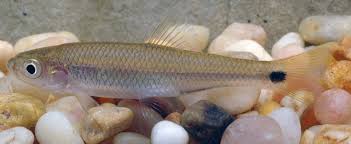
Occurs in Gulf of Mexico drainages from Suwannee River, Georgia and Florida, to Rio Grande, Texas; Mississippi River basin from southern Illinois to Louisiana and west in Red River drainage to western Oklahoma.
Blacktail Shiner
Cyprinella venusta
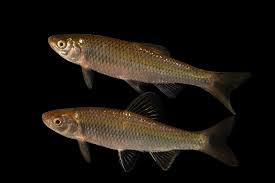
Western populations: The Arkansas River drainage in southwestern Missouri, eastern Kansas, northwestern Arkansas, and eastern Oklahoma. Eastern populations: Tributaries of the Mississippi and Tennessee river basins on the former Mississippi Embayment, extending from Kentucky down to Louisiana.
Bluntface Shiner
Cyprinella camura
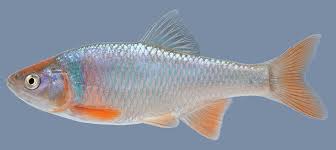
Found in the Mississippi River basin from southern Wisconsin and eastern Indiana to South Dakota and Wyoming and south to Louisiana. It is also found as an introduced species in Arizona, Alabama, California, Colorado, Illinois, Georgia, Nebraska, North Carolina, South Carolina, Wyoming, Massachusetts, Utah, Virginia, Nevada, and New Mexico.
Red Shiner
Cyprinella lutrensis
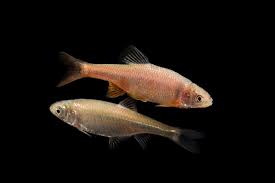
Rio Yaqui drainage in southeastern Arizona and northwestern Mexico, as well as the Rio Mimbres in southwestern New Mexico
Beautiful Shiner
Cyprinella formosa
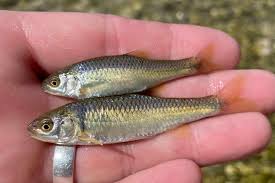
Occurs on the Edwards Plateau in Texas where it inhabits the upper Guadalupe and Nueces River drainages.
Plateau Shiner
Cyprinella lepida