orgo test 1
 Call Kai
 Learn
Learn Practice Test
 Spaced Repetition
 Match
Match Flashcards
 Knowt Play
1/60

There's no tags or description
Looks like no tags are added yet.
Name | Mastery | Learn | Test | Matching | Spaced | Call with Kai | Chat |
|---|
No analytics yet
Send a link to your students to track their progress
61 Terms
organic chemistry
living things, carbon containing
molecular formula
tells you what atoms and how many (NOT connectivity)
constitutional isomers
same molecular formula, different connectivity
how many valence electrons and bonds are in carbon
4
how many valence electrons and bonds are in nitrogen
5 and 3
how many valence electrons and bonds are in oxygen
6 and 2
lone pair
electron pairs not in a bond
valence electrons
outermost electrons used in bonds and reactions
octet rule
elements are stable with 8 electrons (hydrogen is an exception)
single bond
bond with 2 electrons
double bond
bond with 4 electrons
triple bond
bond with 6 electrons
electronegativity
how much an atom draws electrons towards it, increase as you go up and to the right
polarized bond
electrons are not shared equally, EN 0.5-0.7
nonpolar covalent bond
electrons are shared equally, EN <0.5
ionic bond
EN >0.7
atomic orbital
the 3d plot of a wave function, cloud of electron density
electron density
probability of finding an electron
aufbau principle
electron fill atomic orbitals from lowest to highest energy
pauli exclusion principle
electrons don’t have the same spin
hunds rule
every orbital has to have 1 electron before it can have 2
charge of carbon with 3 bonds and a lone pair
negative 1
charge of carbon with 3 bonds
positive 1
charge of nitrogen with 2 bonds and 2 lone pairs
negative 1
charge of nitrogen with 4 bonds
positive 1
charge of oxygen with 1 bond and 3 lone pairs
negative 1
charge of oxygen with 3 bonds and 1 lone pair
positive 1
induction
induction
where are carbons in bond line drawings
where lines meet and end
sigma bonds
when sp2 orbitals overlap, single bonds
pi bonds
when p orbitals overlap, double bond, weaker than sigma bond (by itself)
sp3
connected to 4 things, 1 s-character and 3 p-characters
sp2
connected to 3 things, s-character and 2 p-character
molecular geometry
only for atoms bonded to central atom
dipole moment
amount of partial charge x the distance of partial charges
debye (D)
units for dipole movements
dipole-dipole
when polar molecules line up their opposite charges
hydrogen bond
strong dipole-dipole, when hydrogen is bonded with N, O, F
London-dispersion forces
induced transient dipole moment, produces a weak fleeting attachment, higher mass has ahigher
functional groups
collection of atoms in a molecule that have a particular reaction and properties
Alkyl halide group
R-X (Cl, Br, I)
Alkene

Alkyne

alcohol
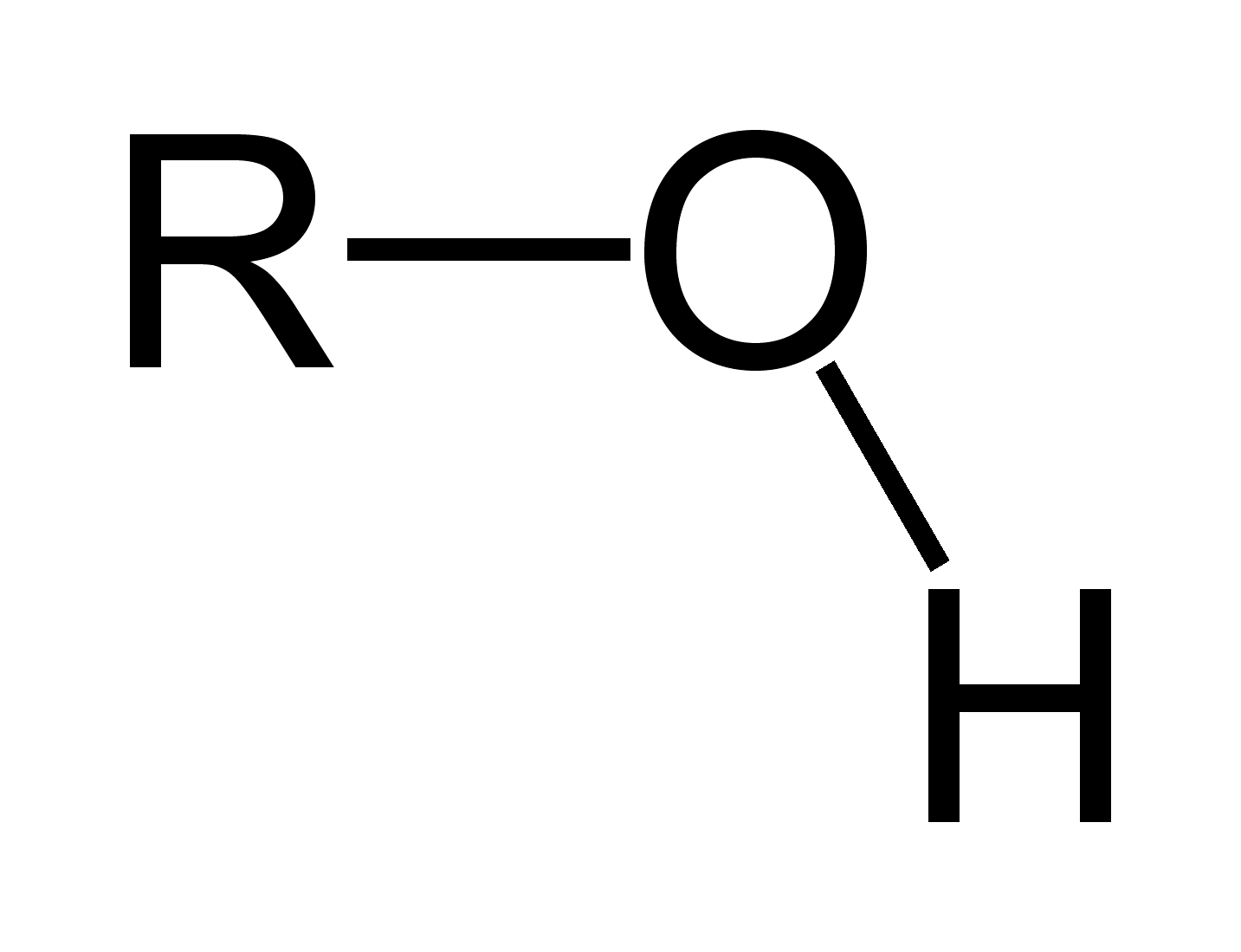
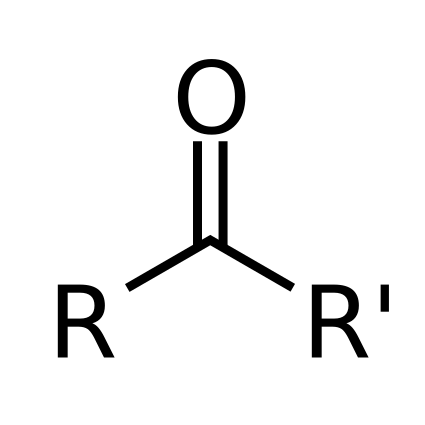
keytone
aldehyde

carboxylic acid

acyl halide

ether

thiol

sulfide

aromatic/benzene ring

anhydride

ester

amide

amine

localized electrons
belong to one atom, can’t create resonance structures
delocalized
electrons that can be spread across multiple atoms, used in resonance structure
resonance structures should not
break sigma bounds, have different overall charges, or break octet rule
allylic position
electron pair next to a carbon double bond
what makes a resonance more significant
more octects, negative charge on EN atom, positive charge on less EN atom