Psychological Disorders
 AP Practice
 Call Kai
1/91

Earn XP
Description and Tags
psychopathology ayyyyy
Name | Mastery | Learn | Test | Matching | Spaced | Call with Kai |
|---|
No analytics yet
Send a link to your students to track their progress
92 Terms
psychological disorders
psychopathology & therapy
abnormal behavior
any behavior that leads to distress (including distress to others), disability (impaired functioning), or an increased risk of death, pain, or loss of freedom — As defined by the APA
abnormal behavior is also described as…
deviant, distressful, and dysfunctional
current Western viewpoint of mental illness
biopsychosocial model
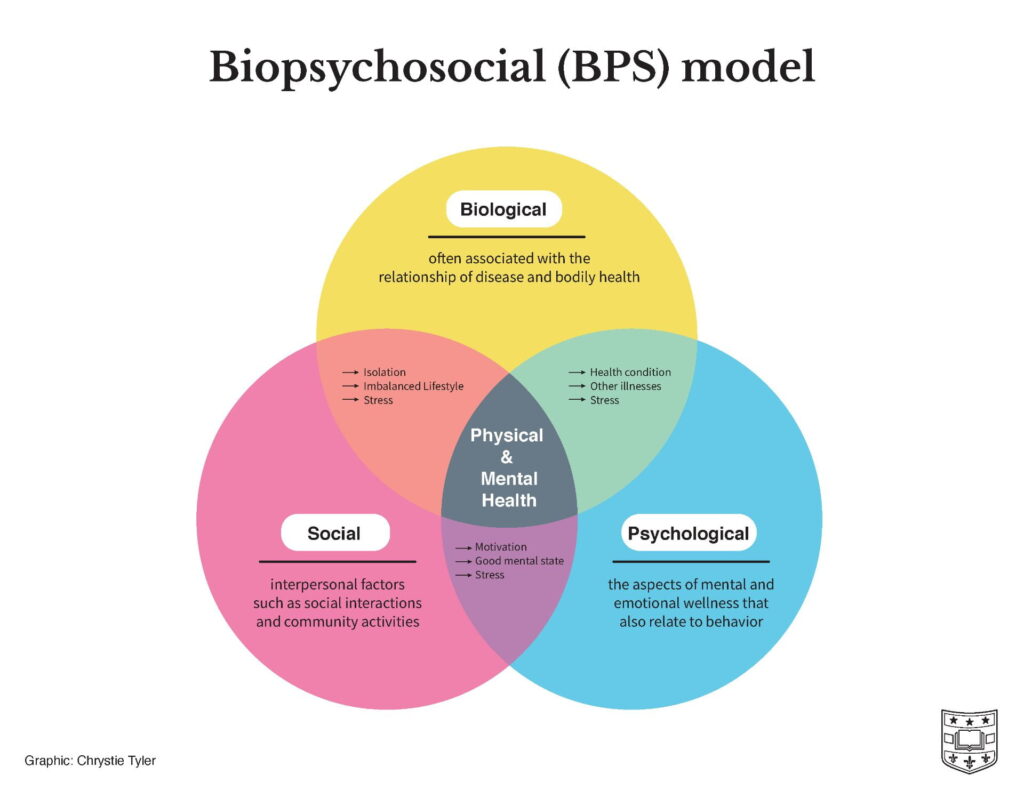
diathesis-stress model
psych theory that explains the development of mental disorders through claiming that an interaction between a predisposing vulnerability (diathesis) and stressful life events (stress) leads to the onset of a disorder
DSM (Diagnostic and Statistical Manual)
manual for assessment and diagnosis of mental disorders
pyschology and the law
clinical & experimental aspects
clinical aspects of psychology and the law
forensic assessment
experimental aspects of psychology and the law
jury decision making
eyewitness testimony
impact of expert testimony
forensic assessment
psychological evaluation of an individual for a matter important to a criminal or civil court
what is determined in a forensic assessment?
competency to stand trial
risk assessment
personal injury claims
child custody and parental fitness
family violence
malingering (faking illness to avoid work)
criminal responsibility or insanity
what to keep in mind
“abnormal” and “normal” are not two distinct categories
abnormal does not mean dangerous/bad
people jailed for violent crimes =/ more likely
persons with disorders are more likely to be victims of violent crime
the insanity defense
the term “insanity” is a legal term, NOT a psych one; includes cognitive incapacity, moral incapacity, and volitional incapacity
cognitive incapacity
did not know or fully understand the consequences of their actions at a given time
moral incapacity
could not discern the difference between right and wrong
volitional incapacity
was unable to exercise control over their actions at the time a crime was committed
history of the insanity defense
M’Naghten (1843) to the Model Penal Code (1972)
prevalence of psychological disorders
nearly 1 in 5 U.S. adults live with a mental illness (52.9 million in 2020)
generalized anxiety disorders
4% of the population; persistent: excessive & uncontrollable worry for at least 6 months
panic disorder
3% of the population; unpredictable panic attacks that are minutes long(smokers are 2-4x greater risk of a panic attack); intense fear and dread
phobias
8% of the population; focused anxiety on a specific object, activity, or situation; fears become phobias when they interfere with your daily functioning
obsessive-compulsive disorder
unwanted repetitive thoughts (obsessions) and/or actions (compulsions); 2-3% of people develop OCD during their late teens-20s
mood disorders
characterized by emotional extremes:
major depressive disorder (clinical depression)
bipolar disorder
causes of mood disorders
family history
previous diagnosis of a mood disorder
trauma, stress, or major life changes—depression
brain structure and function—bipolar
biological explanations for mood disorders
genetic—runs in families; more likely in women
chemicals—depression: serotonin; depressed brain=small frontal lobes and hippocampus
major depressive disorders
#1 reason people seek mental health services and is the leading cause of disability
major depressive disorder is characterized by:
2+ weeks of:
significantly low moods
feelings of worthlessness
lack of energy (lethargy)
diminished interest or pleasure in activities
unable to concentrate, eat, or sleep normally
bipolar disorder
a disorder in which a person alternates between the hopelessness and lethargy of depression & the overexcited state of mania
mania
a hyperactive, wildly optimistic state in which dangerously poor judgement is common; evidence points towards episodes of mania occur when levels of non-adrenaline are too high, and episode of depression may be the result of non-adrenaline levels becoming too low
trauma- and stressor-related disorders
post-traumatic stress disorder (PTSD)
acute stress disorder (ASD)
disinhibited social engagement disorder (DSED)
adjustment disorders
reactive attachment disorder (RAD)
PTSD
*DSM-5: now a standalone disorder; characterized by haunting memories, nightmares, hyper vigilance, social withdrawal, jumpy anxiety, numbness of feeling, and/or insomnia; symptoms last for 4 weeks or more after a traumatic experience; not always combat/military-associated
dissociative disorders
experiencing a disconnect and lack of continuity between thoughts, memories, surroundings, actions, and identity
dissociative identity disorder (DID)
when a person has 2 or more distinct and alternating personalities—each personality does not have memories of the other—a person can have more than 9 identities (ages 6/28)
one personality…
had the child
carried the child
raised the child
schizophrenia “split mind”
where a split from reality shows itself in disorganized thinking, disturbed perceptions, and inappropriate emotions/actions
hallucinations vs delusions
hallucinations: false sensory perception without real external stimulus—positive psychotic symptoms (a.k.a visible/noticeable)
delusions: fixed, false beliefs that cannot be corrected by logic—are not consistent with culture and education; 3 types: persecution, grandeur, reference
positive disorganization symptoms
word salad, thought disorder, disorganized behavior
negative symptoms
lack of hygiene, alogia (poverty of speech), flat affect, poor attention, lack of motivation/pleasure
sub types of schizophrenia
paranoid, disorganized, and residual
paranoid schizophrenia
preoccupation with delusions or hallucinations, often beliefs of persecutions
disorganized schizophrenia
disorganized speech/behavior, flat or inappropriate emotion
residual schizophrenia
withdrawal, after delusions and hallucinations have disappeared
schizophrenia facts
affects 1.1% of the population (approx. 2.8 millions adults in the US aged 18 or older)
develops between 18-mid 20s
affects males slightly more than females
chronic and very hard to treat
causes of schizophrenia
biological—ventricular enlargement is one of the earliest and most consistent findings in schizophrenia
genetic—multiple genes with small effects
brain chemistry—excessive dopamine receptors; THC found in marijuana
personality disorders
people with personality disorders differ greatly from an average person; major differences in terms of how they think, perceive, feel, or relate to others; traits are inflexible and behavior impair social functioning — VERY HARD TO TREAT/CURE
cluster A of personality disorders
paranoid personality disorder—schizoid personality disorder—schizotypal personality disorder
cluster B of personality disorders
antisocial personality disorder—histrionic personality—narcissistic personality disorder—borderline personality disorder
cluster C of personality disorders
avoidant personality disorder—obsessive-compulsive personality disorder—dependent personality disorder
paranoid personality disorder
suspicious, hypersensitive, secretive
schizoid personality disorder
seclusive, indifferent, passive
schizotypal personality disorder
odd in thinking, bizarre fantasy, peculiar language
histrionic personality
attention-seeking, flamboyant, proactive
narcissistic personality disorder
excessive self-admiration, egocentric, sense of grandiose
borderline personality disorder
impulsive, self-mutilative, manipulative
antisocial personality disorder
rule-breaking, aggressive, abusive
avoidant personality disorder
fears criticism, overly-serious, withdrawn
dependent personality disorder
clingy, indecisive, submissive
obsessive-compulsive personality disorder
perfectionist, passive-aggressive, rigid
acute stress disorder (ASD)
lasts 3 days-1 month after a traumatic event; intense, unpleasant reactions including intrusive memories, nightmares, flashbacks, feeling "numb" or detached, avoiding reminders of the event, irritability, sleep issues, and severe anxiety
disinhibited social engagement disorder (DSED)
a childhood attachment disorder caused by severe early neglect or institutional care, where children show no fear of strangers and display, overly familiar physical/verbal behavior
adjustment disorders
short-term, stress-related condition where a person experiences emotional or behavioral symptoms—such as anxiety, depression, or difficulty functioning—that are disproportionate to a specific, identifiable stressor
reactive attachment disorder (RAD)
rare but serious trauma-related condition in young children (before age 5) caused by severe neglect, abuse, or instability, such as early institutional care or frequent caregiver changes; causes significant, consistent struggles in forming emotional attachments, resulting in withdrawn behavior, inability to seek comfort, emotional regulation issues, and extreme defiance
art therapy
integrative mental health profession combining knowledge and understanding of human development and psych theories and techniques with visual arts and the creative process
history of art therapy
emerged in the early 1900s when psychiatrists began to categorize the spontaneous artwork of asylum patients — the American Art Therapy Association was established in 1969
artwork is considered ____ ____ that the therapist can use to encourage the patient to _____ & _____
symbolic speech; interpret; analyze
art therapy is used for: ___
assessment, communication, and treatment
art therapy is show to help: ____
resolve conflicts, develop interpersonal skills, manage behaviors, reduce stress, increase self esteem + awareness, and achieve insight
benefits of art therapy
effective treatment
trauma survivors
health conditions
life stress
effective treatment:
effective treatment for people experiencing: developmental, medical, educational, and social or psychological impairment
trauma survivors:
combat, abuse, and natural/manmade disasters; persons with adverse physical health
health conditions:
cancer, traumatic brain injury, health disability; and persons with autism, dementia, depression, and other disorders
life stress:
resolve conflicts, improve interpersonal skills, manage problematic behaviors, reduce distress, achieve personal insight
what is required to become and art therapist?
master’s in art therapy; 60 credit hours; 100 hours supervised practicum; 600 hours supervised internship; 1000 hours of direct client contact
psychoanalysis: freud
talk therapy} takes a long time,
dream analysis} several years or
hypnosis} multiple sessions
humanistic therapy
client-centered therapy and active listening
client-centered therapy
therapist listens to the person’s conscious self-perceptions; does not direct client in any certain direction
active listening
restating, seeking clarification on what the person expresses and acknowledging the expressed feelings
behavior therapies
applies learning therapies principles to eliminate trouble behaviors (i.e operant conditioning) — tries to replace bad behaviors (anxiety, phobias, etc) with constructive behaviors — goal based — highly focused
examples of behavior therapies
systematic desensitization, flooding, token economy
cognitive therapy: Aaron Beck
teaches new ways of thinking in order to change out emotional reactions — uses questioning that aims to make people realize their own irrational thought — can be viewed as confrontational
newer variation of cognitive therapy: Dialectal Behavior Therapy (DBT)
combines changing your thoughts with adding positive behaviors — most effective and popular form of therapy in the western world
rational emotive therapy: Albert Ellis
type of cognitive behavioral therapy that was developed for confronting and changing irrational beliefs/behaviors — focused on helping people learn to manage emotions/thoughts/behaviors more healthily
does psychotherapy work?
the average client ends up better off than 80% of untreated people
which type of therapy is best?
behavioral therapy: phobias, compulsions, marital problems, s3xual disorders
cognitive therapy: depression, anxiety, bulimia
exposure therapy: anxiety, phobias
biomedical therapy
physically changing the brain’s functioning by altering its chemistry
psychopharmacology
study of drugs on mind and behavior
antipsychotic drugs
reduce responsiveness to stimuli: THORAZINE, LOZAPINE — work by lowering dopamine levels
side effects of antipsychotics
sluggishness, tremors (like Parkinson’s), and tardive dyskinesia (involuntary movement)
anti-anxiety drugs
XANAX, ATIVAN — depress CNS activity, can cause psychological and physiological dependence
antidepressants
PROZAC, ZOLOFT, PAXIL
children and antidepressants
selective-serotonin-reuptake-inhibitors (SSRI) — possible increase in suicidal tendencies (especially in teens)
mood stabilizing drugs
LITHIUM ad DEPAKOTE — used for mood swings and bipolar disorder