non-native/invasive plant speceis
 Call Kai
 Learn
Learn Practice Test
 Spaced Repetition
 Match
Match Flashcards
 Knowt Play
1/24

There's no tags or description
Looks like no tags are added yet.
Name | Mastery | Learn | Test | Matching | Spaced | Call with Kai | Chat |
|---|
No analytics yet
Send a link to your students to track their progress
25 Terms
what percentage of plants that occur in ohio are NOT native?
25% (700-800 species)
most non-native species never stray far from where?
from where they are introduced (gardens, urban areas, agricultural fields).
naturalized definition
plants established and maintaining themselves (locally or widely)
adventive definition
plants that have spread only into the immediate vicinity of the cultivation site
aggressive definition
invasive, non-native plants
(invasive, exotic, alien - foreign organisms that misbehave)
invasive species are typically introduced without what?
without the array of associated natural controls that occur in their native range
(herbivores, parasites, pathogens, and predators)
invasive species characteristics
undesirable
seriously disrupts the ecosystem
once introduced, are here to stay
non-native species introduction is almost always the result of what?
human activity (intentional or unintentional)
accidental introductions examples
contaminated agricultural or nursery seed
packing materials
ship ballasts
historically, many plants were brought to north america for what?
food
medicine
fiber production
forage
erosion control
aquarium trade
ornamental purposes
how many number of woody species are invasive
235 species
eurasian water milfoil facts
dominates shallow water around lakes
introduced in the early 1940’s, aquarium trade
considered by the army corps, the most invasive water plant to exist
multiple states created laws against what?
against the spreading eurasian water milfoil
the 4 events in past 200 years that have broken down barriers to plant dispersal
intercontinental travel
mass disturbance of the landscape
international trade
climate change
natural communities
contains species that coexist with other organisms in the landscape
as the habitat becomes an island, the habitat is what?
greatly lost
what is one of the greates threats to the richness in life on earth
habitat alteration
exotic species invasibility (?)
reflects the condition of the community being invaded, rather than the uniquely aggressive traits of themselves
purple loosestrife
lythrum salicaria
(a single plant can produce over 300,00 seeds)

common reed grass
phragmites australis
(enjoys disturbance in soil, tolerant to salt levels)

garlic mustard
alliaria petiolata
(350-8,000 seeds produced)

european (glossy) buckthorn
rhamnus frangula
(produces flowers in may until the first frost [all year long])
![<p>rhamnus frangula</p><p>(produces flowers in may until the first frost [all year long])</p>](https://assets.knowt.com/user-attachments/8c51fed7-2754-455a-8f51-6cf3ff086f65.png)
autumn-olive
elaeagnus umbellata
(silver under leaf // grows in disturbed areas/survives in poor soils)

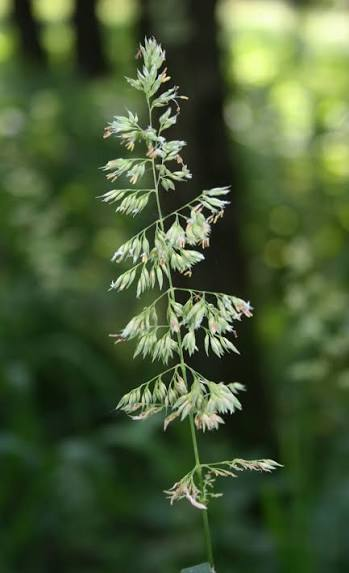
reed canary grass
phalaris arundinacea
(spreads aggressively by seed and thick system of underground roots)