microbiology exam 1
 Call Kai
 Learn
Learn Practice Test
 Spaced Repetition
 Match
Match Flashcards
 Knowt Play
1/124

There's no tags or description
Looks like no tags are added yet.
Name | Mastery | Learn | Test | Matching | Spaced | Call with Kai | Chat |
|---|
No analytics yet
Send a link to your students to track their progress
125 Terms
agar
a substance used to make culture media solid so microoragnisms can grow on a solid surface
amphitrichous
a single flagellum present at both ends (poles) of a microbial cell
archaea
prokaryotic single-celled organisms
non-pathogens (does not cause disease)
most found in extreme/harsh environments
aseptic technique
methods of handling microbial cultures in a way that prevents infection of yourself and others
also prevents contamination
bacterial endospore
produced in times when nutrients are low to help bacteria survive hostile/harsh conditions
biogenesis
living things originate from other living things
ex: A bacterium divides and produces two new bacteria.
bacterial endospores
tough protective structures that some bacteria make to survive harsh conditions.
budding
when a virus leaves a cell by pushing through the cell membrane and taking part of the membrane with it.

capsid
made of proteins called capsomers
shell that surrounds and protects a virus’s genetic material (DNA or RNA)
auto assemble
what are the 3 shapes of capsids
Icosahedron: symmetric 3-D soccer ball or cubed shape
Helical: “bracelet”
Complex: “space craft:

capsomere
a subunit of the virus capsid shaped as a triangle or disc
one individual protein piece that makes up a viral capsid.
Think of it like LEGO:
🧩 Capsomeres = individual LEGO pieces
🦠 Capsid = the whole LEGO structure/shell
cilia
short, hair-like structures that help a cell move or move substances along the cell surface.
some cells have several thousand
found only in protozoa and certain animal cells
BACTERIA DO NOT HAVE CILIA
complex media
contains at least one component that is not chemically definable (you don't know the exact chemical makeup of at least one ingredient)
agar
what are 3 properties of an effective microscope
magnification
resolution
contrast
contrast
the difference between the specimen and the background
High contrast → specimen is easier to see.
Low contrast → specimen blends into the background.
Creutzfeldt-Jacob disease
a rare, fatal brain disease caused by prions
HUMANS GET THIS (from cows?)
decomposers
microorganisms that break down dead organisms and waste into simpler substances
bacteria and fungi
differential stain
a technique that utilizes two dyes to distinguish between different microbial groups by color
ex: gram stain
🟣 Gram-positive bacteria = purple
🩷 Gram-negative bacteria = pink
dimorphic
when some pathogens alter their growth form from mold to yeast because of rising temperature (can exist in 2 forms)
mold→ yeast when temperature rises
Endosymbiont
an organism that lives inside another organism and benefits from the relationship.
ex: The bacteria that eventually became mitochondria and chloroplasts were once endosymbionts.
enriched media
a growth medium with extra nutrients added to help fastidious bacteria (picky, hard to grow, need extra to grow) grow
ex: blood agar, Thayer-martin medium (chocolate agar)
Enterobius vermicularis
pinworm, a parasitic worm that infects the human intestines
Important symptom: itching around the anus, especially at night.
envelope
found in some viruses, but not all
not found in naked nucleocapsid virus
formed by budding
derived from the host cell membrane but altered
the outer membrane surrounding some viruses.
It comes from the host cell’s membrane when the virus leaves the cell by budding.
fastidious
requires special nutrient or environment conditions to grow
fimbria
short appendages (something attached to or sticking out from a cell/body) that help bacteria attach to host cells/surfaces
does not help them move (locomotion), though
ex: E. coli uses fimbriae to attach to cells lining the urinary tract, which can help it cause a UTI.
flagella
a structure that is used to propel(moves) the microorganism through a fluid environment
“like a motor, spins like a propellor”
what are the 2 major groups of appendages (structures that stick out of a cell)
flagella and axial filaments: provide motility
fimbriae and pili: provide attachment points or channels
General Purpose Media
material used to grow many different types of microbes
ex: nutrient agar
hemolysis
when bacteria break down red blood cells
Beta (β) hemolysis → complete breakdown → clear area around bacteria
Alpha (α) hemolysis → partial breakdown → greenish area
Gamma (γ) hemolysis → no breakdown → no change
inclusion bodies
membrane bound, storage compartments for nutrients in bacterial cells
interferon
naturally occurring human cell product
a protein made by cells that helps protect the body from viruses
interferes with viral replication
used with some success in preventing and treating viral infections
isolated streak
Streaking bacteria across an agar plate to separate them into individual colonies.
Koch’s Postulates
a set of rules for establishing/proving that a specific organism causes a specific disease
1. the same pathogen must be present in every
case of the disease.
2. The pathogen must be isolated from the diseased host and grown in pure culture.
3. The pathogen from the pure culture must cause the disease when it is inoculated into a healthy, susceptible laboratory animal.
4. The pathogen must be isolated from the inoculated animal and must be shown to be the original organism.
Find it → The same pathogen is found in every sick person.
Isolate it → Take the pathogen out and grow it by itself.
Test it → Put it into a healthy animal → it causes the same disease.
Find it again → Take the pathogen from the sick animal and confirm it’s the same pathogen.
Lipopolysaccharide (LPS), endotoxin, Outer membrane, porin proteins
all components only found in gram negative
endotoxin (part of LPS, in outermembrane)- causes fever in infections
porin proteins (proteins in outer membrane)- form tiny channel to let small molecules enter and allow some waste to leave
lophotrichous
small bunches or tufts of flagella at one or both poles

lysogeny
viral DNA stays inside the host without making new viruses.
magnification
how much larger an object appears when you look at it through a microscope
10× magnification → the object appears 10 times larger than it looks to your naked eye.
40× magnification → appears 40 times larger.
Monotrichous
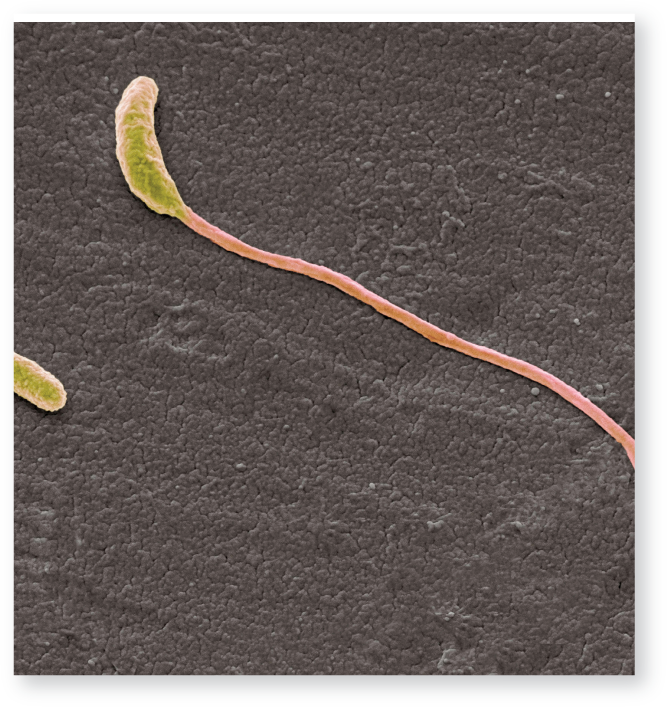
a microorganism that has one flagellum at one end
where is mycolic acid found
in the cell walls of mycobacterium
what is mycolic acid
a thick, waxy, very long chain fatty acid (Lipids)
what does mycolic acid contribute to
pathogenicity of organisms (helps organisms cause disease)
acid fast used to diagnose tuberculosis and leprosy
negative stain
a staining technique that stains the background dark gray or black and the cell clear and colorless

nucleoid
contains genetic material (dna, prokaryotic cells)
no nuclear membrane, no nucleus
single circular chromosome (prokaryotic)
the DNA is in close proximity to the cytoplasm and ribosomes
nucleolus
part of the nucleus where rRNA is made and ribosomes are assembled
oncovirus
A naturally occurring type of gene that when activated can transform a normal cell into a cancer cell.
poses genes that directly cause uncontrolled growth of cells
a virus that can cause cancer by infecting cells and changing how they grow and divide.
pathogens
any microorganism that causes disease
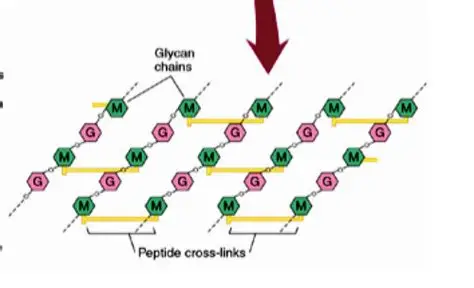
Peptidoglycan
a network of polysaccharide chains cross linked by short peptides that forms the rigid part of the bacterial cell walls
rigid bacterial cell wall made of sugar chains cross-linked by short peptides.
provides strength
contains alternating glycans G and M, bound together in long strands
NAM and NAG alternate
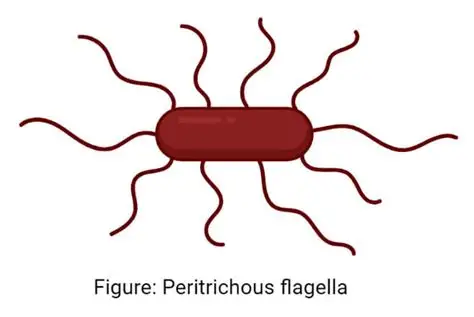
Peritrichous
having flagella over the entire cell
phagocyte
a class of white blood cells that can engulf and destroy foreign cells and particles
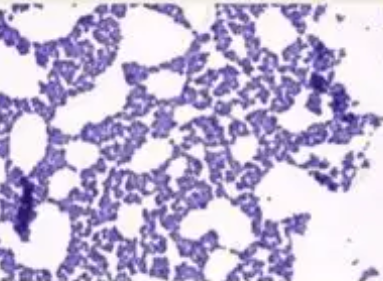
positive stain
cells are colored by dye while the background is not stained, generally white
ex: Bacteria appear purple or blue, while the background stays mostly clear.
Presumptive diagnosis
a likely diagnosis based on initial signs, symptoms, and tests, but it is not confirmed yet.
prion
is a misfolded protein that can induce normal proteins to misfold, leading to fatal neurodegenerative diseases in humans and animals
animal pathogens
smaller and simpler than viruses
no nucleic acid→ RNA or DNA
Spongiform encephalopathy
diseases where the brain becomes damaged and develops a sponge-like appearance.
ex:
Mad Cow Disease → affects cattle; caused by prions.
Creutzfeldt-Jakob Disease (CJD) → prion disease in humans
prokaryotes
a cell that does not have a nucleus or membrane bound organelles
ex: bacteria and archea
Prophage?
phage DNA that hides inside a bacterium’s chromosome instead of making new viruses right away.
It can later become active and make new viruses, which can kill the bacterial cell.
provirus
viral DNA that is inserted into a host cell’s DNA
pure culture
a container growing a single species of microbe whose identity is known
culture that contains only one type of microorganism
ex: a container containing only e. coli is a pure culture
resolution
the capacity of a microscope lens system to accurately distinguish between two seperate entities that lie close to each other
the ability to tell two close objects apart
saprobe
a microprobe that decomposes organic remains from dead organisms
ex: mushrooms
gets nutrients by breaking down dead plants and animals.
sex pilus
a structure that helps bacteria transfer DNA to another bacterium
conjugation
DNA “bridge” between bacteria.
simple stain
a staining technique that uses one dye to color cells, making them easier to see.
spike
proteins sticking out from the surface of a virus that are essential for the attachment of viruses to the next host cell
spontaneous generation
early belief that life rapidly appears from non-living things
ex: People once believed flies could appear from rotting meat
Sterols
lipids that help stabilize cell membranes
ex: mycoplasmas- they lack a cell wall, so their membrane is stabilized by sterols
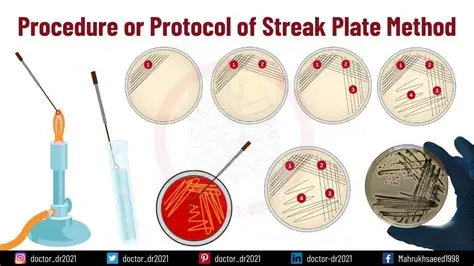
streak plate
a technique used to isolate pure bacterial colonies by progressively diluting a sample across the surface of an agar plate. It creates areas with fewer cells so individual colonies can grow separately, allowing identification and purification of microorganisms.
a technique used to separate bacteria on an agar plate so individual colonies can grow.
Purpose: To get pure, isolated bacterial colonies for identification.
swan necked flask
a flask with a long, curved neck that allows air to enter but prevents microorganisms from reaching the broth.
Louis Pasteur used swan neck flasks to disprove the idea of spontaneous generation
🧪 Pasteur boiled the broth → killed the bacteria already inside.
🦢 The swan neck let air in, but trapped dust and bacteria in the curved neck.
⏰ The broth stayed free of bacteria.
When the neck was taken off, bacteria grew
disproved spontaneous generation.
Synthetic (Defined) Media
a growth medium where we know EXACTLY what chemicals are in it and how much of each.
temperate virus
a type of virus that can either kill their host immediately or hide inside it without causing harm, waiting to reactivate later
ubiquitous
found everywhere
ex: bacteria are found everywhere
Viral host range
the types of cells or organisms that a virus can infect
example:
A virus might infect only humans.
Another virus might infect humans and certain animals.
Some viruses can infect only certain types of cells in the body.
what did joseph lister do
British surgeon
he applied the germ theory to the treatment and prevention of disease
used carbonic acid (phenol) to clean hands, wounds and operating rooms
introduced antiseptic surgery
number of post-op infections were reduced
initiated the use of aseptic techniques to surgery
what did Antonie van Leeuwenhoek do
Dutch fabric merchant
first person to accurately describe living microbes
used a simple microscope
termed microbes “animalcules”
what did Robert Hooke do
English naturalist and architect
compound microscope
may have been the first to see microorganisms
coined the word “cell”
what did Francesco Redi do
Italian natural philosopher
uncovered dishes of meat filled with maggots
covered dishes of meat attracted flies, but maggots formed on the gauze not on the meat
disproved spontaneous generation of maggots
what did Louis Pasteur do
French microbiologist (father of microbiology)
used swan necked flasks
disproved spontaneous generation
Advent of Pasteurization
discovered that wine was going sour because of harmful microbes. He heated the wine to kill them.
Germ theory of disease
He then realized that if microbes can infect wine, they can also infect people, helping lead to the germ theory of disease.
what did Robert Koch do
German microbiologist
worked on anthrax, tuberculosis, and cholera
used pure cultures (initiated the use of agar)
further developed the germ theory of disease
described several postulated for proving the causative agent for disease
KOCHS POSTULATES
what did Ignaz Semmelweis do
Hungarian Physician
doctor who discovered that handwashing prevents infections.
“Savior of mothers”
hand disinfection prevented transfer of infections
hand washing by doctors prior to attending maternity patients increase mortality
what did John Tyndall do
English physicist
studied microbes in hay infusions.
Discovered heat-resistant microbes (microbes that survive heating).
Used discontinuous heating (heating, cooling, then reheating) to sterilize materials.
what did Oliver Wendell Holmes do
American physician
observed spread of puerperal fever by health care providers
published findings that supported the importance of handwashing and cleanliness.
acellular vs cellular
acellular
not made of cells
cannot reproduce on their own
ex:
viruses
cellular
made of cells
carry out life processes themselves
cellular prokaryotes
bacteria and archaea
cellular eukaryotes
fungi, algae, protozoa, and helminths
what are the different kinds of eukaryotes
fungi, algae, protozoa, helminths
what are the 2 major categories of Protists
algae and protozoa
describe fungi
unicellular/multicellular
has a cell wall (chitin)
ex:
molds (multicellular, reproduce by producing conidia)
yeasts (unicellular, reproduce by budding)
sexual and asexual reproduction
describe algae
unicellular/multicellular
has a cell wall (cellulose)
protist
usually don’t cause human infection
usually make their own food through photosynthesis.
describe protozoa
eukaryote
Always unicellular
NO cell wall
grouped by locomotion (flagella or cilia)
describe helminths
multicellular
no cell wall
two main groups
flat worms
round worms
compare and contrast gram positive and gram negative
gram positive
thick peptidoglycan cell well
During Gram staining, crystal violet (CV) + iodine (I) form a CV-I complex
The thick peptidoglycan traps the CV-I complex
Alcohol cannot remove it
STAYS PURPLE
contains
teichoic acid and lipoteichoic acid
gram negative
thing peptidoglycan cell wall
unable to retain CV-I complex during decoloring alcohol wash bc of thin cell wall
safranin stains them PINK/RED
has OUTER MEMBRANE (harder to kill)
contains
lippo proteins-help connect the outer membrane to the peptidoglycan layer
lipoplysaccrhices- endotoxin
porin proteins- allow certain small molecules to enter
compare and contrast eukaryotes and prokaryotes
eukaryotes
have a nucleus
DNA is inside the nucleus
Usually linear DNA
Have membrane-bound organelles
Can be unicellular or multicellular
Usually larger
Examples: Fungi, protists, plants, and animals
Have cell membrane, cytoplasm, ribosomes, and DNA
prokaryotes
No nucleus
DNA is in the nucleoid
Usually circular DNA
No membrane-bound organelles
Usually unicellular
Usually smaller
Examples: Bacteria and Archaea
Have cell membrane, cytoplasm, ribosomes, and DNA
what are examples of prion diseases
Spongiform encephalopathy (a disease where the brain develops sponge-like holes because of abnormal prion proteins)
mad cow disease- cows
Creutzfeldt- Jakob disease- humans
mycobacteria
has a cell wall
contains mycolic acid found in its cell walls
mycoplasma
lack a cell wall
membrane is stabilized by sterols and is resistant to lysis (less likely to burst/open and break apart)
cellular morphology
the shape and arrangement of cells
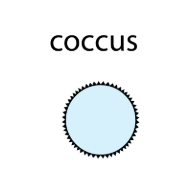
coccus
round/spherical
bacillus/rod
rod shaped

curved
bacteria that have a bent or curved shape
staphlyo
cells arranged in clusters

strepto
cells arranged in chains

sarcina
Cubical packet of 8, 16, or more spherical cells
diplo
cells arranged in pairs (2)

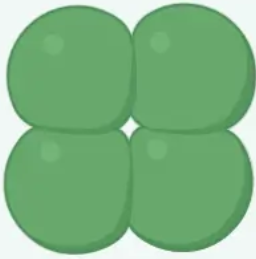
tetrad
four cells arranged together
vibrio
comma shaped, curved bacteria
