AP Environmental Science: Chapter 20
 Studied by 0 people
 Call with Kai
 Learn
Learn Practice Test
 Spaced Repetition
 Match
Match Flashcards
 Knowt Play
1/30

There's no tags or description
Looks like no tags are added yet.
Name | Mastery | Learn | Test | Matching | Spaced | Call with Kai |
|---|
No study sessions yet.
31 Terms
Well-being
The status of being healthy, happy, and prosperous.

Economics
The study of how people and societies use limited resources to satisfy unlimited wants; the management of scarcity and choice

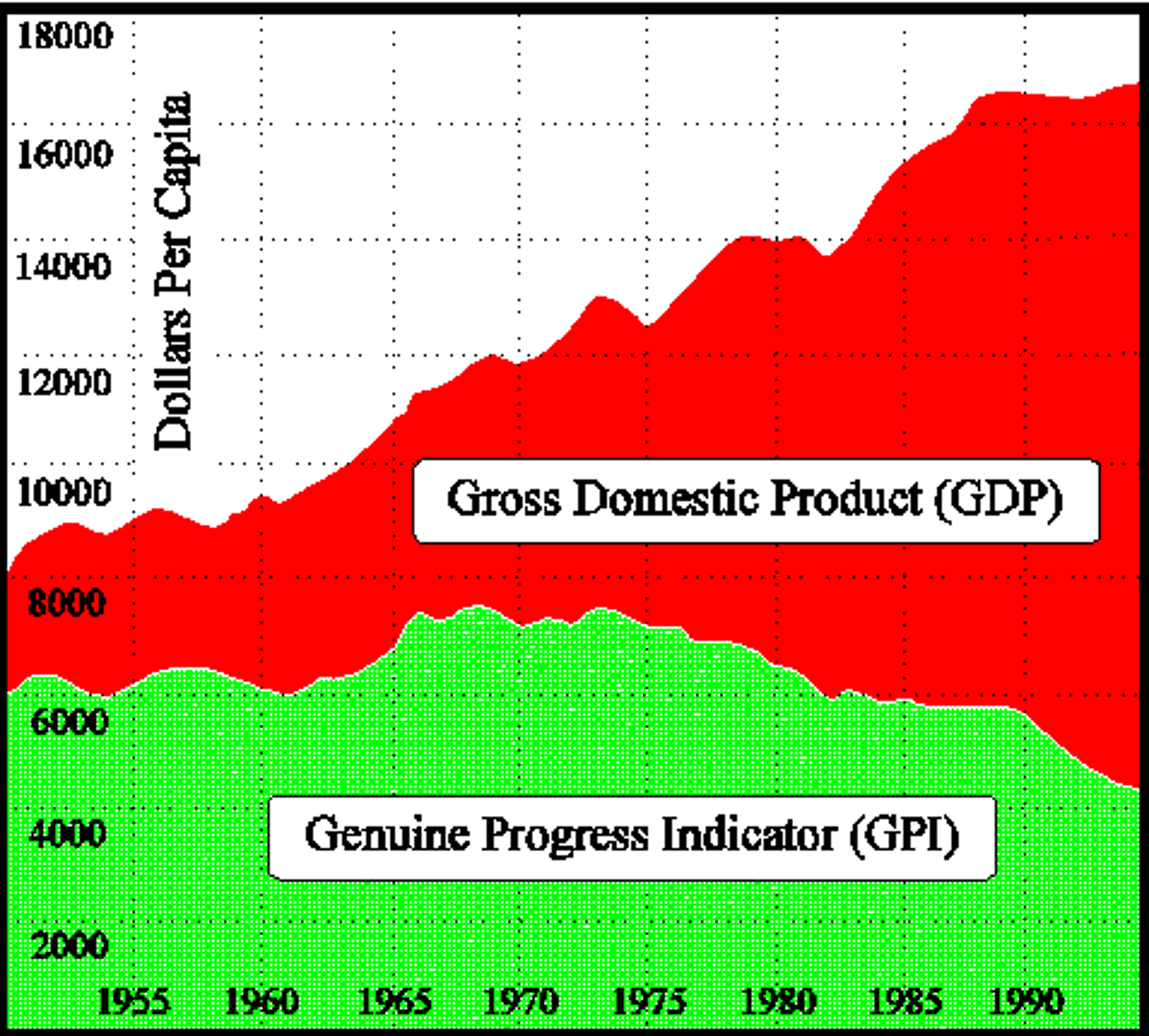
Genuine Progress Indicator (GPI)
A measurement of the economy that considers personal consumption, income distribution, levels of higher education, resource depletion, pollution, and the health of the population.
Technology Transfer
The phenomenon of less developed countries adopting technological innovations that originated in wealthy countries.
Leapfrogging
The situation in which less developed countries use newer technology without first using the precursor technology.

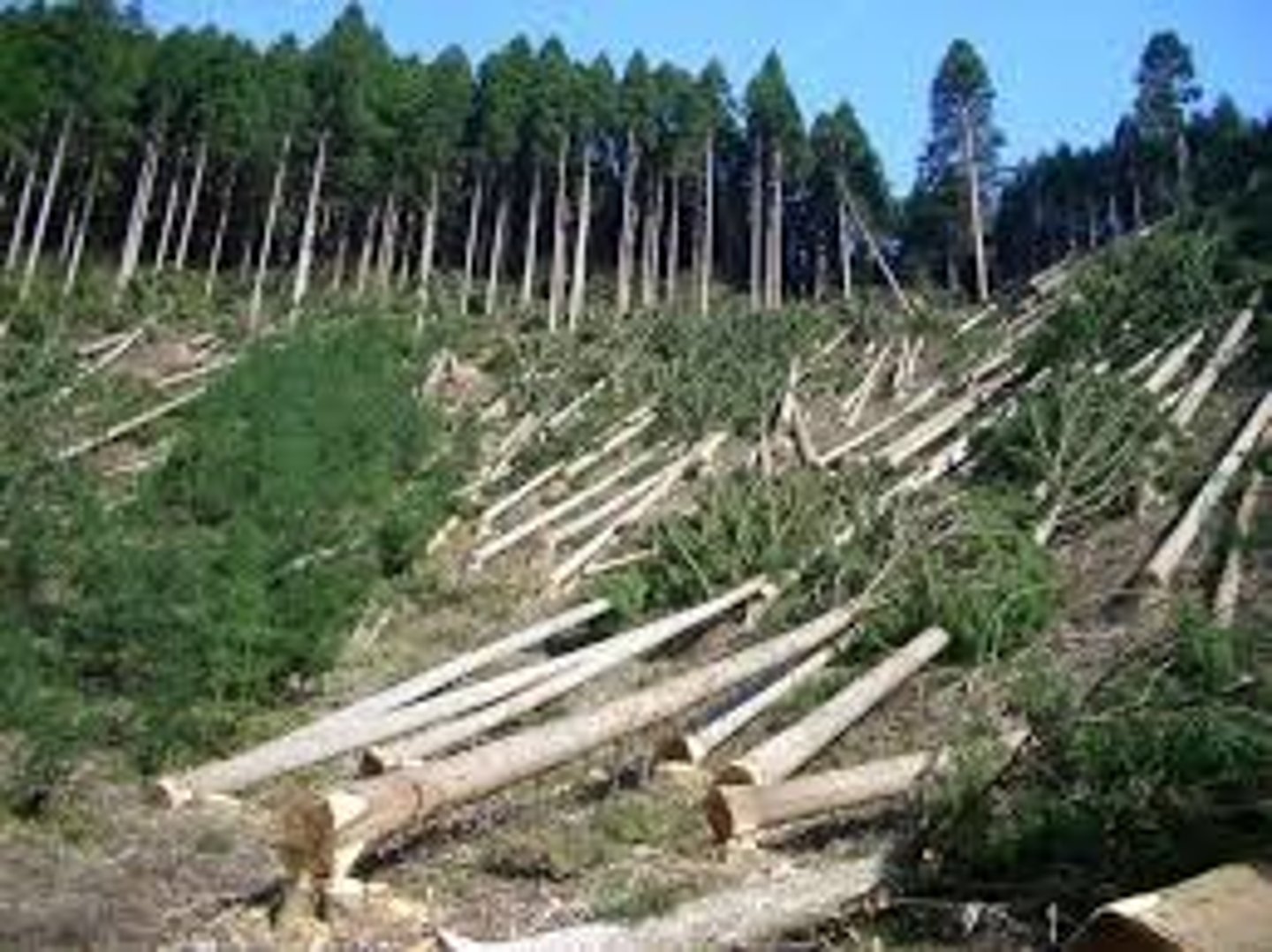
Natural Capital
The natural resources of Earth, such as air, water, and minerals.
Human Capital
Human knowledge, potential, and abilities.

Manufactured Capital
All goods and services that humans produce.

Market Failure
The economic situation that results when the economic system does not appropriately account for all costs.

Environmental Economics
A sub-field of economics that examines costs and benefits of various policies and regulations related to environmental degradation.

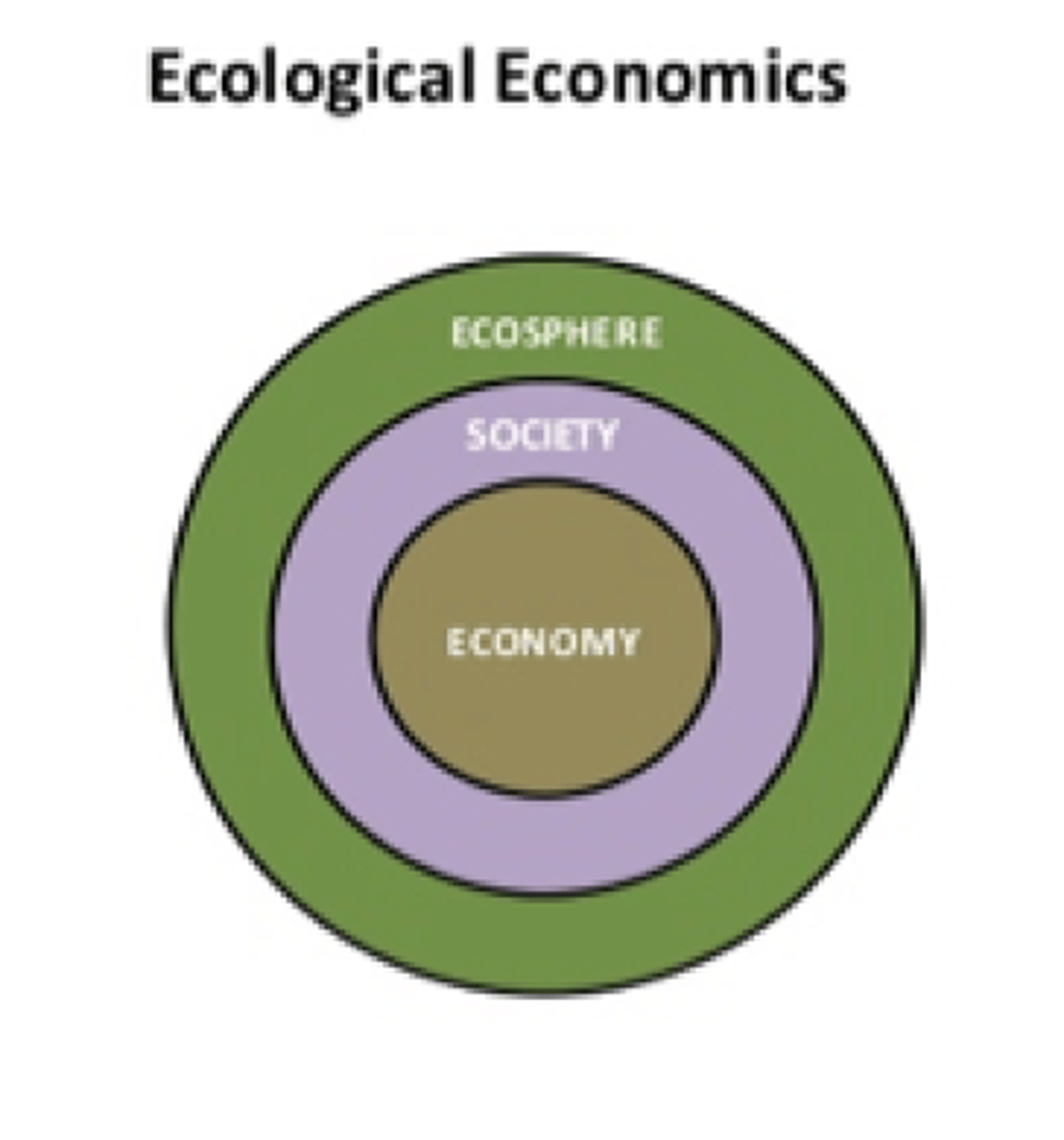
Ecological Economics
The study of economics as a component of ecological systems.
Valuation
The practice of assigning monetary value to seemingly intangible benefits and natural capital.

Environmental Worldview
A worldview that encompasses how people think the world works, how they view their role in it, and what they believe to be proper behavior regarding the environment.

Anthropocentric Worldview
A worldview that focuses on human welfare and well-being.

Stewardship
The careful and responsible management of Earth and its resources.

Biocentric Worldview
A worldview that considers human beings to be just one of many species on Earth, all of which have equal intrinsic value.
Ecocentric Worldview
A worldview that places equal value on all living organisms and the ecosystems in which they live.

United Nations (UN)
An institution dedicated to promoting dialogue among countries with the goal of maintaining world peace.
United Nations Environment Programme (UNEP)
A program of the United Nations responsible for gathering environmental information and conducting research and assessing environmental problems.

World Bank
An international organization that provides technical and financial assistance to help reduce poverty and promote growth, especially in the world's poorest countries.

World Health Organization (WHO)
A group within the United Nations responsible for human health, including combating the spread of infectious diseases and health issues related to natural disasters.
United Nations Development Programme (UNDP)
A program of the United Nations that works to improve living conditions through economic development.
Environmental Protection Agency (EPA)
A U.S. government agency that creates federal policy and oversees enforcement of regulations related to the environment,including science, research, assessment, and education.
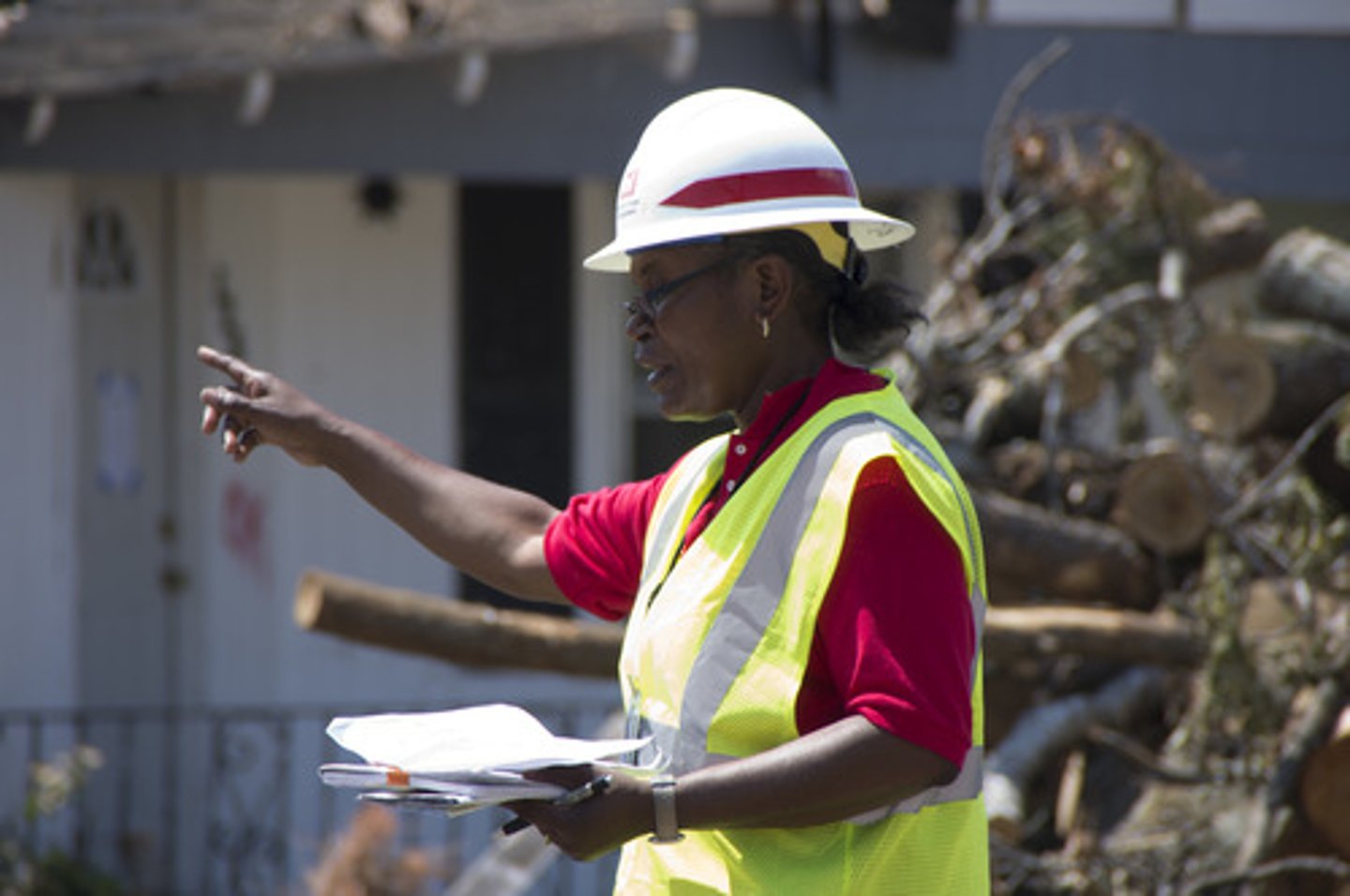
Occupational Safety and Health Administration (OSHA)
A U.S. federal agency responsible for the enforcement of health and safety regulations in the workplace.
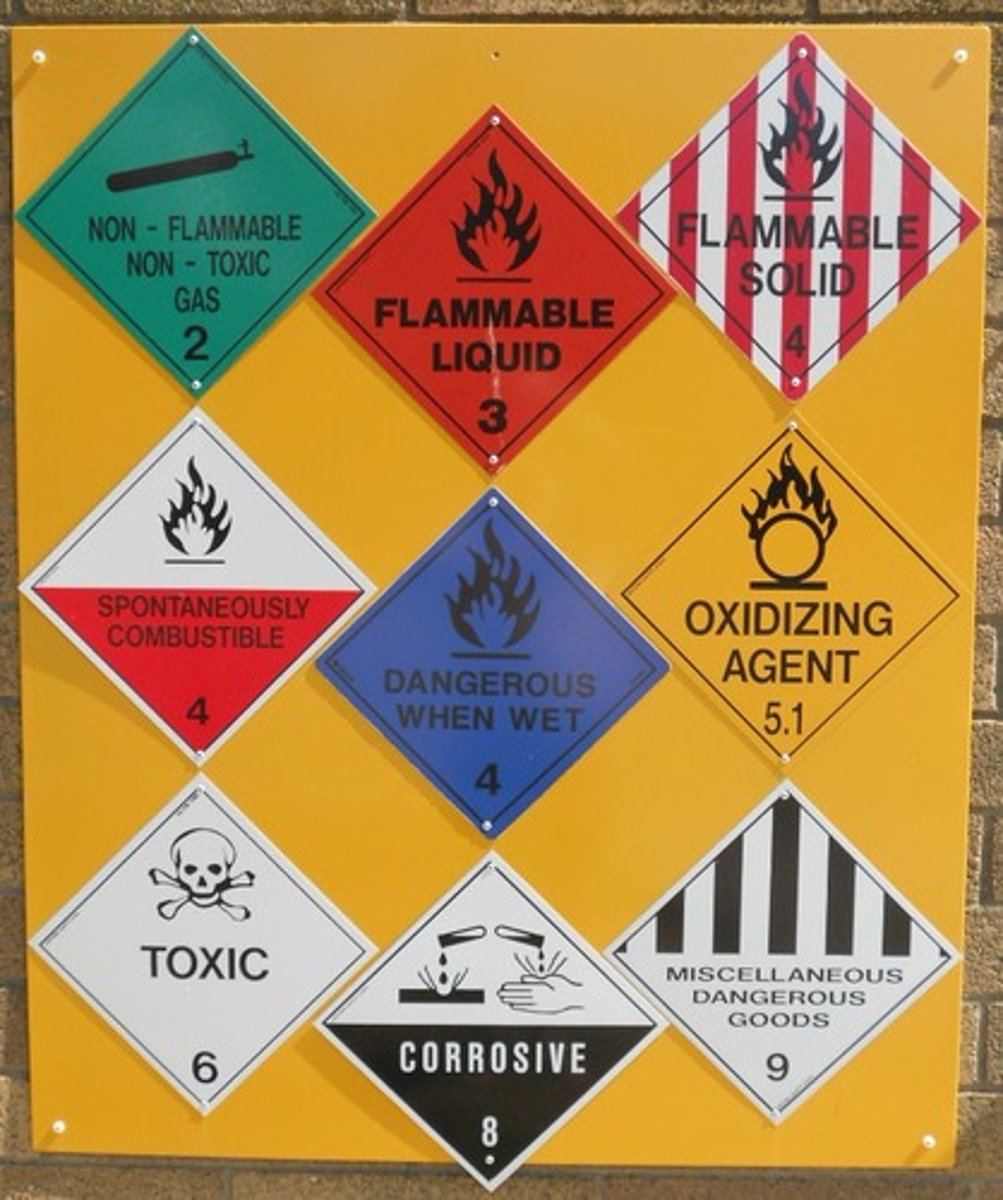
Department of Energy (DOE)
A U.S. government agency created in 1977 with the goal of advancing the energy and economic security of the United States.
Human Development Index (HDI)
A measure of economic well-being that combines life expectancy, knowledge, education,and standard of living as shown in GDP per capita and purchasing power.
Human Poverty Index (HPI)
A multidimensional measure of poverty, measuring longevity, knowledge, economic provisioning and social inclusion.
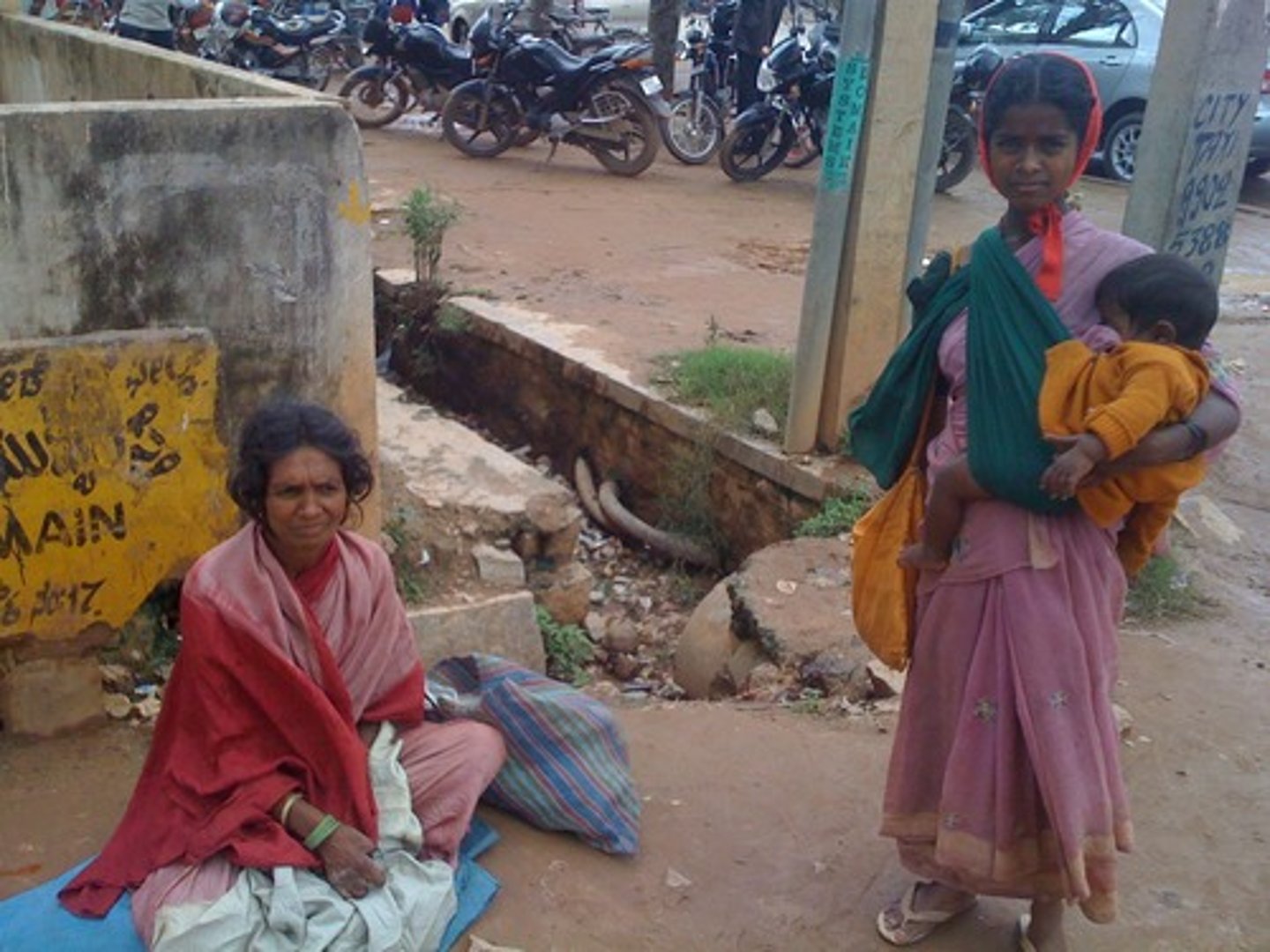
Command-and-Control Approach
A strategy for pollution control that involves regulation and enforcement mechanisms.
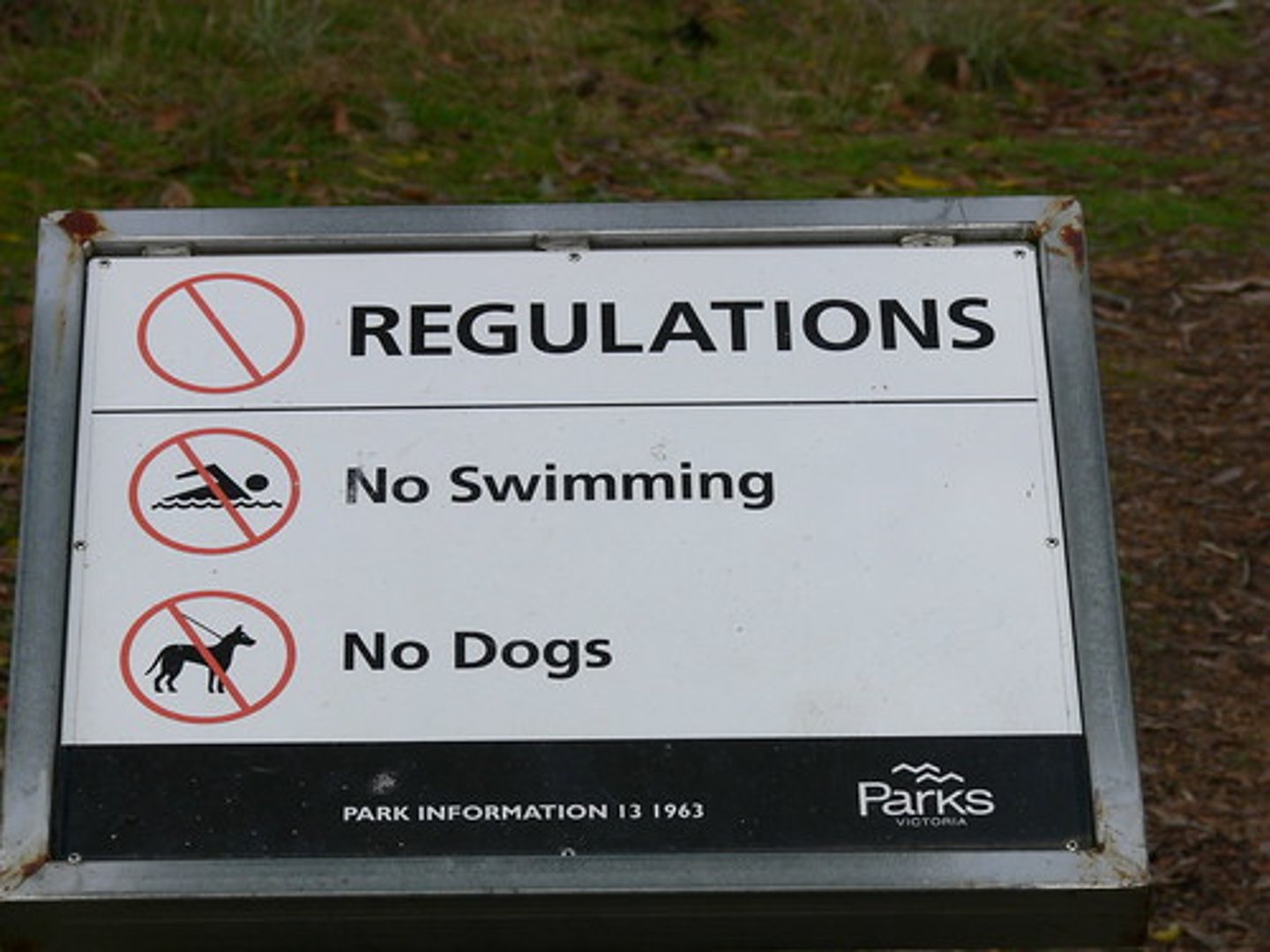
Incentive-Based Approach
A program that constructs financial and other incentives for lowering emissions, based on profits and benefits.

Green Tax
A tax placed on environmentally harmful activities or emissions.

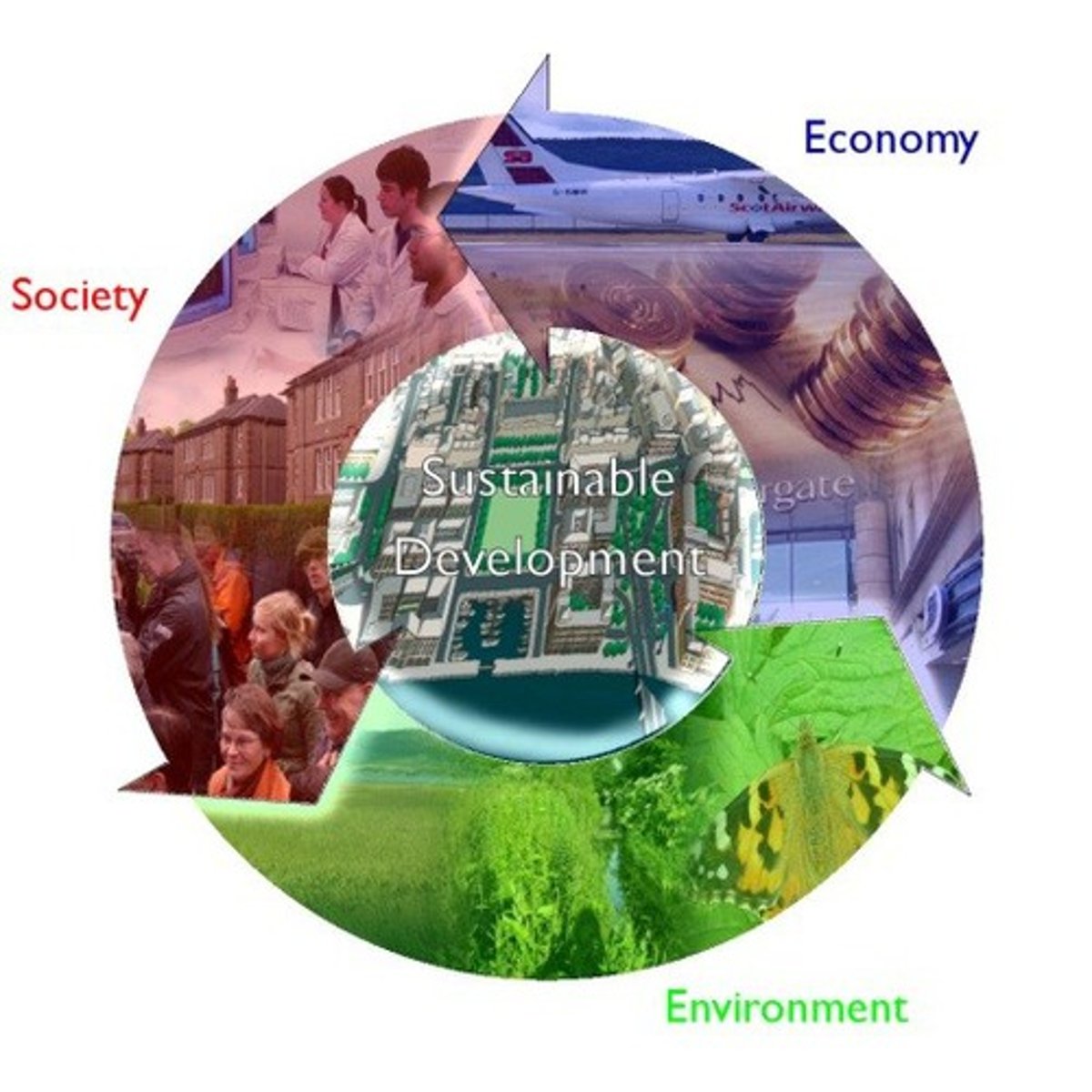
Triple Bottom Line
An approach to sustainability that advocates consideration of economic, environmental, and social factors in decisions about business, the economy, the environment, and development.