CHEM 21.31 Topic 1.3 - Atomic Structure
 Call Kai
 Learn
Learn Practice Test
 Spaced Repetition
 Match
Match Flashcards
 Knowt Play
1/38

There's no tags or description
Looks like no tags are added yet.
Name | Mastery | Learn | Test | Matching | Spaced | Call with Kai | Chat |
|---|
No analytics yet
Send a link to your students to track their progress
39 Terms
Polymers
material of choice for a host of everyday objects
Polymers
made up of very large molecules made up of many smaller molecules linked together
Polymer backbone
long chain of bonded atoms formed when monomers link together
Polyethylene
produced if there is 1 carbon atom and 2 hydrogen atoms per link
Polyvinyl chloride
produced if there is 1 carbon atom, 2 hydrogen atoms, and one polyvinyl chloride every other link
Polycinylidene chloride
produced if there is 1 carbon atom, 2 hydrogen atoms, and 2 chlorine atoms every other link
matter
composed of atoms
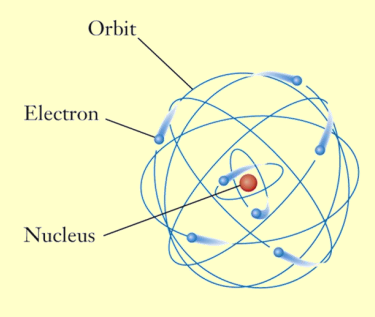
atoms
has a nucleus (containing protons and neutrons) and surrounded by a cloud of electrons
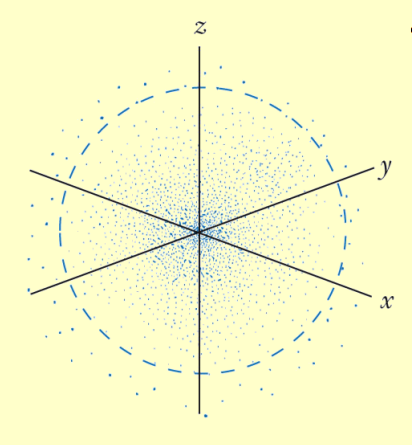
clouds of negative charge
what are electrons depicted as
Atomic Number (Z)
number of protons in a nucleus
Mass Number (A)
sum of the number of protons and number of neutrons in a nucleus
1.6605 x 10⁻¹⁹
1 amu equal to in grams
1.007
mass of a proton in amu
+1.602 × 10⁻¹⁹
charge of a proton
1.009
mass of a neutron in amu
neutral
charge of a neutron
0.00055
mass of an electron in amu
−1.602 × 10⁻¹⁹
charge of an electron
isotopes
atoms of an element that differ in the number of neutrons in their nucleus
isotopic abundance
mass percentage of an isotope
mass spectrometers
measures the masses of atoms, isotopes, and molecules

atomic symbols
scientific shorthand way of writing information regarding atomic structure

relative atomic mass
average of the atomic masses for the isotopes of an element
ions
formed when number of protons and electrons are not equal
cations
ions with more protons than electrons
anions
ions with more electrons than protons
monatomic ion
ion derived from a single atom
polyatomic ion
ion derived from group of atoms with an overall charge

Coulombs’ Law
states that the force between ions is proportional to the product of the ion charges divided by distance squared

chemical formula
describes a compound in terms of the elements the compound contains
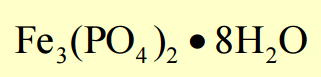
hydrates
water molecules associated with certain compounds
compounds
have different properties than their constituent atoms
ionic compounds
compound that contains cations and anions
molecular formulas
chemical formula that indicate the elements and the actual number of atoms contained
empirical formulas
chemical formula that indicate the smallest whole number ratio between number of atoms
chemical bonding
created by the exchange or sharing of electrons
ionic
bond that has exchange. cations and anions present
metallic
bond that shares by forming a mobile sea of electrons
covalent
bond that shares between atoms