lecture 10- toxicants affecting the cardiac and respiratory systems- 2
 Call Kai
 Learn
Learn Practice Test
 Spaced Repetition
 Match
Match Flashcards
 Knowt Play
1/53

There's no tags or description
Looks like no tags are added yet.
Name | Mastery | Learn | Test | Matching | Spaced | Call with Kai | Chat |
|---|
No analytics yet
Send a link to your students to track their progress
54 Terms
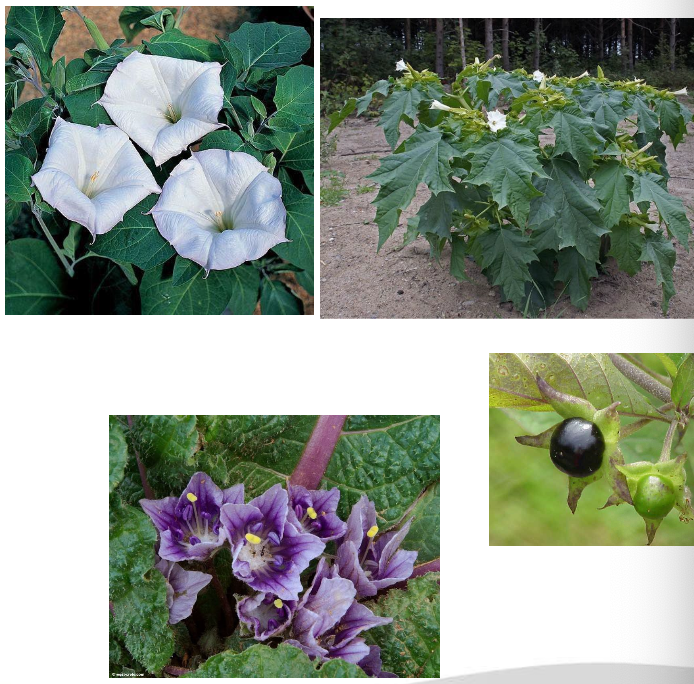
solanaceae
toxic principle of solanaceae
hyoscyamine
scopolamine
atropine
toxicokinetics of solanaceae
Alkaloids absorbed from the GI tract. Dried seeds in feed and
fresh plant are both sources.
mechanism of toxicity
most of the symptoms can be related to inhibition of the PNS; occur within minutes to several hours
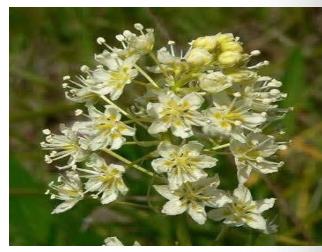
death camas
when does death camas poisoning typically occur
in early spring
toxic agent of death camas
zigacine
clinical signs of death camas
vasodilation and bradycardia, cardiac necrosis; often CNS involvement
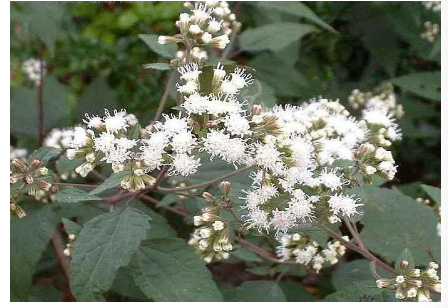
white snakeroot
toxic principle of white snakeroot
tremetol and tremetone
toxicokinetics of white snakeroot
tremetone must be activated by microsomal enzyme to produce toxicity toxic agents are found in milk
pumping apparatus function
regulate gas exchange between environment and airways
components of pumping apparatus
respiratory muscles, CNS, chemo/ mechano- receptors
gas exchange unit function
regulate gas exchange between airways and blood
components of gas exchange unit
airways, alveoli, vascilature, fibrous network
airway reactivity
irritant stimulated bronchoconstriction
pulmonary edema
acute lung injury
cardigenic lung edema is demostrated by a case of
fatal taxus poisoning in horses
high levels of fumonisin may cause
fatal pulmonary edema in pigs 1-4 hours after exposure
chlorine/chloramine
irritating to upper airways peak symptoms at 30-90 minutes
in dilte aqueous solutions chloramine is prepared by
the reaction of ammonia with sodium hypochlorite
what does ammonia do
irritates eyes and respiratory membranes, increases the incidence and intensity of microbial or parasitic infections and reduces growth rate
in humans what are the different percents of carbon dioxide and what it causes
In humans, 3% CO-Hb is considered normal; 6–8% causes drifting of attention; 10–20%
headaches; 20–30% dizziness; 30–60% tachypnea, tachycardia and confusion; and 60% fatality.
methane exposure hazard
10-15%
hydrogen sulfide greatest danger
ability to paralyze the respiratory tract
what does overheating frying pans do to birds
pulmonary edema and hemorrhages
poison hemlock toxic principle
pyridine alkaloids, N- methyl coniine, coniine
mechanism of toxicity for poison hemlock
block neuromuscular junction
toxic principle of water hemlock
cicutoxin
mechanism of toxicity for water hemlock
central neuronal inhibition of GABAergic receptors
inhibition from water hemlock results in
seizures culminating in respiratory failure
when does ABPEE typically occur
in the fall 5-10 days after change to a better often lush pasture
what is metabolized to cause ABPEE
L-tryptophan
what plant causes the most cattle death in tennessee
perilla mint
toxic principle of perilla mint
perilla ketone
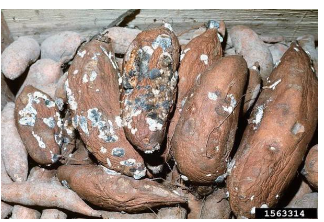
perilla mint on sweet potatoes
mechanism of toxicity of perilla mint
damage to the pulmonary endothelium and type I pneumocytes resulting in a proliferation of type II pneumocytes
clinical signs of perilla mint
ingestion causes ABPEE
examples of cyanogenic plants
wild cherry, choke cherry, apricot, peach, apple
Johnson grass, arrow grass, Sudan grass
cynogenic plant toxic principle
amygdalin and prunasin
cyanogenic plants toxicokinetics
readily converted to HCN in the GI tract and absorbed
mechanism of toxicity for cyanogenic plants
HCN has a high affinity for Fe3+ preventing cellular respiration and thereby causing death.
in cytochrome oxidase poisoning from ingestion of low levels of HCN may cause neurotoxicity and may even be goitrogenic.
clinical signs of cyanogenic plants
hyperventiliation, convulsions, shock, coma, respiratory failure and death
onset is peracute
venous blood a bright cherry red
cyanogenic plant treatment
Administering sodium nitrite converts some hemoglobin to methemoglobin,which competes with
cytochrome oxidase for CN forming cyanomethemaglobin.
Sodium thiosulfate, in the presence of the enzyme rhodanese, combines rapidly with the CN molecule cleaved
from cyanomethemaglobin to form non-toxic sodium thiocyanate which is excreted in the urine.
plants containing nitrates
Redroot pigweed
lamb’s-quarters
Johnson grass
Sudan grass
sorrel
dock
crops containing nitrates
oats
corn
wheat
alfalfa
sugar beet
soybean
conditions causing increased nitrate content
• drought followed by rain
• extremes of temperature
• extended cloudy conditions
• frost
• excessive nitrate fertilizer rapid growth
toxic principles of nitrates
NO3 which is reduced to NO2
mechanism of toxicity
nitrite combines with hemoglobin and oxidizes it to methemoglobin
diagnosis of nitrates poisoning
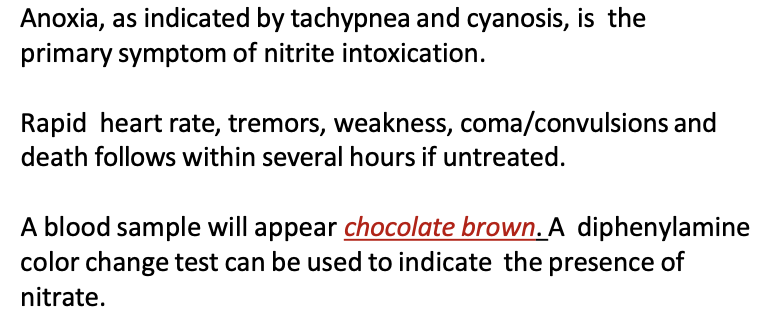
treatment of nitrate tox
remove animals from source and fed a low nitrate feed (hay) maintain a quiet environment. use methylene blue
acer rubrum
is a deciduous tree native to northeastern North America. Also
sugar maple, silver maple.
what disease can acer rubrum cause
methemoglobinemia
diagnosis of red maple toxicosis
rapid heart rate, tremors, weakness, coma/ convulsions and death follows within several hours if untreated