BY 124L - Cusic 1
 Call Kai
 Learn
Learn Practice Test
 Spaced Repetition
 Match
Match Flashcards
 Knowt Play
1/62

There's no tags or description
Looks like no tags are added yet.
Name | Mastery | Learn | Test | Matching | Spaced | Call with Kai | Chat |
|---|
No analytics yet
Send a link to your students to track their progress
63 Terms
Protists
• All eukaryotic
• Most univellular
• Most aerobic respriation
• free-living, parasitic, or symbiotic
• heterotrophic, autotrophic, or mixotrophic
• NEED MOIST ENVIRONMENTS
Types of Protist Locomotion
flagella, cilia, pseudopodia, none
flagella
single, long hair-like extension used to sqim
ex. Euglena
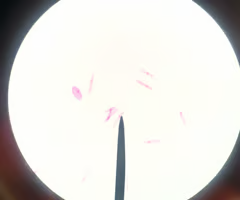
examples of flagella protists
Supergroup Excavata: diplomonads, parabasalids, euglenozoa-like kinetoplastids and euglenids)
oomycetes (SAR)
Dinoflagellates (SAR)
Pseudopodia
Cytoplasm-filled projections of the cell membrane
• Ex: Amoebas

Examples of pseudopodia
Radiolaria, Foraminiferans, Tubulinids
Cilia
Short, hair-like extensions covering the cell wall
ex.) paramecium
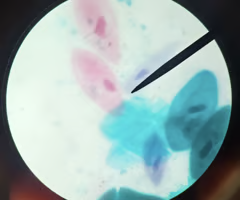
examples of cilia
Ciliates, paramecium
immobile/none
Diatoms, Apicomplexans
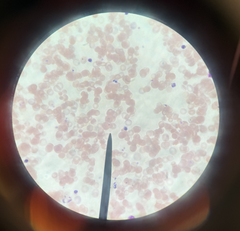
Feed strategies
photoautotrophic, heterotrophic, or mixotrophic
photoautotrophic
photosynthetic (plant-like)
ex.) red algae
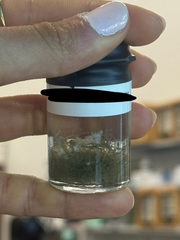
heterotrophic
• Ingestive (animal-like)
• Absorptive (fungus-like)
ex.) oomycetes and radiolarians
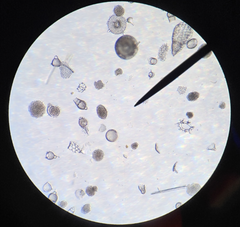
mixotrophs
An organism that is capable of both photoautotrophy and heterotrophy.
ex.) some dinoflagellates or euglenozoa
green algae
a and b
red algae
a and d
brown algae
a and c
diatoms
a and c
dinoflagellates
a and c
euglenids
a and b
Supergroups
• Excavata
• SAR
• Archaeplastida
• Unikonta
Excavata clades
diplomonads, parabasalids, euglenozoans
excavata
• excavated groove on one side of the cell body
• multiple flagella
• modified mitochondria
diplomonads
• mitosomes
• ANAEROBIC PATHWAYS
• parasitic
• two equal-sized nuclei and multiple flagella
• Giardia intestinalis - feces water "beaver fever"
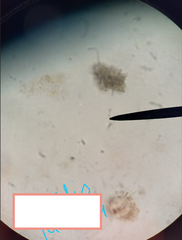
parabasalids
• hydrogenosomes (reduced mitochondria)
• Trichomonas vaginalis
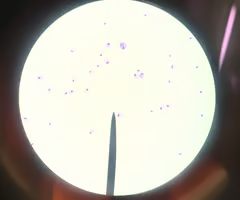
eugleonozoa
• unique flagella; spirl or crystalline rod-like structure
• predatory heterotrophs, photosynthetic autotrophs, mixotrophs, and parasites
• kinetoplastids and eugelozoids
kinetoplastids
• predatory heterotrophs and parasites
• termine flagellates in termite guts help digest cellulose
• trypanosoma bruceii: sleeping sickness; can cause Chagas' disease, heart failure, and blood sucking insects
• single, large mitochondrion with kinetoplast (mass of DNA0
• feed on prokaryotes, protists, and plants
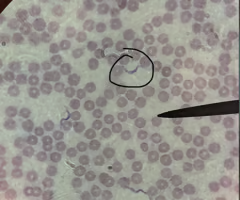
Euglenids
• 1-2 flagella
• can be mixtrophs; photosynthesis when light is available; can go heterotrophic
• CHLOROPHYLLS A AND B; no cell wall
• pellicle (shape) and stigma (light sensitive organelle)
types of reduced mitochondria
• Hydrogenosomes
• mitosomes
Hydrogenosomes
• anaerobic
• parabasalids
• reduced mitochondria; can make hydrogen without oxygen
• lack all plastid
Mitosomes
• reduced mitochondria
• lack functional ETC
• Cannot use oxygen to extract energy from carbs
• diplomonads
ª lack all plastids
• no ATP generation or oxcidative phosphorylation
Supergroup "SAR"
Stramenopiles, Alveolates, Rhizarians
Stramenopila
• stramen = straw
• pila = hair
• autotrophs and heterotrophs
• file hair-like projections found on flagella
• "hairy" flagellum paired with a "smooth" shorter one
Stramenopila Clades
• diatoms
• brown algae
• oomycetes
diatoms
• unicellular
• glass-like cell wall of hydrated-silica; shoebox
• oceans and lakes; diatomaceous earth deposits
• abundant; photosynthetic activity affects CO2 levels
• CHLOROPHYLL A AND C

brown algae
• multicellular
• cold-water currents
• kelps
• walls have algin; thicken foods
• CHLOROPHYLL A AND C
• cellulose in walls
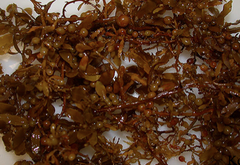
oomycetes
• Some unicellular, some multicellular with cellular units called hyphae
• Cell wall comprised of cellulose
• Diploid dominant life cycle (produce large egg)
• Heterotrophic, very important in decomposing organic matter
• Saprolegnia
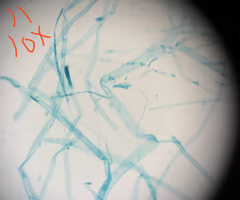
alveolata
• have alvoli (membrane-enclosed sacs) under membrane
• wide variety of habitats
alveolata caldes
dinoflagellates, apicomplexans, ciliates
dinoflagellates
• cells wit cellulose and TWO FLAGELLA in grooves
• marine and freswater
• CHLOROPHYLL A AND C
• causes red tides from red cartenoids
• symbiotic relationships with coral
• photoautotrophic, heterotrophic, or mixotrophic
• threadlike filaments
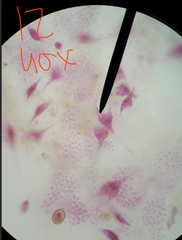
apicomplexans
• endoparasites - LIVES IN HOST
• unicellalur
• apical complex penetrates RBC
• complex life cycles: several hosts and both sexual and asexual components
• Plasmodium - malaria
• no organelle for movement

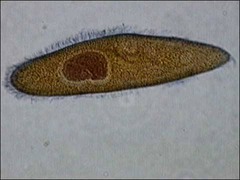
ciliates
• use cilia for locomotion
• predators of bacteria or smaller protists
• cellia can cover entire surface or be clustered
• binary fission reproduction
• toxin
• oral groove: place of ingestion
• food and contractile vacuoles
• anal pore for waste
Rhizaria
foraminiferans and radiolarians
radiolarians
- move via axopodia/pseudopodia; float and feed
• silica in internal skeleton
• marine waters
• unicellular and heterotrophic
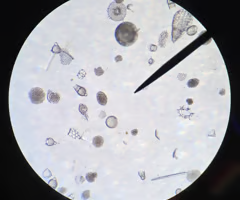
foraminifera/forams
• bears pores
• shells (tests)
• unicellular
• heterotrophs with symbiotic, photosynthetic algea
• marine and freshwater; attach to rocks or algae
• limestone, flint
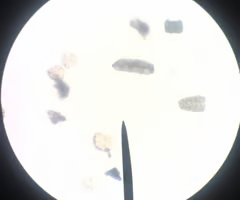
Archaeplastida
• origin of plastids
plastids
organelles responsible for photosynthesis
archaeplastida clades
• red algae
• green algae
red algae
multicellular
• most photoautotrophic
• can be hetertrophic or parasitic (lack chlorophyll)
• chloroplasts with CHLOROPHYLL A AND D
• no flagellated gametes
• some contain calcium carbonae walls
• nori wraps for sushi and agar
green algae
• unicellular and multicellular
• photosynthetic: chloroplasts with a and b
• freshwater
• carbs starch
• cell wall of cellulose
• complex life cycles: asexual and sexual stages

green algae 3 mechanisms for greater size and complexity
• formation of colonies of individual cells (volvox) and filamentous forms that make stringe masses (pond scum)
• production of true multicellular bodies via cell divisiona nd differentiation
• repeated karyokinesis (nuclear division) without cytokinesis)

Super unikonta
similar myosin protein structures
unikonta clades
amoebozoa
^plasmodial slime molds
^cellular slime molds
tubulinids
entamoeba
amoebozoa
• lobe or tube shaped pseudopodia for movement
• cytoplasm is in ectoplasm and endoplasm and flow in opposite directions

slime molds amoebozoa
plasmodial and cellular
plasmodial slime molds
• large, unicellular mass called plasmodium;
• diploid; plasmodium is feed stage
• heterotrophic on detritus (moist soil, rotten logs)
• convergent evolution to act like fungi
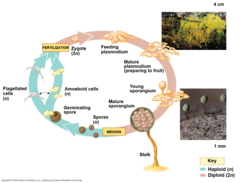
plasmodium slime mold life cycle
1. diploid zygote undergoes multiple mitotic divisions wihtout cytokineses; forming LARGE UNICELLULAR PLASMODIUM
2. plasmodium produces sporangia
3. sporangium contains diploid cells which undergo meiosis to produce haploid spores
4. haploid spores contain either a flagellate or ameoboid cell which fertilize with opposing to produce a new diploid zygote
Cellular slime molds
• exist as indiviudal haploid cells, but can form aggregate when food is scarce
• individual cells are feeding state
• aggregate functions as an asexual fruiting body
• heterotrophic on detritus (moist soil, rotten logs)
• convergent evolution to act like fungi
Cellular slime mold life cycle
1. solitary haploid amoebas divide periodically asexually mitosis
2. during a sexual cycle, tow haploid amoeabs that accumlate during food scarcity fuse to form a diploid zygote which goes through meiosis to produce haploid amoebas
3. solitary haploid amoebas form an aggregate during food scarcity
4. aggregate migrate sbefore stopping and forming a stalk with a fruiting body
5. amoebas within aggregate crawl up the stalk of the fruiting body and develop into spores
6. spores are released and produce solitary amoeabs in favorable conditions

tubulinids
• Unicellular
• Most are heterotrophic on bacteria, other protists, or detritus
• Large and diverse group of amoebozoans
• Amoeba
• Ubiquitous in soil, freshwater, and marine
Entamoeba
• Unicellular
• Parasitic
• Entamoeba spp.
• Infection possible in all vertebrates and some invertebrates
• E. histolytica is the causative agent of amoebic dysentery and spreads via contaminated drinking water
Flagella
Domain Bacteria
3 shapes: cocci, spirilla, bacilli
cyanobacteria
cyanobacteria
Photosynthetic w/o chloroplast: Photosystems I and II as well as
Chlorophyll A within thylakoid membranes
• Heterocysts present in nitrogen-fixing species
• Anabaena and Oscillatoria