ATI TEAS Version 7 - Science
 Call Kai
 Learn
Learn Practice Test
 Spaced Repetition
 Match
Match Flashcards
 Knowt Play
1/185

There's no tags or description
Looks like no tags are added yet.
Name | Mastery | Learn | Test | Matching | Spaced | Call with Kai | Chat |
|---|
No analytics yet
Send a link to your students to track their progress
186 Terms
Which of the following is the function of a totipotent cell?
a. Aids in the maturation of the sex cells
b. Carries electrical impulses
c. Develops into any kind of cell
d. Fights infectious diseases
c. Develops into any kind of cell
Which of the following is correct regarding the pH scale?
a. A substance with a pH of 3 is two times more acidic than a substance with a pH of 4.
b. A substance with a pH of 3 is two times more alkaline than a substance with a pH of 4.
c. A substance with a pH of 3 is 10 times more acidic than a substance with a pH of 4.
d. A substance with a pH of 3 is 10 times more alkaline than a substance with a pH of 4.
c. A substance with a pH of 3 is 10 times more acidic than a substance with a pH of 4.
Which of the following functions does the myelin sheath perform for a nerve cell?
a. Insulation
b. Nutrition
c. Regeneration
d. Sensory perception
a. Insulation
Which of the following summarizes a change that takes place as a solid turns to a liquid?
a. Intermolecular forces between particles become stronger.
b. Particles become less ordered.
c. Particles have a decrease in mobility.
d. Particles move closer together.
b. Particles become less ordered.
To accurately measure the density of a series of small irregular solids made of plastic, wood, fiberglass, and glass, a student will need which of the following laboratory tools?
a. Graduated beaker, metric ruler, water
b. Graduated cylinder, spectrophotometer, water
c. Graduated cylinder, water, weighing balance
d. Weighing balance, Bunsen burner, metric ruler
c. Graduated cylinder, water, weighing balance
Which of the following classes of biological molecules includes enzymes?
a. Carbohydrates
b. Lipids
c. Proteins
d. Vitamins
c. Proteins
Which of the following best describes the result of using a catalyst in a chemical reaction?
a. A greater amount of heat energy is released by the reaction.
b. A more desirable product is often formed.
c. The reaction is completed in a shorter amount of time.
d. The yield of product is increased.
c. The reaction is completed in a shorter amount of time.
A patient goes to the doctor with a cold and sore throat and asks for antibiotics. The doctor refuses to prescribe antibiotics to the patient because the illness is caused by which of the following pathogens?
a. Bacteria
b. Fungus
c. Protist
d. Virus
d. Virus
In which of the following regions of the body are the tibia and fibula?
a. Antecubital
b. Coxal
c. Crural
d. Tarsal
c. Crural
Which of the following actions allow for repolarization of a neuron?
a. The closing of both sodium and potassium channels to restrict movement of ions into and out of the neuron.
b. The inhibition of sodium and potassium pumps, stopping all ion movement into the neuron.
c. The opening of potassium channels, allowing potassium to leave the neuron.
d. The opening of sodium channels, allowing sodium to enter the neuron.
c. The opening of potassium channels, allowing potassium to leave the neuron.
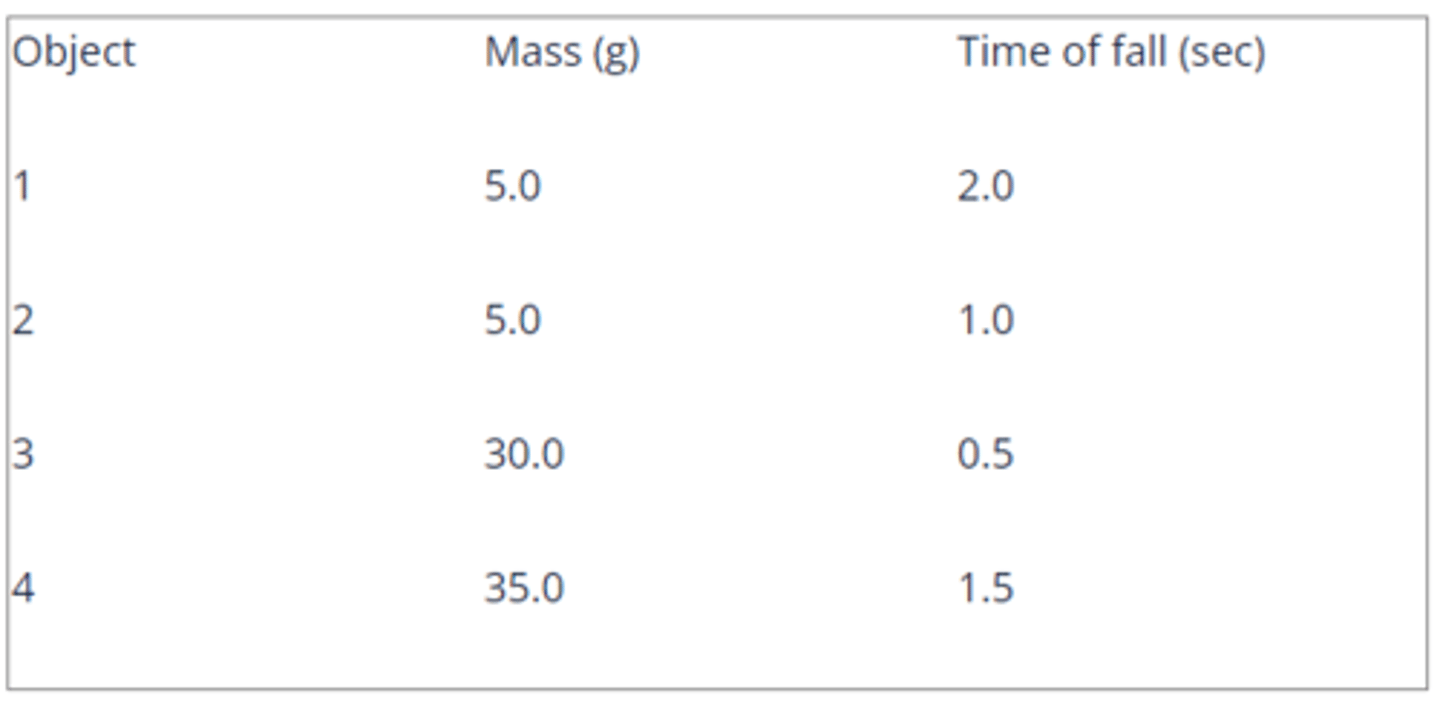
Use the table below to answer the question. Which of the following conclusions is supported by the data?
a. Air resistance is greater for A than for B.
b. Objects A and B will fall at the same rate.
c. The greater the mass of an object, the faster it will fall.
d. The time of fall is independent of the mass of the object.
a. Air resistance is greater for A than for B.
Which of the following properties does soap, an emulsifier, have that make it useful for washing dirt off one's hands with water?
a. Soap's acidity causes grime to precipitate into the water.
b. Soap's dual polar and non polar nature helps bond oil and water.
c. Soap's enzymatic action helps to dissolve grime into smaller particles.
d. Soap's rough texture physically scours grime off surfaces.
b. Soap's dual polar and non polar nature helps bond oil and water.
Which of the following is an efferent neuron that is responsible for releasing a neurotransmitter that stimulates a muscle cell to contract?
a. Interneuron
b. Motor neuron
c. Neuroglia
d. Sensory neuron
b. Motor neuron
Which of the following correctly orders structures from simple to complex?
a. Atoms, cells, tissues, organs
b. Atoms, organs, tissues, cells
c. Cells, tissues, atoms, organs
d. Organs, tissues, cells, atoms
a. Atoms, cells, tissues, organs
Which of the following describes a genetic mutation that results in uncontrolled division of a single cell within the body?
a. Cancer
b. Gene therapy
c. Stem cell
d. Translation
a. Cancer
Which of the following substances is excreted by sweat glands in response to the breakdown of proteins and the formation of ammonia?
a. Lysozymes
b. Sebum
c. Urea
d. Water
c. Urea
The mitochondrial inner membrane carries out the same function in cellular respiration as the ______ membrane of chloroplasts in photosynthesis.
Which of the following correctly completes the sentence above?
a. epithelial
b. nuclear
c. thylakoid
d. tonoplast
c. thylakoid
The covalent bonds between the monomers of an enzyme macromolecules are ______.
a. ester bonds.
b. glycosidic bonds.
c. peptide bonds.
d. phosphodiester bonds.
c. peptide bonds.
Which of the following layers of skin lack blood vessels?
a. Epidermis
b. Hypodermis
c. Papillary
d. Reticular
a. Epidermis
Experiments cannot validate hypothesis, only falsify them.
The statement above can be restated in which of the following ways?
a. A hypothesis that has not been falsified remains provisional.
b. Certain concepts cannot be subjected to direct experimentation.
c. Proving a hypothesis exempts it from further reading.
d. Until disproved, an explanation for an observation is valid.
a. A hypothesis that has not been falsified remains provisional.
Which of the following structures is present in both prokaryotic and eukaryotic cells?
a. Cell membrane
b. Chloroplast
c. Endoplasmic reticulum
d. Golgi apparatus
a. Cell membrane
If a portion of a strand of DNA bases reads 5' AGCTAGCGT 3', what would the sequence of bases on the complementary strand read?
a. 3' AGCTAGCGT 5'
b. 3' TCGATCGCA 5'
c. 5' TCGUTCGCU 3'
d. 5' UCGAUCGCA 3'
b. 3' TCGATCGCA 5'
How many times stronger is the hydrogen-ion concentration of a pH 4 solution as compared with a pH 9 solution?
a. 0.000001
b. 5
c. 50
d. 100,000
d. 100,000
An individual suffers severe blunt trauma to the thoracic cavity. Which of the following organs are at greater risk from this injury?
a. Brain and spinal cord
b. Heart and lungs
c. Large and small intestines
d. Liver and stomach
b. Heart and lungs
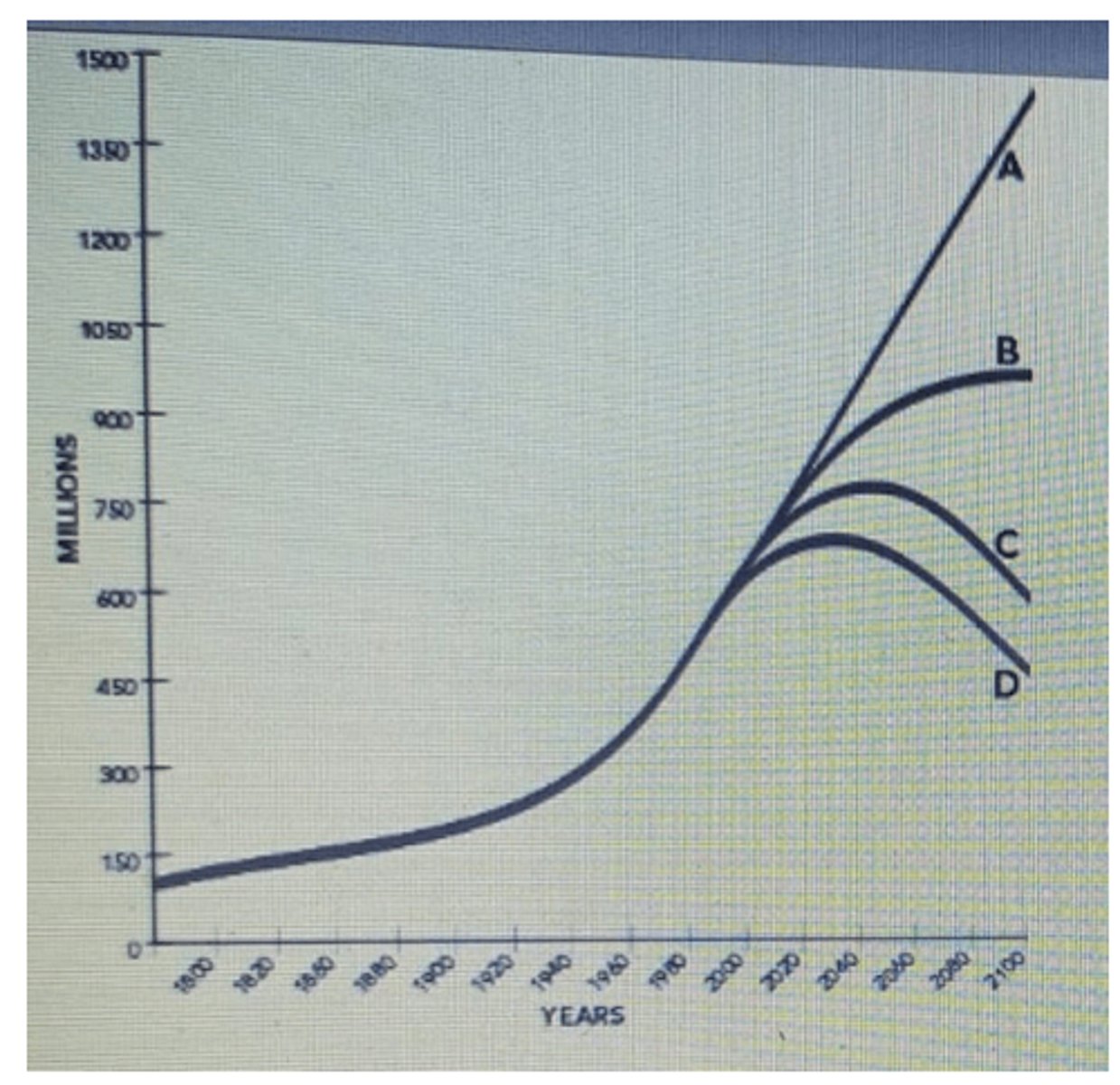
Which of the following growth curves shows a population that is at its carrying capacity?
a. A
b. B
c. C
d. D
b. B
A researcher wants to gather data on the average wing strength of all birds found in the American Northwest. The researcher only has one small net, so all large birds were excluded from the study. The researcher's results were different than expected, but he believes his data include enough birds to estimate the strength of all birds.
a. Data are biased by the methodology.
b. Data cannot be displayed graphically.
c. Data contradict the control group.
d. Data were different than expected.
a. Data are biased by the methodology.
Which of the following terms describes the relaxation of the chambers of the heart during the cardiac cycle?
a. Bradycardia
b. Diastole
c. Systole
d. Tachycardia
b. Diastole
Which of the following structures is an exocrine gland?
a. Parathyroid gland
b. Parotid gland
c. Pineal gland
d. Pituitary gland
b. Parotid gland
A researcher writes a grant proposal to repeat an experiment that was recently published by another researcher. Which of the following statements best supports the grant proposal?
a. Funding this grant proposal will allow this laboratory to continue to study this topic.
b. Funding this important research will benefit science in the long term.
c. Repeating published work with changed variables will extend the previous results.
d. Repeating the published work will provide independent confirmation of the results.
c. Repeating published work with changed variables will extend the previous results.
Which of the following is the process in which an ovarian follicle matures and releases a reproductive egg?
a. Fertilization
b. Menstruation
c. Oogenesis
d. Ovulation
d. Ovulation
Which of the following organs filters excess solutes from the blood?
a. Gallbladder
b. Kidney
c. Spleen
d. Spleen
b. Kidney
Which of the following occurs in an oxidation reaction?
a. Addition of carbon
b. Addition of neutrons
c. Removal of electrons
d. Removal of oxygen
c. Removal of electrons
Which of the following tools can be used to measure the turbidity of a liquid by measuring the transmission of light through the sample?
a. Centrifuge
b. Electrophorometer
c. Microdensitometer
d. Spectrophotometer
d. Spectrophotometer
Genetic information describing the characteristics of an organism is found in which of the following?
a. Cilia
b. Membranes
c. Nuclei
d. Ribosomes
c. Nuclei
For which of the following reasons does a chloride ion have a negative charge?
a. It gained an electron.
b. It gained a proton.
c. It lost an electron.
d. It lost a proton.
a. It gained an electron.
Which of the following is a function of bone?
a. Detoxification of alcohol
b. Production of otoliths
c. Secretion of hormones
d. Storage of minerals
d. Storage of minerals
A study found two processes. Process A and Process B, to be correlated. Which of the following is true for these processes?
a. The study cannot indicate whether Process A and B have a negative relationship.
b. The study cannot indicate whether Process A and B have a positive relationship.
c. The study does not indicate a casual relationship between the processes.
d. The study indicates that Process A causes Process B.
c. The study does not indicate a casual relationship between the processes.
Which of the following is a component of the integumentary system that secretes pheromones?
a. Apocrine gland
b. Dermal papilla
c. Fossa ovalis
d. Seminiferous tubule
a. Apocrine gland
Hikers who found a human body at high altitude in the Italian Alps thought the man had died recently, but tests indicated he was shot with an arrow more than 5,300 years ago. Which of the following would be the best reason for prolonged preservation of the body?
a. The arrow wound caused blood to flow out of the body, which led the enzymes that would break down tissue to be cleared from the body.
b. The body was frozen in the cold temperature of the Alps shortly after he died and remained frozen until it was found.
c. The food that the person ate contained toxins that killed the bacteria that would have otherwise destroyed the body.
d. The ultraviolet rays at such a high altitude caused all the body's molecules to be preserved.
b. The body was frozen in the cold temperature of the Alps shortly after he died and remained frozen until it was found.
Emphysema caused by damage to alveoli from toxins and pollutants is likely to result in the body having difficulty performing which of the following actions?
a. Absorbing food
b. Exchanging oxygen and carbon dioxide
c. Producing enzymes
d. Releasing histamine and acetylcholine
b. Exchanging oxygen and carbon dioxide
The triple point of a substance is the temperature and pressure conditions at which the substance exists as which of the following?
a. As a gel with solid and liquid trapped in gas
b. As a sol with gas and solid trapped in liquid
c. Simultaneously in sol, gel, and plasma phases.
d. Simultaneously in solid, liquid, and gas phases.
d. Simultaneously in solid, liquid, and gas phases.
Which of the following substances is responsible for donating H+ ions to act as a buffer when blood pH rises?
a. Carbon dioxide
b. Carbon monoxide
c. Carbonic acid
d. Oxygen
c. Carbonic acid
Parasitic worm infestation is hypothesized to be damaging to the host. However, scientists have recently discovered that worm infestation can relieve the effects of certain autoimmune disorders. In which of the following ways should the hypothesis be modified, given the new findings?
a. Lack of worm infestations is the cause of some autoimmune disorders.
b. Worm infestation exacerbate the body's immune reactions.
c. Worm infestation prevents the body from immune malfunction.
d. Worm infestation reduces the severity of certain autoimmune disorders.
d. Worm infestation reduces the severity of certain autoimmune disorders.
If a mother's ______ cell contains mutated DNA, this mutation can be passed to her offspring. Which of the following options correctly completes the sentence above?
a. germ
b. somatic
c. stem cell
d. white blood
a. germ
Lipids absorbed in the small intestine will first enter which of the following structures?
a. Arteries
b. Interstitial spaces
c. Lacteal vessels
d. Veins
c. Lacteal vessels
Which of the following processes causes most of the carbon dioxide from the blood to move into the alveoli?
a. Active transport using energy
b. Conversion to carbon monoxide
c. Diffusion down a concentration gradient
d. Passive transport using carrier proteins
c. Diffusion down a concentration gradient
Which of the following immune system molecules creates holes in the cell membranes of their target cells in order to destroy the cell?
a. Cytokines
b. Interferons
c. Lymphotoxins
d. Perforins
d. Perforins
An organism with an unknown genotype is crossed with another organism that shows the recessive trait (aa). The Punnett square above shows the results. Which of the following is the unknown genotype?
a. a
b. aa
c. AA
d. Aa
d. Aa
Which of the following is a protein present in blood plasma?
a. Fibrinogens
b. Lymphocytes
c. Monocytes
d. Platelets
a. Fibrinogens
Both digestion and absorption happen in which of the following parts of the digestive system?
a. Esophagus
b. Gallbladder
c. Small Intestine
d. Stomach
c. Small Intestine
Which of the following allows the AIDS virus, which contains RNA, to insert viral DNA into the DNA of a host T-cell after the AIDS virus enters the cell?
a. Receptor proteins located on the surface of the virus.
b. Reverse transcriptase, an enzyme encoded by the virus.
c. The phospholipids found on the envelope of the virus.
d. The protein that makes up the capsid of the virus.
b. Reverse transcriptase, an enzyme encoded by the virus.
Which of the following properties of water explains its solvent abilities for certain substances?
a. High specific heat
b. High surface tension
c. Kinetic energy of liquid water molecules
d. Polarity of water molecules
d. Polarity of water molecules
Which of the following indicates the function of sodium bicarbonate released by the pancreas?
a. Sodium bicarbonate inhibits peristalsis.
b. Sodium bicarbonate is a protease that digests carbohydrates.
c. Sodium bicarbonate neutralizes the acidity of chyme.
d. Sodium bicarbonate stimulates the pyloric sphincter.
c. Sodium bicarbonate neutralizes the acidity of chyme.
Which of the following chemicals is released by one type of immune cell to directly activate another type of immune cell?
a. Cytokines
b. Granzymes
c. Lysozymes
d. Perforin
a. Cytokines
Testosterone is categorized as which of the following types of hormones?
a. Aldosterone
b. Androgen
c. Estrogen
d. Progestin
b. Androgen
Which of the following are used to determine a person's DNA sequence?
a. Blood types
b. Enzymes
c. Genes
d. Hormones
c. Genes
In a phase diagram , which of the following is the term used for a substance held at a temperature and pressure where the solid, liquid, and gaseous states of a substance exist simultaneously?
a. Absolute zero
b. Critical point
c. Critical temperature
d. Triple point
d. Triple point
In a hypertonic solution, water flows through aquaporins embedded in the plasma membrane of the cell. This type of transport is best known as which of the following?
a. Active transport
b. Diffusion
c. Facilitated diffusion
d. Osmosis
d. Osmosis
Which of the following glands synthesizes antidiuretic hormone?
a. Hypothalamus
b. Pancreas
c. Pineal Gland
d. Thymus
a. Hypothalamus
In a certain plant, red flowers are dominant over white flowers. A plant heterozygous for red flowers and a plant with white flowers are crossed. Which of the following is the expected proportion of phenotypes in the next generation?
a. 1 red, 3 white
b. 2 red, 2 white
c. 3 red, 1 white
d. 4 red, 0 white
b. 2 red, 2 white
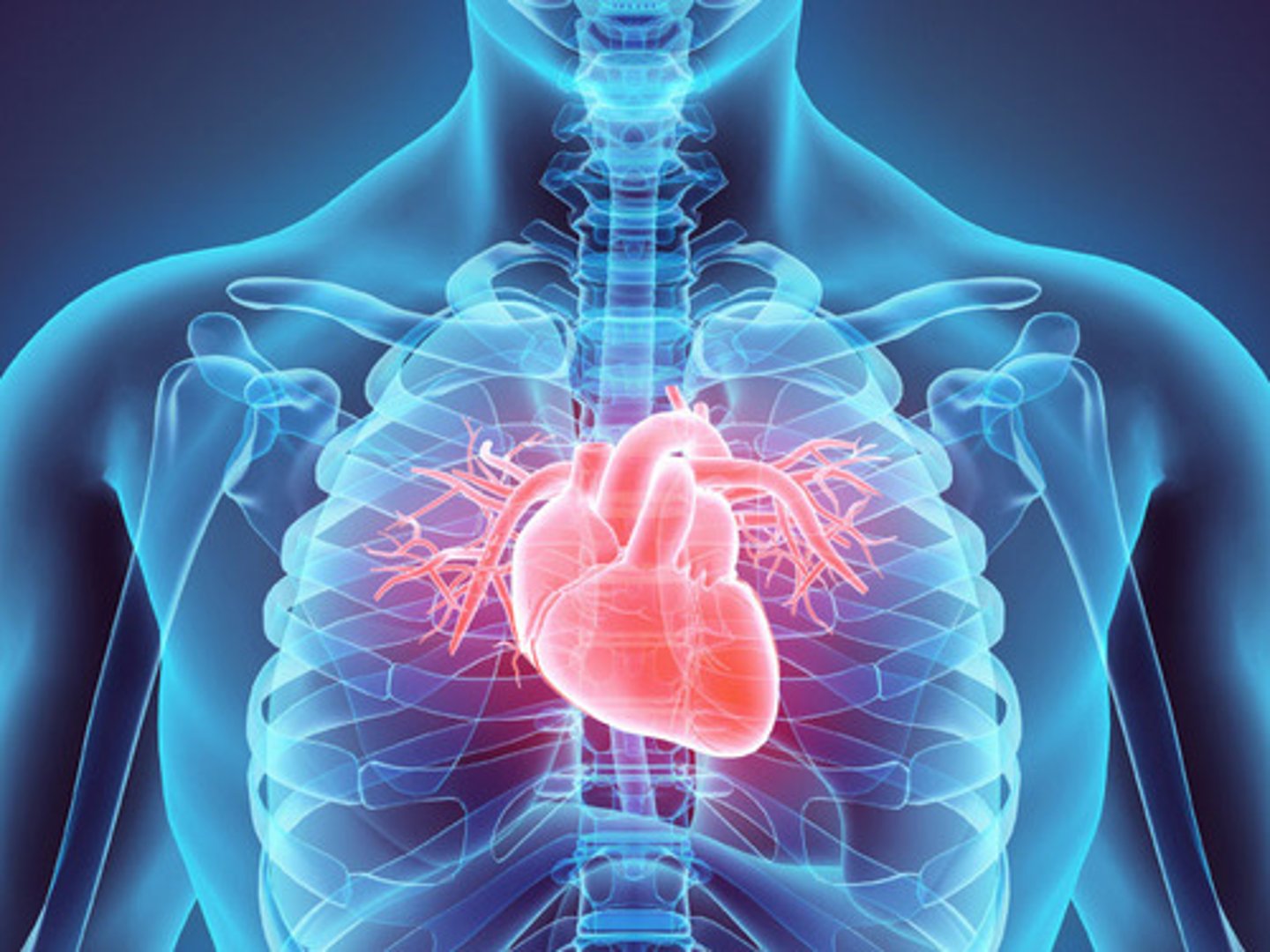
Which of the following statements describes how the body system in the image can affect the cardiovascular system?
a. It aids in lowering CO2 levels in the blood.
b. It aids in lowering oxygen levels in the blood.
c. It aids in raising hemoglobin levels in the blood.
d. It aids in raising levels of clotting in the blood.
a. It aids in lowering CO2 levels in the blood.
Which of the following are the two major parts of the nervous system?
a. Autonomic nervous system and central nervous system
b. Autonomic nervous system and somatic nervous system
c. Peripheral nervous system and central nervous system
d. Peripheral nervous system and somatic nervous system
c. Peripheral nervous system and central nervous system
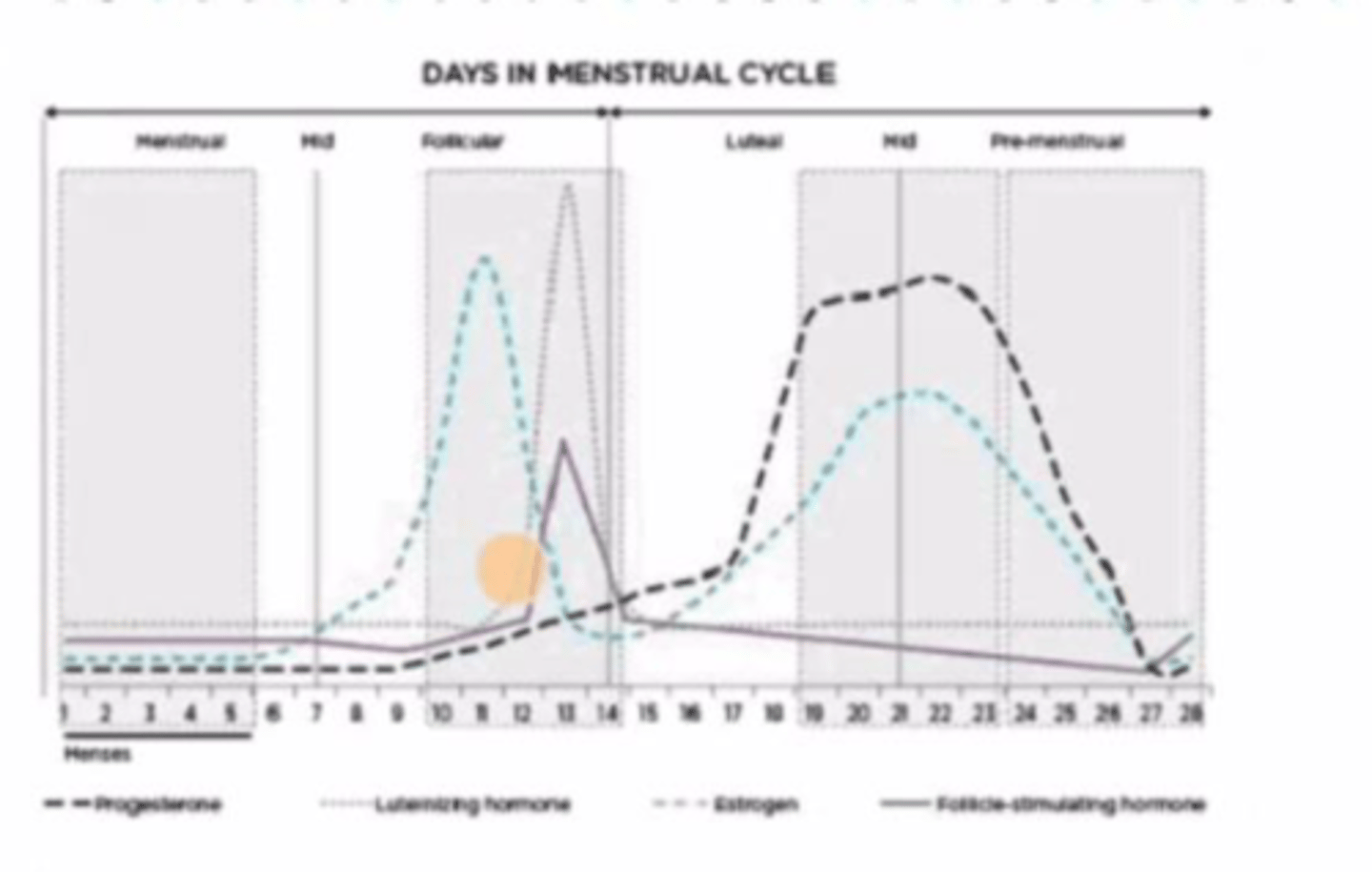
During which of the following days in the menstrual cycle is a woman most fertile? (You will find hot spots to select in the artwork below. Select only the hot spot that corresponds to your answer.)
Which of the following is a mass within the ovary that secretes hormones to maintain the uterine lining during pregnancy?
a. Corpus luteum
b. Oocyte
c. Oviduct
d. Umbilical cord
a. Corpus luteum
A myocardial infarction affects which of the following blood vessels of the heart?
a. Aorta
b. Coronary
c. Pulmonary
d. Vena cava
b. Coronary
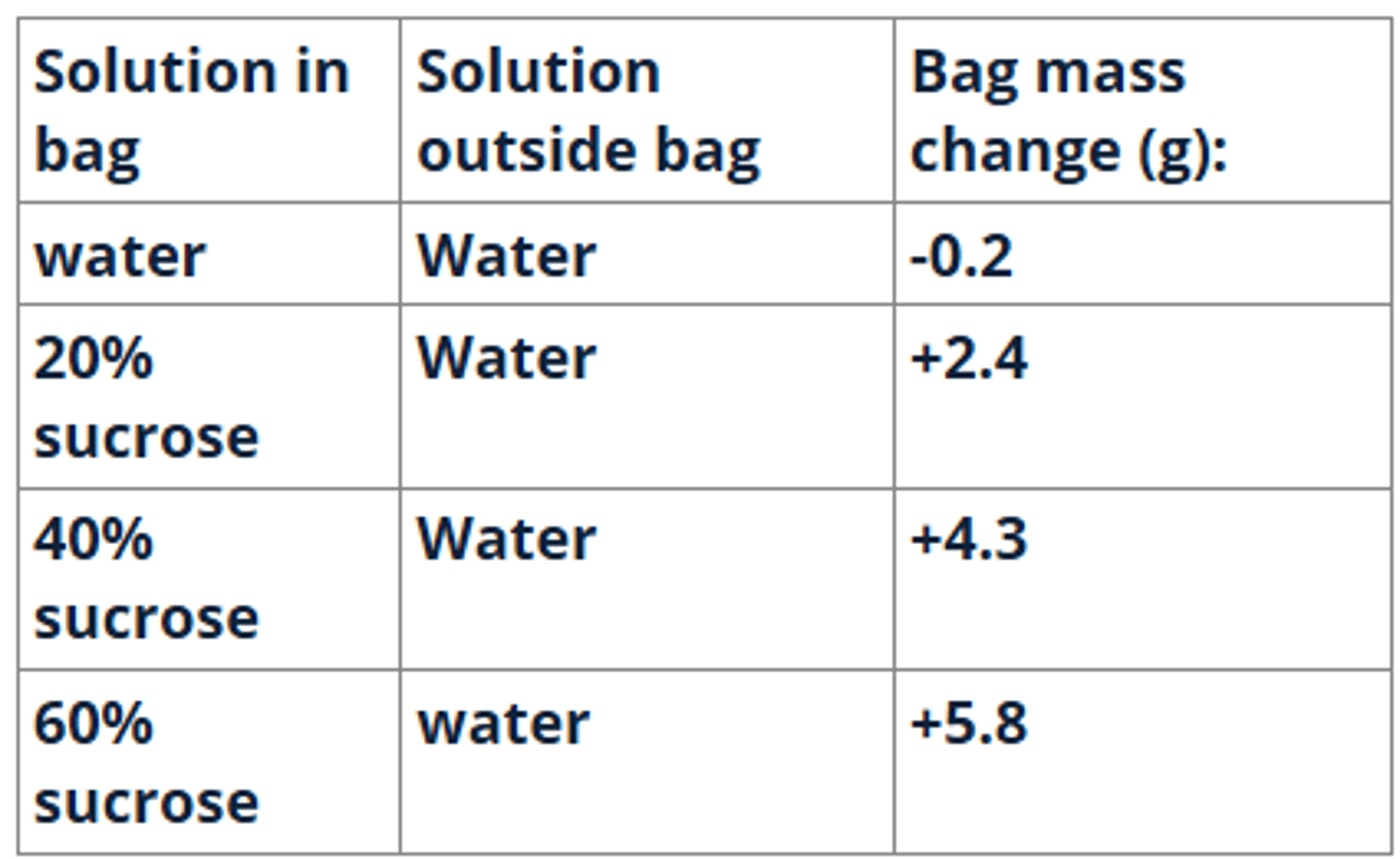
In the following data table of an experiment carried out at 4C (39.2 F) over 4 hours, which of the following options represents the dependent variable?
a. Bag mass change
b. Duration
c. Sucrose concentrations
d. Temperature
a. Bag mass change
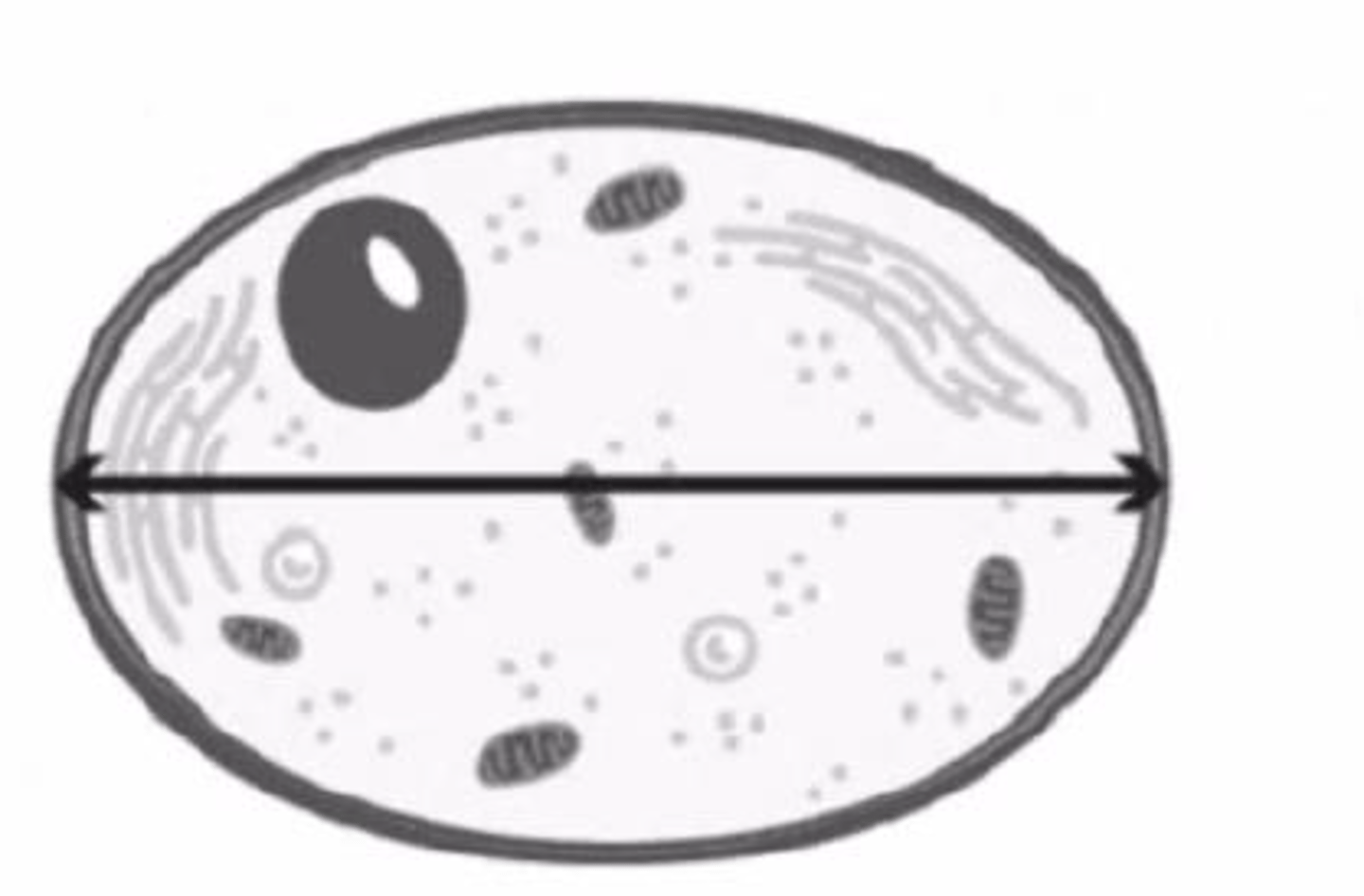
The measurement indicated by the line across the center of the cell is best referred to as which of the following?
a. Area
b. Diameter
c. Radius
d. Volume
b. Diameter
Which of the following substances protects the skin from ultraviolet radiation?
a. Keratin
b. Melanin
c. Perspiration
d. Sebum
b. Melanin
Which of the following physiological responses is caused by the release of anti-diuretic hormone?
a. Decrease in the concentration of calcium in the glomerulus
b. Decrease in water reabsorption in the collecting duct
c. Increase in the concentration of calcium in the glomerulus
d. Increase in water reabsorption in the collecting duct
d. Increase in water reabsorption in the collecting duct
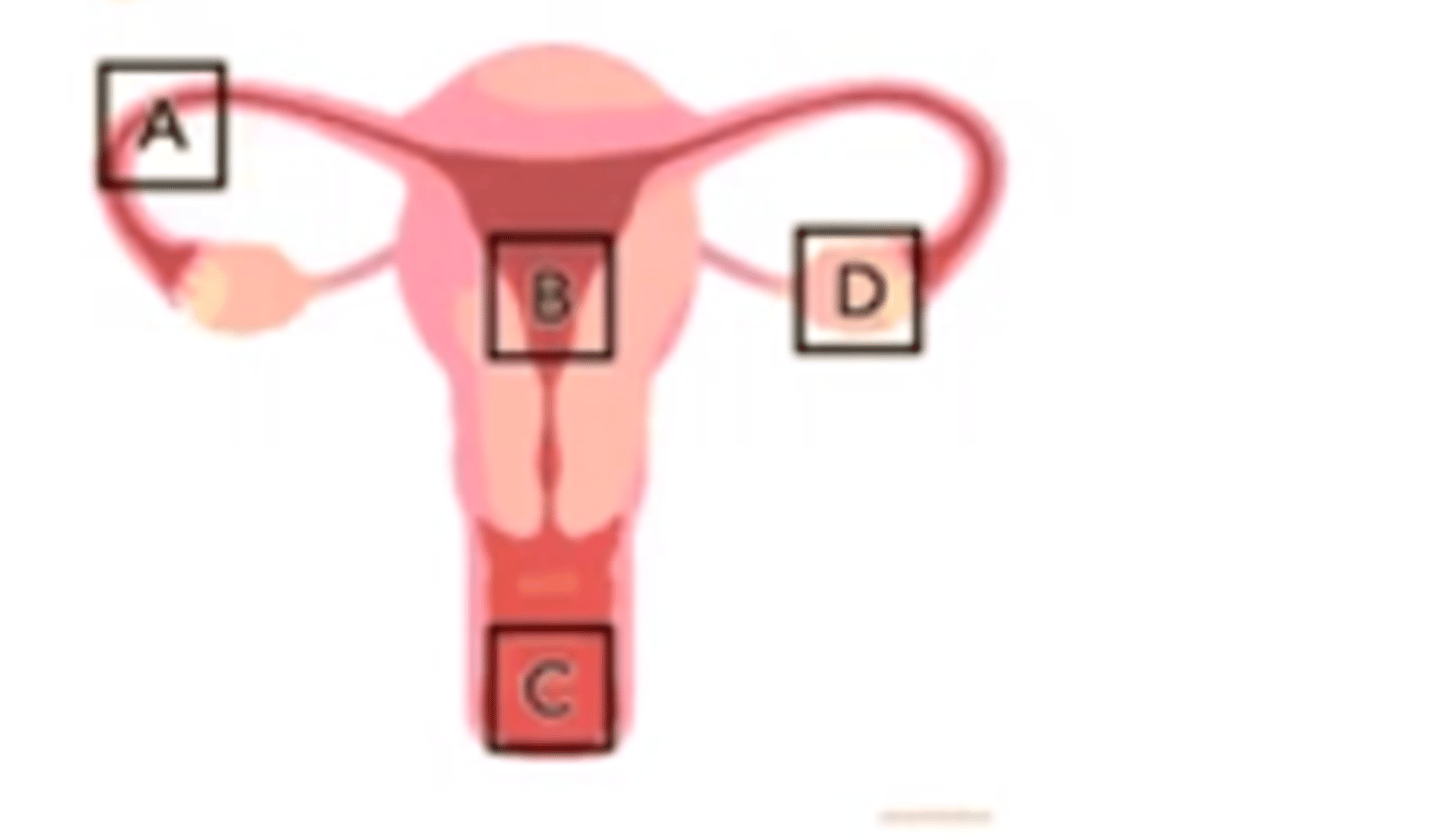
Which structure of the female reproductive system is the source of the blood and mucosal tissue during menstruation? (You will find hot spots to select in the artwork below. Select only the hot spot that corresponds to your answer.)
B
Which of the following is the approximate threshold value for mammalian neurons?
a. -80 mV
b. -55 mV
c. 0 mV
d. +35 mV
b. -55 mV
Which of the following vessels carries oxygenated blood?
a. Inferior vena cava
b. Pulmonary artery
c. Pulmonary vein
d. Superior vena cava
c. Pulmonary vein
Which of the following types of cells produce and release antibodies?
a. Cytotoxic T-cells
b. Helper T-cells
c. Natural killer cells
d. Plasma B cells
d. Plasma B cells
To separate genomic DNA fragments by size, which of these laboratory methods is most useful?
a. Electrophoresis
b. Filtration
c. Spectrophotometry
d. Titration
a. Electrophoresis
In a plant in which fuzzy leaves (F) are dominant over smooth leaves (f), which of the following crosses will produce only offspring with smooth leaves?
a. FF x FF
b. Ff x Ff
c. Ff x ff
d. ff x ff
d. ff x ff
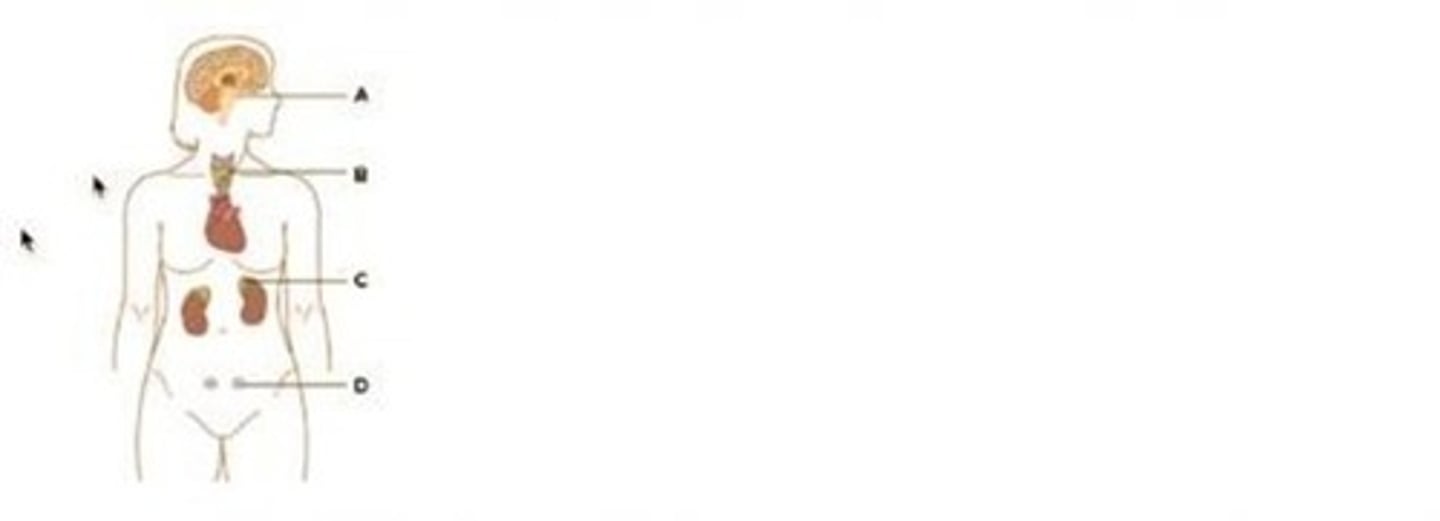
Which of the following endocrine organs in the diagram below is involved in regulating milk production following childbirth?
a. Adrenal glands
b. Ovaries
c. Pituitary gland
d. Thyroid gland
c. Pituitary gland
Which of the following is a group that can be measured against the experimental group?
a. Control
b. Manipulated
c. Responding
d. Variable
a. Control
Which of the following is the atomic number of an atom that has 12 protons and 12 neutrons?
a. 1
b. 12
c. 24
d. 144
b. 12
Lithium has an atomic number of 3 and a mass of 7. Which of the following is the number of protons in a lithium atom?
a. 3
b. 4
c. 7
d. 12
a. 3
Which of the following is the structure through which blood exits the glomerulus?
a. Afferent arteriole
b. Distal tubule
c. Efferent arteriole
d. Proximal tubule
c. Efferent arteriole
Which of the following reasons explains why it is important for new scientific findings to be published?
a. Other scientists can validate or disprove the findings.
b. Publishing findings will help scientists become more biased.
c. Scientists will get paid if their findings are published.
d. This prevents other scientists from performing similar tests.
a. Other scientists can validate or disprove the findings.
Which of the following can lead to a tsunami?
a. Earthquakes
b. Flooding
c. Lightning strikes
d. Sunspot activity
a. Earthquakes
Which of the following is the main function of centrosomes in animal cells?
a. Cytoplasm formation
b. Microtubule organization
c. Organelle trafficking
d. Pathogen digestion
b. Microtubule organization
Which of the following statements best supports the hypothesis that viruses can cause cancer?
a. Cancerous and normal cells share genetic sequences.
b. Cellular DNA has sequences related to viral sequences.
c. Genes that regulate cell division are found in some viruses.
d. Viruses and cancer cells both replicate rapidly.
c. Genes that regulate cell division are found in some viruses.
Osteoporosis results from which of the following?
a. A decline in osteoblast activity while osteoclast activity continues at expected levels.
b. A decline in osteoclast activity while osteoblast activity continues at expected levels.
c. An increase in osteocyte activity while osteoblast activity continues at expected levels.
d. An increase in osteocyte activity while osteoclast activity continues at expected levels.
a. A decline in osteoblast activity while osteoclast activity continues at expected levels.
The pleura is a connective tissue sheath that covers which of the following organs?
a. Heart
b. Liver
c. Lung
d. Spleen
c. Lung
Nitrogen gas is an extremely stable molecule because its structure contain which of the following?
a. Hydrogen bonds
b. Ionic bonds
c. Resonance bonds
d. Triple covalent bonds
d. Triple covalent bonds
Which of the following ions binds to the troponin complex, initiating contraction of a muscle?
a. Calcium
b. Phosphorus
c. Potassium
d. Sodium
a. Calcium
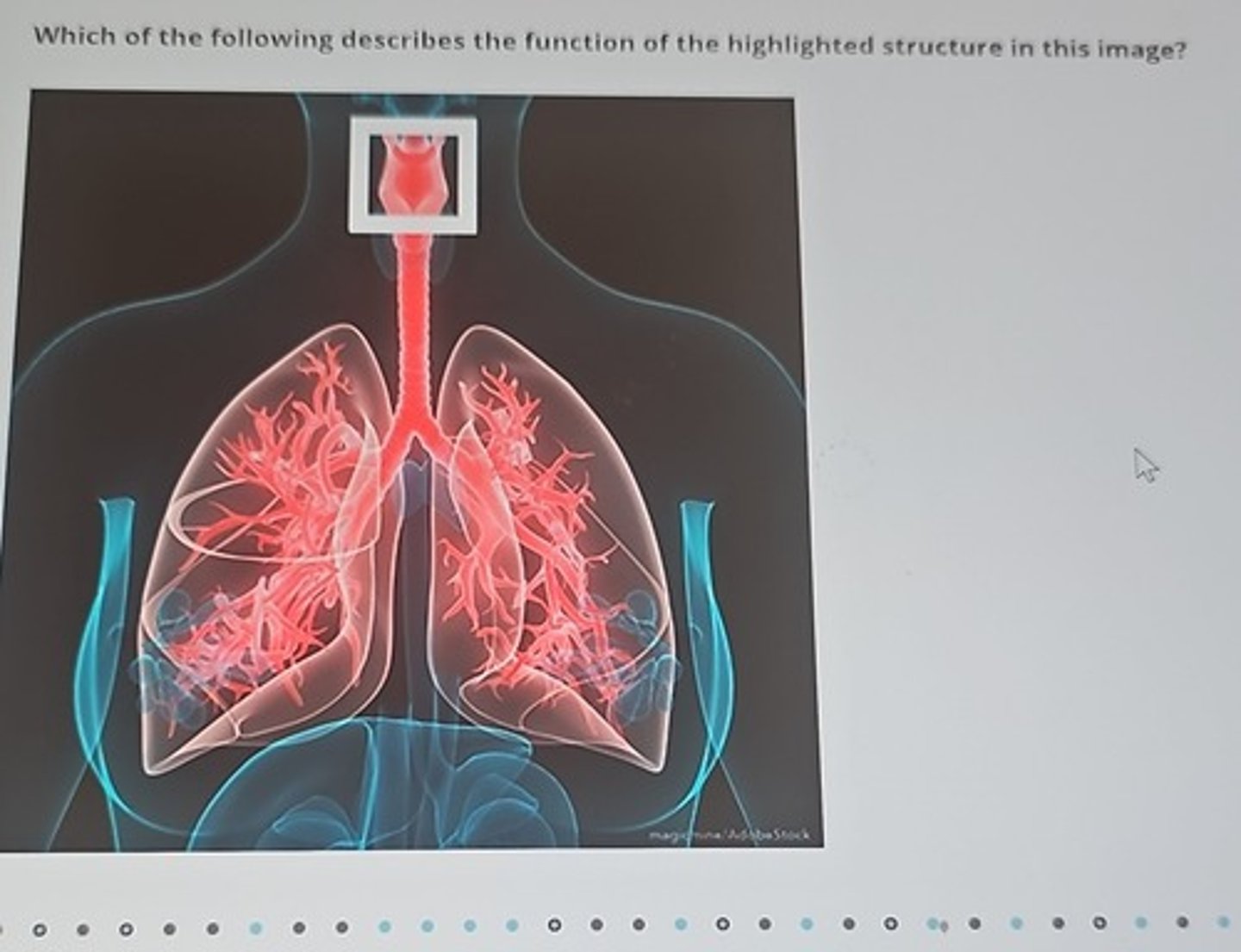
Which of the following describes the function of the highlighted structure in this image?
a. It contains vocal cords essential for speech.
b. It filters, warm, and moistens air as it enters the body.
c. It is a tube that connects the larynx and pharynx to the lungs.
d. It transfers oxygen from the air to red blood cells.
a. It contains vocal cords essential for speech.
Which of the following organic molecules contain both an amine and carboxyl group?
a. Cellulose
b. Chitin
c. Lipids
d. Proteins
d. Proteins
Stimulus: 1 of 1
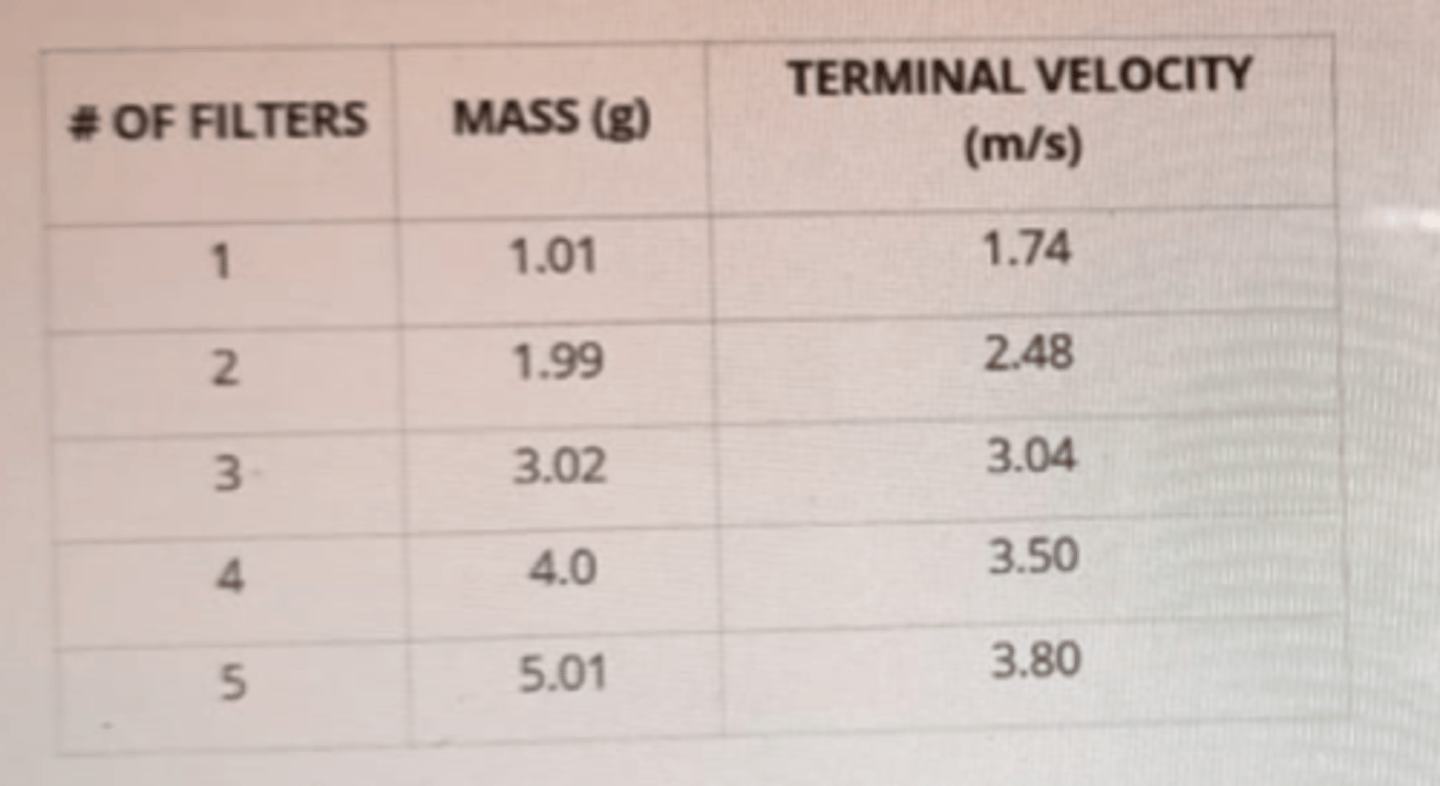
A group of students perform an experiment to test terminal velocity, which is the greatest speed obtained by a falling object. The students dropped different numbers of coffee filters and measured the resulting terminal velocity. Which of the following conclusions is supported by the data in the following data table?
a. Heavier objects fall faster than lighter objects.
b. Heavier objects take more time to reach terminal velocity.
c. Terminal velocity is when the force of gravity is equal to air resistance.
d. The greater the number of filters, the smaller the terminal velocity.
c. Terminal velocity is when the force of gravity is equal to air resistance.
Which of the following microorganisms lack their own metabolic pathways and can only reproduce inside of a host cell?
a. Bacteria
b. Helminths
c. Protozoa
d. Viruses
d. Viruses
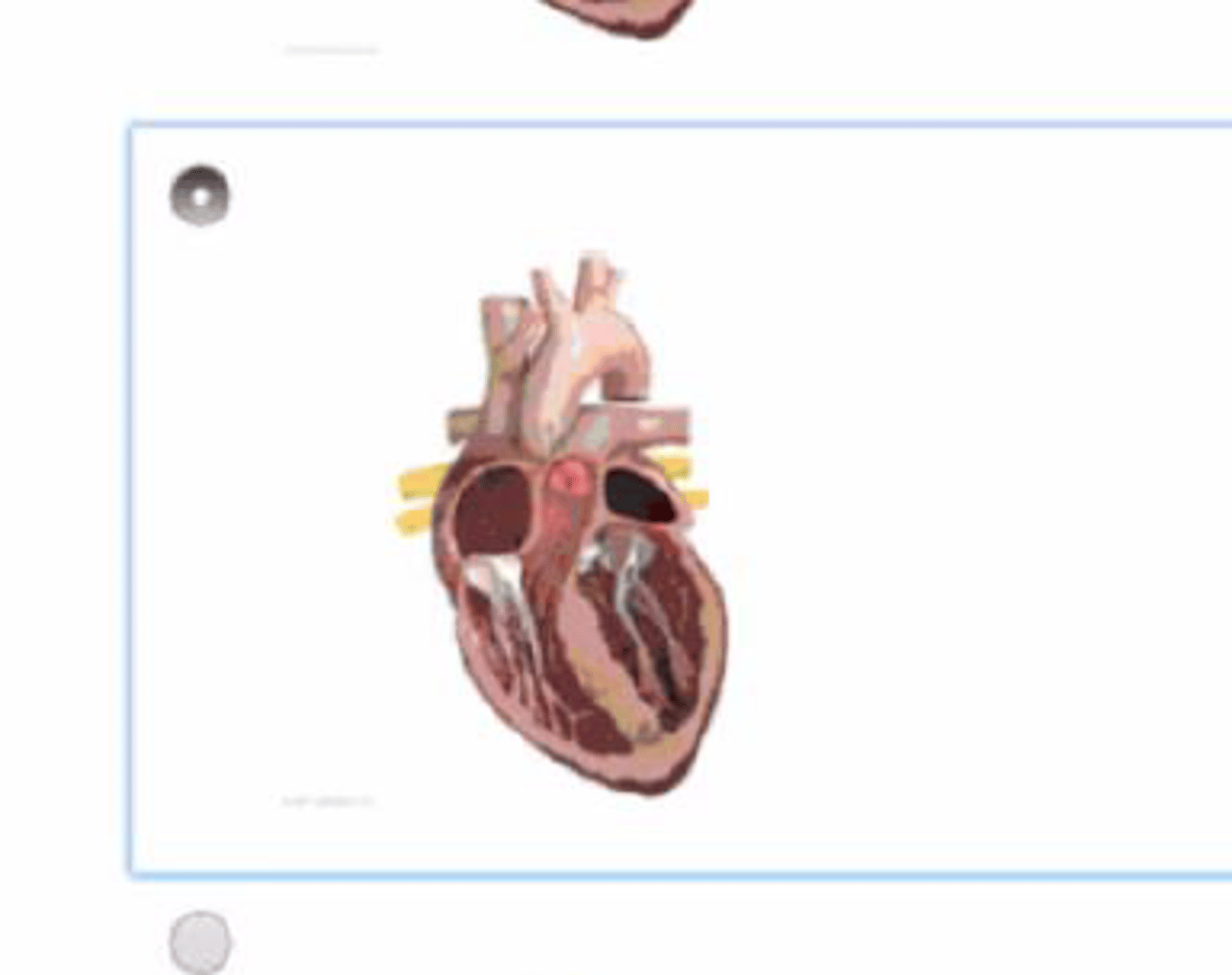
In which of the following images are the pulmonary veins correctly highlighted?
A researcher collects high-resolution photographs of the Earth taken from outer space at annual intervals for the last decade. This data would be most useful to analyze which of the following?
a. Deforestation in the rainforest
b. Human movement during crises
c. Migration patterns of large whales
d. Weather patterns during hurricanes
d. Weather patterns during hurricanes
Which of the following is a property of water?
a. Solid water is more dense than liquid water.
b. Water dissolves polar and ionic compounds.
c. Water is made up of one molecule of hydrogen and two molecules of oxygen.
d. Water requires less heat than ethanol to raise its temperature.
b. Water dissolves polar and ionic compounds.
Which of the following body cavities is subdivided into the thoracic and abdominopelvic cavities?
a. Cranial
b. Dorsal
c. Ventral
d. Vertebral
c. Ventral
Which of the following describes the function of tendons?
a. Tendons attach bones to ligaments.
b. Tendons attach skeletal muscles to bone.
c. Tendons attach skeletal muscles to ligaments.
d. Tendons attach two bones.
b. Tendons attach skeletal muscles to bone.
Which of the following bases is found in RNA but is absent from DNA?
a. Adenine
b. Cytosine
c. Thymine
d. Uracil
d. Uracil
Histones are proteins associated with which of the following?
a. Blood
b. DNA
c. Hair follicles
d. Sperm cells
b. DNA
Which of the following structures is a flap of cartilage that prevents movement of food into the trachea?
a. Epiglottis
b. Glottis
c. Larynx
d. Pharynx
a. Epiglottis