Lab 2 Review
 Call Kai
 Learn
Learn Practice Test
 Spaced Repetition
 Match
Match Flashcards
 Knowt Play
1/32

Earn XP
Description and Tags
Molecular Models
Name | Mastery | Learn | Test | Matching | Spaced | Call with Kai | Chat |
|---|
No analytics yet
Send a link to your students to track their progress
33 Terms
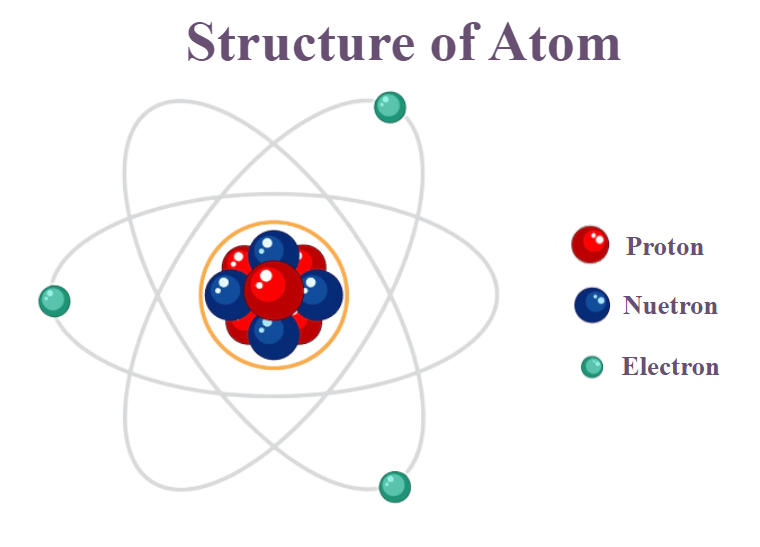
Atoms
The basic units of matter and determine the chemical properties of elements
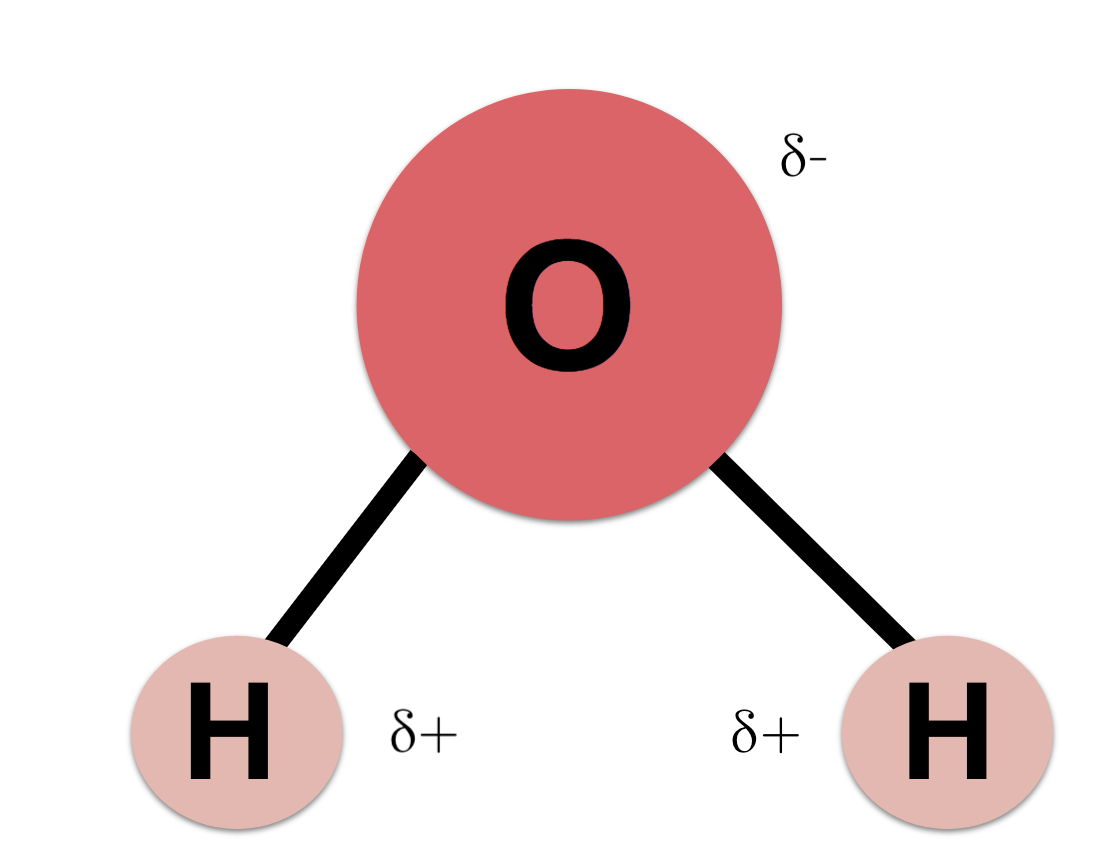
Molecules
Formed when atoms bond together
a chemical structure made of two or more atoms held together by covalent or ionic bonds
Compounds
A molecule made from two or more different elements joined in a specific ratio
Compounds vs. Molecules
A molecule is any two or more atoms bonded together (like O₂ or H₂O). A compound must contain at least two different elements. Therefore, all compounds are molecules, but not all molecules are compounds

Carbon
Important in biology because It can form many stables bonds, allowing living organisms to build complex molecules.
Organic compounds
Molecules that contain carbon
A chemical molecule that contains carbon atoms covalently bonded to hydrogen atoms

Inorganic compounds
Molecules without carbon
chemical substances that generally lack carbon-hydrogen (C-H) bonds
Ex; although CO₂ contains a carbon atom, it lacks a carbon-hydrogen bond, thus being inorganic

Functional groups
Specific groups of atoms attached to carbon skeletons that give organic molecules their unique chemical properties, shapes, and reactivities
They affect how the moleule behaves
Hydroxyl group
A functional group with the formula -OH, consisting of a hydrogen atom covalently bonded to an oxygen atom
Can increase polarity because oxygen has a much higher electronegativity than hydrogen and carbon, pulling shared electrons closer to itself and creating an unequal distribution of charge

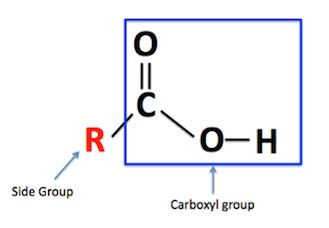
Carboxyl group
A specific arrangement of atoms (-COOH) consisting of a carbon atom double-bonded to an oxygen atom and single-bonded to a hydroxyl group (-OH)
Can act as an acid because it can easily release a hydrogen ion
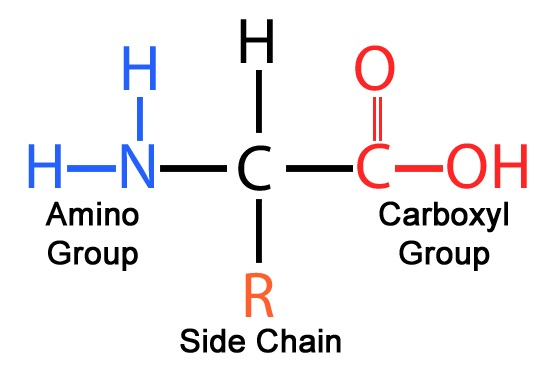
Amino group
Functional group with the chemical formula (-NH₂) consisting of a single nitrogen atom bonded to two hydrogen atoms
Can act as a base
Empirical formula
Lists the types and numbers of atoms in a molecule
Ex; water is written as H₂O because each water molecule contains two hydrogen atoms and one oxygen atom
Structural formula
Shows how atoms in a molecule are arranged and chemically bonded to one another

Shortest sticks
Used for hydrogen atoms
Medium sticks
Used for single covalent bonds
Longest flexible gray sticks
Used for multiple covalent bonds
Amino acid structure
Proteins are built from amino acids. Although there are 20 different amino acids, they all share the same basic structure:
An amino group (-NH2)
A carboxyl group (-COOH)
A central carbon
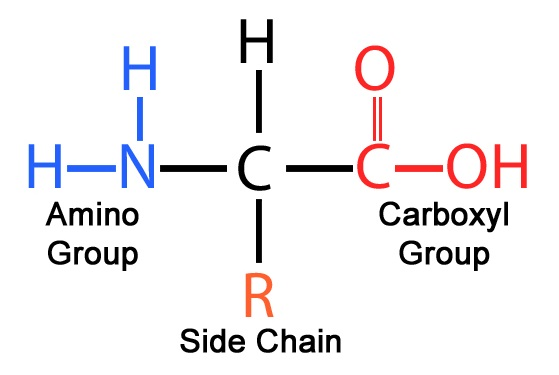
R group
The unique side chain of each amino acid
Differences in this group hep determine an amino acid’s polarity, charge, and role in protein folding
“Pentose” sugar
A simple five-carbon monosaccharide that serves as the central structural component of nucleotides in DNA and RNA
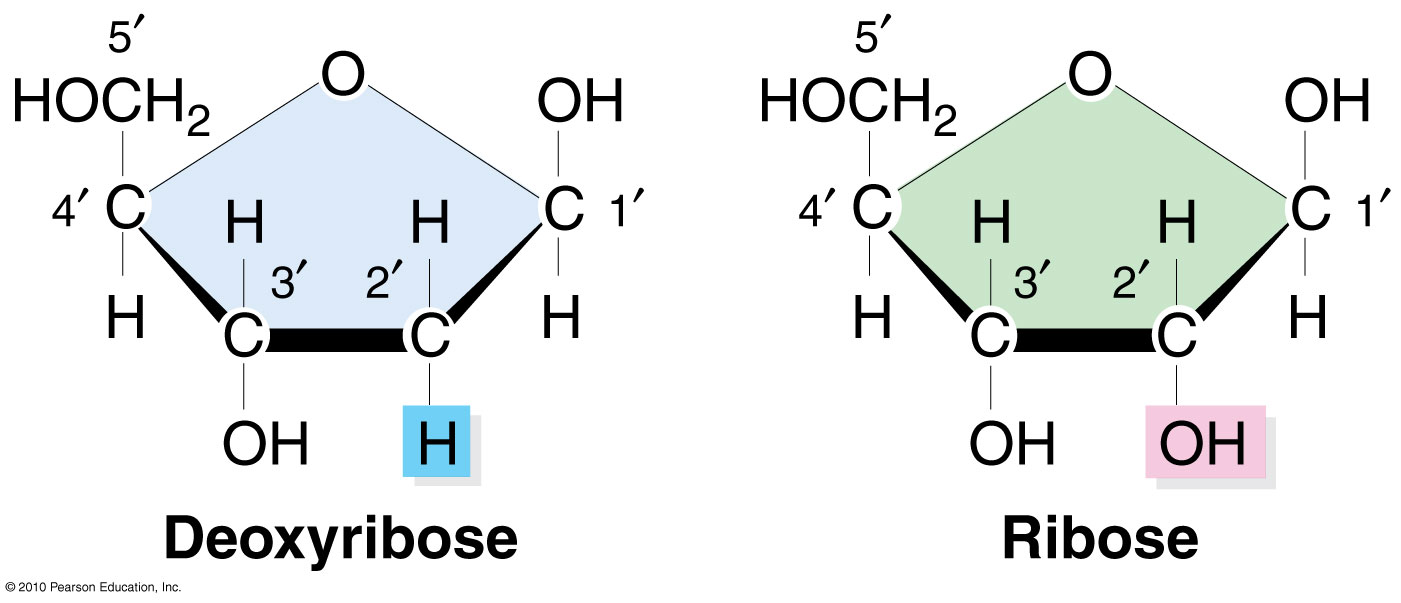
Deoxyribose
A five-carbon sugar found in DNA
Empirical formula: C5H10O4
What is the difference between ribose and deoxyribose?
Ribose has a hydroxyl group (-OH) attached to its second carbon, while deoxyribose has only a hydrogen atom (-H), meaning it has "lost" an oxygen
What does “deoxy” mean
A molecule has less oxygen or has lost an oxygen atom compared to its original or parent compound
Deoxyribose has one less oxygen than ribose
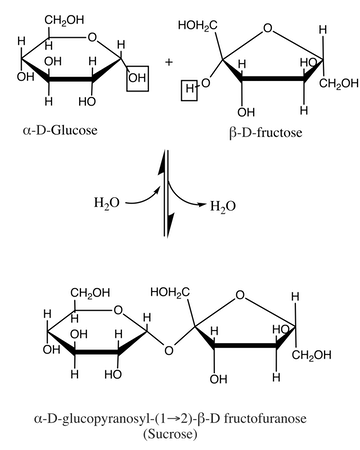
Dehydration synthesis
Glucose and fructose join to form sucrose, a disaccharide. During this reaction, a hydroxyl group (-OH) is removed from one monosaccharide and a hydrogen atom (H) is removed from the other. These removed groups combine to form water, allowing the two sugars to bond
What does the suffix “ose” indicate?
Indicates that a molecule is a carbohydrate or sugar
this suffix used to name simple sugars (monosaccharides) like glucose and fructose, as well as double sugars (disaccharides) like sucrose and lactose
What atom does each black ball represent?
Carbon
What atom does each red ball represent?
Oxygen
What atom does each white ball represent?
Hydrogen
What do the shortest bond sticks represent?
Hydrogen atoms
Single covalent bonds
Why is Carbon Dioxide nonpolar?
Because its geometric shape is completely linear, causing its individual bond polarities to cancel each other out

Where are peptide bonds found?
Found in proteins (and polypeptides), specifically linking adjacent amino acids together in the primary structure of the protein backbone

What happens during dehydration synthesis, and why is water produced?
During dehydration synthesis, small molecules (monomers) join together to form larger chains (polymers) while releasing a water molecule as a byproduct

Isomers
Molecules that have the same molecular formula (the same number and types of atoms) but different structural arrangements, which gives them unique chemical properties and biological functions

How can two molecules have the same formula but different structures (isomers)?
Because atoms can connect in different orders or arrange themselves differently in three-dimensional space
