Contemp Semester 1 Final
 Studied by 0 people
 Call with Kai
 Learn
Learn Practice Test
 Spaced Repetition
 Match
Match Flashcards
 Knowt Play
1/65

There's no tags or description
Looks like no tags are added yet.
Name | Mastery | Learn | Test | Matching | Spaced | Call with Kai |
|---|
No study sessions yet.
66 Terms
wheel of power and privilege
shows who has the most vs least privilege in society based on appearance, background, health, and money
7 themes of Catholic Social Teaching
created by the USCCB
central element of the Catholic faith
rooted in Hebrew scripture
founded on the life and words of Jesus
is built on commitment to the poor and vulnerable
Subsidiarity
relates to the SCT of rights and responsibilities
moral principle that large organizations and governments should not take over responsibilities and decisions that can be carried out by individuals and local organizations
large corporations and governments have the responsibility to support the good of human beings, families, and local communities, which are the center and purpose of social life
Universal Destination of Goods
principle that the Earth and all its goods belong to God, and God intends those goods to provide the things all human beings need to live with dignity
takes precedence over right to private property
people don’t have the right to accumulate money and possessions when other people lack the money and possessions needed for survival
life and dignity of the human person
most fundamental theme of CST
all human being have dignity because they are created and loved by God
every person’s life matters
called to respect and protect human life
called to allow people to live and help others live to their fullest potential
call to family, community, and participation
society fulfills responsibilities to the family
providing/creating jobs that pay enough to support a family
ensuring basic necessities like food, housing, education, regardless of ability to pay
families have a responsibility to participate in society
helping neighbors and vulnerable members of society
being involved in the political process
staying informed about issues in the world
rights and responsibilities
focuses on human rights
includes economic, political, and cultural rights
ex.
right to life (food, clothing, shelter)
right to emigrate and immigrate
political rights
option for the poor and vulnerable
calls people to care for these people first
their needs are greater
called preferential option for the poor
calls for a commitment to take action, get to know people, work for justice
dignity of work and rights of workers
human work is sharing God’s work
Human work has sacred dignity that must be respected
therefore
human work should contribute to the goodness in the world
workers must be treated with dignity by their employers and other workers
their rights must be respected by business owners and society
rights
to participate in ownership, decision making, profits where they work
to rest from work
solidarity
union of one’s heart and mind with all people
leads to the just distribution of material goods
creates bonds between opposing groups and nations
leads to the spread of spiritual goods such as friendship and prayer
care for God’s creation
we are called to protect people and the planet, living our faith in relationship with all of God’s creation
this environmental challenge has fundamental moral and ethical dimensions that cannot be ignored
Pope Francis → environmental destruction is the result of an unjust economy
stewardship
the responsible management of something/someone that has been entrusted to a person’s care
marian spirituality
devotion to Mary which calls us to follow her example
first person to have accepted Jesus into her life
open and honest
the magnificat
speech that Mary gives in the passage to Archangel Michael
shows solidarity
mary as an agent of liberation
mary, the mother of the poor and vulnerable
the stranger, outcast, marginalized, excluded
ex. people experiencing/facing poverty, ableism, addiction, war, any kind of discrimination
jesus as an agent of liberation
the cross holds special meaning for christians around the world
good Friday, when people venerate the cross that Jesus carried, is a particularly important day
many Christians who bear burdens of poverty, oppression, and suffering find comfort and solidarity in this image of the suffering of Jesus
mary in hispanic and latinx culture
cuba → lady of charity
dominican republic → lady of la altagracia
puerto rico → lady of divine providence
see her as a protector or spiritual mother
someone who suffers with them
someone who understands suffering, grief, poverty
liberation theology
movement in christian theology
developed by latin american roman catholics
emphasizes liberation from social, political, and economic oppression as an anticipation of ultimate salvation
applies to the core concerns of marginalized communities in need of social, political, or economic equality and justice
theology that seeks liberation and justice for the poor here and now and not just in heaven
commitment to liberating action
challenging oppressive systems
historical/cultural context of liberation theology in latin america
developed in the 1960s and 70s
major wealth disparity between the elite and the poor/oppressed
church adopts a line of resistance and opposition to harsh national security states which violated human rights on a regular basis
el salvador’s war
reports of various human rights violations during these wars, military takeovers, and political unrest
controversy over liberation theology
originally → skepticism and fear towards the theology due to belief of marxist ties
credible today because gustavo gutierrez was a close advisor of pope francis → held in high esteem in the church
gustavo gutierrez
founder of liberation theology
born in lower middle class family in lima, peru
studied medicine at san marcos national university
participated in catholic action
became president of the catholic center of barranco
oscar romero
archbishop of san salvador in 1970s
originally seen as social conservative
spoke out against human rights abuses/repressions in el salvador
sermons → only way people could hear the truth about what was happening
urged soldiers not to follow orders to kill
not a libertarian theologian → associated with it today
ecumenism
the principle or aim of promoting unity among the world’s christian churches
black liberation theology
emerged out of the history of black religion and the black church
influenced and shape by
civil rights movement → MLK
black power/consciousness movement → malcom x
james cone
founder of black liberation theology
grew up in arkansas in a segregated school system
an ordained minister in the african methodist episcopal church
professor of systematic theology at union theological seminary
wrote god of the oppressed → theology emerged
womanist theology
is a form of reflection that places religious and moral perspectives of black women at the center of its method
issues of class, gender, and race are seen as theological problems
shawn copeland
know for her contributions to womanist theology, black catholicism, and theological anthropology
womanist theology (hagar connection)
hagar was a servant that was looked down on
only person to see god
hope for others
the common good
the good that is collectively shared by a number of people and is beneficial for all members of a given community
social conditions that allow for all citizens on earth, individuals and families, to meet basic needs
requires
respect for the life and dignity of every person
commitment to social well-being and full development of every person
establishment of true peace, based on a just society
social doctrine
body of teaching by the church on economic and social matters including moral judgments and demands for action in favor of those being harmed
from bible, tradition, and interpretation of the signs of the times (realities faced by people in the world)
social encyclicals
teaching document from the pope about topics of social justice, humans rights, and peace
pastoral letters
documents written by the national conferences of bishops about social justice issues (more country specific)
“signs of the times”
realities faced by people in the world
USCCB
united states conference of bishops
the national bishop’s conference for our country
the author of pastoral letters for the us
on the condition of labor
significant because it was the first modern social encyclical
concerns about poor conditions for workers, unchecked, capitalism, communism (industrial revolution)
peace on earth
social encyclical
addresses social and economic problems caused by the industrial revolution
care for our common home
social encyclical
call on environment degradation and climate change
sin
any deliberate offense against god in word, deed, or desire
elements to determine the morality of a human act
1) object → specific thing the person is choosing to do (action)
2) the intention of the person doing the action
3) circumstances surrounding the act play a secondary role in determining the morality
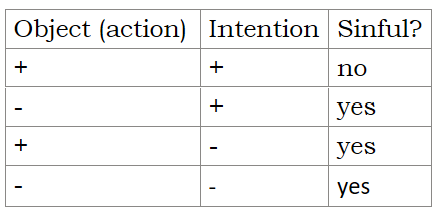
cooperating in the sins of others
participating directly and voluntarily in them
ordering, advising, praising, or approving them
not disclosing or not hindering them when we have an obligation to do so
protecting evil-doers
structures of sin
positive social structures
ex. fair trade business practices, addiction support groups
negative social structures
social structures that block justice and fail to protect human life and human rights
the result of personal sin of individuals, and lead to personal sins of others
ex. human trafficking rings, hate groups (kkk)
social structures
complex patterns of relationships that shape any society
help determine how justice is lived out
john paul ii on structures of sin
1) rooted in personal sin of individuals
2) result of interconnected choices of many people, not just one person
3) root causes are “the all-consuming desire for profit, and the thirst for power” → selfishness
4) modern society avoids calling such structures, “structures of sin” but change is more likely to occur when they are spoken of in ethical terms that challenge individual’s morality
circle of social action
awareness
analysis
action
awareness
learning statistics and stories about the social issue
stories compel people to want to make a difference
statistics strengthen the need for change by demonstrating one person’s reality isn’t entirely unique → there is a trend of injustice that needs to be addressed
without stats, people may not see the need for social change, they may only try to fix the one person’s situation
without stories, those stats feel empty and perhaps overwhelming to address → insight into the problem
analysis
this is about processing the data you’ve received and identifying root causes of the problem by looking at trends within the stories
action
what steps can be taken to actually address one of the root causes?
discernment
listening for god’s call in our lives
the social issues we face are complex and do not have simple answers
in prayer, people must ask god to direct our response to the social issues of our time
works of charity
actions that can be taken to meet an immediate need
works of justice
actions that seek to change structures of sin and build structures of greater justice
state
any organized political authority in a specific area
it can refer to city or county governments, or regional and national governments
civil
related to the state and its citizens
role of the state
(from peace on earth)
to protect the common good
to act morally in its work for the common good
not to favor some people or groups more than others
to recognize, respect, defend, and promote individual’s rights
role of the citizen
contribute to the material and spiritual good of society in a meaningful way
be involved in political life
voting, staying informed, advocating
to pay taxes, which help to fund things like fire-departments, road maintenance, parks, government offices
role of economic institutions in society
from the church’s perspective, all economic institutions should serve the common good
businesses are about more than creating goods and services
lead to
human community
serving the needs of people
help the personal growth of people
gross domestic product (gdp)
dollar value of all the goods and services produced in a country in a given year
is one indicator of the economic health of a given country
as a country with great wealth, the church calls us to share our resources with our global community
3 branches of government
legislative
executive
judicial
legislative branch
congress makes the law
senate, congress, house of reps
executive branch
president carries out the law
president, vice president, cabinet
judicial branch
supreme court interprets the law
supreme and federal court
make sure laws uphold the constitution
conscientious objection
not every law is morally right
we must not violate our moral conscience
we can
voice objection to the law
work to change it
organize other to protest
directly disobey it
not the same thing as being involved in a protest/walk
intentionally breaking a law due to believing it is morally wrong
civil disobedience
refusing to comply with certain laws or to pay taxes and fines
peaceful form of protest
reparation
making amends for something one did wrong that caused harm to another person or led to loss
restitution
making things right with another person or people who have been harmed by an injustice, or returning or replacing what rightfully belongs to another