Ana and Physi (exercise 1 and 2) - lab and lecture vocab
 Call Kai
 Learn
Learn Practice Test
 Spaced Repetition
 Match
Match Flashcards
 Knowt Play
1/139

There's no tags or description
Looks like no tags are added yet.
Name | Mastery | Learn | Test | Matching | Spaced | Call with Kai | Chat |
|---|
No analytics yet
Send a link to your students to track their progress
140 Terms
Anatomy
the science of body structures and the relationships among them
Physicology
Science of body functions - how the body parts work
DD: Which of the follwing best defines physcilogy?
the science of body functions and how the parts of the body work
AP: Which of the following is an example of studying physiology rather than anatomy?
Investigating how the heart pumps blood through the body
What is the order of the Structural Organization?
Chemical, Cellular, Tissue, Organ, System, Organism
Homeostasis
is the maintenance of relavitly stable conditions in the body’s internal enviroment
Feedback Loop
cycle of events in which the status of a body condition is monitored, evaluated, changed, re-monitored, reevaluated, and so on
Receptor
body structure that monitors changes in a controlled condition and send input to a control center
Control center
sets a narrow range or set point within which a controlled condition should be maintained, evaluates the input it receives from receptors , and generates output commands
Effector
Body structure that receives output form the control center and produces a response
Responce
Effect that changes the controlled conditions
Negative Feedback System
reveres a change in controlled conditions (ex. blood presssure)

Positive Feedback System
tends to strengthen or reinforces a change in one of the body’s controlled conditions (ex. childbirth)

What are some things that can cause a Homoestatic Imbalance?
the environment and your own behavior; your genetic makeup, air you breathe in, food you eat, and even thoughts
Disorder
abnormality of structure or function
Disease
illness characterized by a recognizable set of signs and symptoms
Symptom
Subjective change in body fucntions that someone can not see
sign
observable signs of disease that can be seen

Prone
body lying face down

Supine
body lying facing up
Head consists of…
eyes, nose, mouth, forehead, cheeks, and chin
Neck supports…
the head and attaches to the trunk
Trunk consists of…
shoulder, armpit, arm(shoulder to elbow), forearm, wrist, and hand
Lower limb
attaches to trunk; buttock, thigh, leg (knee to ankle), ankle, and food
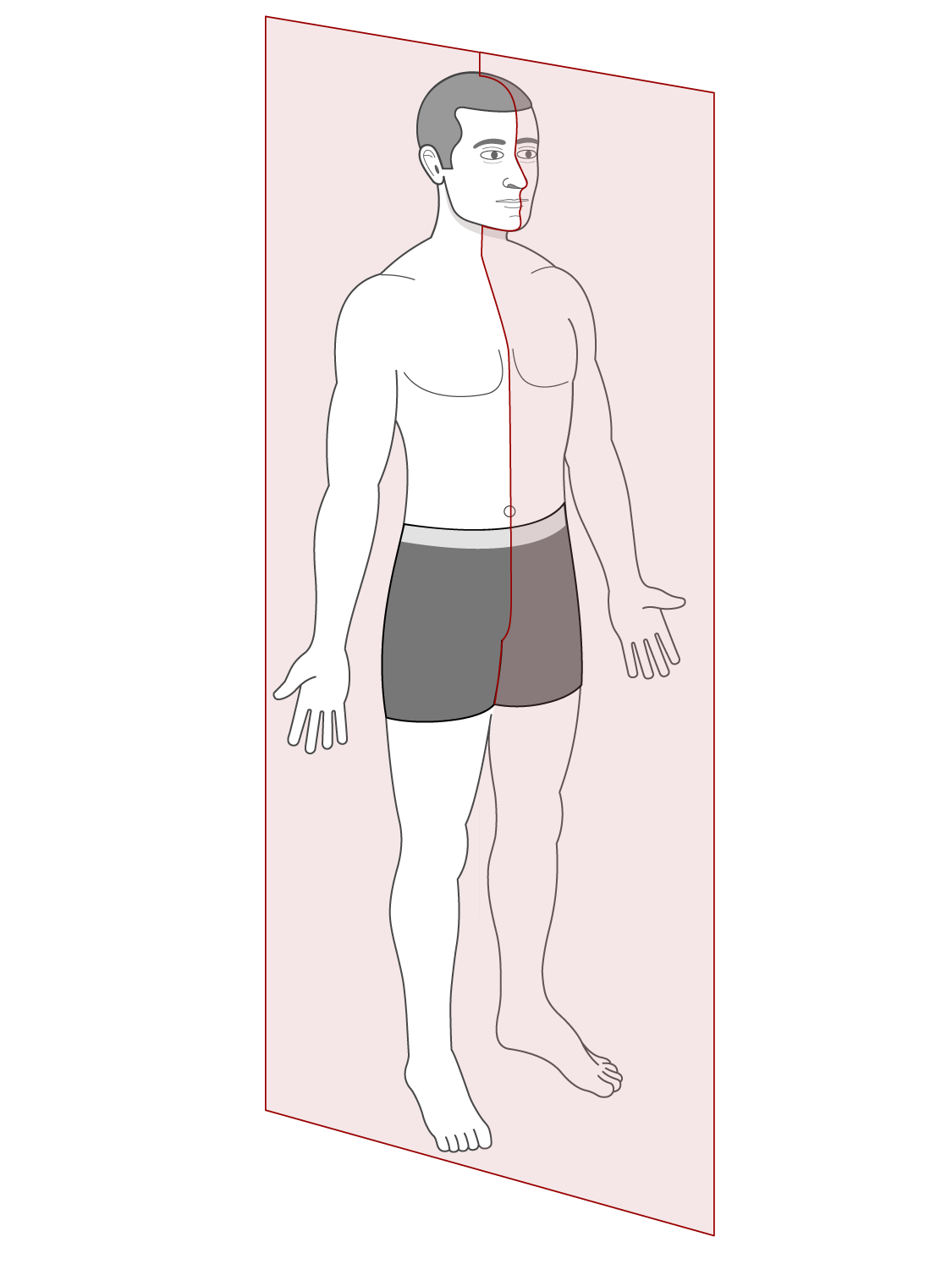
Sagittal Plane
line that divides the body or an organ into right and left sides
Median Plane or Midsagittal Plane
midline of the body or an organ that divdes the body into equal left and right sides
Parasagittal Plane
doesn’t pass through the midline; divdes the body or an organ into unequal right and left sides
Coronal Plane or Frontal
Line that divides the body or an organ into anterior and posterior portions
Anterior
Front
Posterior
Back
Transverse Plane (can be called cross sectional or horizontal plane)
Horizontal plane that divides the body or organ into superior and inferior portions
Superior
Upper
Inferior
Lower
Oblique Plane
passes through the body or an organ at an oblique angle (not 90 degrees)
Section
cut of the body or one of its organs made along one of the planes just described
Cranial Cavity
contains the brain
Vertebral Canal
bones of the vertebral column; contains spinal cord
Meninges
3 layers of protective tissue
Thoracic Cavity or Chest cavity
formed by ribs, musicles of chest, sternum, and the thoracic portion of the vertabral column
Pericardial Cavity (within the thoracic cavity)
fluid filled space that surrounds the heart
Pleural Cavities
2 fluid filled spaces, one around each lung
Mediastinum
between the lungs (from sternum to vertebral); contains all thoracic organs except the lungs
Diaphragm
dome shaped muscle that separates the thoracic cavity from abdominopelvic cavtiy
Abdominopelvic Cavity
consists of 2 continuous cavities: abdominal and pelvic
Abdominal Cavity
contains stomach, spleen, liver, gallbladder, small intestine, and most of the large intestine
Pelvic Cavity
contains urinary bladder, portions of the large intestine, and most of the internal organs of the genital system
Membrane
thin, pliable tissue that covers, lines, partitions, or connects structures
Serous Membrane
covers visera within the thoracic and abdominal cavities that also lines the wall of the thorax and abdomen

Parietal layer
thin epithelium that lines the wall of the cavities
Visceral Layer
a think epithelium that covers and adheres to the viscera within the cavities
Serous Fluid
potentital space that contians a small amount of lubricating fluid to help the viscera slide during movements
Viscera Pleura
clings to the surface of the lungs
Parietal Pleura
lines the chest wall, covering the superior surface of the diaphragm
Pericardium
serous memebrane of the pericardial cavity
Visceral Pericardium
covers the surface of the heart
Parietal Pericardium
lines the chest wall
Peritoneum
serous membrane of the abdominal cavity
Abdominopelvic Regions
Right hypochondriac, epigastric, left hypochondriac, right lateral, umbilical, left lateral, right inguinal, hypogastric, and left inguinal
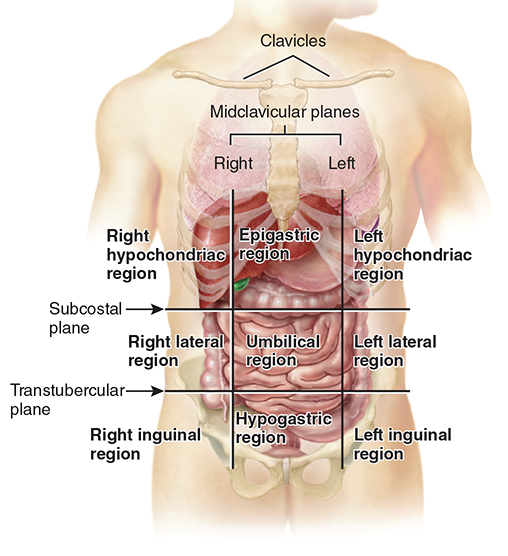
Quadrants
Right upper quadrant (RUQ), Left upper quadrant (LUQ), right lower quadrant (RLQ), and left lower quadrant (LLQ)


What is #4?
Acromial

What is #13?
Patellar
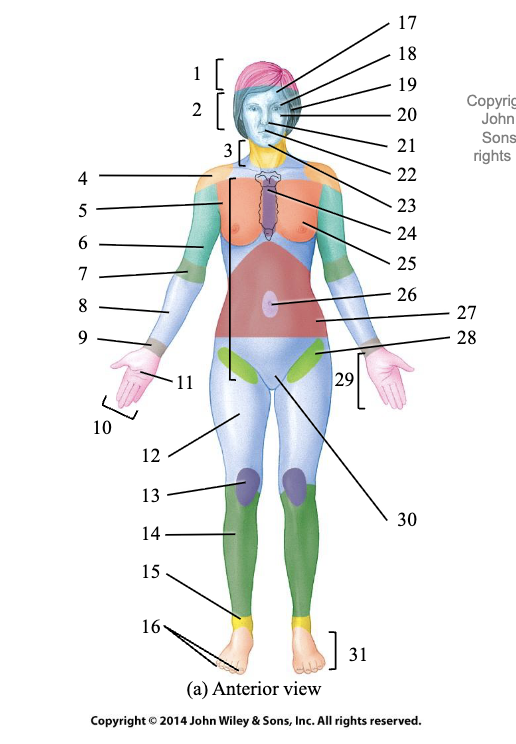
What is #14?
crural

What is #15
tarsal

What is #16
digital
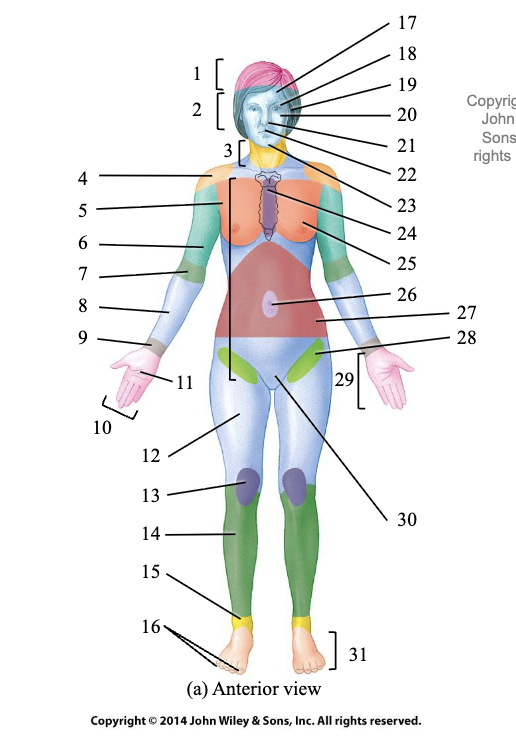
What is #27
coxal
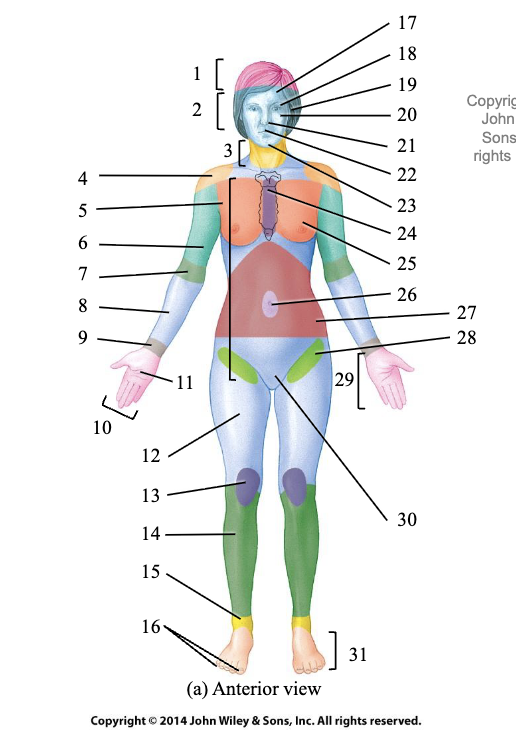
What is #28
ingunial
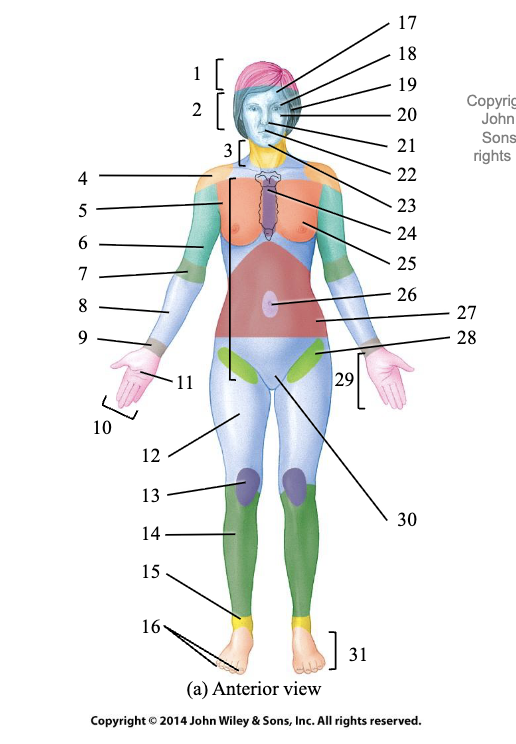
What is #29
manuel

What is #31
pedal

What is #32
occipital

What is #34
vertebral

What is #35
olecranal

What is #37
popliteal

What is #38
sural

What is #39
fibular

What is #40
planter
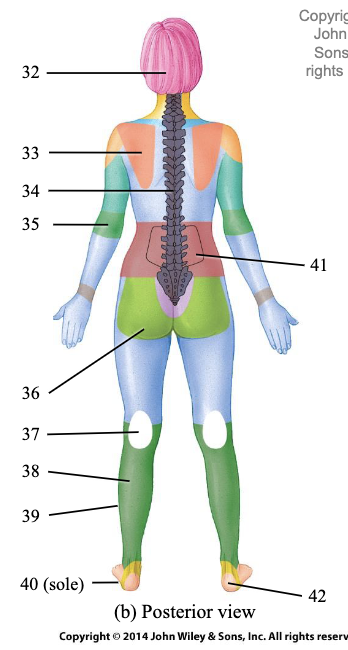
What is #41
Lumbar

What is #42
Calcaneal
Intermediate
Between 2 structures
Ipsilateral
on the same side of the body
Contralateral
on opposite sides of the body
proximal
nearer to the point of attachment of limb to trunk or near to the origin structure
distal
farther away from the point of attachment of limb to trunk or near to the origin of structure
Superfical
closer to surface of the body
Deep
farther from the surface of the body
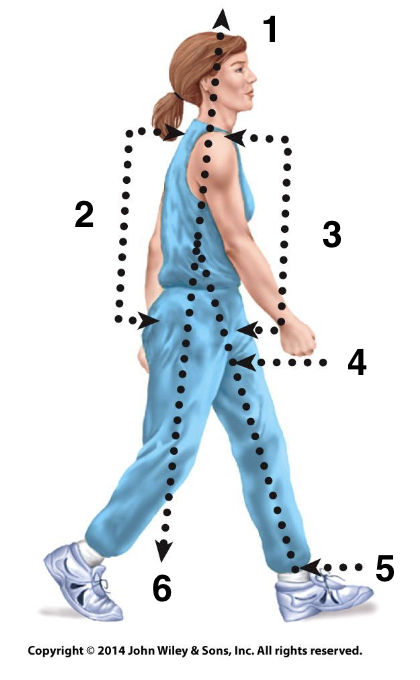
What is #1
Superior
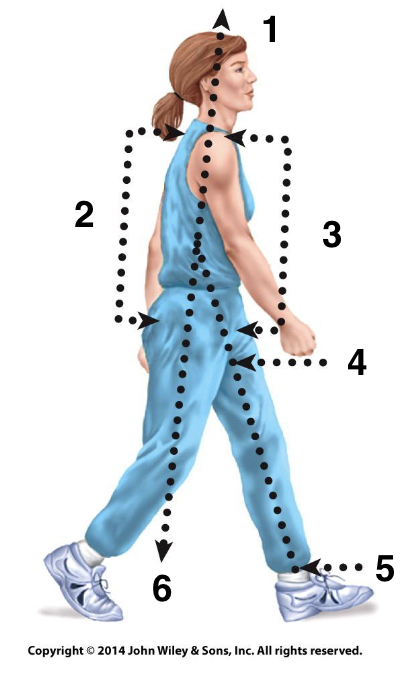
What is #2
posterior

What is #3
anterior

What is #4
proximal

What is #5
distal

What is #6
inferior

What is #1
frontal plane

What is #2
oblique plane

What is #3
transverse plane

What is #4
parasagittal plane

What is #5
midsagittal plane
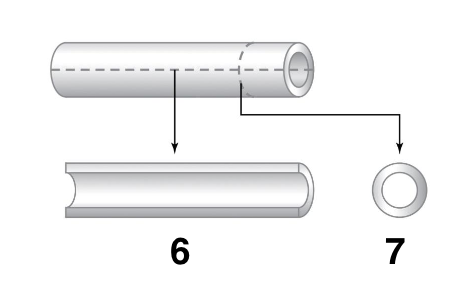
What is #6
longitudinal section

What is #7
Cross section

what is #1
cranial

what is #2
facial
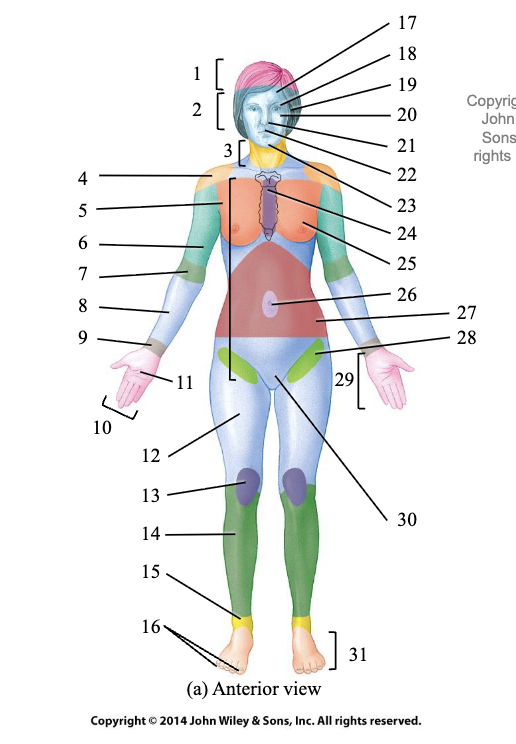
what is #3
cervical