Lesson 2: Digestive System and Nutrition
 Call Kai
 Learn
Learn Practice Test
 Spaced Repetition
 Match
Match Flashcards
 Knowt Play
1/78

There's no tags or description
Looks like no tags are added yet.
Name | Mastery | Learn | Test | Matching | Spaced | Call with Kai | Chat |
|---|
No analytics yet
Send a link to your students to track their progress
79 Terms
Alimentary Canal
Organs forming a pathway extending from the mouth to the anus.
Peristalsis
the involuntary constriction and relaxation of the muscles of the intestine, creating wave-like movements that push contents of the canal forward.
Rugae
Gastric folds
Essential Nutrients
A nutrient that the body cannot synthesize on its own and must be provided by the diet.
Non-essential Nutrients
Nutrients that can be made by the body.
Fat Soluble Vitamins
Stored in the fatty tissue (adipose tissue) up to 6 months
A, D, E, K
Vitamin A
Vision, Reproduction, Bone Health, Immune System, Skin
Vitamin D
Strengthens Bones, Calcium Absorption, Immune System
Vitamin E
Immune System, Flushes Toxins
Vitamin K
Blood Clotting, Bone Health
Water Soluble Vitamins
Enters bloodstream and excess is eliminated through urine.
Not stored in the body.
B1, B2, B3, Folate, B12, Pantothenic Acid, Biotin, C
Pernicios Anemia
Vitamin B12 anemia
Hyponatremia
Low Blood Sodium
Body Mass Index (BMI)
Measure of body fat based on height and weight
Auditory Learning
Done by learning
Visual Learning
Done by reading information
Kinesthetic Learning
Uses body movement and interact with their environments when learning
Digestion
Mechanical and chemical breakdown of foods into forms that the body cells can absorb.
Organs of digestion
Accessory organs
Churning
Mixes substances
The digestive system contains…
10 organs
20 specialized cell types
9m length
Gastrointestinal Tract
Twisting channel that transports food
Organ Trio: Pancreas, Gallbladder, & Liver
Breaks down food using juices
Enzymes, Hormones, Nerves & Blood
Works together to break down food, modulate the digestive process, and deliver final products
Mesentery
Large tissue that supports and positions all organs in the abdomen.
Bolus
Moist lump after chewing food
Mouth
Responsible for initiating digestion using chewing and saliva.
Mastication
Chewing
Teeth
Decrease size of food particles
32 ct, 16 upper and lower jaw.
Salivary Glands
Makes saliva
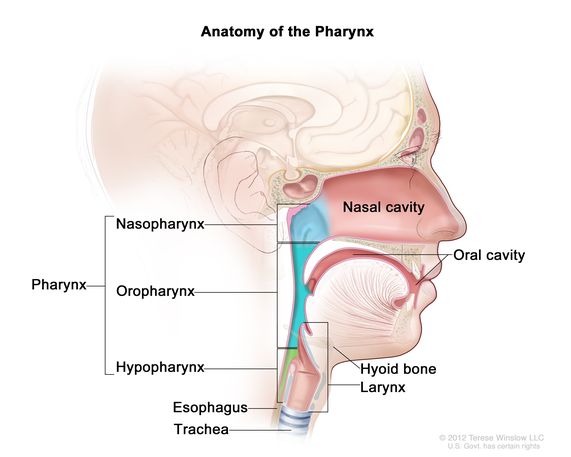
Pharynx
Throat; passageway between oral and esophagus
Esophagus
Tube connecting mouth to stomach
Uses peristalsis

Stomach
Receives food from esophagus; continues breakdown using gastric juices.
Propels food into small intestine
Contains rugae
Located in LUQ

Liver
Produces bile needed to break down fats
Located in RUQ

Gallbladder
Stores bile
Connects to duodenum

Pancreas
Connects to duodenum
Produces enzymes that aid in digestion

Small Intestine
Main site for absorption of nutrients
DIvided into 3 sections: Duodenum, Jejunum, Ileum

Large Intestine (Colon)
Responsible for absorption of nutrients
Feces is formed from solid waste
Large Intestine Sections
Cecum: connects to Ileum, where appendix is located
Ascending Colon
Transverse Colon
Descending Colon
Sigmoid Colon

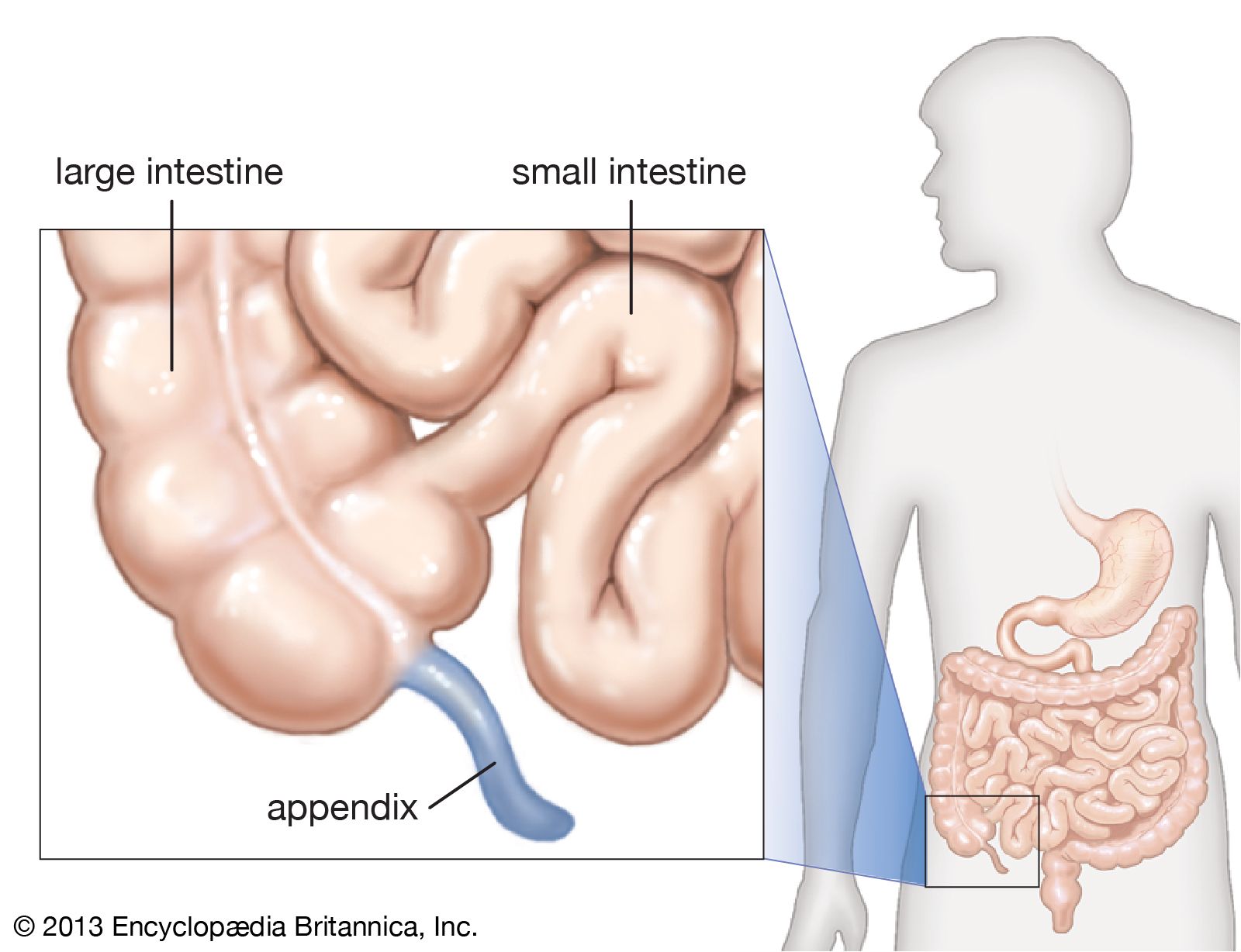
Cecum
Connects to the Ileum, where appendix is located.
Appendix
Thin tube joined to the large intestine.
Part of immune system
Serves as a reservoir for beneficial bacteria
Nutrients
Necessary food substabces
Carbohydrates
Proteins
Lipids (fats)
Vitamins
Minerals
Water
Carbohydrates
Broken down into glucose
Main source of energy for cells, tissues, and organs
Lipids
Fats, cholesterol, triglycerides
Serves as structural components of cell membranes
Function as energy
Proteins
Needed for tissue repair and growth
Vitamins
Needed for normal growth development
Fat-soluble vs. Water-soluble
Minerals
Needed for keeping bones, muscles, heart, and brain working properly.
Found in bones and teeth
Adult Calorie Intake
1800-2200 calories per day
Saturated Fats
Raises LDL (bad cholesterol)
Unsaturated Fats
Most healthy
Trans Fat
Used to preserve processed foods, raises LDL (bad cholesterol)
Cholesterol
Made in the liver
Low-density (LDL)
Bad cholesterol
High-Density (HDL)
Good cholesterol
Fiber Functions
Slows the time food takes to pass to stomach
Adds bulk to stool
Absorbs some wastes
Lowers cholesterol levels
Slows glucose absorption
Fiber helps prevent:
Gallstones
Hemorrhoids
Irritable bowel syndrome
Diverticulosis
Soluble Fibers
Dissolves in water
Insoluble Fibers
Does not dissolve in water
Major Minerals
Needed in small quantities
Trace Minerals
Needed in smaller quantities
Vitamin C
Antioxidant, aids in absorption of iron
Iron
Necessary for RBC formation
Dietary Needs: Diabetes
Low Sodium
Sweets in moderation
Balanced diet
Limited calories
Dietary Needs: Cancer
High protein
Vitamin supplements
Small, frequent meals
Dietary Needs: Cardiovascular Disease
Reduced Cholesterol
Low Sodium
High Fiber
Little to no alcohol
Dietary Needs: Gastroesophageal Reflux Disease (GERD)
Low fat
No spice, coffee, mints, chocolate, or dairy
High fiber
Anorexia Nervosa
Self-starvation, fear of weight gain, excessive exercising, no menstrual periods.
Bulimia
Eating large amounts of food and purging.
Buying & consuming large amounts of food, then purging.
Using bathroom after eating
Laxative use
Depression
Appendicitis
Inflammation and infection of the appendix
Cirrhosis
Chronic liver disease leading to scarring of the tissue. Caused by medication, alcohol use, hepatitis B or C
Cholelithiasis
Gallstones
Colitis
Inflammation of the large intestine; viral or bacterial
Constipation
Difficult in defecation; more common in elderly, increased fiber can help
Crohn’s disease
Inflammatory bowel disease; typically affects small intestine
Gastritis
Inflammation of the stomach
Diverticulitis
Inflammation of diverticula.
Diverticula
Small, bulging pouches that can form in the lining of the digestive system.
Hepatitis
Inflammation of the liver; often through viral infections (A, B, C, D, and E)
Hiatal Hernia
Portion of stomach protrudes into the chest.
Stomach Ulcer
Caused by bacterial infection, smoking, medication. Painful sores in the stomach lining.