FETAL SPINE
 Call Kai
 Learn
Learn Practice Test
 Spaced Repetition
 Match
Match Flashcards
 Knowt Play
1/16

There's no tags or description
Looks like no tags are added yet.
Name | Mastery | Learn | Test | Matching | Spaced | Call with Kai | Chat |
|---|
No analytics yet
Send a link to your students to track their progress
17 Terms
when do most spinal problems occur
defective neural tube closing during 4th week of embryonic development
neural tube defects will elevate
AFP
open spinal dysraphisms include
meningocele
myelomeningocele
close spinal dysraphisms include
spinal dermal sinus
lipomyelomeningocele
distematomyelia
neurenteric cysts
thick filum terminale
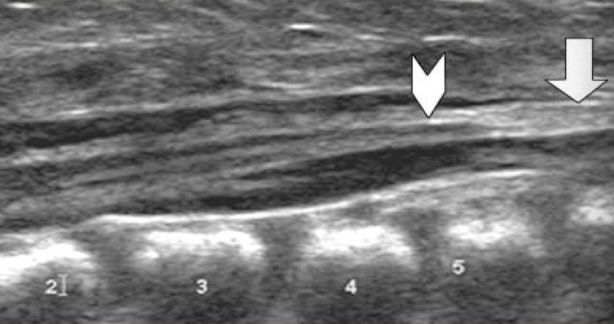
tight filum terminale syndrome
incomplete involution of distal spinal cord during embryogeneis
always associated wtih spinal cord tethering and abnormally positioned conus medullaris (below L2-L3)
exceeds 2mm
tethered spinal cord
malformation when spinal cord is attached to the surrounding tissue
neural tube defects involving the vertebral arches are refferred to as
spina bifida
types of spina bifida
myelomeningocele
meningocele
occulta
myelomeningocele
severest form
spinal cord and its protective covering (meninges) protrude from opening in spine
meningocele
spinal cord develops normally but meninges protrude from spinal opening
skin mostly intact
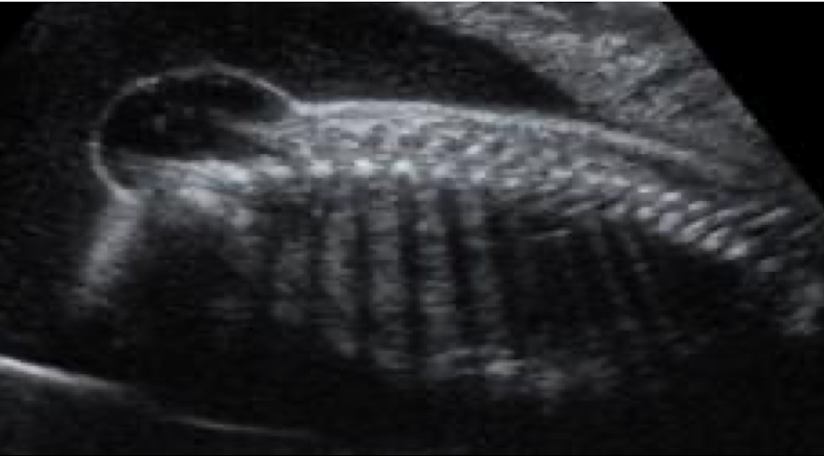
spina bifida occulta
mildest form (closed)
one or more vertebrae malformed and covered by a layer of skin
tuft of hair, dimple, red mark
myeloschisis/rachischis
complete spina bifida - most severe
opened flattened spinal cord exposed
nerve tissue bully bare
msot cases of spina bifida are
aperta (open)
80%
what malformation is often associated with spina bifida (meningomyelocele)
Chiari II
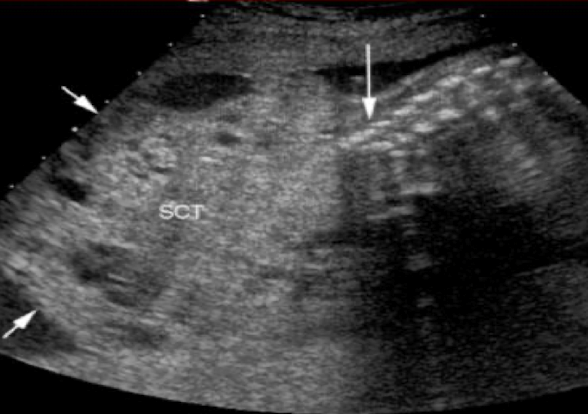
what are the most common congenital tumour in newborn
sacrococcygeal teratoma
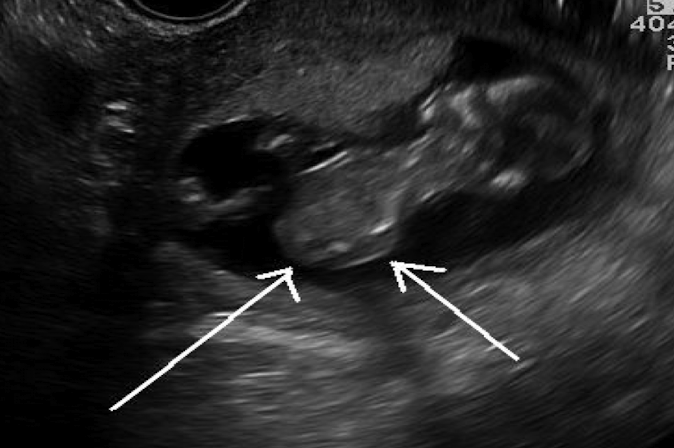
caudal regression syndrome is strongly associated with
poorly controlled diabetes
VACTERL
vertebral anomalies
imperforate anus
cardiac malformations
tracheoesophageal fistula
renal dysplasia
limb abnormalities