Bio protein synthesis
 Call Kai
 Learn
Learn Practice Test
 Spaced Repetition
 Match
Match Flashcards
 Knowt Play
1/26

Name | Mastery | Learn | Test | Matching | Spaced | Call with Kai |
|---|
No analytics yet
Send a link to your students to track their progress
27 Terms
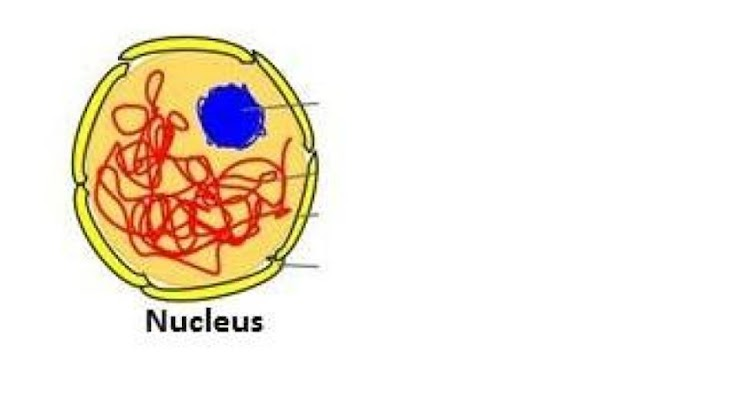
Based on the image, identify the function of the organelle
Store and protect genetic information
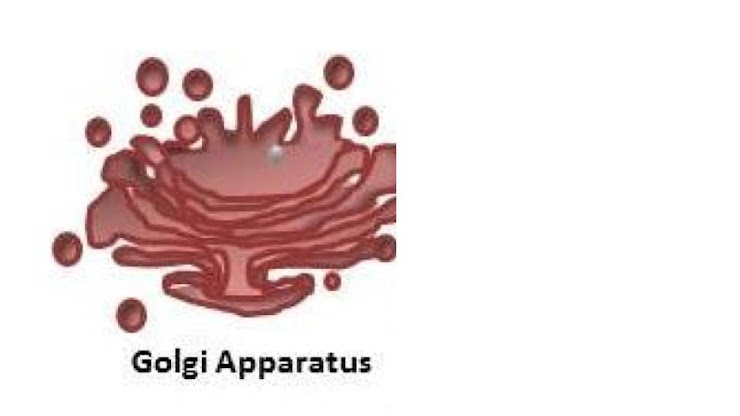
Based on the image, identify the function of the organelle
Package proteins into secretory vesicles
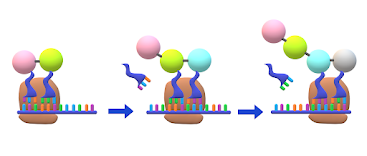
Based on the image, identify the function of the Ribosome
Create a polypeptide chain through the process of translation
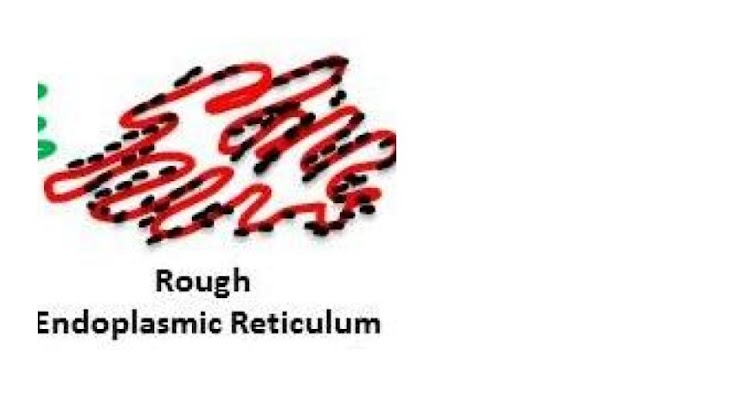
Based on the image, identify the function of the organelle
Fold polypeptide chains into proteins
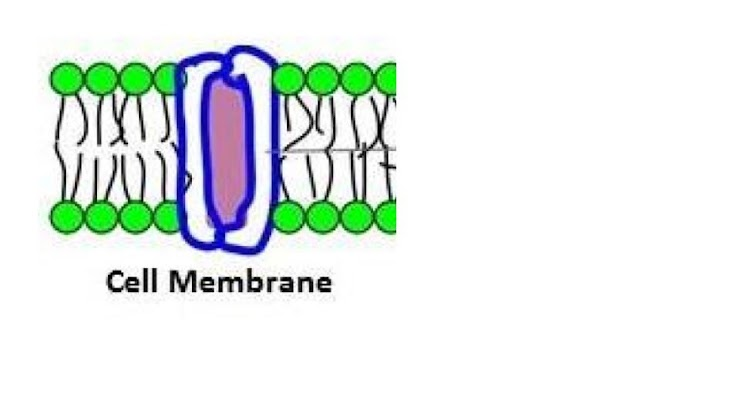
Based on the image, identify the function of the organelle
Allow substances in and out of the cell
This organelle transports materials around within the cell:
Transport Vesicle
This organelle has a lipid membrane and therefore, can fuse with the cell to carryout exocytosis
Secretory Vesicle
What are secretory vesicles made out of?
Secretory vesicles are made of phospholipids
Organelles that work together to make and package proteins are a part of the ______________ _________.
Endomembrane system
Proteins are important for a cell to make and package because they play this role in an organism:
Structure and the Speeding up Chemical Reactions
protien synthesis step 1:
The nucleolus makes and secretes ribosomes.
protien synthesis step 2:
the process is called transcription. mRNA leaves the nucleus to the ribosome where its read and used to create a polypeptide chain.
protien synthesis step 3:
The process is called translation. The Endoplasmic Reticulum folds the polypeptide chain into their final protein shape.
protien synthesis step 4:
A transport vesicle takes the protien from the Endoplasmic Reticulum to the Golgi Apparatus
protien synthesis step 5:
The Golgi Apparatus packages proteins.
protien synthesis step 6:
A secretory vesicle fuses to the cell membrane to secrete a protein in the process of exocytosis.
List all 7 organelles used in protein synthesis:
nucleolus, nucleus, ribosome, rough er, transport vesicle, golgi body, secretory vesicle
What holds dna?
the nucleus
What do ribosomes look like?
dots
This type of cell was the first type of cell to exist on our planet.
Prokaryote
This type of cell can be further classified as Plant or Animal.
Eukaryote
Identify the Organelles found in Plant Cells
Nucleus
Cell Membrane
Ribosomes
Cell Wall
Mitochondria
Large Vacuole
Chloroplast
Identify the Organelles found in animal Cells
Nucleus
Cell Membrane
Ribosomes
Mitochondria
only the organelles that BOTH plant and animal cells have
Nucleus
Cell Membrane
Mitochondria
Ribosomes
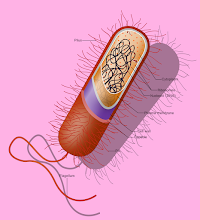
Looking at the image below, classify the cell as Prokaryote, Eukaryote (animal) or Eukaryote (plant)
Prokaryote
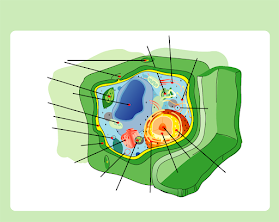
Looking at the image below, classify the cell as Prokaryote, Eukaryote (animal) or Eukaryote (plant)
Eukaryote (Plant)
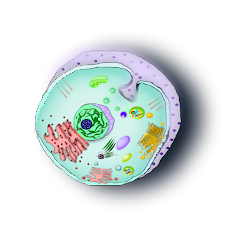
Looking at the image below, classify the cell as Prokaryote, Eukaryote (animal) or Eukaryote (plant)
Eukaryote (Animal)