E2: Microscopy
 Call Kai
 Learn
Learn Practice Test
 Spaced Repetition
 Match
Match Flashcards
 Knowt Play
1/72

There's no tags or description
Looks like no tags are added yet.
Name | Mastery | Learn | Test | Matching | Spaced | Call with Kai | Chat |
|---|
No analytics yet
Send a link to your students to track their progress
73 Terms
As magnification increases, the field of view decreases.
A. True
B. False
A. True
As magnification increases, the observable area (field of view) becomes smaller. You are "zooming in" on a more localized section of the specimen, which allows you to see finer details but reduces the overall area visible at once.
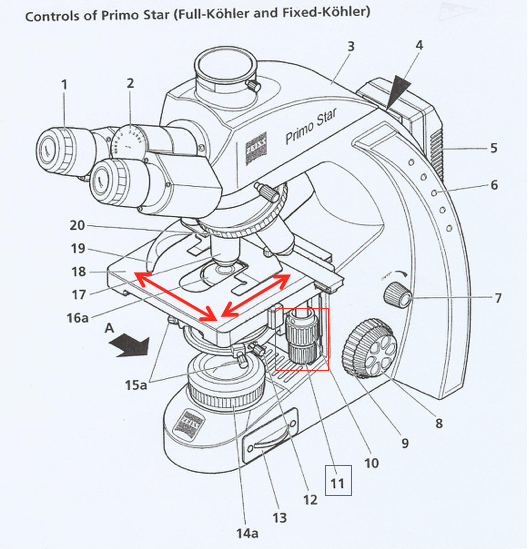
What part of the microscope is this + what does it control?

Which microscope produces a three-dimensional view of larger specimens such as insects?
A. Compound light microscope
B. Stereomicroscope (dissecting microscope)
C. TEM
D. SEM
B
A stereomicroscope is also called a:
A. Compound microscope
B. Brightfield microscope
C. Dissecting microscope
D. Phase-contrast microscope
C
Which microscope would be best for observing the external features of a butterfly wing?
A. TEM
B. SEM
C. Compound light microscope
D. Phase-contrast microscope
B
Which microscope would be best for observing the internal structure of a mitochondrion?
A. Stereomicroscope
B. Compound light microscope
C. SEM
D. TEM
D
Which objective lenses are found on the compound light microscope used in lab?
A. 2×, 5×, 20×, 50×
B. 4×, 10×, 40×, 100×
C. 10×, 20×, 40×, 60×
D. 5×, 15×, 50×, 100×
B
Which objective lens is the scanning objective?
A. 4×
B. 10×
C. 40×
D. 100×
A
Which objective lens is used for oil immersion?
A. 4×
B. 10×
C. 40×
D. 100×
D
Which microscope would be most appropriate for viewing a living cheek cell?
A. TEM
B. SEM
C. Compound light microscope
D. Stereomicroscope
C
Which statement correctly compares TEM and SEM?
A. Both produce only 2D images.
B. TEM views internal structures, while SEM views surface structures.
C. SEM views internal structures, while TEM views surface structures.
D. Both use visible light
B
Which white blood cell characteristic did Dr. Falah emphasize when viewing blood smears?
A. White blood cells are smaller than red blood cells.
B. White blood cells contain nuclei, while mature red blood cells do not.
C. White blood cells contain chloroplasts.
D. White blood cells are prokaryotic.
B
Which objective is used with immersion oil?
A. 4×
B. 10×
C. 40×
D. 100×
D
A microscope has a 10× ocular and a 40× objective.
What is the total magnification?
A. 40×
B. 400×
C. 100×
D. 1000×
B
Why is immersion oil used?
A. To increase magnification
B. To reduce refraction and improve resolution
C. To stain cells
D. To clean the slide
B
Which knob should be used after switching to the 100× objective?
A. Coarse adjustment
B. Fine adjustment only
C. Stage adjustment
D. Nosepiece adjustment
B
Which microscope part controls the amount of light entering the specimen?
A. Condenser
B. Iris diaphragm
C. Nosepiece
D. Stage
B
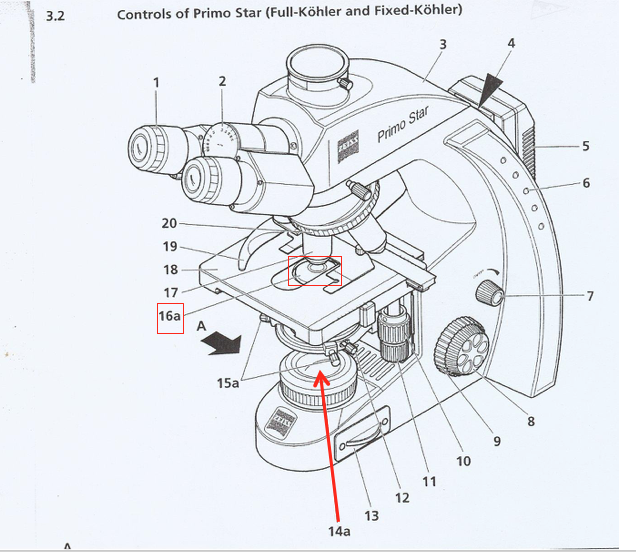
What part of the microscope is this + what does it control?

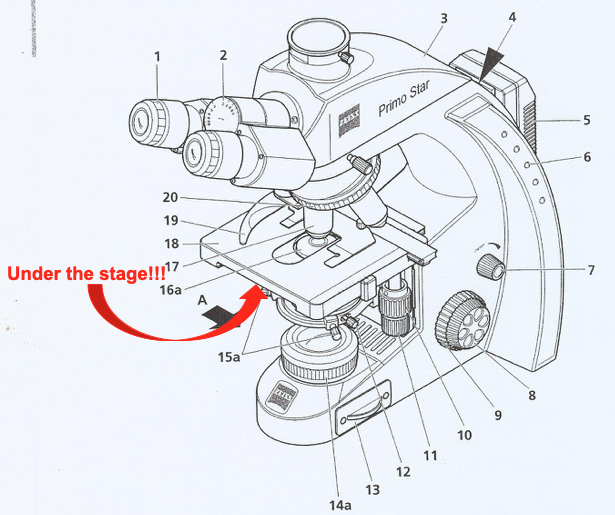
What part of the microscope is this + what does it control?
Aperture (Iris) diaphragm - controls the diameter of the circle of light
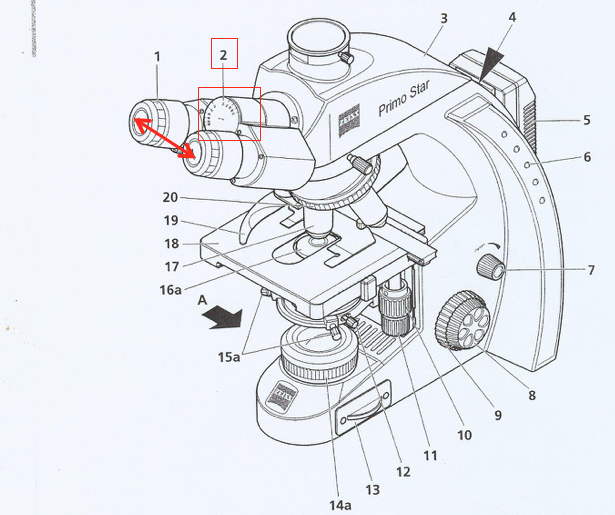
What part of the microscope is this + what does it control?
Interpupillary distance adjustment - adjusts the distance between the eyepieces
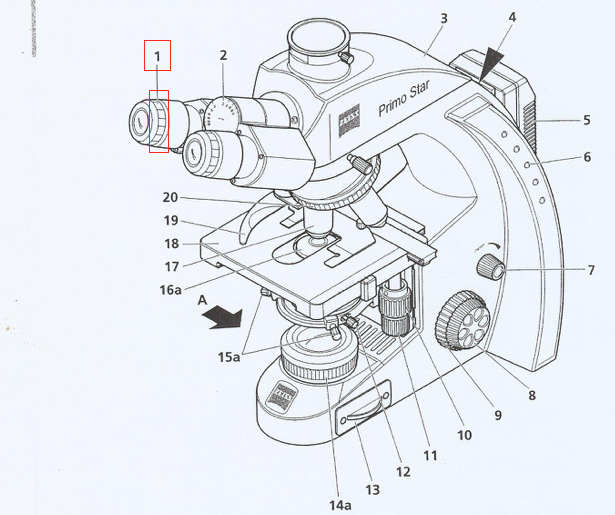
What part of the microscope is this + what does it control?
Diopter adjustment- used to suit the eyesight of the user (adjusting for vision differences between the user’s right and left eyes)
What is the purpose of the condenser?
A. Holds the slide
B. Focuses light onto the specimen
C. Changes magnification
D. Moves the stage
B
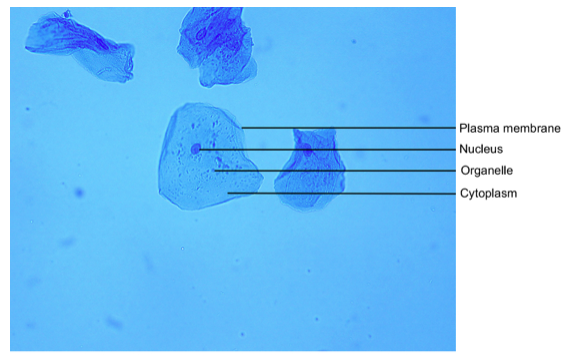
What cell is this?
Cheek Cell
Which microscope part controls how much light reaches the specimen?
A. Ocular lens
B. Stage clips
C. Iris diaphragm
D. Arm
C
As magnification increases, depth of field:
A. Increases
B. Decreases
C. Does not change
D. Doubles
B
Which objective lens has the greatest field of view?
A. 4×
B. 10×
C. 40×
D. 100×
A
Why is focusing more difficult at higher magnification?
A. The specimen changes size.
B. Depth of field becomes smaller.
C. Light becomes brighter.
D. The slide moves faster.
B
Which organism is a prokaryote?
A. Yeast
B. Amoeba
C. Bacteria
D. Paramecium
C
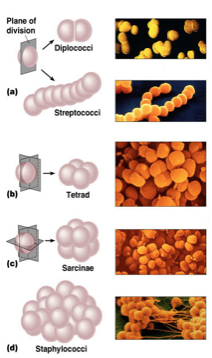
Which bacterial shape is spherical?
A. Bacillus
B. Spirillum
C. Coccus
D. Vibrio
C
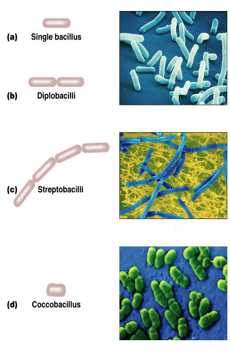
Which bacterial shape is rod-shaped?
A. Bacillus
B. Coccus
C. Spirillum
D. Staphylococcus
A
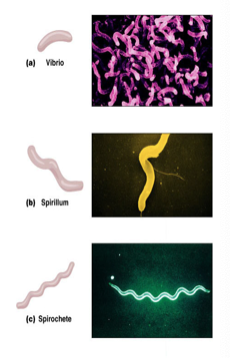
Which bacterial shape is spiral?
A. Bacillus
B. Spirillum
C. Coccus
D. Diplococcus
B
Which organism moves using pseudopodia?
A. Paramecium
B. Amoeba
C. Spirogyra
D. Yeast
B
An Amoeba uses temporary, lobe-like extensions of its cytoplasm called pseudopodia (meaning "false feet") to move and engulf food
Which organism moves using cilia?
A. Amoeba
B. Paramecium
C. Spirogyra
D. Rhizopus
B
As magnification increases, working distance:
A. increases
B. decreases
C. stays the same
D. doubles
B
Resolution refers to the ability to:
A. Increase magnification
B. Distinguish two closely spaced points as separate
C. Increase brightness
D. Focus the objective lens
B
Why is a coverslip lowered at a 45° angle?
A. To improve resolution
B. To avoid trapping air bubbles
C. To increase magnification
D. To stain the specimen
B
Why is methylene blue added to cheek cells?
A. To increase magnification
B. To improve contrast by staining the cells
C. To kill bacteria
D. To make the cells larger
B
Which organism reproduces by budding?
A. Rhizopus
B. Aspergillus
C. Yeast
D. Amoeba
C
Which organisms are molds?
A. Amoeba and Paramecium
B. Aspergillus and Rhizopus
C. Yeast and Amoeba
D. Spirogyra and Volvox
B
Which organism contains spiral chloroplasts?
A. Volvox
B. Amoeba
C. Spirogyra
D. Yeast
c
As objective magnification increases, the numerical aperture (NA) generally:
A. Decreases
B. Stays the same
C. Increases
D. Becomes zero
C
In microscopy, the Numerical Aperture (NA) and the objective's magnification power have a direct, positive correlation. As objective magnification increases, the lens is designed to accept a wider cone of light rays from the specimen, which correspondingly increases the NA to provide higher resolution and sharper, more detailed images
Numerical aperture (NA) refers to:
A. The distance between the objective and the specimen
B. How well the objective collects and focuses light to produce a clear image
C. The total magnification
D. The field of view
B
Numerical aperture (\(NA\)) is a dimensionless number that characterizes an objective's ability to gather light and resolve fine specimen detail. It is a critical specification for objective lenses because a higher \(NA\) allows the lens to capture a wider cone of diffracted light, resulting in a brighter and sharper image
Which objective lens has the shortest working distance?
A. 4×
B. 10×
C. 40×
D. 100×
D
As magnification increases, numerical aperture:
A. Increases
B. Decreases
C. Stays constant
D. Depends only on the eyepiece
A
To achieve higher magnification while maintaining a sharp, resolved image, objective lenses must collect light at wider angles. Therefore, as the magnification power of an objective goes up, the numerical aperture also increases to provide the necessary resolving power.
Resolving power refers to:
A. Total magnification
B. The ability to distinguish two closely spaced points
C. Brightness
D. The amount of stain used
B
Contrast refers to:
A. Image size
B. The difference in brightness between adjacent areas
C. Resolution
D. Numerical aperture
B
Approximately what is the highest useful magnification of a compound light microscope?
A. 100×
B. 400×
C. 1000×
D. 10,000×
C
A light microscope can generally resolve details no smaller than approximately:
A. 20 µm
B. 2 µm
C. 0.2 µm
D. 0.02 µm
C
Which microscopy technique is commonly used to observe living unstained cells?
A. Brightfield
B. Phase-contrast
C. TEM
D. Oil immersion
B
Which microscopy technique produces a dark background with a bright specimen?
A. Brightfield
B. Darkfield
C. Phase-contrast
D. Oil immersion
B
Which blood cell is responsible for carrying oxygen?
A. Neutrophil
B. Lymphocyte
C. Erythrocyte
D. Monocyte
C
Which blood cells are white blood cells?
A. Erythrocytes only
B. Neutrophils, eosinophils, basophils, lymphocytes, and monocytes
C. Platelets only
D. Red blood cells only
B
Which plant tissue primarily transports water?
A. Phloem
B. Xylem
C. Epidermis
D. Guard cells
B
Which plant tissue transports sugars produced during photosynthesis?
A. Xylem
B. Epidermis
C. Phloem
D. Cortex
C
Which plant tissue primarily transports water?
A. Phloem
B. Xylem
C. Epidermis
D. Guard cells
B
What are Diatoms?
Diatoms are algae and are among the most common types of phytoplankton. They are unicellular, and can form colonies in the shape of filaments, ribbons, fans, zigzags, or stars
Out of these, which ones are prokaryotes?
Bacterial cells (and their shapes) under oil immersion
Human cheek cells
Human blood cells
Plant cells
Spirogyra
Amoeba
Paramecium
Budding yeast
Mold (Aspergillus and Rhizopus)
Bacterial cells (and their shapes) under oil immersion
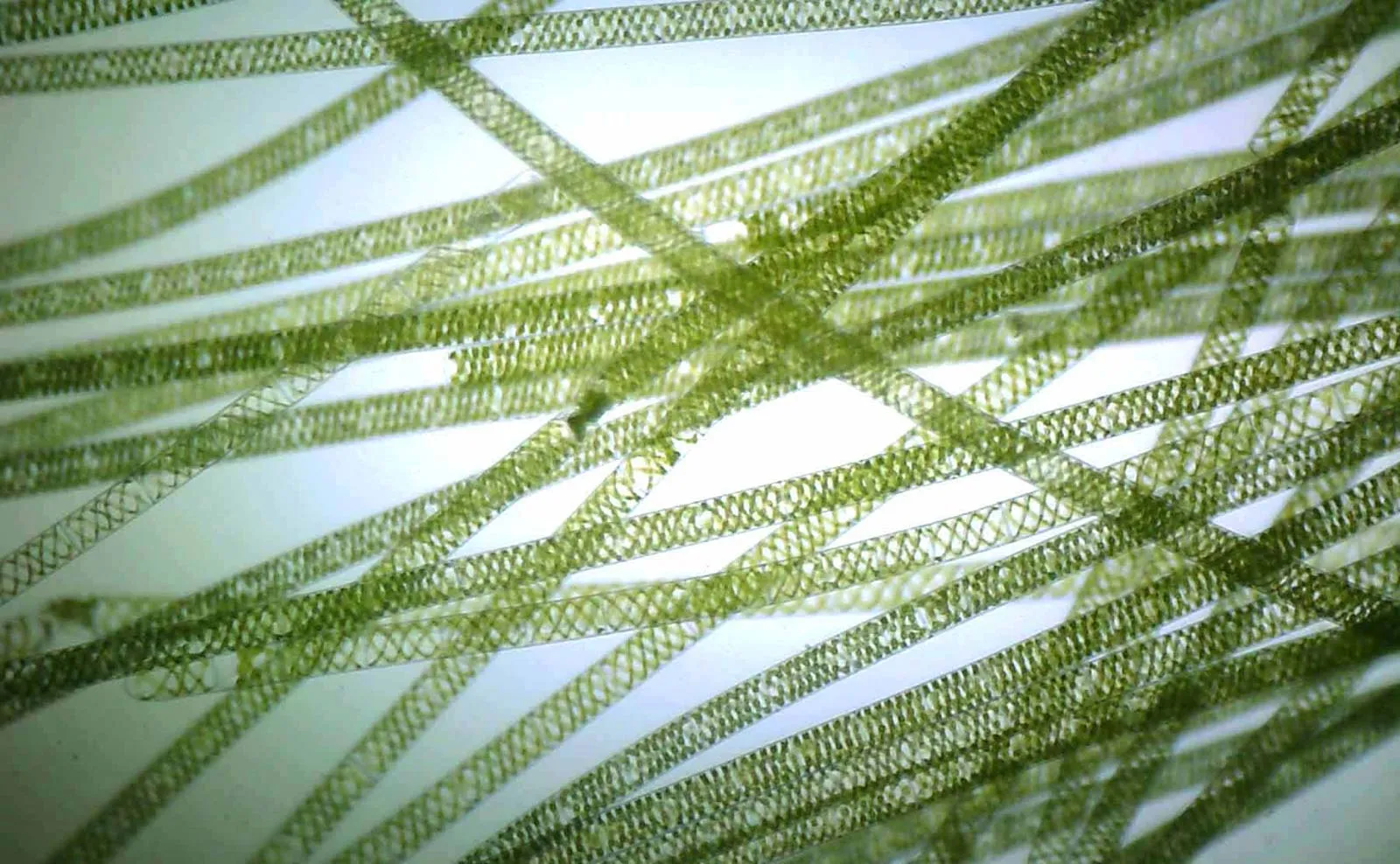
What cell slide is this, and is it a prokaryote?
Spirogyra, no
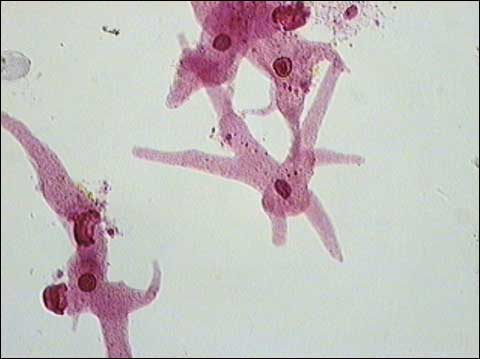
What cell slide is this, and is it a prokaryote?
Amoeba, no
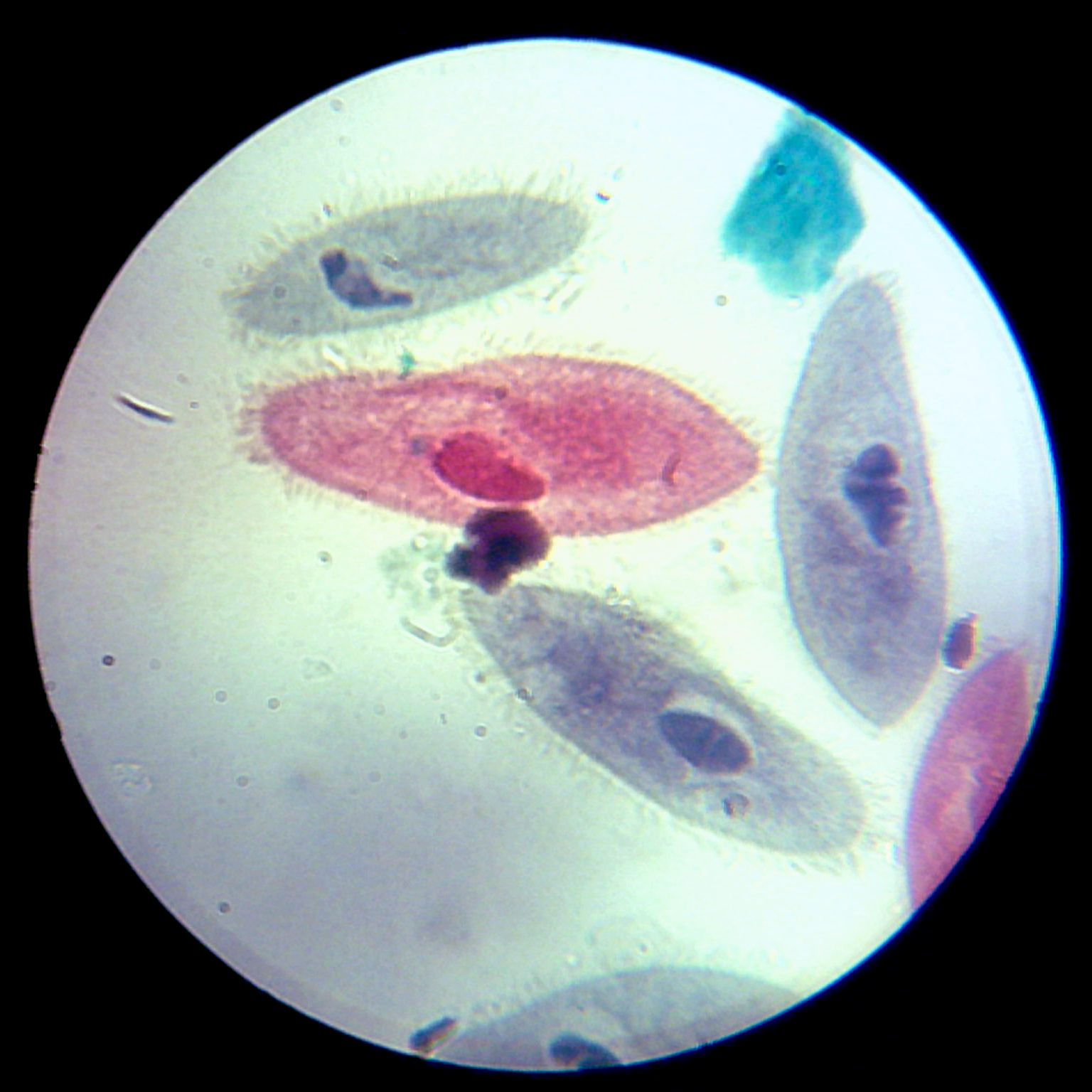
What cell slide is this, and is it a prokaryote?
Paramecium, no
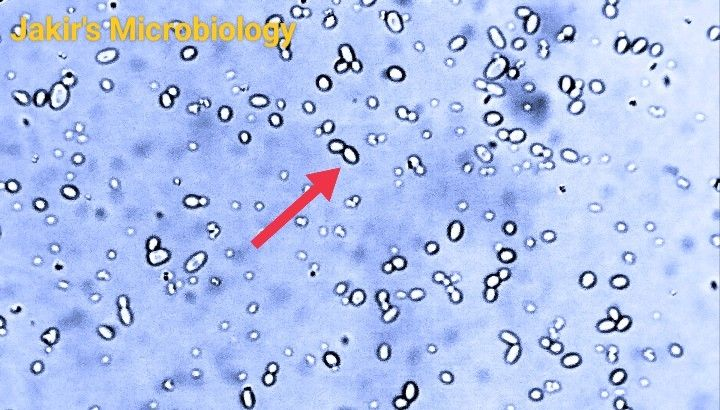
What cell slide is this, and is it a prokaryote?
Budding yeast, no
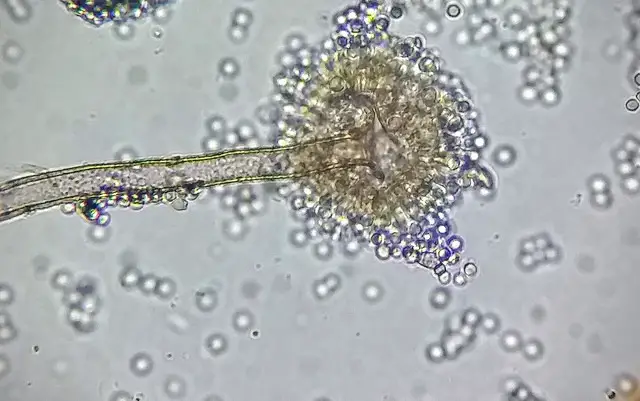
What cell slide is this, and is it a prokaryote?
aspergillus (mold), no
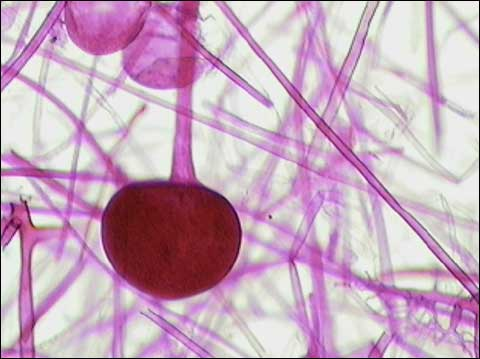
What cell slide is this, and is it a prokaryote?
Rhixopus (mold), no