The cells
 Call Kai
 Learn
Learn Practice Test
 Spaced Repetition
 Match
Match Flashcards
 Knowt Play
1/86

There's no tags or description
Looks like no tags are added yet.
Name | Mastery | Learn | Test | Matching | Spaced | Call with Kai | Chat |
|---|
No analytics yet
Send a link to your students to track their progress
87 Terms
What is cytoplasm?
The material inside the cell.

What are the 3 fundamental components that work together to maintain a living cell.
cell membrane, nucleus, cytosol

What are the 2 major elements of cytoplasm?
Cytosol and organelles.
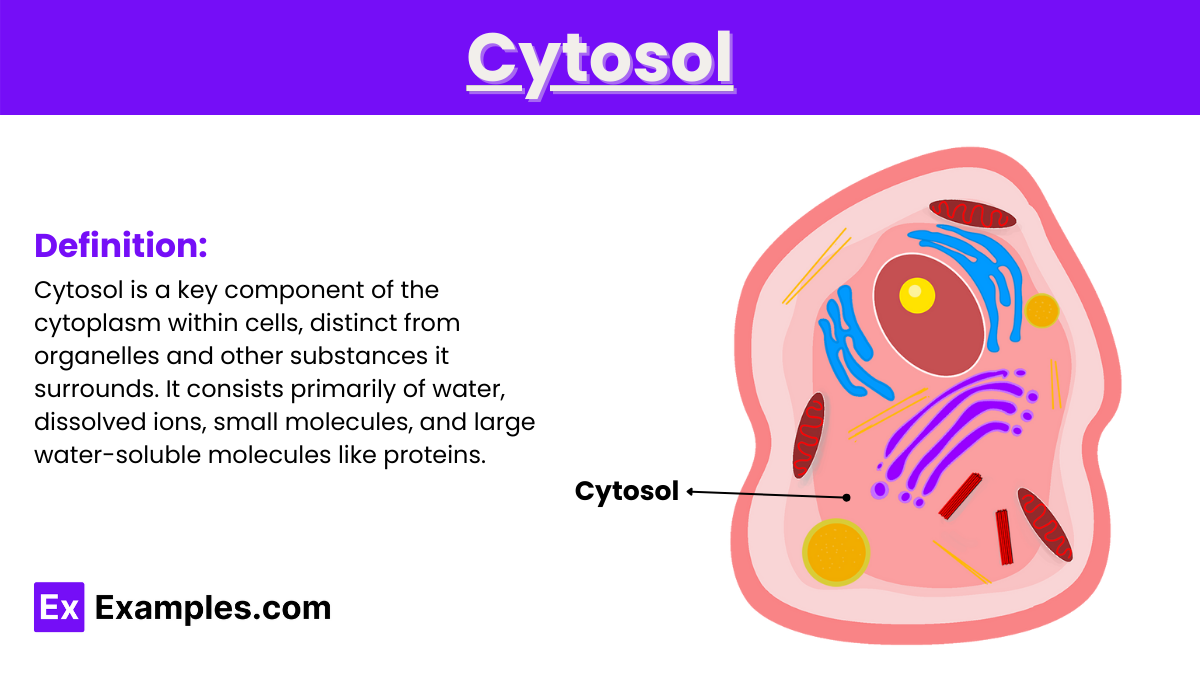
What is cytosol?
Intracellular fluid containing ions, proteins, and nutrients.
What are organelles?
Specialized cellular structures that perform a specific function.
What is the function of mitochondria?
Provides ATP for cellular energy; known as the "powerhouse" of the cell.

What is the structure of mitochondria?
A double-membrane structure with infoldings.

What is the control center of the cell?
The nucleus.
What does the nucleus contain?
Genetic material (DNA).
What is the nuclear envelope?
The membrane that separates the nucleus from the cytoplasm.

What is the nucleolus?
A dark-stained body inside the nucleus that produces ribosomes.

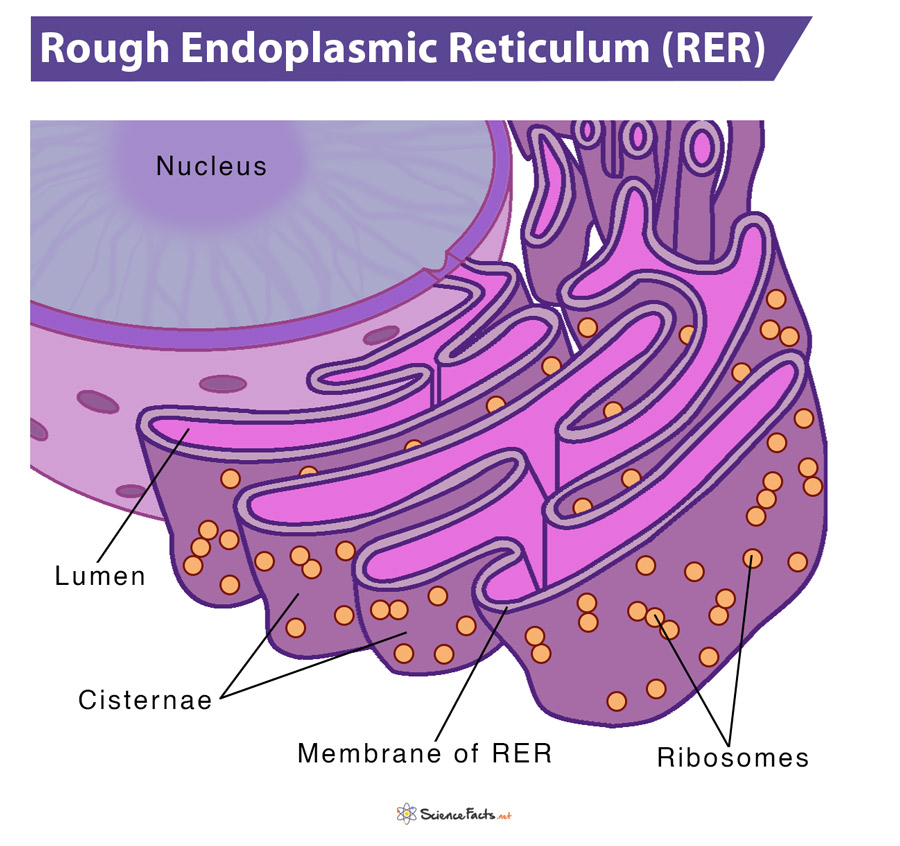
What is the function of rough ER?
Synthesizes proteins; it is studded with ribosomes.
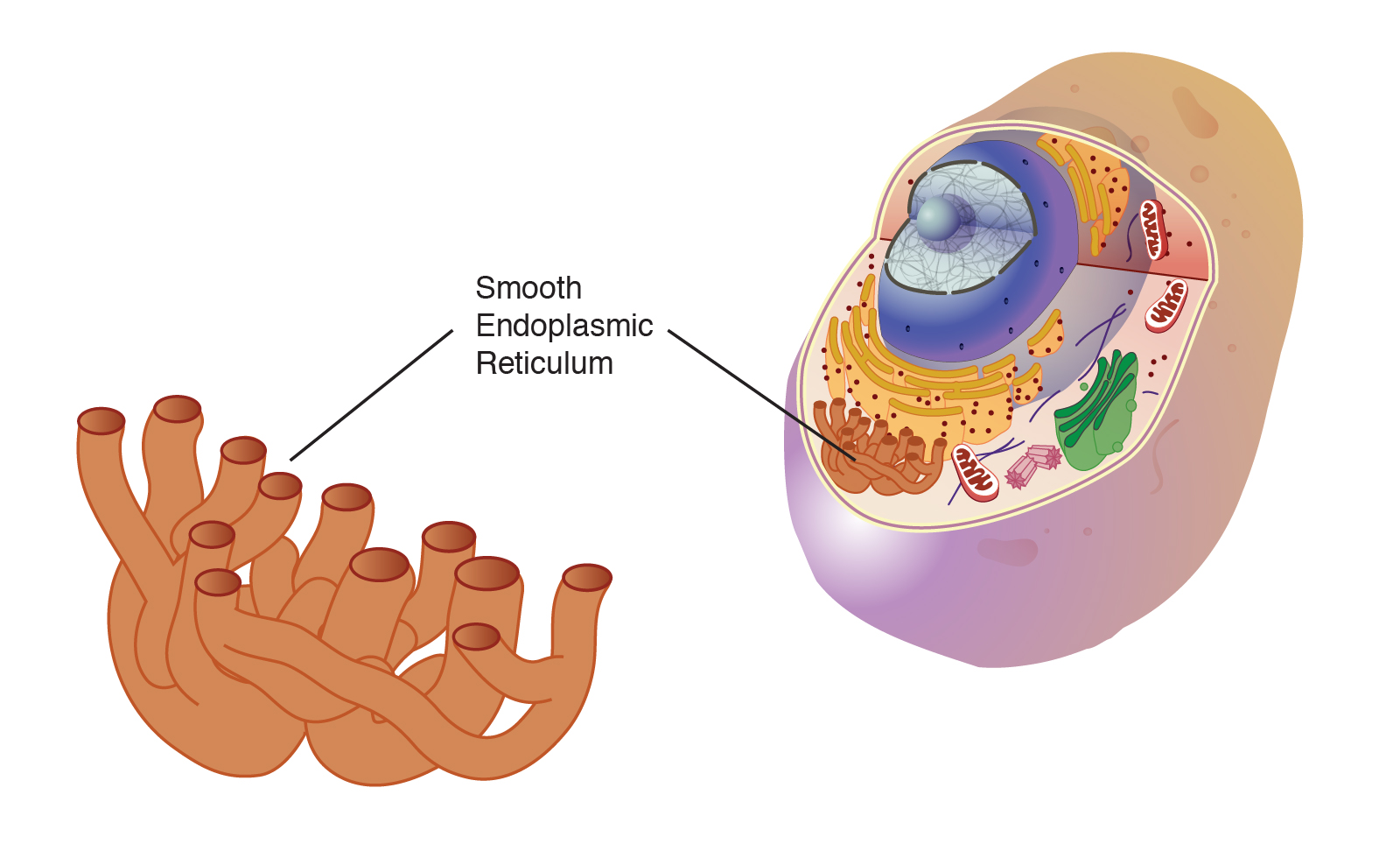
What is the function of smooth ER?
Synthesizes lipids, including fatty acids and cholesterol.
What is the Golgi apparatus?
A stack of flat membrane sacs and vesicles that packages proteins for transport.

What determines where proteins are transported by the Golgi apparatus?
Their final destination.
What are secretory vesicles?
Vesicles that travel to the cell surface and release their contents outside the cell.
What are membrane renewal vesicles?
Vesicles that fuse with the plasma membrane and add membrane material.
What are lysosomes?
Membranous sacs containing digestive enzymes.
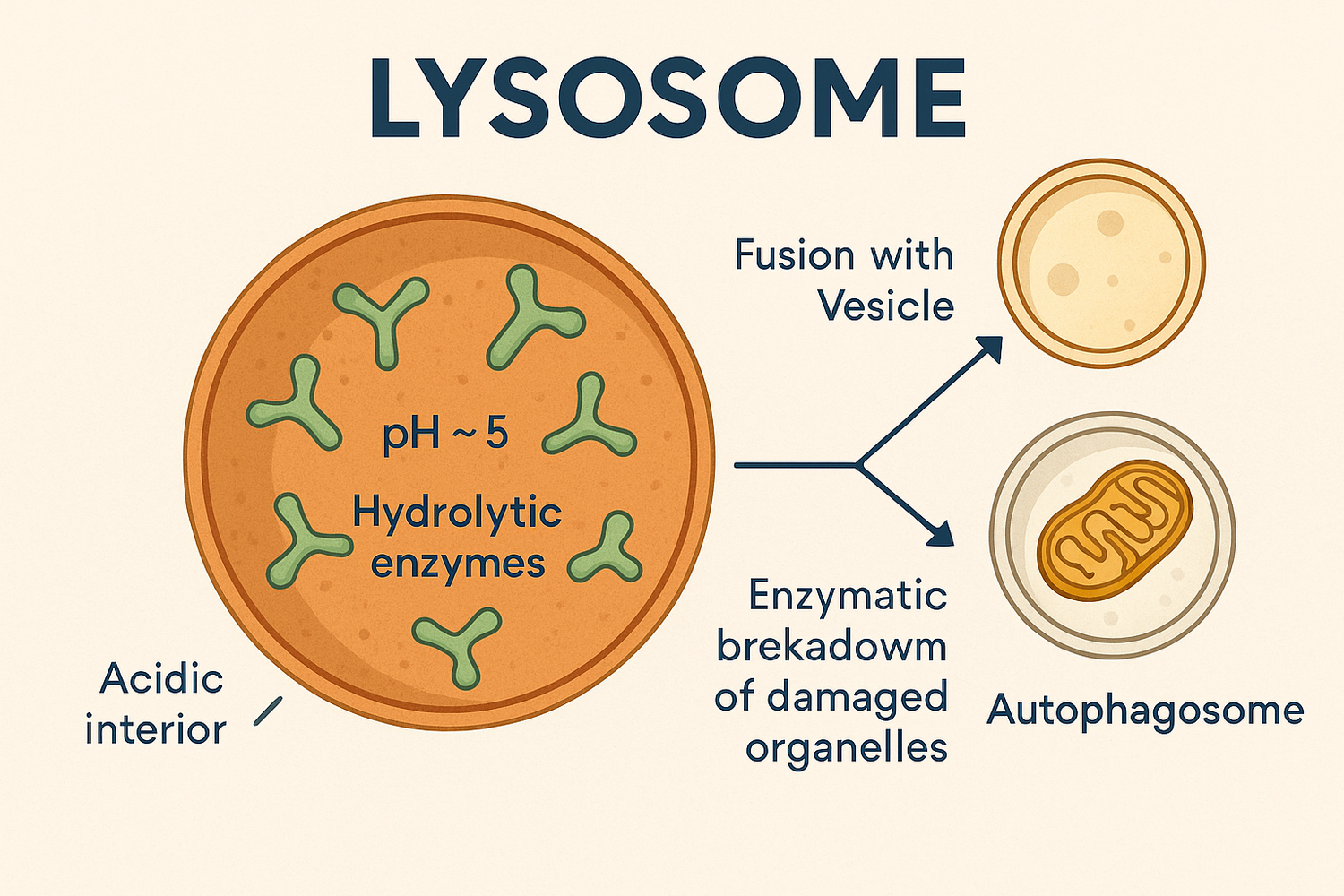
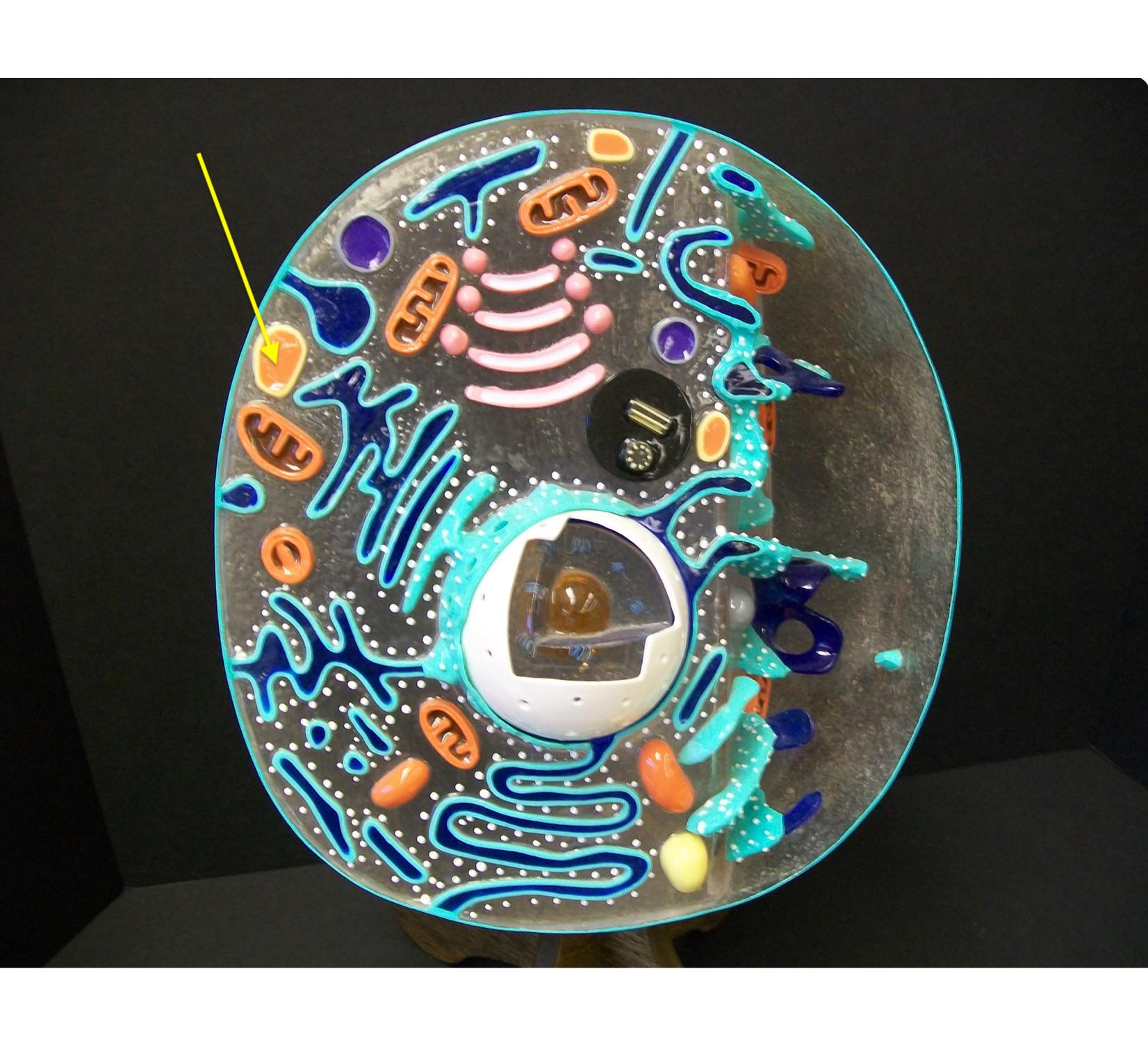
What is the function of lysosomes?
Digest damaged organelles and pathogens within the cell.
What are ribosomes?
Small dark bodies made of protein and RNA that are sites of protein synthesis.

Where are ribosomes found?
Free in the cytoplasm or attached to the rough ER.
What is the cytoskeleton?
The "skeleton" of the cell that provides an internal framework.

What are the functions of the cytoskeleton?
Provides support and organization and helps with intracellular movement (motility).
What are the 3 types of cytoskeletal fibers?
Microfilaments, intermediate filaments, and microtubules.

What are microfilaments?
The thinnest cytoskeletal fibers; they help maintain cell shape and are important for cell movement.

What are intermediate filaments?
Mid-sized cytoskeletal fibers that provide strength and help stabilize the cell.

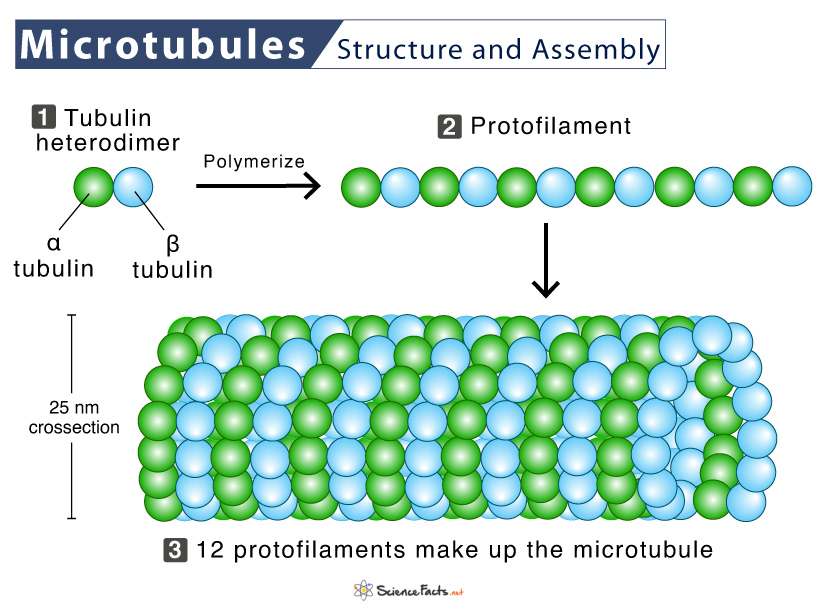
What are microtubules?
The largest cytoskeletal fibers; they help maintain cell shape, move materials within the cell, and form structures involved in cell division.
What are centrioles?
Rod-shaped bodies located near the nucleus.

What is the function of centrioles?
They form mitotic spindles during cell division.
Why are centrioles important?
They help organize cell division, which is important for growth and healing.
What are cilia?
Whip-like extensions that occur along the free surface of some cells.

What is an example of where cilia are found?
Fallopian tubes, where they help move material along the cell surface.
What are microvilli?
Very short projections that increase the cell's surface area.
Why are microvilli important?
They increase surface area for absorption.
Where are microvilli especially important?
The small intestine, where they increase the surface area available for absorption.
What is chromatin?
Condensed DNA found inside the nucleus.

How can you identify chromatin on a model?
Look for small blue spiral-like structures inside the nucleus.
Where is chromatin located?
Inside the nucleus.
What is the function of chromatin?
It contains the cell's DNA/genetic information.
What is the nuclear membrane (nuclear envelope)?
A semi-permeable membrane surrounding the nucleus.
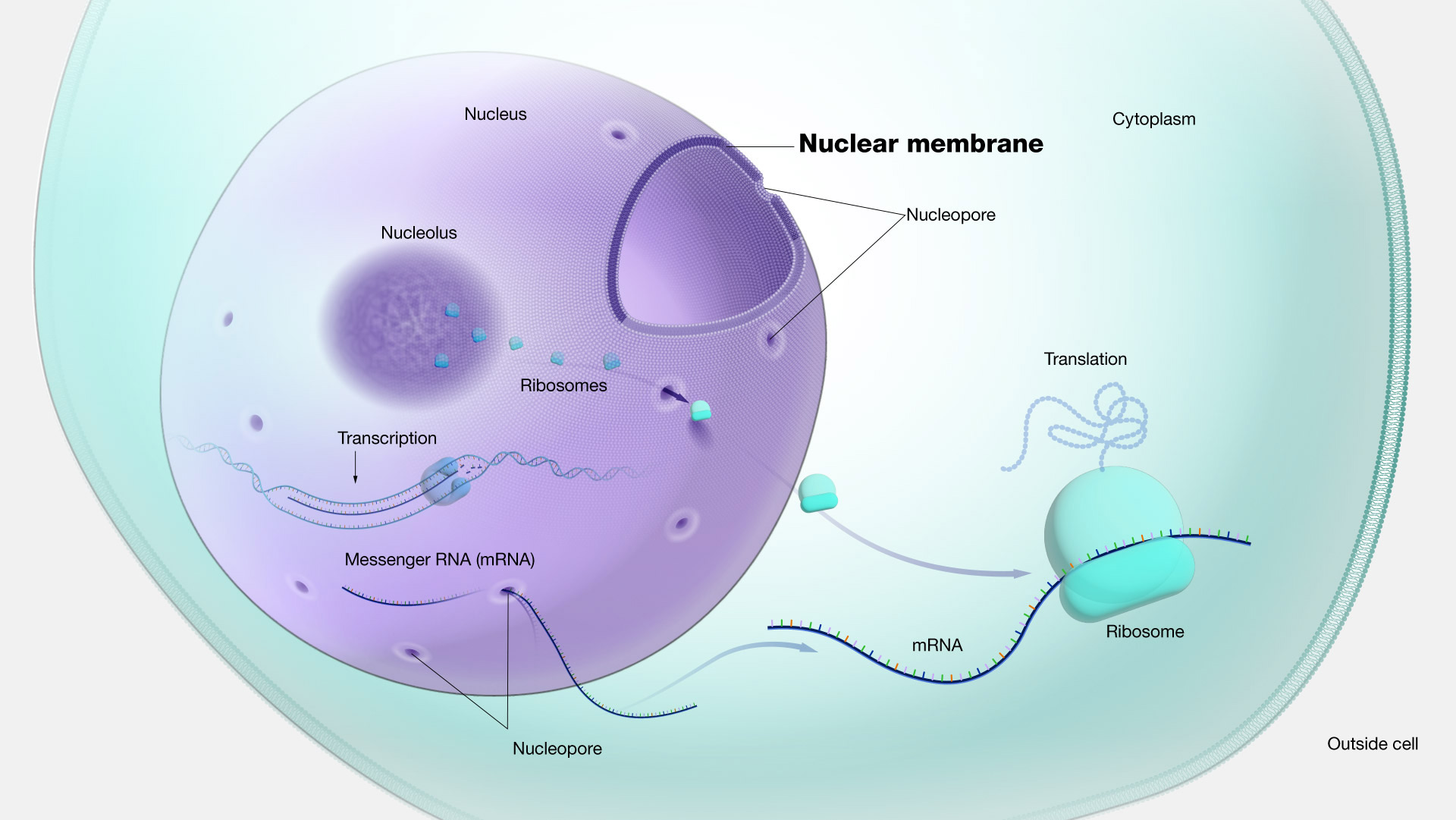
How can you identify the nuclear membrane on a model?
Look for the membrane surrounding the nucleus.

Where is the nuclear membrane located?
Around the nucleus, separating it from the cytoplasm.
What is the function of the nuclear membrane?
Controls what enters and leaves the nucleus.
What is the nucleolus?
A darker, sphere-shaped structure inside the nucleus.

How can you identify the nucleolus on a model?
Look for a dark, round sphere inside the nucleus.
What is the function of the nucleolus?
Produces ribosomes.
What is the nucleus?
A membrane-bound organelle that houses and protects the cell's DNA.

How can you identify the nucleus on a model?
Look for the large, usually spherical structure, often near the center of the cell.
What is the function of the nucleus?
Houses and protects the cell's DNA and controls cell activities.
What is a peroxisome?
A membrane-bound organelle containing enzymes that break down harmful chemicals.
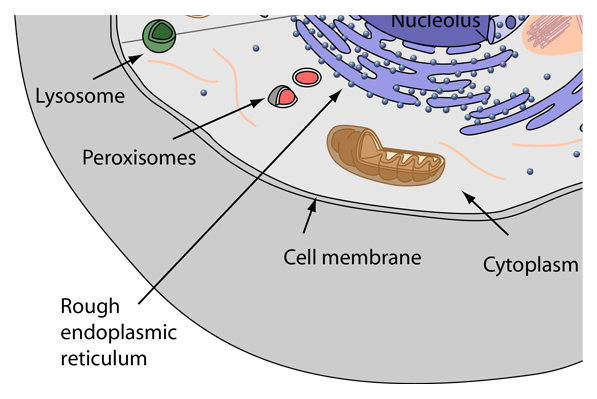
How can you identify a peroxisome on a model?
Look for a small, usually purple spherical membrane-bound organelle.

What is the function of a peroxisome?
Breaks down harmful chemicals such as alcohol, formaldehyde, and free radicals.
What is the plasma membrane?
The semi-permeable membrane surrounding the cell.
How can you identify the plasma membrane on a model?
Look for the thin outer boundary surrounding the entire cell.
What is the function of the plasma membrane?
Controls what substances enter and leave the cell.

What is the plasma membrane primarily made of?
A phospholipid bilayer.
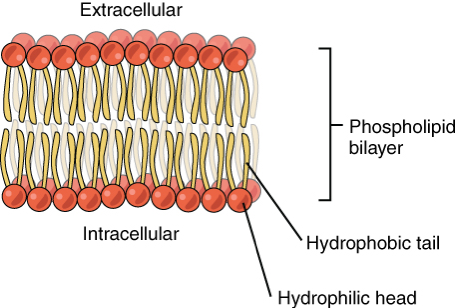
What is a phospholipid bilayer?
Two layers of phospholipids that form the basic structure of the plasma membrane.
What are hydrophilic heads?
The water-attracting heads of phospholipids.

What are hydrophobic tails?
The water-repelling tails of phospholipids.
What are membrane proteins?
Proteins that can act as receptors, enzymes, or channels.
What are integral proteins?
Proteins embedded within the plasma membrane.

What are channels?
Integral proteins that form passageways allowing specific substances to cross the membrane.
What are carriers?
Integral proteins that bind to specific substances and help move them across the membrane.
What are peripheral proteins?
Proteins attached to the surface of the plasma membrane rather than embedded within it.

What is the glycocalyx?
A carbohydrate-containing layer on the outer surface of the membrane that serves as a biological marker for identifying self vs. non-self.

What is the function of cholesterol in the plasma membrane?
It stabilizes the membrane.
What is passive transport?
Movement of solutes across a membrane that does not require cellular energy.

What is simple diffusion?
Movement of SOLUTES from an area of higher concentration to an area of lower concentration WITHOUT using cellular energy.

What is facilitated diffusion?
Movement of substances from an area of higher concentration to an area of lower concentration through membrane proteins.

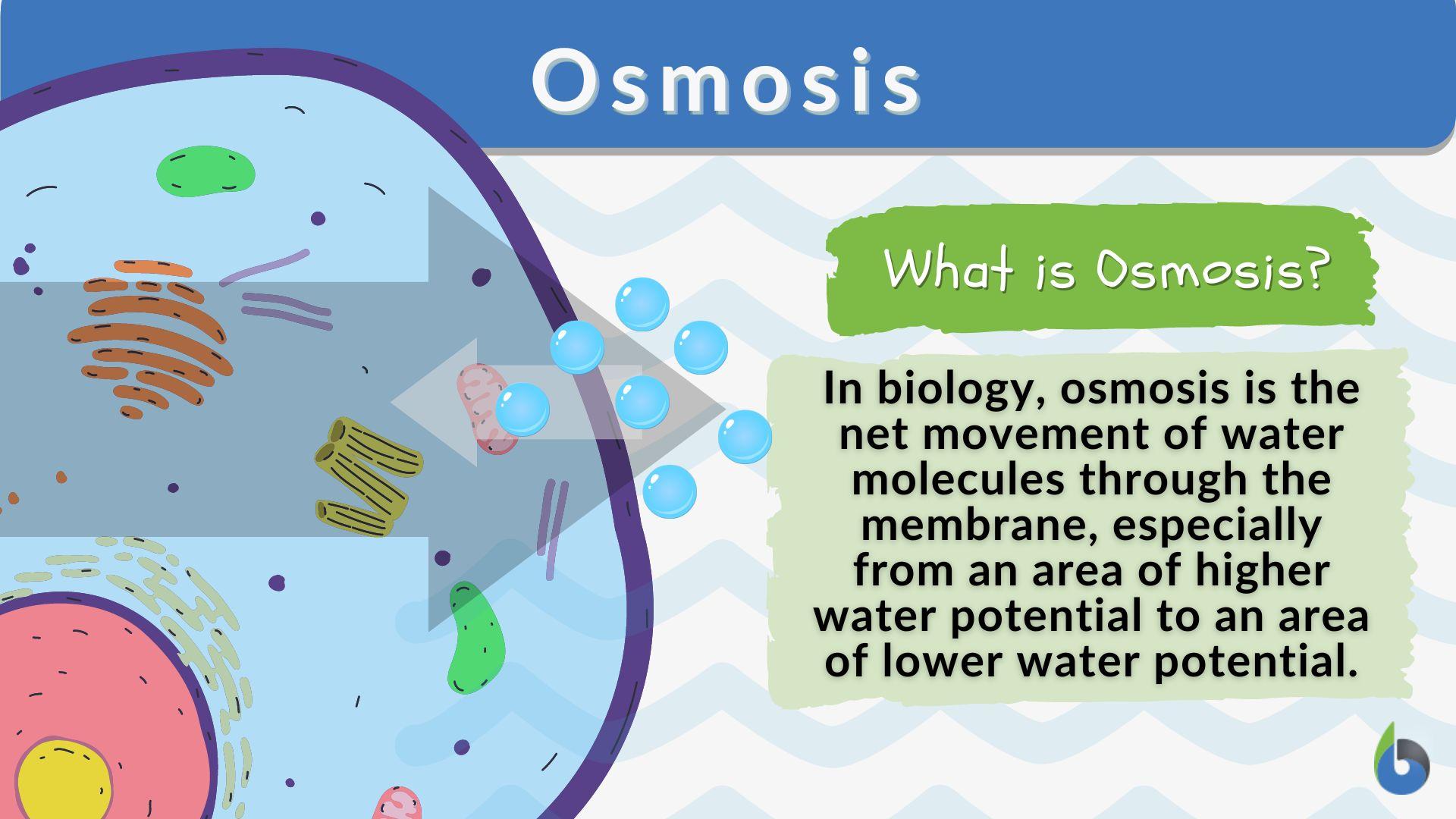
What is osmosis?
Diffusion of WATER across a membrane from an area of higher water concentration to an area of lower water concentration.
What is active transport?
Movement of solutes across a membrane that requires ATP (energy) and can move substances against their concentration gradient (low → high).

What is carrier-mediated transport?
Transport across the membrane using carrier proteins.
What is vesicular transport?
Movement of materials into or out of the cell using membrane-bound vesicles.
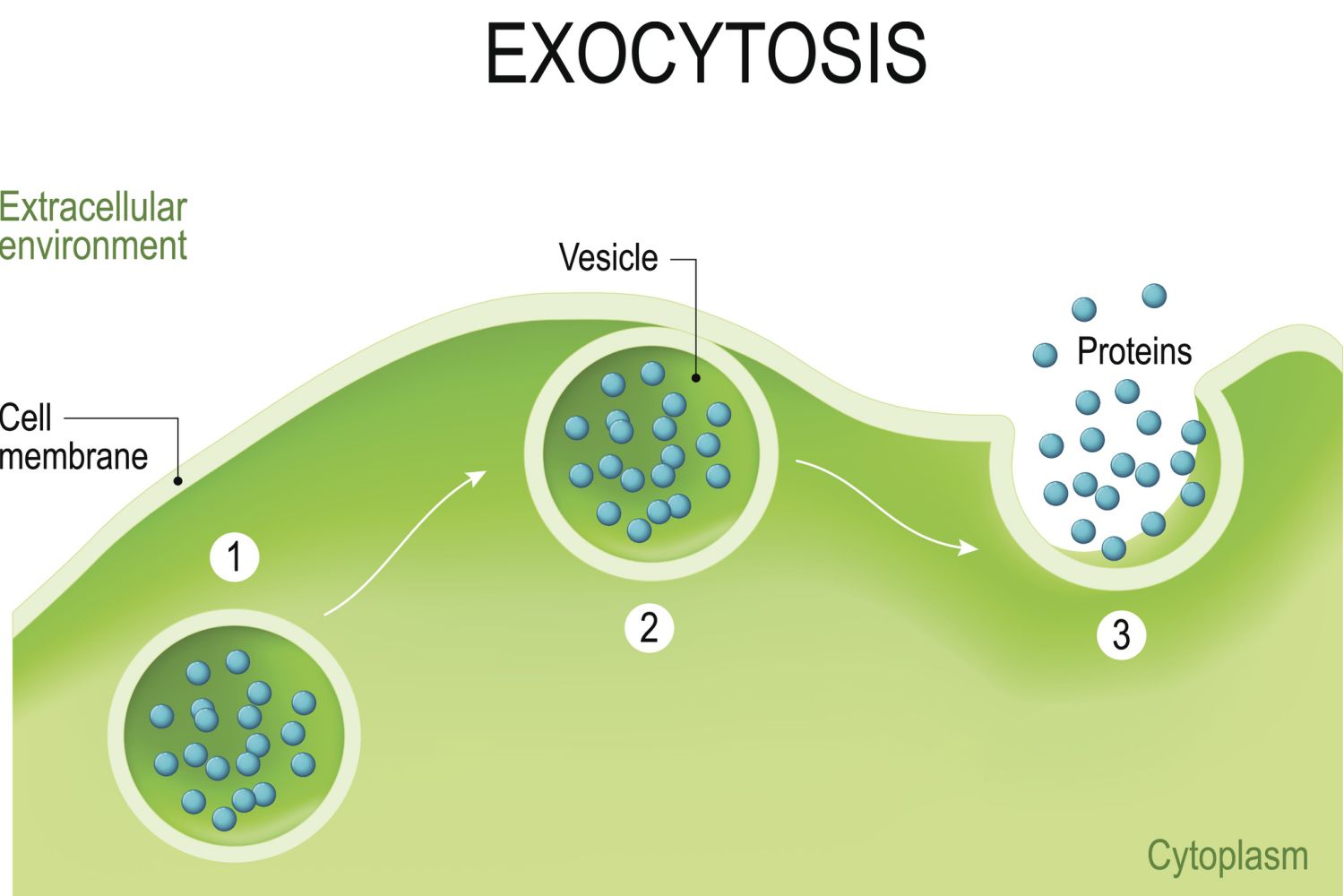
What is exocytosis?
Movement of material from the cell interior to the extracellular space.
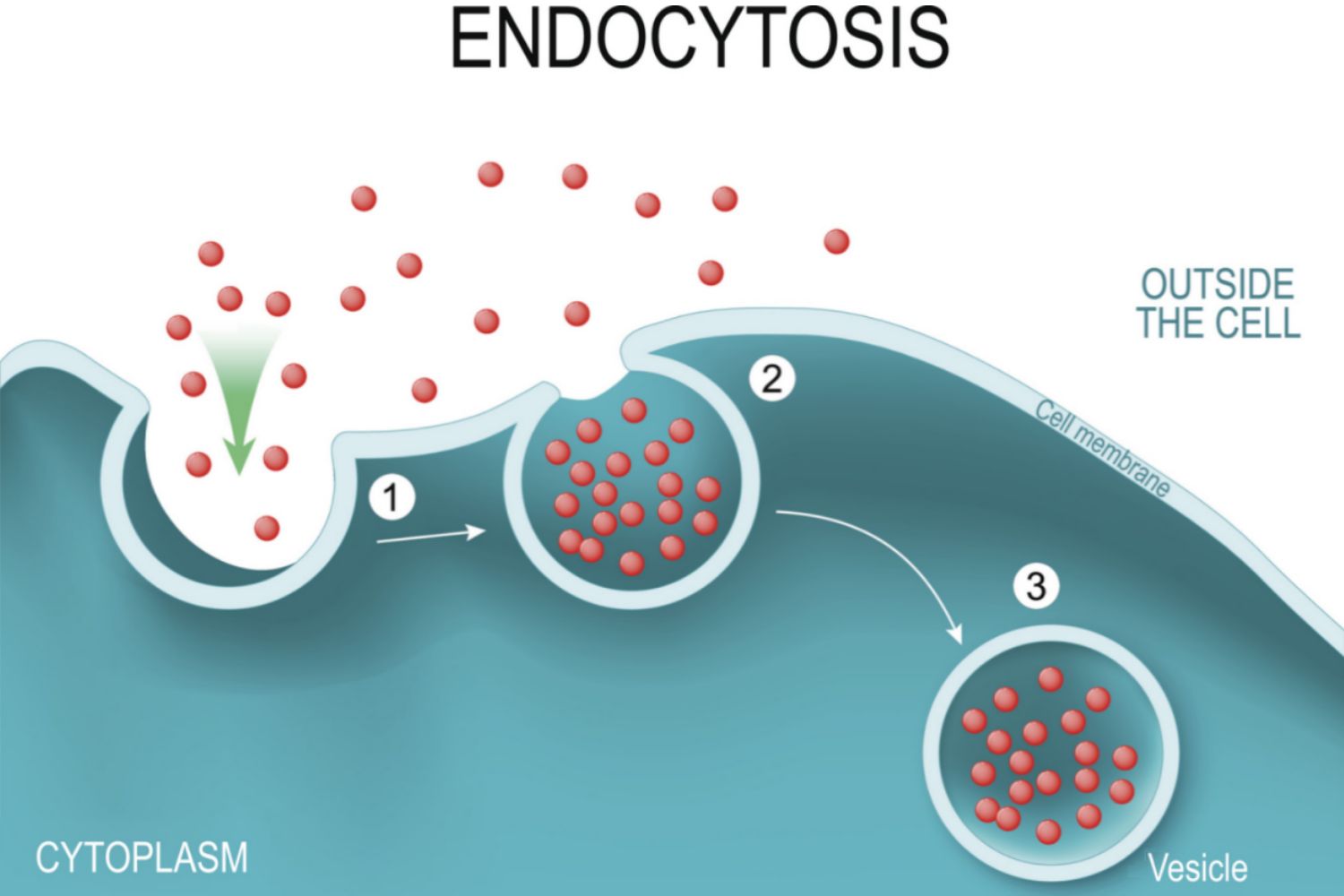
What is endocytosis?
Movement of material from the extracellular space into the interior of the cell.
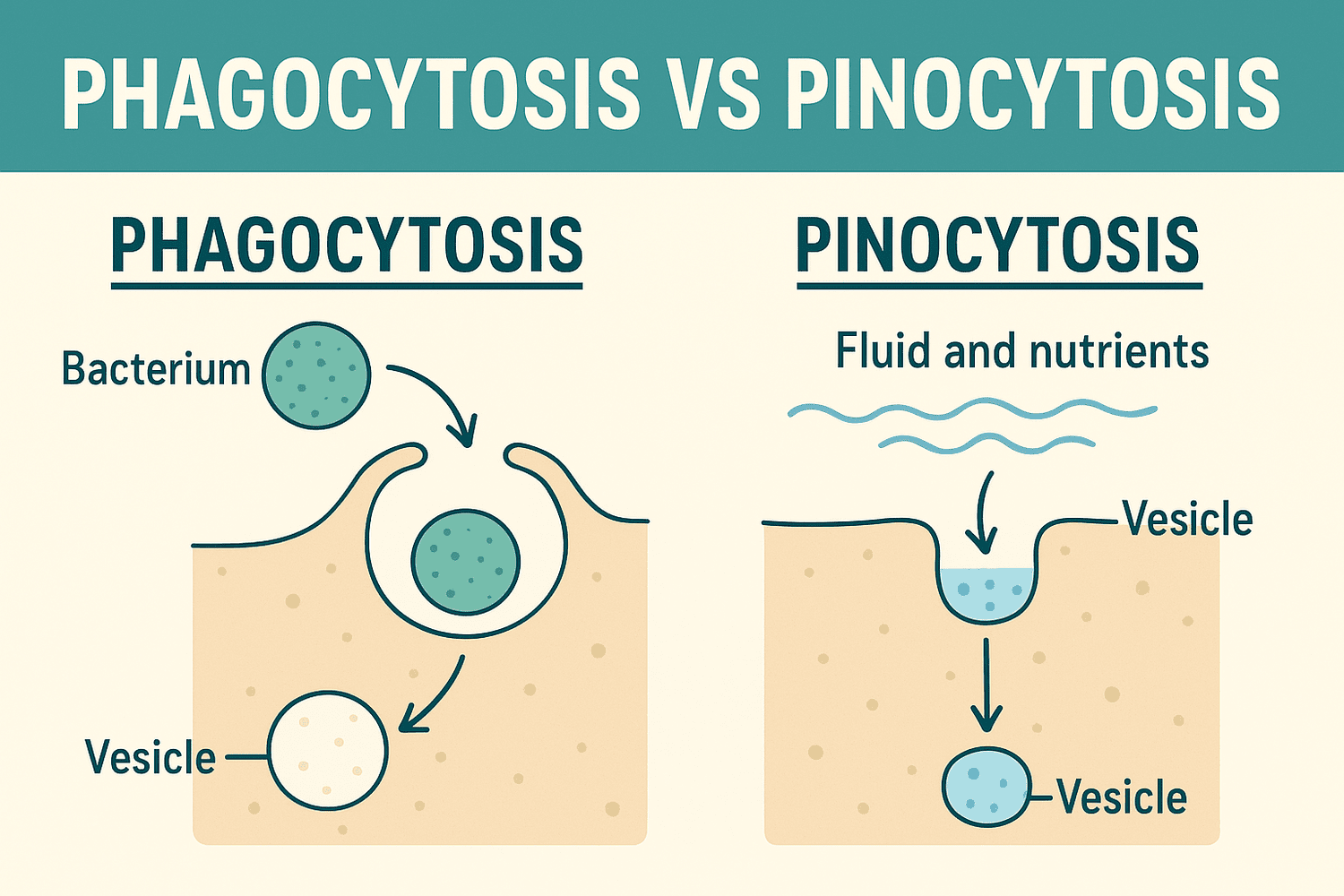
What is phagocytosis?
A type of endocytosis known as "cell eating"; the cell takes in solid particles.

What is pinocytosis?
A type of endocytosis known as "cell drinking"; the cell takes in liquid.
What are tight junctions?
Junctions where adjacent integral proteins FUSE together to form an impermeable junction around the cell.

What is the function of tight junctions?
They prevent fluids and most molecules from moving between cells.
Where are tight junctions important?
Collecting ducts of the nephrons, bile ducts, blood-brain barrier, and intestines.

What are desmosomes?
"Rivets" or "spot-welds" that anchor cells together at thickened areas called plaques.

How do desmosomes provide stability?
Linker proteins connect the plaques between cells, while keratin filaments extend through the cytoplasm to the opposite plaque.
Where are desmosomes found?
In the epidermis of the skin and cardiac muscle fibers.

What are gap junctions?
Junctions where transmembrane proteins form pores called connexons that allow small molecules to pass directly from cell to cell.

What can pass through gap junctions?
Ions, simple sugars, and other small molecules between cardiac or smooth muscle cells.
Filtration
Solutes and water are pushed from an area of higher pressure to an area of lower pressure.
What is solute pumping
A type of active transport where a membrane protein uses ATP to pump solutes across the membrane, often against their concentration gradient. Example: Sodium-potassium pump ( 3 Na⁺ out and 2 K⁺ pump in).