NRN11 - Exam 1 Seminar (Shipway)
 Call Kai
 Learn
Learn Practice Test
 Spaced Repetition
 Match
Match Flashcards
 Knowt Play
1/21

There's no tags or description
Looks like no tags are added yet.
Name | Mastery | Learn | Test | Matching | Spaced | Call with Kai | Chat |
|---|
No analytics yet
Send a link to your students to track their progress
22 Terms
Elaborate on the educational avenues required for Licensed Vocational/Practical Nurses (LVN/LPN).
Settings:
High schools, Vocational Schools, Community College
Length: ~1 year ( classroom, clinical/lab) 1⁄3 2⁄3
Exam: NCLEX-PN
Elaborate on the LVN/LPN’s scope of practice.
Provider of Care
Works under the supervision of an RN/Provider.
Can EDIT/ADD ON to a plan of care.
Can Administer Medications (NOT IV)
Elaborate on the educational avenues required for Registered Nurses (RN).

Elaborate on the RNs scope of practice.
Manager of Care
Works under the supervision of a provider.
Must start the initial plan of care.
Must perform a head-to-toe assessment on every patient every shift.
Must determine if patient education took place.
Describe the various roles and responsibilities of the professional nurse.
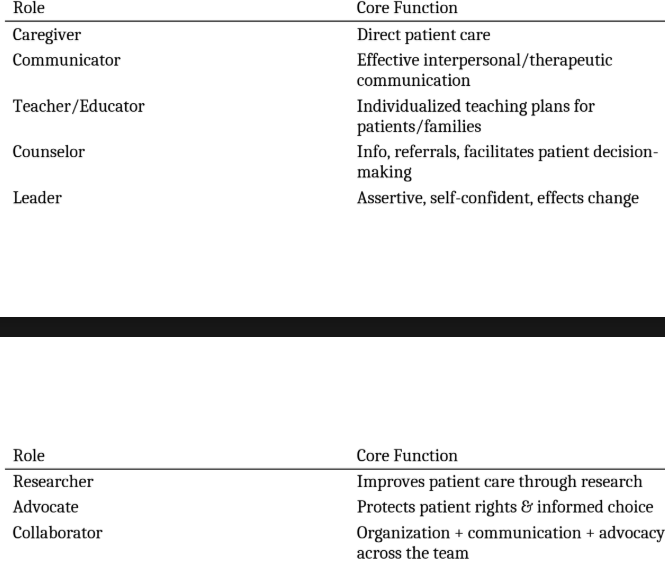
Responsibilities:
Promote Health
Prevent Illness
Restore Health
Facilitate Coping (w/Disability & Death)
Who determines a nurses scope of practice?
Board of Registered Nursing-—Nurse Practice Act
Discuss the Nurse Practice Act and the importance of practice regulation.
Nurse Practice Act (NPA): state laws regulating nursing practice — varies by state but every state’s NPA:
Defines legal scope of nursing practice
Creates a regulatory body (Board of Registered Nursing)
Defines legal terms/activities for RNs and LPNs.
Sets education & licensure criteria.
• Why does regulation matter?
1. Prohibits unlicensed individuals from practicing.
2. Requires continuing education for renewal.
3. Allows license to be denied/revoked/suspended (incompetence, negligence,
impairment, criminal action).
4. Enables licensure reciprocity between states.
True/False:The American Nurses Association (ANA) does not outline National Standards of Practice.
False
Explanation: The American Nurses Association (ANA) DOES outline National Standards of Practice.
Describe each element of thoughtful, person-centered practice (nurses' attributes, knowledge base, blended and QSEN competencies; clinical reasoning, judgment, and decision-making; person-centered nursing process; reflective practice leading to lifelong learning).

Elaborate: Reflective Practice
Caregiver is self-aware, aware of their own biases, and understands how those biases affect relationships with patients/families/team.
Involves thinking back on what happened, purely to learn and improve.
Why it matters: keeps you open-minded about strengths/weaknesses, open to learning from others → better patient-centered care.
Nursing Process: Assessment
Elaborate on this step of the nursing process. What does it entail?
Detect/Notice Cues (Signs/Symptoms/Risks)
Nursing Process: Diagnosis
Elaborate on this step of the nursing process. What does it entail?
PRIORITY PROBLEM LIST—-”What will kill my patient FIRST?”
Analyze, Synthesize, & Interpret Data
Consider Differential Diagnoses
Nursing Process: Planning
Elaborate on this step of the nursing process. What does it entail?
Predict Complications
Anticipate Consequences
Consider Actions
Prioritize
Make Decisions
Nursing Process: Interventions
Elaorate on this step of the nursing process. What does it entail?
Reassess
Interventions
Medications
Teaching
Action
*Take action, monitor responses, & make adjustments!
Nursing Process: Evaluation
Elaorate on this step of the nursing process. What does it entail?
Reflect — repeat ADPIE as needed!
How does the nursing process benefit the patient?
It bases their care on scientifically-based, holistic, individualized care; team collaboration; and continuity of care.
QSEN Competencies: Quality, Safe, Evidence-Based, Patient-Centered Care
Elaborate. Give examples if applicable.
Patient-Centered Care
Listen actively; include the patient’s values/preferences in the care plan.
Provide comfort and emotional support.
Evidence-Based Practice
Blend research + clinical expertise + patient values in care decisions.
Quality Improvement:
Recognize your impact; apply nursing theory/skills to standards to improve outcomes.
Safety
Recognize threats to safety; use strategies to minimize harm.
QSEN Competencies: Professionalism
Elaborate. Give examples if applicable.
Carrington Booklet
Professional Boundaries
Uniforms
Being On Time
QSEN Competencies: Leadership
Elaborate. Give examples if applicable.
Student Nurse Organization (SNO)
QSEN Competencies: Teamwork & Collaboration
Elaborate. Give examples if applicable.
Know Other Roles
Communicate Openly
SBAR
Documentation
*Facilitates Patient Trade-Offs
*Reduces Medical Errors
QSEN Competencies: Critical Thinking
Elaborate. Give examples if applicable.
Critical Reasoning & Judgment
QSEN Competencies: Informatics
Elaborate. Give examples if applicable.
Use technology/info systems to support decisions and coordinate care.
Computer Skills
Patient Electronic Health Records