Kennel Cough (Infectious Tracheobronchitis) Practice Flashcards
 Call Kai
 Learn
Learn Practice Test
 Spaced Repetition
 Match
Match Flashcards
 Knowt Play
1/11

Earn XP
Description and Tags
A set of vocabulary flashcards covering the etiology, diagnosis, treatment, and prevention of Kennel cough based on lecture notes.
Name | Mastery | Learn | Test | Matching | Spaced | Call with Kai | Chat |
|---|
No analytics yet
Send a link to your students to track their progress
12 Terms
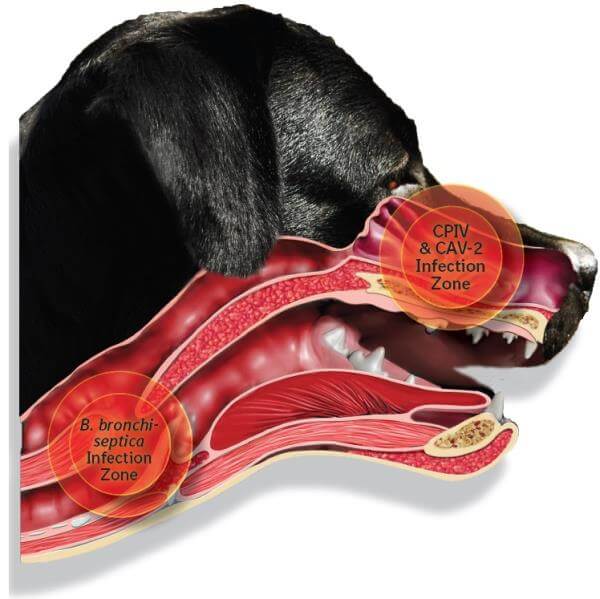
Infectious tracheobronchitis
The formal medical term for Kennel cough, characterized by a highly contagious respiratory disease.

Classic clinical sign of Kennel cough
An acute-onset non-productive cough that may end in a retch, typically following exposure to a large number of other animals.
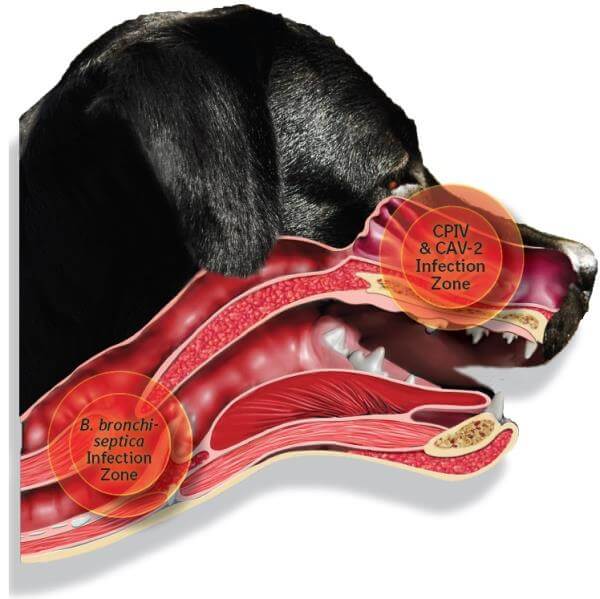
CPIV
Canine parainfluenza virus, one of the viral etiologies of infectious tracheobronchitis.
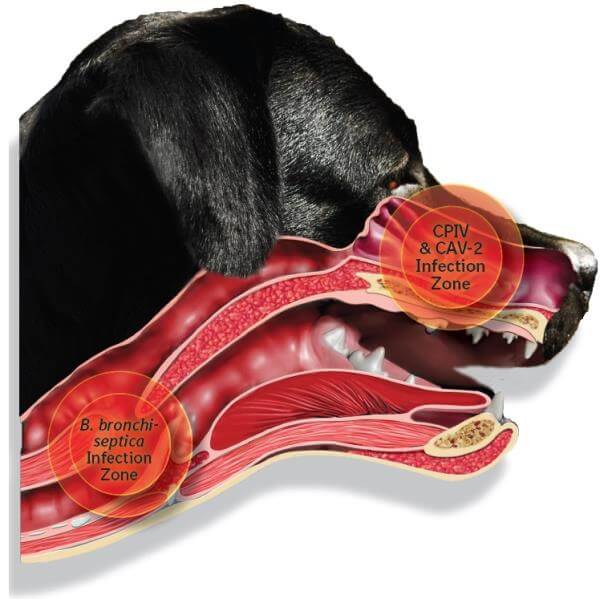
CAV-2
Canine adenovirus 2, a virus involved in the multi-etiology of Kennel cough.
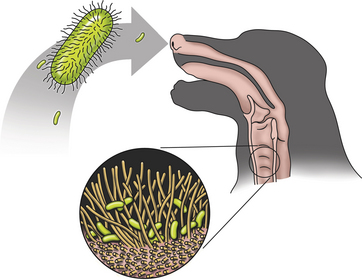
Bordetella bronchiseptica
A primary bacterial pathogen in Kennel cough that can be identified via bacterial culture or PCR from swabs or airway washes.
Diagnostic imaging findings
Thoracic radiography may show signs of pneumonia if the Kennel cough infection is severe.
Hydrocodone and Butorphanol
Cough suppressants used to manage a persistent dry cough in uncomplicated cases of Kennel cough.

Nebulization protocol for bronchopneumonia
Treatment using sterile saline optionally combined with antibiotics such as gentamicin.
Recovery timeframe for uncomplicated Kennel cough
Cases without secondary bronchopneumonia typically resolve within 7-10 days.
Vaccination options
Modified live combo for CPIV/CAV-2/CDV and/or an intranasal combo for B. bronchiseptica/CPIV to reduce infection rate and severity.
Quarantine
A necessary management step for hospitalized animals due to the highly contagious nature of the disease.
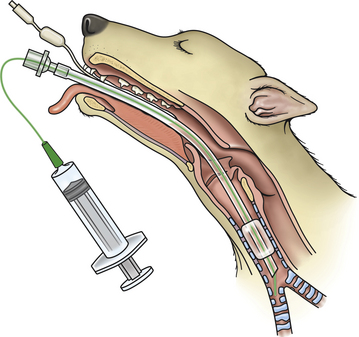
TTW and BAL
Transtracheal wash and bronchoalveolar lavage; procedures used to obtain samples for bacterial culture or PCR.