Ethylene Glycol (EG) Toxicity Lecture Notes
 Call Kai
 Learn
Learn Practice Test
 Spaced Repetition
 Match
Match Flashcards
 Knowt Play
1/15

Earn XP
Description and Tags
Practice flashcards covering the clinical signs, diagnosis, treatment, and pearls of ethylene glycol toxicity in dogs.
Name | Mastery | Learn | Test | Matching | Spaced | Call with Kai | Chat |
|---|
No analytics yet
Send a link to your students to track their progress
16 Terms

Ethylene glycol (EG) toxicity (1-2 hours)
The initial phase characterized by stupor, stumbling, ataxia, nausea, and PU/PD.

Ethylene glycol (EG) toxicity (24-72 hours)
The phase where clinical signs relate to renal failure, including anorexia, lethargy, PU/PD, and vomiting.
EG blood screening test timing
A diagnostic test that can detect ethylene glycol for 30min to 12hrs after ingestion.
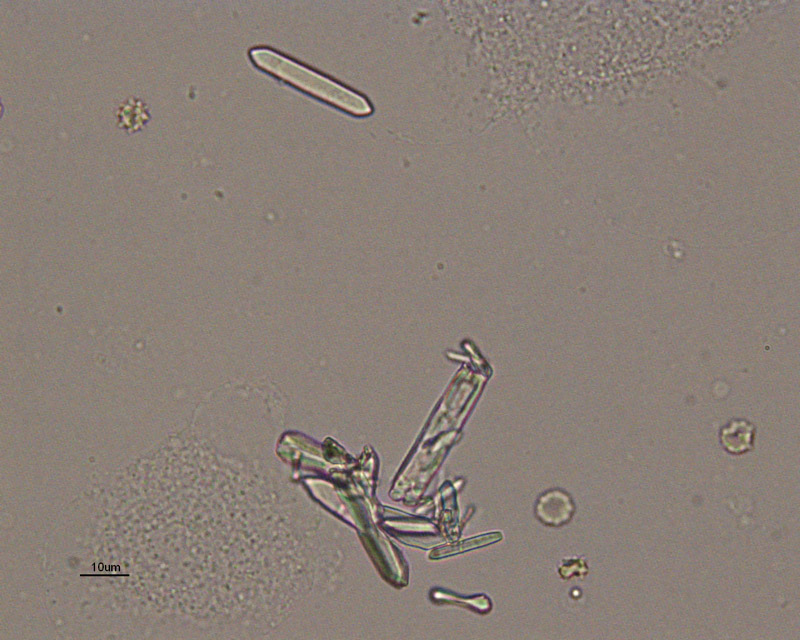
Calcium oxalate crystals (urinalysis)
Seen in urine sediment 3−18hrs after ingestion of ethylene glycol.
High anion gap metabolic acidosis
A common laboratory abnormality found in cases of ethylene glycol toxicity.
Osmole gap (EG toxicity)
A value greater than 20mOsm/kg that strongly correlates with blood ethylene glycol levels.
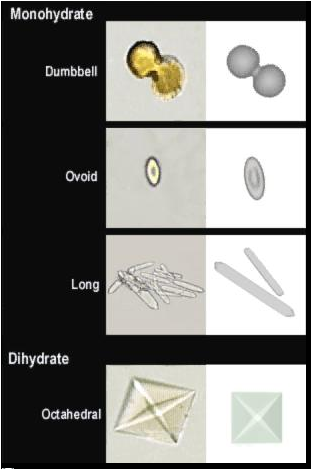
Calcium oxalate monohydrate
Urine sediment crystals described as "dumbbell" shaped, seen in dogs with ethylene glycol toxicosis.
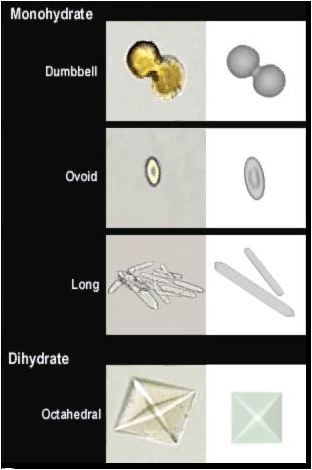
Calcium oxalate dihydrate
Urine sediment crystals described as "enveloped" shaped, seen in dogs with ethylene glycol toxicosis.
Fomepizole
A medication used to treat ethylene glycol toxicity by preventing its conversion to toxic metabolites.
7% Ethanol solution
A parenteral treatment used for ethylene glycol toxicosis.
Ethylene glycol treatment window
The best window for treatment is less than 8−12hrs post-ingestion.
Activated charcoal (EG decontamination)
Used for decontamination, though a large volume is needed because it has low affinity for ethylene glycol.
Hemodialysis or peritoneal dialysis
Supportive care measures used in ethylene glycol toxicity cases if oliguria or anuria are present.
Ethylene glycol test false positives
Results caused by propylene glycol or glycerol found in activated charcoal, semi-moist dog foods, or injectable diazepam.
EG Toxicity Prognosis
Fair to good if aggressive intervention occurs within 8−12hrs of ingestion; otherwise, the outlook is poor to grave.
Laboratory abnormalities (EG Toxicity)
Common findings include azotemia, hyperphosphatemia, hypocalcemia, and hyperglycemia.