C. The rest of glycosides
 Call Kai
 Learn
Learn Practice Test
 Spaced Repetition
 Match
Match Flashcards
 Knowt Play
1/117

Earn XP
Description and Tags
Proverbs 16:3
Name | Mastery | Learn | Test | Matching | Spaced | Call with Kai | Chat |
|---|
No analytics yet
Send a link to your students to track their progress
118 Terms
b. Saponin glycosides
Characterized by a bitter taste and sternutatory action.
a. Cardiac glycosides
b. Saponin glycosides
c. Anthraquinone glycosides
d. Cyanogenic glycosides
c. Saponin glycosides
Produce excessive sneezing when inhaled.
a. Anthraquinone glycosides
b. Cardiac glycosides
c. Saponin glycosides
d. Flavonoids
a. Saponin glycosides
Can hemolyze red blood cells.
a. Saponin glycosides
b. Cardiac glycosides
c. Tannins
d. Resins
b. Saponin glycosides
Toxic to cold-blooded animals.
a. Anthraquinone glycosides
b. Saponin glycosides
c. Flavonoids
d. Alkaloids
c. Saponin glycosides
Traditionally used as fish poison.
a. Cardiac glycosides
b. Anthraquinone glycosides
c. Saponin glycosides
d. Coumarins
b. Steroidal saponins
Saponins with neutral pH.
a. Triterpenoidal saponins
b. Steroidal saponins
c. Cardiac glycosides
d. Anthraquinone glycosides
c. Triterpenoidal saponins
Saponins with acidic pH.
a. Steroidal saponins
b. Cardiac glycosides
c. Triterpenoidal saponins
d. Cyanogenic glycosides
b. Dioscorea spiculiflora
Scientific name of yam.
a. Smilax spp.
b. Dioscorea spiculiflora
c. Panax ginseng
d. Glycyrrhiza glabra
b. Diosgenin
Steroidal sapogenin used as a precursor for steroid hormones.
a. Smilagenin
b. Diosgenin
c. Glycyrrhizin
d. Ginsenosides
b. Smilax spp.
Scientific name of sarsaparilla.
a. Panax ginseng
b. Smilax spp.
c. Dioscorea spiculiflora
d. Glycyrrhiza glabra
c. Smilagenin
Principal sapogenin of sarsaparilla.
a. Diosgenin
b. Glycyrrhizin
c. Smilagenin
d. Panaxosides
c. Sarsaparilla
Traditionally used in the manufacture of root beer.
a. Licorice
b. Ginseng
c. Sarsaparilla
d. Yam
c. Glycyrrhiza glabra
Scientific name of licorice.
a. Panax ginseng
b. Smilax spp.
c. Glycyrrhiza glabra
d. Dioscorea spiculiflora
c. Glycyrrhizin
Principal sweet-tasting constituent of licorice.
a. Smilagenin
b. Diosgenin
c. Glycyrrhizin
d. Hypericin
a. Glycyrrhetinic acid
Aglycone of glycyrrhizin.
a. Glycyrrhetinic acid
b. Diosgenin
c. Smilagenin
d. Emodin
d. Glycyrrhizin
Approximately 50 times sweeter than sucrose.
a. Diosgenin
b. Ginsenoside
c. Smilagenin
d. Glycyrrhizin
a. Licorice
Used to mask the bitter taste of quinine.
a. Licorice
b. Ginseng
c. Sarsaparilla
d. Yam
b. Licorice
Traditionally used in the treatment of Addison disease.
a. Yam
b. Licorice
c. Sarsaparilla
d. Ginseng
d. Licorice
Used to increase the foaminess of beer.
a. Yam
b. Sarsaparilla
c. Ginseng
d. Licorice
a. Panax ginseng
Scientific name of ginseng.
a. Panax ginseng
b. Smilax spp.
c. Glycyrrhiza glabra
d. Dioscorea spiculiflora
c. Panaxosides (Ginsenosides)
Principal saponin glycosides present in ginseng.
a. Glycyrrhizin
b. Diosgenin
c. Panaxosides
d. Smilagenin
d. Ginsenosides
Principal saponin glycosides present in ginseng.
a. Glycyrrhizin
b. Diosgenin
c. Smilagenin
d. Ginsenosides
b. Ginseng
aphrodisiac to increase libido
adaptogen that relieves stress
Classified as an adaptogen that relieves stress.
a. Licorice
b. Ginseng
c. Yam
d. Sarsaparilla
c. Ginseng
aphrodisiac to increase libido
adaptogen that relieves stress
Traditionally used as an aphrodisiac to increase libido.
a. Yam
b. Sarsaparilla
c. Ginseng
d. Licorice
b. Coumarins
Principal lactone present in tonka beans.
a. Cantharidin
b. Coumarins
c. Psoralens
d. Bergamottin
c. Dipteryx odorata
Scientific name of tonka beans.
a. Cantharis vesicatoria
b. Anmi majus
c. Dipteryx odorata
d. Citrus paradisi
b. Dicumarol and Warfarin
Anticoagulants derived from coumarins.
a. Methoxsalen and Trioxsalen
b. Dicumarol and Warfarin
c. Bergamottin and Bergapten
d. Cantharidin and Coumatetralyl
c. Coumatetralyl (Racumin)
Rodenticide derived from coumarins.
a. Warfarin
b. Dicumarol
c. Coumatetralyl
d. Cantharidin
c. Cantharis vesicatoria
Scientific name of Spanish fly.
a. Dipteryx odorata
b. Anmi majus
c. Cantharis vesicatoria
d. Citrus paradisi
a. Spanish fly
Also known as “Russian fly”
a. Spanish fly
b. Bishop's flower
c. Tonka beans
d. Grapefruit
a. Spanish fly
Also known as” Blistering fly”
a. Spanish fly
b. Bishop's flower
c. Tonka beans
d. Grapefruit
d. Cantharidin
Principal active constituent of Spanish fly.
a. Coumarin
b. Psoralen
c. Bergapten
d. Cantharidin
Rubefacient
Aphrodisiac
Pharmacologic effect of cantharidin at low concentrations [2]
b. Rubefacient
Pharmacologic effect of cantharidin at low concentrations.
a. Vesicant
b. Rubefacient
c. Anticoagulant
d. Hepatoprotective
a. aphrodisiac
Pharmacologic effect of cantharidin at low concentrations.
a. Aphrodisiac
b. Vesicant
c. Anticoagulant
d. Hepatoprotective
Vesicant
Priapism
Pharmacologic effect of cantharidin at high concentrations [2]
c. Vesicant
causes blisters
Pharmacologic effect of cantharidin at high concentrations.
a. Antidepressant
b. Memory enhancer
c. Vesicant
d. Expectorant
b. Priapism
Painful prolonged erection associated with excessive cantharidin exposure.
a. Hematuria
b. Priapism
c. Dysuria
d. Anuria
a. Priapism
Pharmacologic effect of cantharidin at high concentrations.
a. Priapism
b. Memory enhancer
c. Aphrodisiac
d. Expectorant
b. Anmi majus
Scientific name of Bishop's flower.
a. Dipteryx odorata
b. Anmi majus
c. Citrus paradisi
d. Vaccinium macrocarpon
d. Psoralens
Principal constituents of Bishop's flower.
a. Bergamottin and Bergapten
b. Coumarins
c. Cantharidin
d. Psoralens
Methoxsalen
Trioxsalen
Psoralen derivative used in the treatment of vitiligo [2]
b. Methoxsalen
Psoralen derivative used in the treatment of vitiligo.
a. Dicumarol
b. Methoxsalen
c. Coumatetralyl
d. Cantharidin
a. Trioxsalen
Psoralen derivative used in the treatment of vitiligo.
a. Trioxsalen
b. Warfarin
c. Bergapten
d. Hesperidin
b. Citrus paradisi
Scientific name of grapefruit.
a. Vaccinium macrocarpon
b. Citrus paradisi
c. Panax ginseng
d. Ginkgo biloba
d. Bergamottin and Bergapten
Furanocoumarins present in grapefruit juice.
a. Cantharidin and Coumarin
b. Diosgenin and Smilagenin
c. Hypericin and Hyperforin
d. Bergamottin and Bergapten
b. CYP inhibitor
Effect of grapefruit juice on cytochrome P450 enzymes.
a. CYP inducer
b. CYP inhibitor
c. CYP substrate
d. CYP activator
d. Vitamin P
Another name for flavonoids involved in reducing capillary permeability.
a. Vitamin A
b. Vitamin K
c. Vitamin E
d. Vitamin P
b. Rutin and Hesperidin
Principal flavonoids classified as Vitamin P.
a. Hypericin and Hyperforin
b. Rutin and Hesperidin
c. Ginkgolides and Bilobalides
d. Procyanidins and Diosmin
a. Treatment of capillary fragility
ex: hemorrhoids
Therapeutic use of Vitamin P.
a. Treatment of capillary fragility
b. Treatment of depression
c. Treatment of asthma
d. Treatment of diabetes
c. Silybum marianum
Scientific name of milk thistle.
a. Panax ginseng
b. Vaccinium macrocarpon
c. Silybum marianum
d. Ginkgo biloba
a. Silybinin (Silymarin)
Principal hepatoprotective constituent of milk thistle.
a. Silybinin (Silymarin)
b. Diosmin
c. Hesperidin
d. Naringin
c. Ginkgo biloba
Scientific name of ginkgo.
a. Panax ginseng
b. Vaccinium macrocarpon
c. Ginkgo biloba
d. Silybum marianum
b. Ginkgolides and Bilobalides
Principal constituents of ginkgo.
a. Rutin and Hesperidin
b. Ginkgolides and Bilobalides
c. Procyanidins and Naringin
d. Coumarins and Psoralens
c. Memory enhancer
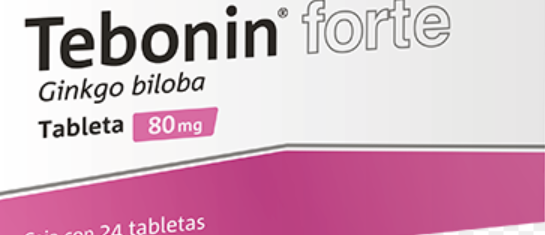
Primary therapeutic use of ginkgo.
a. Hepatoprotective
b. Laxative
c. Memory enhancer
d. Expectorant
b. Bleeding
Important adverse effect associated with ginkgo.
a. Hypertension
b. Bleeding
c. Hepatotoxicity
d. Constipation
a. Vaccinium macrocarpon
Scientific name of cranberry.
a. Vaccinium macrocarpon
b. Citrus paradisi
c. Panax ginseng
d. Ginkgo biloba
b. Procyanidins
Principal flavonoids present in cranberry.
a. Ginkgolides
b. Procyanidins
c. Hesperidin
d. Silybinin
a. Prevention of urinary tract infections
Common therapeutic use of cranberry.
a. Prevention of urinary tract infections
b. Treatment of vitiligo
c. Treatment of hemorrhoids
d. Treatment of depression
a. Hesperidin
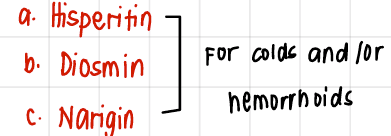
Flavonoid commonly used for colds and hemorrhoids.
a. Hesperidin
b. Cantharidin
c. Ginkgolide
d. Bergapten
d. Diosmin
Flavonoid commonly used for colds and hemorrhoids.
a. Bergapten
b. Cantharidin
c. Ginkgolide
d. Diosmin
c. Narigin
Flavonoid commonly used for colds and hemorrhoids.
a. Bilobalide
b. Rutin
c. Narigin
d. Psoralen
d. Isothiocyanate glycosides
Characterized by the functional group –SCN, which produces the characteristic mustard odor.
a. Cyanogenic glycosides
b. Alcohol glycosides
c. Phenolic glycosides
d. Isothiocyanate glycosides
b. Myrosin
Enzyme responsible for the hydrolysis of isothiocyanate glycosides.
a. Emulsin
b. Myrosin
c. Tyrosinase
d. Amylase
c. Brassica nigra
Scientific name of black mustard.
a. Brassica alba
b. Prunus amygdalus
c. Brassica nigra
d. Salix purpurea
b. Sinigrin
Principal glycoside of black mustard.
a. Sinalbin
b. Sinigrin
c. Arbutin
d. Salicin
b. Allyl isothiocyanate
Volatile product formed after hydrolysis of sinigrin.
a. Acrinyl isothiocyanate
b. Allyl isothiocyanate
c. Benzaldehyde
d. Hydroquinone
a. Brassica alba
Scientific name of white mustard.
a. Brassica alba
b. Brassica nigra
c. Prunus persica
d. Vaccinium macrocarpon
a. Sinalbin
Principal glycoside of white mustard.
a. Sinalbin
b. Sinigrin
c. Amygdalin
d. Arbutin
b. Acrinyl isothiocyanate
Product formed after hydrolysis of sinalbin.
a. Allyl isothiocyanate
b. Acrinyl isothiocyanate
c. Benzaldehyde
d. Hydroquinone
False
allyl isothiocyanate is more volatile
[T/F]
Acrinyl isothiocyanate is more volatile than allyl isothiocyanate
a.Cyanogenic glycosides
Characterized by the presence of the cyanide group.
a. Cyanogenic glycosides
b. Isothiocyanate glycosides
c. Phenolic glycosides
d. Alcohol glycosides
c. Grignard test
Chemical test used to identify cyanogenic glycosides.
a. Keller-Killiani test
b. Borntrager's test
c. Grignard test
d. Liebermann-Burchard test
c. Peach kernel (bitter almond)
Characteristic odor associated with cyanogenic glycosides.
a. Garlic
b. Mustard
c. Peach kernel
d. Vinegar
d. Peach kernel
Bitter almond is also known as ______
a. Garlic
b. Mustard
c. Vinegar
d. Peach kernel
b. Rosaceae
Plant family commonly containing cyanogenic glycosides.
a. Solanaceae
b. Rosaceae
c. Lamiaceae
d. Apiaceae
a. Emulsin
Enzyme responsible for hydrolyzing cyanogenic glycosides.
a. Emulsin
b. Myrosin
c. Pepsin
d. Papain
b. Amygdalase and Prunase
Enzymes collectively present in emulsin.
a. Myrosin and cellulase
b. Amygdalase and Prunase
c. Tyrosinase and oxidase
d. Catalase and peroxidase
c. Prunus amygdalus
Scientific name of bitter almond.
a. Prunus persica
b. Prunus armeniaca
c. Prunus amygdalus
d. Prunus serotina
a. Prunus persica
Scientific name of peach kernel.
a. Prunus persica
b. Prunus armeniaca
c. Prunus serotina
d. Prunus amygdalus
b. Prunus armeniaca
Scientific name of apricot.
a. Prunus serotina
b. Prunus armeniaca
c. Prunus persica
d. Prunus amygdalus
c. Prunus serotina
Scientific name of wild cherry.
a. Prunus armeniaca
b. Prunus persica
c. Prunus serotina
d. Prunus amygdalus
c. Laetrile
Also known as Vitamin B17.
a. Arbutin
b. Salicin
c. Laetrile
d. Sinigrin
c. Laetrile
Also known as “Amygdalin”
a. Arbutin
b. Salicin
c. Laetrile
d. Sinigrin
a. Vit B17
Possible treatment for sickle cell anemia
a. Vit B17
b. Salicin
c. Arbutin
d. Sinigrin
b. Amygdalin
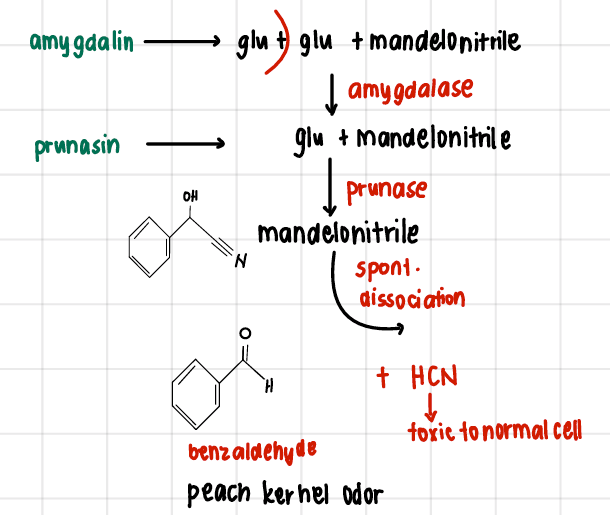
Cyanogenic glycoside that yields two glucose molecules and mandelonitrile during the first step of hydrolysis.
a. Prunasin
b. Amygdalin
c. Arbutin
d. Salicin
c. Amygdalase
Enzyme that hydrolyzes amygdalin to mandelonitrile and glucose.
a. Myrosin
b. Prunase
c. Amygdalase
d. Tyrosinase
c. Prunasin
Intermediate cyanogenic glycoside formed after removal of one glucose molecule from amygdalin.
a. Arbutin
b. Salicin
c. Prunasin
d. Sinigrin
b. Prunase
Enzyme that hydrolyzes prunasin to mandelonitrile and glucose.
a. Amygdalase
b. Prunase
c. Emulsin
d. Myrosin
c. Mandelonitrile
Cyanohydrin intermediate that undergoes spontaneous dissociation.
a. Benzaldehyde
b. Mandelic acid
c. Mandelonitrile
d. Saligenin
c. Benzaldehyde
Aromatic aldehyde responsible for the characteristic peach kernel odor.
a. Vanillin
b. Hydroquinone
c. Benzaldehyde
d. Salicylic acid
c. Hydrocyanic acid (HCN)
Toxic gas released during the spontaneous dissociation of mandelonitrile.
a. Carbon monoxide
b. Hydrogen sulfide
c. Hydrocyanic acid (HCN)
d. Nitric oxide
b. Amygdalin or Prunasin → Mandelonitrile → Benzaldehyde + HCN
Correct sequence of cyanogenic glycoside degradation.
a. Amygdalin → Mandelonitrile → Prunasin → Benzaldehyde + HCN
b. Amygdalin or Prunasin → Mandelonitrile → Benzaldehyde + HCN
c. Prunasin → Amygdalin → Mandelonitrile → Benzaldehyde + HCN
d. Amygdalin → Prunasin → Benzaldehyde → Mandelonitrile + HCN
c. Benzaldehyde and hydrocyanic acid
Final products formed after complete hydrolysis and spontaneous dissociation of amygdalin.
a. Salicylic acid and glucose
b. Hydroquinone and glucose
c. Benzaldehyde and hydrocyanic acid
d. Mandelic acid and ammonia
a. Salix purpurea
Scientific name of willow.
a. Salix purpurea
b. Arctostaphylos uva-ursi
c. Vanilla planifolia
d. Rhus radicans
c. Salicin
Principal glycoside present in willow.
a. Amygdalin
b. Arbutin
c. Salicin
d. Sinigrin
b. Saligenin

Aglycone produced after hydrolysis of salicin.
a. Hydroquinone
b. Saligenin
c. Vanillin
d. Benzaldehyde
c. Salicylic acid
Oxidation product of salicyl alcohol.
a. Acetylsalicylic acid
b. Mandelonitrile
c. Salicylic acid
d. Hydroquinone
a. Aspirin (Acetylsalicylic acid)
Acetylated derivative of salicylic acid.
a. Aspirin
b. Saligenin
c. Arbutin
d. Coumarin
b. Arctostaphylos uva-ursi
Scientific name of uva-ursi.
a. Vanilla planifolia
b. Arctostaphylos uva-ursi
c. Rhus radicans
d. Salix purpurea