Adult II Module 8 Cardiovascular Part II - Chest Pain, Coronary Artery Disease, Carotid Artery Disease, Heart Failure
 Call Kai
 Learn
Learn Practice Test
 Spaced Repetition
 Match
Match Flashcards
 Knowt Play
1/34

There's no tags or description
Looks like no tags are added yet.
Name | Mastery | Learn | Test | Matching | Spaced | Call with Kai | Chat |
|---|
No analytics yet
Send a link to your students to track their progress
35 Terms
U.S Heart Disease Statistics
Heart Disease (HD) is the leading cause of death in the U.S.
Projection for 2035: 45.1% U.S. population will have some form of HD
Estimated direct & indirect cost:
Direct costs $318 billion to $749 billion
Indirect costs $237 to $368 billion

Physiological Changes in the Heart w/Aging
Structural & physiological changes include...
Decreased capacity to endure stress
Limited functional reserve
Maximum HR decreases
Fat deposits in the sinoatrial (SA) node
Pacemaker cells decrease as we age
Baroreceptors are less sensitive (aorta & carotid sinus) leading to a blunted response with BP changes
Maximum HR decreases approx. 30% between ages 20 & 80
Cardiac dilation & increased stroke volume compensate somewhat for the diminished HR during exercise
Key Symptoms for CV Assessment
Dizziness
Syncope
Palpitations
Dyspnea/Dyspnea on Exertion
Angina
Chest Pain
Edema
Claudication
Baseline ADLs and IADLs
Onset, location, duration, characteristics, aggravating & relieving factors, timing (s/s @ rest or w/ activity)
Chest pain may present as heartburn or indigestion, jaw pain
SOB is a common symptom of an acute coronary event
Atypical Presentation of MI includes vague symptoms...
Nausea & vomiting
Decreased ADL status/fatigue w/o chest pain (women & diabetes)

Chest Pain
Provoked by physical exertion
Provoked by eating a heavy meal
Pain may radiate:
Jaw
Left arm
Both arms
Left side of neck
Back pain
Other symptoms:
Diaphoresis
Elderly, Females, & Diabetics often may have an atypical presentation: SOB, DOE, weakness, N&V, fatigue, syncope
Acute Coronary Syndrome (ACS)
Plaque rupture or erosion with thromboses (true medical emergency)
1. ST Elevation Myocardial Infarction (STEMI)
Q wave M
Transmural MI (full thickness injury)
2. Non-ST Elevation MI (NSTEMI)
non Q wave MI
Subendocardial MI (partial thickness injury)
3. Unstable Angina
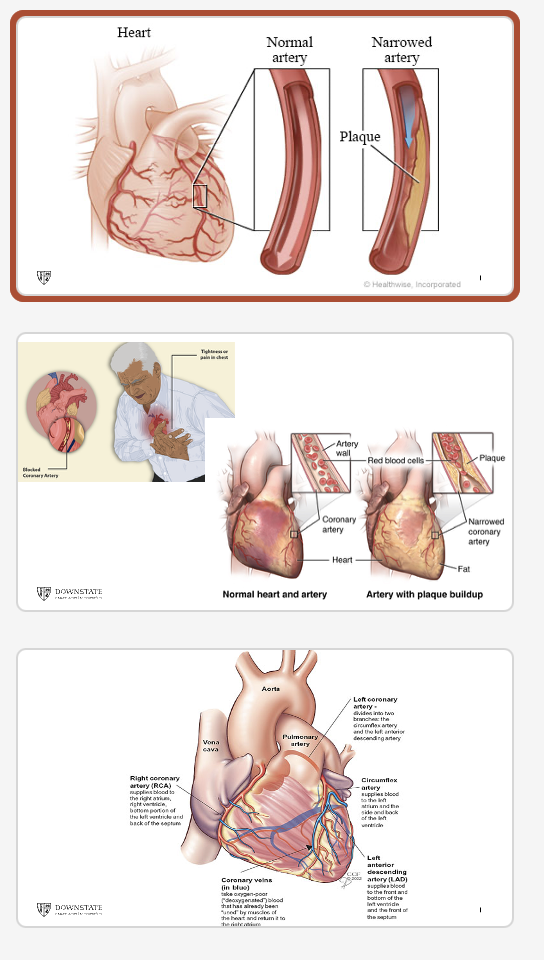
ACS Symptomatology
Gradual onset of intense chest pain
Steady chest pain
Substernal discomfort
Squeezing, Crushing, Tightness, Band-like
Pain or discomfort at rest
Angina relieved by Nitroglycerin or Rest
Pain can radiate to the jaw, arm, back
May be provoked by physical activity emotional upset, or heavy meal
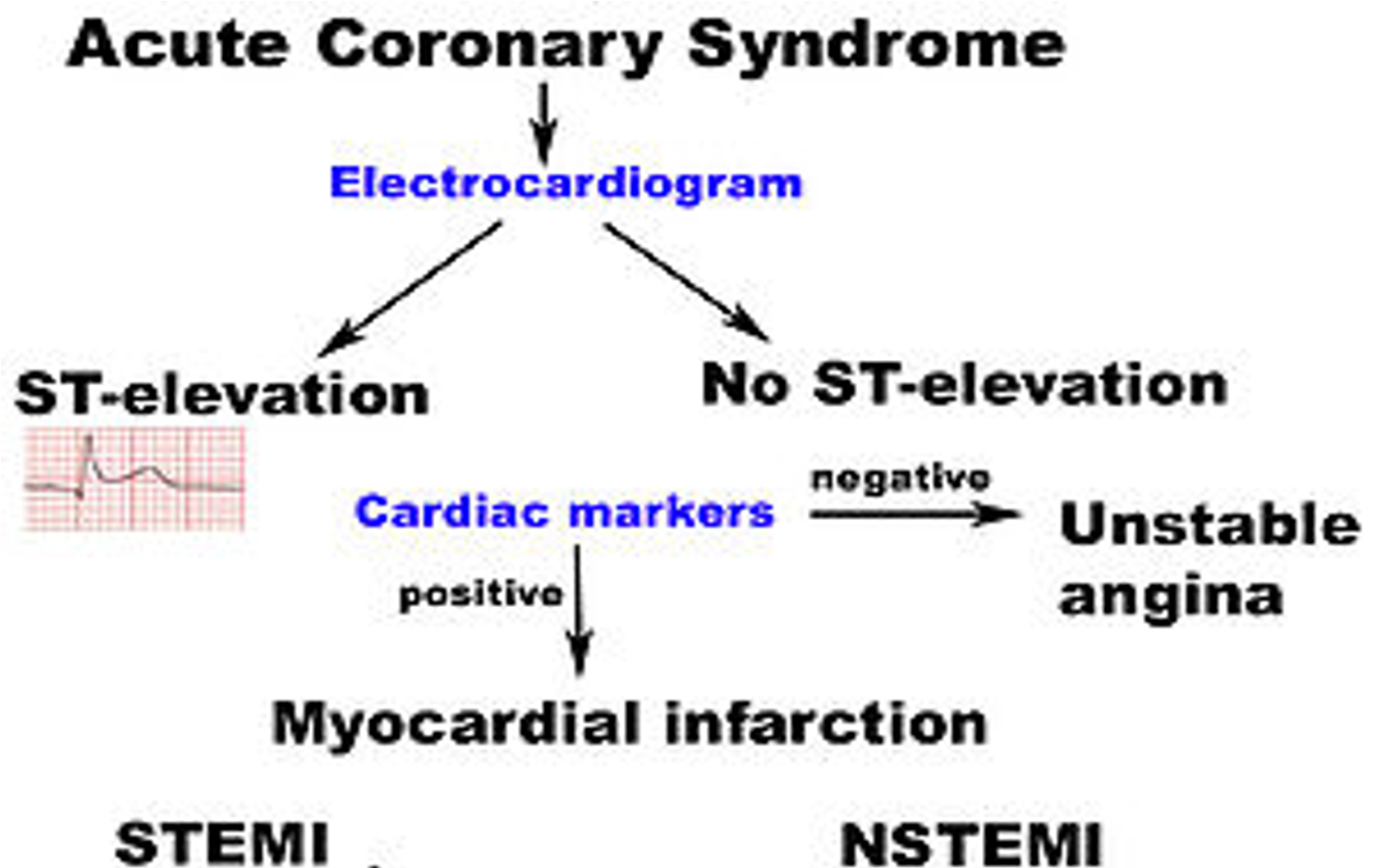
Acute Coronary Syndrome (ACS): Physical Exam
Diaphoresis
Palpitations
SOB
Watch for atypical presentations such as indigestion, nausea/vomiting, new onset fatigue
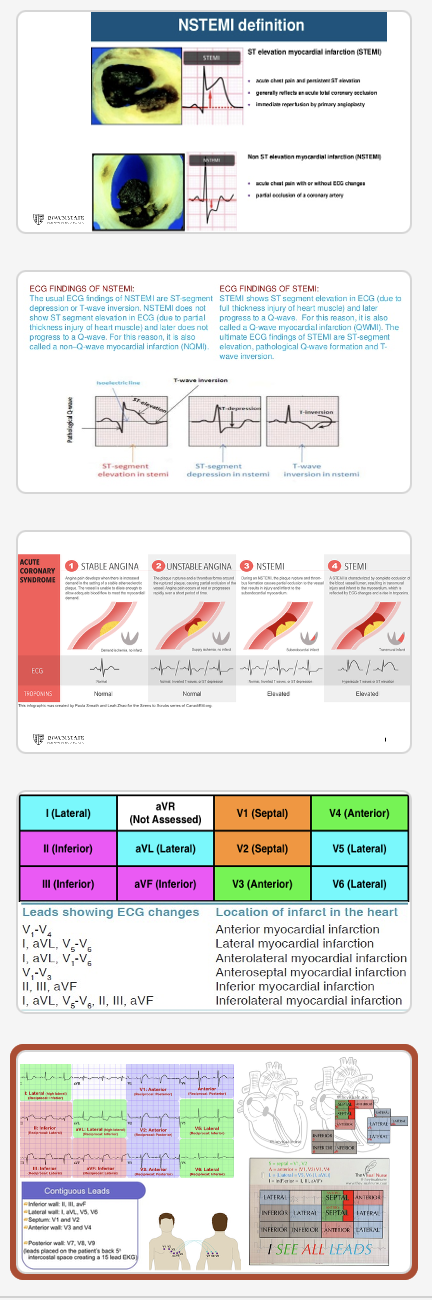
STEMI EKG Criteria
New ST elevation @ J point in 2 contiguous leads of ≥ 1 mm (0.1 mV) In any of the leads other than leads V2-V3
Leads V2-V3
≥2mm (0.2 mV) in men ≥40 years
≥2.5mm (0.25 mV) in men <40 years
≥1.5mm (0.15 mV) in women regardless of age
Presence of reciprocal ST depressions confirms STEMI

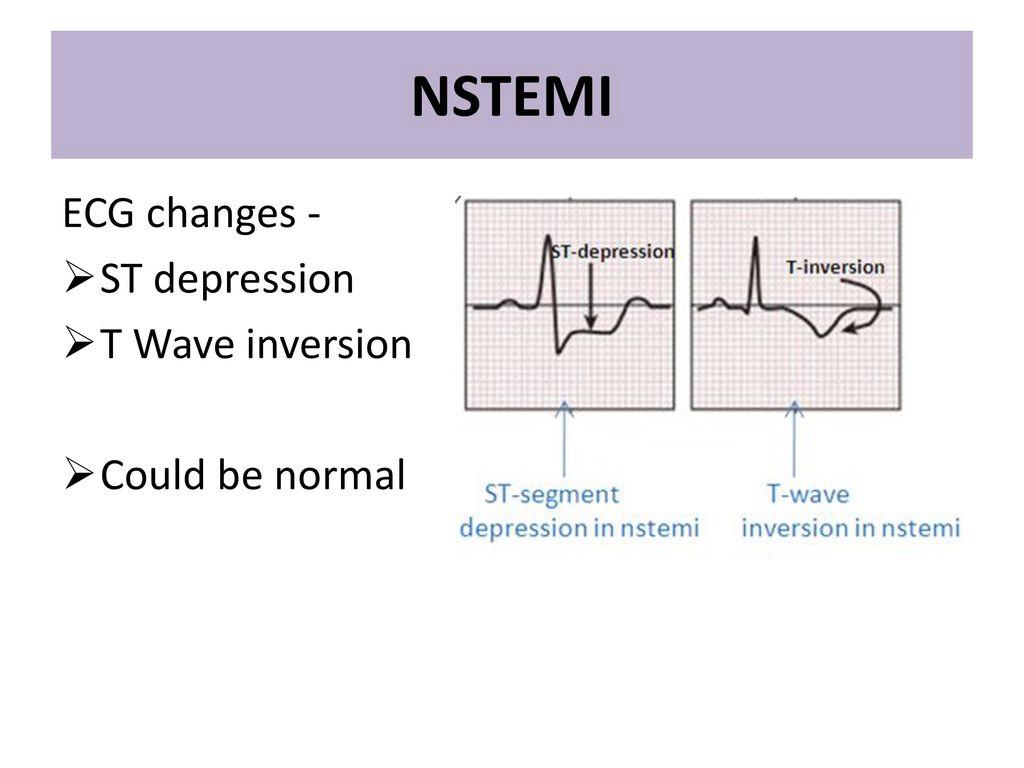
NSTEMI EKG Criteria
New ST segment depressions 0.5 mm or greater in 2 contiguous leads
T wave inversions 1 mm or greater in 2 contiguous leads
STEMI Examples
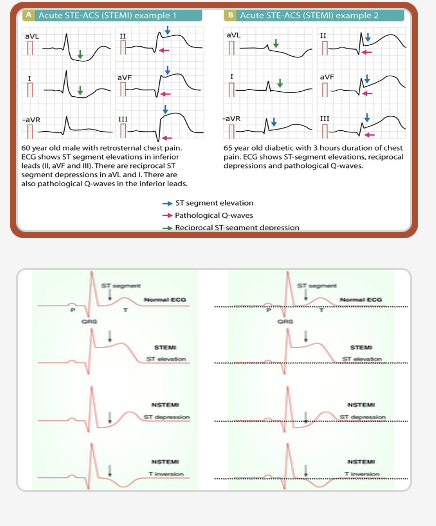
EKG Examples
Lateral wall NSTEMI vs inferior wall STEMI

Anterior Wall MI/Anterior STEMI
Most common
Most serious type
ST segment elevation in V2-V4
QRS looks like a tombstone
Q waves

Outpatient Treatment-Activate EMS & ASA
Cardiac catheterization w/intervention (angioplasty & stenting)
Bare Metal Stent (1-3 months of dual antiplatelet therapy); Drug eluting Stent (DES)--1 year dual antiplatelet therapy (Plavix plus ASA; Brilinta plus ASA)--ASA indefinitely
Coronary Artery Bypass Graft (veins or arterial grafts)
Vein grafts do not last as long as Arterial grafts
Some coronary arteries are not amenable to revascularization
Medical Management: Beta blockers (BB), Statin, Antiplatelet therapy, Long acting Nitrates, NTG (SL q. 5 min. x 3 doses), Calcium Channel Blockers (CCB); diabetes, lipid, & HTN control; LV dysfunction: Diuretics, Entresto, ACEi or ARB if does not tolerate ACEi
The Widowmaker Heart Attack

Fixing the Widowmaker

PCI vs. CABG

Coronary Artery Disease: Patient Education/Health Promotion
Discuss disease process and consequences
Educate about CAD and heart attack warning signs
Understand importance of calling 911 or an ambulance if symptoms occur
Chest pressure/discomfort, pain radiating to the arm/neck/jaw, diaphoresis, N/V, SOB, dizziness, rapid/irregular pulse, LOC
Review instructions for taking aspirin and NTG
Ongoing follow-up, medication adherence, lifestyle modification
Carotid Disease
Stenosis is the narrowing of the arteries
Atherosclerotic disease
Extra-cranial arteries
Highest prevalence in older adults, HTN, heart disease
Asymptomatic
No symptoms
Nonspecific symptoms
Symptomatic
Focal neurologic signs: contralateral weakness of the face, arm, leg or both. Contralateral paresthesia of the face, arm, leg or both
If the right cerebral hemisphere is involved patient may have signs of neglect, visual or sensory extinction
If the left cerebral hemisphere is involved can see aphasia, anomia, agraphesthesia
TIA
Ischemic stroke
May be a range of other subtle BUT enduring signs

Carotid Disease: Physical Exam and Diagnostics
Assess for signs of stroke
Assess the carotids for bruit
Duplex ultrasound is the first-line diagnostic tool
Alternate diagnostic testing may include CT angiography (CTA), magnetic resonance angiography (MRA) if US cannot be done or inconclusive or if the severity of the stenosis and the presence of intrathoracic or intracranial vascular lesions need to be identified
CBC, CMP, Lipid panel, Coags, cardiac enzymes/markers
Carotid Disease: Medical Management
Statin: to get LDL < 100
Control BP
Antiplatelets (for symptomatic carotid stenosis): ASA and Plavix (Clopidogrel)
Carotid Disease: Surgical Therapy
Carotid Endarterectomy (CEA)
American Heart Association collaborative guidelines recommend CEA within 6 months for patients with symptomatic carotid stenosis. Criteria for CEA include:
(1) average to low surgical risk
(2) reduction of the diameter of the lumen of the ipsilateral ICA by more than 70% as measured by noninvasive imaging, or more than 50% as measured by catheter angiography
(3) an anticipated rate of perioperative stroke or mortality of less than 6%
Carotid Disease: Interventional Therapy
Carotid angioplasty and stenting
Involves retrograde arterial catheterization, traditionally through a femoral approach
A series of stents and catheters are deployed. Angioplasty is performed to ensure safe passage of the stent using a balloon
The collaborative AHA guidelines recommend CAS only for symptomatic patients who meet the following criteria
(1) average or low risk of complications associated with
endovascular intervention
(2) narrowing of the arterial lumen of more than 70% as shown by noninvasive imaging, or more than 50% as demonstrated by catheter angiography
(3) risk of periprocedural stroke or death below 6%
Carotid Disease: Patient Education/Health Promotion
Discuss the pathogenesis and consequences
Risk factor reduction
Ongoing follow-up
Medication adherence
Lifestyle modification
Smoking cessation
U.S. Heart Failure Statistics (CDC)
About 6.7 million adults in the United States have heart failure
In 2022, heart failure was mentioned on 457,212 death certificates (13.9% of all causes of death)
Heart failure costs the nation an estimated $30.7 billion in 2012. This total includes the cost of health care services, medicines to treat heart failure, and missed days of work
Heart Failure
Caused by myocardial structural or functional damage resulting in the heart’s inability to eject enough blood to maintain tissue perfusion

Preload and afterload

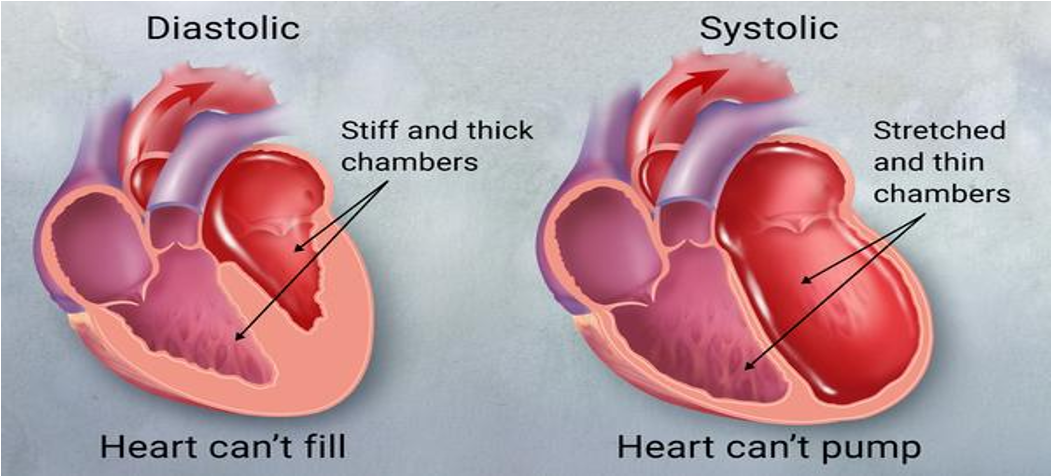
2 Types of Heart Failure
Heart Failure with preserved left ventricular ejection fraction> 40%
(formerly called diastolic heart failure)
Due to stiff ventricles
Heart Failure with reduced left ventricular ejection fraction <40%
(formerly called systolic heart failure)
Due to a decreased ability of the left ventricular to eject blood
Heart Failure Contributing Factors
CAD & HTN
MI, CAD
Valvular heart disease
Dysrhythmias (A. Fib loss of ⅓ cardiac output)
Diabetes
COPD
Obstructive Sleep Apnea
Fluid volume overload
Hypo/Hyperthyroidism
HF Signs & Symptoms: Left
Left Ventricular Failure
Dyspnea on exertion (DOE)
Orthopnea
Paroxysmal nocturnal dyspnea(PND)
Dry cough
Peripheral edema
Decreased breath sounds
May hear crackles or rales on exam
Fatigue

HF Signs & Symptoms: Right
Right Ventricular Failure
Ascites, hepatosplenomegaly
Weight gain
N/V
Tachycardia
Lower extremity edema
JVD, rales, decreased oxygenation
Fatigue

Heart Failure Diagnostic Testing
EKG
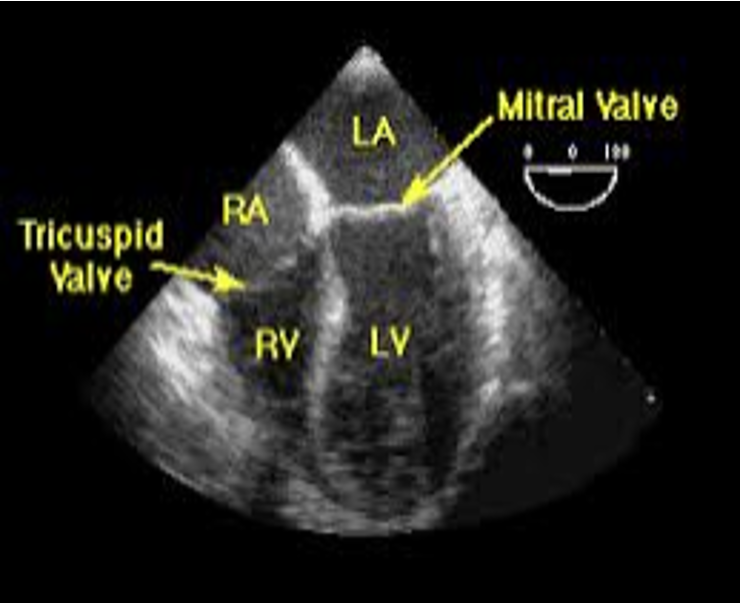
Echocardiography
Weight checks
Chest X-Ray
Labs: Brain Natriuretic Peptide (BNP), CBC, CMP, TSH, cardiac enzymes
Heart Failure Treatment
HF treatment is targeted at symptom management & the treatment of causative disease processes
If decompensated or signs of hemodynamic instability, send to ED
Ace inhibitors for systolic HF, Angiotenstion receptor-neprilysin inhibitor (ARNI)- Sacubitril/Valsartan (Entresto)
Beta Blockers (Metoprolol, Carvedilol, & Bisoprolol); Digoxin
Diuretics to reduce volume overload(loop diuretics more effective); Spironolactone (potassium sparing diuretic)
Reduced NA intake
Daily weights (wt. gain 2-4 lbs/1 week)
Flu & pneumonia vaccinations
Mild aerobic exercise increases functional capacity; discourage alcohol & tobacco use
Comanagment with cardiology or heart clinic
Entrestro (Valsartan/Sacubutril) (ARB/Neprilysin Inhibitor [ARNI])
ARNI therapy is the preferred vasodilating agent in patients with HFrEF
Barriers to starting Entresto:
Clinical decompensation or deterioration
Systolic BP < 100 mmHg
Serum potassium > 5 mmol/L
eGFR < 30 mL/min/1.73m2
History of angioedema

Heart Failure Stages
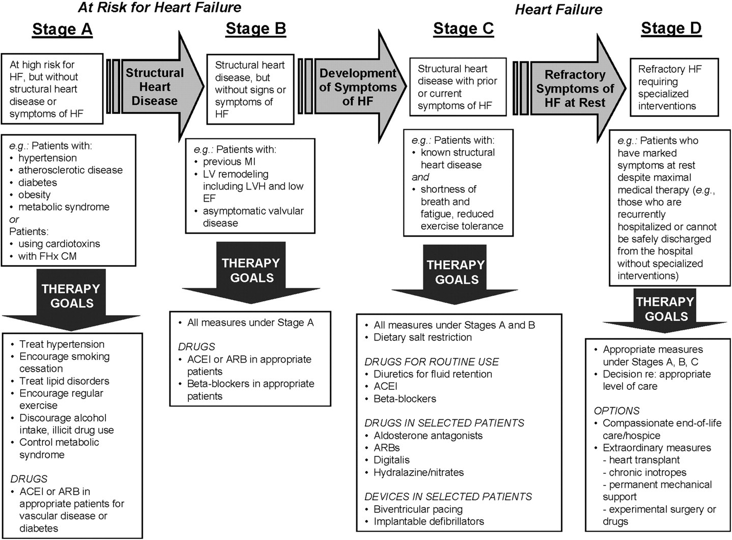
Heart Failure Classification
