20/24: Neurological Problems
 Call Kai
 Learn
Learn Practice Test
 Spaced Repetition
 Match
Match Flashcards
 Knowt Play
1/24

There's no tags or description
Looks like no tags are added yet.
Name | Mastery | Learn | Test | Matching | Spaced | Call with Kai | Chat |
|---|
No analytics yet
Send a link to your students to track their progress
25 Terms
atherosclerosis
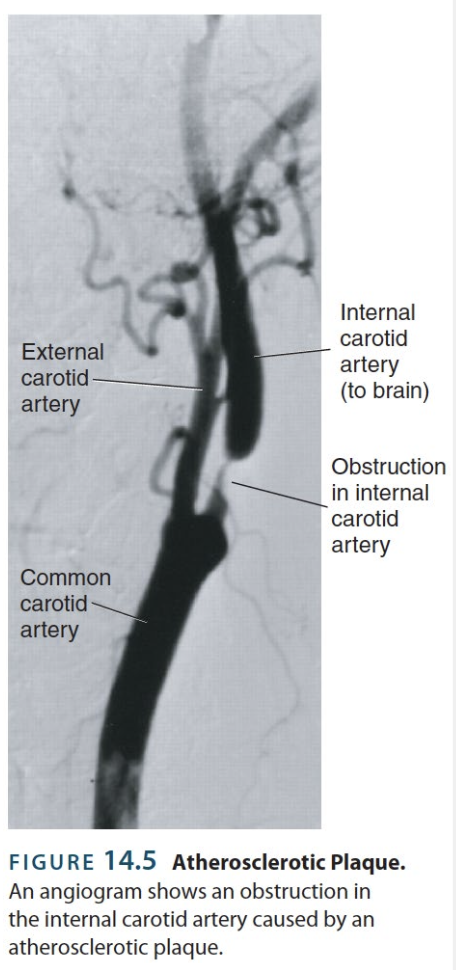
→ process in which lining of arteries develop a layer of plaque (deposits of cholesterol, fats, calcium, and cellular waste products), which narrow vessels and increase the risk of stroke
Precursor to myocardial infarctions (heart attacks) and strokes
Atherosclerotic plaques often form in the internal carotid artery (leads to the brain)
Diagnostics:
Visualized with an angiogram → produced by injecting a radiopaque dye into the blood and examining vessels with x-ray imagery
Risk factors include vulnerable age groups, ↑ BP, smoking, diabetes, ↑ cholesterol levels, poor diet, lack of exercise, obesity, etc.
strokes
→ refer to the event where damage of impairment of blood vessels cause brain damage
Ischemic-
Hemorrhagic-
Treatment:
Brain damage may be permanent, but physical-, occupational-, and/or speech- therapies over long periods can dramatically improve brain functionality
Constraint-induced movement therapy (sensory stimulation)
Pharmacological relief (drugs that reduce swelling and inflammation)
Morbidity:
Severity depends on the size of affected vessels and corresponding brain damage (which can be negligible to massive)
Runner-up most frequent cause of death in the world (2nd to ischemic heart disease, which they are associated with)
Prevalence:
1 in 4 adults experience at least 1 in their lifetime
Likelihood ↑ w/ age
x2 each decade after age 45
↑ up to 2% after age 75
ischemic stroke
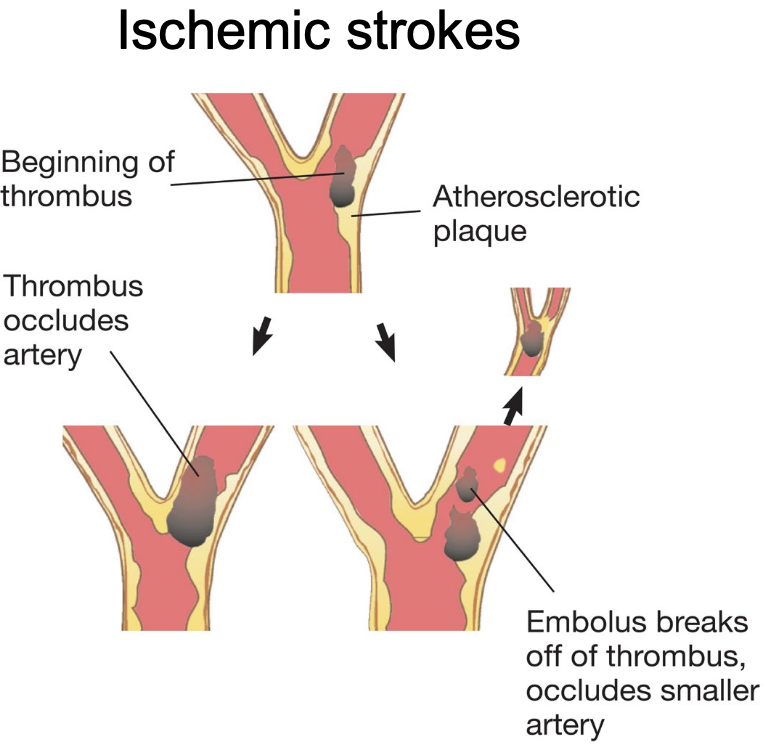
→ blockage of a cerebral blood vessel, resulting in a stroke
Classifies 87% of all strokes
Ischemic occlusions (blockages that cause strokes):
Thrombus → blood clot that forms within a blood vessel, reducing flow to an affected area
Embolus → when a piece of tissue (blood clot/thrombus, fat, or bacterial debris) dislodges from its site of origin and occludes a nearby artery
Pharmacological remedies:
Thrombolytics → “clot-busting” drugs that dissolve blood clots to re-establish circulation and hopefully minimize the amount of brain damage
A popular example would be tissue plasminogen activator (tPA), which should be administered within 3-4 hours of a stroke
Technological remedies:
Endovascular embolization → coils, aspiration devices, and/or strents are thread through the vascular system to reinforce the vessels the site of an occlusion affected
May or may not remove occlusion
Access usually through femoral artery
hemorrhagic stroke
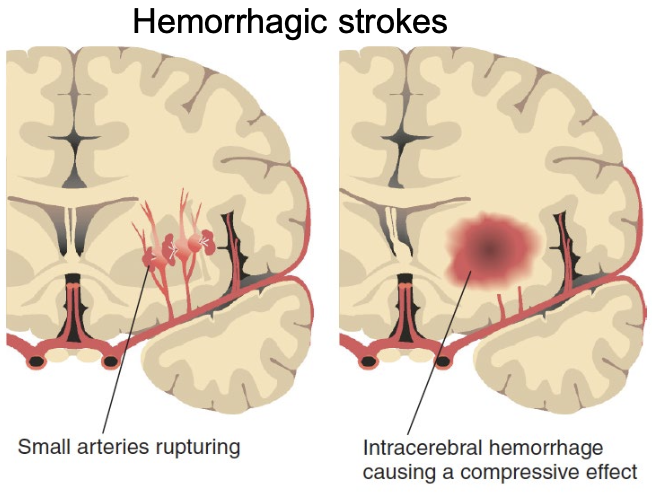
→ rupture of a cerebral blood vessel, resulting in a stroke
tumors
→ mass of cells whose growth is uncontrolled and serves no useful function
2 types:
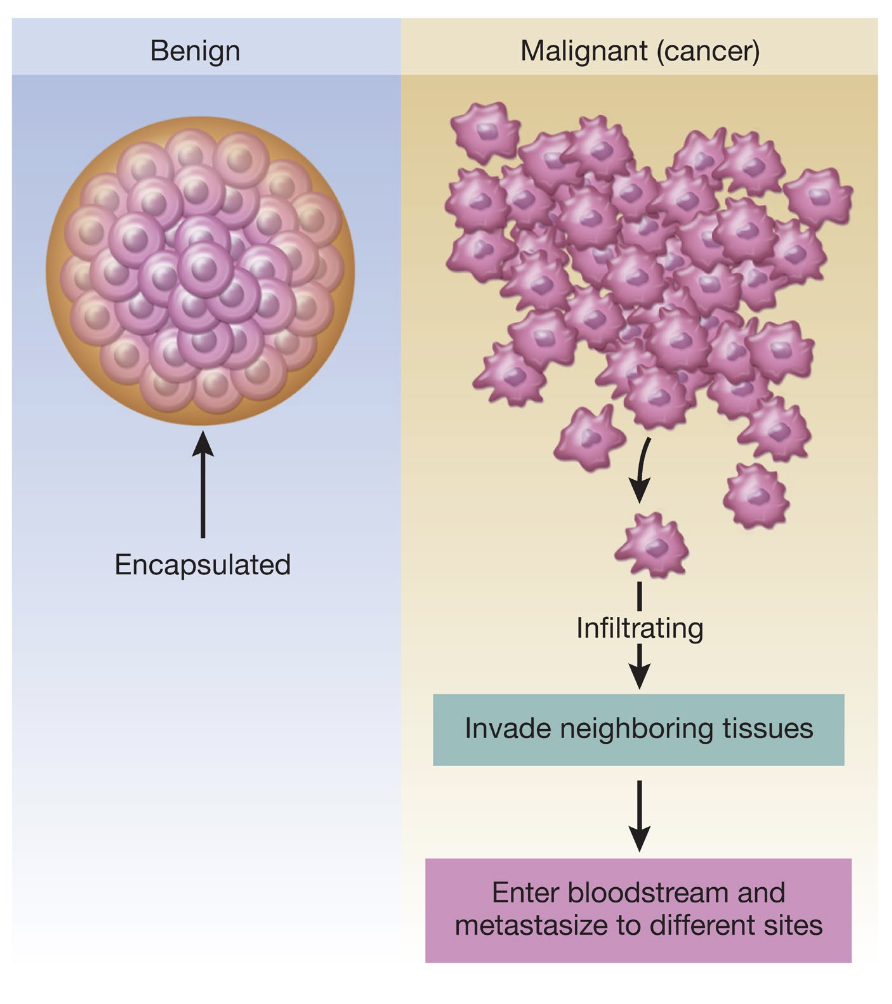
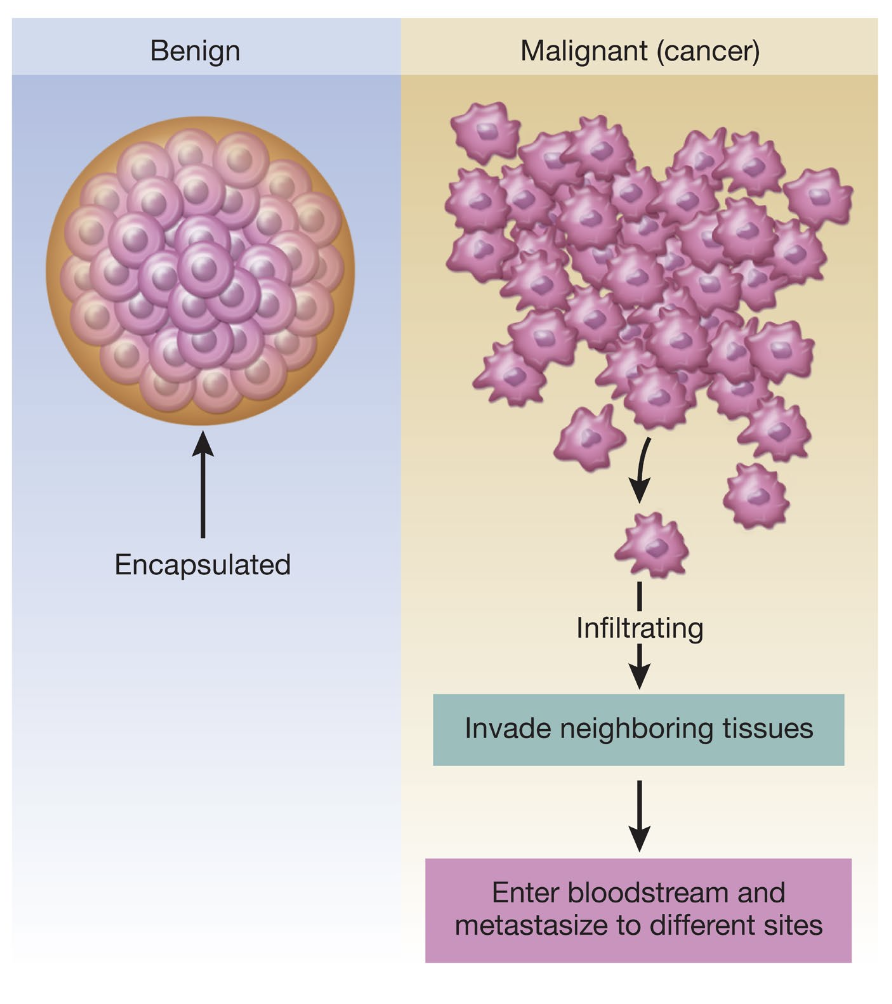
Benign (non-malignent) → not cancerous; has some distinct border and cannot metastasize
Mass of tumor cells are encapsulated and contained;
It can be surgically cut out and will not regrow
Malignant → cancerous; has no finite border and can metastasize
Tumor cells are not bound and may infiltrate surrounding tissue
Surgical removal can be attempted but missed cells can produce new tumors
metastatis
→ process by which cells break off from a tumor, travel through the vascular system, and grow elsewhere in the body
Feature of malignant tumors; malignancy
brain tumors
→ irregardless to whether it’s malignant or benign, it can produce neurological symptoms that threaten life
Damages by compression or infiltration (occupying space in and pressing the brain);
Brain tissue can be directly destroyed via physical pressure, or indirectly by a blocked flow of CSF causing hydrocephalus (“water brain”)
gliomas
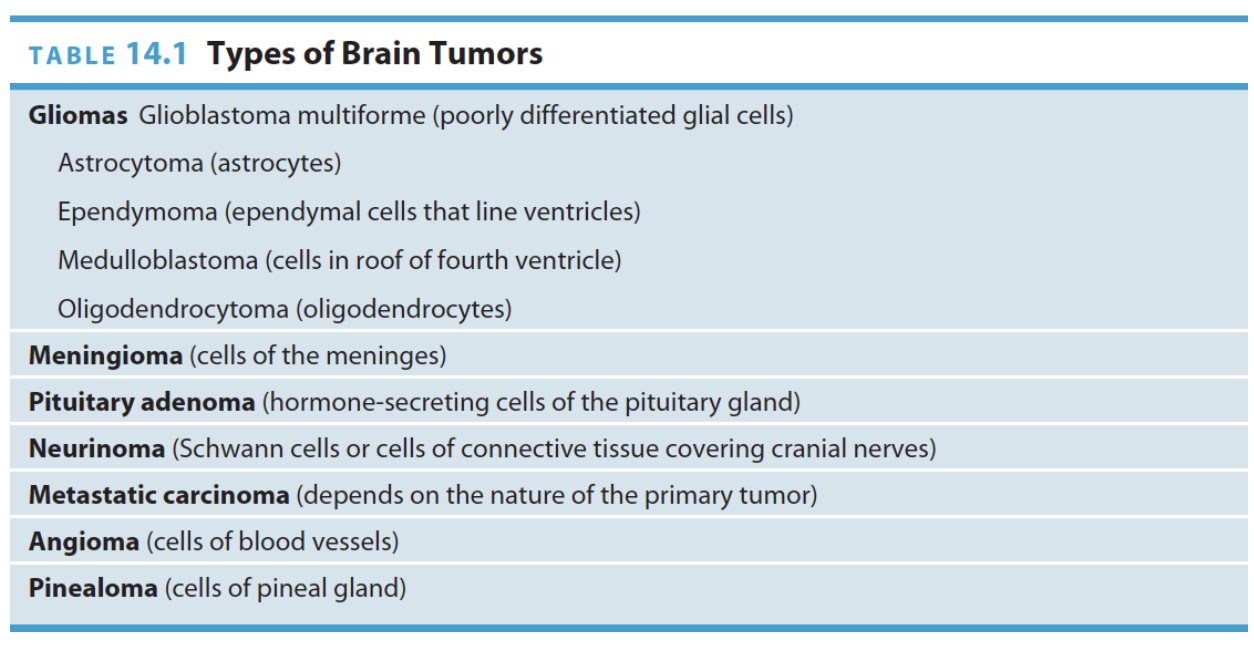
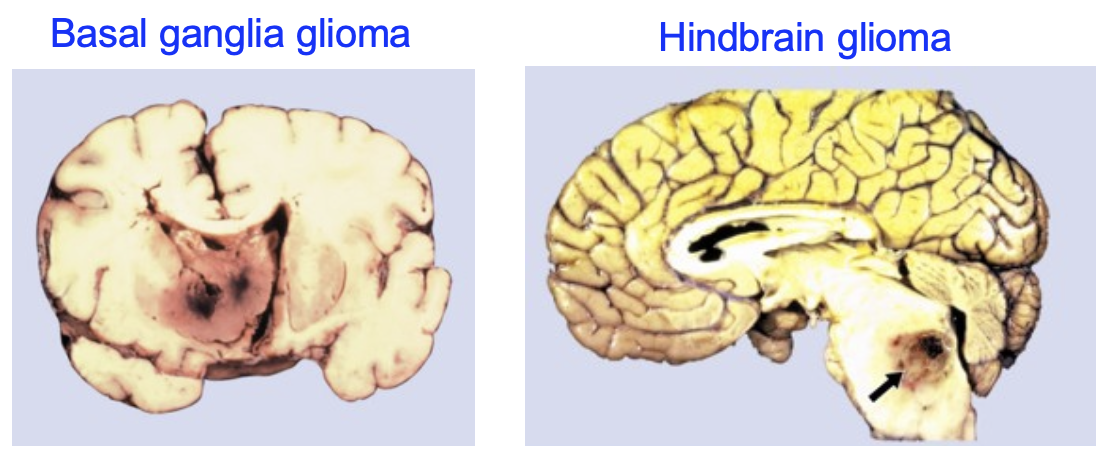
→ type of malignant brain tumor made from poorly differentiated glial cells (tumor initiating cells originate from the neural stem cells that make giia)
Rapidly proliferates
↑ Resistance to chemotherapy and radiation than other tumor cells
↑ Mortality rate
meningioma
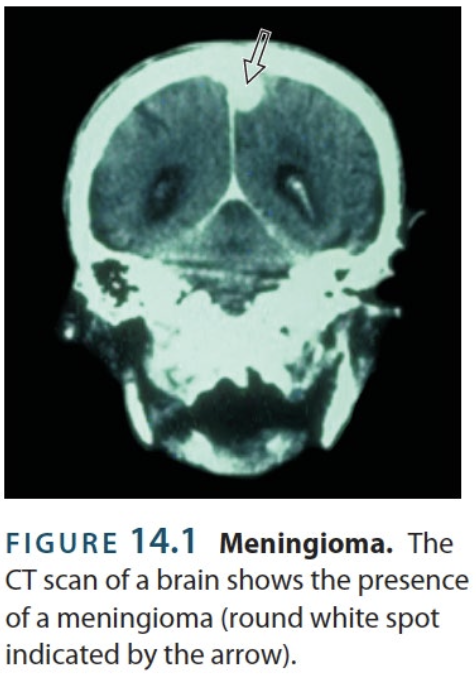
→ type of benign brain tumor made from cells that constitute the meninges (dura mater, arachnoid membrane, pia mater)
Often develops right between the two cerebral hemispheres
encephalitis
→ inflammation of the brain caused by infection (bacterial or viral), toxic chemical poisoning, or allergic reactions
Initial symptoms: Headache, fever, nausea
meningitis
→ inflammation of the meninges caused by an infection (bacterial or viral)
Initial symptoms: Headache, stiff neck
well-known brain viruses
Polio (acute anterior poliomyelitis) → viral disease that destroys motor neurons of the CNS (brain and spinal cord)
Rabies → viral disease that fatal brain damage
Commonly transmitted from infected animal bites
Herpes (simplex) → viral disease that can cause encephalitis or brain damage in severe cases where it enters the brain
Normally causes cold stored near the lips or genitals
traumatic brain injuries
TBIs
Closed-head injury (concussion)
Open-head injury
Surviving consequences:
Scarring forms within the brain around sites of injury
↑ Risk for seizures
mTBI (mild, undiagnosed cases) greatly ↑ likelihood of developing brain problems later on
ex. There’s an ↑ likelihood for Alzheimer’s disease in people who took blows to the head earlier in life
Morbidity (US):
1.4 mil people visit ER for TBIs, 270K hospitalized, 52k die
1/3 of deaths caused by injury involve a TBI
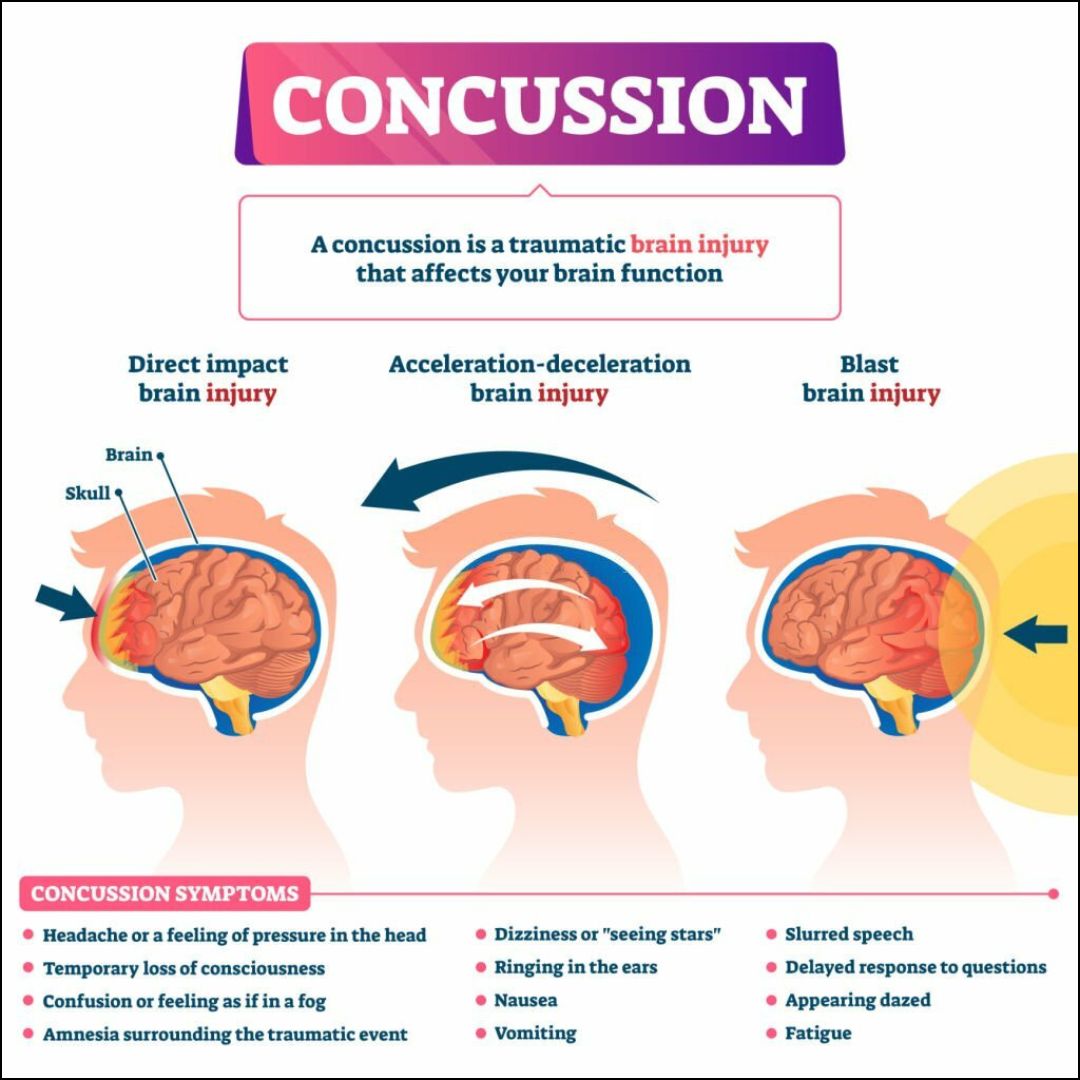
closed-head injury (concussion)
→ TBI caused by a blow to the head with a blunt object or surface
Usally little to no blood spilled or open wounding
Whiplash process:
Coup → brain comes into violent contact with the inside of the skull
Contrecoup → brain then recoils in the opposite direction and (perhaps) smashes against the other side of the skull again
open-head injury
→ TBI caused by penetrating the brain
Results in some significant open wound
Damaged blood vessels exacerbate the severity of the injury
↑ BP due to blood loss and inflammation also worsen the damage
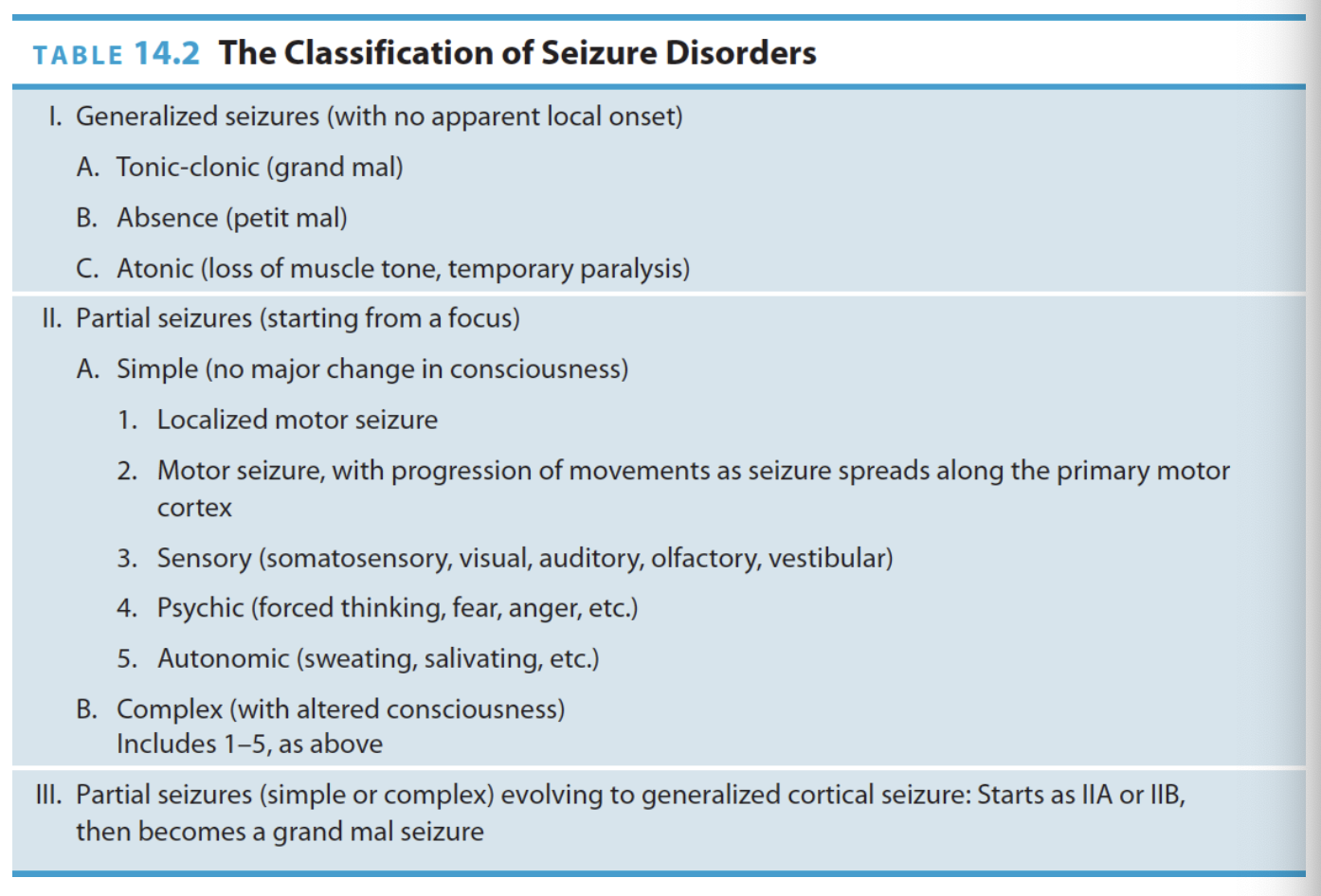
seizures
→ epileptic episodes caused by irregular brain activation (abnormal electrical discharges)
Class of disorders = epilepsy
Types:
Generalized-
Tonic-clonic (grand mal)-
Atonic-
Absence (petit mal)-
Partial (focal)-
Simple partial-
Complex partial-
Symptomology:
Seizing doesn’t always involve convulsions → violent sequence of uncontrollable muscle movements (motor system neurons going haywire
Spells of absence → brief epileptic episodes, not as severe as tonic-clonic (grand mal) symptoms
Treatment:
Anticonvulsant drugs (benzodiazepines, which work by increasing the effectiveness of inhibitory synapses)
Most people respond well enough to pharmacological interventions and lead a normal life
Surgery (usually lesioning seizure foci)
Fewer instances
*Etiology:
Scarring, which often relates to a TBI, stroke, growing brain tumor, or a developmental brain abnormality
High fevers in young children (who are the most susceptible)
Withdrawal from GABA agonists (substances with sedative effects, like alcohol or barbituates)
Contributing genetic mutations that cause instability in neural networks by tinkering with the…
Quantity and quality/function of ion channels
Reciprocal wiring of excitatory and inhibitory neurons
Rules that govern synaptic plasticity (training neural circuitry)
*Note that many cases are idiopathic (unknown causes)
generalized seizures
→ seizing effect is non-localized, involves most of the brain
Tonic-clonic (grand mal) seizures
Most adverse physical symptoms:
Aura phase → sensation that precedes a seizure; nature depends on the focus/location of the seizure
Tonic phase → characterized by all skeletal muscles contracting or stiffening
Clonic phase → characterized by rhythmic jerking movements (where convulsions occur)
Atonic seizures
Involve a sudden loss of muscle tone and/or temporary paralysis
May cause additional physical injuries from falling
Absence (petit mal) seizures
Have symptoms of complex seizures (may induce a brief loss of consciousness or general lack of awareness) that tend to last around 15 seconds, involving a sudden cease of activity and repeated blinking
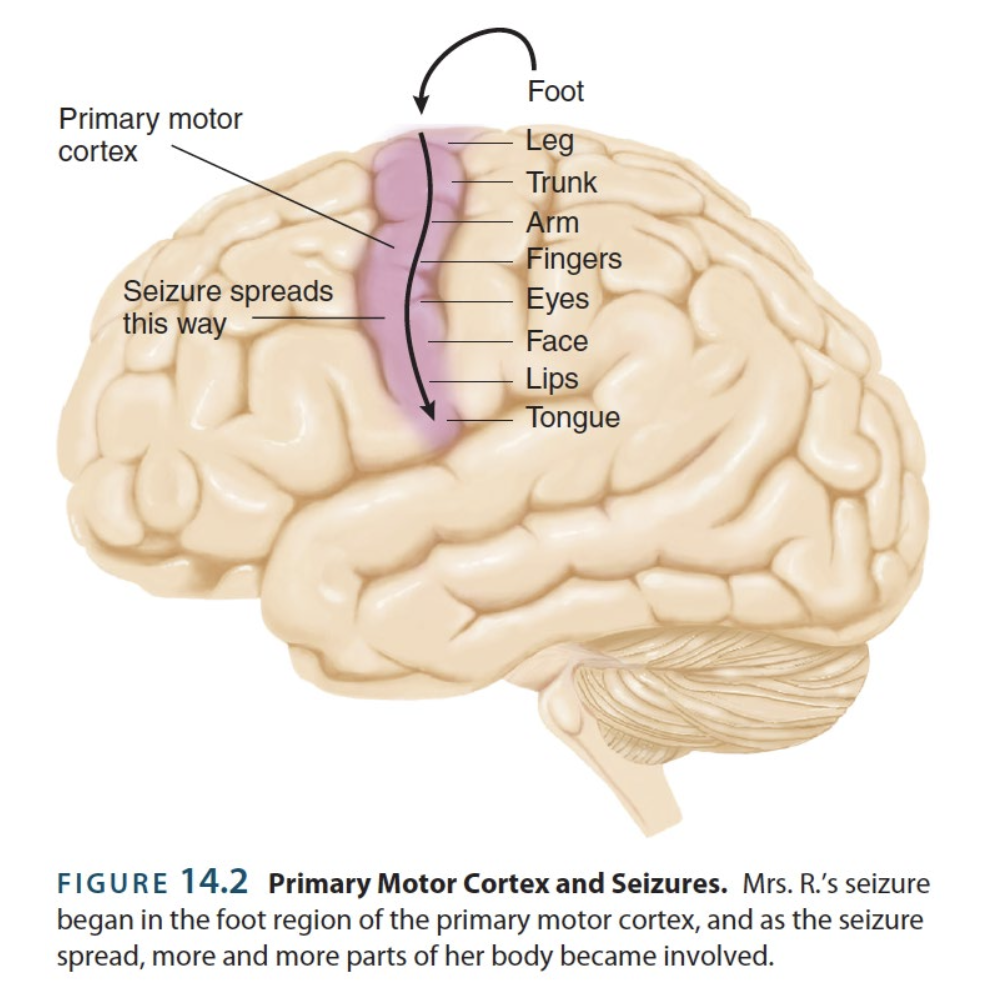
partial (focal) seizures
→ seizing effect begins at a focus and remains localized in the brain
Simple partial- → causes no loss of consciousness
Complex partial- → induces some loss of consciousness
developmental brain abnormalities
Etiology:
Exposure to certain toxins, viruses, bacteria, and drugs (notably alcohol) during pregnancy can impair fetal brain development and eventually cause intellectual disability
ex. Toxins: Organophosphates (from insecticides), lead and/or mercury (heavy metals)
ex. Viruses: Rubella (German measles), Zika
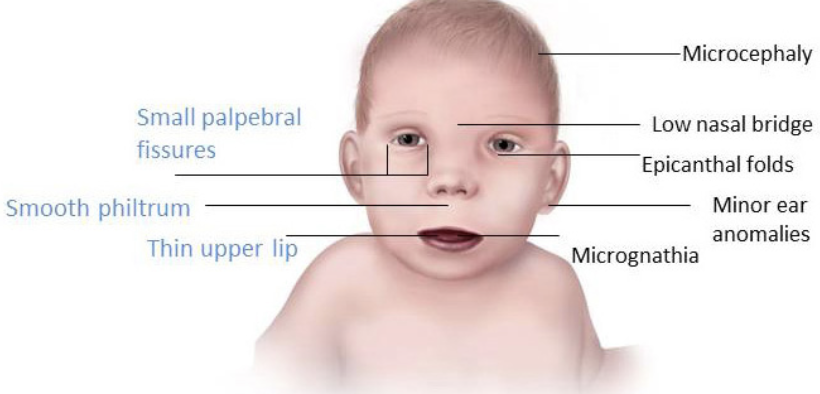
fetal alcohol syndrome
→ serious condition associated with alcohol consumption during the 3rd/4th week of pregnancy causing certain facial anomalies and severe intellectual disabilities for the fetus
Babies born to alcoholic mothers are typically smaller than average and fall behind in development
errors of metabolism
→ genetic abnormalities in which the instructions for a particular protein are in error
Typically, an enzyme (something that ends in -ase) is not synthesized on account of mutations in both copies of the gene
Common origin for many inherited metabolic diseases
phenylketonuria
PKU → hereditary metabolic disorder caused by the absence of the enzyme that converts the amino acid phenylalanine to tyrosine
Accumulation of phenylalanine causes brain damage unless a special diet is implemented soon after birth
tay-sachs disease
→ hereditary metabolic disorder caused by a lack of an enzyme in lysosomes, causing an accumulation of waste products and swelling of cells in the brain
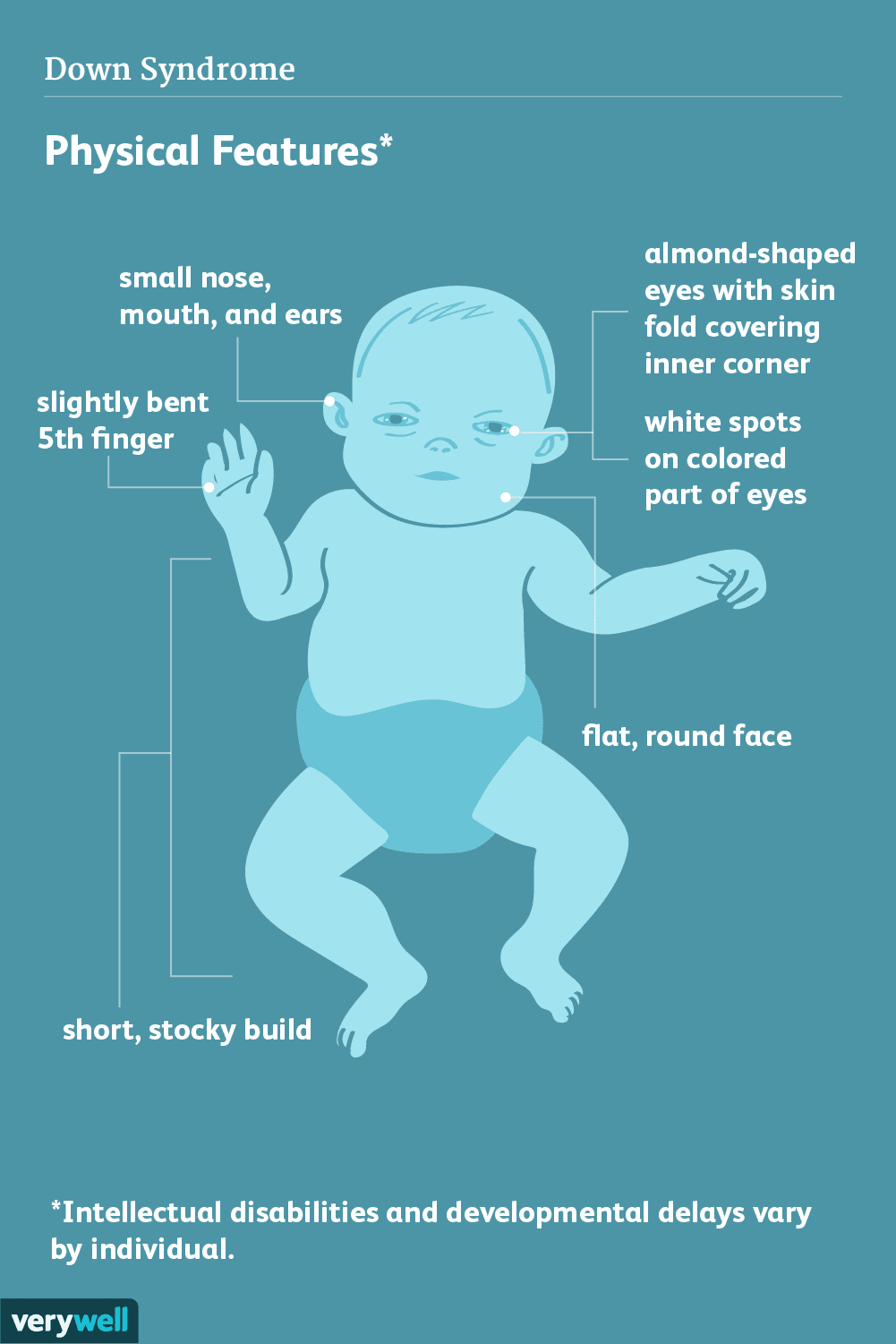
down syndrome
trisomy 21 → congenital condition characterized by moderate-to-severe intellectual and physical disabilities resulting from having an extra chromosome on the 21st
Not necessarily a hereditary abnormality
Past age 30, patients begin to degenerate in a similar manner to that of Alzheimer’s disease
multiple sclerosis
MS → autoimmune demyelinating disease; a person’s own immune system attacks myelin sheaths at scattered location within the CNS, leaving behind hard patches of debris called sclerotic plaques and inhibiting successful action potential propagations
Damage occurs in the white matter (axon paths) through the brain and spinal cord, leading to a wide variety of neurological disorders
Symptoms/Prognoses:
Remitting-relapsing- → cyclical flare-ups + remission for varying periods
Progressive- → slow, continuous ↑
Treatment:
Interferon beta → protein that modulates immune system/redirects its focus (NOT an immunosuppressant)
Glatiramer acetate → decoy peptides that mimic myelin
Antibody remediation → More recent research suggests that injecting antibodies into the blood to attack the culprit autoimmune cells is more effective; instead of remedying consequences, remedy the cause
Onset: Usually presents in people’s late 20s
Etiology: Sporadic disease → not obviously caused by an inherited gene mutation or an infectious agent
Risk factors:
People who grow up far from the equator (ie. people in polar regions are likely to have ↓ sun exposure - vitamin D levels, which may be related to MS)
Pre-disposition is said to be set at age 15, even if you move afterwards
Enduring childhood diseases that disrupt the immune system or cause some degrees of demyelination