Endocrine disorders - Pituitary Gland: Diabetes Insipidus
 Studied by 0 people
 Call Kai
 Learn
Learn Practice Test
 Spaced Repetition
 Match
Match Flashcards
 Knowt Play
1/15

There's no tags or description
Looks like no tags are added yet.
Name | Mastery | Learn | Test | Matching | Spaced |
|---|
No study sessions yet.
16 Terms
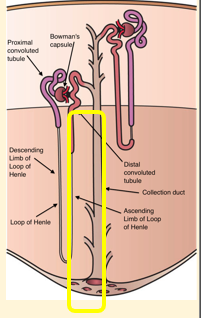
Diabetes Insipidus
Total or relative lack of ADH (anti-diuretic hormone)
Failure to concentrate urine → excessive thirst
If the animal cannot drink or access water is restricted they will rapidly become dehydrated
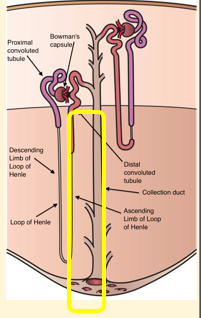
ADH
Allows the insertion of aqueous channels into the collecting ducks and thereof the reabsorption of water
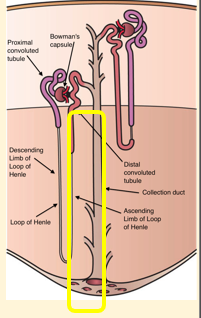
Without ADH
Water remains in the filtrate (urine) and is lost → dilute urine → loss of water → thirst → polydipsia

Central diabetes insipidus
Insufficient production and release of ADH by the pituitary
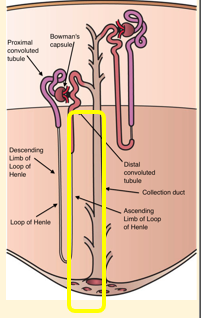
Nephrogenic diabetes insipidus
Inability of the renal tubules to respond to ADH
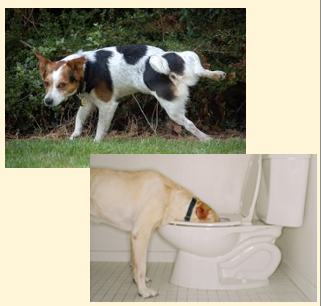
Clinical signs of Diabetes Insipidus
Polyuria
Polydipsia
Urinary incontinence
Urinating during the night
+/- Neurological signs
Diagnosis of Diabetes Insipidus
Clinical signs
Urine specific gravity less than 1.008 - really dilute
Rule out other causes of PUPD - cushings, diabetes melitus, hyperthyroidism
Water deprivation test
Trial treatment with DDAVP (desmopressin) - cascade (replaces the action of ADH)

Water Deprivation Test
Water is gradually reduced for 3 days prior to test - reduces risk of medullary washout (should still remain hydrated)
STOP is the patient becomes dull, lethargic, azotaemic or hypernatraemic
Normal SG = DI is unlikely
SG <1.020 = DI suspected

Water Deprivation Test - Process
Weight the patient, empty balder and measure baseline SG
Place in a kennel with without food and water
Monitor body weight and urine SG every hour
Continue until patient has lost 5% of bodyweight (due to loss of water) or SG >1.025

Water Deprivation Test - Central Diabetes Insipidus vs Nephrogenic Diabetes Insipidus
Once rehydrated, repeat water deprivation test, but challenge with desmopressin (DDAVP) - Analogue of ADH - same action as ADH
Increase in SG = Central DI - Kidneys respond, but ADH is not being produced
Minimal/no change in SG - Nephrogenic DI - Kidneys aren’t responding to the ADH
Treatment of Central DI
Remove underlying cause
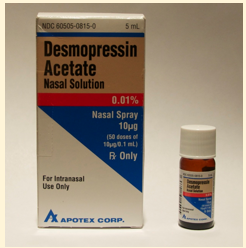
Desmopressin DDAVP
Injectable
Oral
Intranasal
Subconjunctival sac - eyedrop, absorbed well over the mucous membrane
Treatment of Nephrogenic DI
Treat underlying cause
Diet and other supportive meds available
Desmopressin
Hormone analogue - replaced action of endogenous ADH
Desmopressin - pharmacology
Used via the cascade so no licensed version for pk/pd studies in dogs
In people bioavailability varies by route and other features (half life) will be impacted by renal function
Nursing considerations for Diabetes Insipidus
Continuously access to water (except during water deprivation or ADH tests!)
Measure water intake on a daily basis
Allow patient the opportunity to frequently urinate
Owner support
Nursing considerations for Diabetes Insipidus - Owner support
Good prognosis (depending on underlying cause)
Importance of access to water
Treatment is lifelong
Regular vet checks