Psychology: Memory Mod. 23-25
 Call Kai
 Learn
Learn Practice Test
 Spaced Repetition
 Match
Match Flashcards
 Knowt Play
1/36

There's no tags or description
Looks like no tags are added yet.
Name | Mastery | Learn | Test | Matching | Spaced | Call with Kai | Chat |
|---|
No analytics yet
Send a link to your students to track their progress
37 Terms
Memory
process by which we recall experiences, information, and skills

Episodic memory
Recall of a vivid, specific event

Semantic Encoding
Encoding of meaning.

encoding
the first process of memory; the translation of information into a form for future use

storage
second process of memory; makes memories available for future use

retrieval
third memory process; locates stored information and returns it to conscious thought

rehearsal
repeated repetition of information to help the learning process

elaborative rehearsal
the process of relating new information to what you already know well.

context dependent memory
The enhanced ability to retrieve information when you are in an environment similar to the one in which you encoded the information.

mood-congruent memory
the tendency to recall experiences that are consistent with one's current good or bad mood
sensory memory
first stage of information storage -- the immediate, initial recording of data

short-term memory
sometime called working memory -- when information is stored for 10-12 seconds
long-term memory
memory stored more than briefly and encoded through rehearsal

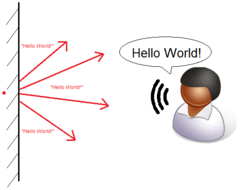
echoic memory
mental sensory register of mental traces of sound
iconic memory
sensory register of accurate, photographic images

chunking
organization of items into familiar or manageable units

mnemonic devices
a sentence or acronym that helps us to memorize a string of words.

Explicit Memory
The memory of facts and experiences

automatic processing
the unconscious and effortless process of encoding information such as space, time, and frequency.

Effortful processing
Encoding that requires attention and conscious effort.

serial position effect
The tendency to recall the first and last items in a list more easily.

Flashbulb memory
A vivid, clear memory of an emotionally significant moment or event.

Recall
Retrieval in which you must search for information that you previously stored.
Recognition
Retrieval in which you must identify items you learned earlier

Herman Ebbinghaus
German philosopher who conducted pioneering memory studies.

Proactive interference
When an older memory disrupts the recall of a new memory.

Retroactive interference
When a more recent memory disrupts the recall of an older memory.

Repression
The process of moving anxiety-producing memories to the unconscious mind. Freud psychoanalytic theory.

Elizabeth Loftus
Research who established the construction of memory

misinformation effect
when misleading information has corrupted one's memory of an event
amnesia
loss of memory
retrogradeamnesia
loss of memory prior to brain injury
anterograde amnesia
an inability to form new memories
procedural memory
A type of long-term memory of how to perform different actions and skills. Essentially, it is the memory of how to do certain things.
recency effect
tendency to remember words at the end of a list especially well
primacy effect
tendency to remember words at the beginning of a list especially well
long-term potentiation (LTP)
an increase in a synapse's firing potential after brief, rapid stimulation. Believed to be a neural basis for learning and memory.