Module 14: Managing Human Resources in an International Context
 Studied by 0 people
 Call Kai
 Learn
Learn Practice Test
 Spaced Repetition
 Match
Match Flashcards
 Knowt Play
1/19

Earn XP
Description and Tags
Claudia Yefremian IB-300
Name | Mastery | Learn | Test | Matching | Spaced |
|---|
No study sessions yet.
20 Terms
What are the Main Challenges Faced by International Companies?
Attracting and retaining talent
Developing talent in the firm
Factors Impacting the Global Supply and Demand of Talent
Size of workforce
aging of populations
urbanization of the workforce
immigration labor
guest workers
labor unions
Size of the Workforce
Developing countries typically have larger and younger populations compared to developed economies
Countries with large populations (China, India, Brazil) offer not just vast domestic markets but also significant human capital for manufacturing, services, and tech sectors
High growth countries (particularly in Sub-Saharan Africa and South Asia) are expected to contribute most to global labor force expansion over the next decades
**tip for MNCs: need to evaluate not only current labor availability but also where future talent pipelines will emerge
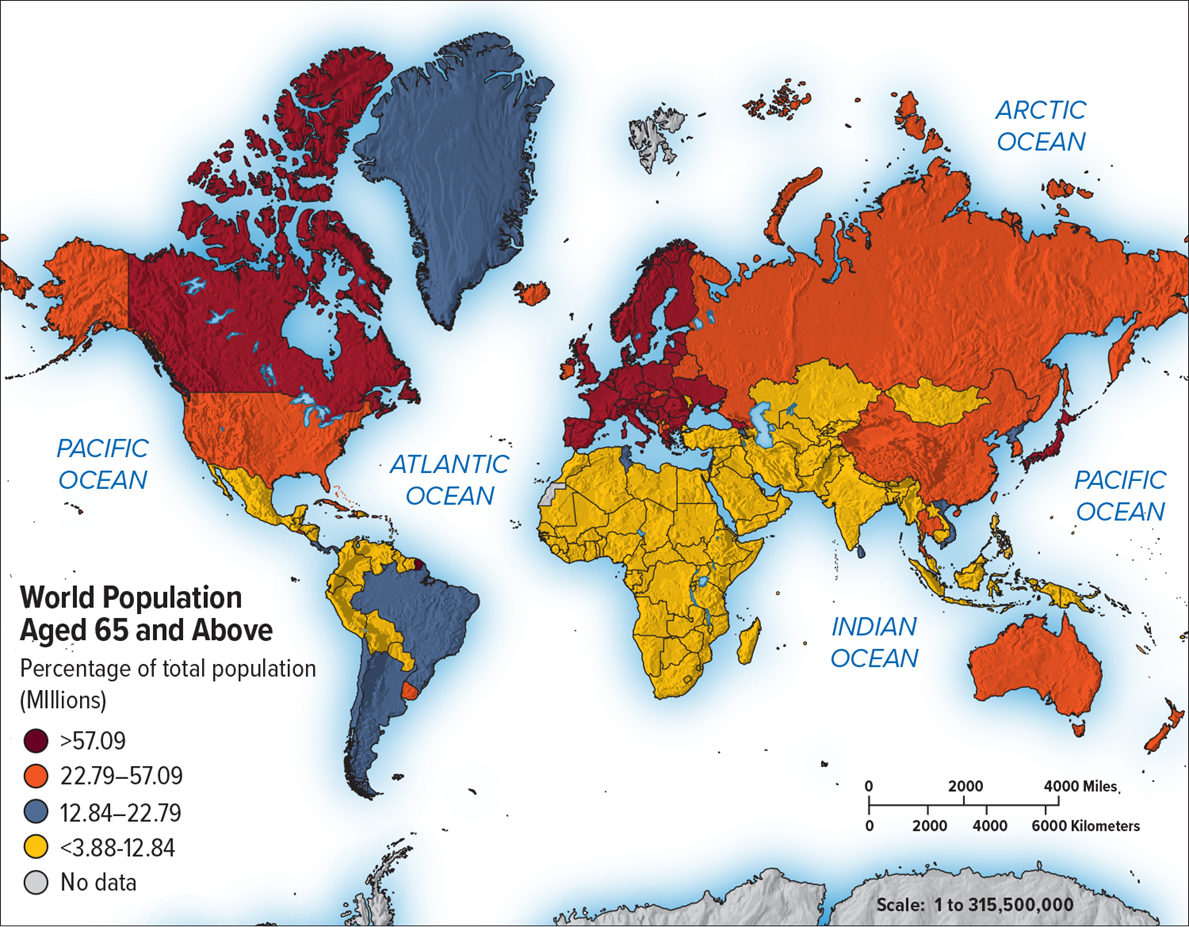
Aging of Populations
aging is more pronounced in developed countries
creates implications for labor size and skill, political policies on immigration, and economic growth
Urbanization of the Workforce
more than half of world’s population now lives in urban areas
rate of urbanization nearly eight times faster in developing countries from 1970 to 2020
urbanization often creates a pool of low-cost, low-skill workers
Immigrant Labor
Labor mobility is the movement of people from country to country or area to area seeking jobs
move to secure better economic situations
2/3 of world’s migrants live in developed countries
US has 4% of world’s population but over 18% of world’s migrants
many migrants involved in “3-D” jobs: dirty, dangerous, and degrading
Guest Workers
people who go to a foreign country legally for certain types of jobs, on a temporary basis
when economies slow, fewer workers are needed, unemployment increases among the nation’s citizens and guest workers are either not renewed or are deported
Brain Drain & Reverse Brain Drain
loss by a country of its most intelligent and best-educated people
Reverse brain drain occurs with the return home of highly skilled immigrants who have contributed to their adopted country
Beijing’s Thousand Talents Program attempts to recapture talent that has emigrated from China
Four Strategic Approaches to IHRM
Ethnocentric: a policy of hiring and promoting based on the parent company’s home-country cultural frame of reference
Polycentric: a policy of hiring and promoting based on the specific local context in which the subsidiary operates
Regiocentric: a policy of hiring and promoting based on the specific regional context i which the subsidiary operates
Geocentric: a policy of hiring and promoting based on ability and experience without considering race or citizenship
Three Employee Classifications
Parent-country national (PCN): employee who is a citizen of the nation in which the parent company is headquartered; also called home-country national
Host-country national (HCN): employee who is a citizen of the nation in which the subsidiary is operating which is different from the parent company’s home nation
Third-country national (TCN): employee who is a citizen of neither the parent company nation nor the host country
Ethnocentric Staffing Policy
Companies with primarily international strategic orientation use home-country citizens (PCNs) for key posts
low pressures for cost reduction and local responsiveness
decisions made at HQ using home country’s frame of reference
can be expensive to use employees from home country
Polycentric Staffing Policy
Companies with primarily multidomestic strategic orientation use local staffing for host-country operations
low pressures for cost reduction and high pressures for local responsiveness
HCNs understand local customs, cultures, and language
HCNs may require considerable training
Can be a conflict between loyalty to host country and employer
Regiocentric Staffing policy
companies with primarily regional strategic orientation use both HCNs and TCNs to meet staffing needs
higher pressures for cost reduction and lower pressures for local responsiveness
cost savings not assured when using TCNs
Geocentric Staffing Policy
companies with primarily transnational strategic orientation staff using worldwide staffing pools
higher pressures for cost reduction and local responsiveness
best person for job without consideration of national origin
HRM tends to be consistent across all subsidiaries
difficulty of hiring and retaining employees with strong skill sets can increase costs
International Staffing (Expatriates and Flexpatriates definition)
Expartiates: employees who are relocated to the host country from the home country or a third country
typical assignment is 2-5 years
average age of expatriates is declining
growing proportion of expatriates are women
Flexpartriates: home or third country employees on short-term assignments
Expatriates (cost and what they bring to the table)
can bring scarce technical or managerial skills to the host country
expat experience develops skills for promotion to leadership positions within company
costs of expatriates are substantial, and failure rates are high
¼ leave the company during the assignment
Culture Shock & Reverse Culture Shock
Anxiety people often experienced when they move from a culture that they are familiar with to one that is entirely different
Reverse Culture shock occurs when the expat returns home
Three Dimensions of Cross-Culture Adjustment
work context, including extent of job clarity
reacting to differences in housing, food, education, health, safety, transportation
interaction with local nationals
The Expatriate’s Family
as many as 90% of expatriates failures are family related
more than 75% who decline relocations cite family concerns
cultural adaptation pressures particularly high for spouse—leading to challenges regarding personal identify
only about one in five companies require cross-cultural training for expats of their families
Language Training
foreign language skill is a critical factor influencing effective adjustment of expatriate and their family
may help establish trust and good working relationship