Precalculus
 Call Kai
 Learn
Learn Practice Test
 Spaced Repetition
 Match
Match Flashcards
 Knowt Play
1/59

There's no tags or description
Looks like no tags are added yet.
Name | Mastery | Learn | Test | Matching | Spaced | Call with Kai | Chat |
|---|
No analytics yet
Send a link to your students to track their progress
60 Terms
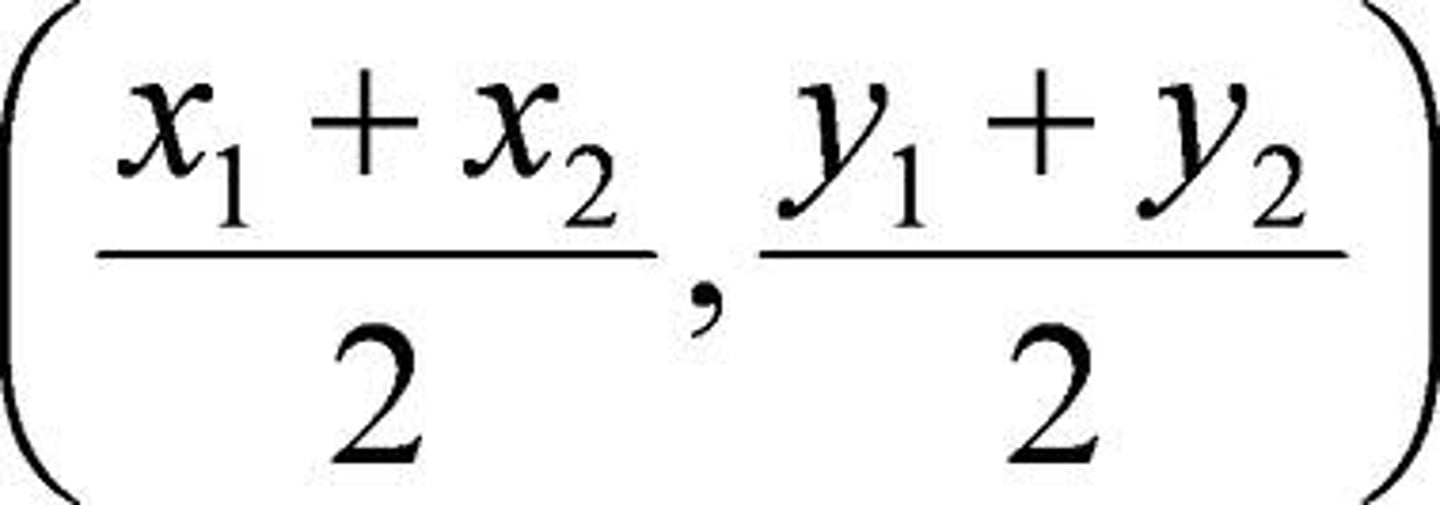
Midpoint Formula
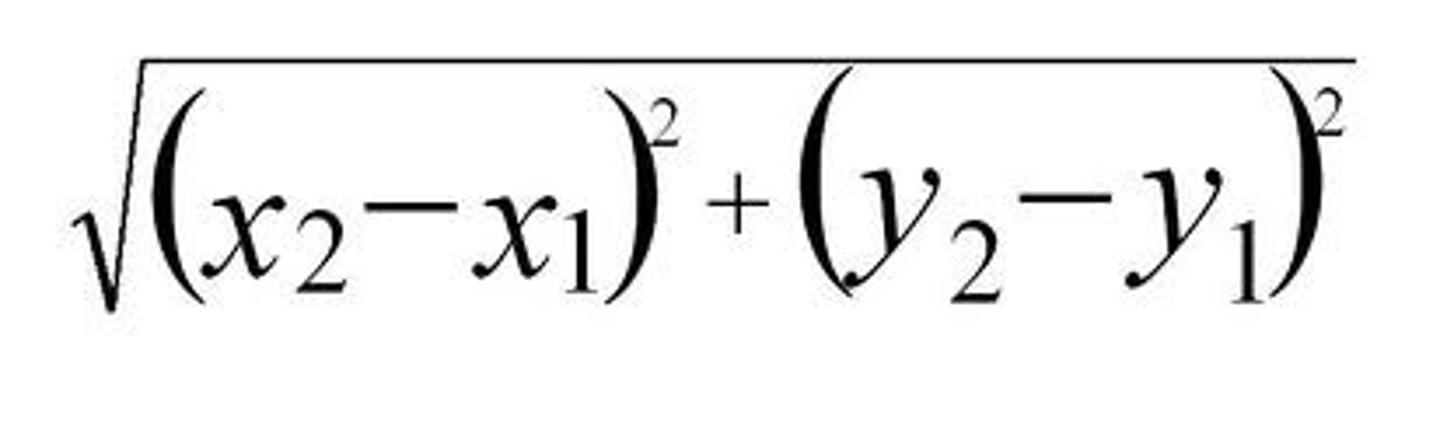
Distance Formula
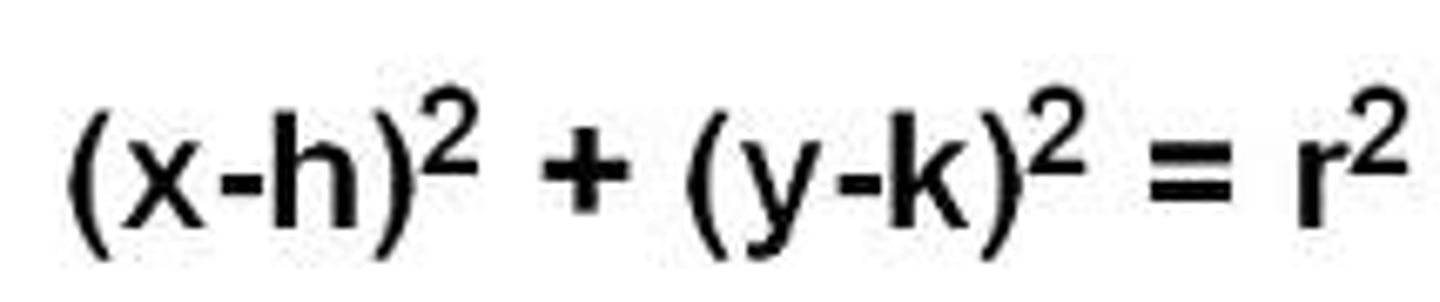
Equation of a Circle
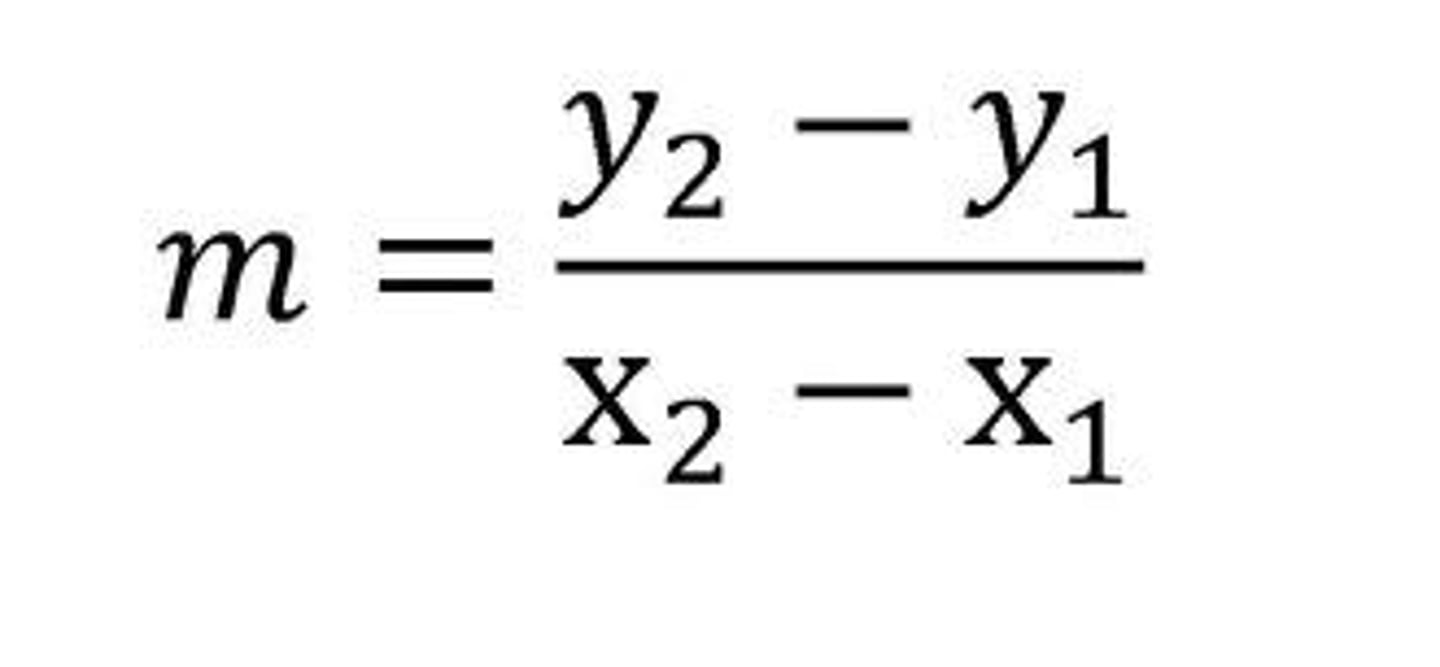
Slope Equation
Point-Slope Formula

Domain
refers to x-values
Range
refers to y-values
Zeros of a function f(x) is...
x-values for which f(x)=0
y-axis Symmetry
even functions
Origin Symmetry
odd functions
Even Functions
f(-x) = f(x)
Odd Functions
f(-x) = -f(x)
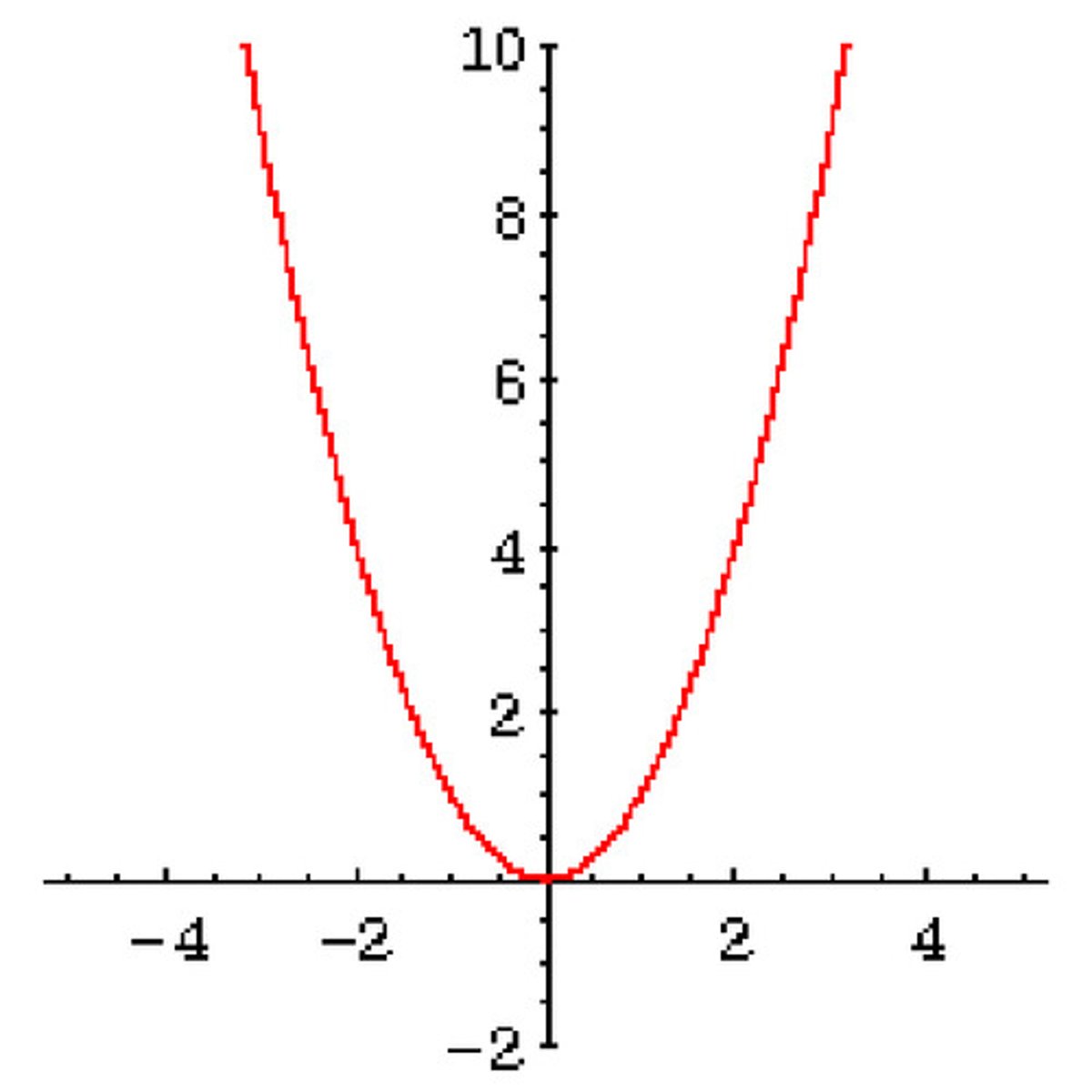
f(x)=x^2
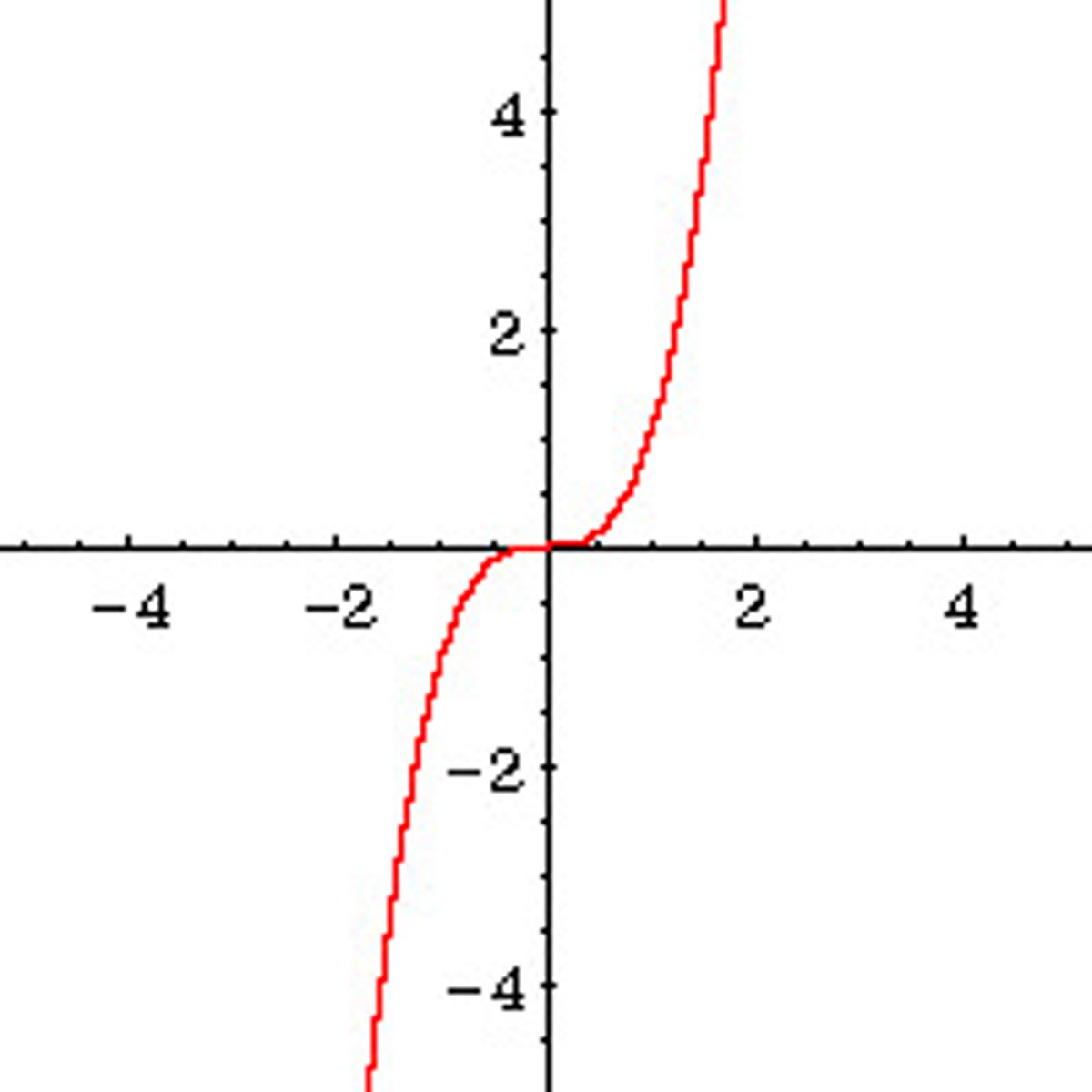
f(x)=x^3
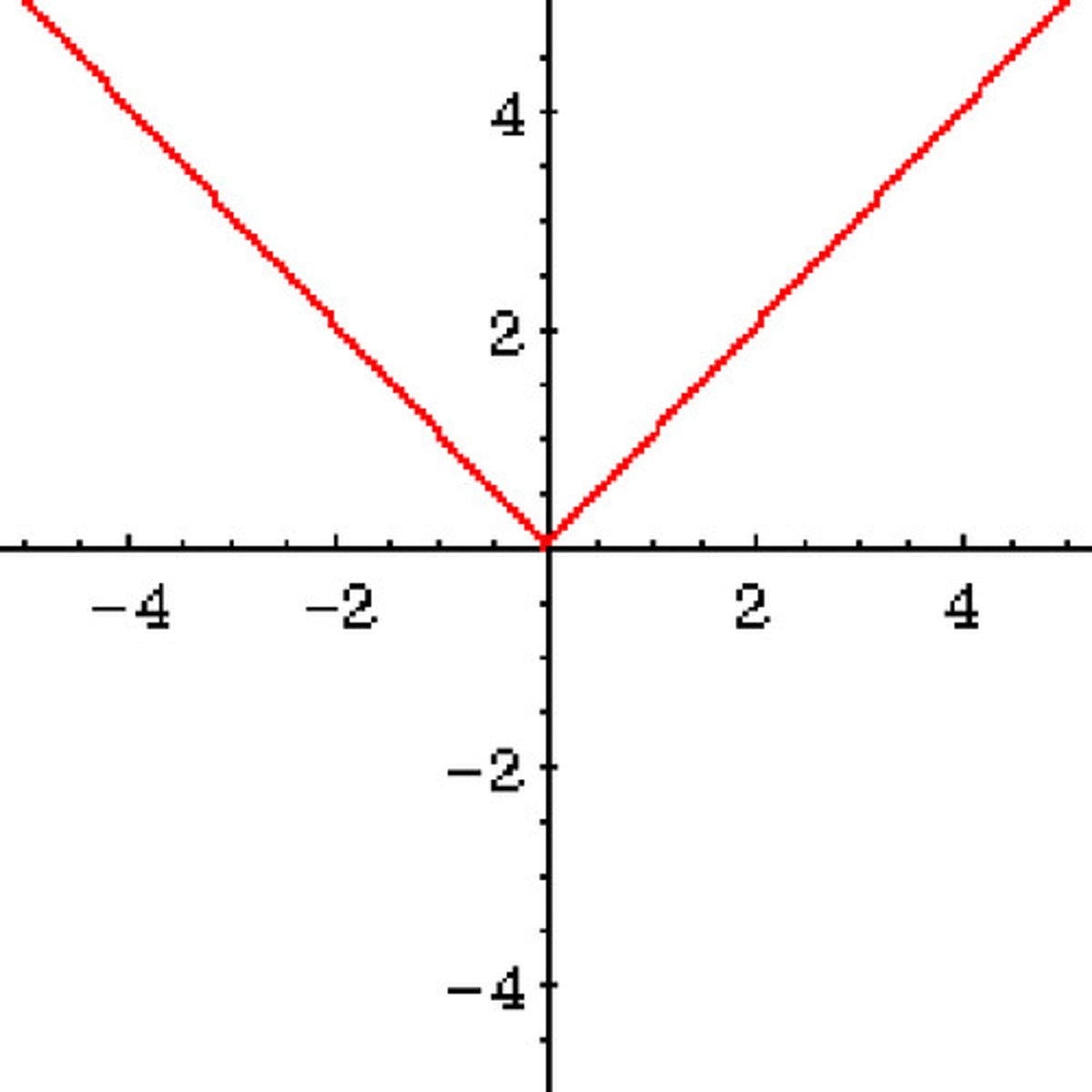
f(x)=|x|
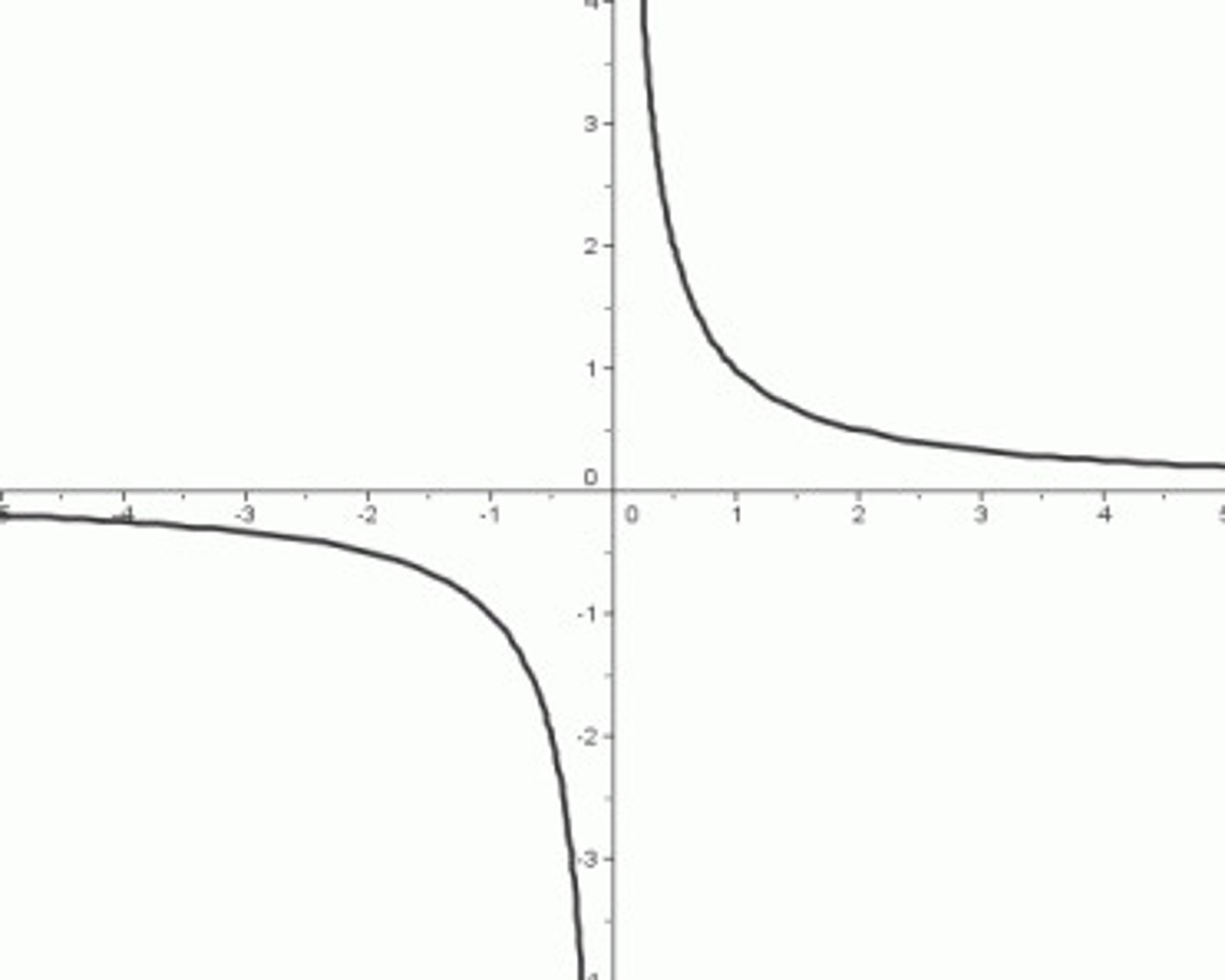
f(x)=1/x
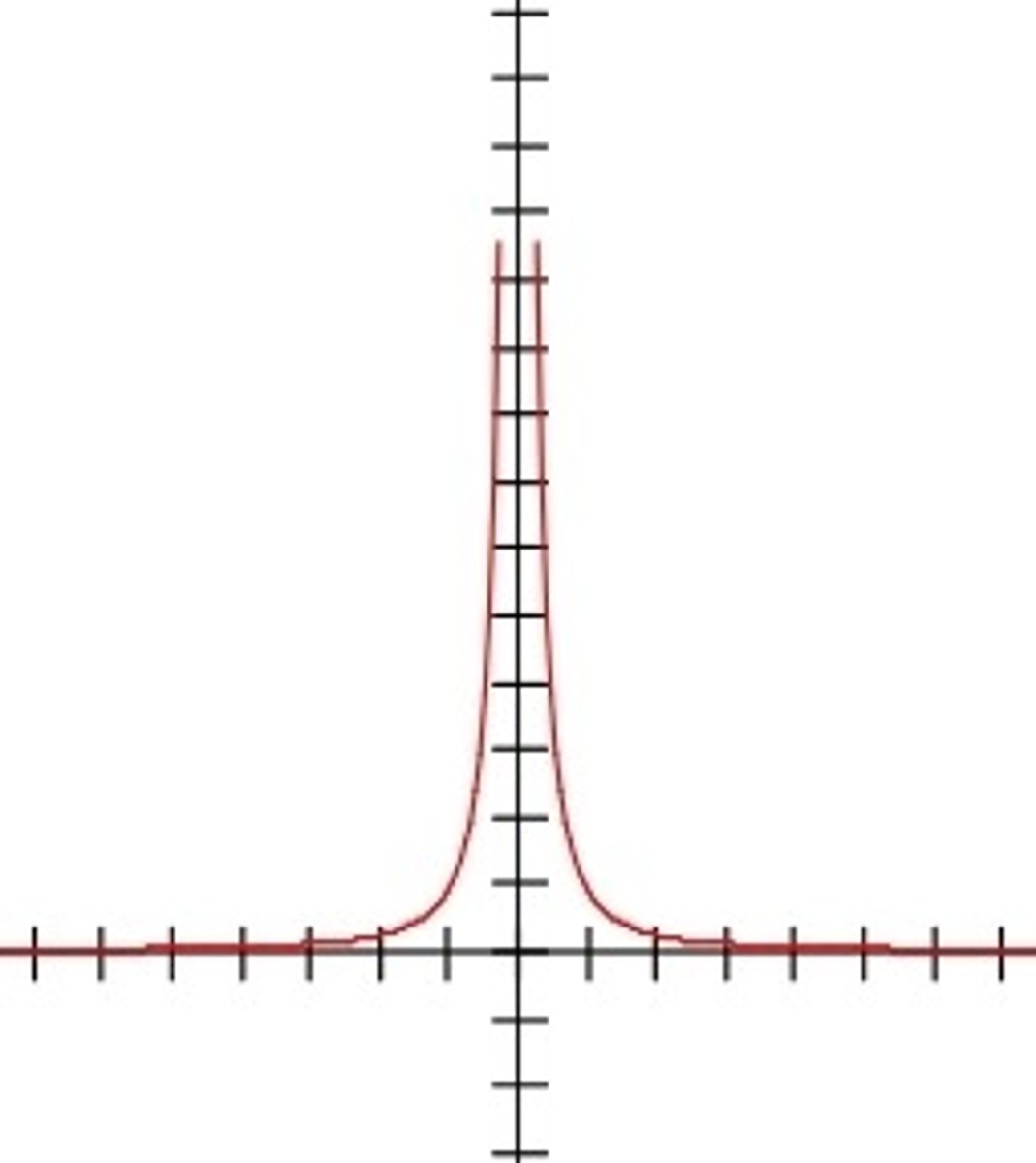
f(x)=1/x^2
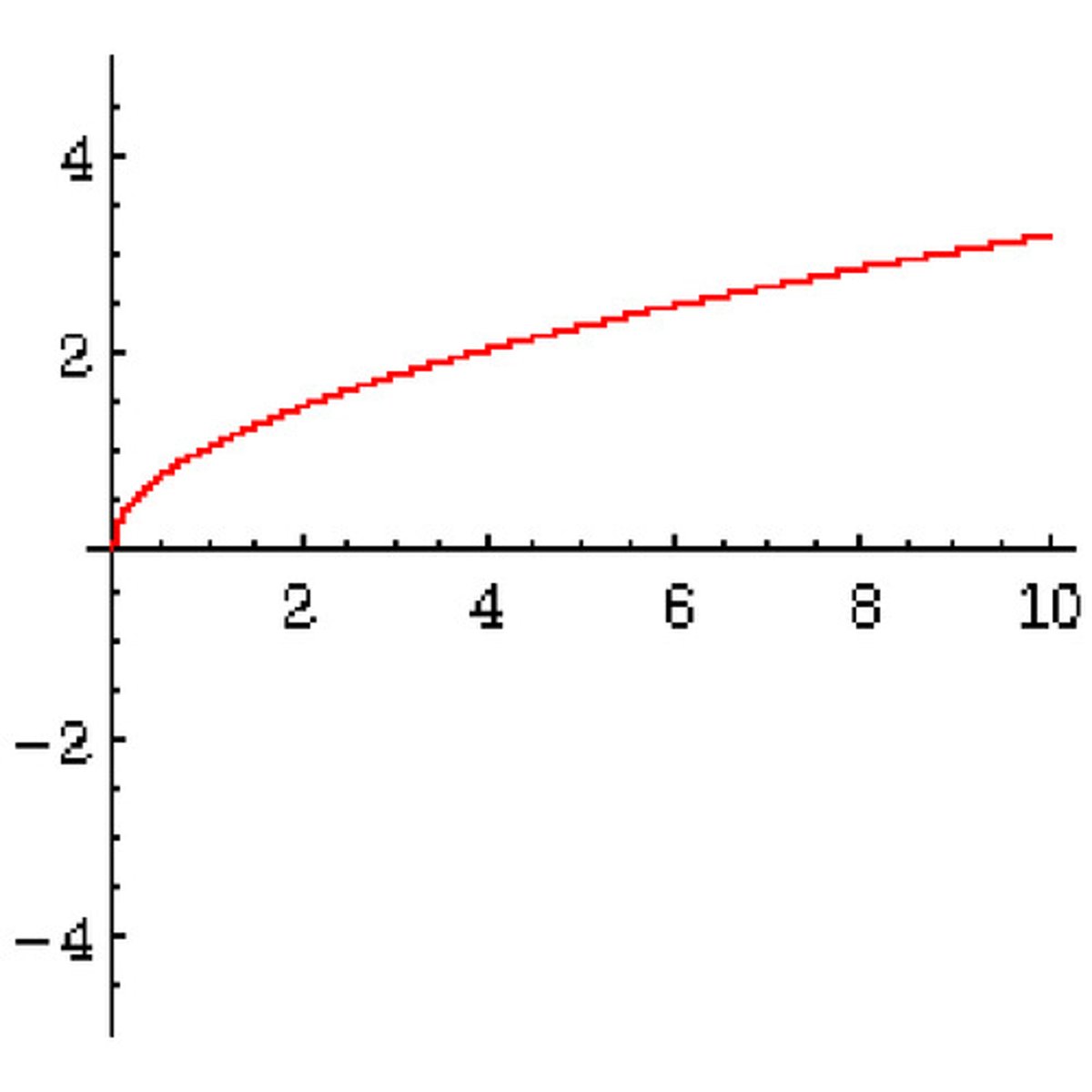
f(x)=(root)x
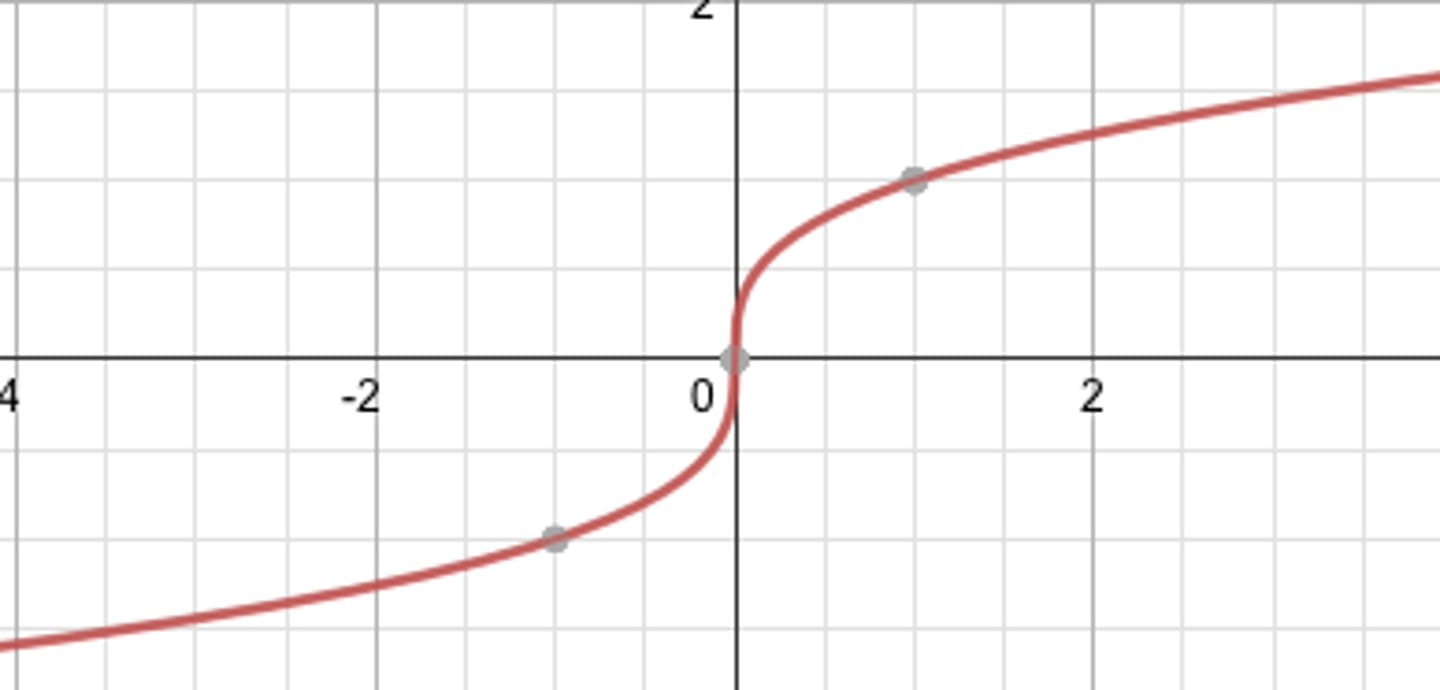
f(x)=(cube root)x
Shift up by c
f(x)+c
Shift down by c
f(x)-c
Shift left by c
f(x+c)
Shift right by c
f(x-c)
Reflect About x-axis
-f(x)
Reflect About y-axis
f(-x)
Vertical Stretch
c(f(x))
Vertical Shrink
f(x)/c
Horizontal Stretch
f(x/c)
Horizontal Shirnk
f(cx)
What function has no inverse?
f(x)^2
f(x) has an inverse if it passes what test
horizontal line test
Steps for Finding Inverse Functions
1) write f(x) as y
2) interchange x and y
3) solve for y in terms of x
4) write y as f^-1(x)
General Quadratic Form
f(x)=ax^2+bx+c
Vertex Form
f(x)=a(x-h)^2+k
(h, k) = vertex
x=h = axis of symmetry
(positive)x^(even)
rises to the left, rises to the right
(negative)x^(even)
falls to the left, falls to the right
(positive)x^(odd)
falls to the left, rises to the right
(negative)x^(odd)
rises to the left, falls to the right
Standard From for Complex Numbers
a+bi
i^1
i
i^2
-1
i^3
-i
i^4
1
Exponential Function
3^x
Power Function
x^3
Annual Compound Formula
y=P(1+r)^t
Continuous Compound Formula
y=Pe^rt
Compound n Times per Year Formula
y=P(1+r/n)^nt
Circumference
The distance around a circle, C=2πr
Arc Length
secant(in rad) x r
Area of a Circle Segment
(1/2) x secant(in rad) x r^2
Convert Degrees to Radian
multiply by 180(degrees)/pi
Convert Radians to Degrees
multiply by pi/180(degrees)
sin x
opp/hyp
cos x
adj/hyp
tan x
opp/adj
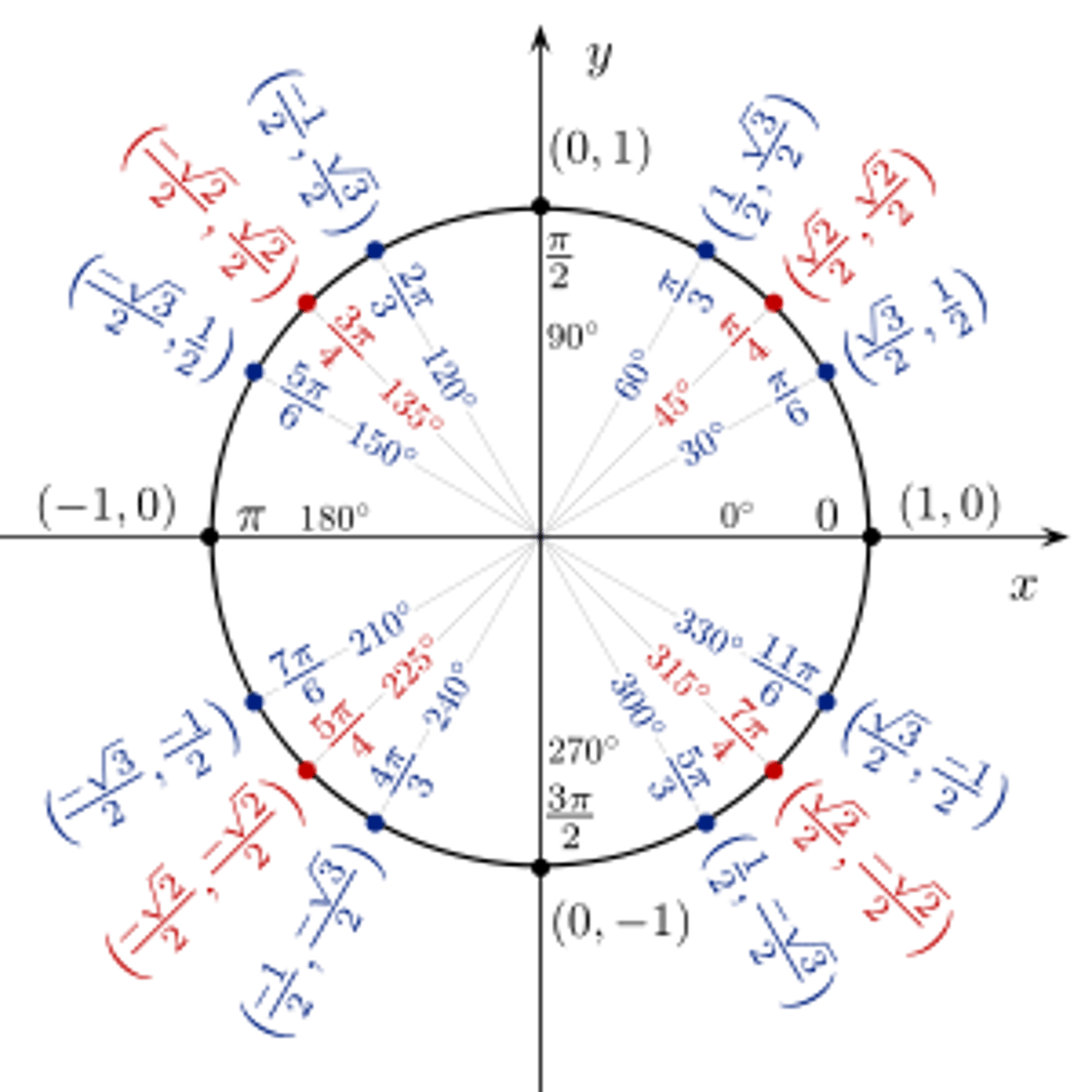
unit circle
Reciprocal Identities
csc(x)=1/sin(x)
sec(x)=1/cos(x)
cot(x)=1/tan(x)
Quotient Identities
tan(x)=sin(x)/cos(x)
cot(x)=cos(x)/sin(x)
Pythagorean Identities
sin^2(x) + cos^2(x) = 1
1 + tan^2(x) = csc^2(x)
1 + cot^2(x) =csc^2(x)