N212B Exam #1 Studying Pharm Focused
 Call Kai
 Learn
Learn Practice Test
 Spaced Repetition
 Match
Match Flashcards
 Knowt Play
1/73

There's no tags or description
Looks like no tags are added yet.
Name | Mastery | Learn | Test | Matching | Spaced | Call with Kai | Chat |
|---|
No analytics yet
Send a link to your students to track their progress
74 Terms
Cardiovascular Medications
Heart Failure Drugs
Heart failure is not a specific disease per se but rather a clinical syndrome caused by numerous different cardiac disorders.
Angiotensin-converting enzyme (ACE) inhibitors
Examples:
captopril (Capoten)
lisinopril (Zestril)
enalapril (Vasotec)
fosinopril(Monopril)
“prils”
Chill pril
Indications/Therapeutic uses:
Hypertension
Heart failure
MI
Diabetic nephropathy
ACE Inhibitors: Mechanism of Action
Blocks the formation of angiotensin II, thus causing →
a. vasodilation
b. prevents production of aldosterone, causing an increase in excretion of Na & water
c. reduction in pathological changes to blood vessels and heart
d. increased serum potassium
Prevents sodium and water reabsorption by inhibiting aldosterone secretion
Diuresis as a result, which decreases preload (Left ventricular end-volume) and the work of the heart
Angiotensin II is a potent vasoconstrictor and induces aldosterone secretion by the adrenal glands. Aldosterone stimulates sodium and water resorption, which can raise blood pressure. Together, these processes are referred to as the renin-angiotensin-aldosterone system. The ACE inhibitors are beneficial in the treatment of heart failure because they prevent sodium and water retention by inhibiting aldosterone secretion. This causes diuresis, which decreases blood volume and blood return to the heart. This, in turn, decreases preload, or the left ventricular end-diastolic volume, and the work required of the heart.

ACE Inhibitors: Adverse Effects
Usually related to the effects of vasodilation and alterations in blood flow
But generally well tolerated
Serious allergic reactions, including angioedema
Hyperkalemia
Captopril, moexipril, perindopril: more serious effects
Dry cough → persistent, dry, and irritating cough b/c ACE inhibitors cause a buildup of bradykinins, which induces the cough reflex
Common reason pts quit/switch to another medication
ACE inhibitors can cause renal failure and hyperkalemia.

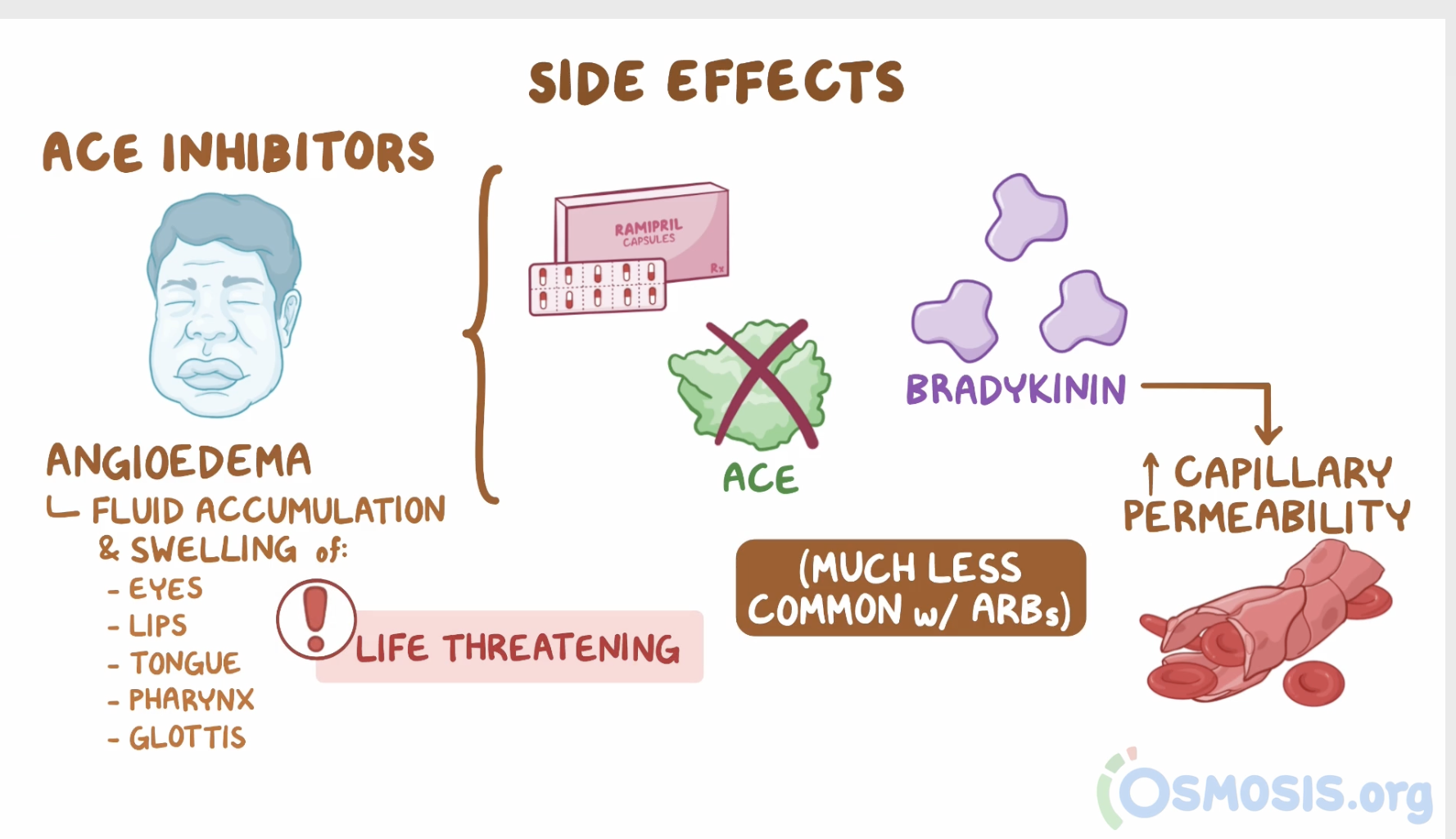
ACE Inhibitors Cont.
ACE inhibitors and ARBs that act on the RAAS have a Black Box warning for causing fetal injury or death, so they should not be used during pregnancy.
Perform a baseline assessment, including vital signs, and review diagnostic tests like CBC, sodium, potassium, creatinine, BUN, and urinalysis. For patients of childbearing age, obtain a negative pregnancy test.
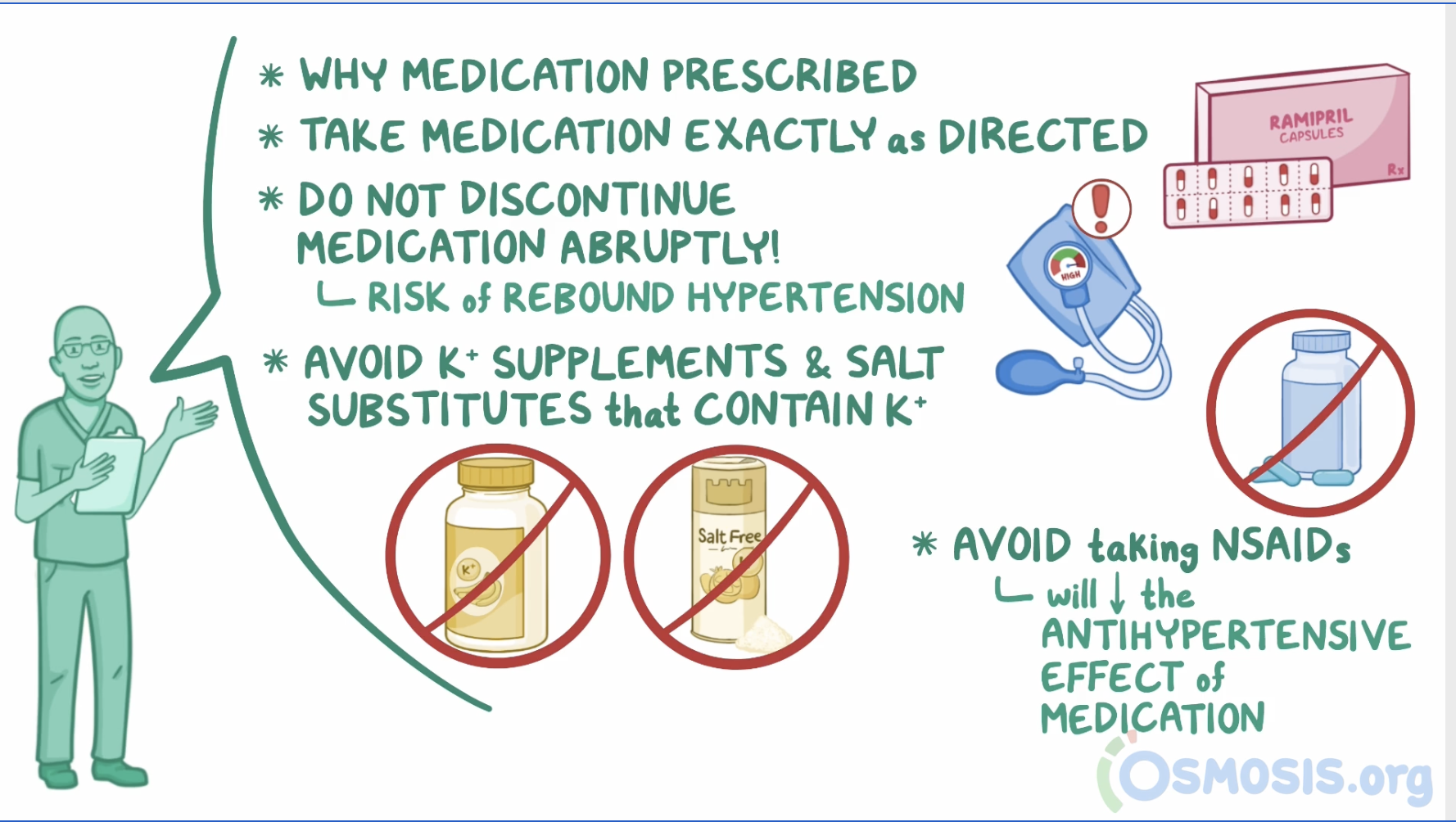
Emphasize the importance of taking the medication exactly as directed, and to not discontinuing the medication abruptly because of the risk of rebound hypertension. Also, discuss the importance of avoiding potassium supplements and salt substitutes that contain potassium while taking an ACE inhibitor or ARB, and advise them to avoid NSAIDs, as they can reduce the antihypertensive effect of their medication.
Remind them to make position changes slowly until they adjust to their medication
Discuss possible adverse effects that require immediate medical attention, like angioedema. Also, assist your patient by teaching them about lifestyle modifications such as weight loss, smoking cessation, decreased alcohol intake, increased physical activity, and following a low-sodium diet. Also teach them how to take their blood pressure at home, and explain blood pressure readings that warrant the need to seek medical attention.
Finally, for patients of childbearing age, stress the importance of using an effective birth control method when taking these medications, and instruct your patient to inform their healthcare provider if they think they might be pregnant.

Angiotensin II receptor blockers (ARBs)
Examples:
losartan (Cozaar)
irbesartan (Avapro)
valsartan (Diovan)
“-sartans”
Indications/Therapeutic uses:
Hypertension
Heart failure
MI
Diabetic nephropathy
ARBs: Mechanism of Action
Blocks angiotensin II receptors, leading to:
a. vasodilation
b. prevents secretion of aldosterone, causing Na & water excretion
Potent vasodilators → decreases systemic vascular resistance (afterload)
Used alone or in combination with other drugs such as diuretics in the treatment of hypertension or heart failure.
ARBs: Adverse Effects
Headache, dizziness, syncope, weakness
GI complaints
Dry mouth and tooth pain
Symptoms of upper respiratory infections and cough
Rash, dry skin, alopecia
ACE Inhibitors + ARBs: Contraindications

ACE Inhibitors + ARBs: Nursing Considerations
Vital signs, especially HR and BP
Labs:
CBC
Na+
K+
Creatine
BUN
Urinalysis
Negative pregnancy test

Aldosterone antagonists
Examples:
eplerenone (Inspra)
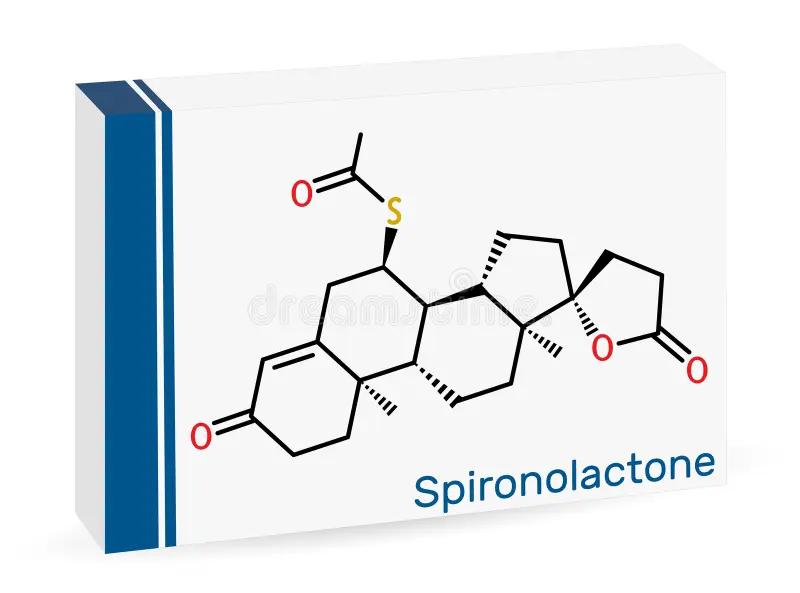
spironolactone (Aldactone)
Indications/Therapeutic Uses:
Hypertension
HF post MI
MOA:
Blocks aldosterone receptors in the kidneys leading to:
a. increased excretion of Na & water
b. reduced blood volume
Adverse Effects:

Calcium channel blockers (CCBs)
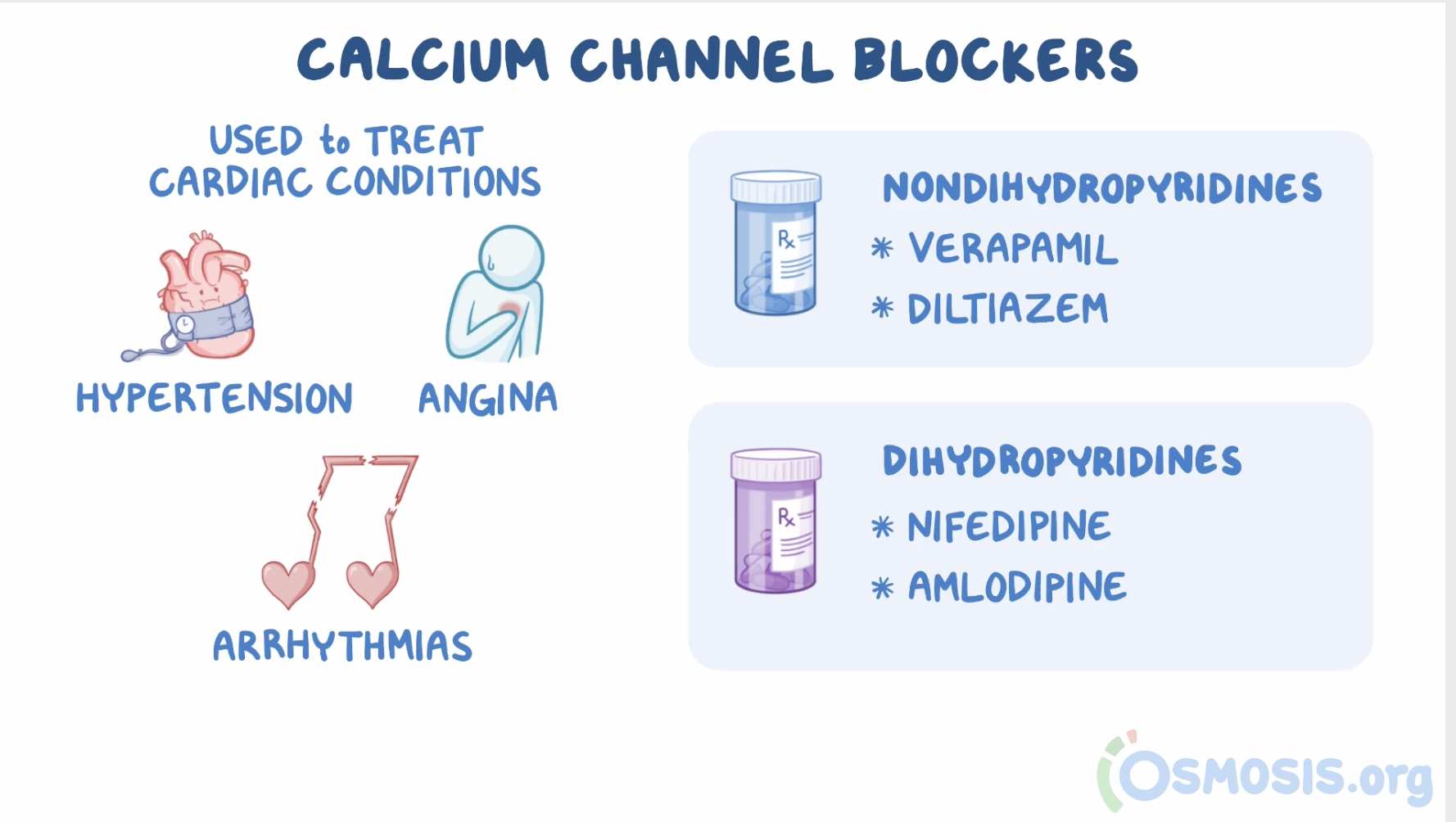
Examples:
Selective for blood vessels:
nifedipine(Procardia)
amlodipine(Norvasc)
Non-selective for both blood vessels & heart:
verapamil (Calan)
diltiazem(Cardizem)
Indications/Therapeutic Uses:
Hypertension
Angina
Cardiac dysrhythmias
MOA:
1) Slows movement of calcium into
smooth muscle cells leading to → increases vasodilation (Increases blood flow + oxygen levels to the heart)
2) Slows calcium channels in
myocardium leading to:
a. decreased force of contraction
b. decreased heart rate
c. slowed conduction through AV node

CCB: Adverse Effects
Related to effects on cardiac output
CNS effects
GI effects
Constipation
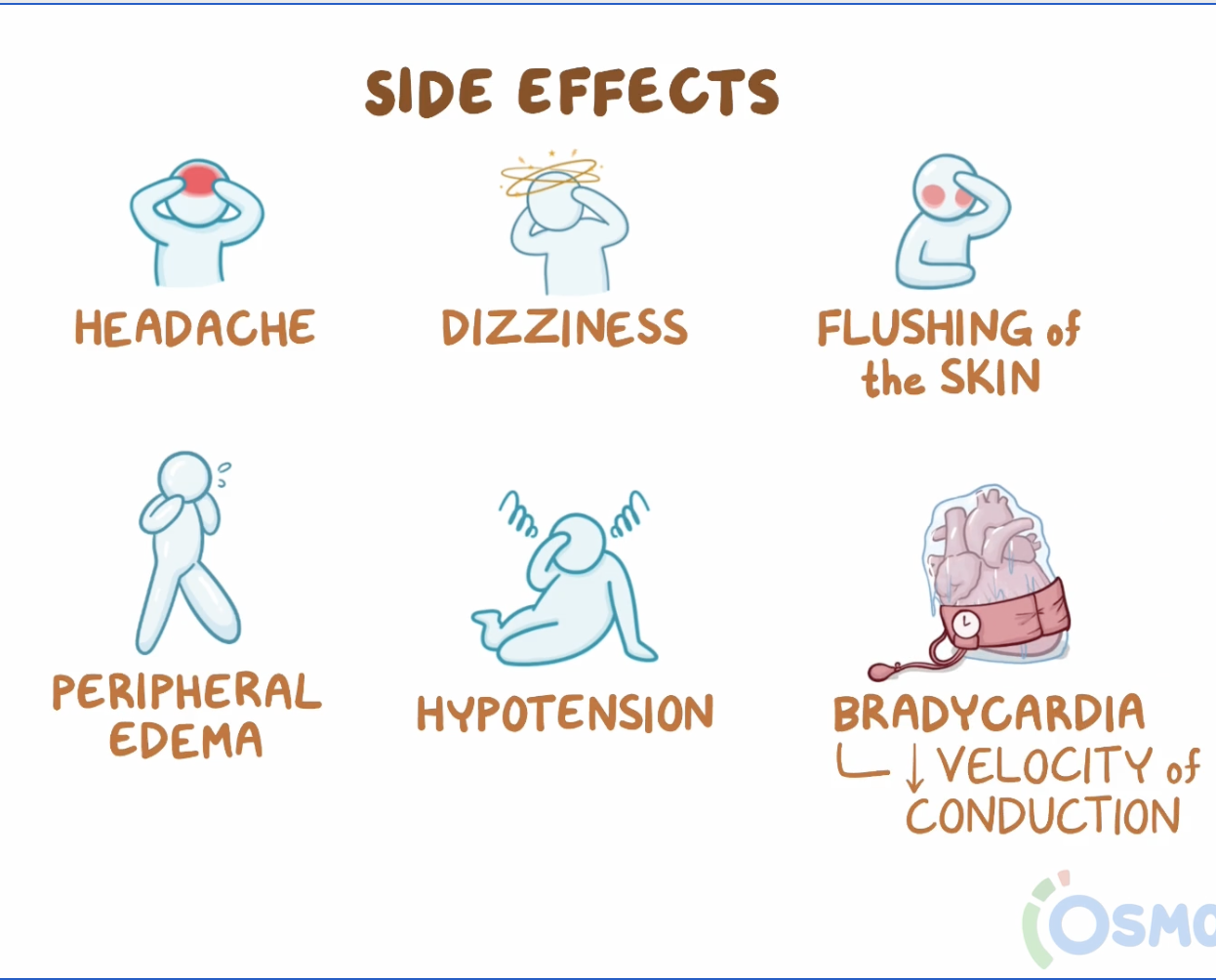
CV effects (bradycardia, peripheral edema, and hypotension)
Skin flushing and rash → Stevens-Johnson syndrome
Renal faillure



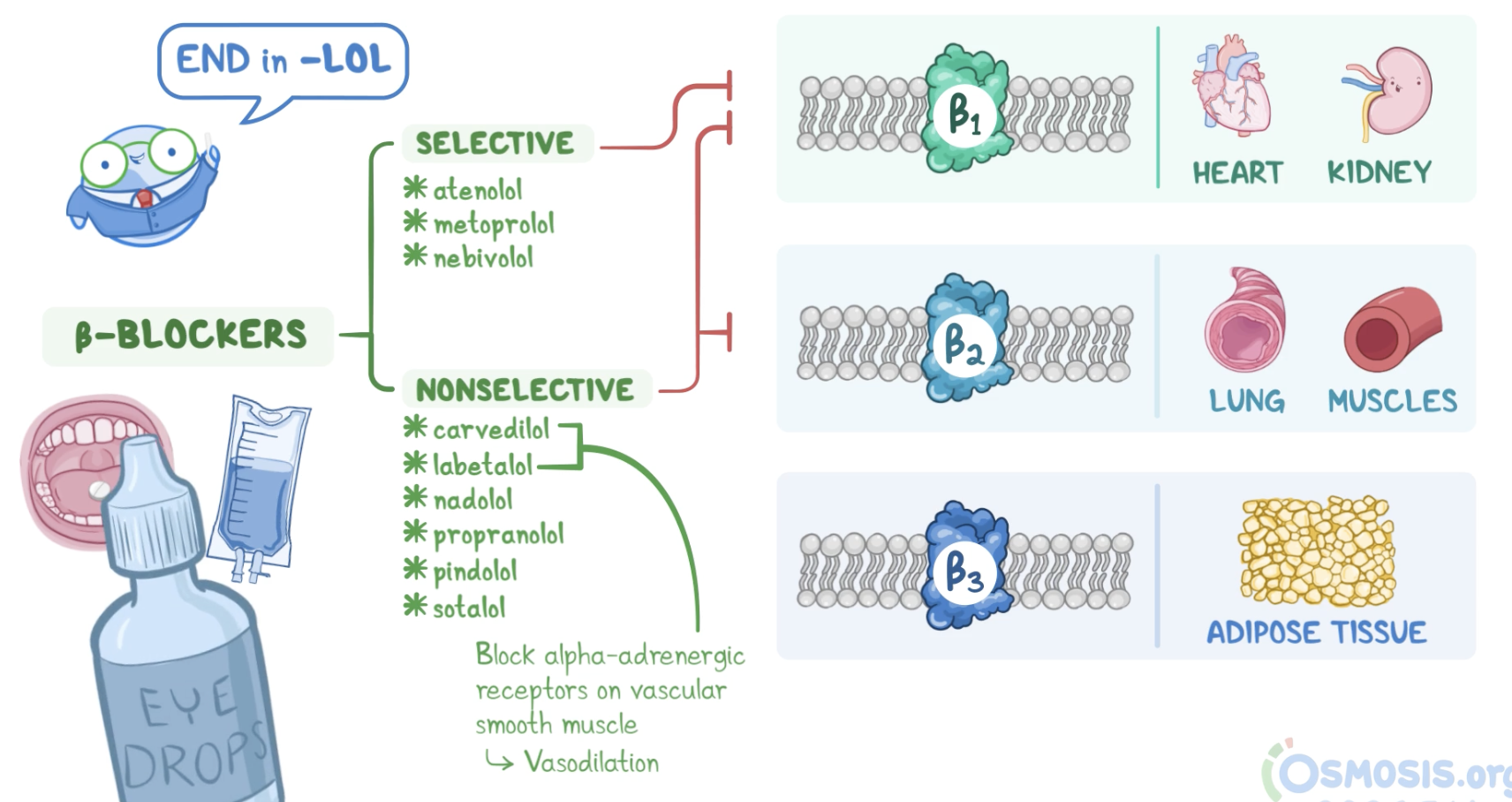
Beta-adrenergic Blockers (Beta Blockers)
Beta-1 → 1 heart
Beta-2 → 2 lungs
Examples:
metoprolol (Lopressor)
atenolol (Tenormin)
propranolol (Inderal)
carvedilol (Coreg)
labetalol (Trandate)
Indications/Therapeutic Uses:
Hypertension
Angina
Heart failure
Tachydysrhythmias
MI
+ Cardiac dysrhythmias
Mainly used to treat cardiovascular conditions like:
Hypertension
Coronary artery disease and its manifestations, such as angina pectoris and myocardial infarction, as well as heart failure and arrhythmias.
Beta blockers can also be used to treat essential tremor, glaucoma, and as a prophylactic treatment for migraine attacks.

Beta Blockers: Mechanism of Action
MOA:
Blocks beta receptors in the myocardium
leading to:
a. decreased force of contraction
b. decreased heart rate
c. slowed conduction through AV node
Also blocks beta-1 receptors in the kidneys
reducing release of renin and angiotensin II
leading to vasodilation
Blocks norepinephrine and epinephrine from binding to the beta receptors → decreases sympathetic nervous system response
Blocks beta-1 receptors in the myocardium and kidneys, as above, and also beta-2 receptors in the lungs
Main therapeutic effects of beta blockers come from the blockade of beta 1 receptors in the heart, which decreases heart contractility and slows conduction through the atrioventricular or AV node. This lowers heart rate, which ultimately decreases cardiac output. In addition, the blockade of beta-1 receptors in the kidneys decreases the release of renin, which stimulates the adrenal glands to release aldosterone.
So, with beta blockers, there will be less renin and aldosterone, which results in natriuresis, or water and sodium excretion, reducing blood volume.
Therefore, beta blockers effectively lower cardiac preload and blood pressure and can be useful for clients with hypertension.

Beta blockers: Side effects
Related to blocking of beta-1 receptors in SNS
CNS effects
CV effects
Pulmonary effects
GI effects
GU effects
Decreased exercise tolerance, hypoglycemia, or hyperglycemia. Liver changes
Hypoglycemia unawareness, where a client with diabetes develops hypoglycemia but does not experience the typical hypoglycemic symptoms mediated by epinephrine, like tachycardia, palpitations, tremor, and anxiety.


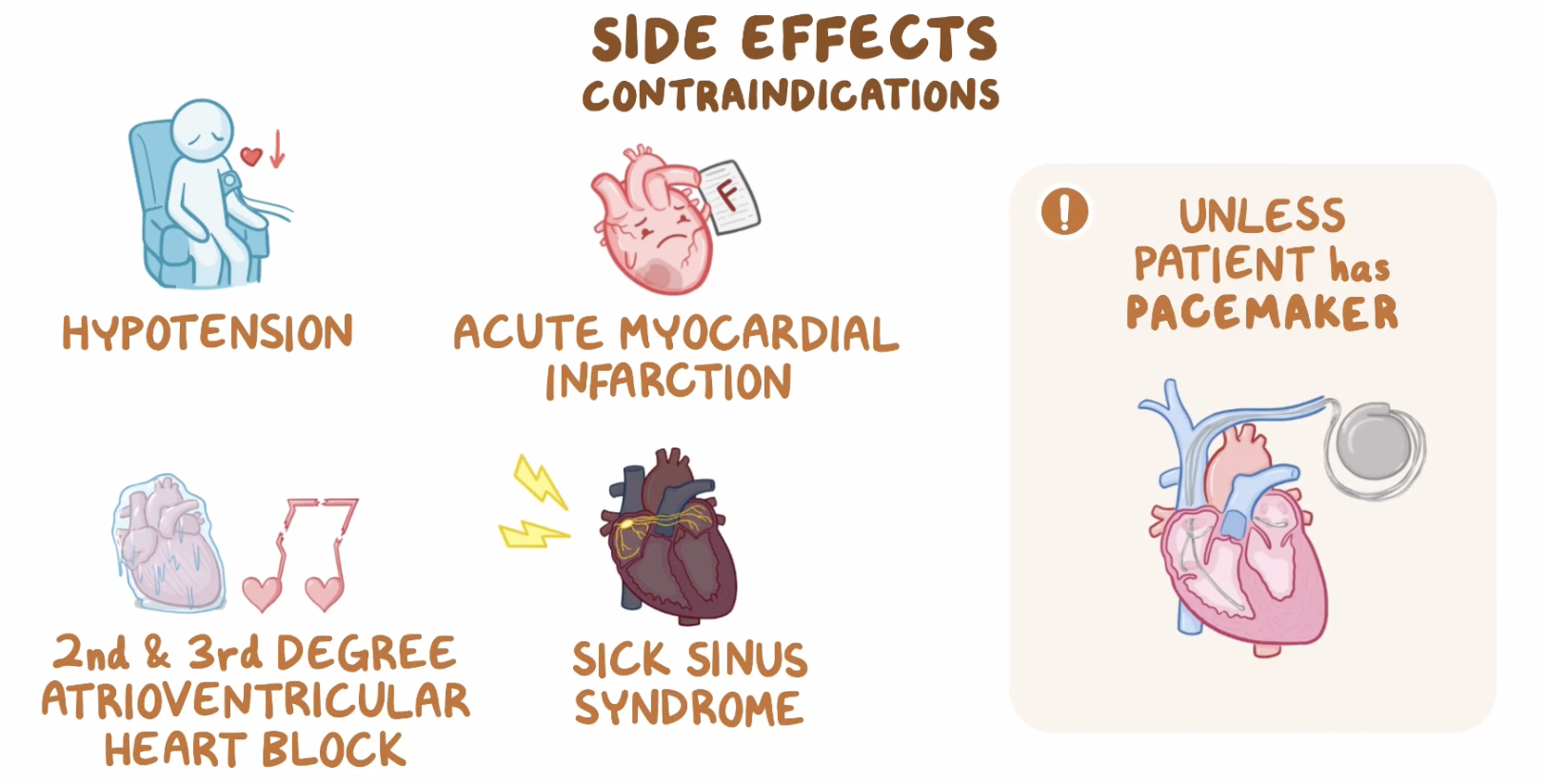
Beta Blockers Contraindications
As far as contraindications go, beta blockers should be avoided in clients with:
Bradycardia
Hypotension
Decompensated heart failure
A second- or third-degree AV block
Beta blockers should be used with caution in clients with:
Asthma and chronic obstructive pulmonary disease, like COPD, due to their bronchoconstrictive effect, as well as in clients with diabetes due to their hyperglycemic effect.
Caution should also be taken in clients with Raynaud phenomenon, a condition where clients experience recurrent vasospasm of the blood vessels supplying fingers and toes, and this can be exacerbated by the use of beta blockers. Finally, these drugs should be used with caution in clients with severe hepatic and renal diseases, since they are metabolized and excreted by the liver and the kidneys.


Cardiac glycoside
Example:
Digoxin
Indications/Therapeutic Uses:
Heart failure
Atrial fibrillation
MOA:
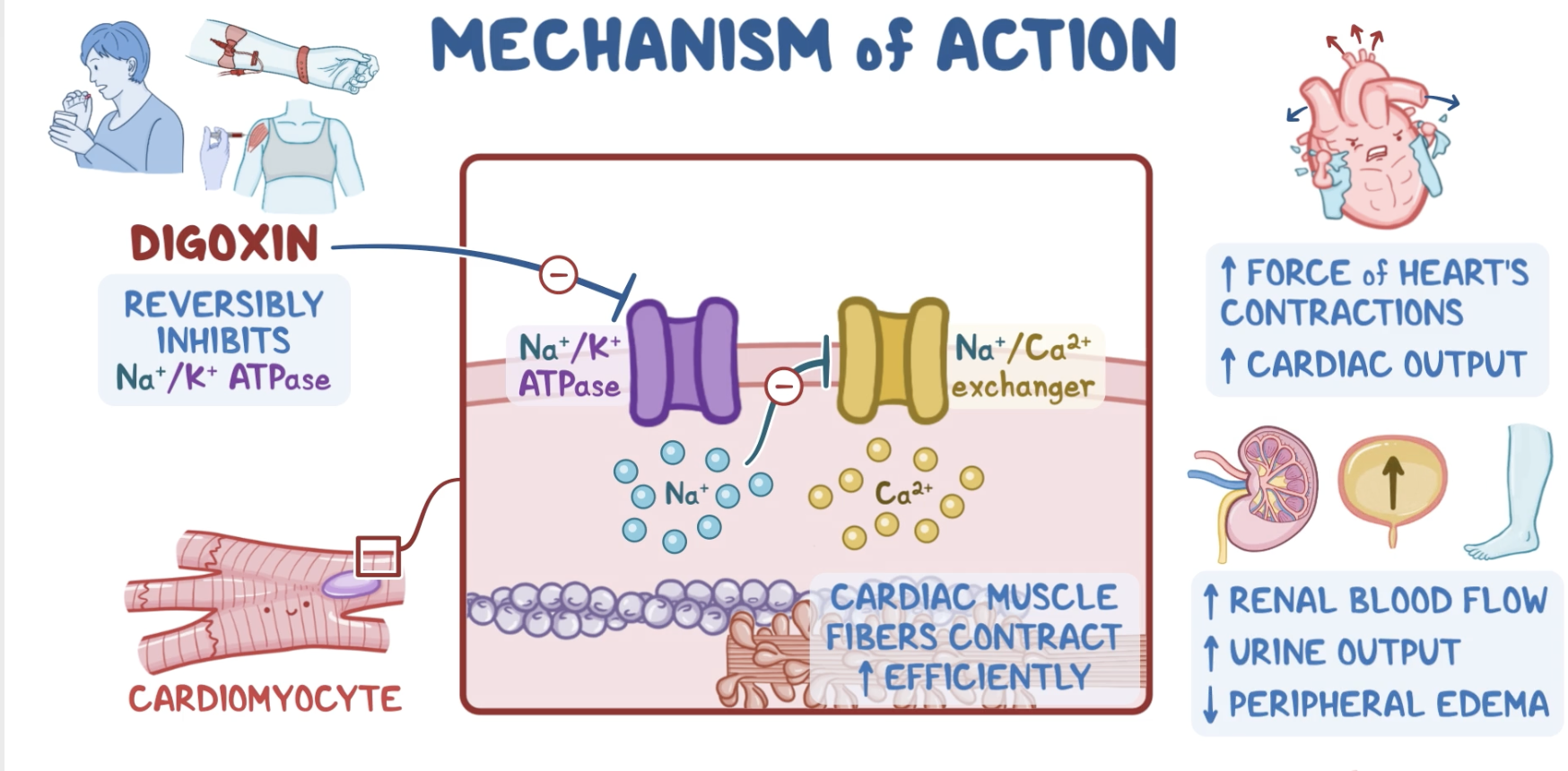
Inhibits Na/K/ATPase enzyme needed for pumping Na ions out of heart cells.
As Na accumulates in the cells, calcium ions are released, producing:
a. increased force of contractions
b. improved stroke volume & CO


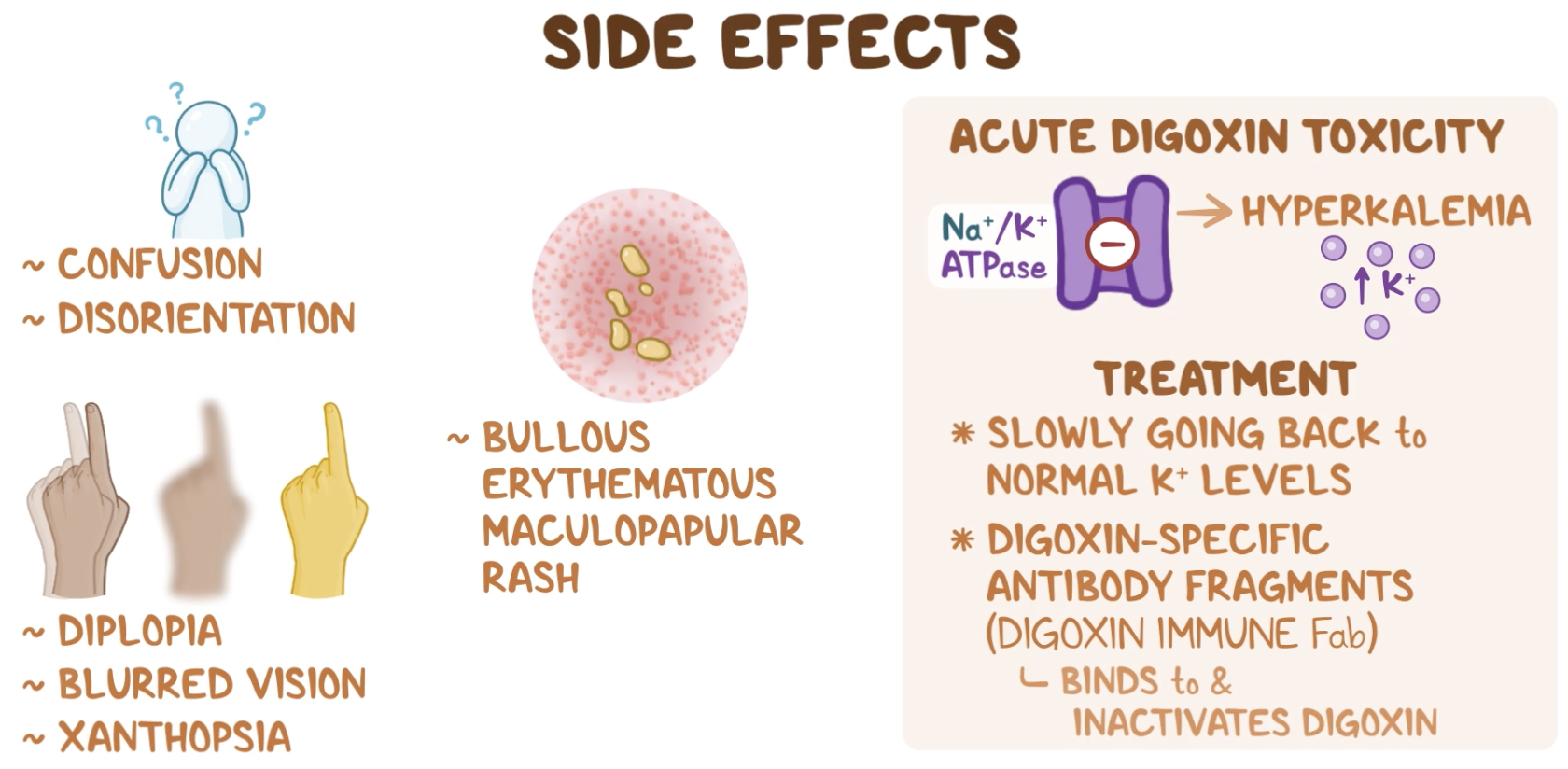
Cardiac glycosides: Side Effects
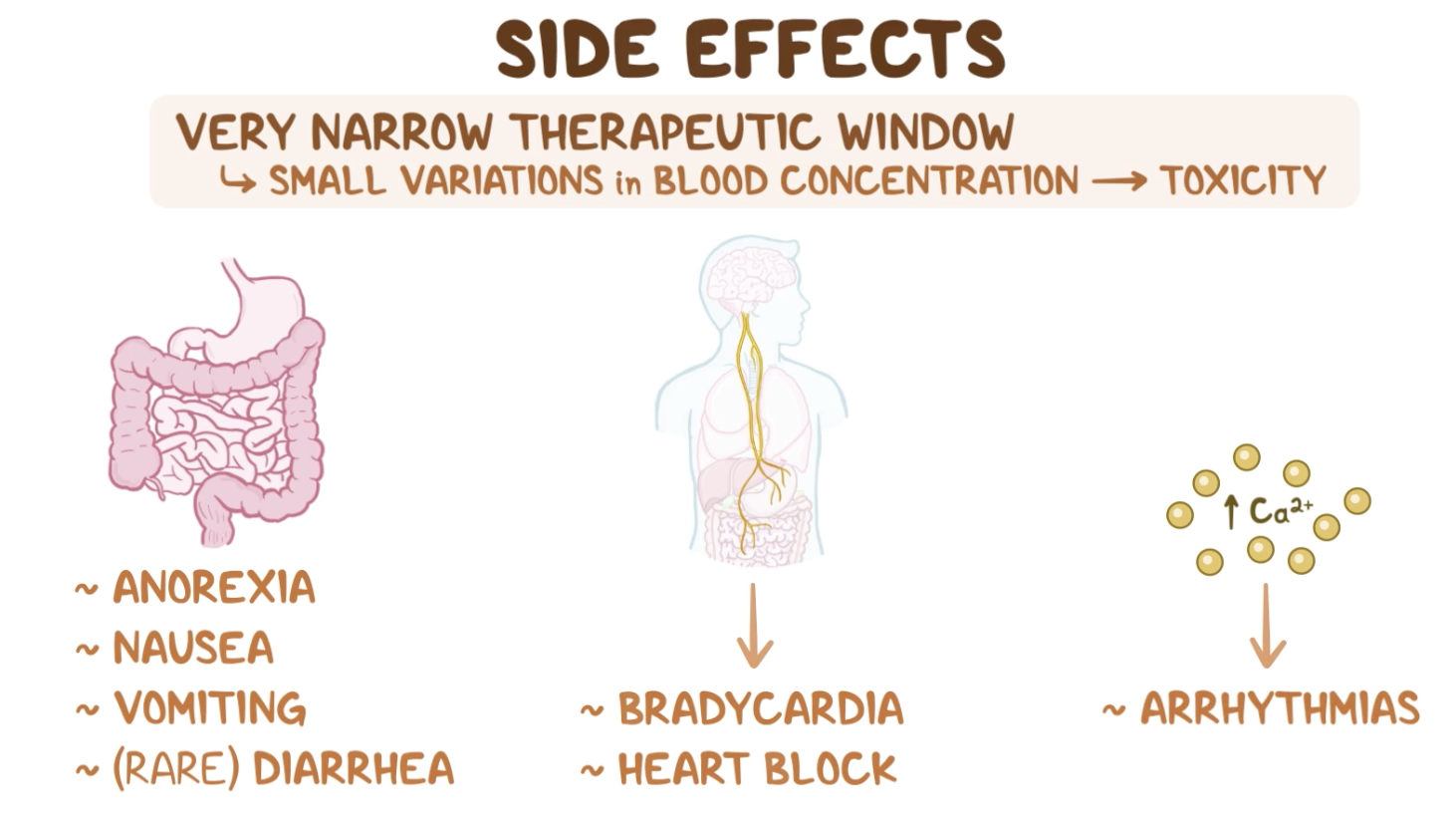
Most frequently seen: headache, weakness, drowsiness, and vision changes
GI upset and anorexia
Arrhythmias
Digoxin toxicity

Diuretics
Examples:
Thiazide
Lasix
Indications/Therapeutic Uses:
HTN
MOA:

Antilipemic Drugs

HMG-CoA reductase inhibitors (Statins)
Antilipemic → medications used to lower high levels of lipids, such as cholesterol and triglycerides, in the blood
Lowers LDL (bad cholesterol), increases HDL good cholesterol
Examples:
atorvastatin (Lipitor)
Indications/Therapeutic Uses:
Hypercholesterolemia
Prevention of MIs
MOA:
Interferes with the hepatic enzyme HMG-CoA reductase to reduce cholesterol precursors.
Decreases manufacture of LDL & VLDL
Increases manufacture of HDL


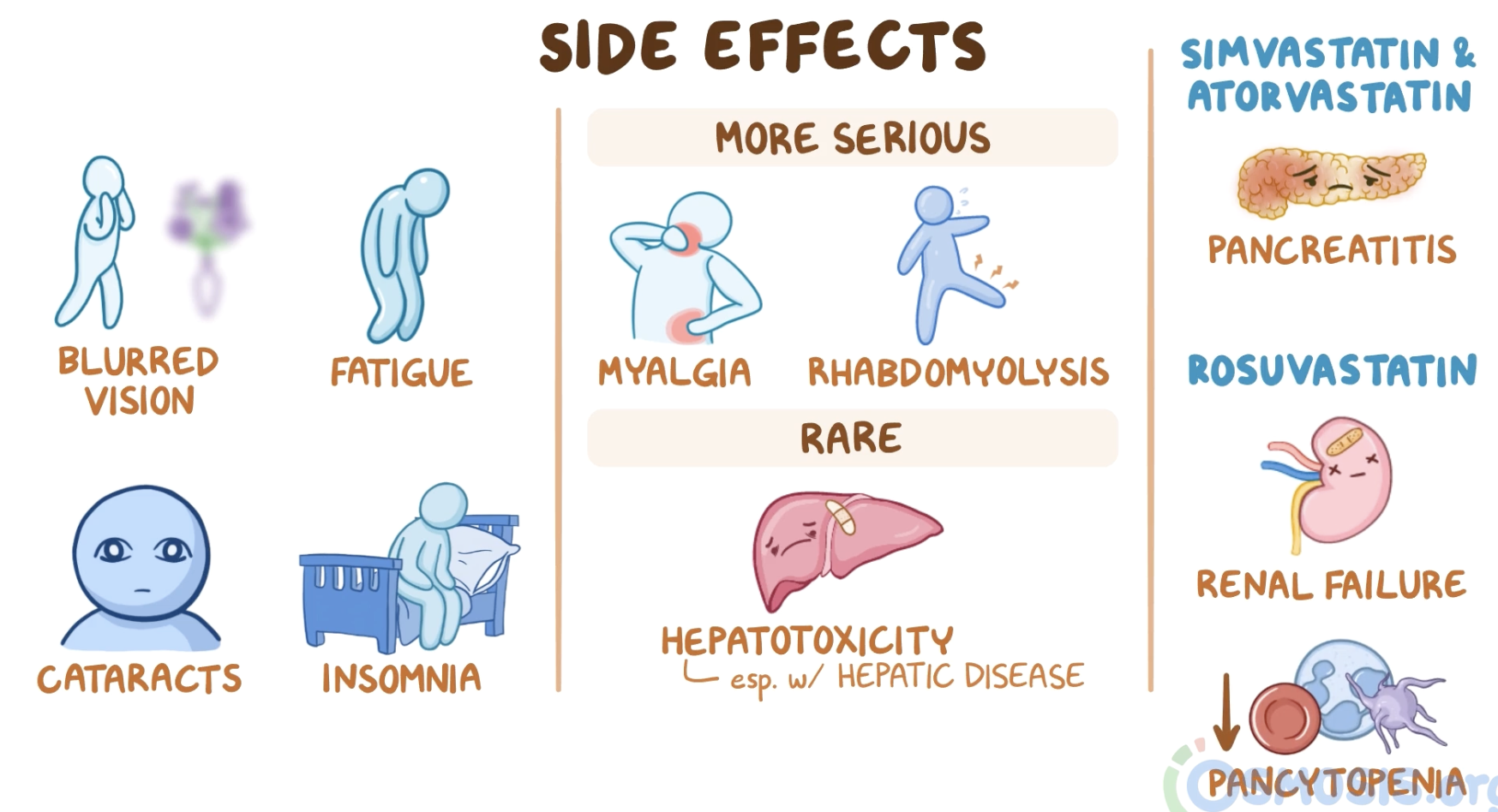
Statins: Side Effects
GI effects
CNS effects
Hepatotoxicity
Rhabdomyolysis



Nicotinic acid (Niacin)
Indications/Therapeutic Uses:
Hypercholesterolemia
Prevention of MIs
MOA:
Decreases LDL & triglycerides synthesis
S/E:

Antidysrhythmic Drugs
Class I (Sodium Channel Blockers)
Class II (Beta Blockers)
Class III (Potassium Channel Blockers)
Class IV (Calcium Channel Blockers)
Antidysrhythmic Drugs: Contraindications, Interactions, and Adverse effects
Contraindications:
Known drug allergy
Second- or third-degree AV block, bundle branch block, cardiogenic shock, sick sinus syndrome, or other ECG changes depending on the clinical judgment of a cardiologist
Concurrent use of other antiarrhythmic drugs
Interactions:
Warfarin (Coumadin)
Monitor the international normalized ratio (INR)
Grapefruit juice
Interacts w/ amiodarone, disopyramide, and quinidine
S/E:
Adverse effects common to most antidysrhythmics include hypersensitivity reactions, nausea, vomiting, and diarrhea.
Class I → Sodium Channel Blockers
Membrane-stabilizing sodium channel blockers
Three categories:
la → Block sodium (fast) channels, delay repolarization, increase action potential duration; used for atrial contractions, ventricular tachycardia, and Wolff-Parkinson-White syndrome. Ex: Procainamide, quinidine, disopyramide
lb → Block sodium channels, accelerate repolarization
Lidocaine is used for ventricular dysrhythmias only
Phenytoin is used for atrial and ventricular tachyarrhythmias caused by digitalis toxicity or long QT syndrome
lc → Blocks sodium channels, more pronounced effects than la or lb
Flecainide, propafenone

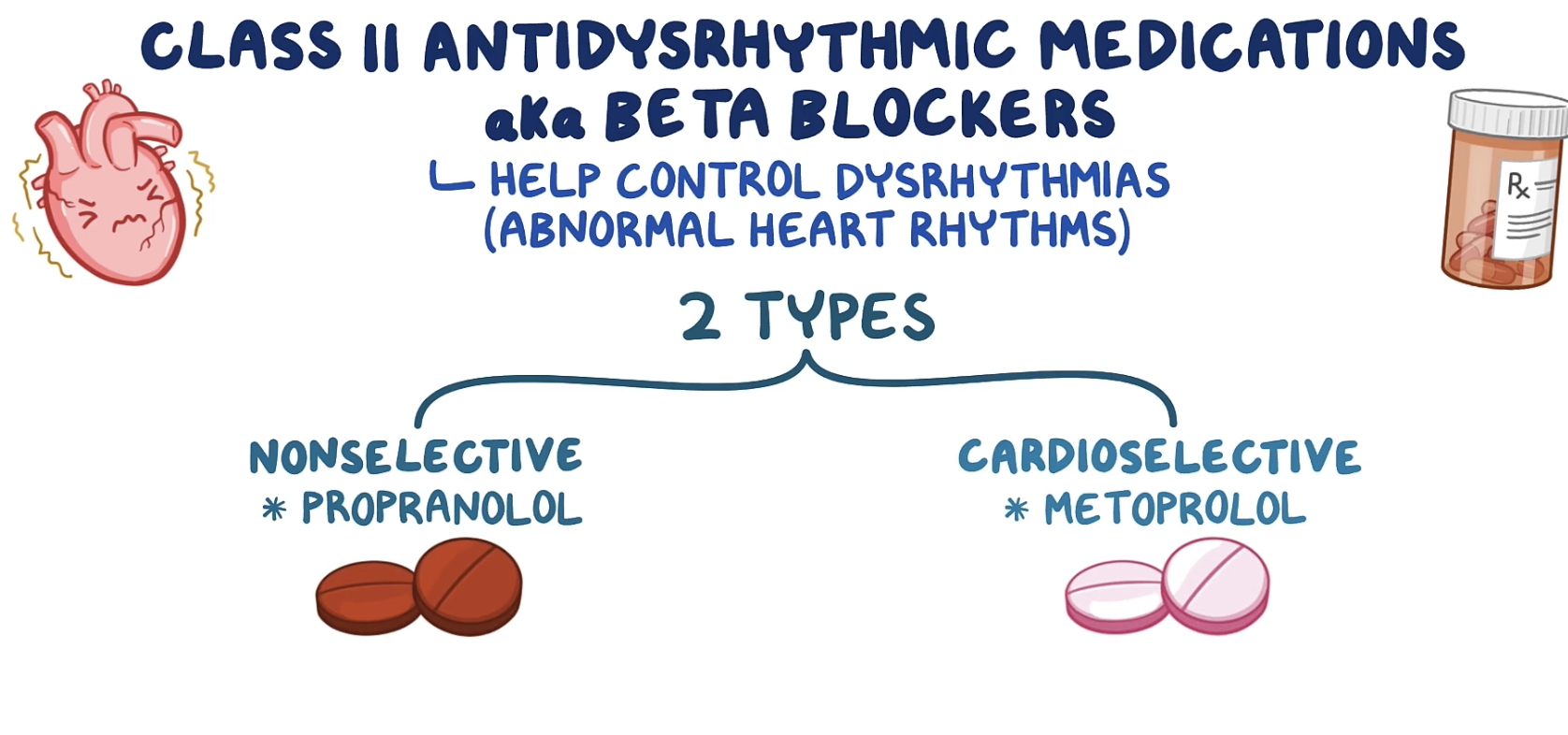
Class II → Beta Blockers
Reduce or block SNS, reducing transmission of impulses through the heart’s conduction system
Propranolol should be avoided in those w/
Asthma (could cause bronchoconstriction through beta-2 blockade)
Diabetes mellitus (suppresses signs of hypoglycemia and decreases glycogenolysis)
Hx of anaphylaxis (prevents rescue epinephrine from working)
Depression (can exacerbate)
NEVER stop taking BBs abruptly
Withdrawal
HTN
Angina
MI
Metoprolol Black Box warning: need for a gradual reduction in dose & close monitoring if discontinued
Pt education to avoid:
Caffeine → can increase catecholamine effect
Alcohol → can contribute to hypotension
Tobacco → contributes to vasoconstriction


Class III → Potassium Channel Blockers
Increases action potential duration
Used for dysrhythmias, life-threatening ventricular tachycardia or fibrillation, AFIB, or flutter resistant to other drugs
Amiodarone can also cause other serious complications such as ophthalmic effects like optic neuropathy and neuritis. Amiodarone may also cause photosensitivity, and the skin can turn a bluish-gray color with prolonged exposure to the sun.
Both medications are contraindicated in patients with:
second- or third-degree heart block
sick sinus syndrome
severe bradycardia in patients without a pacemaker.
Amiodarone has a Black Box warning stating that it should only be used in patients with life-threatening dysrhythmias.
Potassium channel blockers should not be combined with other medications that prolong the QT interval, such as certain macrolide antibiotics or fluoroquinolones, as well as some antipsychotics, like risperidone.
Dronedarone has a Black Box warning regarding its contraindication in patients with heart failure.


Excessive bradycardia can also result if these medications are combined with a beta blocker, and increased bleeding can result if they’re combined with warfarin.


Class IV → Calcium Channel Blockers
Inhibit slow channel (calcium-dependent) pathways
PSVT and rate control in AFIB and flutter
Calcium is essential for electrical conduction through the heart, the contraction of heart muscle, and the normal function of vascular smooth muscle. Calcium channel blockers work by preventing calcium from entering cells and binding with receptors. This slows sinoatrial, or SA, node automaticity, and delays conduction through the atrioventricular, or AV, node. It also reduces myocardial contractility, promotes decreased peripheral resistance, blood pressure, and cardiac workload.


Respiratory Medications


Bronchodilators
Bronchodilators are an important part of the pharmacotherapy for all respiratory diseases. These drugs relax bronchial smooth muscle, which causes dilation of the bronchi and bronchioles that are narrowed as a result of the disease process.
Three classes of drugs cause bronchodilation:
"BAM”
Beta-adrenergic agonists/beta 2 agonists
Anticholinergics
Xanthine derivatives


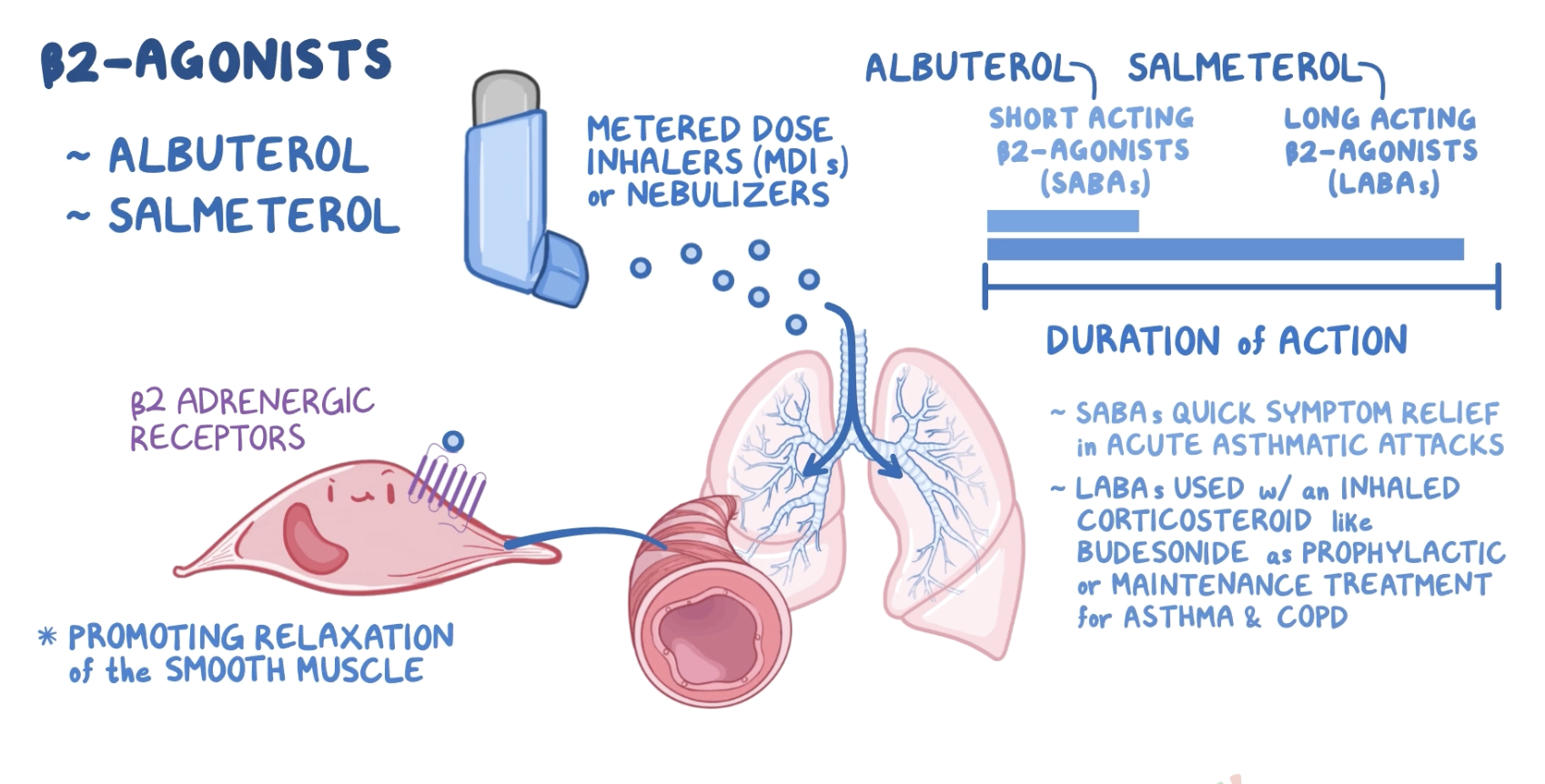
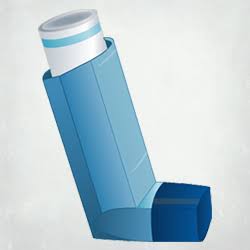
Beta-adrenergic agonists
Classified based on duration of action:
Short-acting beta (SABA) agonists
Long-acting beta-agonist (LABA) inhalers

Short-acting beta (SABA) agonists
Examples:
Albuterol (Ventolin, ProAir)
Levalbuterol (Xopenex)
Terbutaline (Brethine)
Metaproterenol (Alupent)
SABAs are used as rescue inhalers for acute episodes
“-buterol used for brutal attacks”
Commonly used during the acute phase of an asthmatic attack to quickly reduce airway constriction and restore airflow. They are agonists of the adrenergic receptors in the sympathetic nervous system. The beta agonists imitate the effects of norepinephrine on beta receptors. For this reason, they are also called sympathomimetic bronchodilators.
Long-acting beta-agonist (LABA) inhalers
Examples:
arformoterol (Brovana)
formoterol (Foradil, Perforomist)
salmeterol (Serevent),
LABAs are never used for acute treatment
Long-acting beta agonists are no longer recommended to be used alone; they need to be combined with an asthma-controlling medication such as an inhaled corticosteroid (e.g., Advair inhaler [fluticasone and salmeterol]).
Beta-Adrenergic Agonists Cont. → Indications
Relief of bronchospasm related to asthma, bronchitis, and other pulmonary diseases
Treatment + prevention of acute attacks
Because some of these drugs can stimulate both beta-1 and alpha-adrenergic receptors, they may be used to treat hypotension and shock
Beta-Adrenergic Agonists → Contraindications
Known drug allergy
Uncontrolled HTN
Cardiac dysrhythmias
High risk for stroke (because of the vasoconstrictive drug action)
Beta-Adrenergic Agonists Adverse Effects
Mixed alpha/beta agonists produce the most adverse effects because they are nonselective. These include insomnia, restlessness, anorexia, cardiac stimulation, hyperglycemia, tremor, and vascular headache.
Nonselective beta agonists are limited to beta-adrenergic effects, including cardiac stimulation, tremor, anginal pain, and vascular headache.
The beta2 drugs can cause both hypertension and hypotension, vascular headaches, and tremor.
Overdose management may include careful administration of a beta blocker while the patient is under close observation because of the risk for bronchospasm. Because the half-life of most adrenergic agonists is relatively short, the patient may just be observed while the body eliminates the medication.

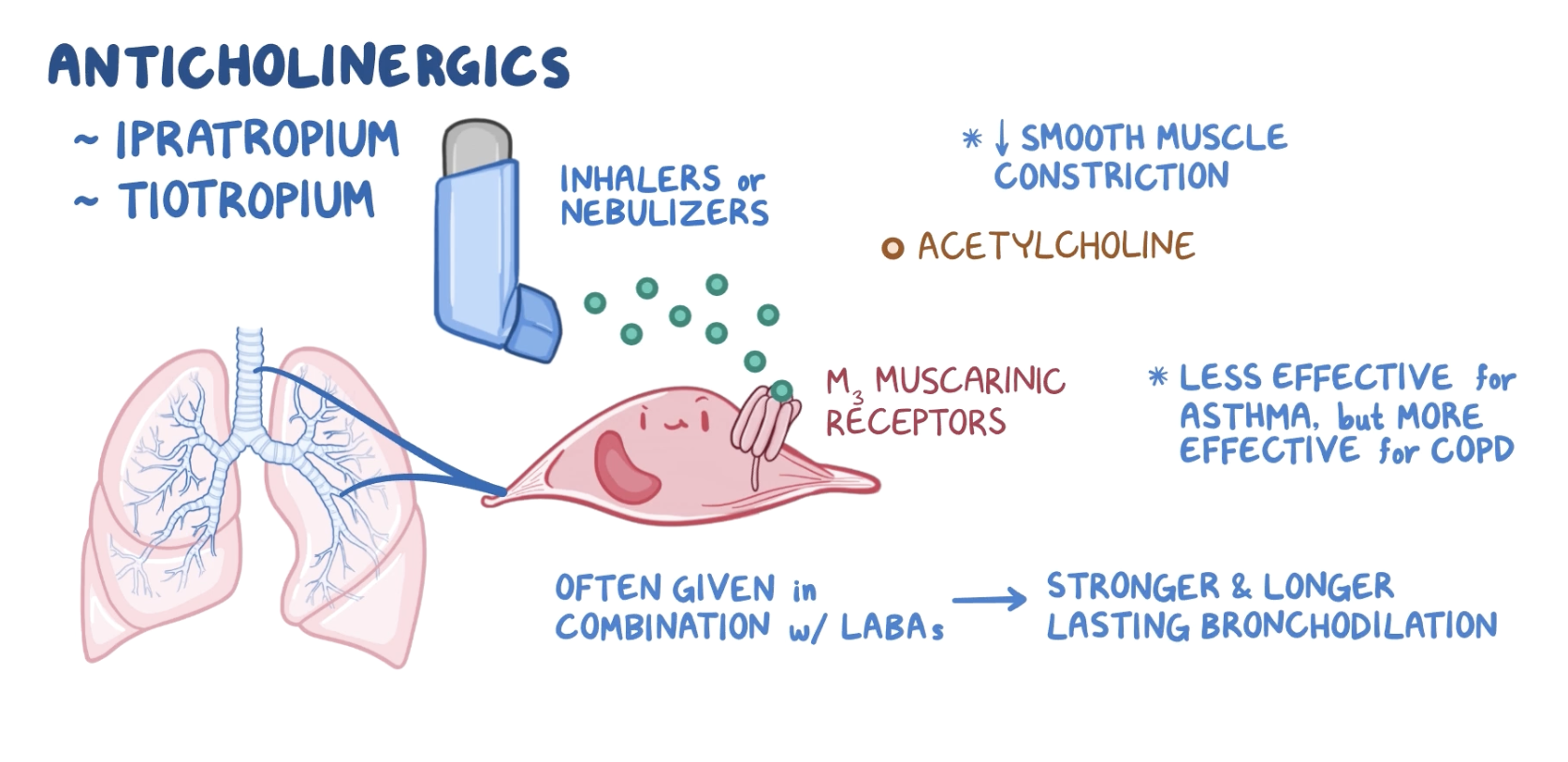
Anticholinergics (LAMAs)
“-tropium”
Currently, there are six anticholinergic drugs used in the treatment of COPD:
ipratropium (Atrovent)
tiotropium (Spiriva)
aclidinium (Tudorza)
umeclidinium (Incruse Ellipta)
revefenacin (Yupelri)
glycopyrrolate (Seebri).
These anticholinergic drugs are referred to as long-acting muscarinic antagonists (LAMAs).
Anticholinergics (LAMAs): MOA, indication, contraindications, and side effects
MOA:
On the surface of the bronchial tree are receptors for acetylcholine (ACh), the neurotransmitter for the parasympathetic nervous system (PSNS). When the PSNS releases ACh from its nerve endings, it binds to the ACh receptors on the surface of the bronchial tree, which results in bronchial constriction and narrowing of the airways. Anticholinergic drugs block these ACh receptors to prevent bronchoconstriction.
This indirectly causes airway relaxation and dilation
Help reduce secretions in COPD patients
Indications:
Because their actions are slow and prolonged, anticholinergics are used for the prevention of bronchospasm associated with COPD and emphysema, not for the management of acute symptoms.
Contraindicated:
Those who are already dry
Glaucoma
BPH
Urinary retention
Bowl obstruction
Side effects:
Dry mouth or throat, nasal congestion, heart palpitations, gastrointestinal distress, urinary retention, increased intraocular pressure, headache, coughing, and anxiety.
Can’t pee, poop, see
Ipratropium (Atrovent)
Oldest and most commonly used anticholinergic broncho dialator
Classified as a pregnancy category B drug


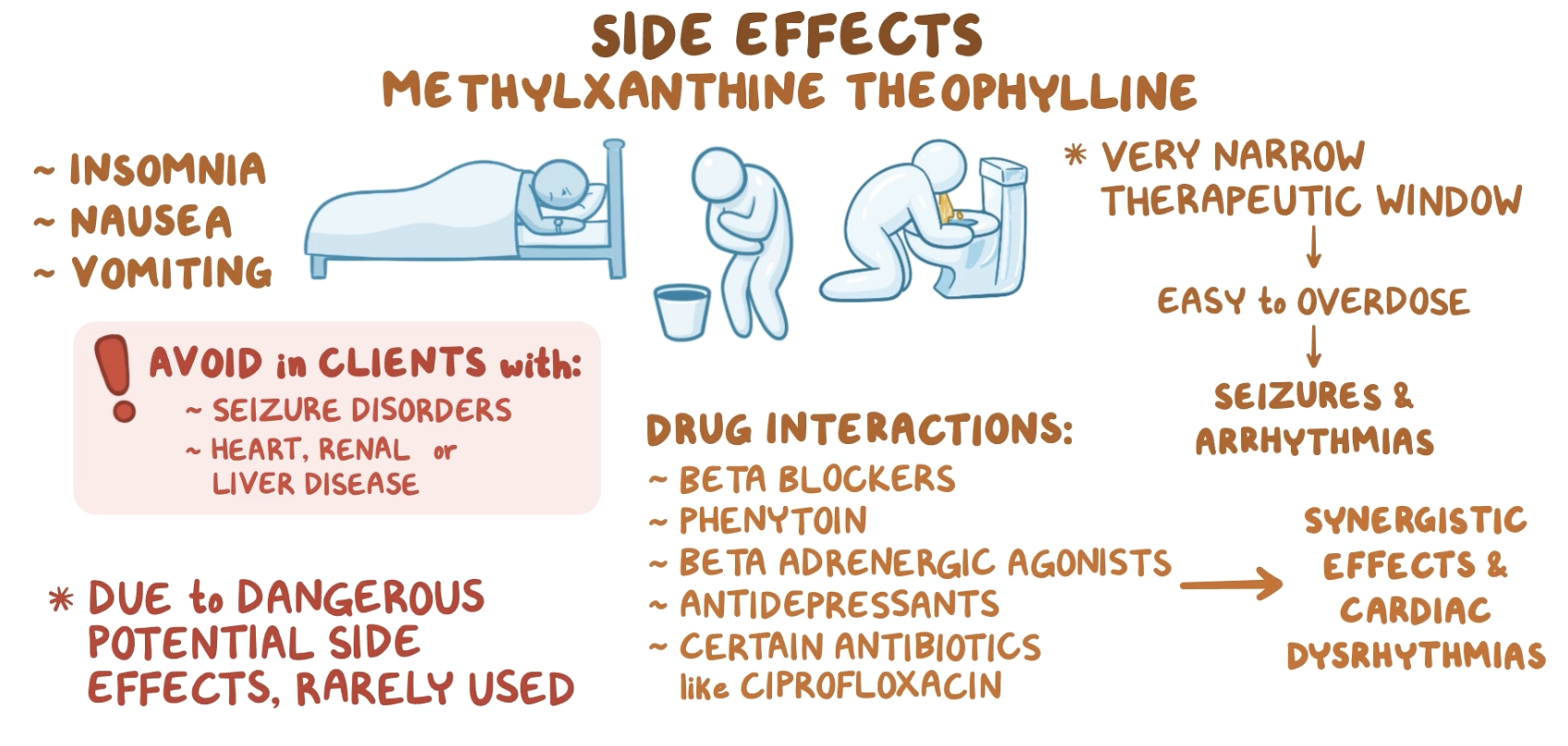
Methylxanthine derivatives
“-phylline”
Xanthines are used to dilate the airways in patients with asthma or COPD. They may be used in mild to moderate cases of acute asthma and as an adjunct drug in the management of COPD.
Xanthines are now deemphasized because of their potential for drug interactions and the interpatient variability in therapeutic drug levels in the blood. Because of their relatively slow onset of action, xanthines are used for the prevention of asthmatic symptoms and COPD, not for the relief of acute asthma attacks.
Theophylline
Narrow therapeutic range → 10-20 mcg/mL
Most clinicians want 5-15 mcg/mL
Aminophylline is sometimes given intravenously to patients with status asthmaticus who have not responded to fast-acting beta agonists such as epinephrine.


Nonbronchodilating Respiratory Drugs
“SLM → SLAM”
Steroids/Corticosteroids → (beclomethasone, budesonide, dexamethasone, flunisolide, fluticasone, ciclesonide, and triamcinolone)
Leukotriene receptor antagonists (LTRAs; montelukast, zafirlukast, and zileuton)
Mast cell stabilizers are now rarely used, like cromolyn and nedocromil, but is sometimes used for exercise-induced asthma
Corticosteroids (Glucocorticoids)
Examples:
beclomethasone dipropionate (Beclovent)
budesonide (Pulmicort Turbuhaler)
ciclesonide (Omnaris)
flunisolide (AeroBid)
fluticasone (Flovent)
mometasone (Asmanex)
triamcinolone acetonide (Azmacort)
Used in the treatment of pulmonary diseases for their anti-inflammatory effects
They can be given by inhalation, orally, or even intravenously in severe cases of asthma
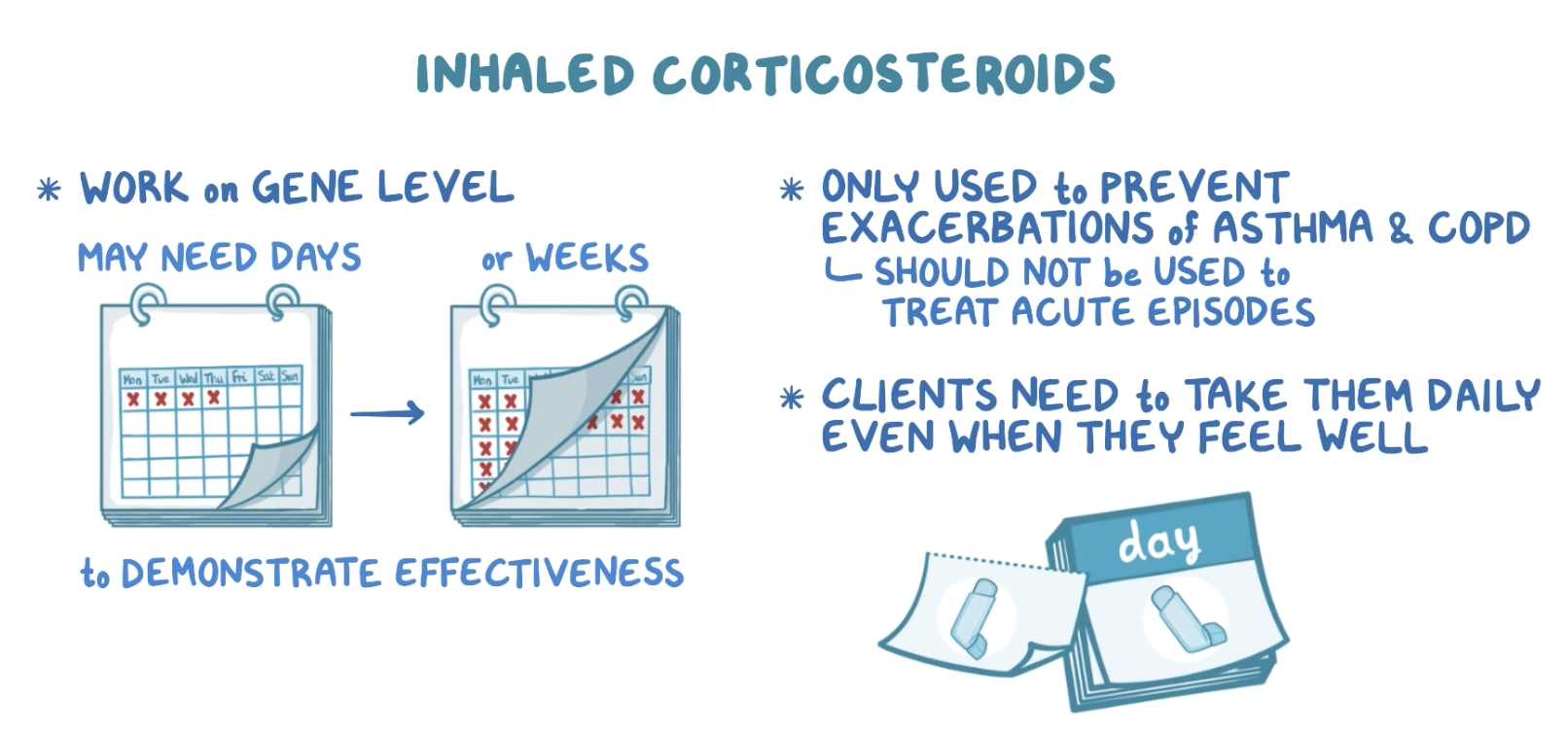
Used for chronic asthma
Do not relieve symptoms of acute asthma attacks
IV, oral, or inhaled forms
Inhaled forms reduce systemic effects
May take several weeks before full effects are seen
Steroids = S → slow
MOA:
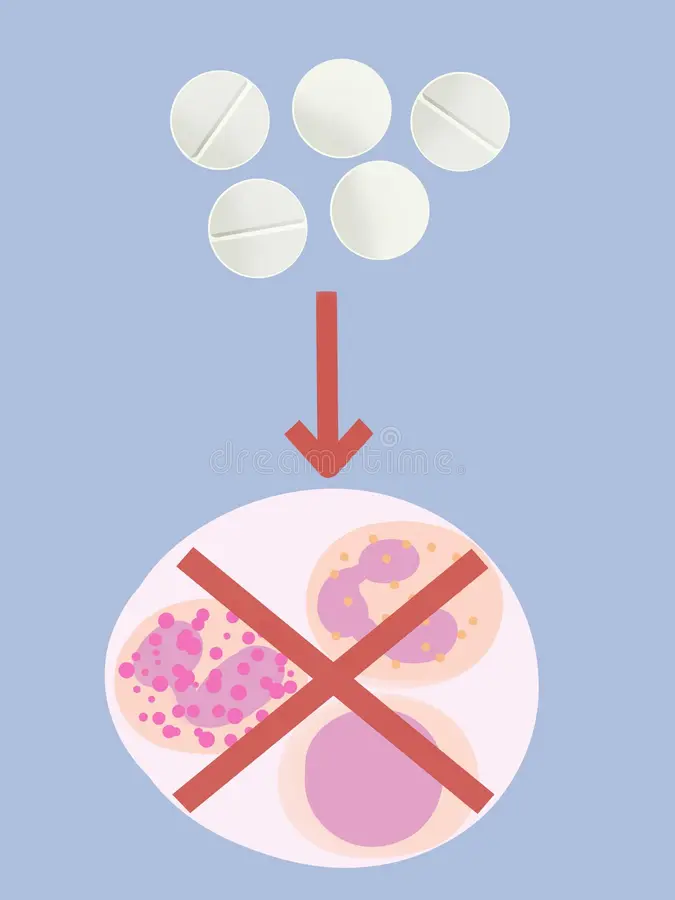
Corticosteroids essentially work by stabilizing the membranes of cells that normally release bronchoconstricting substances. These cells include leukocytes, which is another name for white blood cells (WBCs). There are five different types of WBCs, each with its own specific characteristics.
Increase responsiveness of bronchial smooth muscle to beta-adrenergic stimulation
Dual effect of bothreducing inflammation and enhancing the activity of beta agonists
Corticosteroids have also been shown to restore or increase the responsiveness of bronchial smooth muscle to beta-adrenergic receptor stimulation, which results in more pronounced stimulation of the beta2 receptors by beta agonist drugs such as albuterol.
Inhaled corticosteroids: Indications
Used as the primary treatment for bronchospastic disorders to control the inflammatory responses in these disorders
Persistent asthma
Used concurrently with beta-adrenergic agonists
Systemic corticosteroids are only used for the treatment of acute exacerbations or severe asthma
IV corticosteroid: acute exacerbations of asthma or COPD


Inhaled corticosteroids: Contraindications
Known drug allergy
Not intended for sole therapy of acute asthma attacks
Hypersensitivity to glucocorticoids
Pts w/ positive sputum tests for Candida organisms
Pts w/ systemic fungal infections

Inhaled corticosteroids: Adverse effects
Pharyngeal irritation
Coughing
Dry mouth
Oral fungal infections
Systemic effects are rare b/c low doses are used for inhalation therapy


Inhaled corticosteroids: Drug interations
Interactions are more likely to occur w/ systemic corticosteroids
Can increase serum glucose levels, may need to adjust dosages of antidiabetic drugs
Cyclosporine and tacrolimus
Itraconazole
Phenytoin, phenobarbital, rifampin
Nursing Implications
Encourage pts to practice healthy choices to prevent, relieve or decrease symptoms of COPD:
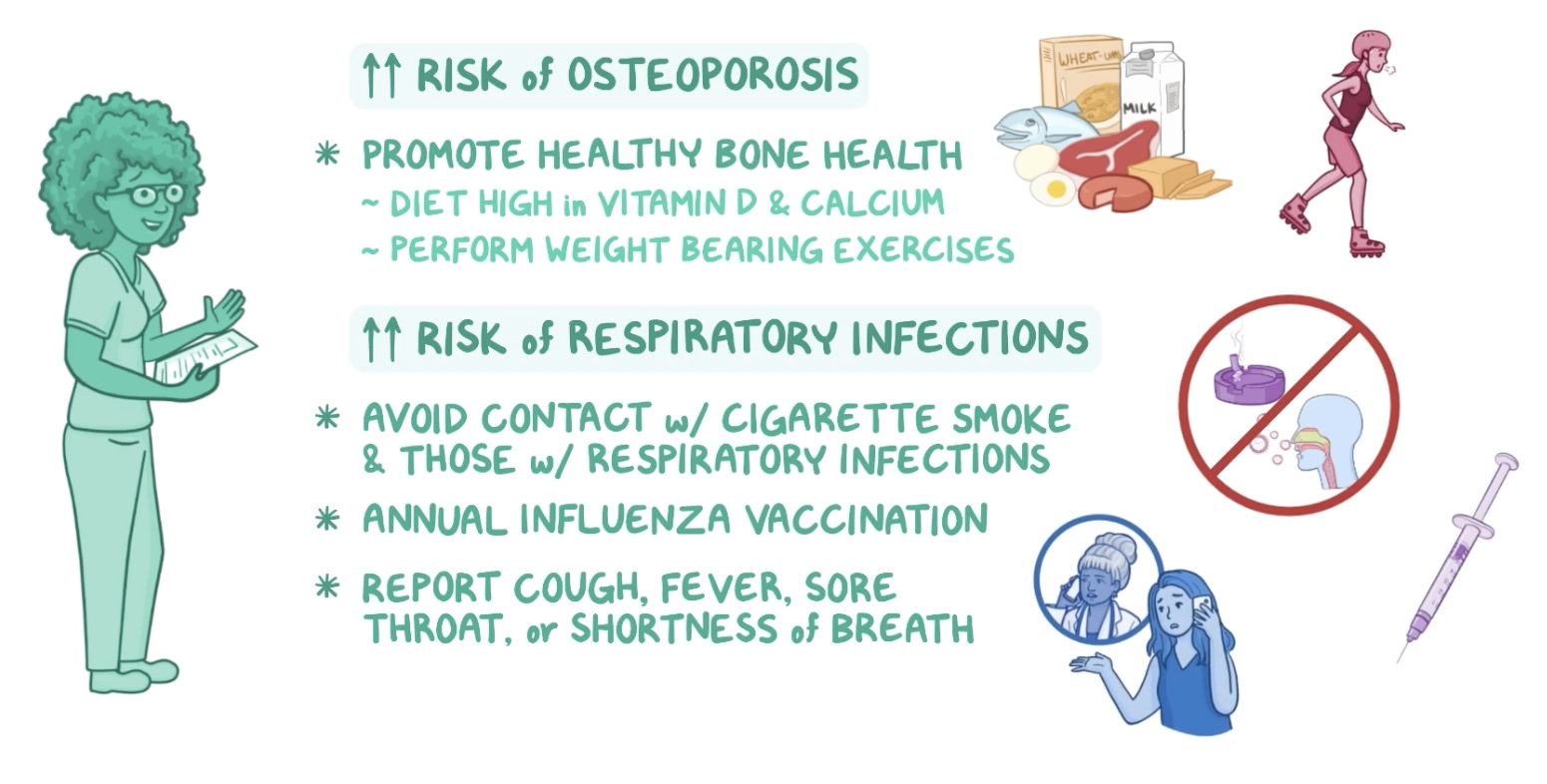
Avoid exposure to conditions that precipitate bronchospasm (allergens, smoking, stress, air pollutants)
Adequate fluid intake
Medical treatment compliance
Avoid excessive fatigue, heat, extreme temperatures, and caffeine
Encourage pts to get flu vaccinations and other illness vaccinations to prevent pneumonia or flu
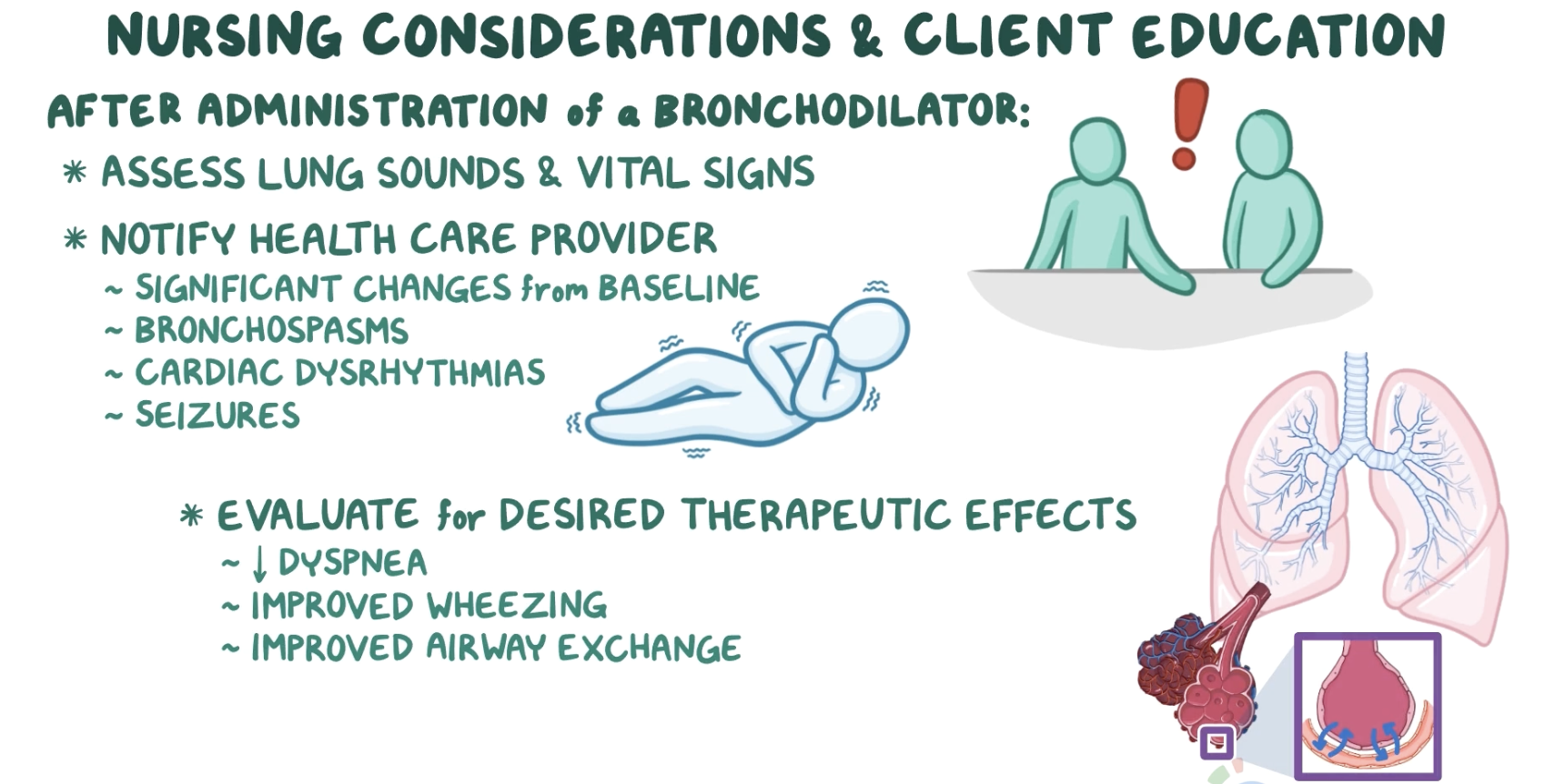
Perform a thorough assessment before beginning therapy
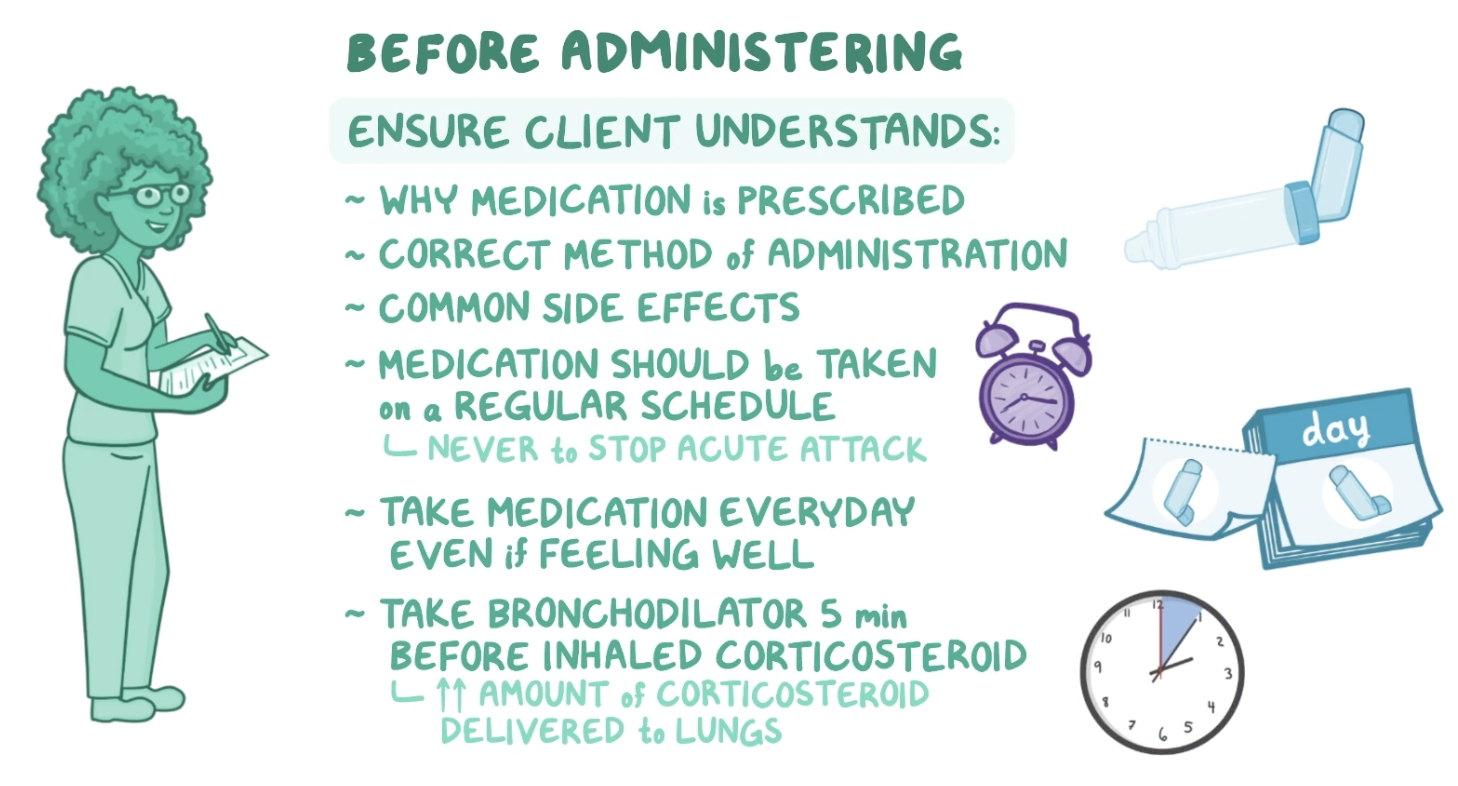
Educate pts to take bronchodilators exactly as prescribed
Ensure pts know how to use their inhalers and MDIs and demonstrate use
Monitor for adverse effects
Inhaled corticosteroids → rinse mouth out to prevent development of oral fungal infections
If a beta-agonist bronchodilator and corticosteroid inhaler are both ordered, the bronchodilator should be used several minutes before the corticosteroid

Leukotriene receptor antagonists
Examples:
montelukast
zafirlukast
zileuton
MOA: Modify or inhibit the activity of leukotrienes, which decreases arachidonic acid–induced inflammation and allergen-induced bronchoconstriction.
Two subclasses of LTRAs are available:
These subclasses differ in the mechanism by which they block the inflammatory process in asthma.
The first subclass of LTRAs acts by an indirect mechanism and inhibits the enzyme 5-lipoxygenase, which is necessary for leukotriene synthesis. Zileuton (Zyflo) is the only drug of this type currently available.
Drugs in the second subclass of LTRAs act more directly by binding to the D4 leukotriene receptor subtype in respiratory tract tissues and organs. These drugs include montelukast (Singulair) and zafirlukast (Accolate).
Indications:
Prophylaxis and long-term treatment and prevention of asthma
S/E:
Headache, nausea, dizziness, diarrhea, and insomnia
Contraindications:
Known drug allergy or other previous adverse drug reaction is the primary contraindication to the use of these drugs. Allergy to povidone, lactose, titanium dioxide, or cellulose derivatives is also important to note, because these are inactive ingredients in these drugs.

Mast cell stabilizers (cromolyn and nedocromil)
MOA: Stabilize the cell membranes of the mast cells in which the antigen-antibody reactions take place, thereby preventing the release of substances such as histamine that cause constriction.
Another drug class known as mast cell stabilizers is now rarely used.
However, these drugs are still listed in the national guidelines as alternative therapy and include cromolyn and nedocromil; they are sometimes used for exercise-induced asthma. As their class name implies, they work by stabilizing the cell membranes of mast cells to prevent the release of inflammatory mediators such as histamine.

Immunosuppressant Drugs
Drugs that decrease or prevent an immune response, thus suppressing the immune system
Used to prevent or treat rejection of transplanted organs
Immunosuppressive therapy
All immunosuppressants have similar mechanisms of action in that they selectively suppress certain T-lymphocyte cell lines. By suppressing the T-lymphocyte cell lines, they prevent their involvement in the immune response. This results in a pharmacologically immunocompromised state similar to that in a cancer patient or in a patient with acquired immunodeficiency syndrome (AIDS).
Each drug differs in the exact way in which it suppresses certain cell lines involved in an immune response. The major classes of immunosuppressant drugs used in preventing organ rejection include glucocorticoids, calcineurin inhibitors, antimetabolites, and biologics.
Corticosteroids inhibit all stages of T-cell activation and are used for induction, maintenance immunosuppression, and acute rejection.
Calcineurin inhibitors (e.g., cyclosporine, tacrolimus) inhibit the phosphate required for interleukin-2 (IL-2) production.
Sirolimus and everolimus are mammalian target of rapamycin (mTOR) inhibitors that inhibit T lymphocyte activation and proliferation.
Antimetabolites (e.g., azathioprine, mycophenolate) inhibit cell proliferation.
Biologics (e.g., basiliximab) inhibit cytotoxic T killer cell function.
Immunosuppressant additional uses
Rheumatoid arthritis
Systemic lupus erythematosus
Crohn’s disease
Multiple sclerosis (MS)
Myasthenia gravis
Psoriasis
Immunosuppressants: Contraindications
The main contraindication for all immunosuppressants is known drug allergy. Relative contraindications, depending on the patient’s condition, may include renal or hepatic failure, hypertension, and concurrent radiation therapy. Pregnancy is not necessarily a contraindication to the use of these drugs, but immunosuppressants should be given to pregnant women only in clinically urgent situations. Many of the immunosuppressants have black box warnings, and the student is referred to specific prescribing information for the particular drug.
Immunosuppressants: Adverse Effects
By virtue of their actions, immunosuppressants place patients at increased risk for opportunistic infections. Immunosuppressant drugs may also increase the risk for certain types of cancers, especially skin cancers. Other serious adverse effects are limited to the particular drug. For example, cyclosporine and tacrolimus can cause nephrotoxicity; corticosteroids, cyclosporine, and tacrolimus can cause posttransplant diabetes mellitus; and mycophenolate can cause lymphoma, skin cancers, and progressive multifocal leukoencephalopathy. Patients taking immunosuppressant drugs need to avoid live vaccines.
Immunosuppressants: Nursing Implications
Transplantation is indeed a very complex medical and ethical health care issue. With transplants, the primary concern is that of rejection and the possibility of subsequent removal of the transplanted organ. Immunosuppressants are used to inhibit the patient’s immune system to help prevent rejection. It also means that patients are on immunosuppressant therapy for their lifetime.
Before administering any of the immunosuppressants, perform a thorough patient assessment with baseline measurements of vital signs and weight. Obtain a thorough health history of past and present medical conditions. Document findings from the following system assessments:
(1) preexisting diseases affecting the patient’s immune status, such as diabetes, hypertension, and cancer
(2) urinary functioning and patterns
(3) presence of jaundice, edema, and/or ascites
(4) history of cardiac disease and/or dysrhythmias, chest pain, or heart failure
(5) level of central nervous system (CNS) functioning with attention to any seizure disorders, alteration of motor or sensory function, paresthesias, or changing levels of consciousness
(6) respiratory status and baseline respiratory functioning, breath sounds, presence of asthma, pulmonary diseases, wheezing, cough, activity intolerance, dyspnea, or sputum production
(7) gastrointestinal (GI) functioning and patterns and presence of any bowel disease
(8) musculoskeletal intactness, with attention to the patient’s ability to perform activities of daily living, range of motion, and appearance of joints and any deformities
(9) presence and location of any local inflammatory reactions, as well as any pain, redness, and/or drainage. In addition, the following laboratory and diagnostic tests may be ordered: renal function tests with blood urea nitrogen (BUN) and creatinine levels; hepatic function tests with ALP, AST, ALT, and bilirubin levels; and cardiovascular function with a baseline electrocardiogram.