Complex Network Properties and Models
 Call Kai
 Learn
Learn Practice Test
 Spaced Repetition
 Match
Match Flashcards
 Knowt Play
1/15

There's no tags or description
Looks like no tags are added yet.
Name | Mastery | Learn | Test | Matching | Spaced | Call with Kai | Chat |
|---|
No analytics yet
Send a link to your students to track their progress
16 Terms
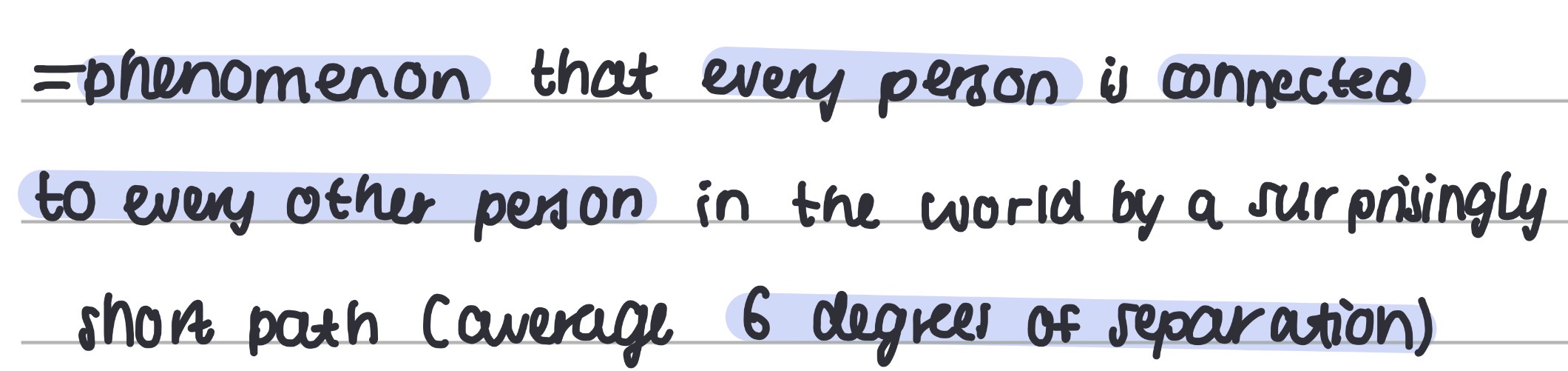
Informally define the term „Small World Effect“! (1 sentence).
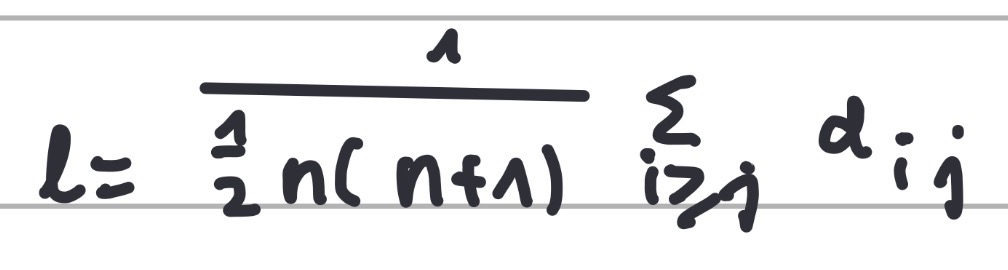
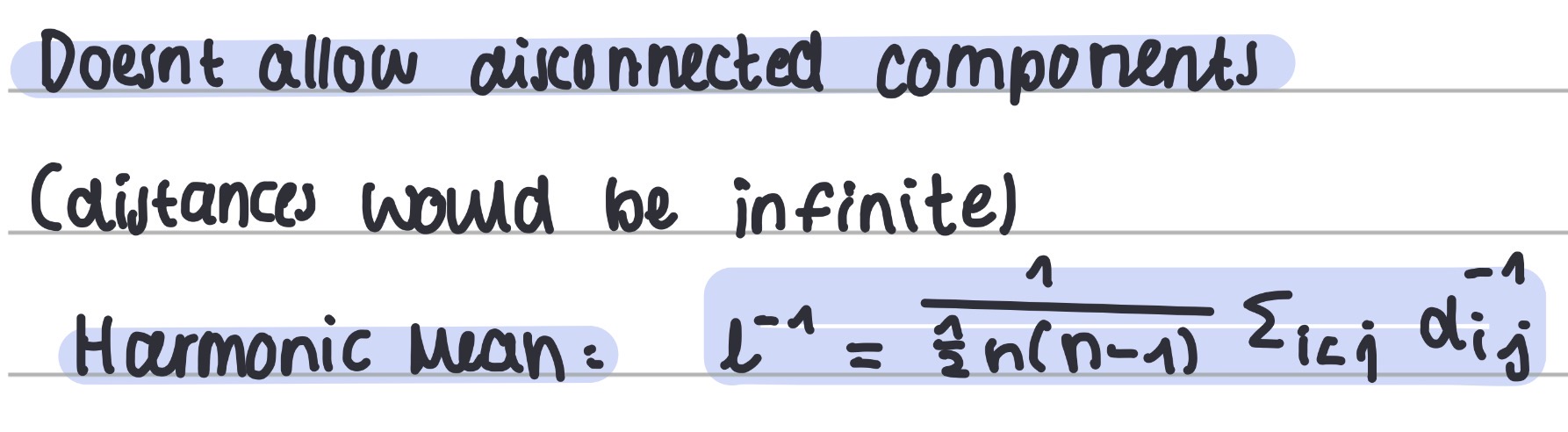
What is the disadvantage of the expression for the average path length in a network? (1 sentence). Suggest an alternative expression avoiding this disadvantage!
State the expression for the fraction of nodes with degree k (==the probability of a node having degree k) in case of a power law degree distribution!

If a power law distribution has an exponent of (-α): What is the exponent of the corresponding cumulative distribution?

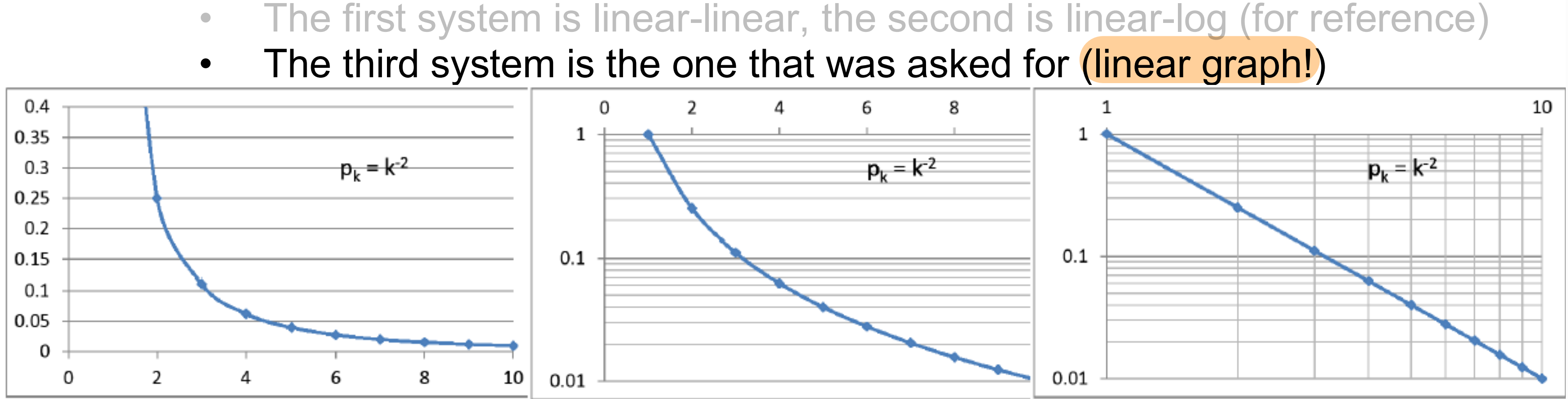
Sketch a power law distribution in a log-log coordinate system!


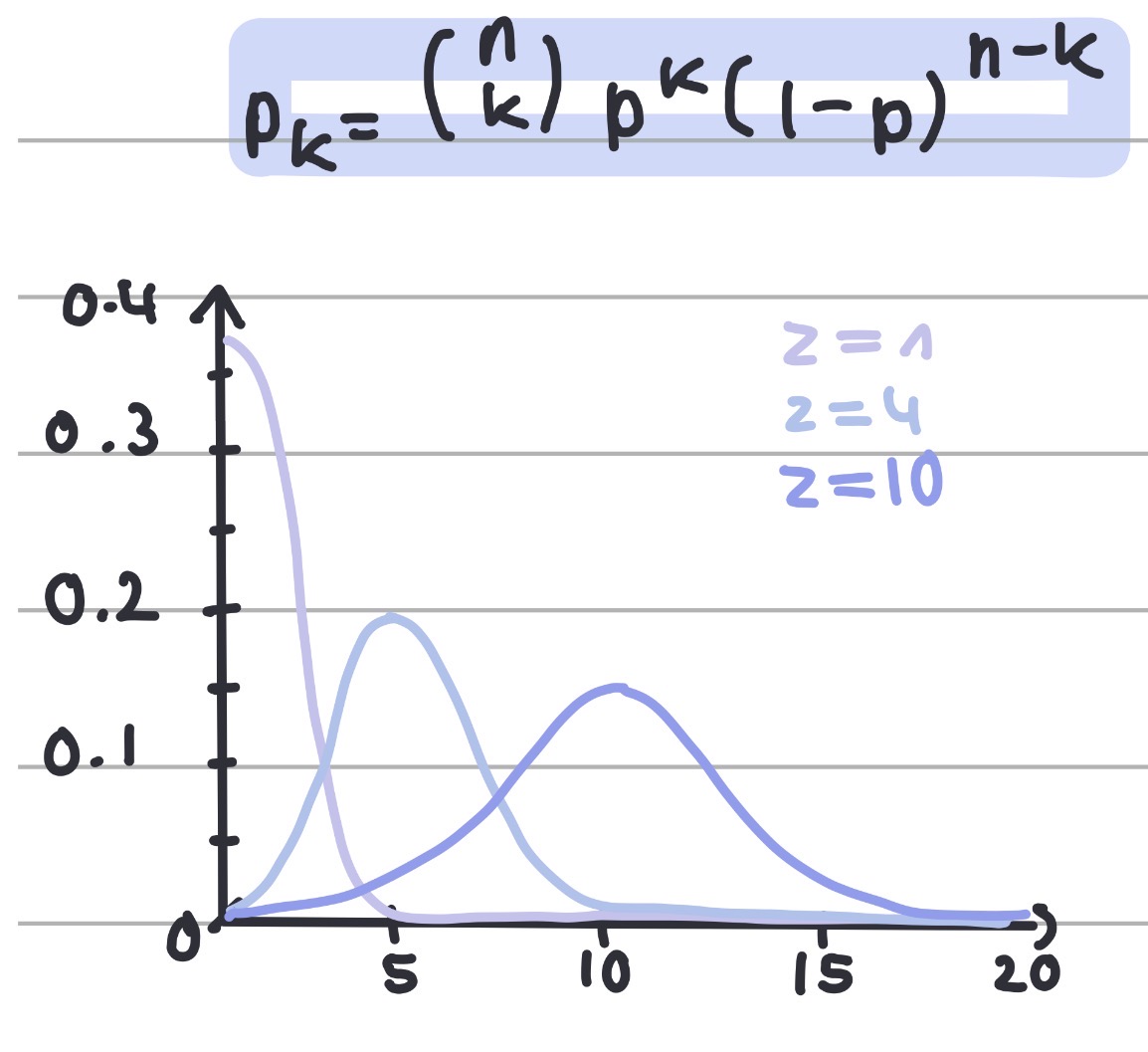
Give a precise expression for the degree distribution pk in a Poisson Random Graph model Gn,p ! Qualitatively sketch pk for n → ∞, keeping the mean degree z fixed!
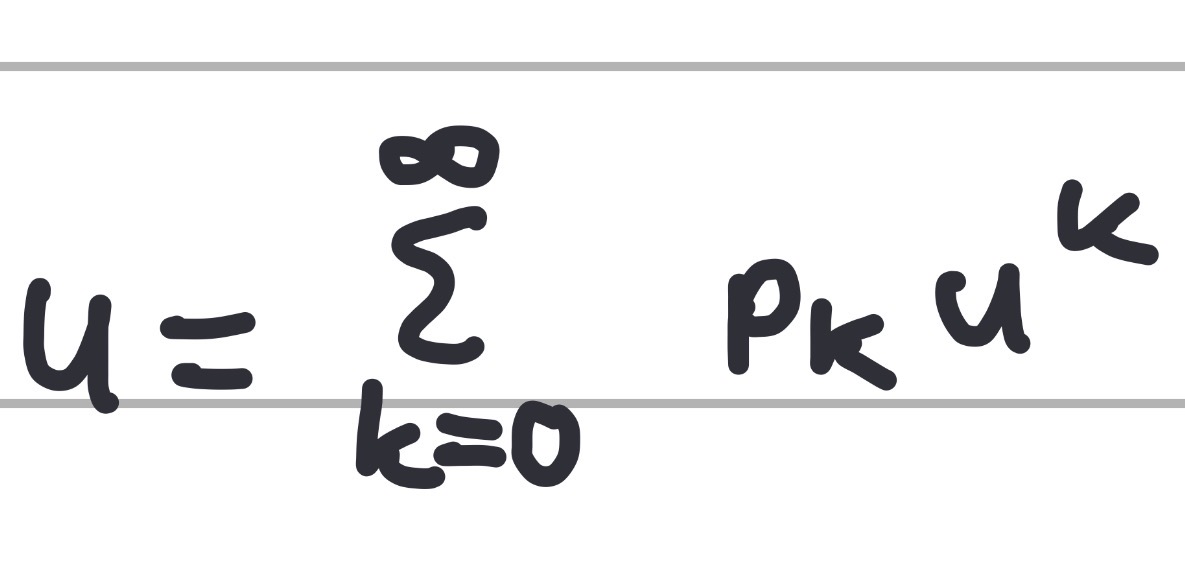
Emergence of a giant component in a Poisson random graph model:
Explain the following expression for the fraction of nodes u that do not belong to the giant component
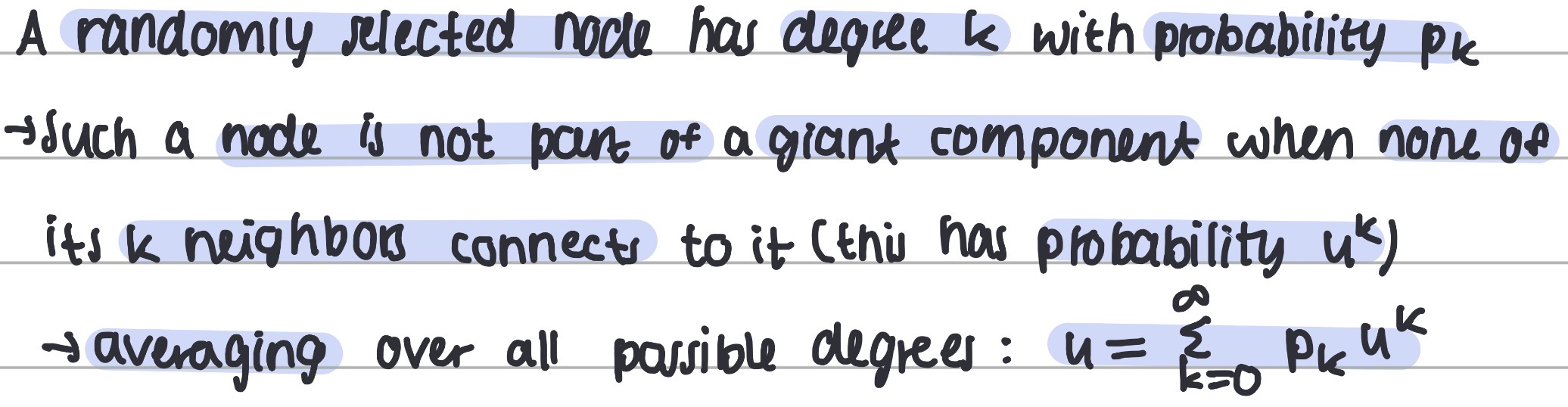
For p_k = derive a transcendent equation for S=1-u!
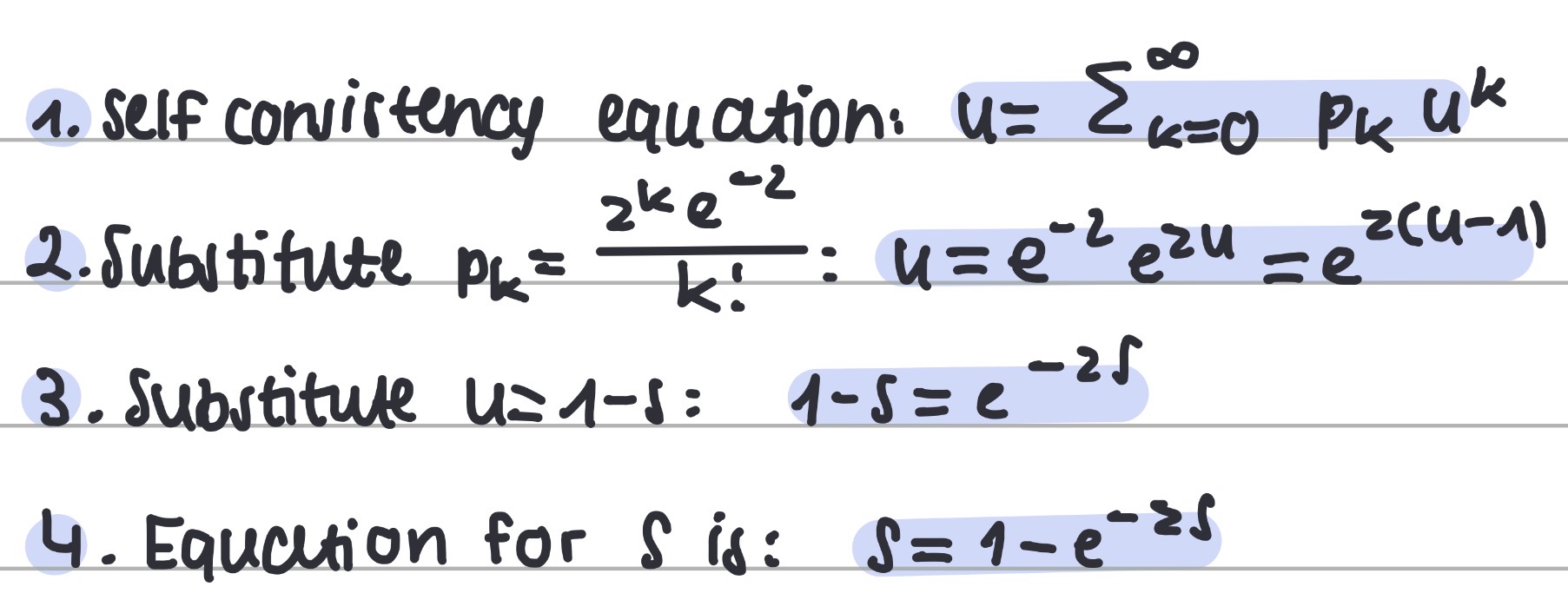
Sketch S qualitatively as a function of z! Explain in 1 sentence the relation to phase transitions!
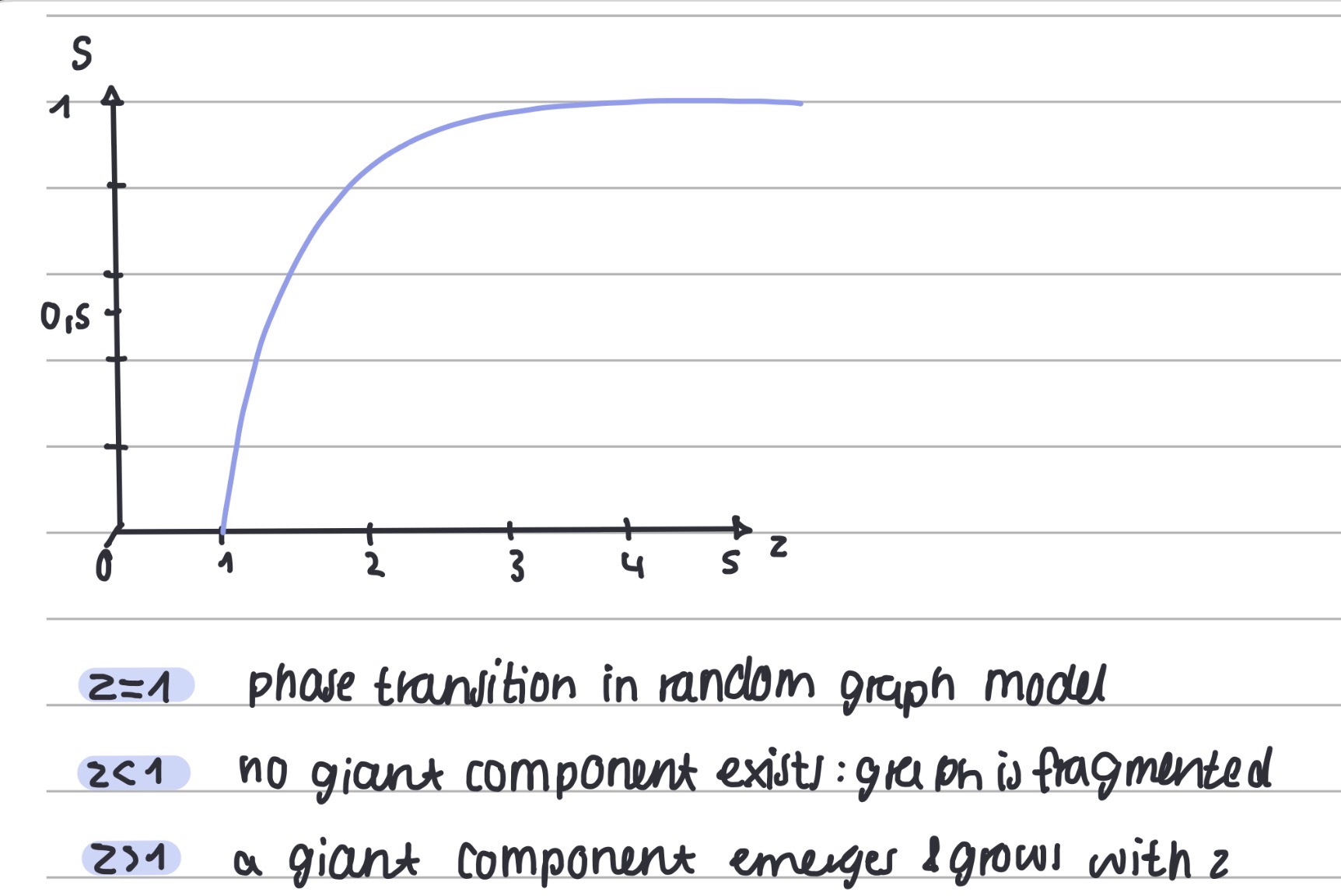
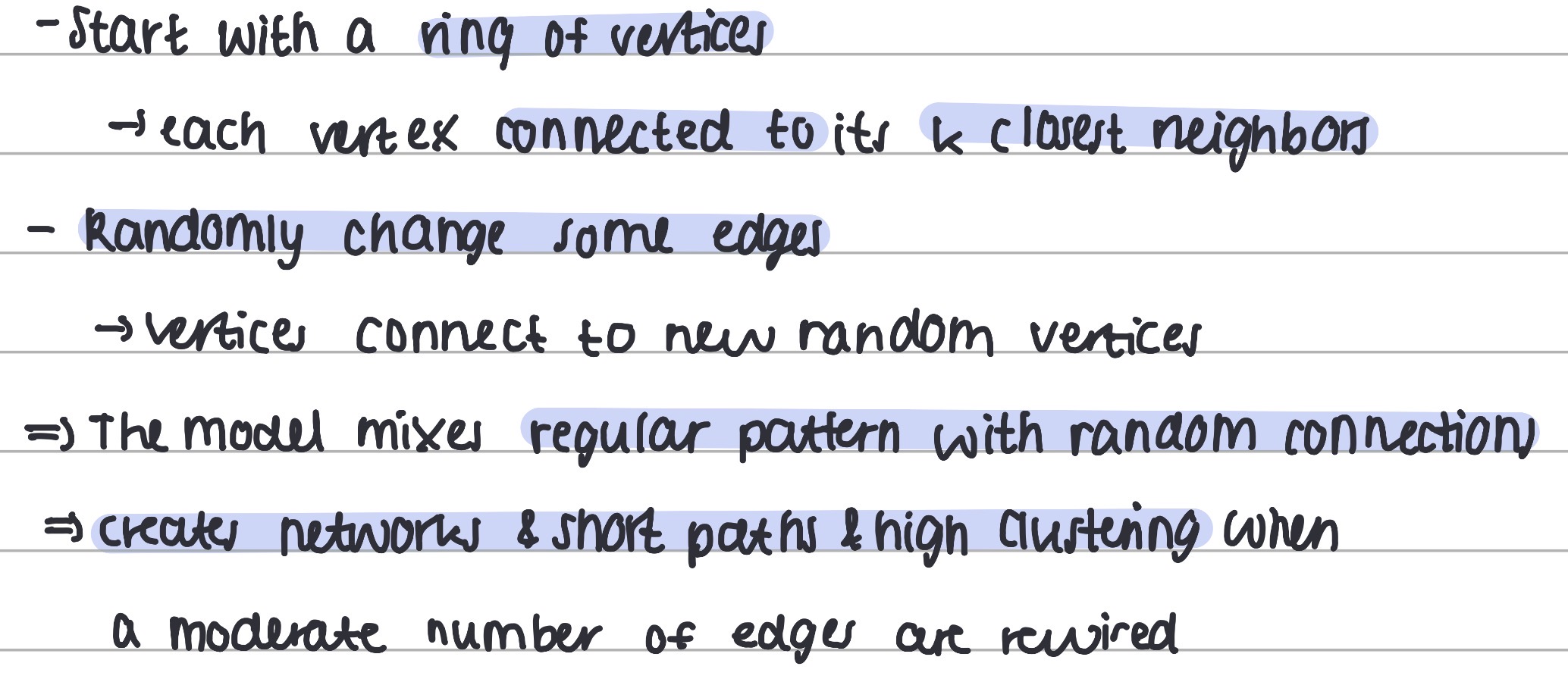
Watts-Strogatz model: informally describe the model for D=1!
Watts-Strogatz model: Interpret / explain the following diagram in view of the rewiring parameter p! (1-2 sentences)
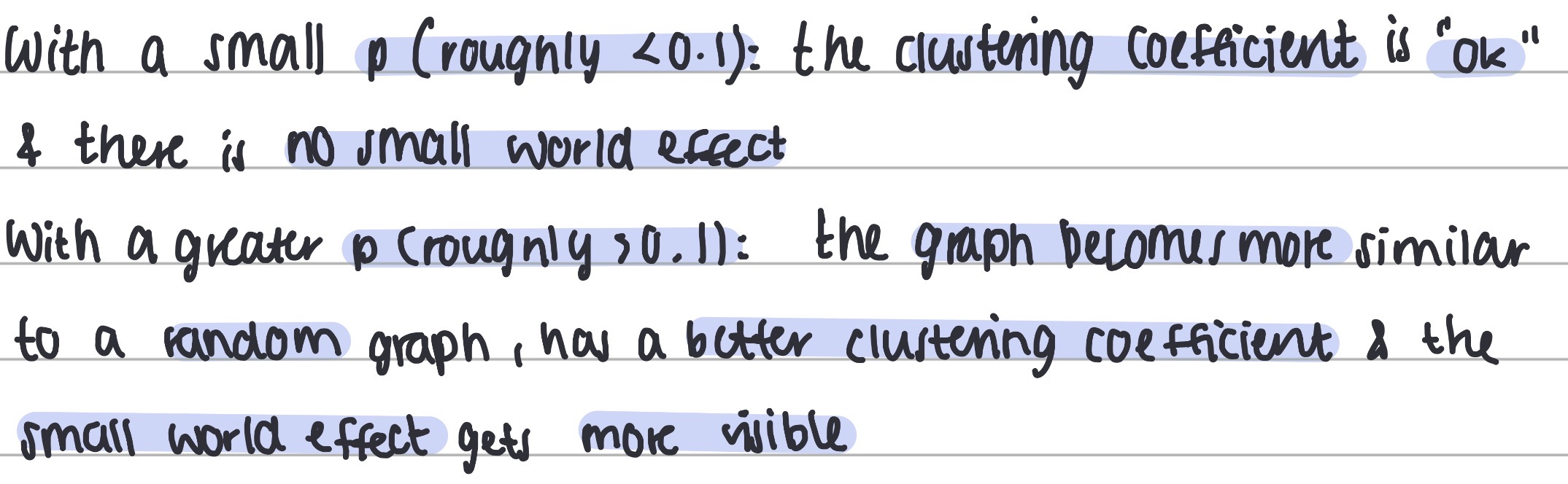
Watts Strogatz model, variant (2) (only additional shortcuts) : degree distribution:
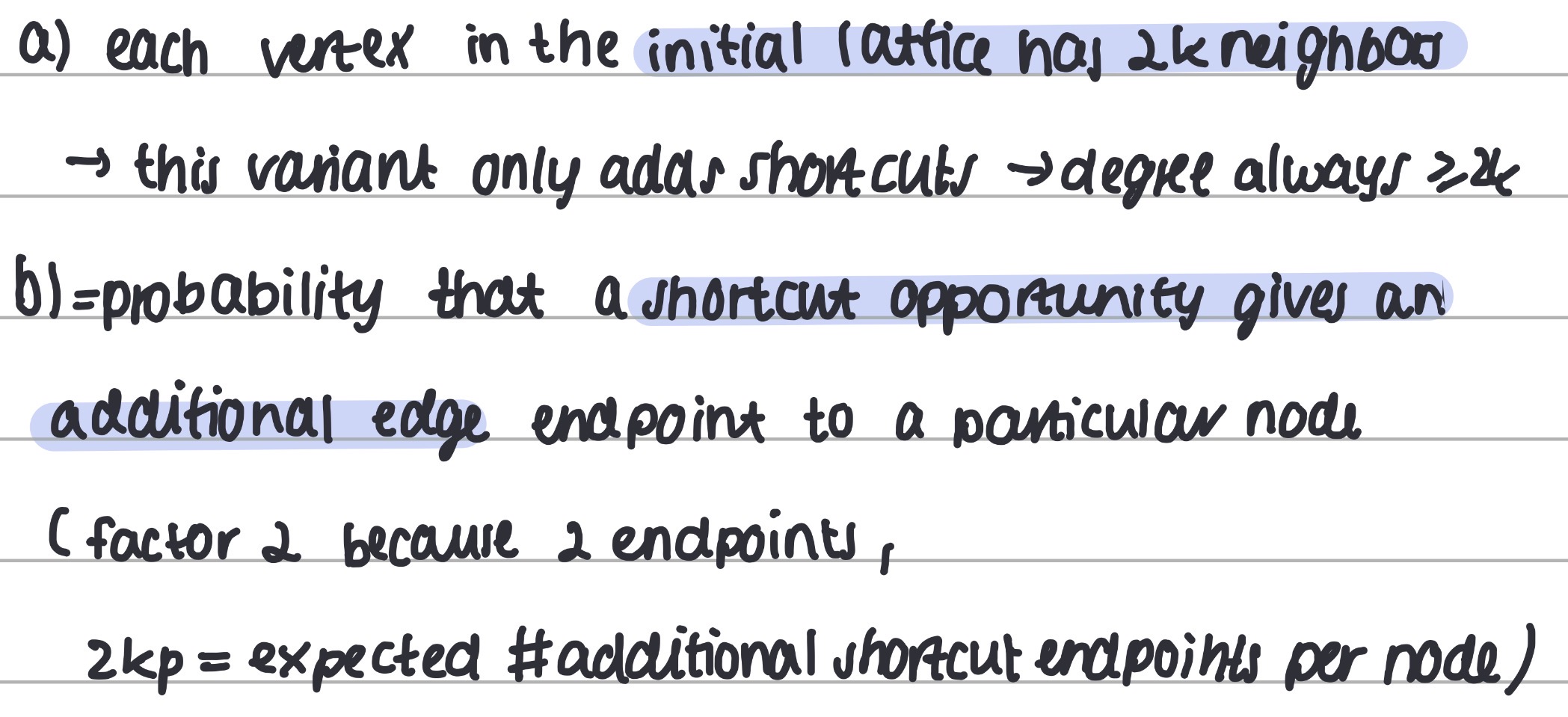

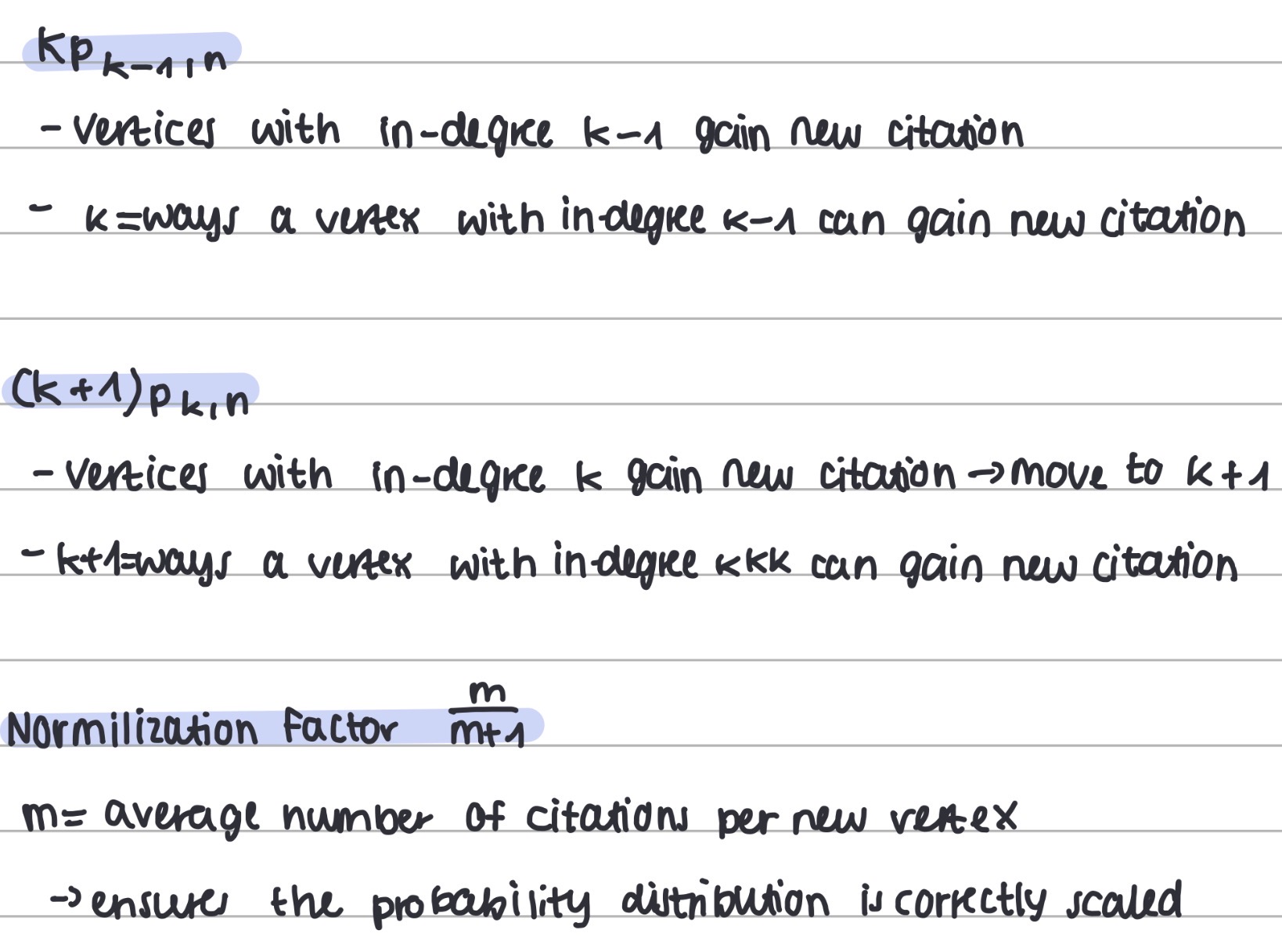
Model of Price: Informally motivate the terms on the right side of the recursion equation for the net change of np_k per added vertex:
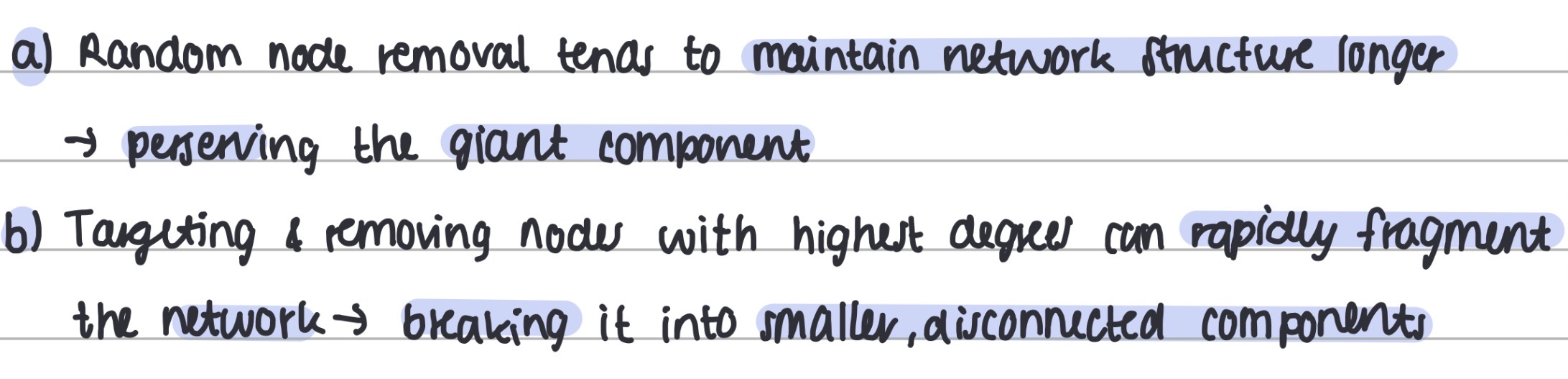
Network resilience: What is the difference in effect between randomly removing nodes with
(a) constant probability q or
(b) removing the highest degree nodes?
(Explain informally in 1-2 sentences!)

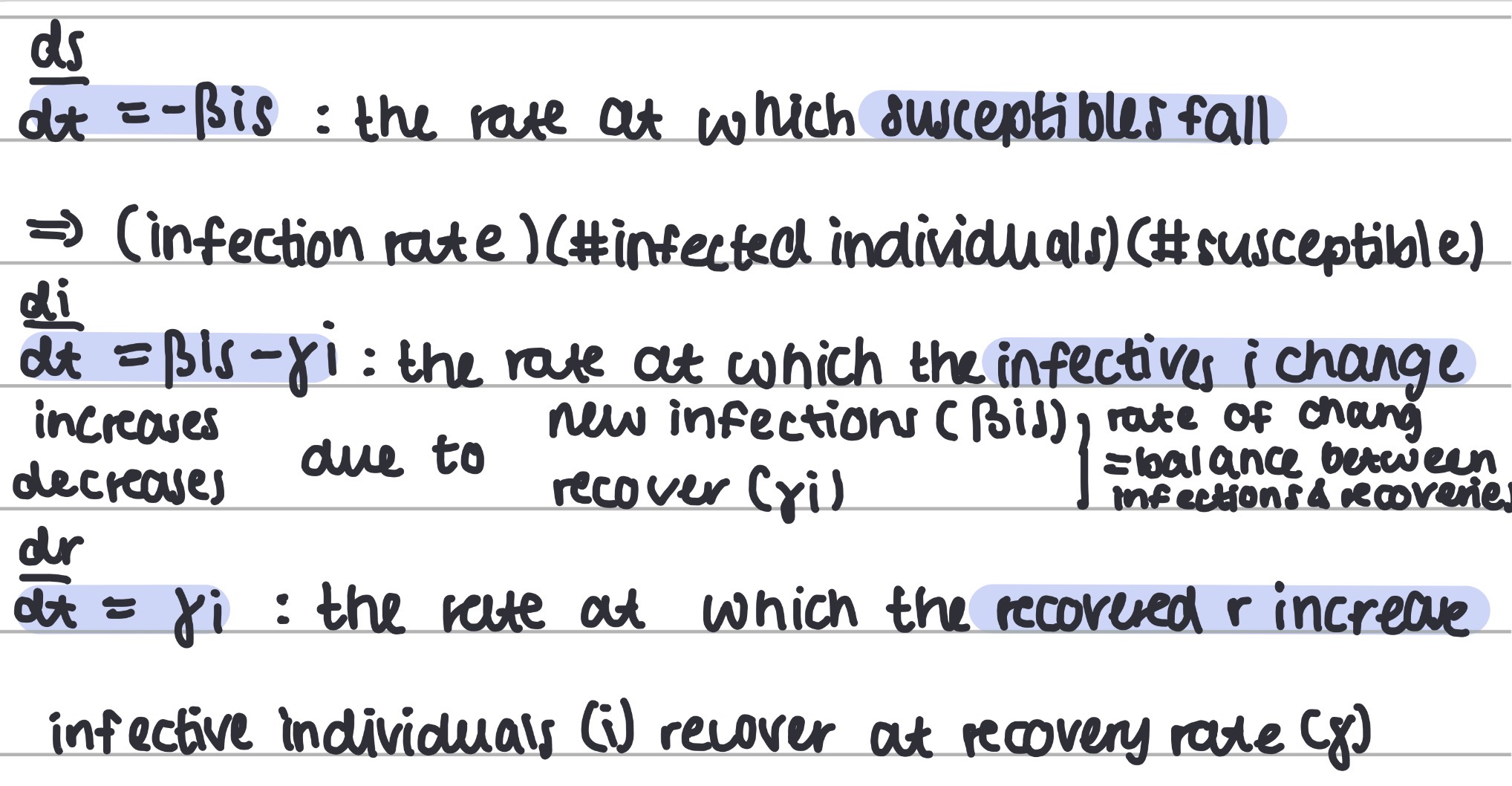
Models of Epidemiology: quantities: susceptibles s, infectives i, recovered r, infection rate β, recovery rate γ: