A&P I CH.2 Chemical Basis of Life
 Call Kai
 Learn
Learn Practice Test
 Spaced Repetition
 Match
Match Flashcards
 Knowt Play
1/49

There's no tags or description
Looks like no tags are added yet.
Name | Mastery | Learn | Test | Matching | Spaced | Call with Kai | Chat |
|---|
No analytics yet
Send a link to your students to track their progress
50 Terms
Matter
anything that has mass (weight) and takes up space
Elements
composed of chemically identical atoms
Bulk elements
required by the body in large amounts
Trace elements
required by the body in small amounts
Ultratrace elements
required by the body in very small amounts, often less than 0.01% of body mass.
Atoms
smallest particle of an element
Ion
particle that’s electrically charged because it has gained or lost one or more electrons (cations + anions)
Molecule
particle formed by the chemical union of two or more atoms
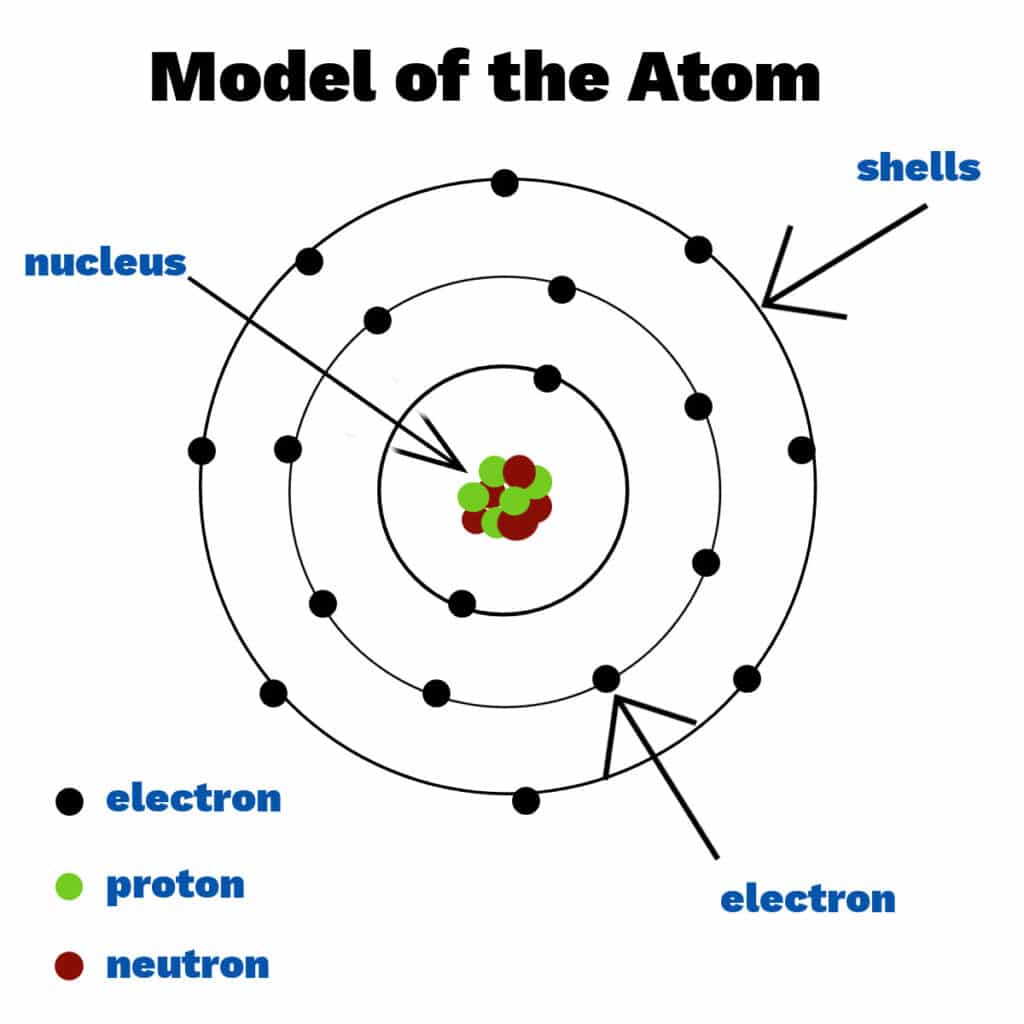
Proton (+)
carries a positive charge
Neutron
carries no electrical charge
Electron (-)
carries a negative charge
Nucleus
central part of an atom
composed of protons and neutrons
electrons move around the nucleus
Atomic Number
# of protons in nucleus of atom
equals the # of electrons in the atom
Atomic Weight
approximated by the # of protons + the # of neutrons
electrons don’t contribute to the weight
Isotopes
atoms with same atomic # but different atomic weights
different # of neutrons
radioactive isotopes are unstable, releasing energy or pieces of themselves (atomic radiation)
Compound
particle formed when 2 or more atoms of different elements combine

Bonding of Atoms: Ions
form when atoms combine w/ other atoms
electrons occupy electron shells
for atoms w/ atomic #/s of 18 or less:
the 1st shell can hold up to 2 electrons
-2nd shell holds 8 electrons
-3rd shell holds 8 electrons
Ionic Bonds
an attraction between a cation and anion
formed when electrons are transferred from one atom to another

Cation (Transfers)
positively charged ion
formed when an atom loses electrons

Anion (Recieves)
a negatively charged ion
formed when an atom gains electrons
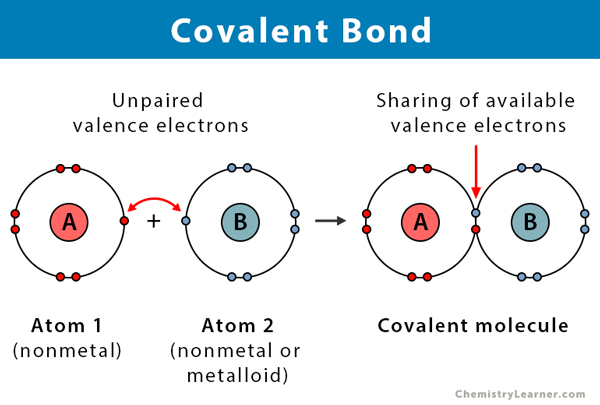
Covalent Bonds
formed when atoms share electrons
Hydrogen atoms form single bonds H - H
Oxygen atoms form 2 bonds O = O
Nitrogen atoms form 3 bonds
Carbon atoms form 4 bonds O = C = O
Structural Formulas
show how atoms bond and are arranged in various molecules

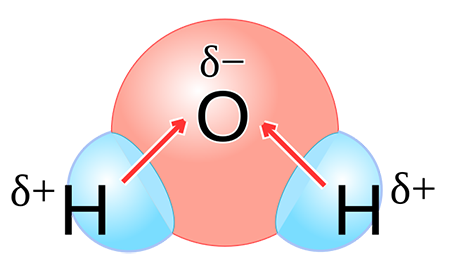
Polar Molecules
molecule with a slightly negative end and a slightly positive end
results when electrons are not shared equally in covallent bonds
water is an important polar molecule
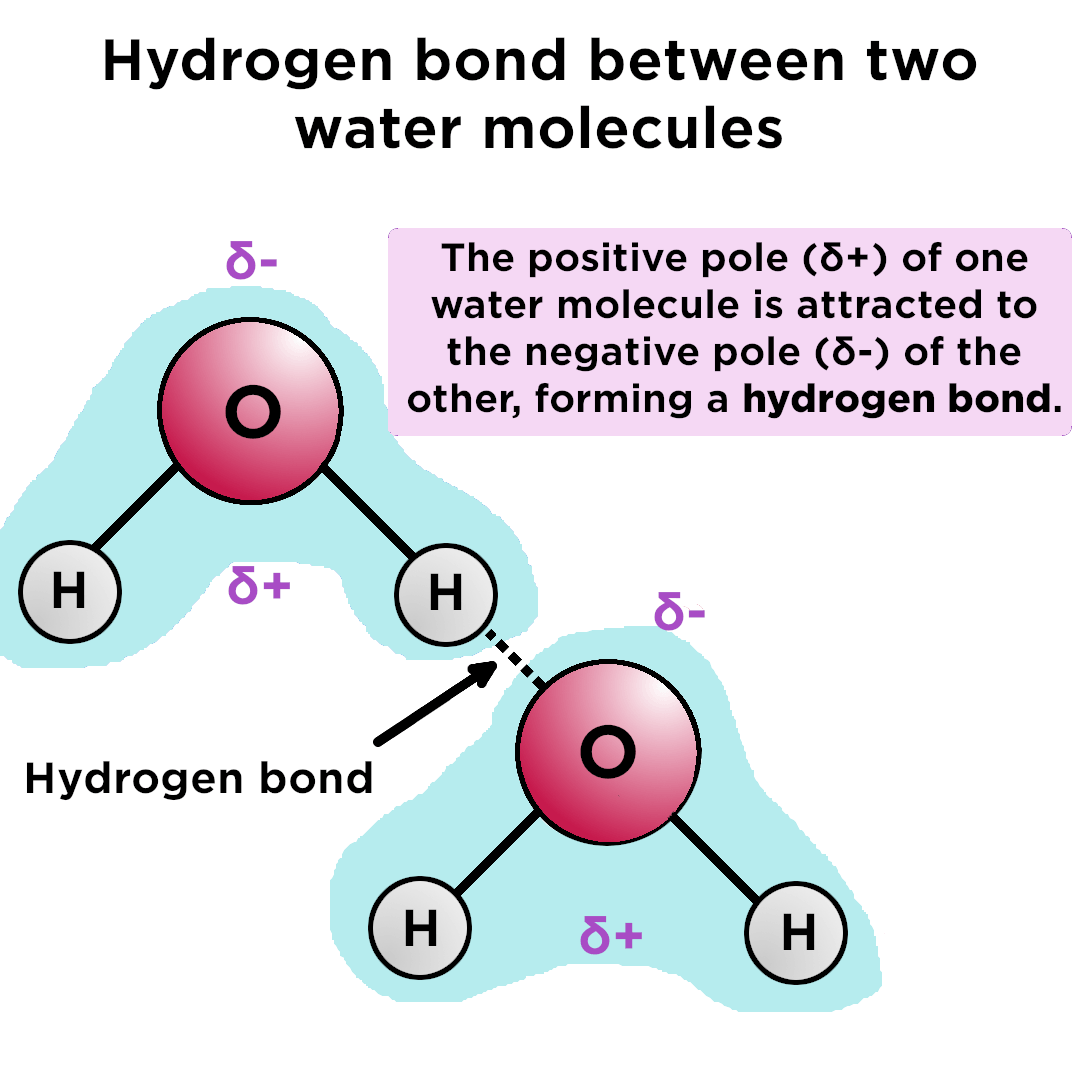
Hydrogen Bonds (formed w/ H + FON)
a weak attraction between the positive end of one polar molecule and the negative end of another polar molecule
formed between water molecules
important for protein and nucleic acid structure
Chemical Reactions
occur when chemical bonds form or break among atoms, ions, or molecules
Reactants
are the starting materials of the reaction - the atoms, ions, or molecules
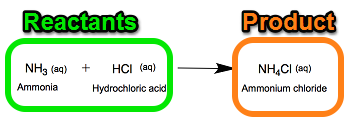
Products
are substances formed at the end of the chemical reaction

Synthesis Reaction (marriage)
more complex chemical structure is formed

Decomposition Reaction (divorce)
chemical bonds are broken to form a simpler chemical structure

Exchange Reaction (replacement)
chemical bonds are broken and new bondsa are formed

Reversible Reaction
the products can change back to the reactants

Electrolytes
substances that release ions in water
NaCl —> Na(+) + Cl(-)
Acids
substances that dissociate to release hydrogen ions in water
HCl + H(+) + Cl(-)
Bases
substances that release ions that can with hydrogen ions (OH-)
NaOH —> Na(+) + OH(-)

Salts
electrolytes formed by the reaction between an acid and a base
HCl + NaOH —> H2O + NaCl

pH scale
indicated the concentration of hydrogen ions in solution

Neutral
pH 7; indicates equal concentration of H(+) and OH(-)
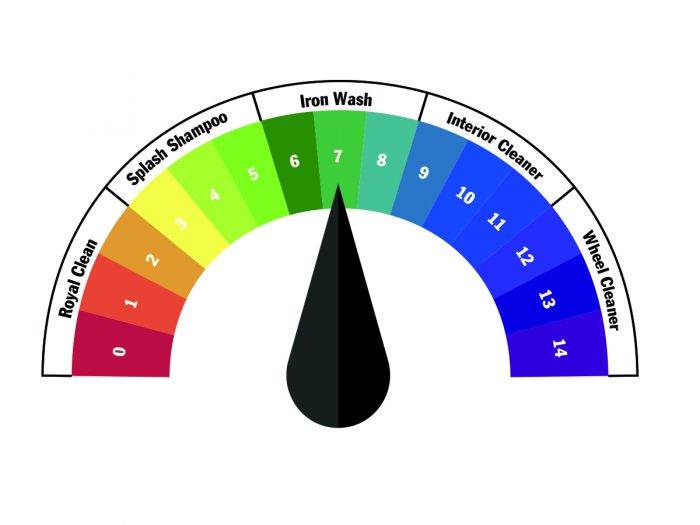
Acidic
pH less than 7; indicates a greater concentration of H(+)
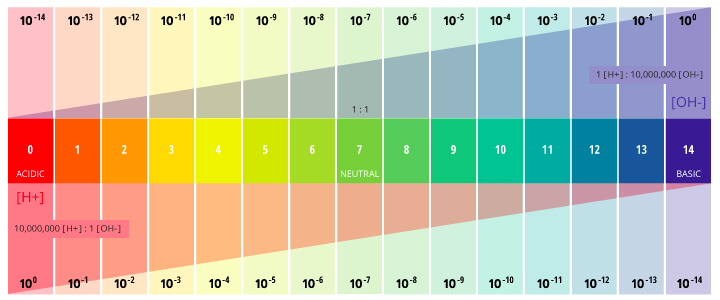
Basic or alkaline
pH greater than 7; indicates a greater concentration of OH(-)
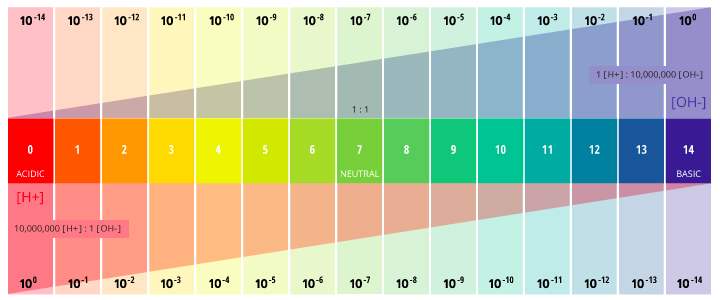
Blood pH
Normal blood pH is 7.35 - 7.45
Alkalosis occurs when blood pH rises to 7.5 - 7.8
Acidosis occurs when pH drops to 7.0 - 7.3
Homeostatic mechanisms help regulate pH
Buffers are chemical which act to resits pH changes

Organic Molecules
contains C and H
usually longer than inorganic molecules
dissolve in water and organic liquids
Carbohydrates, proteins, lipids, and nucleic acids
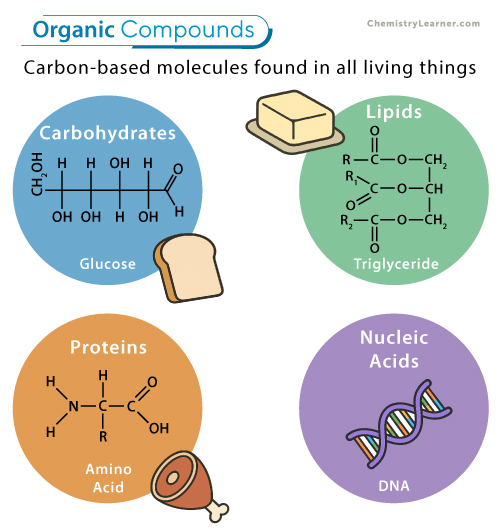
Inorganic Molecules
generally do not contain C and H
usually smaller than organic molecules
usually dissociate in water, forming ions
Water, oxygen, carbon dioxide, and inorganic salts

Inorganic Substance
Water
most abundant compound in living material
2/3 of the weight of an adult human
major component of all body fluids
medium for most metabolic reactions
important role in transporting chemicals in the body
absorbs and transports heat
Inorganic Substance
Oxygen (O2)
used by organelles to release energy from nutrients in order to drive cell’s metabolic activities
necessary for survival
Inorganic Substance
Carbon Dioxide (CO2)
waste product released during metabolic reactions
must be removed from the body

Inorganic Substance
Salts
abundant in body fluids
sources of necessary ions [Na(+), Cl(-), K(+), Ca(+2), etc.)
play important roles in metabolism
Organic Substance
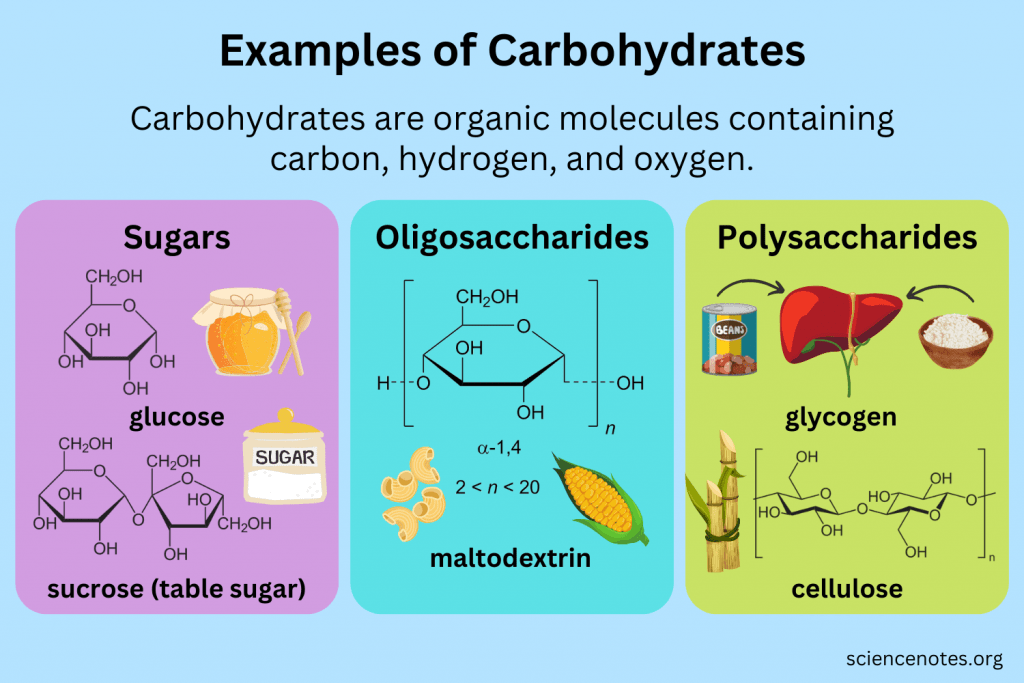
Carbohydrates
provide energy to cells
supply materials to build cell structures
water soluble
contain C, H, and O
ratio of H to O close to 2:1 (C6, H12, O6)
Monosaccharides- glucose, fructose
Polysaccharides- glycogen, cellulose

Organic Substance
Lipids
soluble in organic solvents; insoluble in water
fats (triglycerides)
used primarily for energy; most common lipid in body
contain C, H, and O but less O than carbohydrates (C57, H110, O6)
building blocks are 1 glycerol and 3 fatty acids per molecule
— saturated fatty acids have 1 single carbon to carbon ends
— saturated fats contain 3 saturated fatty acids
— unsaturated fatty acids have one more or more carbon to carbon double bond
— unsaturated fats contain at least one unsaturared fatty acid (mostly liquid and come from plants)
Phospholipds
— building blocks are 1 glycerol, 2 fatty acids, and 1 phosphate per molecule
— hydrophilic and hydrophobic
— major component of cell membranes
Steroids
— 4 connected rings of carbon
widely distributed in the body, various functions
component of cell membrane
used to synthesize hormones
cholestrol
Organic Substance
Proteins
structural material
energy source
hormones
receptors
enzymes
antibodies
protein building blocks are amino acids
amino acid held together with peptide bonds

Organic Substance
Nucleic Acids
encode amino acid sequences of proteins
building blocks are nucleotides
DNA (deoxyribonucleic acid)- double polynucleotide
RNA (ribonucleic acid)- single polynucleotide
