Labs vocab (A&P)
 Call Kai
 Learn
Learn Practice Test
 Spaced Repetition
 Match
Match Flashcards
 Knowt Play
1/82

There's no tags or description
Looks like no tags are added yet.
Name | Mastery | Learn | Test | Matching | Spaced | Call with Kai | Chat |
|---|
No analytics yet
Send a link to your students to track their progress
83 Terms
Cytoplasmic inclusions are
Clusters of materials being temporarily stored (e.g., glycogen)
(notes: cytosol, cytoskeleton, organelles, and inclusions are main components of cytoplasm)
membrane proteins: integral and peripheral are located where?
integral is integrated into the membrane lipids
peripheral found along the surface
passive transport is described as substances moving ___ their gradient because no energy is required.
down
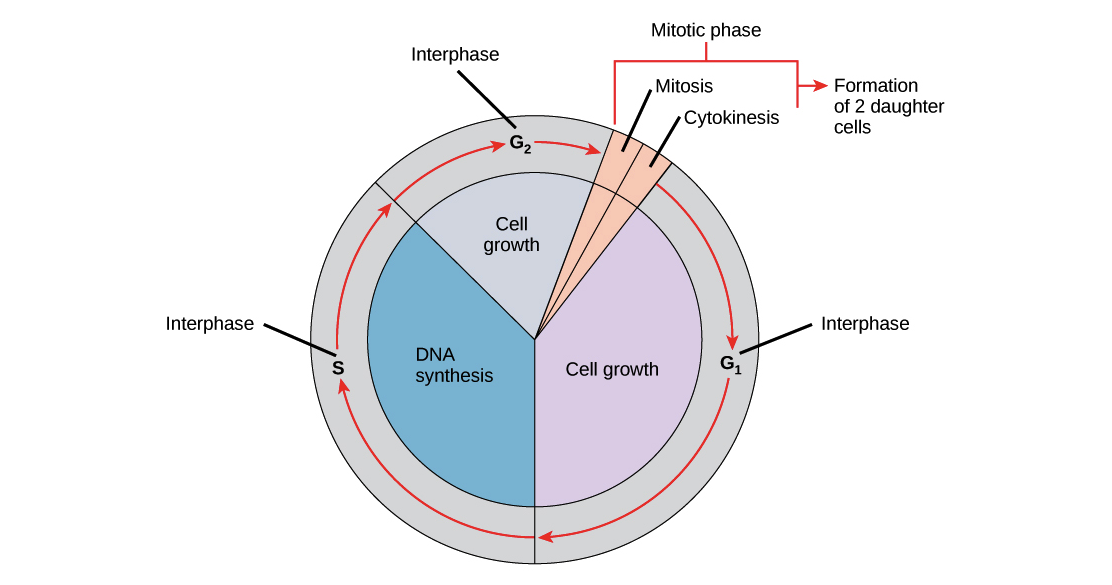
interphase:
mitosis:
cytokinesis:
non-divding phase
division of nucleus
division of cytoplasm
Mitosis results in…
two genetically identical cells called daughter cells, created from the parent cell
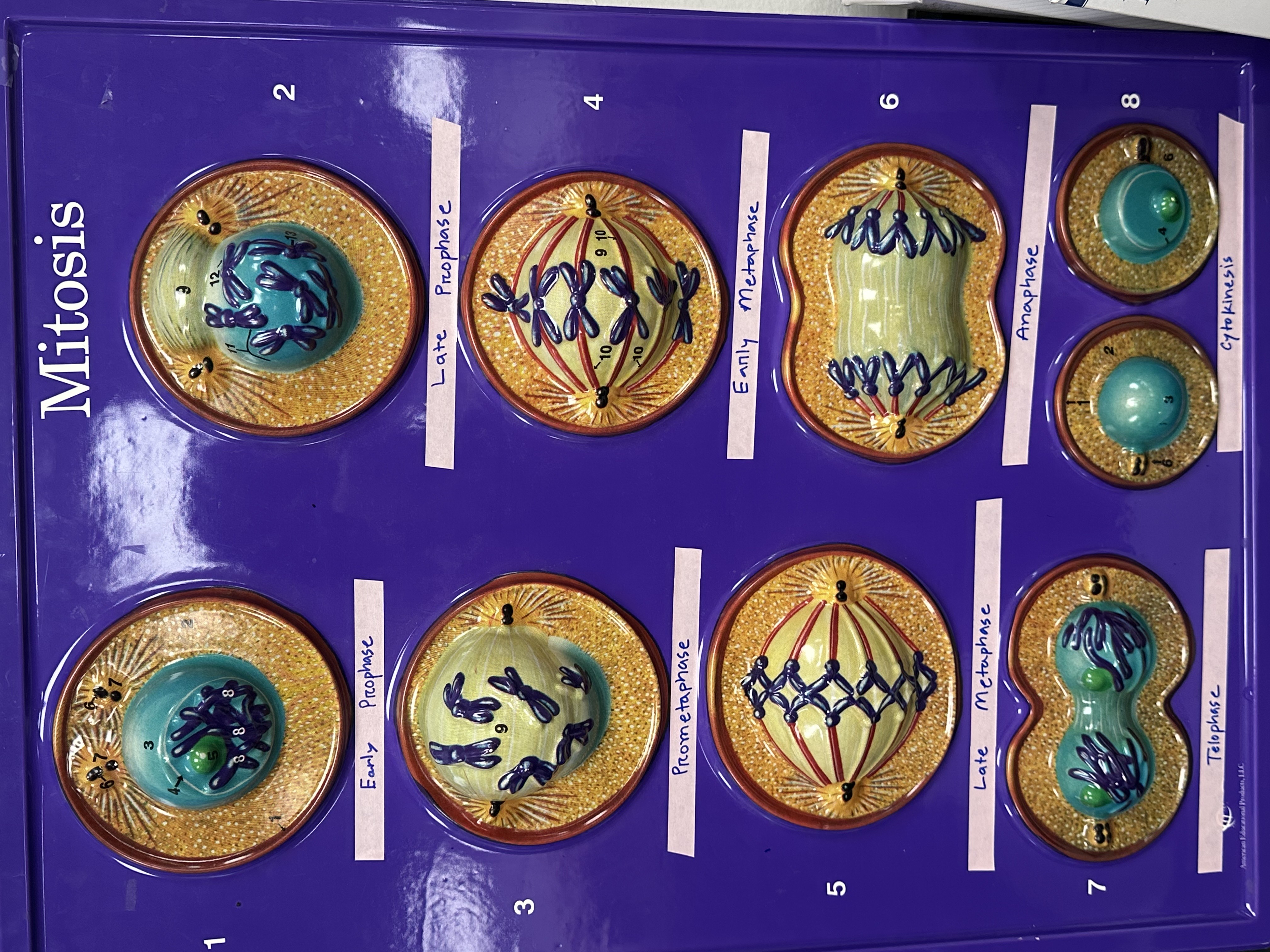
mitosis is divided into 4 stages, which are
Prophase (chromosomes condense, spindle fibers form, nuclear envelope breaks down)
Metaphase (chromosomes align along equator of cell)
Anaphase (sister chromatids separate and move to opposite poles of the cell)
Telophase (nuclear envelopes re-form, chromosomes decondense)

what happens in prophase (in mitosis)?
chromosomes condense, spindle fibers form, nuclear envelope breaks down
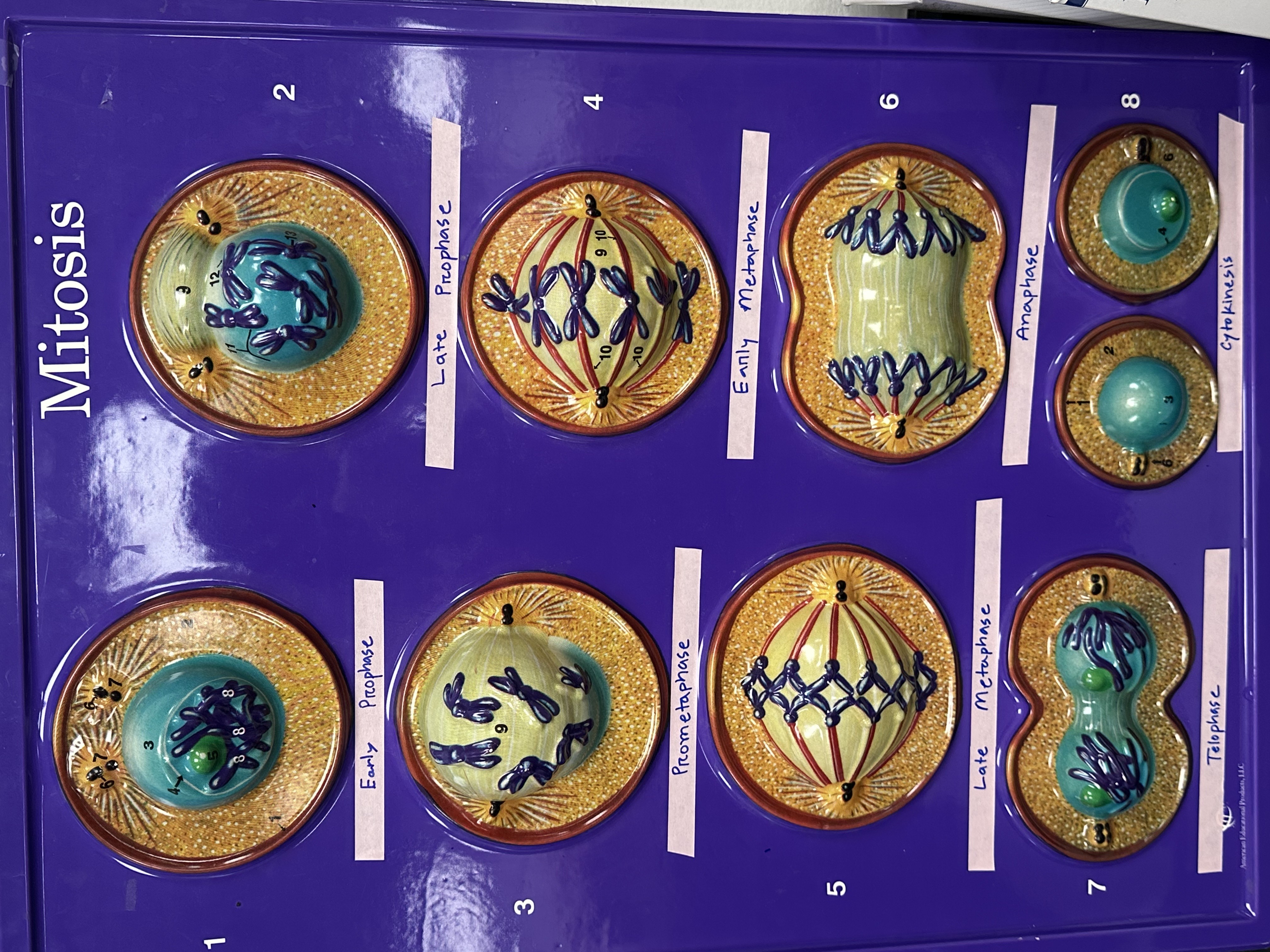
what happens in Metaphase (in mitosis)?
chromosomes align along equator of cell

what happens in Anaphase (in mitosis)?
sister chromatids separate and move to opposite poles of the cell

what happens in Telophase (in mitosis)
nuclear envelopes re-form, chromosomes decondense
S phase and interphase is when…
DNA is replicated
Purines are
double-ringed bases used for building blocks of DNA and RNA
What bases are considered purines?
adenine and guanine
(hint: Pure As Gold)
somatic cells are…
cells used for reproduction (ex: skin, muscle, brain)
germ line cells…
produce cells for sexual reproduction called gametes (ex: sperm and egg cells)
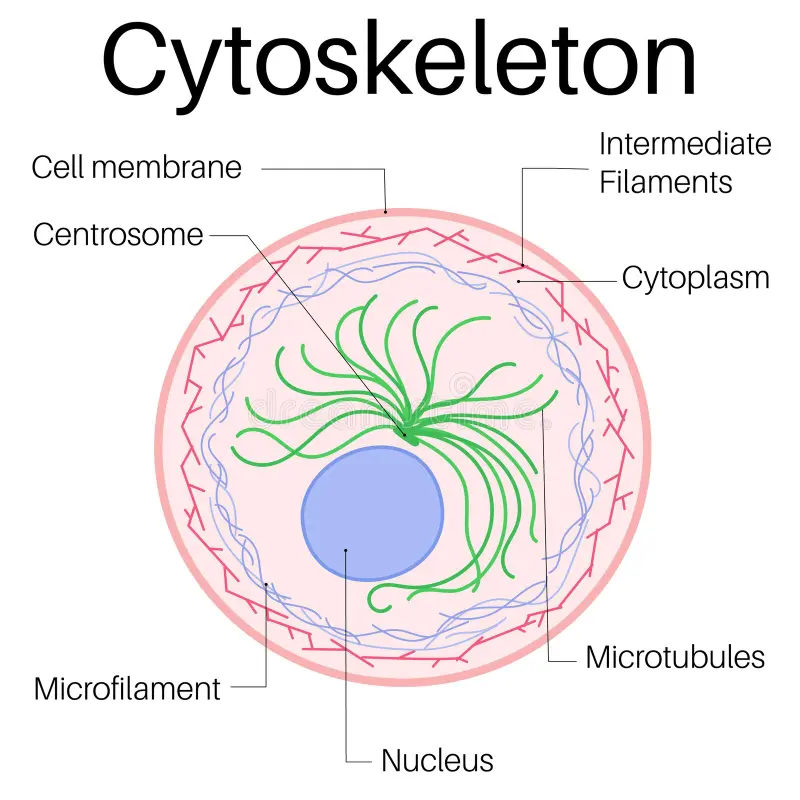
Cilium
moves substances across the cell surface
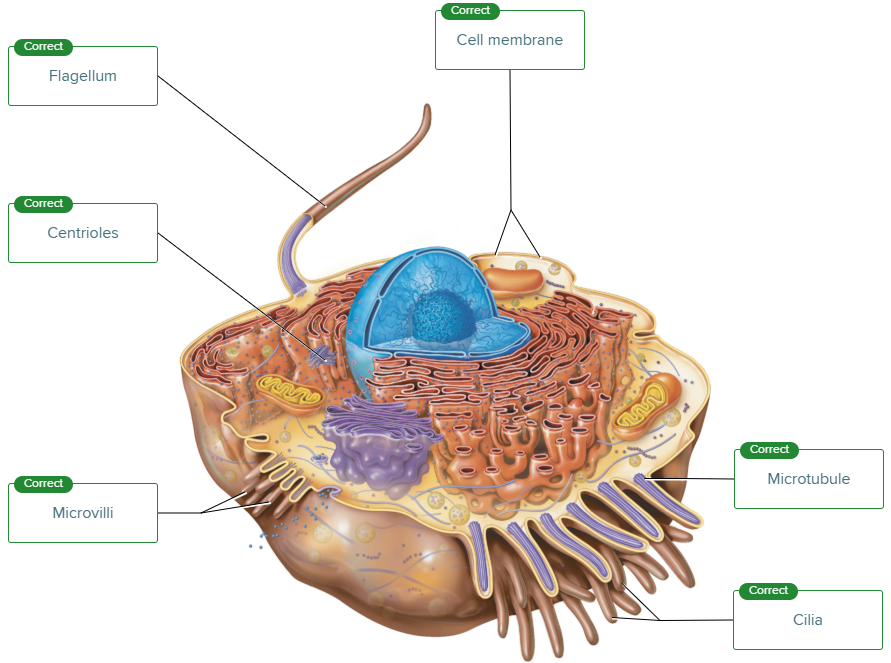
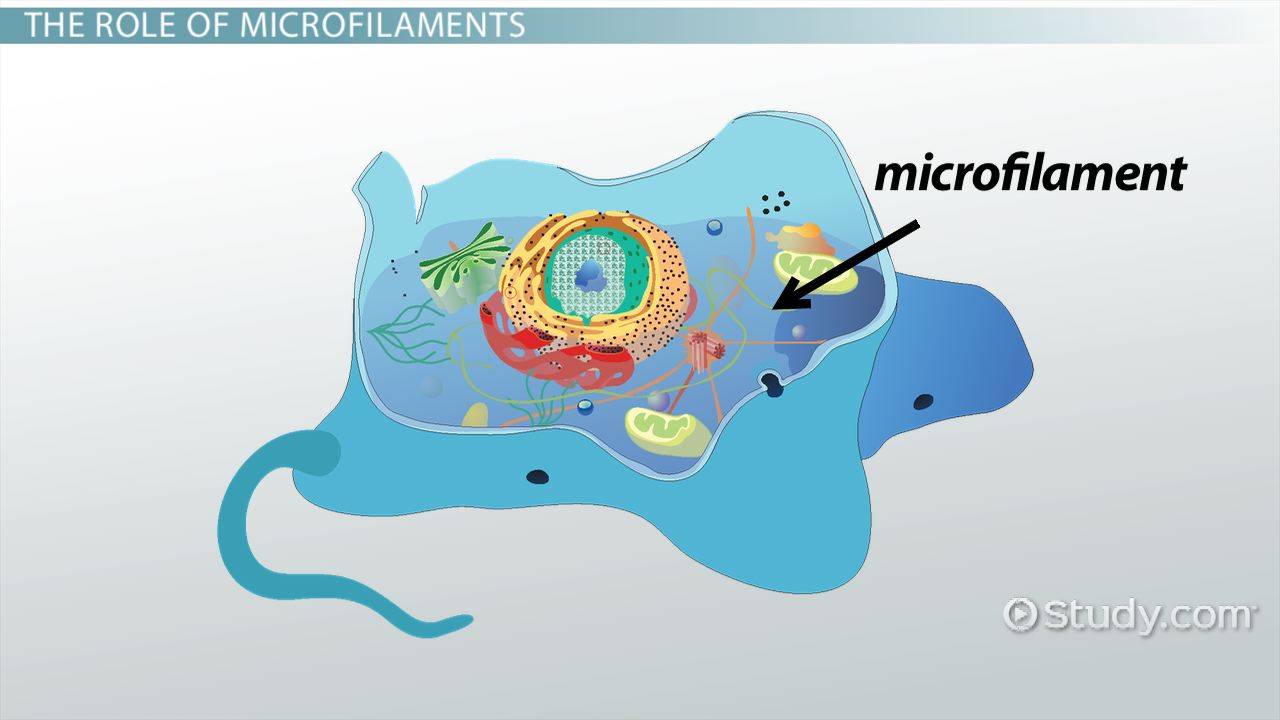
Microtubules where?
microtubules help with what?
tiny protein structures inside cells
cell shape, movement of materials, and cell division.
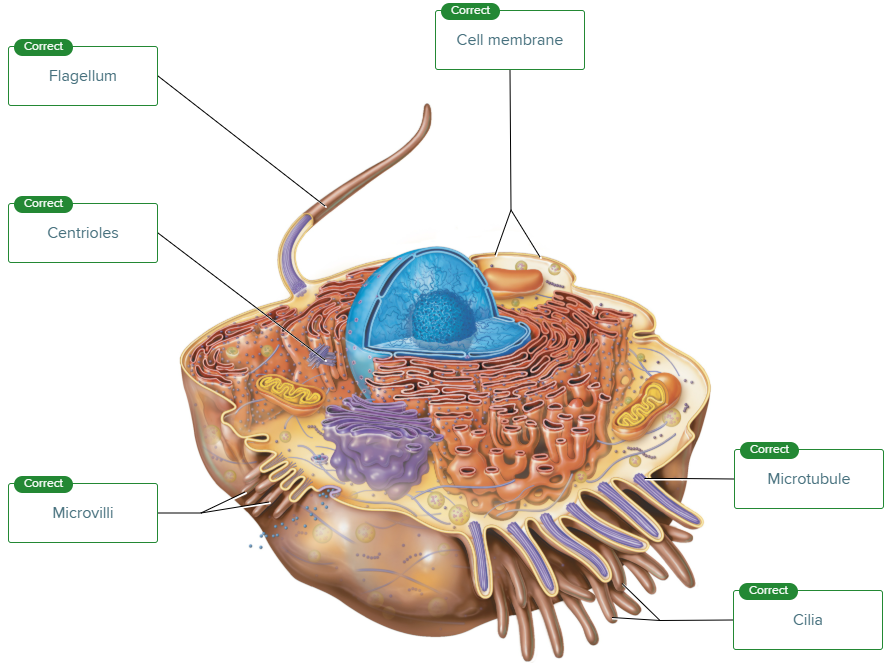
Cristae
folds of inner membrane that increases surface area for ATP production
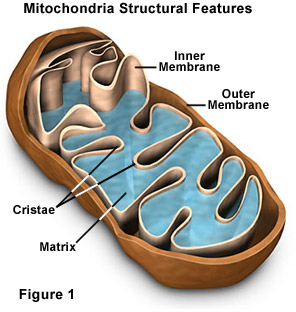
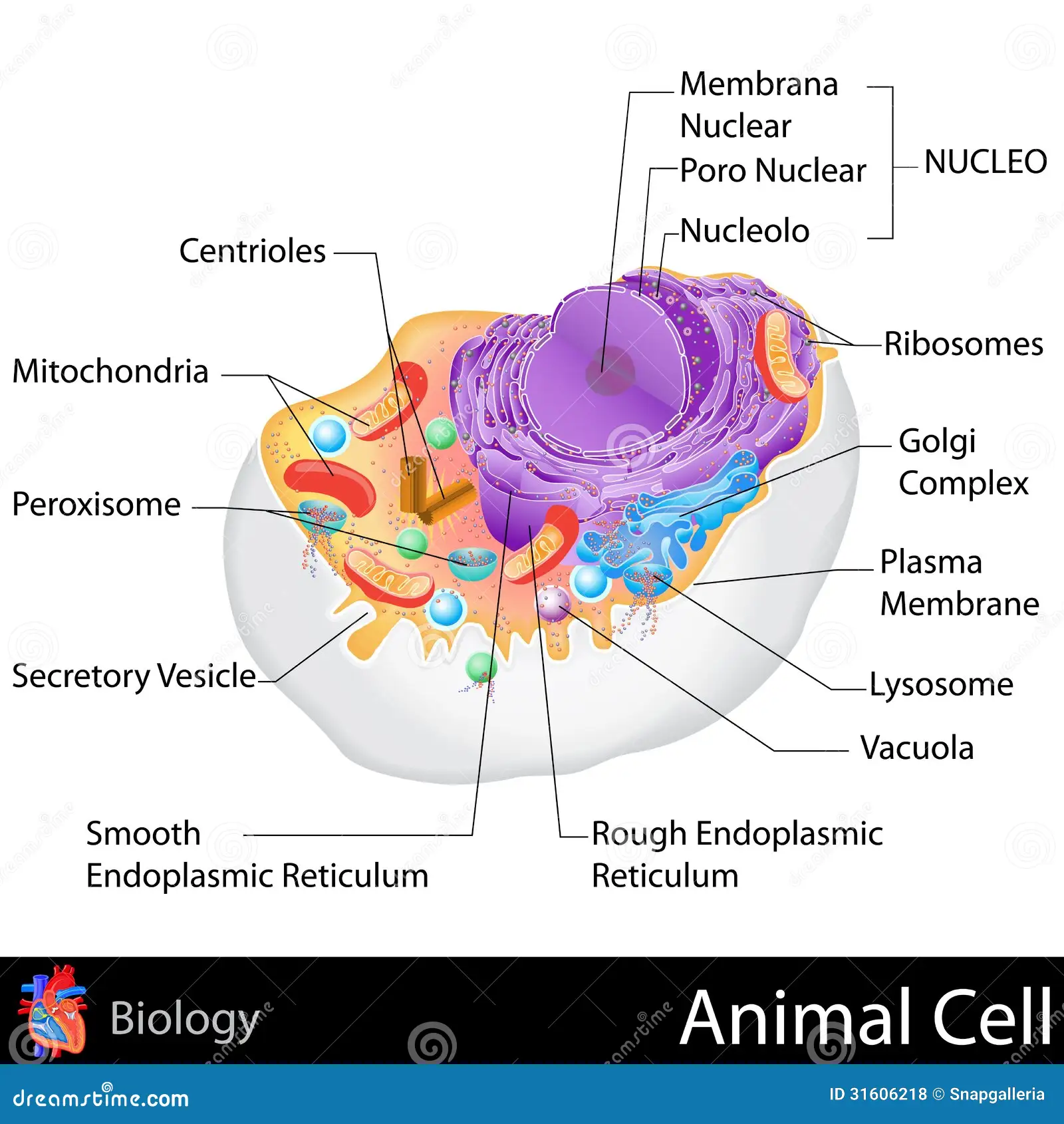
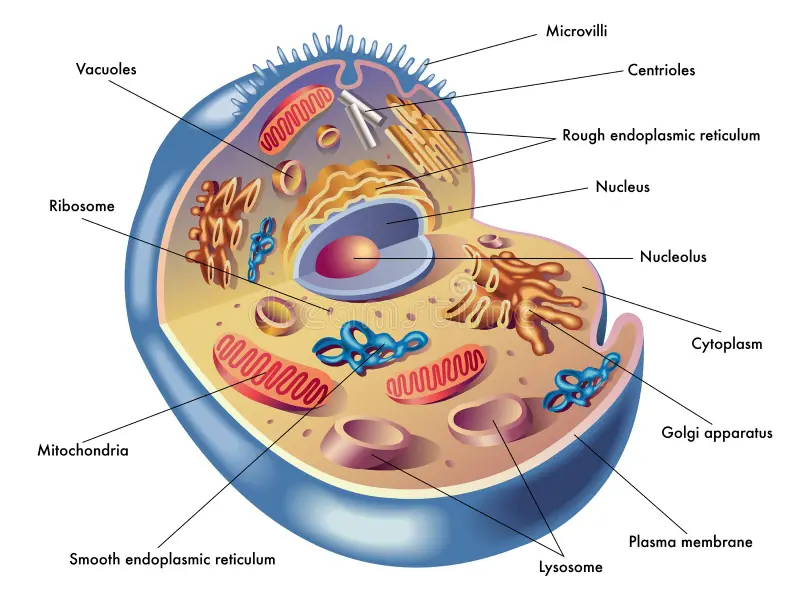
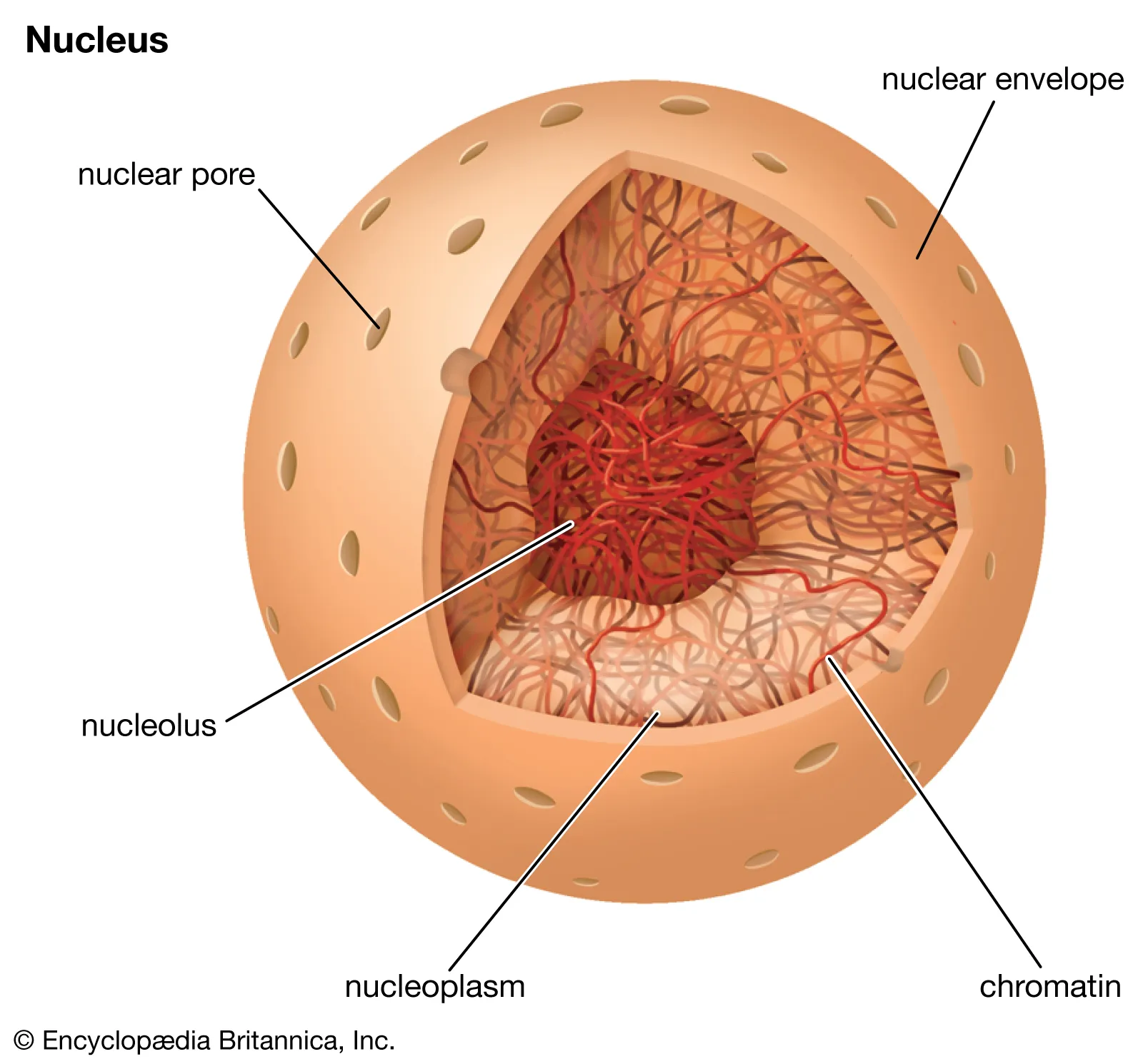
Peroxisome function?
peroxisome location vs lysosome location?
peroxisomes often near ER and mitochondria
lysosomes often near the golgi apparatus
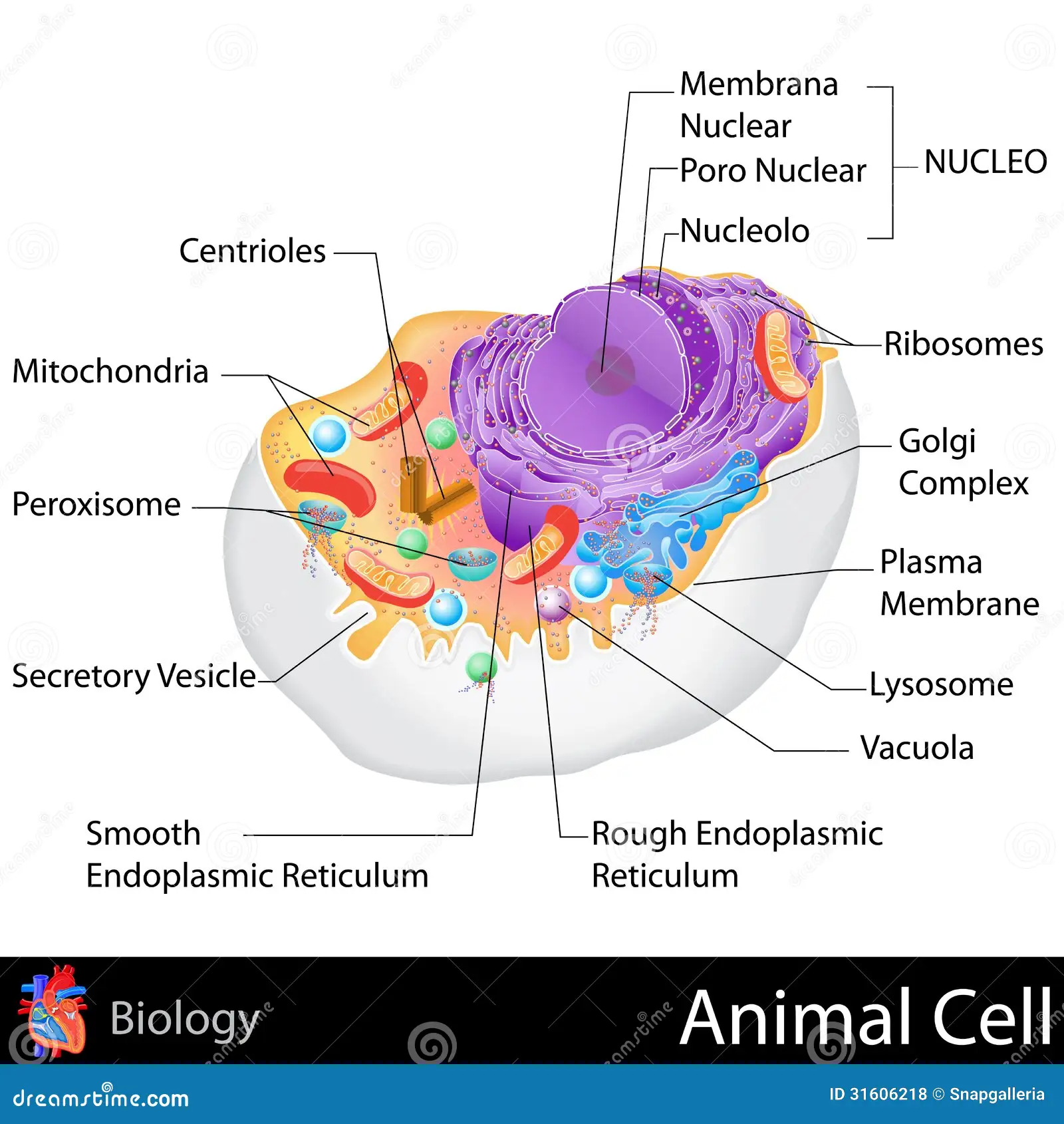
peroxisome size compared to lysosome?
peroxisome are slightly smaller than lysosomes

carries substances to plasma membrane to be secreted

vesicles are
are small membrane-bound sacs that move materials around the cell
Endocytic vesicle?
specific vesicle formed when cell membrane brings something inside cell
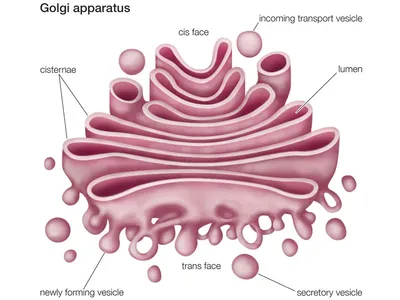
Cis-face of Golgi apparatus
(think of location & make sure it matches with image)
receives vesicles from the ER
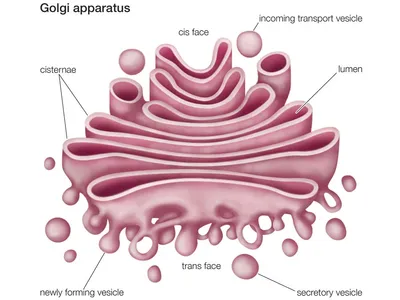
Trans-face of Golgi apparatus does what?
(think of location & make sure it matches with image)
sends processed materials out in vesicles
Abdominal cavity contains mainly
stomach, liver, gallbladder, spleen, pancreas, intestines, and kidneys

peritoneum…
lines abdominal/pelvic cavic (protects many organs)
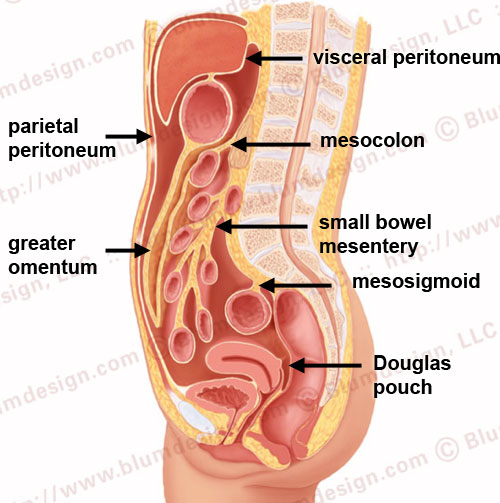
transverse mesocolon
attaches the transverse colon to the posterior abdominal wall

directions and locations of ascending colon, transverse colon, and descending colons?
ascending goes up on right side
transverse goes across
descending goes down on left side

transverse colon function?
absorbs water and electrolytes and moves fecal material toward descending colon
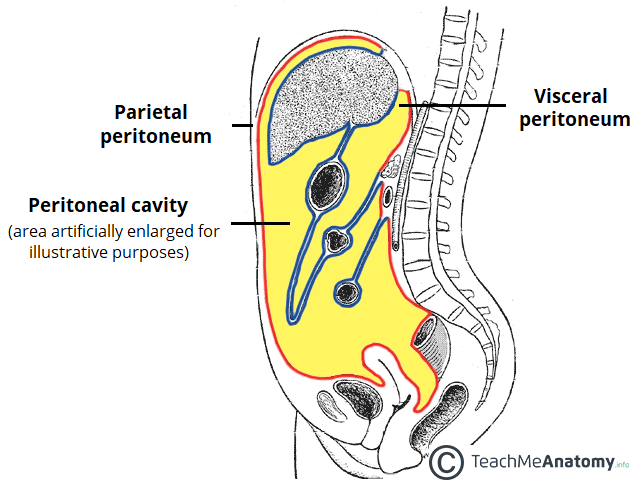
parietal peritoneum
lines wall of abdominal cavity

visceral peritoneum?
covers organs inside the abdominal cavity
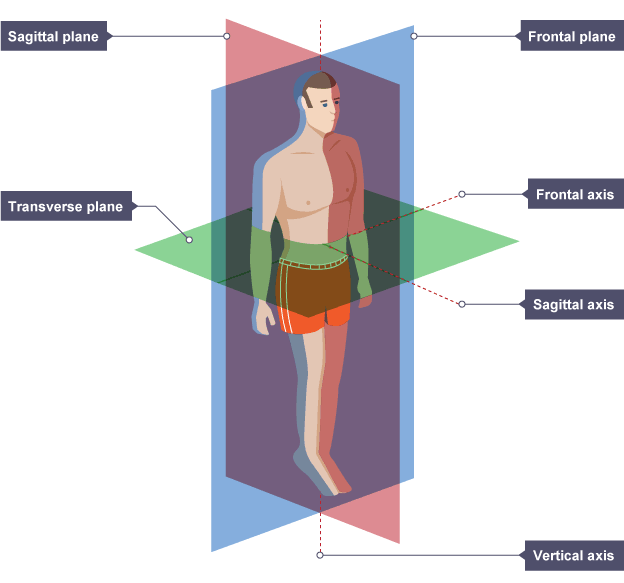
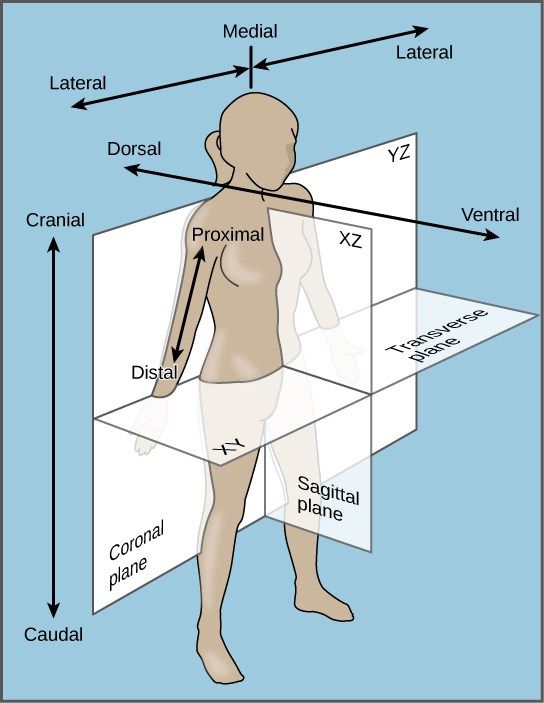
sagittal plane is a…
vertical plane that divides body into left and right portions
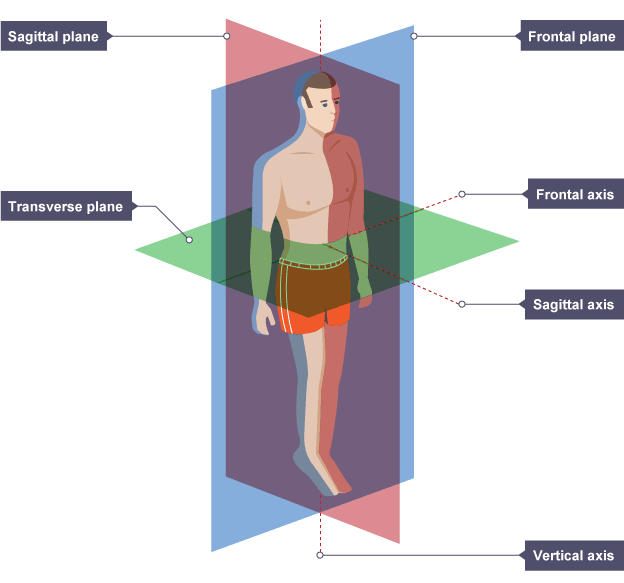
frontal (coronal) plane?
divides body into front and back
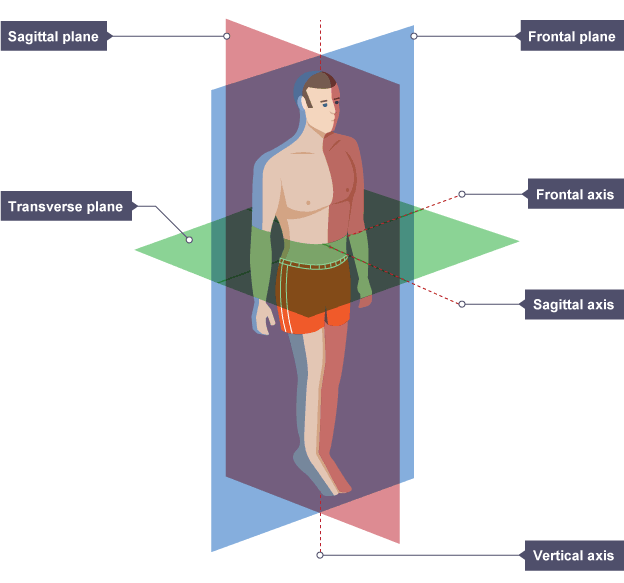
transverse plane?
divides body into top and bottom
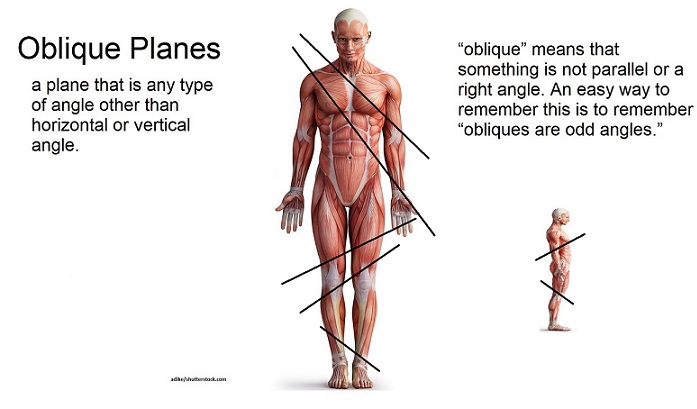
oblique plane?
divides the body at an angle (not horizontal or vertical)
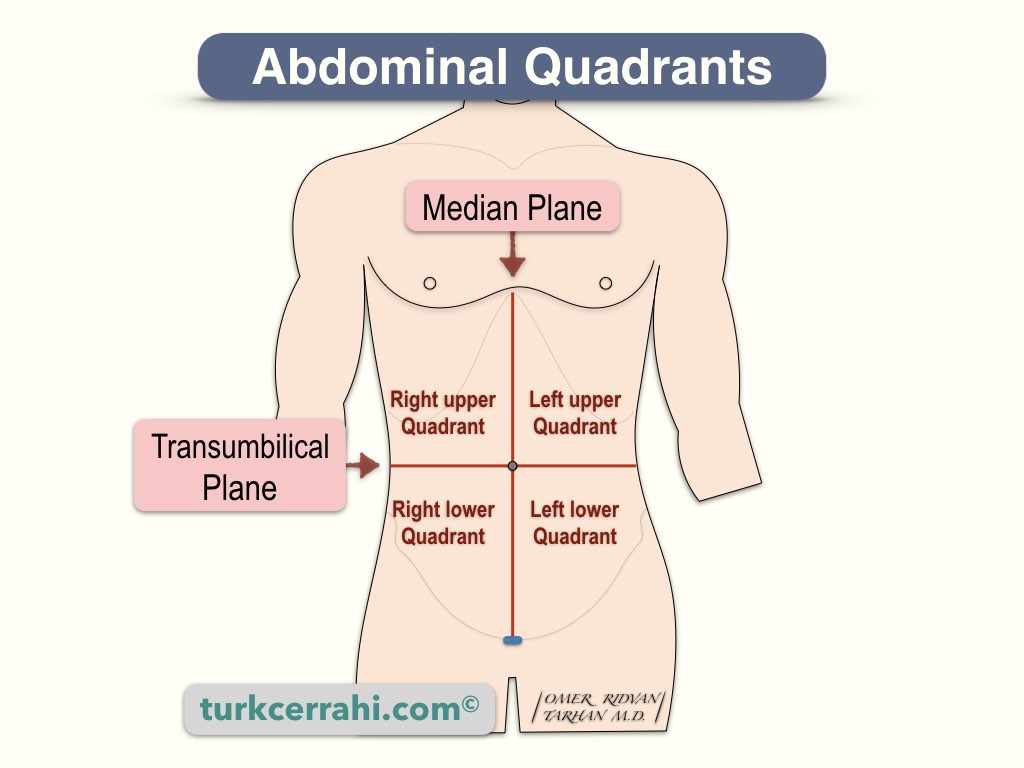
transumbilical plane?
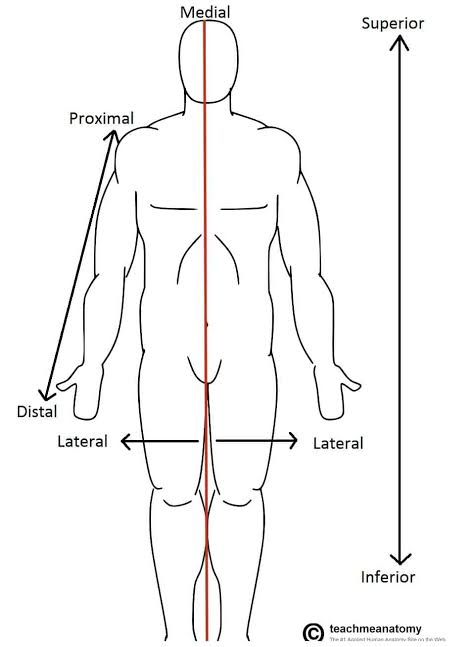
median plane?
horizontal line throguh the umbilicus (belly button)
vertical line through midline




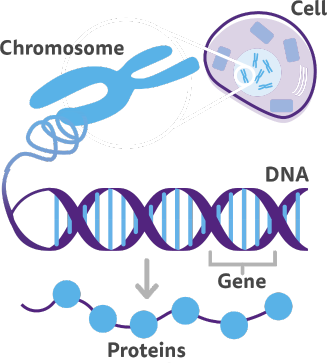
chromosome is a
molecule of DNA wrapped around proteins and contained in eukaryotic cells nucleus
Sister chromatids
One of two identical copies of a chromosome produced by DNA replication and attached to each other at the centromere
Osmotic pressure changes when the
concentration of nonpermeable solutes changes
Nonpermeable solute concentration is the amount of
dissolved substance that cannot cross the cell membrane
Higher nonpermeable solute concentration does what to water?
increases amount of water that will cross the membrane
protein channel create passageway for…
mostly ions and small water-soluble molecules (that can’t easily pass through the fatty membrane)
central vacuole (plant cells) is…
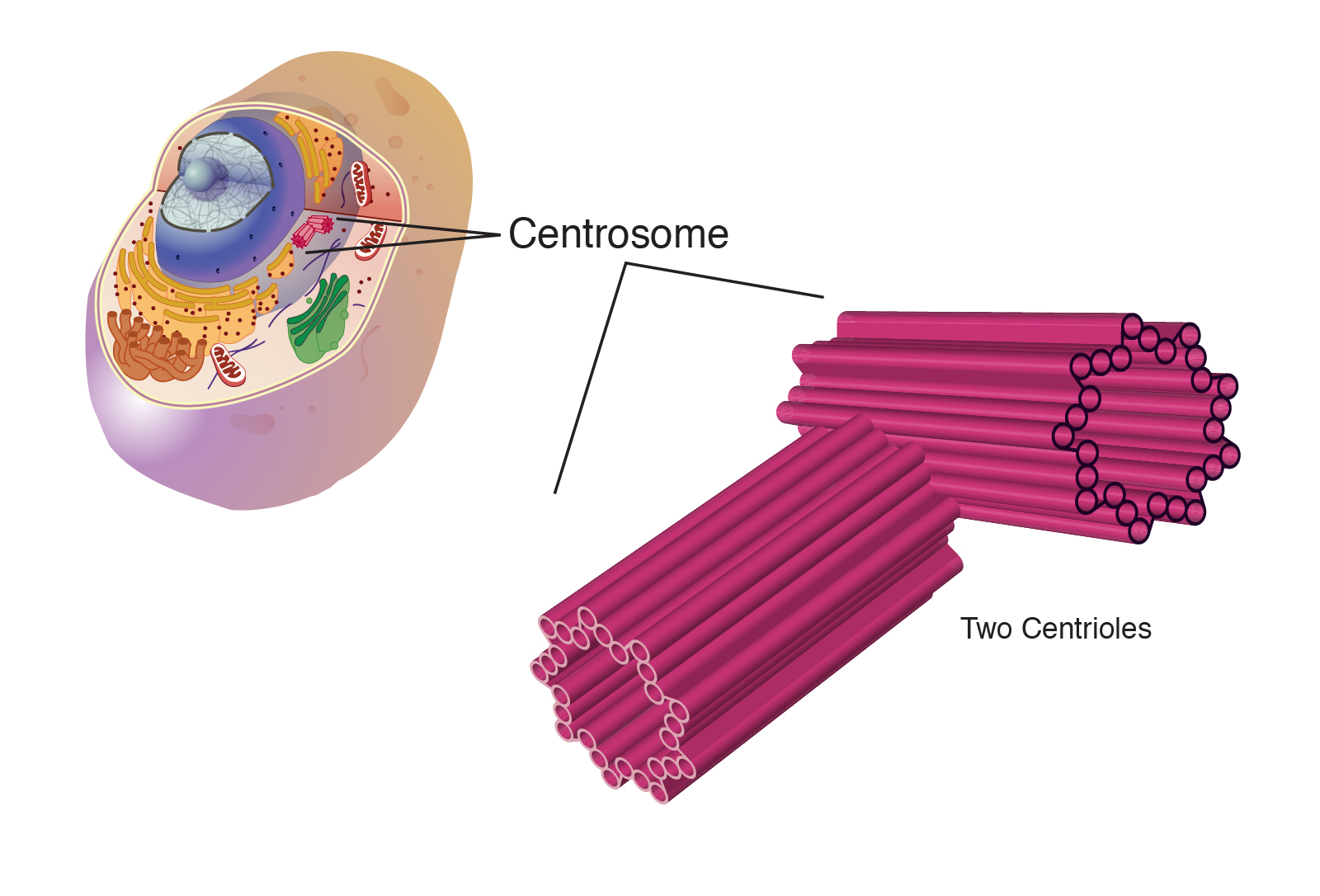
centrioles (animals) are…
large, fliud-filled sac for storing water and metabolites
2 short cylinders of proteins that help organize microtubules
Osmosis =
movement of water across a selectively permeable membrane
tonicity?
ability of a solution to change the volume/pressure of cell by osmosis
Pinocytosis
phagocytosis
cellular drinking
cellular eating
Pinocytosis and phagocytosis are both forms of active transport called endocytosis which is
where a cell uses energy to bring materials inside
substances that use facilitated diffusion are
polar, charged (ions), or larger substances
(ex: Na+, glucose)
when do below open?
Ligand-gated channel →
Voltage-gated channel →
Leak channel →
opens when a chemical binds
opens when there is a change in voltage
always open (ions continuously leak through)
glycoproteins are commonly found on…
the cell membrane and help with cell recognition and communication
Axial portion =
Appendicular portion =
Thoracic portion =
center
limbs
chest
biopsy?
taking a SMALL piece of tissue and examining it usually with a microscope
Histological section
thin slices of tissues viewed using a microscope
in epithelium, apical surface is
opposite of apical surface is…
exposed to the environment (lumen of a hollow organ)
basal surface