DTP 3 - Caries Detection
 Call Kai
 Learn
Learn Practice Test
 Spaced Repetition
 Match
Match Flashcards
 Knowt Play
1/134

There's no tags or description
Looks like no tags are added yet.
Name | Mastery | Learn | Test | Matching | Spaced | Call with Kai | Chat |
|---|
No analytics yet
Send a link to your students to track their progress
135 Terms
Define the following:
A biofilm mediated - diet modulated process that can lead to an imbalance in the cycle of demineralization and remineralization causing localized destruction of tooth structure
define dental caries
Dysbiosis
Extended low pH = Microbiome in _______
ICDAS (ADA CCS)
What caries classification system do we use at TUSDM?
Sound
What is the classification?
- Clinical presentation: No evidence of visible caries (no or questionable change in enamel translucency)
Initial
What is the classification?
- Clinical presentation: A carious opacity or visible discoloration (white spot lesion and/or brown carious discoloration) not consistent with clinical appearance of sound enamel and which show no evidence of surface breakdown or underlying dentin shadowing
Moderate
What is the classification?
- Clinical presentation: A white or brown spot lesion with localized enamel breakdown, without visible dentin exposure, or an underlying dentin shadow, which obviously originated on the surface being evaluated
Advanced
What is the classification?
- Clinical presentation: A distinct cavity with visible dentin
Active (initial or moderate)
Active or inactive?
- Opaque, whitish or brownish, rough, in plaque stagnation area
Inactive (initial or moderate)
Active or inactive?
- Translucent, smooth, shiny, not in plaque stagnation area
Active (advanced)
Active or inactive?
- Dentin is soft or leathery on gentle probing
Inactive (advanced)
Active or inactive?
- Dentin is shiny and hard on gentle probing
No radiolucency
What is the radiographic interpretation of a tooth classified as sound?
Radiolucency may extend to the DEJ or outer 1/3 of dentin
What is the radiographic interpretation of a lesion classified as initial?
Radiolucency extends into the middle 1/3 of dentin
What is the radiographic interpretation of a lesion classified as moderate?
Radiolucency extends into the inner 1/3 of dentin
What is the radiographic interpretation of a lesion classified as advanced?
- Extent/severity
- Activity status
DA Caries Classification System (ADA CCS) categorizes caries lesions according to what 2 criteria?
Buccal pits
What occlusal surfaces are common for caries on mandibular molars?
Lingual pits
What occlusal surfaces are common for caries on maxillary molars?
Proximal surfaces
Buccal/lingual smooth surfaces
What 2 locations are considered smooth surface caries sites?
Gingival recession
Exposed root surfaces
Older age
Root surface caries is most strongly associated with what 3 factors?
Initial
What is the classification?
- First visible evidence of mineral loss
- White or brown opacity
- No cavitation
Initial
What is the classification?

True
T/F: Severity describes how much tooth structure is involved (NOT whether the lesion is active)
Moderate
What is the classification?
- More advanced enamel breakdown
- Localized enamel surface discontinuity
- (Dentin involvement - not visually - but histologically and radiographically)
Moderate
What is the classification?

Advanced
What is the classification?
- Cavitation with dentin involvement
- Structural compromise
- Difficult to maintain plaque control
Advanced
What is the classification?
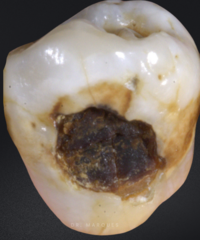
Active
Active or inactive?
- Chalky/matte appearance
Active
Active or inactive?
- Soft - whitish/yellowish
Active
Active or inactive?
- Rough surface
Active
Active or inactive?
- Plaque stagnation area
Active
Active or inactive?
- Near gingival margin
- Recent change in size/appearance
Active
Active or inactive?
- The disease process is currently progressing
Inactive
Active or inactive?
- Shiny appearance
Inactive
Active or inactive?
- Blackish/darker brown
Inactive
Active or inactive?
- Smooth surface
Inactive
Active or inactive?
- Hard texture
Inactive
Active or inactive?
- Not associated with plaque stagnation
Inactive
Active or inactive?
- The lesion has stopped progressing
Active
Active or inactive?

- A mouth-mirror
- Reflected light
- Air-water syringe on a clean tooth surface
- Bite-wing
- Fiber-optic transillumination (especially for proximal caries)
- Quantitative Light-Induced Fluorescence (QLF)
What tool can you use to visually detect and assess caries?
BIte-wings
What type of radiograph is useful to detect and assess caries?
Quantitative Light-Induced Fluorescence (QLF)
What type of tool to detect caries?
Measures the amount of fluorescence emitted by tooth structure when exposed to a specific wavelength of light (often blue or violet light). Healthy enamel emits a measurable amount of fluorescence, while carious lesions emit less. The system quantifies this difference and displays it as a grayscale image, with darker areas indicating higher fluorescence (often sound enamel) and lighter areas indicating lower fluorescence (often carious tissue)
NIRI technology (Near Infra-Red Imaging)
(NIRI technology shines near-infrared light through the teeth. Healthy enamel is transparent to this light, appearing darker on the scan, while dentin and decayed areas scatter the light, making them appear brighter. This contrast helps dentists identify areas of concern effectively)
What type of tool to detect caries?
An advanced diagnostic tool used primarily in dentistry to detect cavities and monitor dental health without exposing patients to harmful radiation
- Occlusal
- Primary
- Moderate
What is the classification?
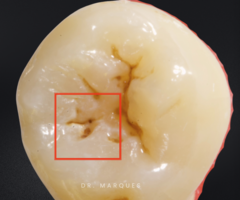
- Occlusal
- Primary
- Advanced
What is the classification?
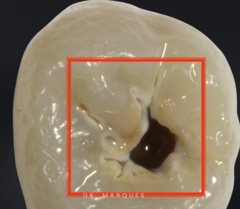
- Occlusal
- Primary
- Initial
What is the classification?
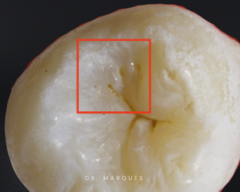
- Buccal
- Sound
What is the classification?

- Occlusal
- Primary
- Moderate
What is the classification?
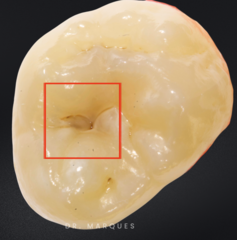
- Occlusal
- Sound
What is the classification?

- Buccal
- Primary
- Advanced
What is the classification?

- Occlusal
- Sound
What is the classification?

- Occlusal
- Primary
- Moderate
What is the classification?

- Occlusal
- Primary
- Advanced
What is the classification?

- Occlusal
- Secondary
- Advanced
What is the classification?

- Occlusal
- Primary
- Initial
What is the classification?

- Buccal
- Primary
- Advanced
What is the classification?
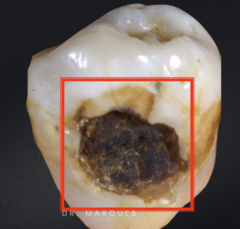
- Lingual
- Primary
- Advanced
What is the classification?
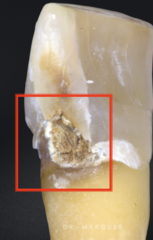
- Occlusal
- Secondary
- Initial
What is the classification?
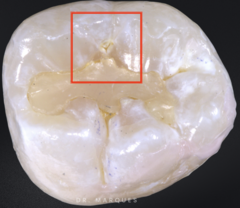
- Occlusal: Moderate
- Buccal: Moderate
What is the classification?
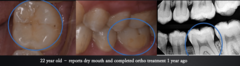
Occlusal: Moderate
What is the classification?

- Distal: Advanced
- Occlusal: Moderate
- Buccal: Advanced
What is the classification?

Occlusal: Moderate
What is the classification?

Occlusal: Moderate
What is the classification for #13?
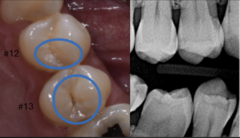
Occlusal: Initial
What is the classification for #12?

Buccal: Advanced
What is the classification?
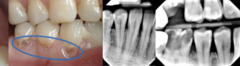
- Occlusal: Moderate
- Buccal: Initial
What is the classification for #30?

- Occlusal: Initial
- Buccal: Moderate
What is the classification for #29?

Occlusal: Moderate
What is the classification?
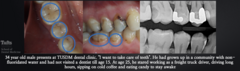
- Occlusal: Moderate
- Buccal: Moderate
What is the classification?

- Occlusal: Moderate
- Buccal: Moderate
What is the classification for #19?
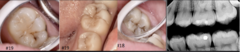
Occlusal: Moderate
What is the classification for #18?
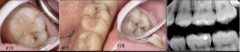
- Occlusal: Moderate
- Buccal: Moderate
What is the classification for #30?

Occlusal: Moderate
What is the classification for #31?

Occlusal: Moderate
What is the classification for #18?
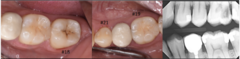
Occlusal: Moderate
What is the classification for #19?

Occlusal: Sound
What is the classification for #21?

Occlusal: Moderate
What is the classification for #14?
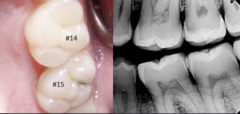
Occlusal: Initial
What is the classification for #15?
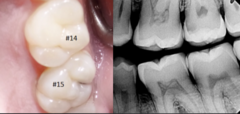
Facial: initial
What is the classification for #11?
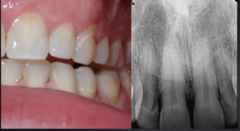
Occlusal: Initial
What is the classification?

Occlusal: Advanced
What is the classification?

Occlusal: Sound
What is the classification?

Occlusal: Moderate
What is the classification?
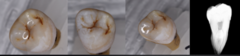
Occlusal: Advanced
What is the classification?

Occlusal: Advanced
What is the classification?
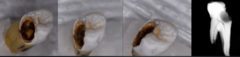
Occlusal: Advanced
What is the classification?
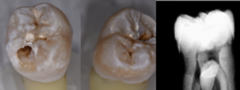
Occlusal: Initial
What is the classification?

Occlusal: Moderate
What is the classification?
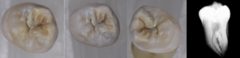
True
T/F: Untreated dental caries (tooth decay) in permanent teeth is the most common health condition according to the Global Burden of Disease 2021.
False (Cavity is the visible manifestation)
The disease is multifactorial:
- Biofilm dysbiosis (it becomes cariogenic)
- Frequent sugar exposure
- Susceptible tooth surfaces (deep grooves, cavitations, chips)
- Inadequate fluoride exposure
- Host susceptibility that can lead to an imbalance in the cycle of demineralization and remineralization causing localized destruction of tooth structure
T/F: The cavity is the disease
The balance between pathological (risk) factors and protective factors
What is caries risk determined by?
Reduce pathological factors while strengthening protective factors to shift the balance toward oral health.
What is the goal of caries management?
Demineralization
Do these factors favor remineralization or demineralization?
- White spot lesions
- Restorations < 3 years
- Enamel lesions
- Caries/dentin
Demineralization
Do these factors favor remineralization or demineralization?
- Pathogenic bacteria
- Absence of saliva
- Destructive lifestyle habits
Remineralization
Do these factors favor remineralization or demineralization?
- Saliva and sealants
- Antibacterials Fluoride/Ca/PO
- Effective lifestyle habits
- Risk-based reassessment
1) Determine caries risk
2) Detect and assess lesions
3) Decide on a personalized care plan
4) Do preventive and tooth-preserving care
- Risk-based recall interval
What are the 4Ds of the cariescare 4D cycle?
Increase
Risk factors are biological, behavioral, or environmental factors that __________ the likelihood of developing or progressing dental caries
Biological
What type of caries risk factors are the following?
- Visible plaque accumulation
- Frequent exposure to fermentable carbohydrates
- Reduced salivary flow (hyposalivation/xerostomia)
- Exposed root surfaces
- Deep pits and fissures
- Orthodontic appliances or other plaque-retentive factors
Behavioral
What type of caries risk factors are the following?
- Frequent consumption of sugary foods or drinks (especially between meals)
- Poor oral hygiene
- Inadequate fluoride exposure
- Irregular dental attendance
- Low adherence to preventive recommendations