MCAT P/S
 Call Kai
 Learn
Learn Practice Test
 Spaced Repetition
 Match
Match Flashcards
 Knowt Play
1/358

There's no tags or description
Looks like no tags are added yet.
Name | Mastery | Learn | Test | Matching | Spaced | Call with Kai | Chat |
|---|
No analytics yet
Send a link to your students to track their progress
359 Terms
Dependent variable
The variable measured as the outcome. The presumed effect. e.g. symptom severity
Control variable
A variable held constant to prevent it from influencing the dependent variable
Confounder
A third variable that correlates with both the independent variable and dependent variable, creating a spurious association. Controlled by randomisation or statistical adjustment
Mediator
A variable that explains the mechanism by which the IV affects the DV. It lies on the causal pathway between IV and DV
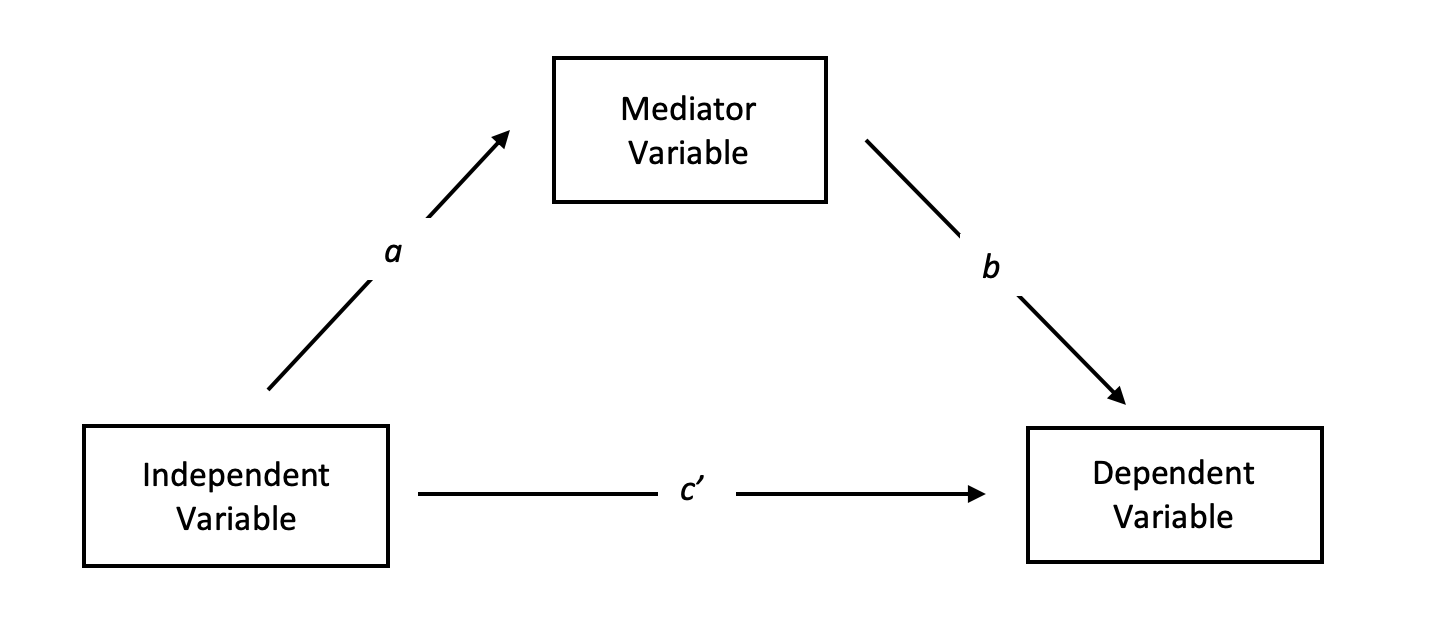
Moderator
A variable that changes the strength or direction of the relationship between the independent variable and dependent variable. It interacts with the independent variable
Statistical power
The probability of correctly rejecting a false null hypothesis (detecting a real effect).
Power = 1 − beta.
Increased by larger sample size, larger effect size, and higher alpha
Binocular depth cues
Depth cues requiring both eyes: retinal disparity (slightly different images on each retina; brain calculates depth from difference) + convergence (eyes turn inward for near objects; muscle feedback signals distance)
PTSD
Develops after exposure to actual or threatened death/serious injury/sexual violence.
Symptoms: intrusion (flashbacks/nightmares) + avoidance (of reminders) + negative cognitions/mood + hyperarousal (hypervigilance/exaggerated startle/sleep disturbance).
Duration >1 month
Schizophrenia
Positive symptoms: hallucinations (most commonly auditory) + delusions + disorganised speech/behaviour.
Negative symptoms: flat affect/alogia (poverty of speech)/avolition/anhedonia/asociality.
Cognitive symptoms: impaired working memory/attention/executive function.
Dopamine hypothesis: ↑mesolimbic dopamine
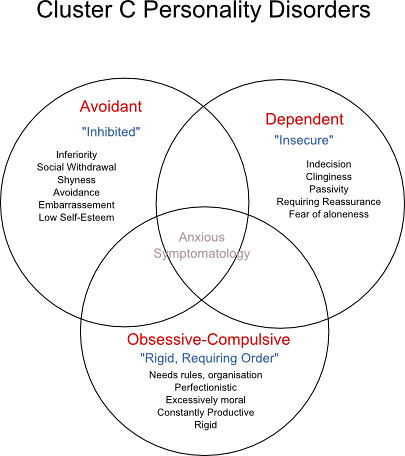
Cluster C personality disorders
Anxious/fearful. Avoidant PD (social inhibition/feelings of inadequacy/hypersensitivity to rejection) + Dependent PD (excessive need to be cared for) + Obsessive-compulsive PD (preoccupation with orderliness/perfectionism/control)
Personal vs social identity
Personal identity: unique individual characteristics (personality/personal history).
Social identity: self-concept derived from group memberships (nationality/gender/religion/race).
Both contribute to overall self-concept
Acculturation strategies (Berry)
How individuals relate to their heritage culture vs dominant culture.
Integration: maintain heritage + adopt dominant (best outcomes).
Assimilation: abandon heritage + adopt dominant.
Separation: maintain heritage + reject dominant.
Marginalisation: reject both. Leads to acculturative stress