Lymphatic System - Clinical Correlations
 Call Kai
 Learn
Learn Practice Test
 Spaced Repetition
 Match
Match Flashcards
 Knowt Play
1/30

There's no tags or description
Looks like no tags are added yet.
Name | Mastery | Learn | Test | Matching | Spaced | Call with Kai | Chat |
|---|
No analytics yet
Send a link to your students to track their progress
31 Terms
What is lymphangitis?
Inflammation of the lymphatic vessels, usually caused by the spread of infection.
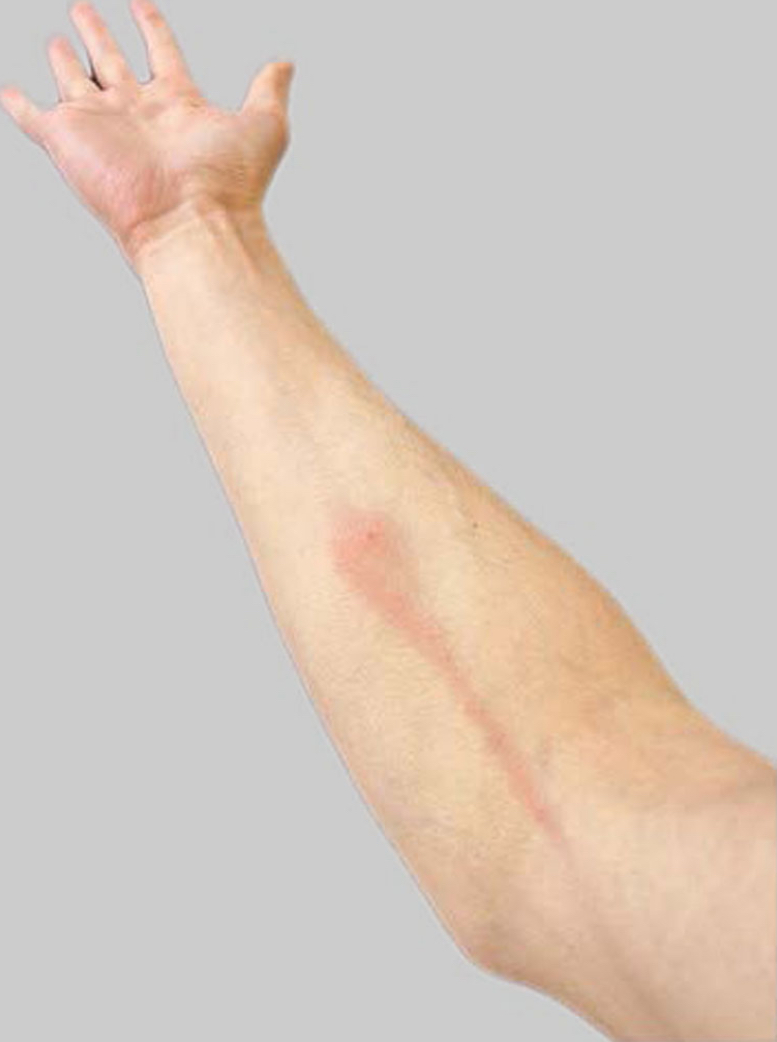
Why does lymphangitis occur?
Because infection spreads into the lymphatic vessels from an infected area.
Which part of the lymphatic system is affected in lymphangitis?
The lymphatic vessels.
What is lymphadenitis?
Inflammation of the lymph nodes.
Why do lymph nodes become inflamed during infection?
Because they filter pathogens and activate immune cells, triggering an inflammatory response.
Which part of the lymphatic system is affected in lymphadenitis?
The lymph nodes.
Compare lymphangitis and lymphadenitis.
Lymphangitis | Lymphadenitis |
Inflammation of lymphatic vessels | Inflammation of lymph nodes |
Affects vessels | Affects nodes |
What is metastasis?
The spread of cancer cells from the original (primary) tumour to other parts of the body.
How can cancer spread through the lymphatic system?
Cancer cells enter lymphatic vessels and are transported to lymph nodes and beyond.
Why are lymph nodes commonly examined in patients with cancer?
Because they are common sites where metastatic cancer cells become trapped.
What is lymphogenous dissemination?
The spread of cancer through the lymphatic system.
What is lymphedema?
Accumulation of interstitial (tissue) fluid due to impaired lymph drainage.
What causes lymphedema?
Failure of lymph to drain from a region of the body.
Why does lymphedema develop?
Because excess tissue fluid cannot return to the bloodstream through the lymphatic system.
How can cancer treatment cause lymphedema?
Removal or damage of lymph nodes disrupts normal lymph drainage.
Why can removal of axillary lymph nodes cause swelling of the arm?
Because lymph from the upper limb can no longer drain effectively.
Which lymph nodes are commonly removed during breast cancer surgery?
Axillary lymph nodes.
After axillary lymph node removal, which limb is most at risk of lymphedema?
The upper limb on the affected side.
Why does blocking the lymphatic system cause swelling?
Because excess tissue fluid continues to leave blood capillaries but cannot be drained away.
Why is lymphedema different from general oedema?
Lymphedema is specifically caused by impaired lymphatic drainage, whereas oedema has many possible causes (e.g. heart failure, kidney disease, venous insufficiency).
Why are lymphatic vessels a route for cancer spread?
Because they drain tissue fluid, allowing cancer cells to enter and travel to lymph nodes.
A patient has swelling of the right arm after breast cancer surgery.
What is the most likely cause?
Lymphedema due to removal of the right axillary lymph nodes.
Why are lymph nodes routinely assessed on CT and MRI?
To detect enlargement due to infection, inflammation, or metastatic cancer.
Why is ultrasound commonly used to assess superficial lymph nodes?
It can evaluate their size, shape, and internal structure without radiation.
Why is PET-CT useful in patients with cancer?
Because it helps identify metabolically active lymph nodes that may contain metastatic disease.
Compare lymphangitis, lymphadenitis, and lymphedema.
Condition | Affects | Main problem |
Lymphangitis | Lymphatic vessels | Inflammation |
Lymphadenitis | Lymph nodes | Inflammation |
Lymphedema | Lymph drainage | Fluid accumulation |
Compare infection and metastasis in the lymphatic system.
Infection | Metastasis |
Pathogens spread | Cancer cells spread |
Immune response | Tumour dissemination |
Complete the sequence:
Infection →
Lymphatic vessels →
Lymphangitis
Complete the sequence:
Infection →
Lymph nodes →
Lymphadenitis
Complete the sequence:
Lymphatic obstruction →
Poor lymph drainage →
________ →
Lymphedema
A woman develops arm swelling several months after breast cancer surgery involving removal of axillary lymph nodes.
Explain why.
Removal of the axillary lymph nodes disrupts lymphatic drainage from the upper limb. Excess tissue fluid cannot return to the bloodstream, causing lymphedema.