Mammalogy Lab Day 1
 Call Kai
 Learn
Learn Practice Test
 Spaced Repetition
 Match
Match Flashcards
 Knowt Play
1/28

There's no tags or description
Looks like no tags are added yet.
Name | Mastery | Learn | Test | Matching | Spaced | Call with Kai | Chat |
|---|
No analytics yet
Send a link to your students to track their progress
29 Terms
Medulla
center of the hair, may have patterns or be hollow

Cortex
tightly packed cells surrounding medulla
cuticle
outer layer of the hair, made up of translucent scales
patterns can be diagnostic
Pelage: Guard hairs and its function
hard, longer hair; mostly for protection and coloration
Pelage: underfur and its function
soft, shorter, closer to the skin; thermal insulation
Vibrissae and function
whiskers (longest of the 3) for tactile sensation
- encased in blood sinus that amplifies movement
Two examples of modifies guard hairs
quills (harder and backward facing barbs)
spines (softer)
both are matched with underfur
What is pelage coloration due to
pigment granules in medulla OR cortex
Frosted or Grizzled pigmentation pattern
hair with dark shaft with white tip
- ground squirrel tail or grizzly
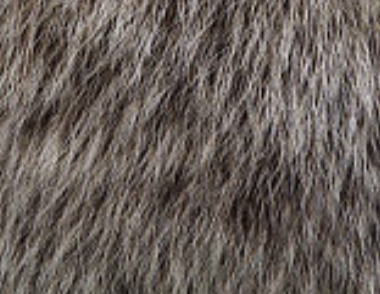
Hoary pigmentation pattern
hair with light shaft and lighter tip (often white)
- hoary bat

Agouti pigmentation pattern
alternating bands of dark and light
- ground squirrel body
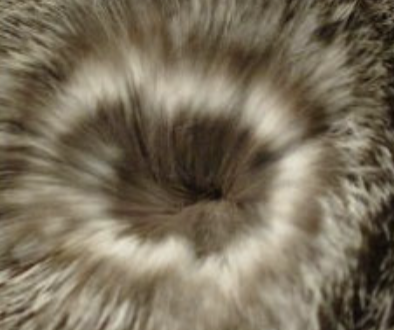
Countershading pelage pattern
light color on bottom of the body, dark color on the top of the body
- kangaroo rat
- to blend in with the ground if looking down at it and blend in with the sky if looking up at it

Concealment pelage pattern
camouflage
- giraffes
- leopards
Disruptive Coloration pelage pattern
usually stripes, SOMETIMES spots
- disrupts the outline of an animal
- zebra
- Eurasian badger

Warning Coloration pelage pattern
Using bold colors/pattens (white) like a skunk with its lifted tail
Flash Coloration Pelage Pattern
Contrasting color, often hidden but displayed as a signal
- white-tailed deer's raised tail is white when running away from predator
Melanism Pelage Variation
genetic defect leading to increased pigmentation, darker than normal

Albinism Pelage Variation
genetic defect causing total loss of pigmentation (pink eyes & nose)
Leucistic Pelage Variation
Paler than normal but not total loss of pigmentation (eyes and ears still pigmented)
Erythristic Pelage Variation
unusual genetic variation causing animal to be more orange/redish
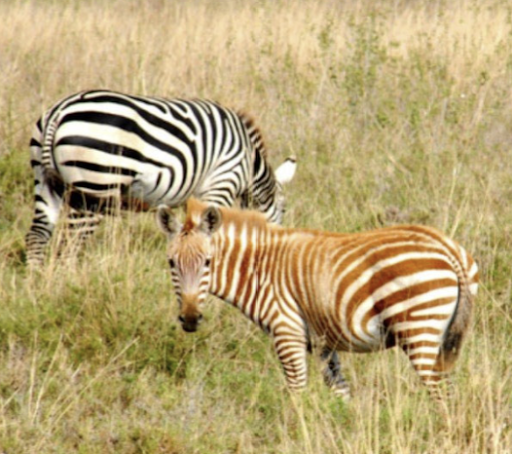
Piebald Pelage Variation
genetic variation causing irregular patches of white, brown, and black (like a cow)

Types of pelage changes during animals life cycle
Juvenal pelage: sea lion pup is soft and white, deer is spotted
Seasonal pelage: arctic fox turns white during winter and brown during spring
Molt
shedding and replacement of old hair, fur, or skin with new growth

Aberrant
Lost pelage due to disease or infection
- mange (mites)

Horns vs Antlers
Horns: part of skull, keratin sheath over boney core
Antlers: not part of skull, can come off seasonally
Nails
dorsal compressed flat, top to bottom
Claws
dorsal laterally compressed, side to side
Hooves
just the fingernail
Keratin
key structural material that make up nails, hair, protective scales, horns, claws, and hooves