Glucose Metabolism
 Studied by 0 people
 Call Kai
 Learn
Learn Practice Test
 Spaced Repetition
 Match
Match Flashcards
 Knowt Play
1/76

There's no tags or description
Looks like no tags are added yet.
Name | Mastery | Learn | Test | Matching | Spaced |
|---|
No study sessions yet.
77 Terms
Glucose is a monosaccharide containing ____________________, and is, therefore, an aldohexose.
six carbon atoms and an aldehyde group
The glucose molecule can exist in an open-chain (acyclic) as well as ___________________
ring (cyclic) form.
The _________________ of glucose is dominant: When dissolved in water, over 99% of glucose molecules exist as a six-membered ring structure
ring form
Glucose is not always a ring; it can exist in both a straight-chain form and a ring form, but in __________________, the majority of glucose molecules are found in a ring structure, making the ring form the most prevalent state for glucose
aqueous solutions
Four major pathways of glucose utilization
- storage
- oxidation via glycolysis
- oxidation via pentose phosphate pathway
- synthesis of structural polymers
Glucose is a prominent fuel in all life forms. First, glucose may have been available for primitive biochemical systems because it can form under _____________ conditions.
prebiotic
______________ is the most stable hexose.
Glucose
Glucose has a low tendency to _________________ proteins.
nonenzymatically glycosylate
Glycolysis is a universal and ancient pathway for making ATP. glyco- refers to glucose, and -lysis means ______________
"splitting"
Glycolysis, unlike the latter two stages of cellular respiration, takes place without _________________ in the __________________.
oxygen, cytosol of the cell
To enter the _________________, glucose must first be lysed into smaller molecules,
mitochondria
Glycolysis formula
C6H12O6 + 2NAD+ + 2Pi + 2ADP → 2 pyruvate + 2NADH + 2ATP
In glycolysis, a minimum of eight different enzymes break apart glucose into two 3-carbon molecules, called
2 pyruvate molecules
The energy released in breaking those glucose bonds is transferred to carrier molecules, _____________________
ATP and NADH
_________________ temporarily holds small amounts of energy which can be used to later build ATP
NADH
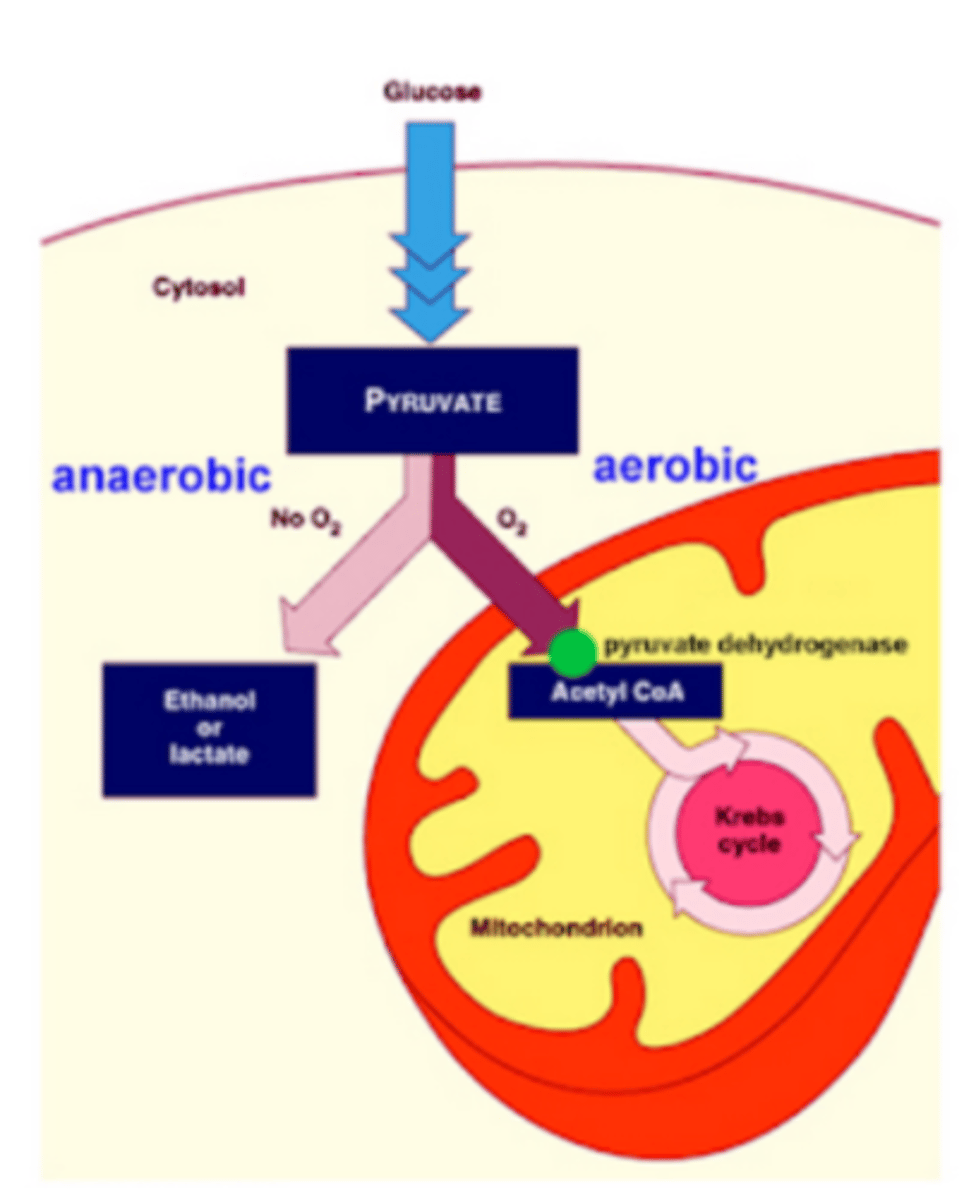
If oxygen is unavailable (termed anaerobic respiration), pyruvate may be converted to _________________ in order to regenerate NAD+,
lactic acid, ethanol, and carbon dioxide
Anaerobic respiration is also called
fermentation
If oxygen is present, pyruvate enters the mitochondria for further breakdown, releasing far more energy and producing many additional molecules of ATP in the latter two stages of aerobic respiration, which are __________________
the Krebs Cycle and electron transport chain
In mammals, glucose is the only fuel that the brain uses under non starvation conditions and the only fuel that __________________ can use at all.
red blood cells
Glycolysis is the sequence of reactions that metabolizes one molecule of glucose to two molecules of pyruvate with the concomitant net production of _________________
two molecules of ATP
__________________ is the process of synthesizing glucose from metabolic products, such as _____________________
Gluconeogenesis, pyruvate and lactate
Glycolysis and gluconeogenesis are two different pathways that are NOT
the reverse of each other
Glycolysis and gluconeogenesis are ________________ to ensure that both do not occur simultaneously at high rates, which would waste energy
reciprocally regulated
Glycolysis has ______________. Glucose is metabolized to pyruvate in 10 linked reactions. Each reaction is catalyzed by _______________
two phases, its OWN enzyme.
The types of enzymes in glycolysis
- Kinase (phosphoryl transfer)
- Mutase (phosphoryl shift)
- Isomerase (hexose to pentose)
- Aldolase (aldol cleavage)
- Dehydrogenase (oxidation)
the four Metabolic Goals of Glycolysis include:
1.) To extract the free energy and store it in the form of ATP
2.) To extract and store the electrons released as NADH
3.) To provide intermediates for other pathways
4.) To make pyruvate
NADH can be used to either make more ATP via _______________ or provide reducing power for biosynthesis as NADPH
oxidative phosphorylation
The metabolic strategy in ATP production is to synthesize high-energy, phosphorylated, intermediates with high phosphoryl group transfer potentials so that they can phosphorylate _______________
ADP
10 steps of glycolysis
1.) Hexokinase reaction
2.) Phosphoglucose isomerase reaction
3.) Phosphosfructokinase (PFK) reaction
4.) Aldolase reaction
5.) Triose phosphate isomerase (TPI) reaction
6.) Glyceraldehyde 3-phosphate dehydrogenase reaction
7.) Phosphoglycerate kinase reaction
8.) Phosphoglycerate mutase reaction
9.) Enolase reaction
10.) Pyruvate kinase reaction
Step 1: Hexokinase Reaction
- Upon entering the cell through a specific transport protein, glucose is _______________________ to form glucose 6-phosphate. Many metabolic pathways have a similar ________________ step near the start.
phosphorylated at the expense of ATP, irreversible

_______________ traps glucose in the cell and begins glycolysis
Hexokinase
Hexokinase is an enzyme that catalyzes the transfer of a phosphoryl group from ATP to a six-carbon sugar (hexose). Like all other kinases, hexokinase requires ________________
Mg2+ or Mn2+ as a cofactor
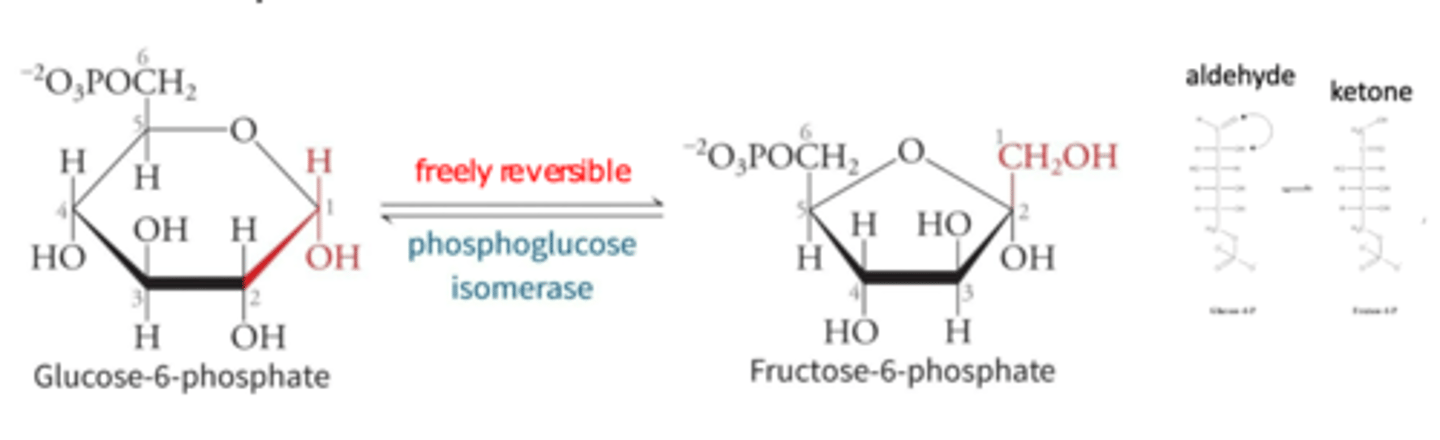
Step 2: Phosphoglucose Isomerase Reaction
- The isomerization of glucose 6-phosphate to __________________ takes place, along with a conversion of an __________________. Such near-equilibrium reactions are considered to be freely reversible.
fructose 6-phosphate, aldose into a ketose
Step 3. Phosphofructokinase (PFK) reaction
- The carbohydrate is trapped in the fructose form by ______________________. This ________________ reaction is catalyzed by the allosteric enzyme phosphofructokinase (PFK).
the addition of a second phosphate to form fructose 1,6-bisphosphate; irreversible
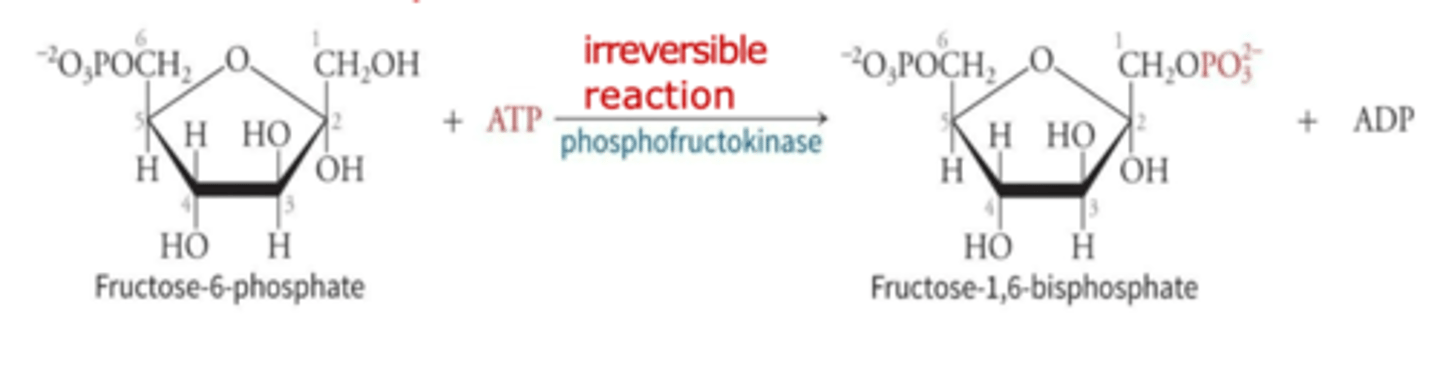
The activity of __________________________ is regulated.-Committed step!
phosphofructokinase
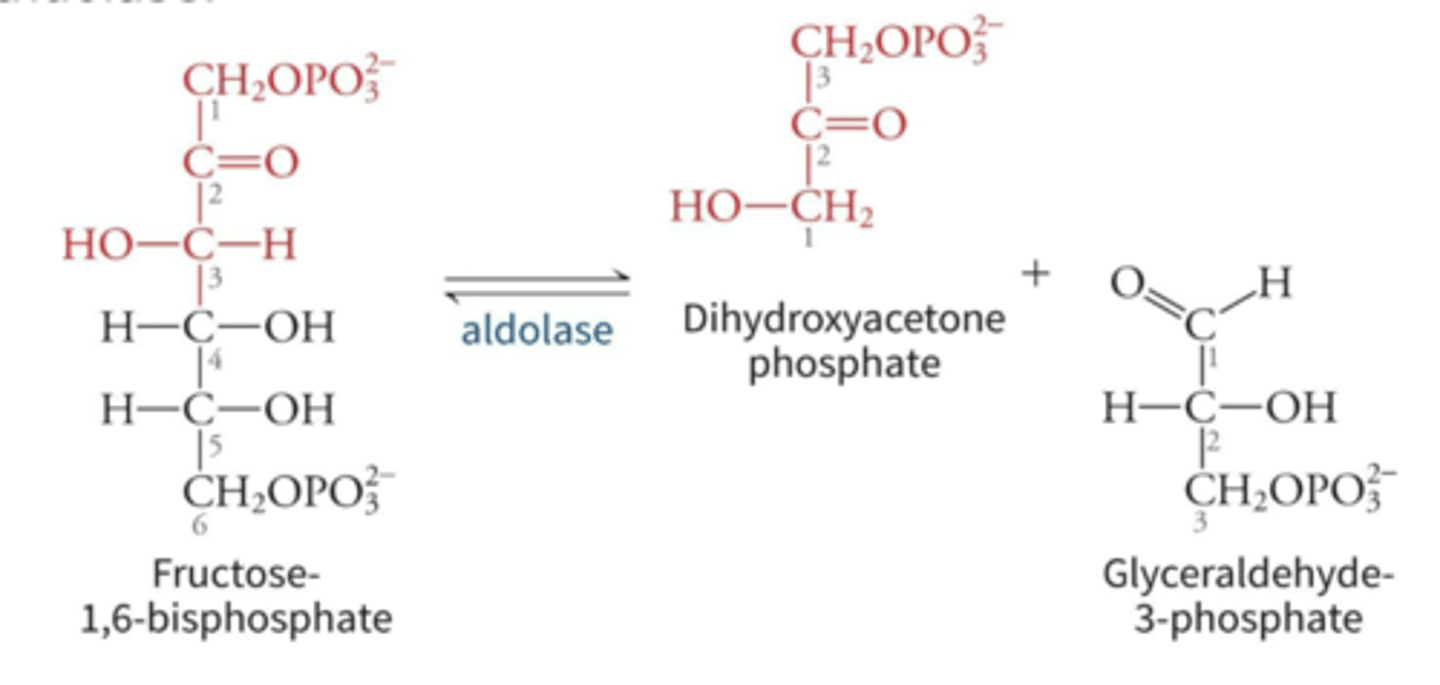
Step 4: Aldolase Reaction
- The cleavage of fructose 1,6-bisphosphate (F-1,6-BP) to form ____________________ catalyzed by aldolase.
glyceraldehyde 3-phosphate (GAP) and dihydroxyacetone phosphate (DHAP)
Step 5. Triose phosphate isomerase (TPI) reaction
- GAP can be processed to pyruvate to yield ATP, whereas DHAP cannot. The enzyme triose phosphate isomerase _________________,allowing the DHAP to be further metabolized.
interconverts GAP and DHAP
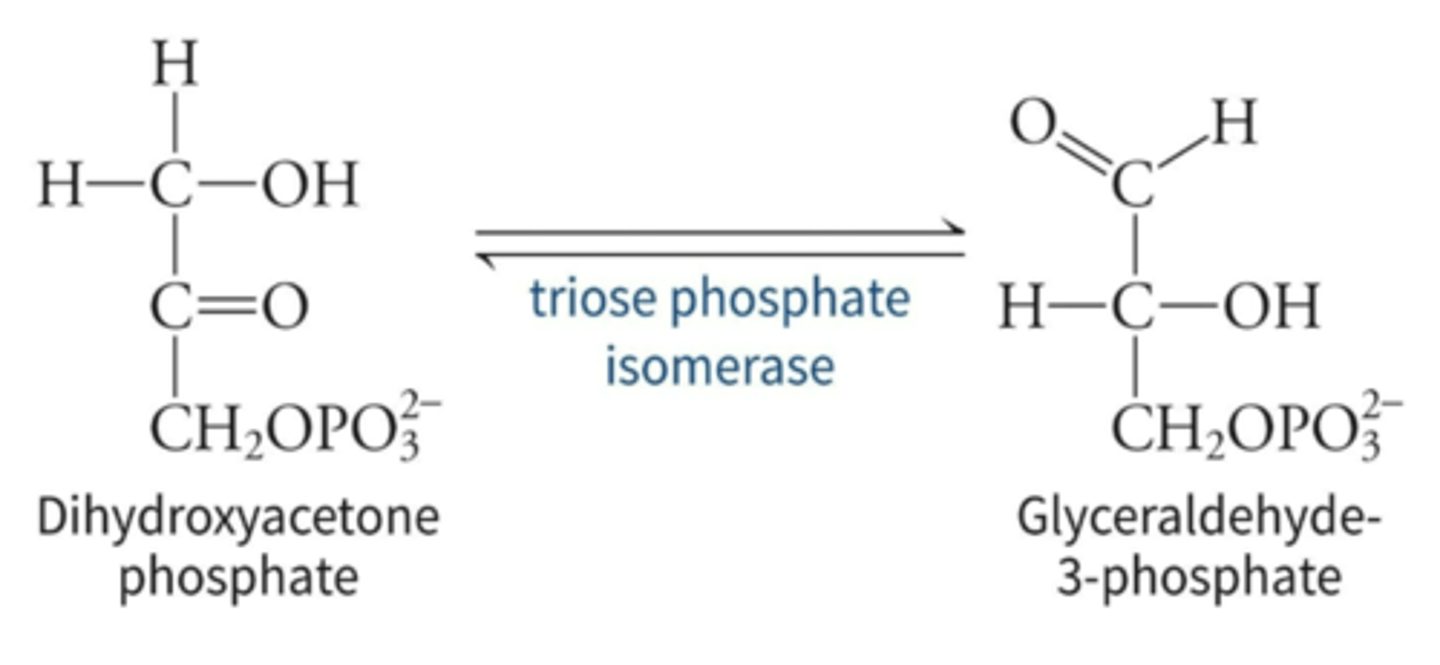
__________________ is the only glycolytic enzyme whose deficiency is lethal.
Triose phosphate isomerase
Step 6. Glyceraldehyde 3-phosphate dehydrogenase reaction
- In the _____________ of glycolysis, glyceraldehyde 3-phosphate (GAP) is first ____________________ catalyzed by glyceraldehyde 3-phosphate dehydrogenase
second phase, oxidized to 1,3-bisphosphoglycerate (1,3-BPG)
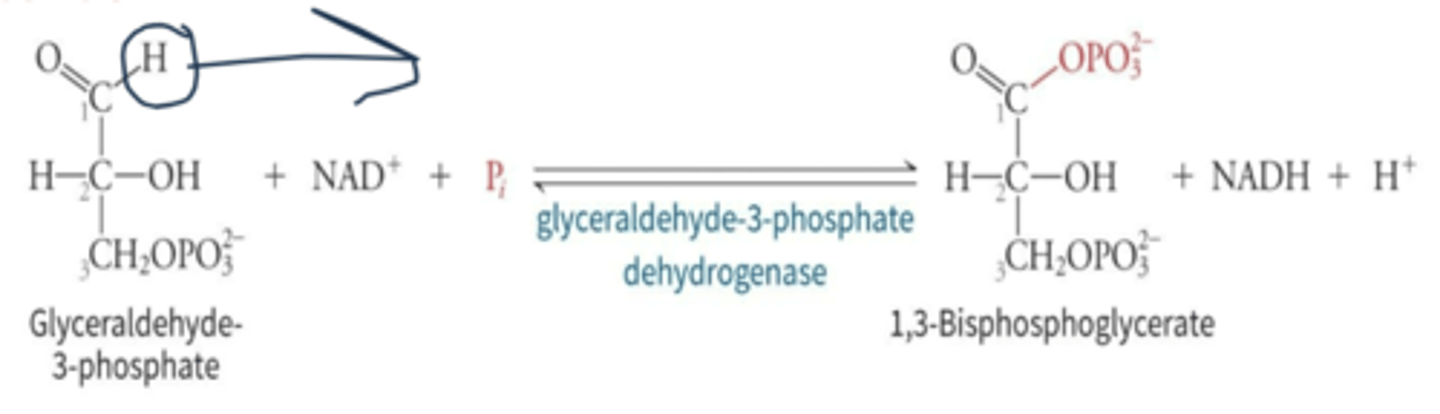
________________ is an acyl phosphate and has a ________________________
1,3-BPG, high phosphoryl-transfer potential.
Step 7. Phosphoglycerate kinase reaction
- Phosphoglycerate Kinase catalyzes the transfer of the ____________________. Free energy released is used to drive the formation of ATP
phosphoryl group from 1,3-BPG to ADP.
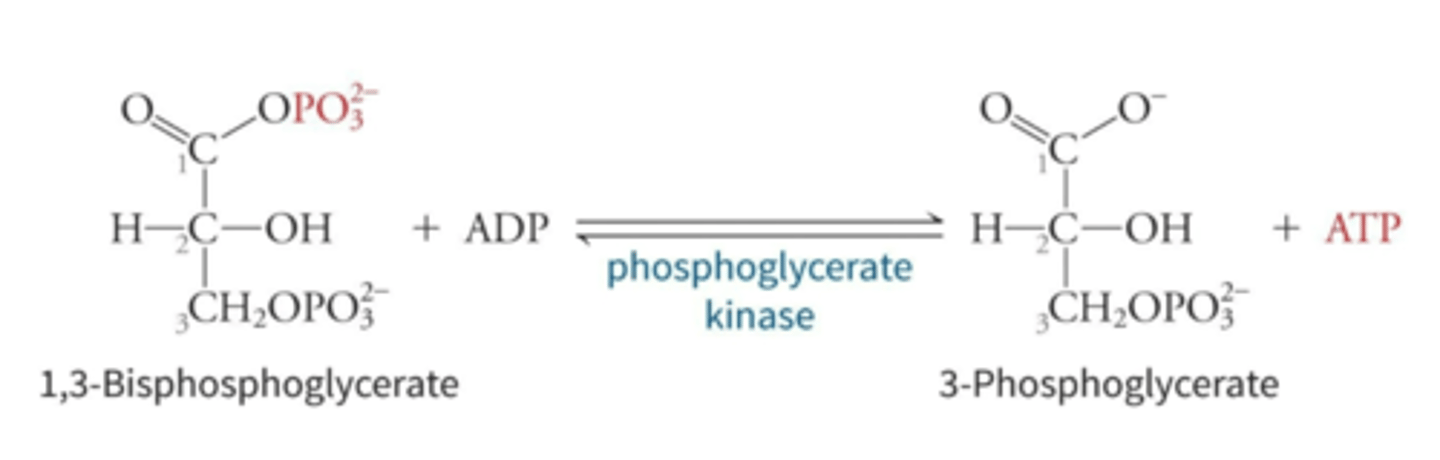
1,3-BPG is an energy-rich molecule with a ________________ than that of ATP.
greater phosphoryl-transfer potential
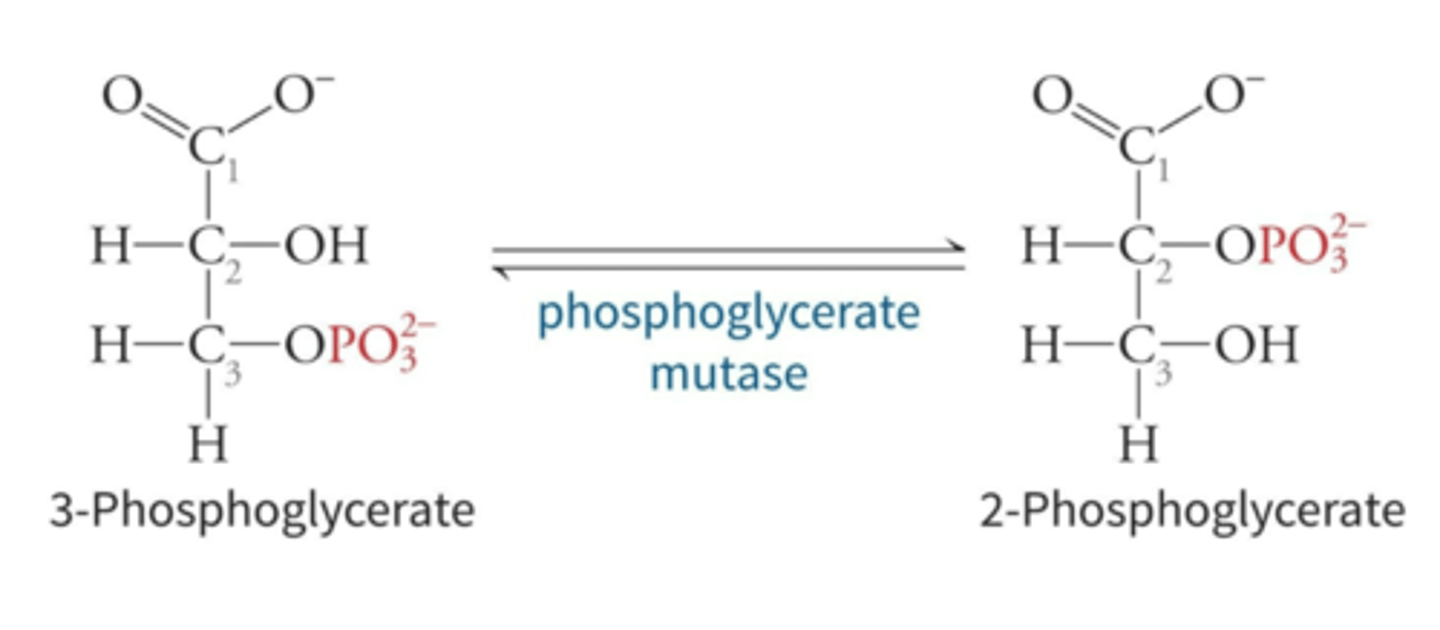
Step 8: Phosphoglycerate mutase reaction
- Catalyzes a phosphoryl shift in 3-phosphoglycerate to form ____________________. and is freely reversible __________________
2-phosphoglycerate, in vivo
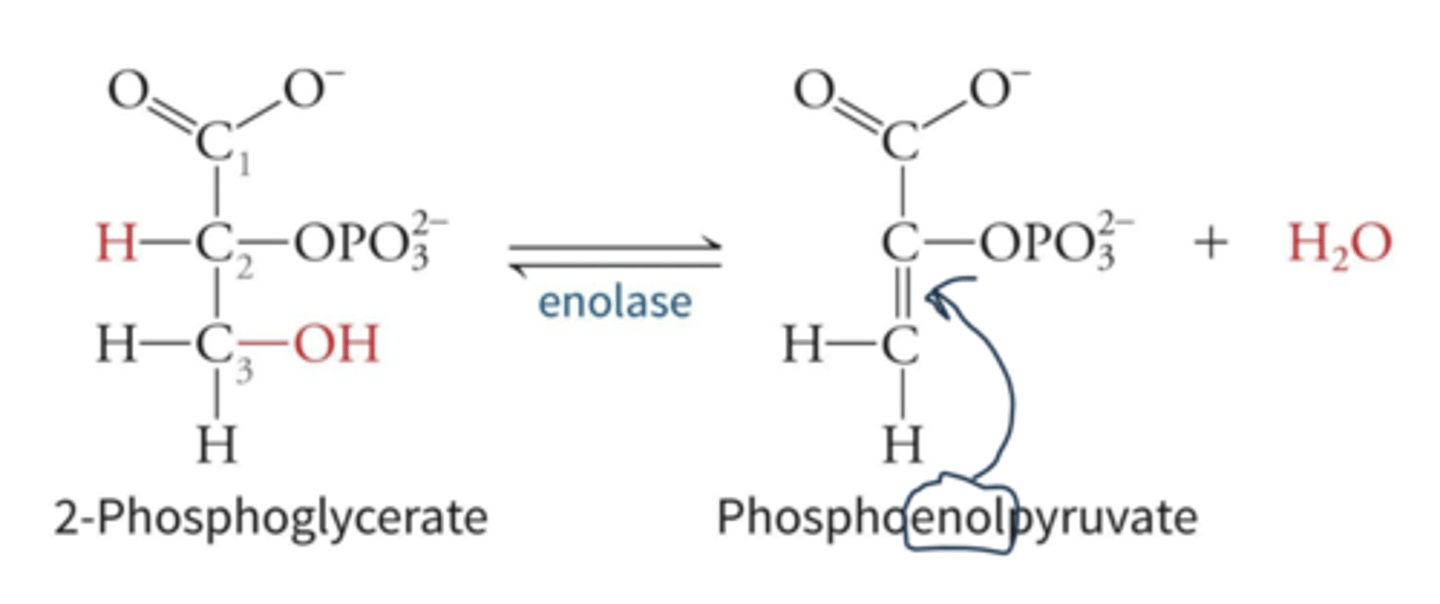
Step 9: Enolase Reaction
- Enolase catalyzes a __________________ reaction from 2-phosphoglycerate to form ____________________. H2O is produced.
dehydration, phosphoenolpyruvate
Step 10: Pyruvate Kinase Reaction
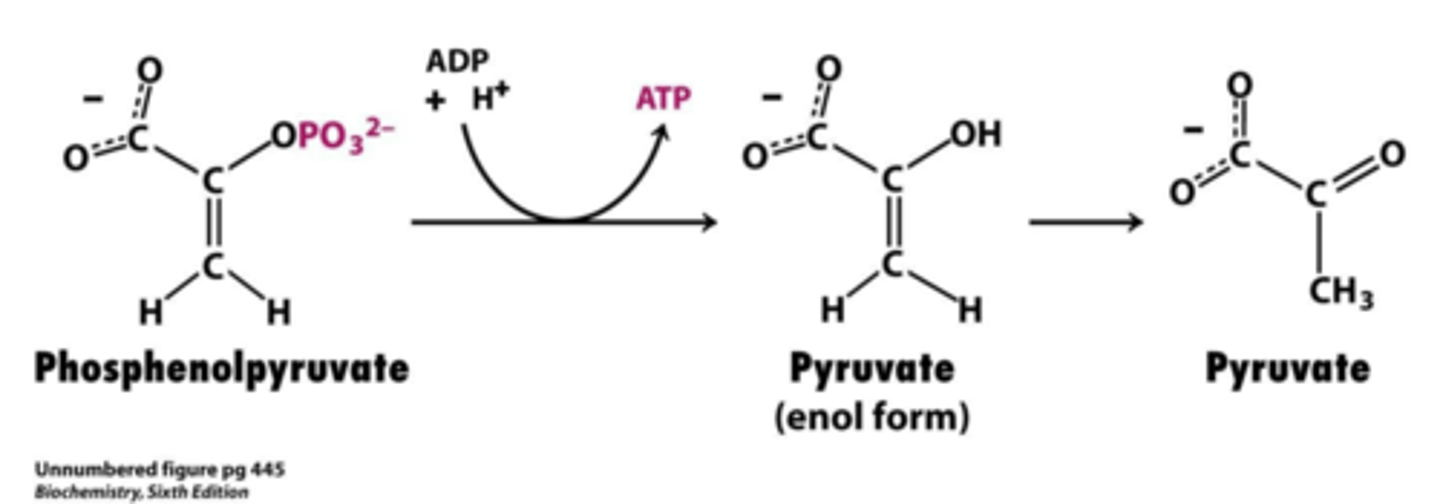
- This is a ______________________ reaction, which involves the relocation of a hydrogen atom from one molecular site to another. Additionally, pyruvate kinase catalyzes the transfer of the ________________________
tautomerization, phosphoryl group from phosphoenolpyruvate to ADP

The high phosphoryl-transfer potential of phosphoenolpyruvate arises primarily from the large driving force of the subsequent __________________
enol-ketone conversion
The conversion of glucose into pyruvate generates ATP, but for ATP synthesis to continue, NADH must be reoxidized to NAD+. This vital coenzyme is derived from the vitamin __________________
niacin (B3).
NAD+ can be regenerated by further _____________________, or by the formation of ethanol or lactate from pyruvate.
oxidation of pyruvate to CO2
During _______________ pyruvate can be temporarily converted to ______________
exercise, lactate
During exercise, pyruvate can be temporarily converted to lactate, sometimes called ________________________
the eleventh step of glycolysis
Regeneration of NAD+ in yeast: Louis Pasteur called this process ________________.
fermentation; life without air
The regeneration of NAD+ in the ____________________ sustains the continued process of glycolysis under _______________ conditions.
reduction of pyruvate to lactate or ethanol, anaerobic
Pyruvate can be further oxidized into acetyl CoA, which feeds into __________________
the citric acid cycle
the citric acid cycle is also known as
Krebs cycle, tricarboxylic acid cycle (TCA cycle)
The citric acid cycle (also called as Krebs cycle or tricarboxylic acid cycle) takes place in
the mitochondria
Fructose is a commonly used sweetener. However, excess consumption of fructose has been linked to pathological conditions, including
- fatty liver
- insulin insensitivity
- obesity
- type 2 diabetes.
In the _______________, fructose metabolism bypasses the key regulatory enzyme ___________________. The excess pyruvate is converted into acetyl CoA and then into ___________________.
liver, phosphofructokinase, fatty acids
In metabolic pathways, enzymes catalyzing essentially irreversible reactions are potential sites of control. In glycolysis, these irreversible enzymes are _________________
1.) Hexokinase
2.) Phosphofructokinase
3.) Pyruvate kinase
___________________ is the process to synthesize glucose from _________________
Gluconeogenesis, noncarbohydrate precursors (e.g. lactate, amino acid, glycerol)
animals cannot convert ______________ into glucose
fatty acids
Gluconeogenesis is especially important during a longer period of ____________________
fasting or starvation
The major site of gluconeogenesis is the ________________, with a small amount also taking place in the ________________. Gluconeogenesis in the liver and kidney helps to maintain the glucose level in the blood so that the brain and muscles can extract sufficient glucose from it to meet their metabolic demands.
liver, kidney
Glycolysis produces net ________________, whereas gluconeogenesis consumes ________________ equivalents.
Glycolysis produces net 2 ATP,
Gluconeogenesis consumes 6 ATP equivalents
Glycolysis vs. Gluconeogenesis
Glycolysis is catabolic
Gluconeogenesis is anabolic
__________________ is formed by active _________________ when the rate of glycolysis exceeds the rate of oxidative metabolism
Lactate, skeletal muscle
Lactate is readily converted into pyruvate by __________________
lactate dehydrogenase
Pyruvate is a precursor of _________________
oxaloacetate
Oxaloacetate is shuttled into the ____________________ and converted into phosphoenolpyruvate
cytoplasm
Oxaloacetate used in the cytoplasm for gluconeogenesis is formed in the ___________________ by the carboxylation of pyruvate.
mitochondrial matrix
Oxaloacetate leaves the mitochondrion by a specific transport system in the form of ________________, which is reoxidized to oxaloacetate in the cytoplasm.
malate
Note that the last enzyme in gluconeogenesis, ____________________, is present only in those cells whose metabolic duty is to export glucose, i.e., the liver and to a lesser extent the kidney.
glucose-6-phosphatase
Regulation of Glycolysis and Gluconeogenesis
- Within a cell, one pathway is relatively inactive while the other is _________________
highly active.
Regulation of Glycolysis and Gluconeogenesis
- The ___________________ of the distinctive enzymes of each pathway are controlled so that both pathways are not highly active at the same time.
amounts and activities
The rate of glycolysis is also determined by the ____________________, and the rate of gluconeogenesis by the concentration of lactate and other precursors of glucose.
concentration of glucose
Regulation of Glycolysis and Gluconeogenesis
- The reciprocal regulation: when _________________, glycolysis will predominate, when there is a surplus of energy, gluconeogenesis will take over.
energy is needed
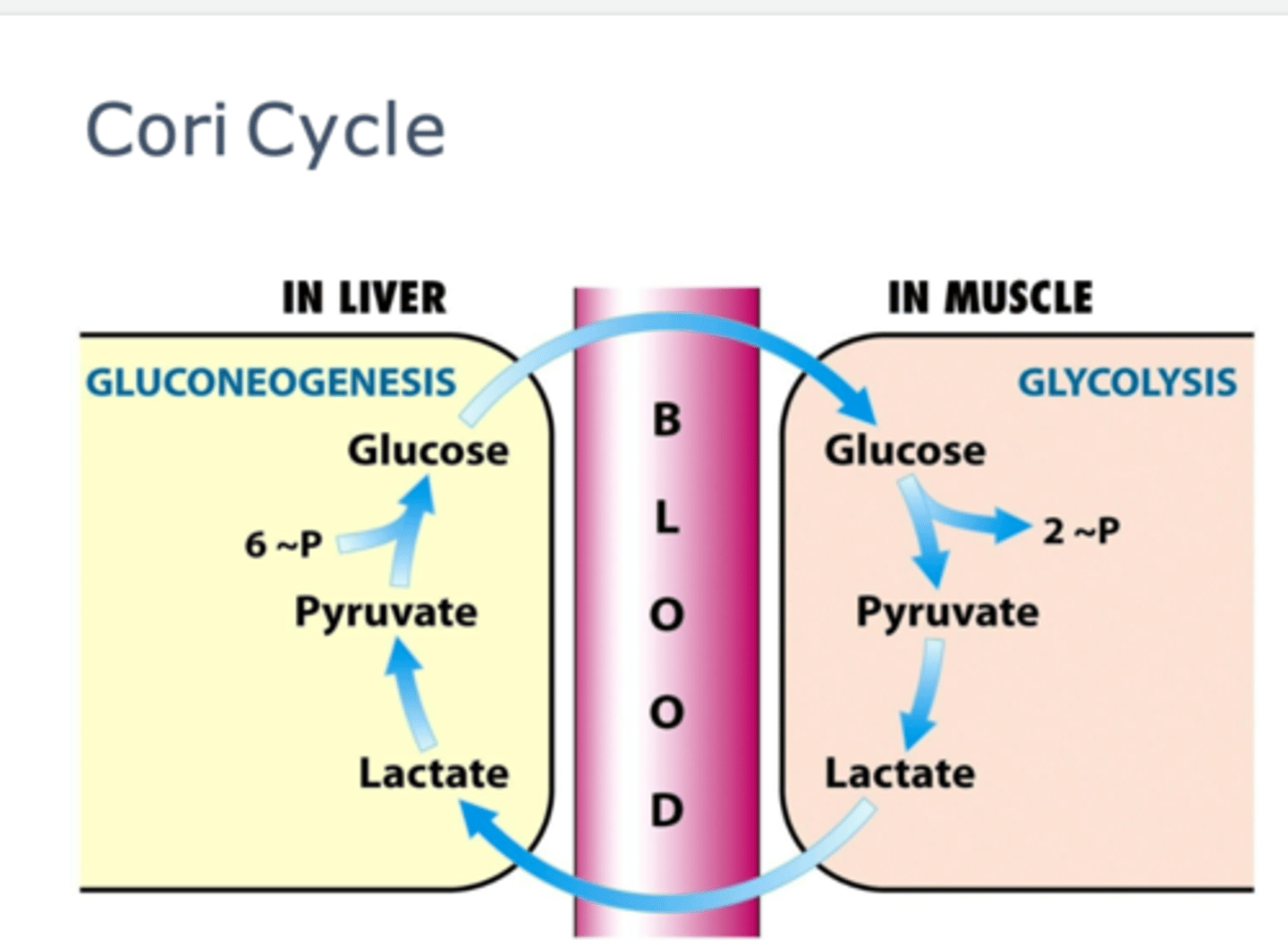
_________________ display inter-organ cooperation in a series of reactions called the __________________
Muscle and liver, Cori cycle
Lactate produced by muscle during contraction is released into the blood. Liver removes the lactate and converts it into glucose, which can be released into the blood. This cycle shifts part of the metabolic burden of active muscle to the liver.