EMS Exam
 Call Kai
 Learn
Learn Practice Test
 Spaced Repetition
 Match
Match Flashcards
 Knowt Play
1/275

There's no tags or description
Looks like no tags are added yet.
Name | Mastery | Learn | Test | Matching | Spaced | Call with Kai | Chat |
|---|
No analytics yet
Send a link to your students to track their progress
276 Terms
eSCAPe
every patient
Social Support
give Choices
help Anticipate
help Plan
every time
emergency moves
moving a patient before assessment
due to a hazardous scene, required repositioning, etc.
urgent moves
quick movement of patient that includes precautions for a possible spinal injury when necessary
nonurgent moves
patient moved only when necessary for transportation
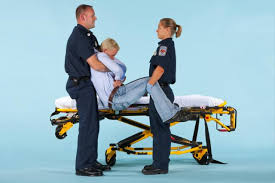
extremity lift
used when moving a patient from a ground/sitting position to a stretcher or stair chair
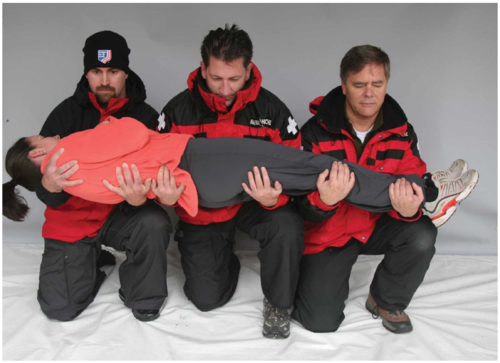
direct ground lift
used when moving a patient from the ground to a stretcher
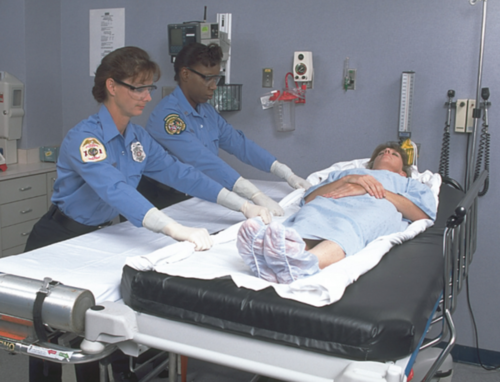
draw-sheet method
often used to move a patient from a bed to stretcher
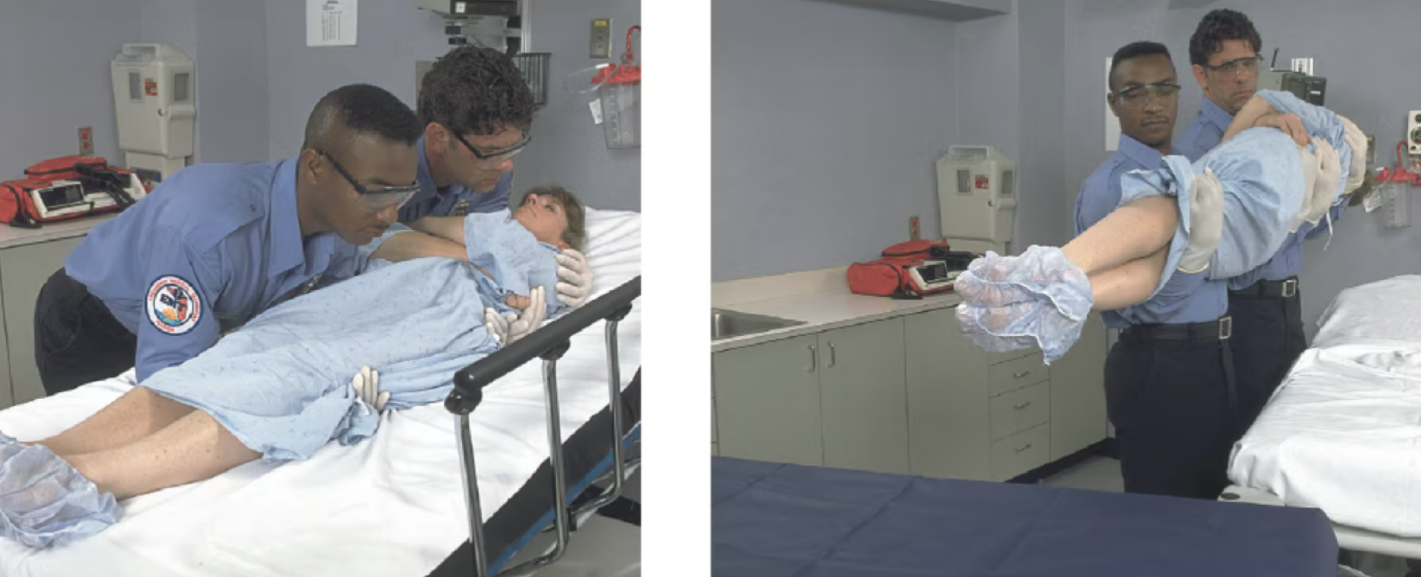
direct carry
often used to move a patient from a bed to stretcher
supine position
lying on the back, face up
used for patients with suspected shock
implied consent
consent is assumed when a patient is unconscious, or for children with a life-threatening injury when their guardian is not present
cardi root word
heart
gastro root word
stomach
hepat root word
liver
neur root word
nerve
nas root word
nose/nasal
or root word
mouth/oral
pneumo root word
air or lungs
ab- prefix
away from
ad- prefix
toward or near
ante- prefix
before
brady- prefix
slow or below normal
contra- prefix
against
dys- prefix
difficult or painful
hyper- prefix
above normal or high
hypo- prefix
below normal or low
inter- prefix
between
intra- prefix
within or inside
peri- prefix
around
poly- prefix
many
post- prefix
after
pre- prefix
before
sub- prefix
below or under
super- or supra- prefix
above or in excess
tachy- prefix
above normal or rapid
-ac suffix & -al suffix
pertaining to
-algia suffix
pain
-emesis suffix
vomiting
-itis suffix
inflammation
-plegia suffix
paralysis
-pnea suffix
breathing
-rrhea suffix
discharge
-spasm suffix
contraction
-iole & -ule
reduction in size
palmar
palm of hand
plantar
sole of foot
distal
further from something (relative)
proximal
closer to something (relative)
medial
towards the midline of the body
lateral
away from the midline of the body
anterior/ventral
front
posterior/dorsal
back
fowler position
seated
thyroid cartilage
term for the adam’s apple
ligaments
connects two bones
joints
connect bones to muscles
automaticity
the ability to generate and conduct electrical impulses
possessed by cardiac muscle in the heart
mandible
bone of the lower jaw
maxillae
fused bones of the upper jaw
orbits
bones that surround eyes
zygomatic arches
cheek bones
spinal column
33 vertebrae (separate bones)
thorax
common term for the chest
crepitation
crackling, popping sound produced by friction in the body
often indicating bones rubbing together or fluid in lungs
sacral edema
accumulation of excess fluid in tissue overlying sacrum (area at end of the spine)
jugular vein distension (JVD)
visible bulging or swelling or major veins on the side of the neck
-normal in supine patients
glottic opening
entry point into the larynx and trachea
epiglottis
protects the glottic opening and seals off trachea while swallowing
intact muscle tone
when a patient has control of the 14+ muscle groups that support the airway
bronchoconstriction
smooth muscle constricts the lower airway, decreasing the internal diameter (common in asthma)
stridor
high-pitched breathing sound
corresponds with severely restricted airflow in the upper airway, often due to obstruction
snoring
breathing sound that indicates the soft tissue in the upper airway is creating a partial obstruction
gurgling
breathing sound that indicates fluid is obstructing the airway
indicates suctioning
3 important questions in airway maintenance
Is the airway open?
Will the airway stay open?
Potential threats that may develop later?
what to look for when determining if an airway is open
able to speak? (listen for stridor and hoarsesness)
presence of breaths? sound?
chest movement?
visually inspect airway for obstruction
patient position
facial burns, neck trauma, bleeding
mental status?
skin color
SPO2 following oxygen therapy
head-elevated, sniffing position
supine position with 1.5-2 inches of padding underneath patient head (shoulders for children)
ear should be at the same level as the top of the sternum
used for no suspected spinal injury
jaw-thrust maneuver
maneuver that opens the airway
used when there is a potential spinal injury
severe choking
indicates a fully blocked trachea
no breathing, coughing, speaking
conscious: abdominal thrusts / unconscious: CPR
children: alternate back blows and chest thrusts
alveolar ventilation
how much air in a breath actually reaches the alveoli
depends on both tidal volume and respiratory rate
minute volume
(tidal volume) x (respiratory rate)
amount of air moved into the lungs in one minute
pulmonary respiration
diffusion of oxygen and carbon dioxide between alveoli and blood
cellular respiration
diffusion of oxygen and carbon dioxide between blood and cells of body
hypoxia
low levels of oxygen
hypercapnia
high levels of carbon dioxide
compensation in respiratory distress
increased respiratory rate, increased heart rate, constricted blood vessels
respiratory distress
respiratory challenges that compensatory mechanisms can meet the increased demands of
provide patient with supplemental oxygen
respiratory failure/inadequate breathing
rate, depth, or both fall outside the normal range
provide patient with assisted ventilations
respiratory arrest
the complete stoppage of breathing
provide patient with artificial respirations
artificial respiration rate for adults
10-12 breaths/min
artificial respiration rate for children
12-20 breaths/min
watch for bradycardia
typical adult breathing rate
12-20 breaths/min
typical child breathing rate
18-30 breaths/min
typical infant breathing rate
30-60 breaths/min
thoraco-abdominal breathing
when the chest and abdomen move in opposite directions
often seen in children with inadequate breathing
SPO2 reading of 95%+
no oxygen treatment required
SPO2 reading of 90-94%
treat with nasal cannula (flow rate of 2-6 lpm)
SPO2 reading below 90%
treat with non-rebreather mask (flow rate of 15-20 lpm)
when a patient’s breathing efforts are compromised
use bag-valve mask with appropriate oxygen distribution
Chronic Obstructive Pulmonary Disease (COPD)
disease that usually develops overtime due to lung irritants
causes chronic bronchitis and emphysema
emphysema
when the walls of alveoli break down, reducing their surface area
asthma
respiratory condition that involves flare-ups at irregular intervals
muscles of bronchioles contract and narrow the airway
often associated with wheezing