Microbiology Ch. 4 - Structure and Organization of Prokaryotic Cells
 Call Kai
 Learn
Learn Practice Test
 Spaced Repetition
 Match
Match Flashcards
 Knowt Play
1/37

Earn XP
Description and Tags
Exam 1
Name | Mastery | Learn | Test | Matching | Spaced | Call with Kai | Chat |
|---|
No analytics yet
Send a link to your students to track their progress
38 Terms
bacteria definition and examples
bacteria are single-celled prokaryotes (cells without nucleus) that have cell walls made of peptidoglycan and fatty acid membrane lipids
examples: chylamydia, spirochaetes, proteobacteria, gram positive bacteria
archaea definition and examples
archaea are single-celled prokaryotes (cells without a nucleus) that look like bacteria but have unique membrane lipids (branched chains with either linkages) and no peptidoglycan
often living in extreme environments
do NOT cause human diseases
examples: extreme halophiles, euryarchaeota, methanogens, crenarchaeota, hyperthermophiles
five important phyla
proteobacteria, firmicutes, actinobacteria, cyanobacteria, chlamydia
proteobacteria
(think large) largest and most diverse group of species, including e. coli and many human pathogens (gram-negative)

firmicutes
consists of many gram-positive species such as bacillus, clostridium, staphylococcus, and streptococcus

actinobacteria
(think antibiotics) include streptomyces, the genus that produces the antibiotic streptomycin (gram-negative)

cyanobacteria
(think plants) carries out photosynthesis using chlorophyll, responsible for the appearance of oxygen in earth’s early atmosphere (gram-negative)

chlamydia
(think small) extremely small, mostly pathogenic bacteria (gram-negative, but lack classic peptidoglycan wall)

archaea living characteristics
most extreme environments
may live in the absence of oxygen
cell walls lack peptidoglycan
cell membranes contain unusual lipids

euryarcheota examples
methanogens (anoxic environments), extreme halophiles (salt-lovers), and thermoacidophiles (grow in high temperatures with low pH)
crenarchaeota
grow in hot, acidic environments such as hot springs and volcanic vents
diplococci (cocci)
two spheres
example: streptococcus pneumoniae

streptococci (cocci)
long chain of spheres
example: streptococcus pyogenes

tetrad (cocci)
four spheres

staphylococci (cocci)
blanket of spheres
example: staphylococcus aureus

sarcina (cocci)
eight spheres to form a cube
example: sarcina ventriculi

chain of bacilli (bacilli)
chain of rods
example: bacillus anthracis

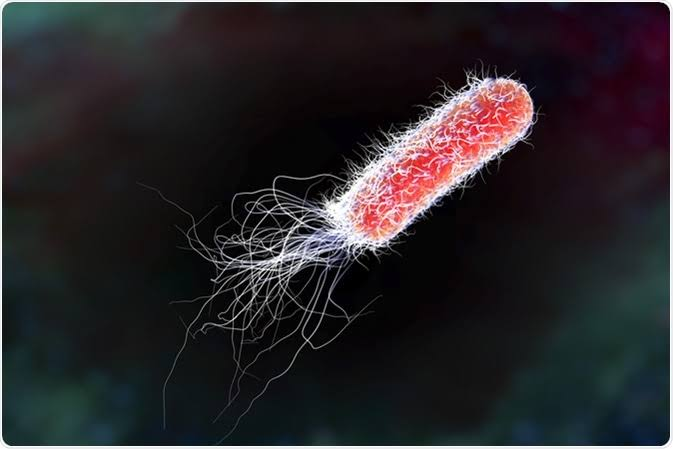
flagellate rods (bacilli)
single rod with protruding flagella
example: salmonella typhi
spore-former (bacilli)
rod with a spore (looks like a hole)
example: clostridium botulinum

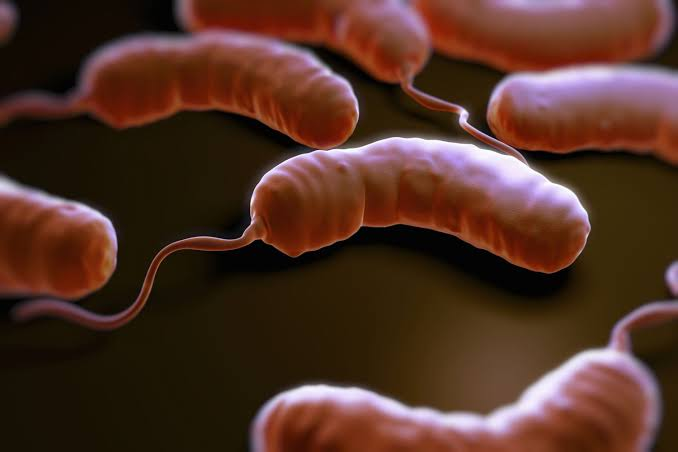
vibros (spiral)
v-shaped rod with single flagella
example: vibrio cholerae
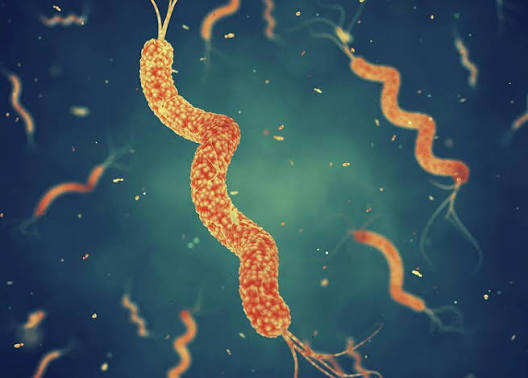
spirilla (spiral)
squiggly rod with multiple flagella or pili
example: helicobacter pylori
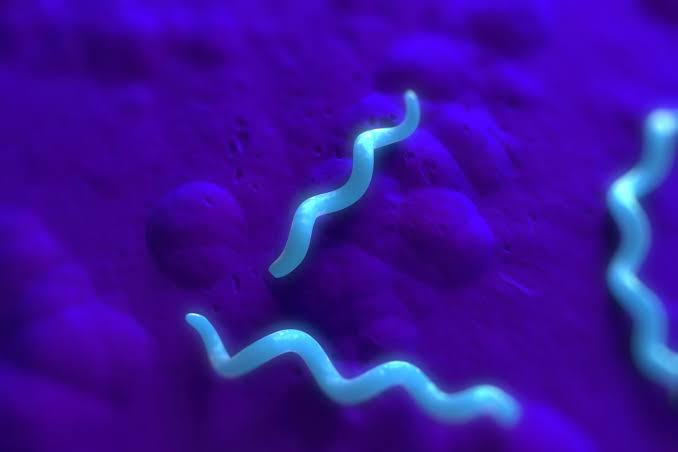
spirochaetes (spiral)
spiral-shaped rods
example: treponema pallidum
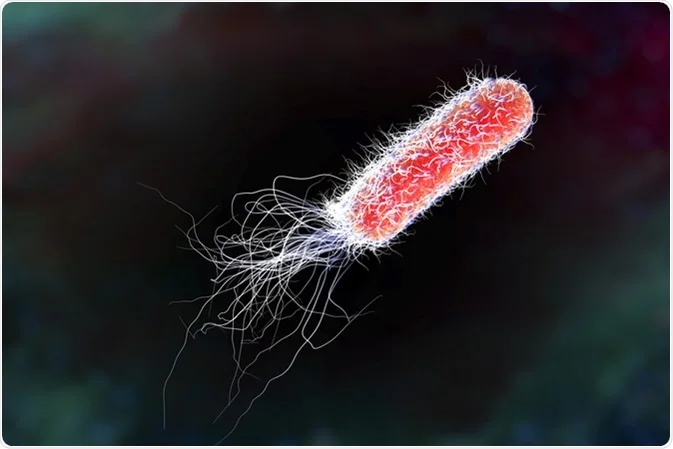
prokaryotic cell flagella
protein fibers that rotate and enable the cell to move through fluids
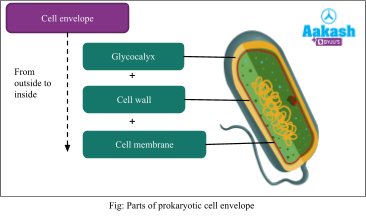
prokaryotic cell membrane
a lipid bilayer with proteins controlling the movement of materials into and out of the cell
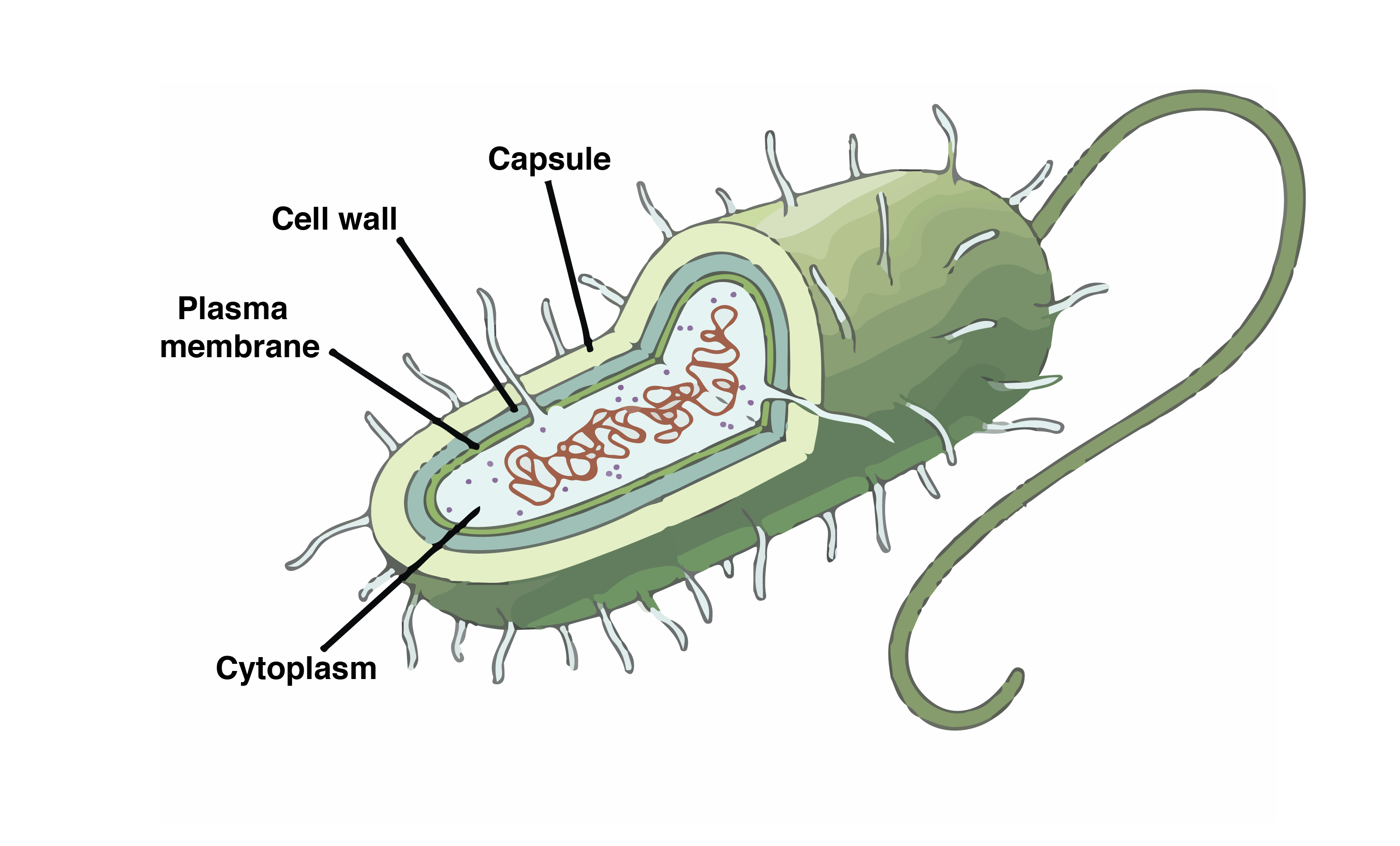
prokaryotic cell wall
a semirigid structure composed of carbohydrate and protein, providing shape and structural support
tough and protective external shell
maintains cell shape and water balance
main ingredient is peptidoglycan

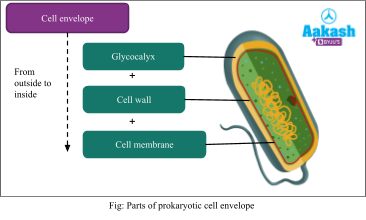
prokaryotic cell glycocalyx
a thick or thin layer of carbohydrates providing protection and helping with cell adhesion to surfaces
prokaryotic cell pili
thin protein fibers extending from the surface that enable adhesion to surfaces

prokaryotic cell inclusions
cytoplasmic sites for the storage of nutrients
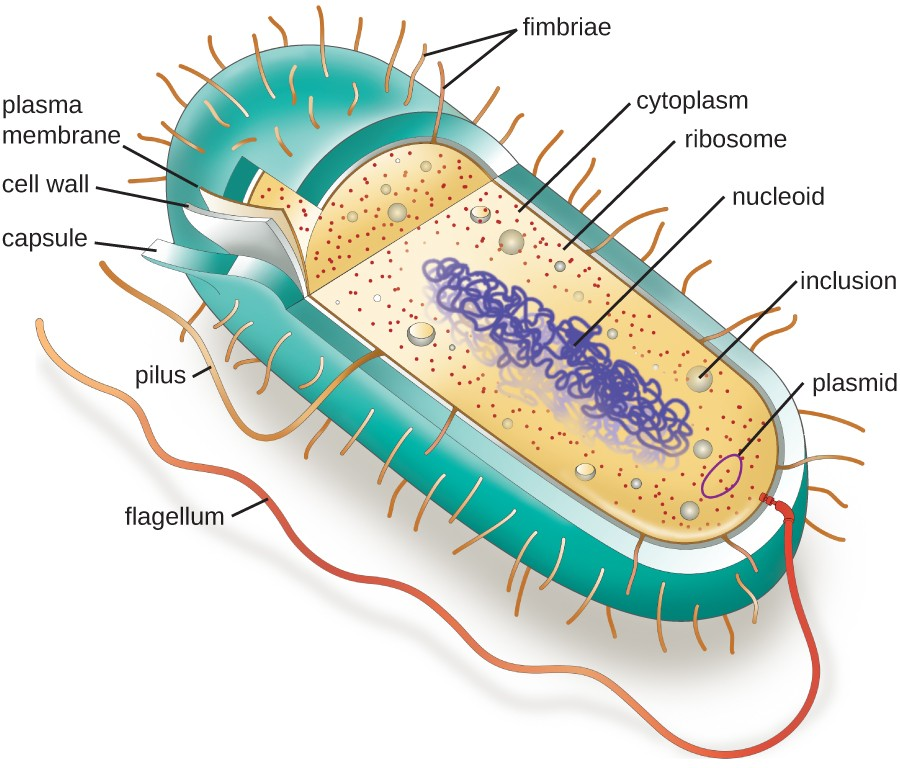
prokaryotic cell ribosomes
a particle composed of RNA and protein involved in manufacturing proteins

prokaryotic cell cytoplasm
the semifluid substance inside the cell in which much of the cell’s metabolism occurs

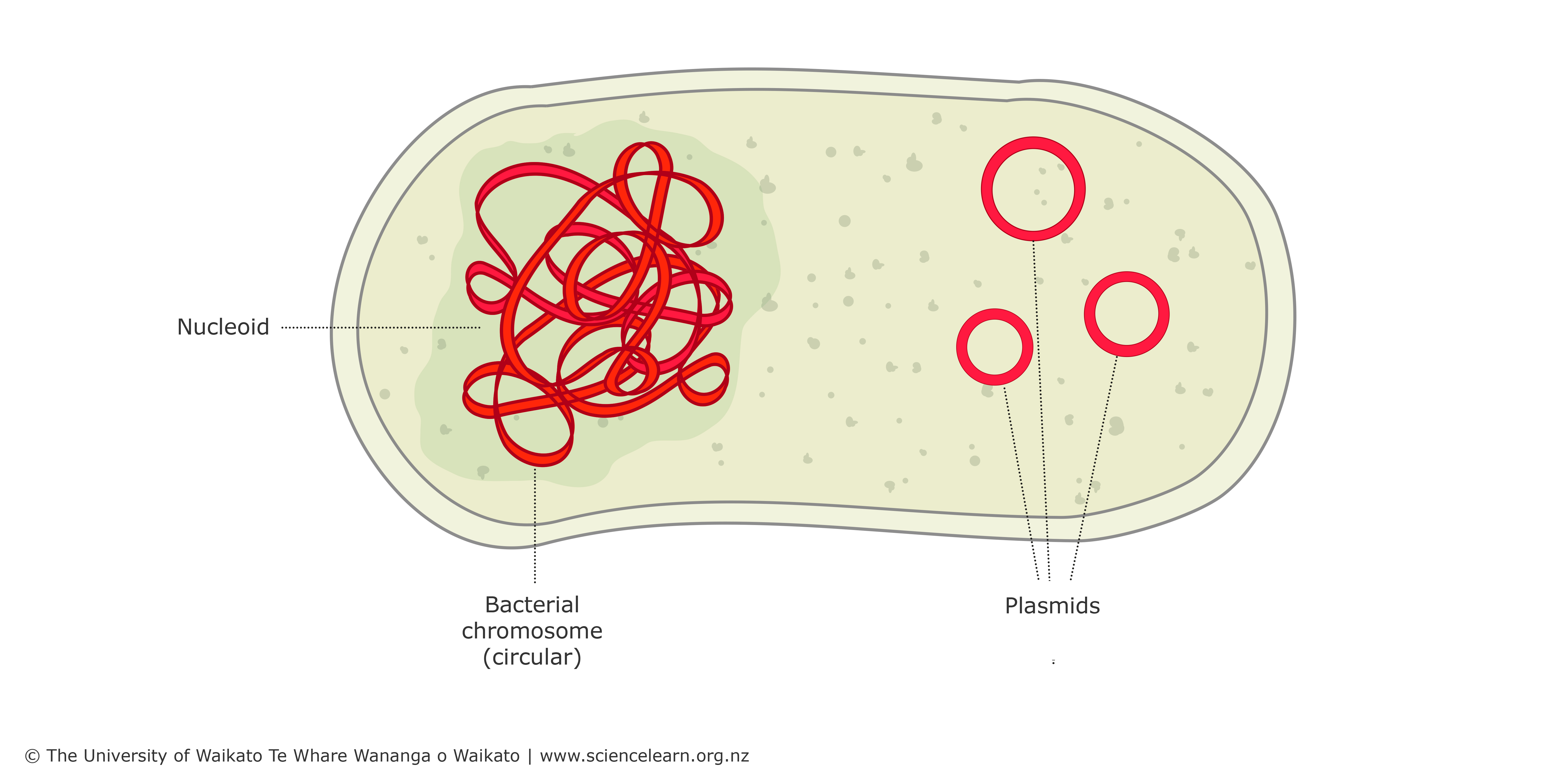
prokaryotic cell nucleoid
the area containing the bacterial chromosome, which contains essential genes for growth and metabolism

prokaryotic cell plasmid
a closed loop of DNA containing nonessential genetic information
pili
fimbriae: attachment
conjugation pili: genetic transfers and antibiotic resistance genes

prokaryotic flagella
long appendages used for cell motility, chemotaxis (movement from chemical reactions), and attachment
contain flagellin filament, a hook, and a basal body

spirochetes contain…
endoflagella, which move the cell through torsion exerted by endoflagellar rotation
located between the peptidoglycan and the cell membrane

glycocalyx
thick outer layer external to the cell wall
adhering layer of polysaccharides (and sometimes proteins)
a thick glycocalyx bound to the cell is a capsule (a thick layer) and has a slime layer (diffused layer of polysaccharides)
virulence factors that help protect bacteria from phagocytosis, help with attachment, and prevent dehydration
gram-positive bacteria
(blue) have thick peptidoglycan walls with teichoic acid, no LPS, and endotoxin a
gram-negative bacteria
(red) have two-dimensional (thin) peptidoglycan layer and no teichoic acid, has LPS (lipopolysaccharide), and a part of LPS is lipid a that is also called endotoxin