Plant and Animal Tissue Biology Review
 Call Kai
 Learn
Learn Practice Test
 Spaced Repetition
 Match
Match Flashcards
1/9

Earn XP
Description and Tags
Vocabulary flashcards covering the structural and functional differences between plant and animal tissues, including specialized adaptations.
Name | Mastery | Learn | Test | Matching | Spaced | Call with Kai | Chat |
|---|
No analytics yet
Send a link to your students to track their progress
10 Terms
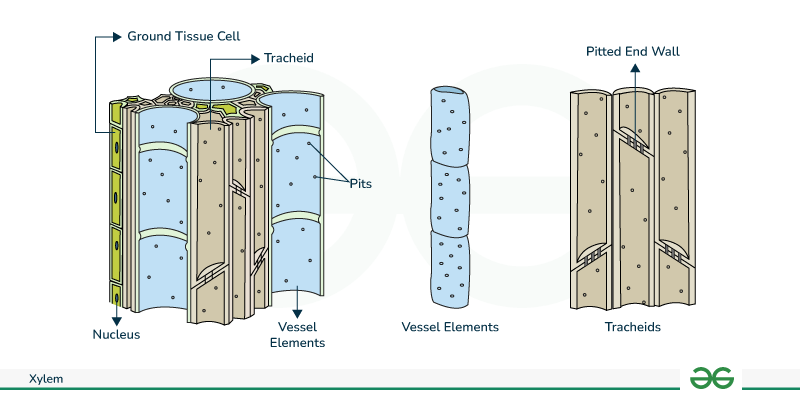
Xylem Tissue
A plant tissue composed of dead cells with lignified walls and no cytoplasm that transports water and mineral salts in a one-way flow from roots to leaves.
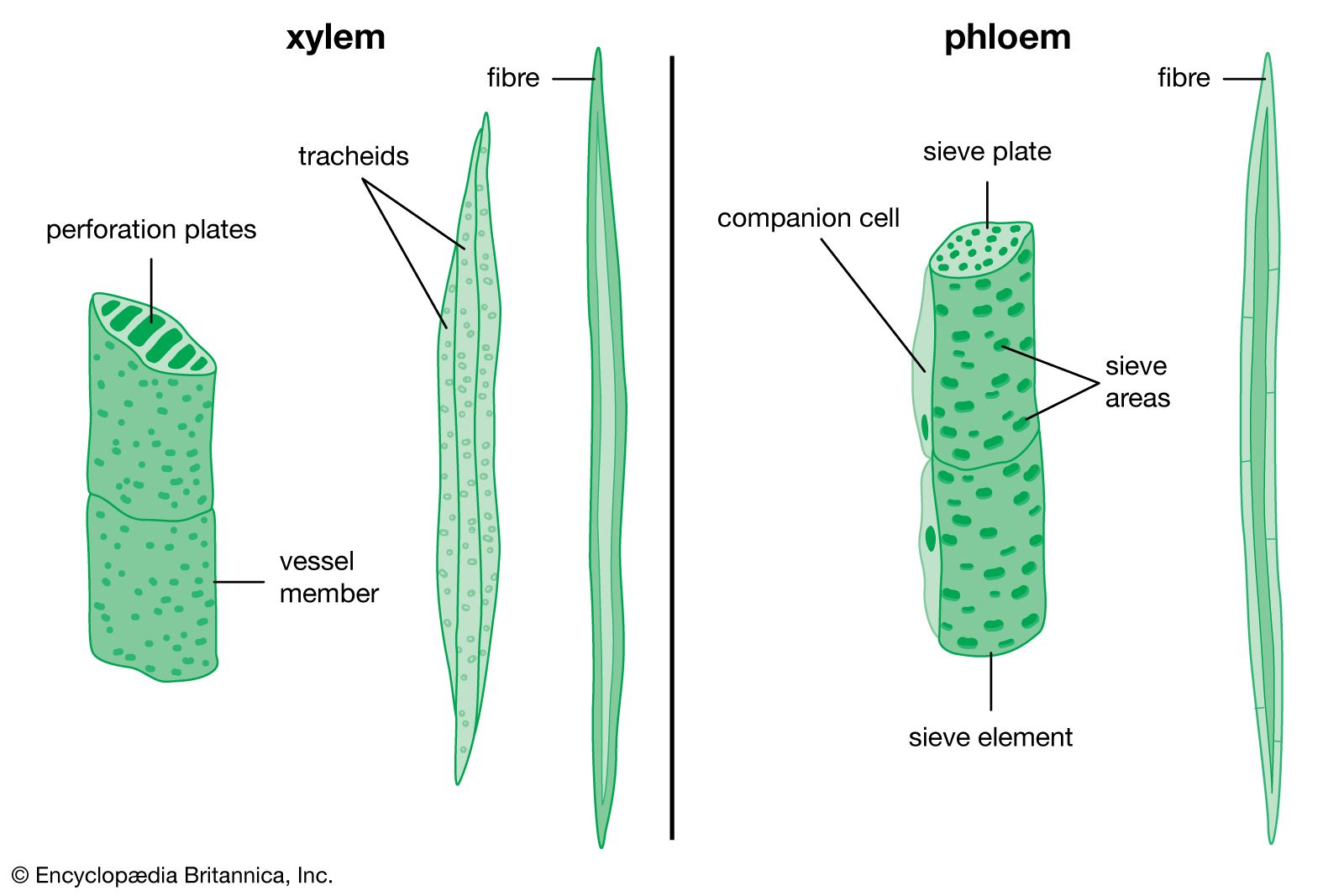
Phloem Tissue
A living plant tissue consisting of sieve tubes and companion cells that transports food substances in a two-way flow.
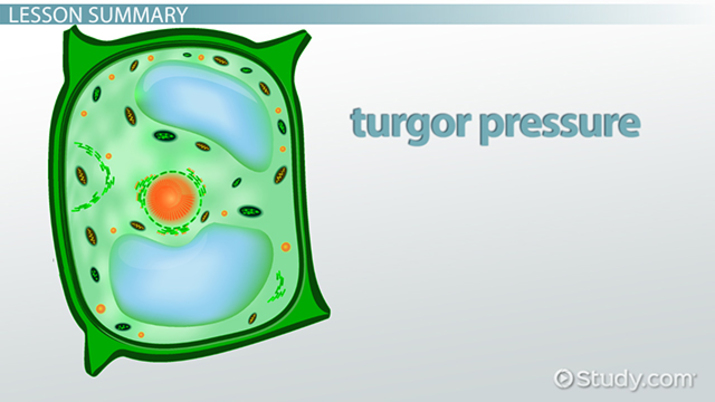
Turgor Pressure
The internal pressure in plant cells that, when lost due to lack of water transport, results in the wilting of leaves and stems.
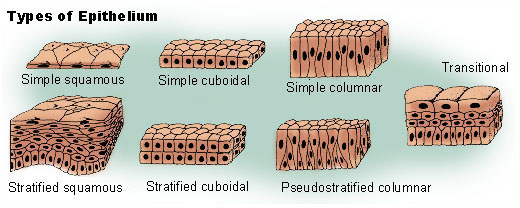
Epithelial Tissue
Tissue that lines surfaces such as the interior of the small intestine, providing protection and facilitating nutrient absorption and secretion.
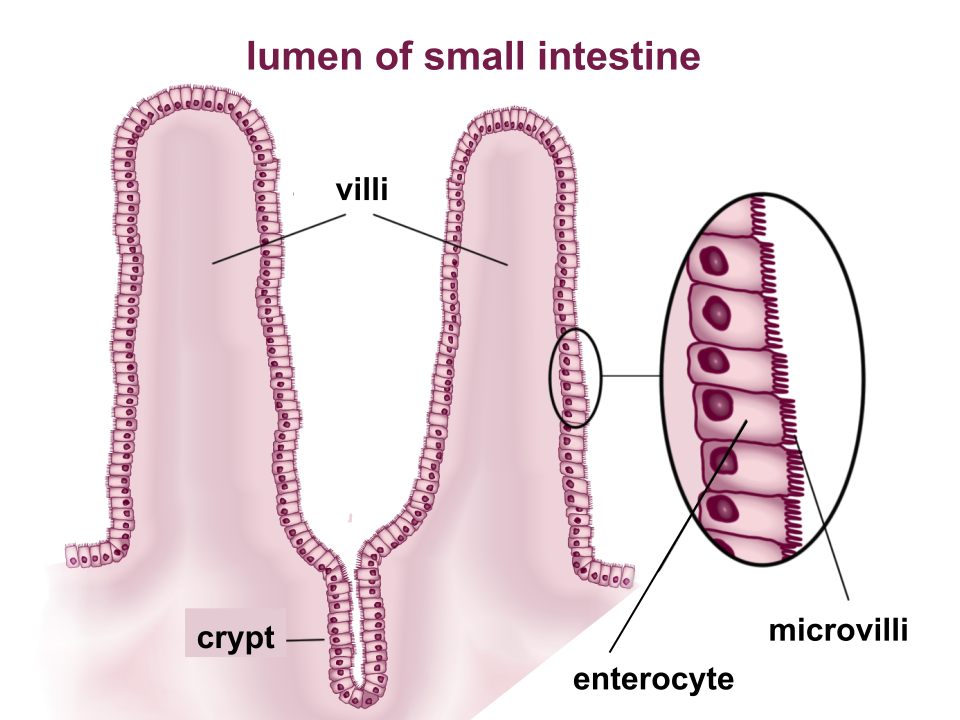
Villi and Microvilli
Structural adaptations of the intestinal epithelium that increase surface area to make nutrient absorption more effective.
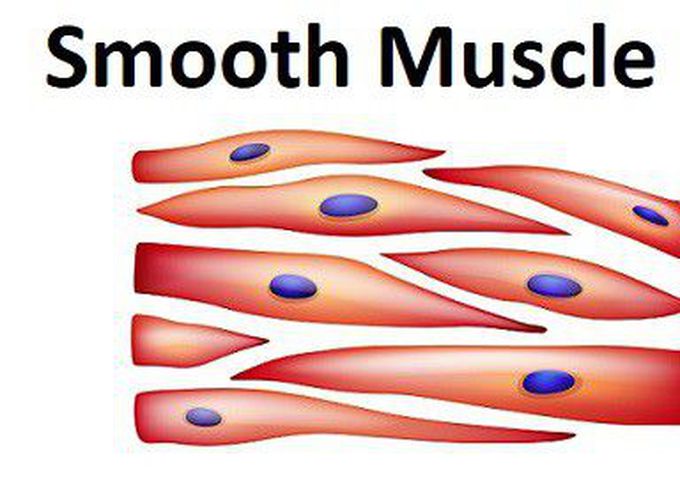
Smooth Muscle Tissue
Animal tissue characterized by spindle-shaped cells with a single central nucleus that contracts and relaxes involuntarily to move food through the intestines.
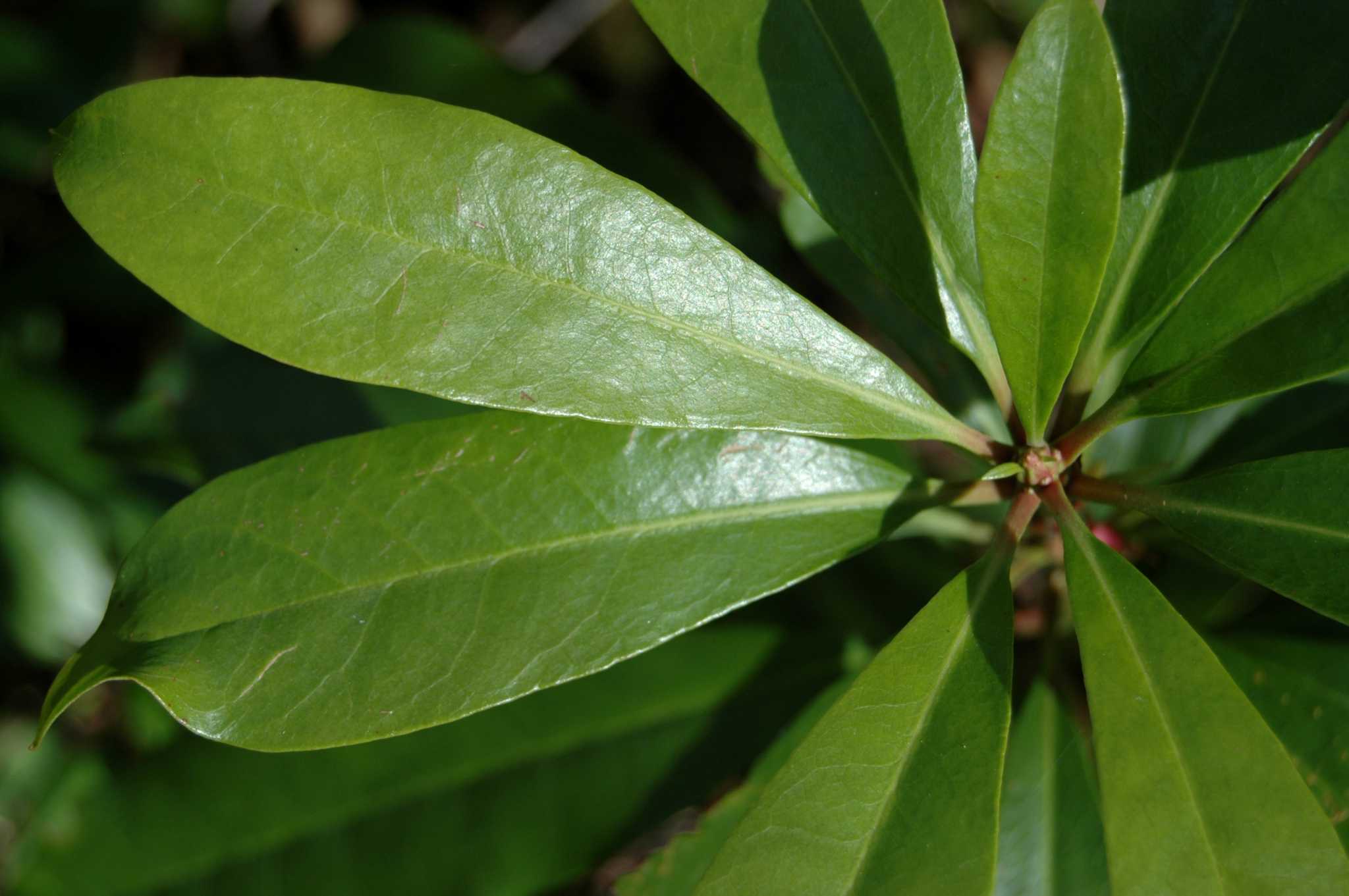
Waxy Cuticle
A thick, waxy layer on the epidermis of plants in dry environments that serves to reduce water loss.
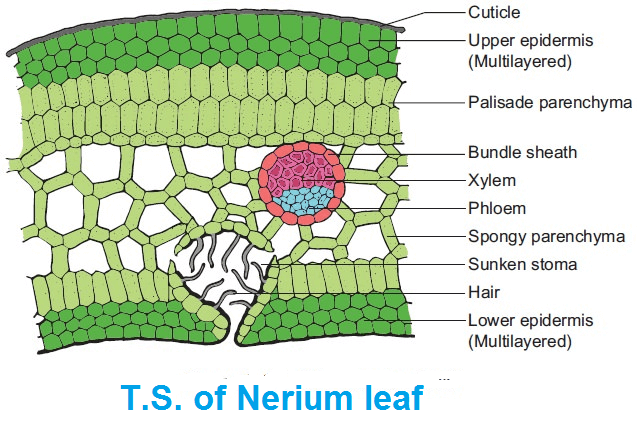
Sunken Stomata
Pores on a leaf's surface that are few in number and recessed to minimize water loss in arid conditions.
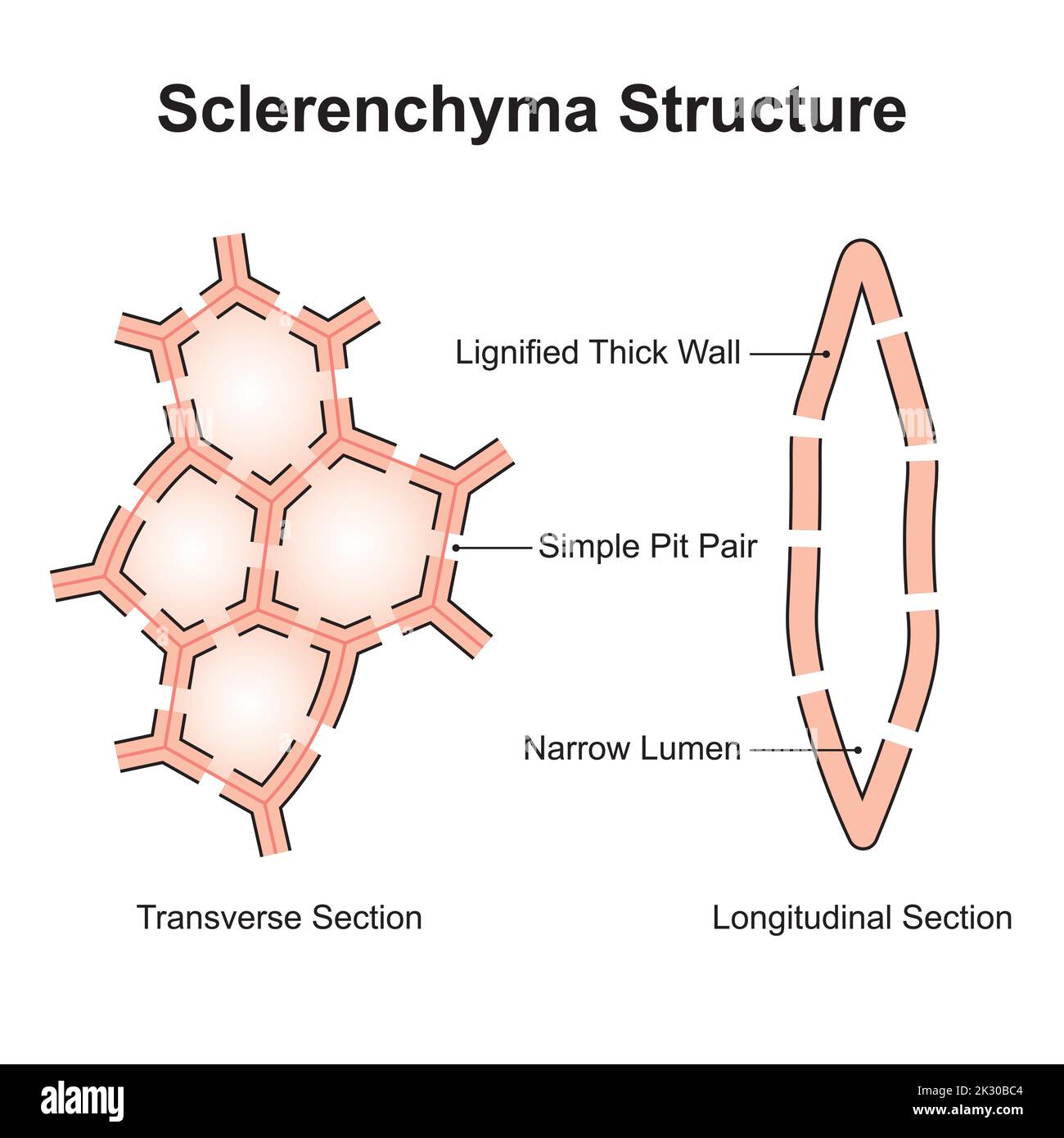
Lignified Walls
Cell walls in xylem tissue that are thickened with lignin to provide structural support and facilitate water transport.
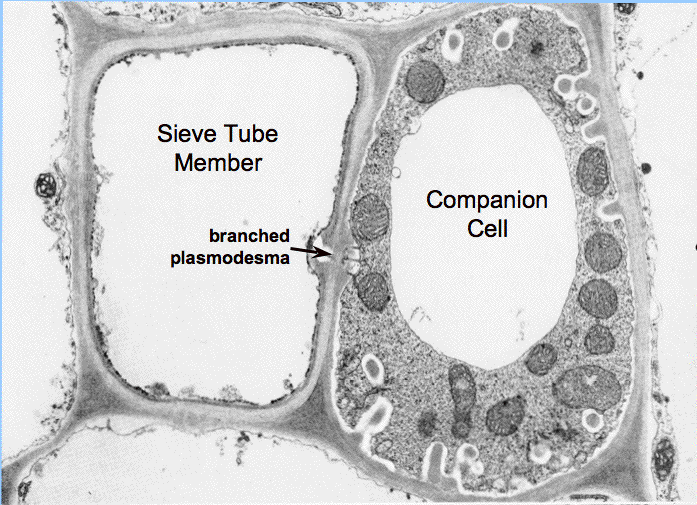
Sieve Tubes and Companion Cells
The specific components that make up phloem tissue to assist in the transport of manufactured food.