Autoimmune Disease - Basic Science Core
 Call Kai
 Learn
Learn Practice Test
 Spaced Repetition
 Match
Match Flashcards
 Knowt Play
1/29

Earn XP
Description and Tags
Immuno 1 Exam
Name | Mastery | Learn | Test | Matching | Spaced | Call with Kai | Chat |
|---|
No analytics yet
Send a link to your students to track their progress
30 Terms
What is Autoimmune Disease?
Autoimmune disease is chronic and often requires life-long therapy
Currently, there is no cure for most autoimmune diseases, though treatments can manage symptoms and potentially induce remission
The immune system mistakenly attacks and damages normal body tissue, which can weaken bodily function and even be life-threatening

How Many Autoimmune Diseases are There?
There are over 80 different types of autoimmune diseases
What explicitly causes Autoimmune Diseases ?
We Still do not 100% know
What Factors are Thought to Cause Autoimmune Diseases (3)
1) Genetic Factors
2) Environmental Factors
3) Other Factors
Genetic Factors (Autoimmune Diseases)
Inherited genes: Certain genes may increase a person’s susceptibility to developing an autoimmune disease
Family history: Having a family history of autoimmune diseases increases the likelihood of developing one
Multiple Autoimmune Syndrome: Having one autoimmune disease can increase the risk of developing another
Environmental Factors (Autoimmune Diseases)
Infections: Epstein-Barr virus (EBV) has been associated with lupus, Sjogren’s syndrome and multiple sclerosis
Smoking: Has been linked to risk of developing rheumatoid arthritis
Environmental toxins: Exposure to certain chemicals, pollutants and toxins (e.g., mercury, pesticides, etc.)
Diet: Certain nutritional deficiencies may affect the risk of developing autoimmune disease
Other Factors (Autoimmune Diseases)
Sex: Women are more likely to develop autoimmune diseases than men
Age: The risk of autoimmune diseases tends to increase with age, especially after 30 years old
Vaccines: There is some evidence to suggest that some vaccines may trigger certain autoimmune disorders in very rare cases
Sjögren’s Syndrome
Autoimmune disease that attacks the SALIVARY GLANDS leading to XEROSTOMIA
Patients who cannot produce saliva (or produce very little) suffer from dental caries (cavities), dry mouth and infection & inflammation of the buccal mucosa
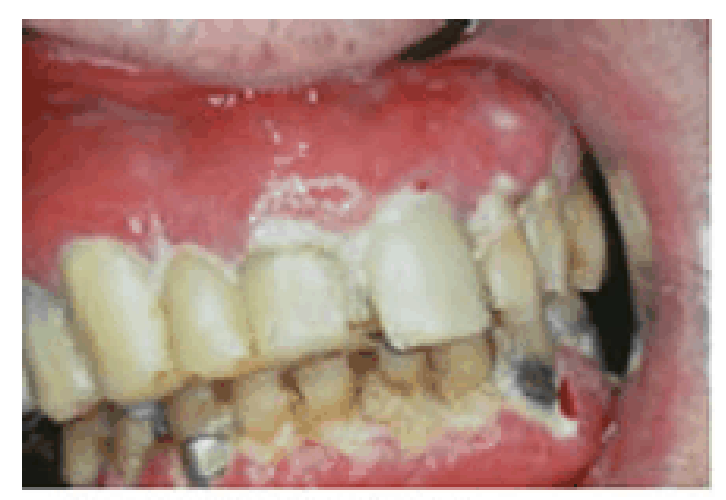
Sjögren’s Syndrome Risk Factors: (3)
Risk factors:
• Age > 40 years
• Female > male
• Having rheumatoid arthritis or lupus
Multiple Sclerosis
Autoimmune disorder leading to DEMYELINATION of CNS neurons,
Cause is unknown
Two Types
relapsing-remitting (RRMS)
primary progressive
Type 1 Diabetes Mellitus
Accounts for 5-10% of all diagnosed cases of DM
Prior Known as → insulin- dependent diabetes mellitus (IDDM)
Two Forms of it
Two Forms of Type 1 Diabetes Mellitus
1) Immune mediated
2) Idiopathic
Immune Mediated Type 1 DM
Results from a cellular- mediated autoimmune destruction of the β-cells of the pancreas
Markers include:
islet cell autoantibodies (ICAs),
autoantibodies to insulin (IAAs)
glutamic acid decarboxylase autoantibodies (GADA)
MANY More
Rate of β-cell destruction is quite variable
Kids is faster then adults which is slower
Result:
INABILITY TO SYNTHESIZE & SECRETE INSULIN
SUBSEQUENT HYPERGLYCEMIA
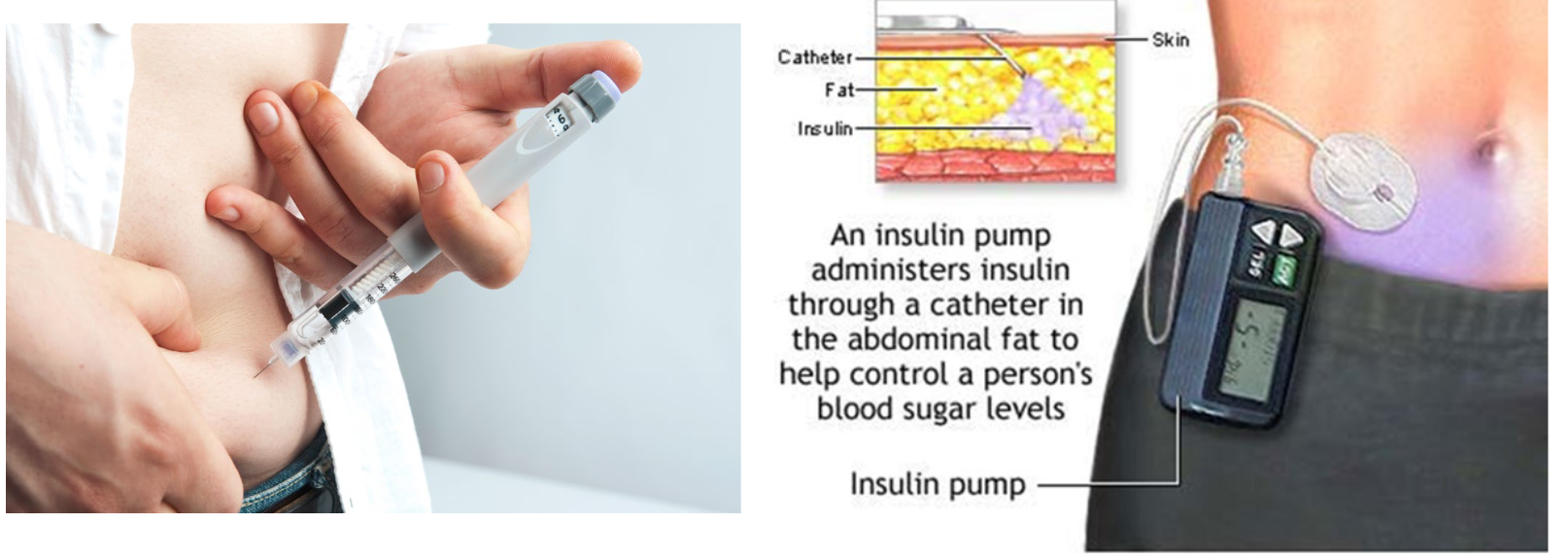
Hashimoto’s Thyroiditis Function
Autoimmune disease that attacks and destroys the THYROID GLAND
End result: PRIMARY HYPOTHYROIDISM
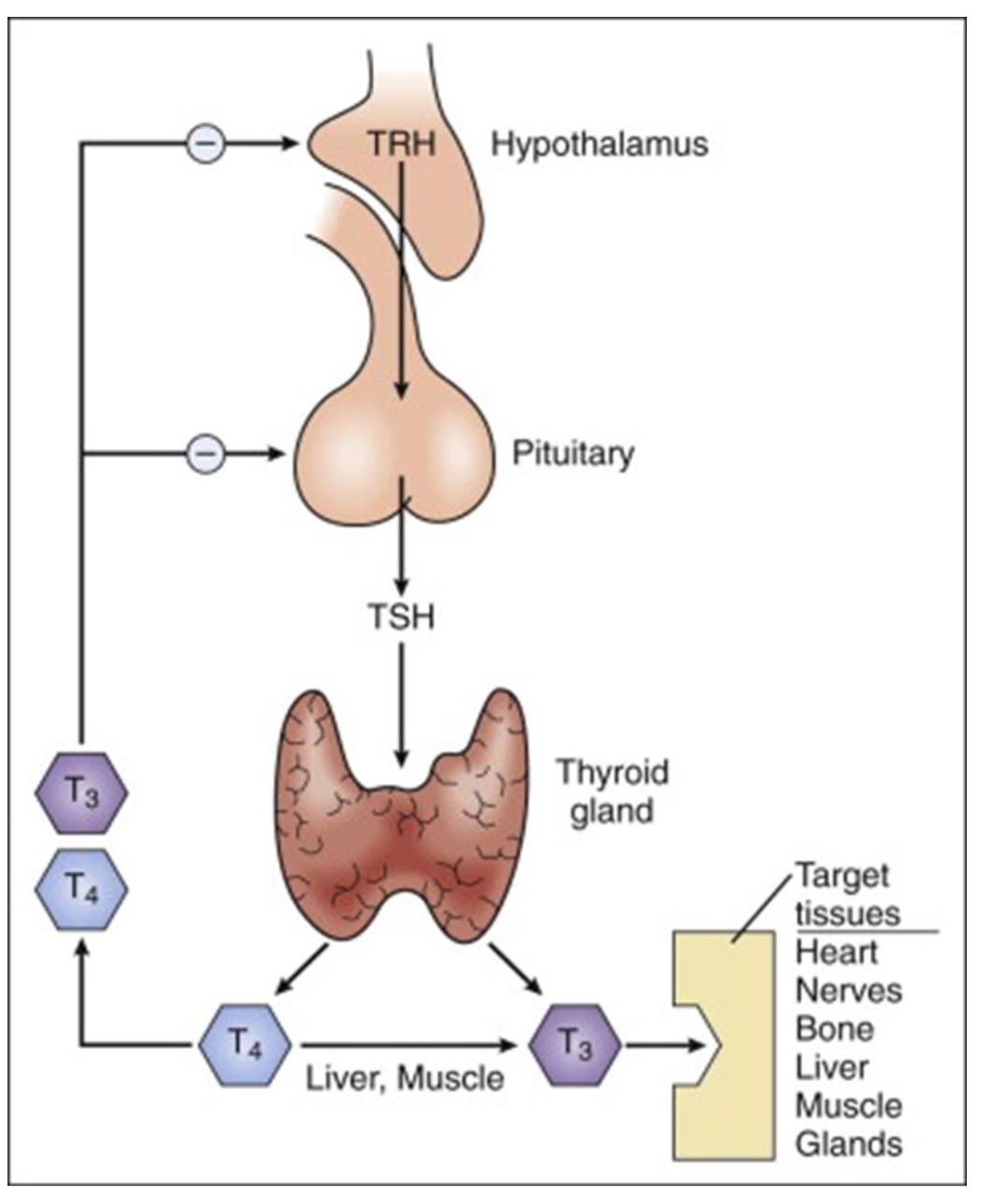
PRIMARY HYPOTHYROIDISM
Inability to make thyroid Hormones
Levothyroxine (T 4)
Liothyronine (T3)
Liothyronine (T3) Synthetic Drug
Cytomel
Levothyroxine (T4)
Levothroid
Synthroid
Unithroid
Levoxyl
Rheumatoid Arthritis (RA)
RA is a chronic systemic inflammatory disease of unknown cause.
The autoimmune reaction attacks SYNOVIAL JOINTS around the body.
Abnormal production of numerous cytokines, chemokines, and other inflammatory mediators are seen in RA Paients
Ultimately, inflammation and proliferation of the synovium leads to destruction of various tissues, including cartilage, bone, tendons, ligaments, and blood vessels.
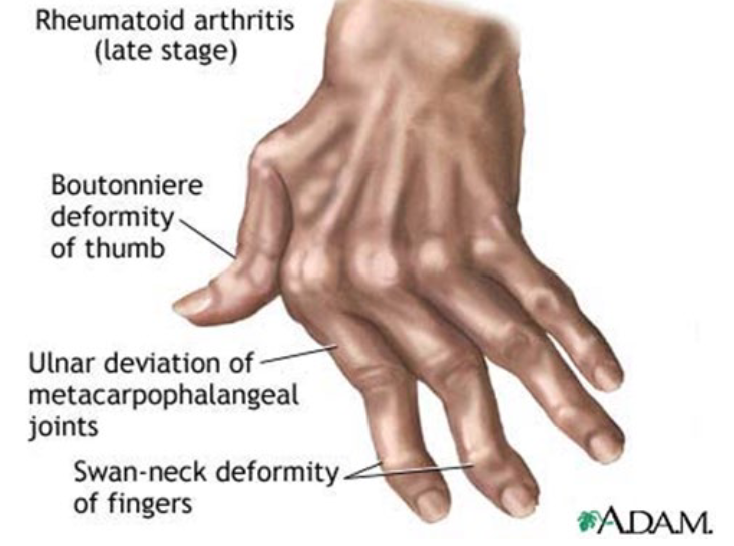
AUTOIMMUNE REACTION to Joint Pain
1) Release of inflammatory mediators (cytokines,
interleukins, TNF-α, etc.) & rheumatoid factors
2) Chronic inflammation of the synovial tissue lining
the joint capsule & free radical production
3) Proliferation of that tissue forming what is called
“PANNUS”
4) Pannus invades cartilage & bone surface, producing
cartilage and bone erosion
5) JOINT Destruction
Plaque Psoriasis
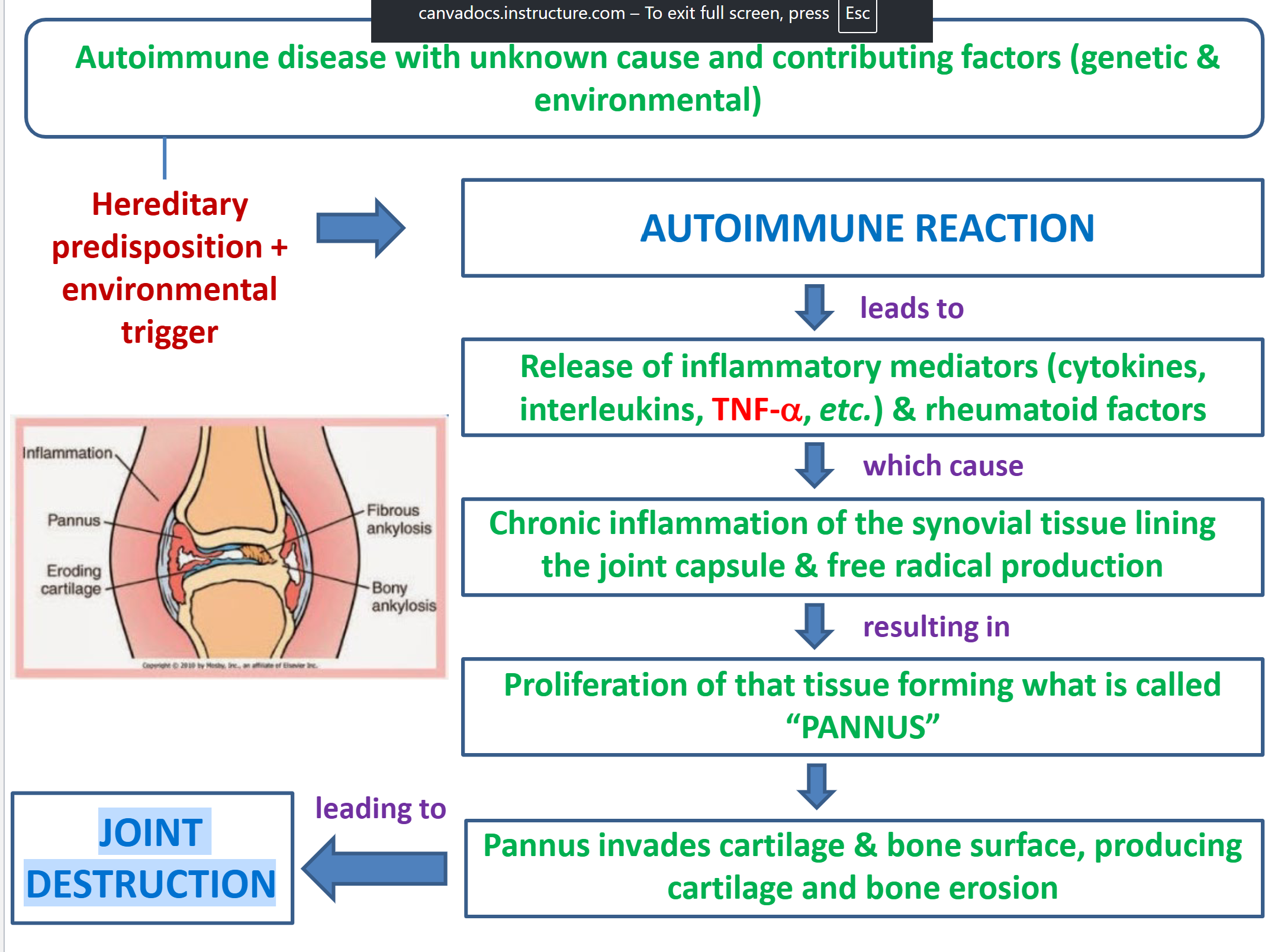
Psoriasis is a common chronic skin disorder most commonly characterized by well-demarcated erythematous plaques with silver scale (“Plaque Psoriasis”) although other presentations can occur.
The immune system attacks healthy epidermal cells.
This misdirected attack leads to an overproduction of epidermal skin cells, causing them to build up on the skin’s surface and form the characteristic plaques and scales associated with psoriasis
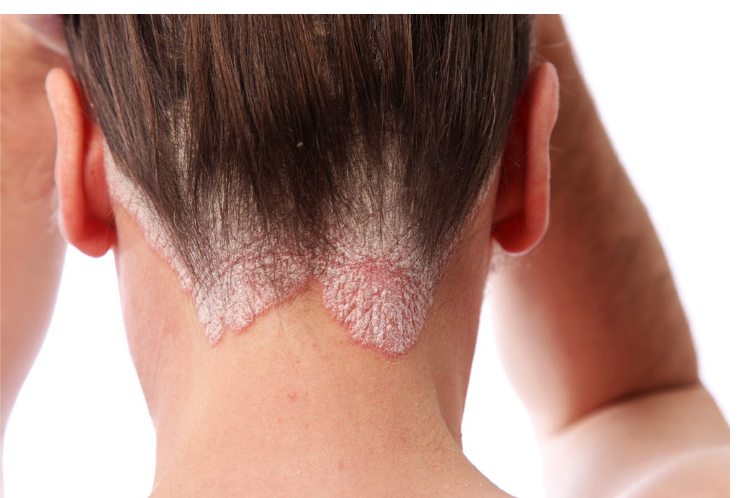
Inflammatory Bowel Disease (IBD) (2)
Two Types:
Crohn Disease
Ulcerative Colitis
Graves’ Disease
Graves’ disease occurs when autoantibodies known as TSIs (thyroid stimulating immunoglobulins) BIND TO
TSH RECEPTORS
CONSTANTLY STIMULATE THE THYROID
Causes → HYPERTHYROIDISM

HYPERTHYROIDISM
Overproduction of the thyroid gland
too much of T3 & T4
Treatment of Graves’ Disease
1) anti-thyroid drugs (i.e.,thionamides)
2) radioactive iodine (RAI) therapy
3) Surgery (thyroidectomy)
Immunomodulating Drugs
These drugs attempt to prevent the immune system from attacking self
Side effects (Of Suppressing your Immune System)
Infections (sometimes serious or fatal ones)
Cancer
Other autoimmune disorders
Two Types of these Drugs:
1) Monoclonal antibodies
2) JAK inhibitors
Two Types of Immunomodulating Drugs
1) Monoclonal antibodies
2) JAK inhibitors
Monoclonal Antibodies of Plaque Psoriasis
Infliximab (Remicade, Inflectra) TNF-α Blocker
Adalimumab (Humira, Cyltezo) TNF-α Blocker
Certolizumab (Cimzia) TNF-α Blocker
_____
Ustekinumab (Stelera) Interleukin IL-12 & IL-23 Blocker
_____
Secukinmab (Cosentyx) Interleukin IL-17A Blocker
Brodalumab (Siliq) Interleukin IL-17A Blocker
Ixekizumab (Taltz) Interleukin IL-17A Blocker
Bimekizumab (Bimzelx) Interleukin IL-17A Blocker
_____
Guselkumab (Tremfya) Interleukin IL-23 Blocker
Risankizumab (Skyrizi) Interleukin IL-23 Blocker
Tildrakizumab (Ilumya) Interleukin IL-23 Blocker
JAK Inhibitors for Rheumatoid Arthritis
Tofacitinib (Xeljanz)
Upadacitinib (Rinvoq)
Baricitinib (Olumiant)
JAK = Janus Kinase
Janus kinases participate in intracellular signaling resulting from cytokines interacting with their receptors → by inhibiting this signaling, tofacitinib suppresses immune cell function
Vaccines and Immunomodulating Drugs
However, patients receiving immunomodulating drugs should not be administered live vaccines
Dead Ones or Inactive Vacceen is ok