ARHI Ancient to Modern
 Call Kai
 Learn
Learn Practice Test
 Spaced Repetition
 Match
Match Flashcards
 Knowt Play
1/71

There's no tags or description
Looks like no tags are added yet.
Name | Mastery | Learn | Test | Matching | Spaced | Call with Kai | Chat |
|---|
No analytics yet
Send a link to your students to track their progress
72 Terms
Paleolithic
-Large groups Nomadic hunter-gatherers
-followed food supply/ Hunt in large groups
Mesolithic
-Smaller groups / individual hunts
-Nomadic
-Exterminated larger animals (mammoths)
Neolithic
-first permanent settlers
-develop agriculture & husbandry (breeding)
-locally grew crops
-stayed in one place
Venus figurines
Discovered throughout EUROPE (but all over the world)
Considered to have totemic or fertility significance
Appeared as small chunky women bodies with no face
Venus of Willendorf
A Venus figurine that emphasized reproductive features of a female body (breasts, genitalia, hips) / believed to be related to fertility (token)
Ivory Composite Figure
-Lion head and Human Body- Deity made to connect to the spiritual world
-Made of mammoth tusk
-Found in Stadel Cave Germany

Warty Pig
Cave drawing in Indonesia, Pankep Caves
(earliest representation of art in world)
Chavet Caves
From Paleolithic Era
Contained vast chambers / most common animals represented in cave drawings were Bears, Lions, Mammoths, and Rhinos

Lascaux Caves 6000 BC
Known as a great big canvas/ was non-porous calcite rock
Included animal paintings/ abstract shapes and lines
Horse Heads Cave Painting Found HERE & Red hand stencil

Lascaux Caves
One of earliest caves known for containing Twisted Perspective
Discovered by boys who lost their dogs - found cave full of paintings
Contains GREAT BLACK BULL
Shaft of Dead Man
Cave drawing depicting a shaman holding a spear fighting bull
-bird on stick= spear thrower
-documentation of the death of a shaman due to bull
Twisted Perspective
animals depicted from a front and side view at the same time
(seeings both horns of animal from side prof)
Henri Brevil
Known for sympathetic magic theory: a theory that, through drawing pregnant animals, they would manifest more actual pregnant animals in the real world / ensure successful hunting scenes
(no longer followed)
Catal Hoyuk
Transformative era from nomads to settled farmers (large city)
-Anatolia Turkey
-entered all rooms via ladders
-showed equal gender roles
-grain and legume productions

Mother Goddess of catal huyuk
Found in Grain Bin (grain protection)>> small woman-like figure known as “wish tokens”
Seated in thrown with two lionesses at her side (NOT SAME AS FERTILITY FIGURE)
-rubbed/scratched, showing their belief that it held magical power
StoneHenge
-Located in Salisbury, England, from the Neolithic period
-Burial site of adult males aged 25-40 in good health / elite status individuals
-Carvers introduced optical adjustments, suggesting knowledge of optics/mathematics
Post & Intel
basic system of construction where 2 vertical posts are capped by a horizontal element (intel)
Mortise & Tenon
Held posts together by having a hole in one post
-mortise= hole tenon = pointy part to go in the hole
Trillithon
Group of three pairs of posts upright in circle
Blue stones
Only existed in Wales; ab 150 miles away
Greatest mystery of Stone Henge> unsure how these large stones were moved
Suggested the capabilities of people: labor, wooden leverage systems
Serpent Mound was associated with the:
Adena culture (ohio)
Alligned with summer sultice sunset/ winter solstice sunrise
Ceremonial mound that was in the shape of animals or birds common in NA
Serpents (serpent mound) represented what to indigenous ppls?
-symbol of fertility, earth (snake appears pregnant w egg in serpent mount)
-curves of the snake suggest parallels to lunar phases
-connection to astronomy (halleys comet)
Anasazi Culture
-located in Colorado Mesa Verde (four corners)
-Known for building homes into the sides of cliffs
-Cliff palace> built of stone and mud mortar; 150 rooms
Kivas
-part of Anasazi culture
-round underground fireplace structure/ spiritual gathering place where they performed rituals
-contained sipapu’s: place of emergence for ancestors to come through
Hopi culture tradition
Believed ancestors visited through the sipau- return to the new earth
Cliff Palace - Anasazi Puebloan People
contained similar abstract designs/ wall murals to Catal Hoyuk
Cahokia Mounds
-Large pre-Columbian city population of 20,000 individuals
-busy thriving city traded with aztec (mex) (chocolate)
Corgets
apart of cohokian culture displayed the story of the Birdman through drawings
Sumerian Culture
-Located in Mesopotamia (Iraq)
- First inventors of writing
-Invented irrigation methods and Flood control methods for crops to flourish
-Consited of independent cities: Ur and Uruk (states were dedicated to deity with a temple built to honor them).
Cuniforms
Tablets that Sumerian culture used to write on & keep track of:
#’s of crops
#’s of animals in farms
#’s of stored goods
Ziggurat (white temple)
Bottom part of the White Temple of URUK (IRAQ)
-made up the surrounding part of the white temple
-protected the temple from flooding
-only priests could enter the middle temple
Votives 2900-2350 BC
-Small statues from the SQUARE TEMPLE - dedicated to ABU god
-Large eyes & always in perpetual prayer
-stand in figures devoted to praying eternally to a deity
-commissioned by rich individuals as “stand ins”
URUK
-known for INNOVATION
-first known religious narrative- water goddes inscribed on Worka Vase
Worka Vase
-FIRST use of hierarchy scale
-from Uruk period
-dedicated to Temple of Inanna
-Had relief carvings telling story of water goddes (life cycle)
-Carvings separated into 4 parallel bands read bottom to top
In URUK period water symbolized
Life, regeneration, growtih
Sumerian Queen Puabi grave goods
-Tablets that were inscribed with guidance for afterlife found in grave
-Lyre
-Gold Bull
-Ram in Thicket
Gold Bull Amulet
-crafted of gold sheets against bitumen-found near tombs
-bull had beard> indicated divinity
Tumbler (vase)
found near queen puabi grave
made of silver and gold mixture = electrum
Vase shaped
Queen Lyre & bull
-Lyre= harp thing
-Bull head carved into base
-way of bringing music into the afterlife
Old kingdom Egypt
-unified by the Narmer
-battle of Narmer unified Upper and lower Egypt 2686-2181 BC
Ma’at
energy of embodying truth, righteousness, justice & cosmic law in Egypt
known to bring balance and order
Is’fet
Chaotic energy that is meant to be fought off with ma’at
Main characteristics of Egypt Art
-hierarchal scale
-preference for balance
-perspective
-stiff visuals
! most art was not made to be seen (made for divine & afterlife)
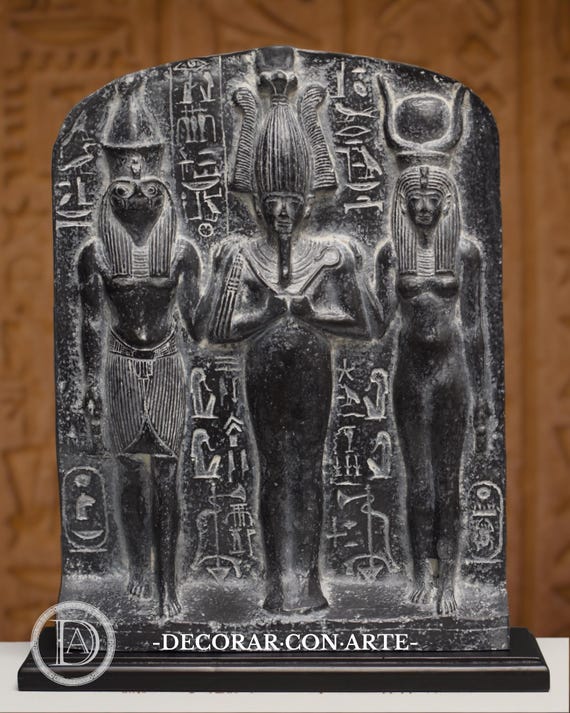
Stone Statuary - designed to benefit divine (egypt)
-3d representation of gods/ royalty designed to convey idealized version of individuals
-carved into black pillar
-limited positions
-arms close to each other
Small statuary figures- stone, wood, metal
-Action figures completing actions of the lower class (often benefiting rich)
-decorative pieces made for rich
Registers
drawn/written - scenes that convey info about the status of individuals
-overlapping figures implied they were further away
Nebamun Fowling in Marshes (new kingdom) 1350 BC
-tomb drawing of wealthy merchant
-birds behind him show movement
-marsh/ water symbolize regeneration/erotiscm/ life
Cannon Proportions
system of measurements that create ideal bodies (used grids to measure)

raised relief
images project out from their surface, or ground
-the usual method of decoration on the inside of Egyptian
tombs and temples

sunk relief
In sunk relief, they are carved within their ground.
Earliest known pyramid
-was made of STONE / stone had more permanence than mudbrick
-formed stairway to stars so the king could join the eternal north star
Old kingdom 2686-2181
-Known for the golden age- pyramids
-ka & ba energies - spirit of nourishment and spirit of night
-Believed the deceased needed the same things as the living to flourish in the afterlife
-mummying
Mummification process
-lasted 70 days
-take out organs
-body wrapped in linen and spiritual objects are wrapped in
Mastaba
(bench in arabic)
-Tombs appeared similar to benches and had underground chambers
-made to provide Ba energy with a home in the afterlife
(netjerikhet) Djoser known for
Created first STONE/ stepped pyramid and combined mortuary and ritual building together
paired functional buildings with dummy ones that couldn’t actually be used instead of using a single mastaba
Great pyramids of Giza are
Khufu, Khafre, Menkaure
AI - Masalla Obelisk
The large column monuments with pyramid points @ top associated with BEN BEN (sacred stone of the sun god of balance)
Shape of pyramids
referenced rays of the sun as a symbol of a path for pharohs to enter the heavens
Pyramids were built by
paid workers & farmers out of season
Khufu (grandfather)
Largest Pyramid
-tip points to the north star
-white tura limestone cap
-khufu ship > sacred object for river travel and divine voyage in the afterlife
Khfare (son)
2nd Largest pyramid
!!! Has a sphinx carved from the bedrock of the Giza Plateau
-Sphinx (half lion, half man) > symbol of royalty, connection with the sun & royalty
Menkaure (grandson)
Smallest pyramid
Had sculptures & statues within
had carvings on a black stone sarcophagus (lost @ sea)
New kingdom (thebes Egypt)
-Burial site for the kings > The valley of the kings/ no pyramids
-no longer belief that ka will live on provided it has a dwelling place (needs food water)
-The ka has to go through elaborate last judgment (weighing heart)
-Produced the book of The Dead
Osiris
Egyptian God of the Underworld/Death > protects the night journey in the afterlife
(has a white hat)
Anubis
Egyptian God that weighs the heart before entering afterlife
(black wolf head)

Shabty of the priest
-Mummy-like figurine with spells inscribed on them
-taken into afterlife to invoke certain tasks in the underworld

Canopic Jars
Hold mummified organs
Stomach, intestines, liver, and lungs
Doesn’t hold heart
King tut 1333
-Became king at age 9 /died at 18
-married his sister/ his father was DISLIKED because he created Monotheistic religion (1 god) - took power from priests
-Inbreeding resulted in Tut having a cleft palate, scoliosis, deformed foot, overbite, and bone disease
-reversed his father’s devotion to 1 god and re-instituted Amun as main god
Parietal Art
Paintings and engravings found along walls and ceilings (small horses cave drawing)
featured in Lascaux caves
Book of the dead
a collection of funerary spells written on papyrus paper intended to protect deceased in the afterlife

King Tut Coffin
-Inner coffin made of solid gold but was originally covered in Thick Black Pitch layer (anointing liquid)
-Outer coffins were crafted in wood and covered in gold/ semiprecious stones: lapis lazuli, turquoise
-weighed 296 pounds
King tut canopic shrine
-where King Tut’s organs were kept
-The canopic chest holdig four canopic jars - show the goddess Selket