Reproductive System LAB - labeling
 Call Kai
 Learn
Learn Practice Test
 Spaced Repetition
 Match
Match Flashcards
 Knowt Play
1/44

There's no tags or description
Looks like no tags are added yet.
Name | Mastery | Learn | Test | Matching | Spaced | Call with Kai | Chat |
|---|
No analytics yet
Send a link to your students to track their progress
45 Terms
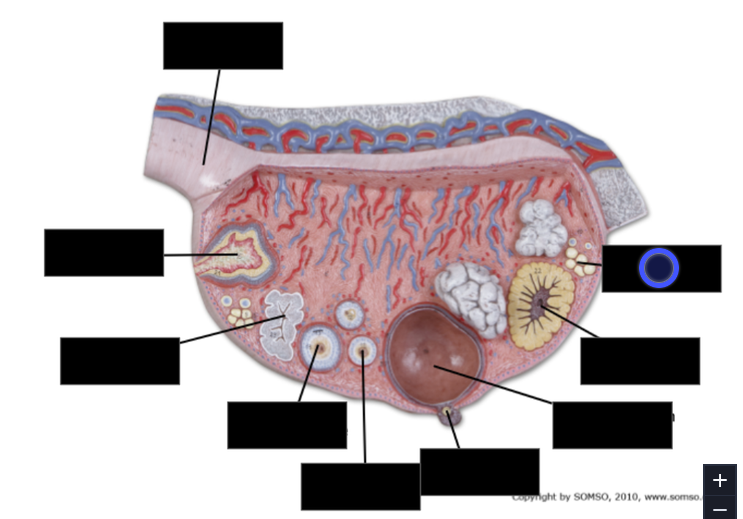
ruptured follicle
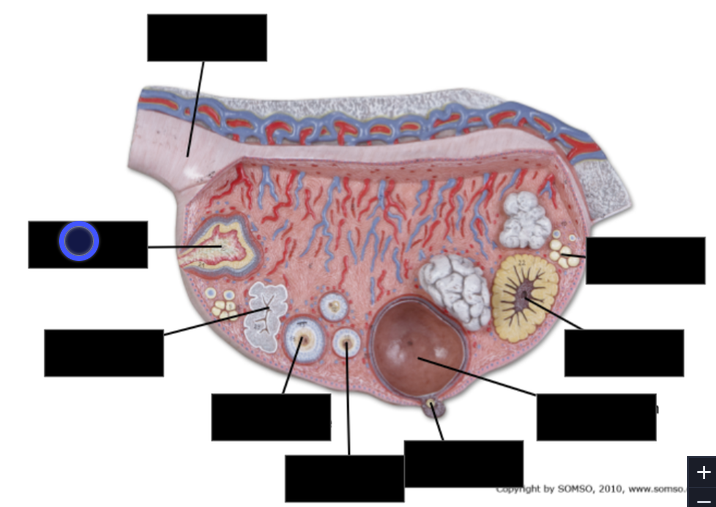
corpus albicans
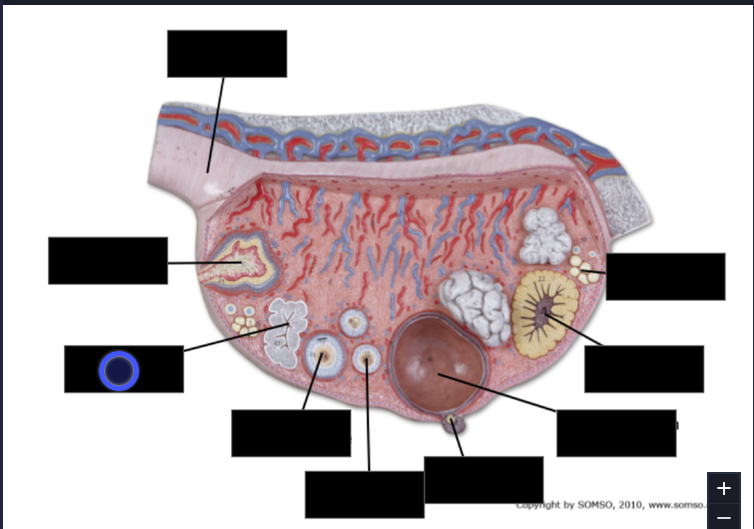
secondary follicle
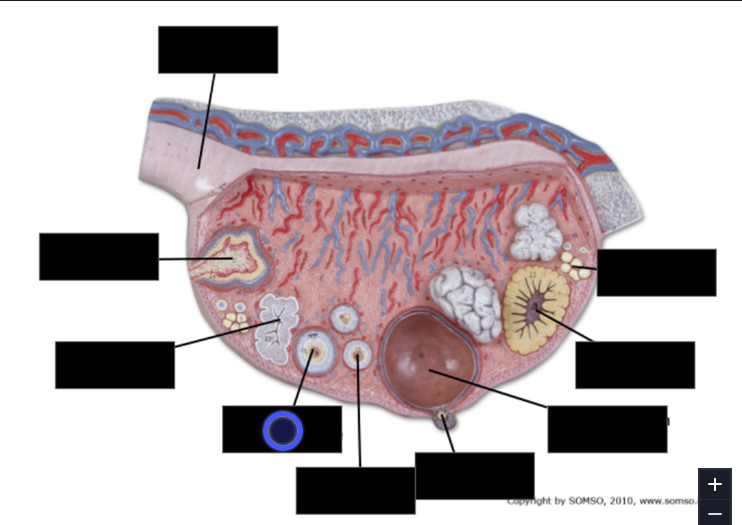
primary follicle
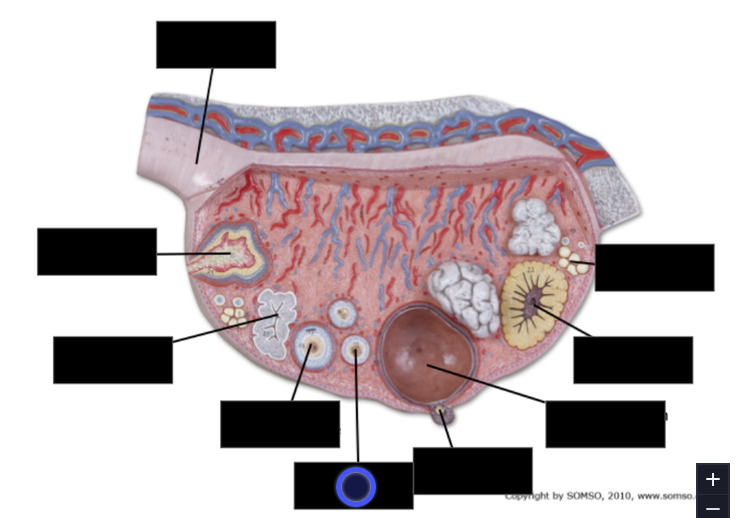
oocyte
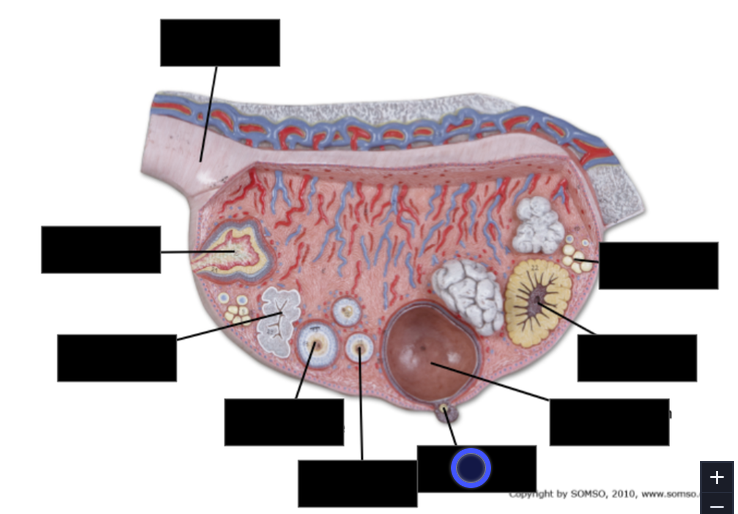
graafian follicle
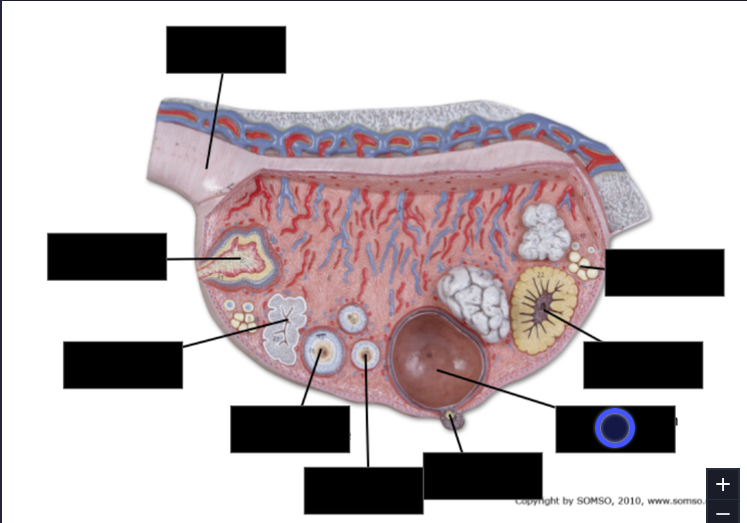
corpus luteum
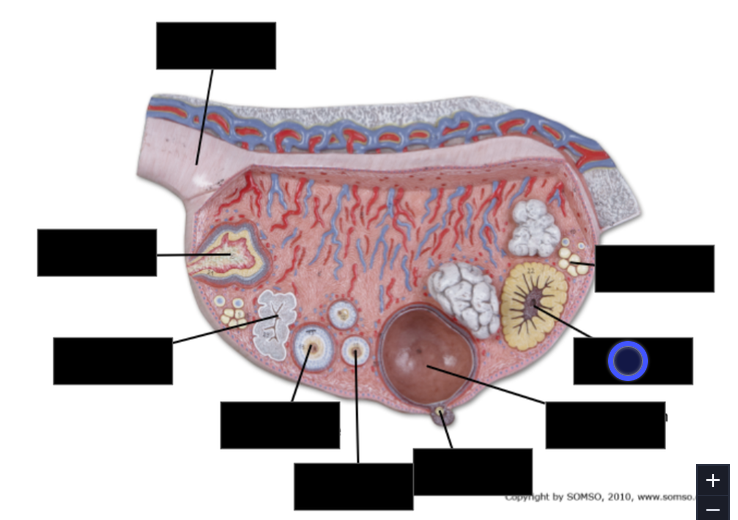
primordal follicles
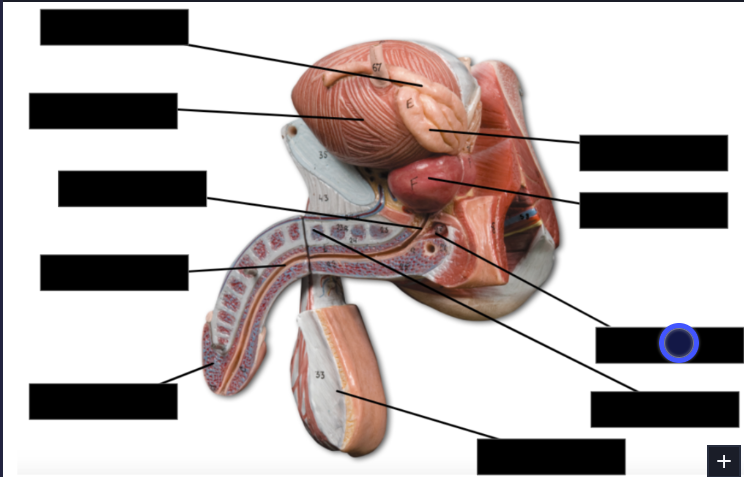
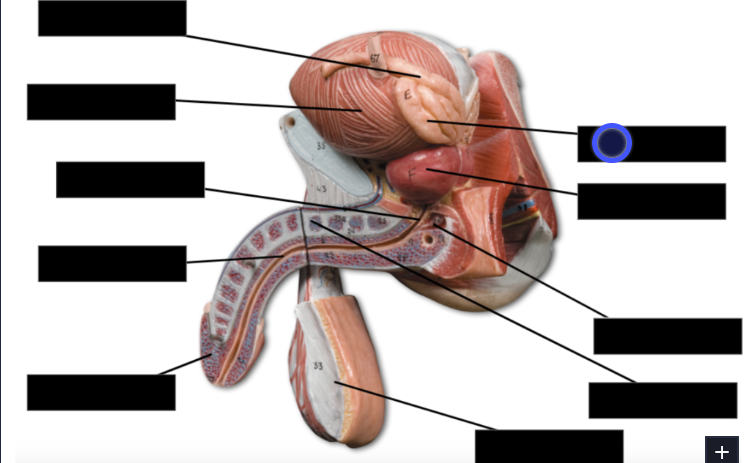
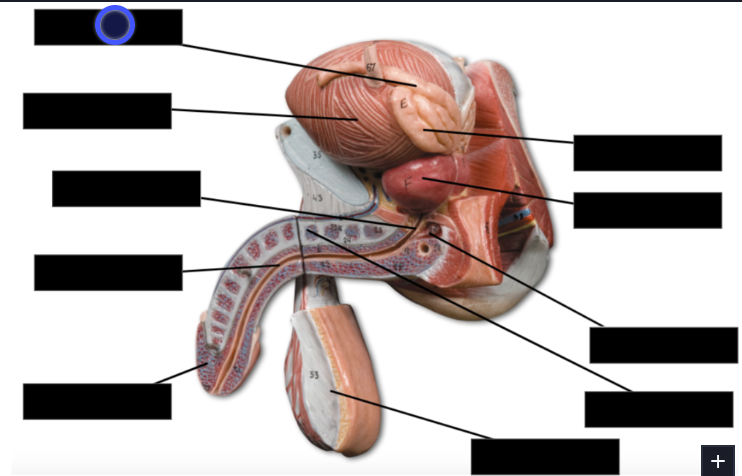
glans penis
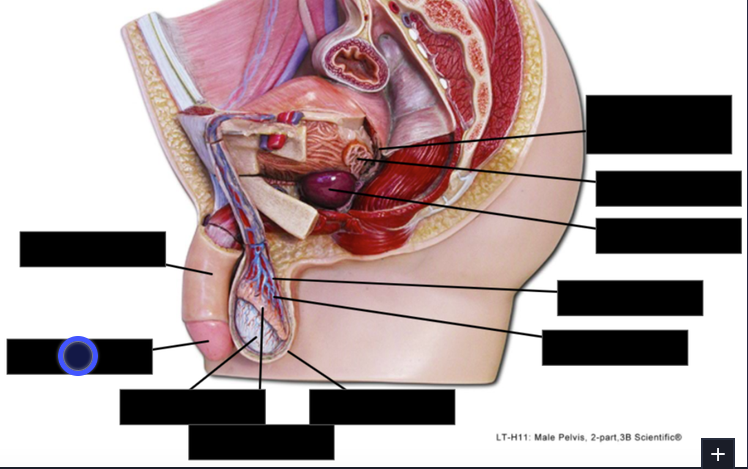
testis
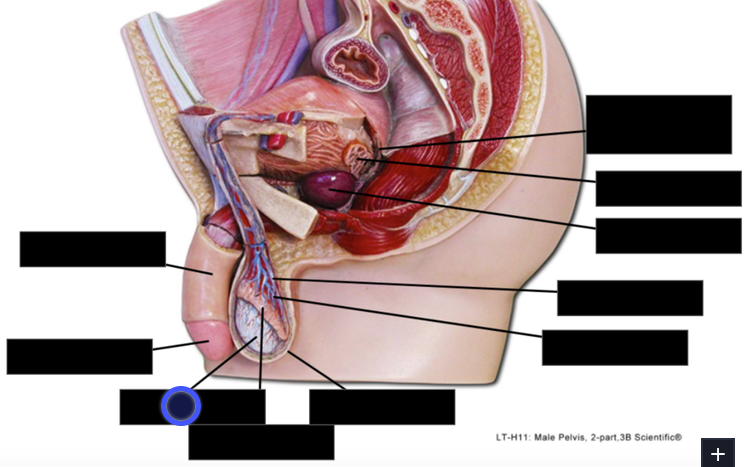
epididymis
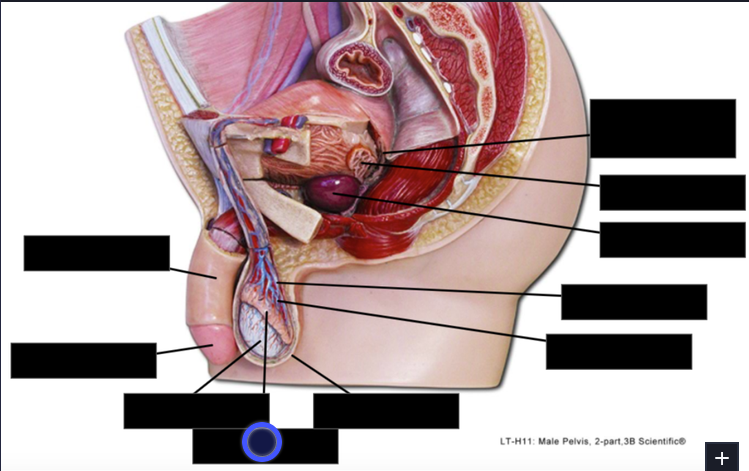
scrotum
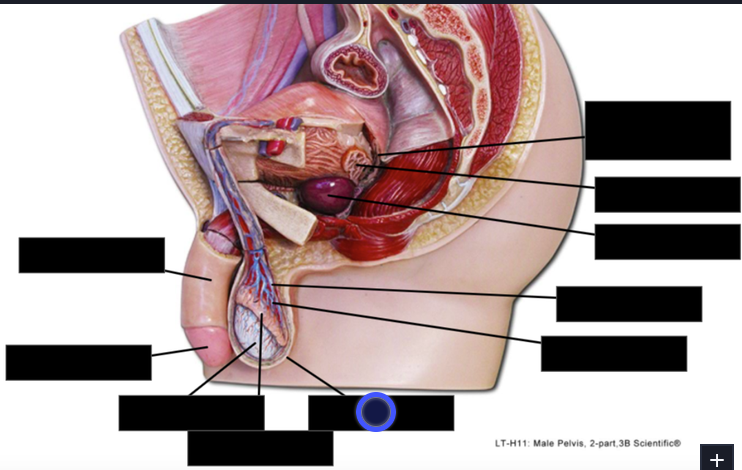
ampulla of ductus deferens
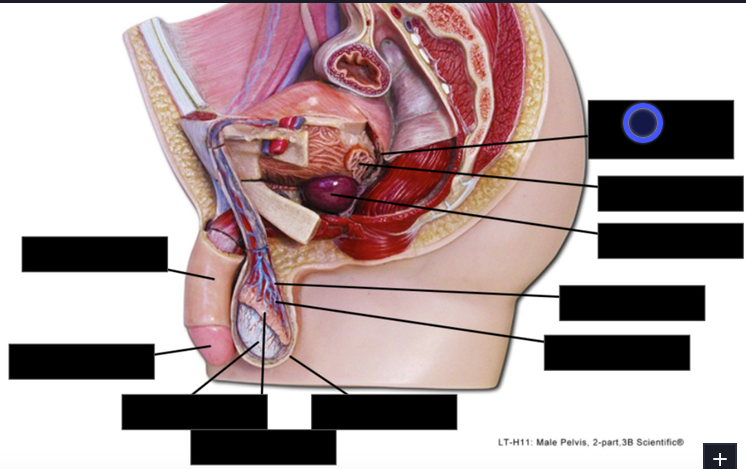
seminal vesicle
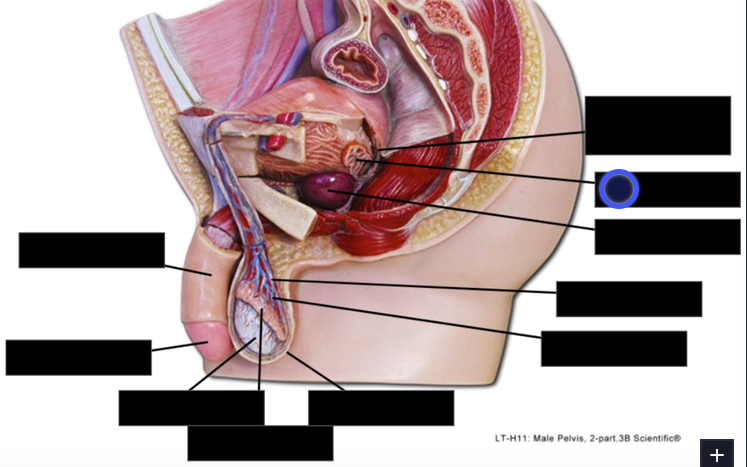
prostate gland
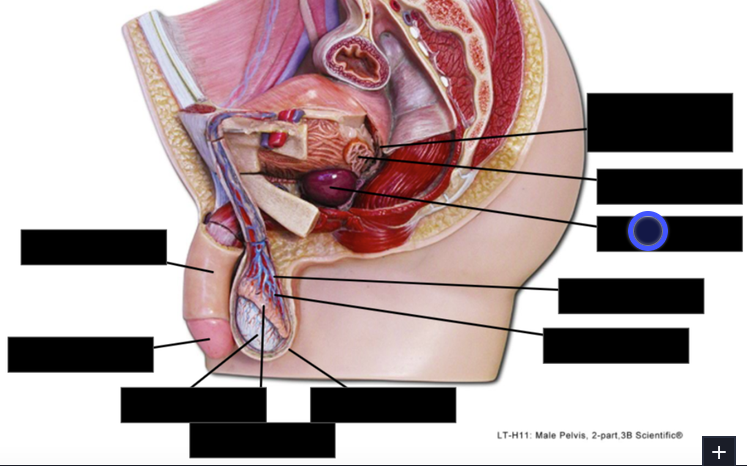
ductus deferens
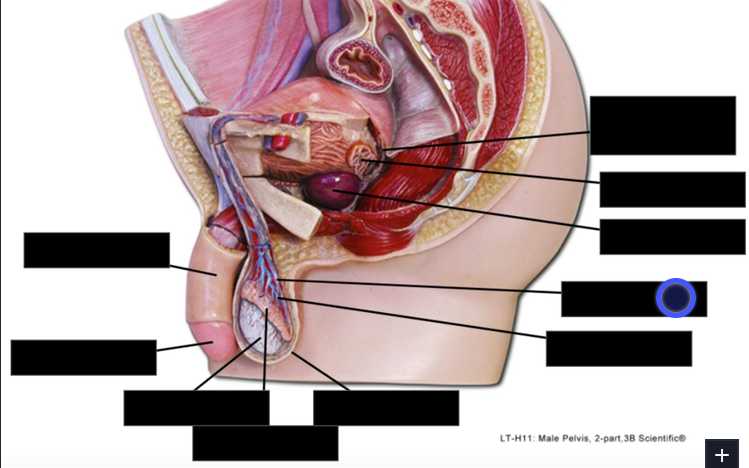
prostatic urethra
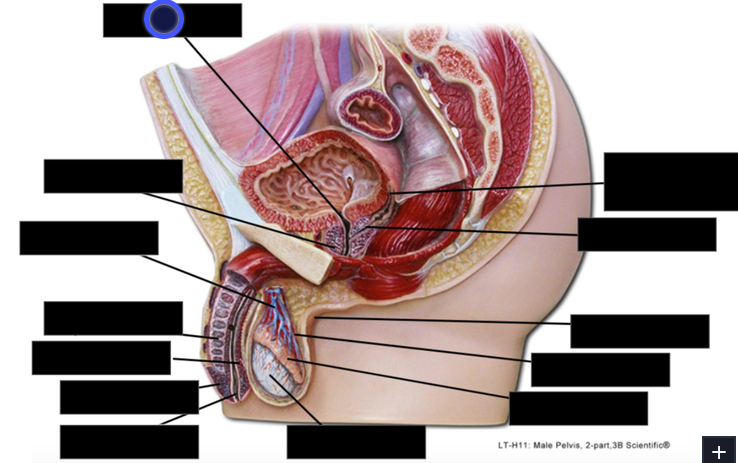
pampiniform plexus of testicular vein
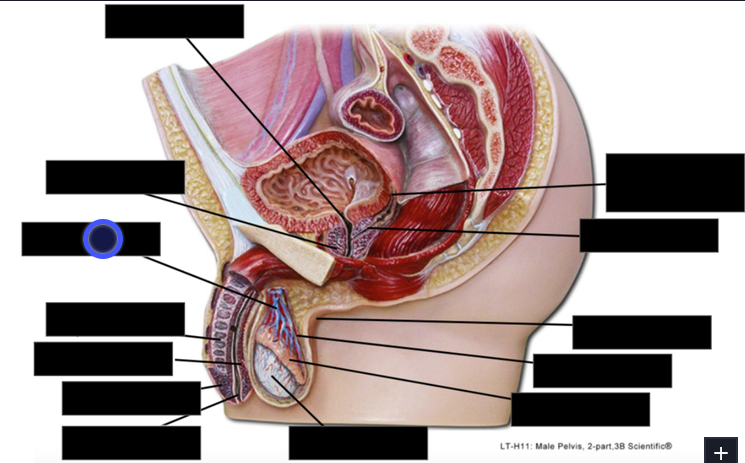
corpus cavernosum
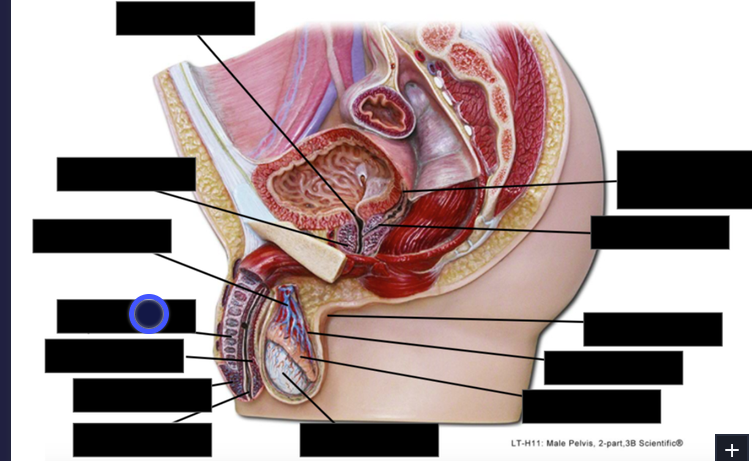
corpus spongiosum
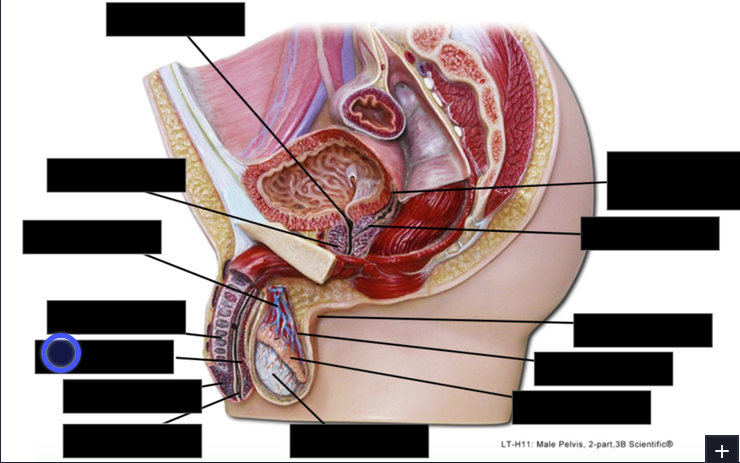
spongy urethra
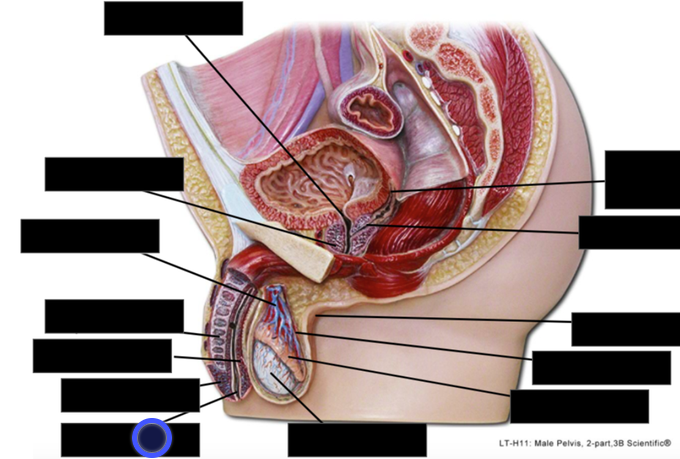
ampulla of ductus deferens
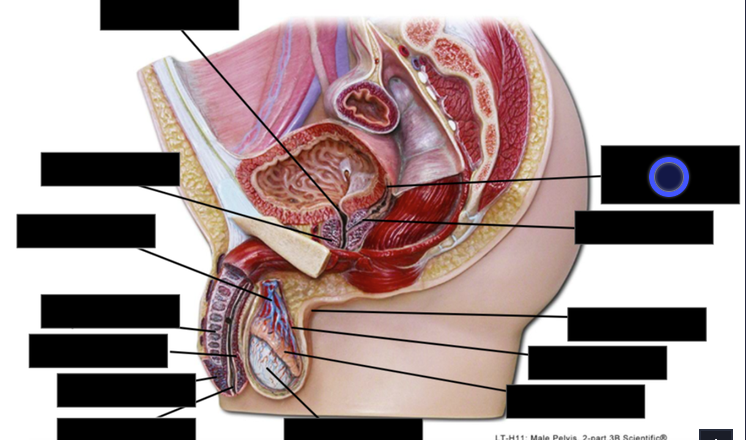
ejaculatory duct
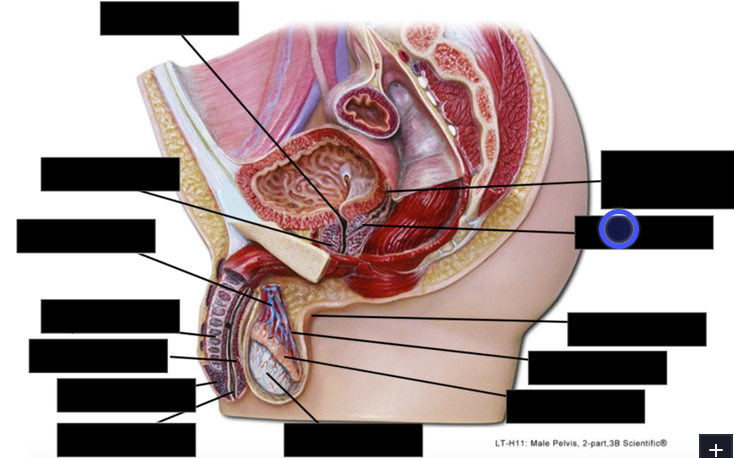
ductus deferens
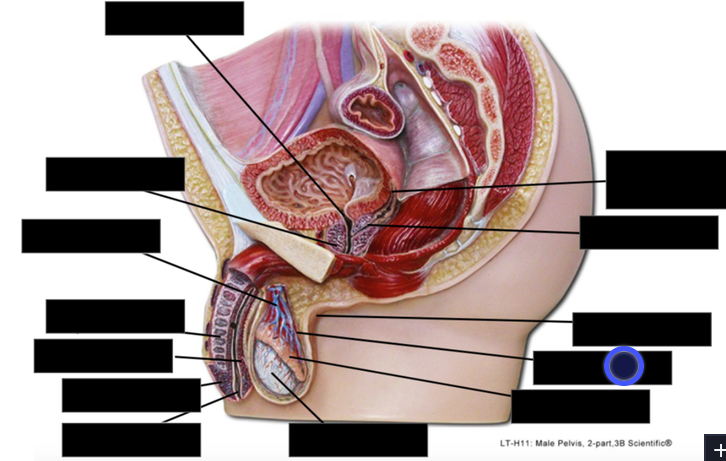
bulbourethral gland
seminal vesicle
uterus
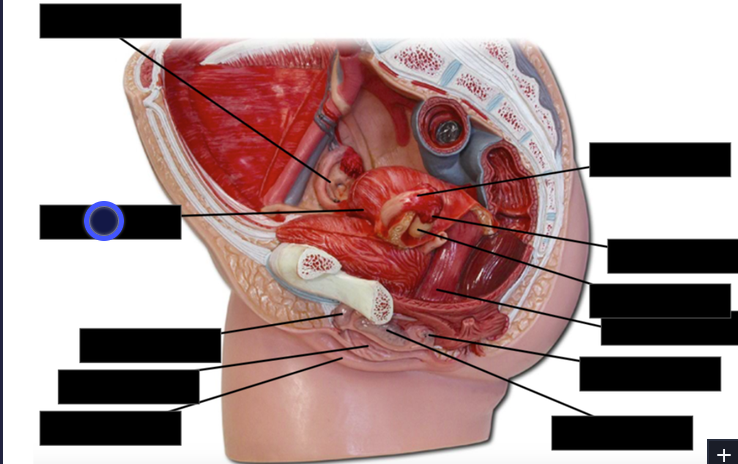
clitoris
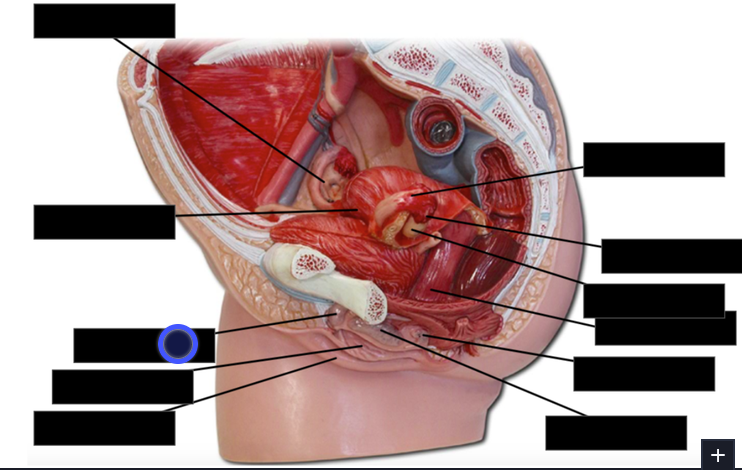
labia minora
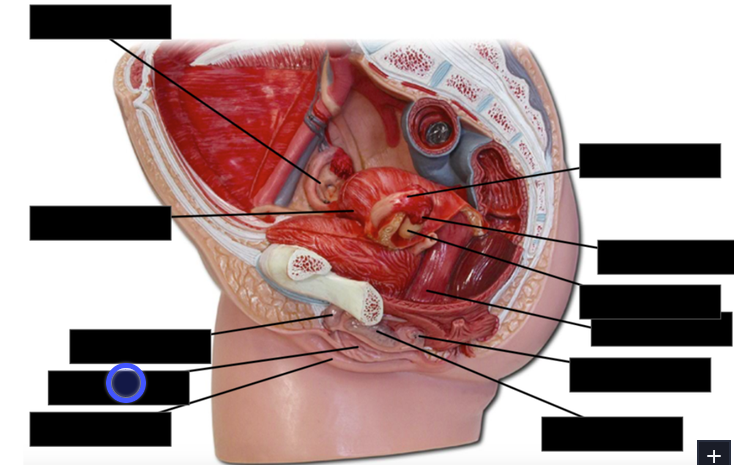
labia majora
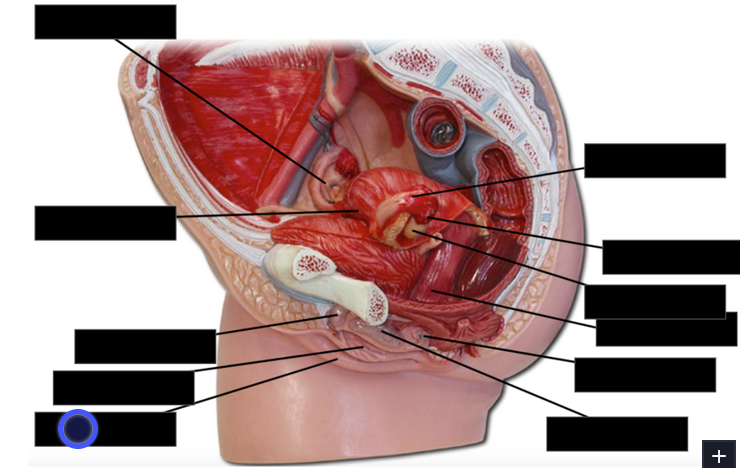
infundibulum of uterine tube
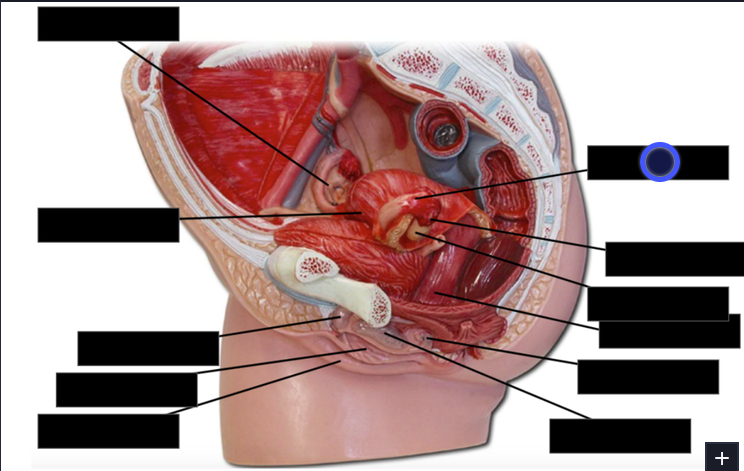
fimbriae
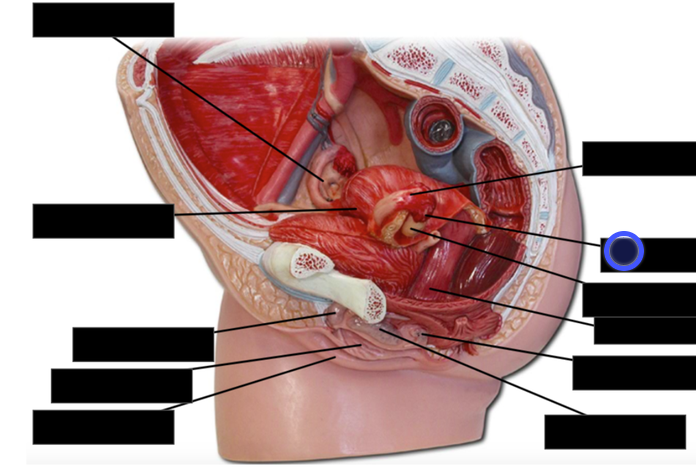
ovary
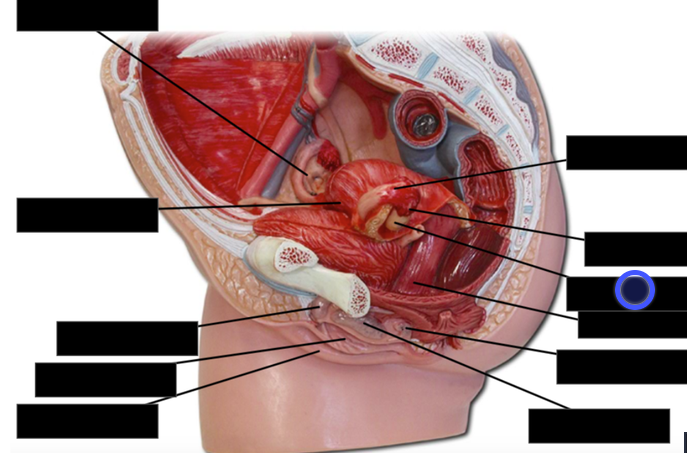
vagina
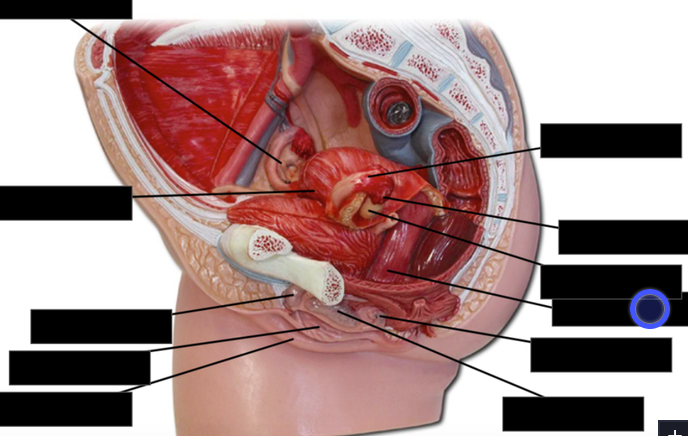
greater vestibular gland
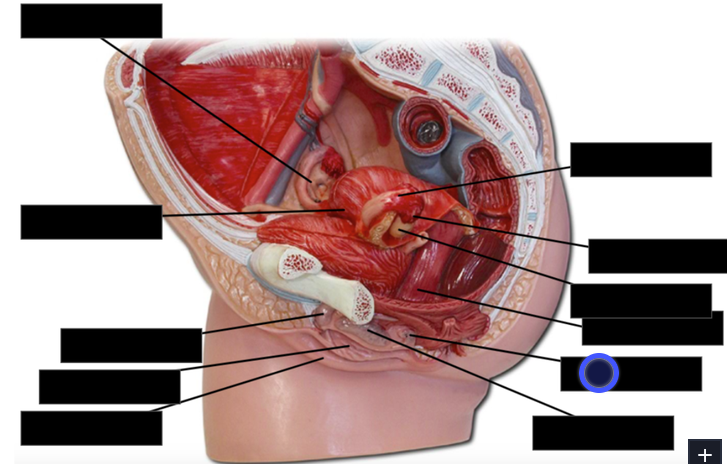
vestibular bulb
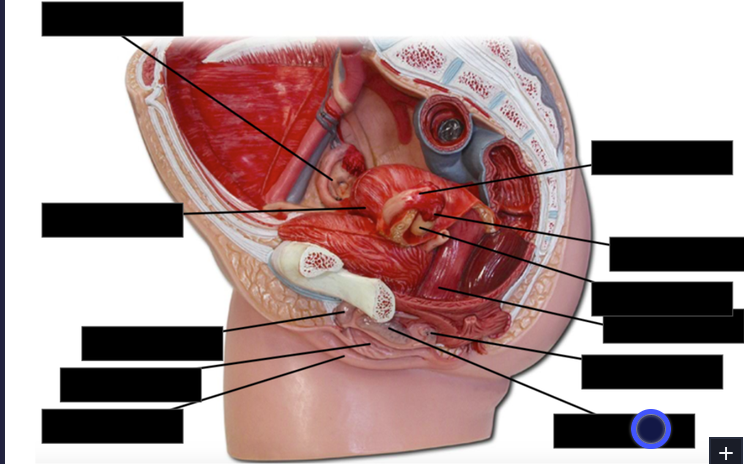
ductus deferens
cryptochidism
testes form in pelvic cavity and descend to their normal position shortly after birth
epididymitis
swelling and inflammation of the epididymis that is frequently the result of infection spreading there from the urethra
hydrocele
occurs when excess fluid escapes from the peritoneal cavity and collects in the cavity between two layers of the tunica vaginalis (serous membrane that covers testes)
orchitis
pain and swelling in one or both testes that may be caused by a variety of bacterial or viral infections
spermatic cord varicocele
varicole is a dilated vein in the spermatic cord; typically develops after puberty and is caused by too few valves in vein allowing blood to pool
(impaired blood flow to the testicles increases teste temp. which can possibly lead to infertility)
testicular torsion
caused by twisting of the spermatic cord, which threatens to cut off blood supply to the testes if not corrected