B10.1 Diseases and immunity
 Call Kai
 Learn
Learn Practice Test
 Spaced Repetition
 Match
Match Flashcards
 Knowt Play
1/16

There's no tags or description
Looks like no tags are added yet.
Name | Mastery | Learn | Test | Matching | Spaced | Call with Kai | Chat |
|---|
No analytics yet
Send a link to your students to track their progress
17 Terms
What is a pathogen?
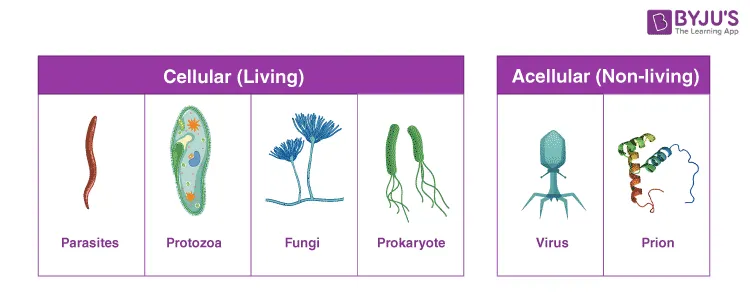
A disease causing agent, such as:
Virus
Bacteria
Fungi
Protist
What is an organism infected by a pathogen called?
Host
What is a vector?
A living organism that transfers a pathogen from one host to another
What is a transmissible disease?
A disease in which the pathogen can be passed from one host to another
What are examples of transmissible diseases for each type of pathogen?
Cholera: caused by bacterium
Athletes foot: caused by fungus
Malaria: caused by protist
Common cold: caused by virus
What are the methods of transmission and examples?
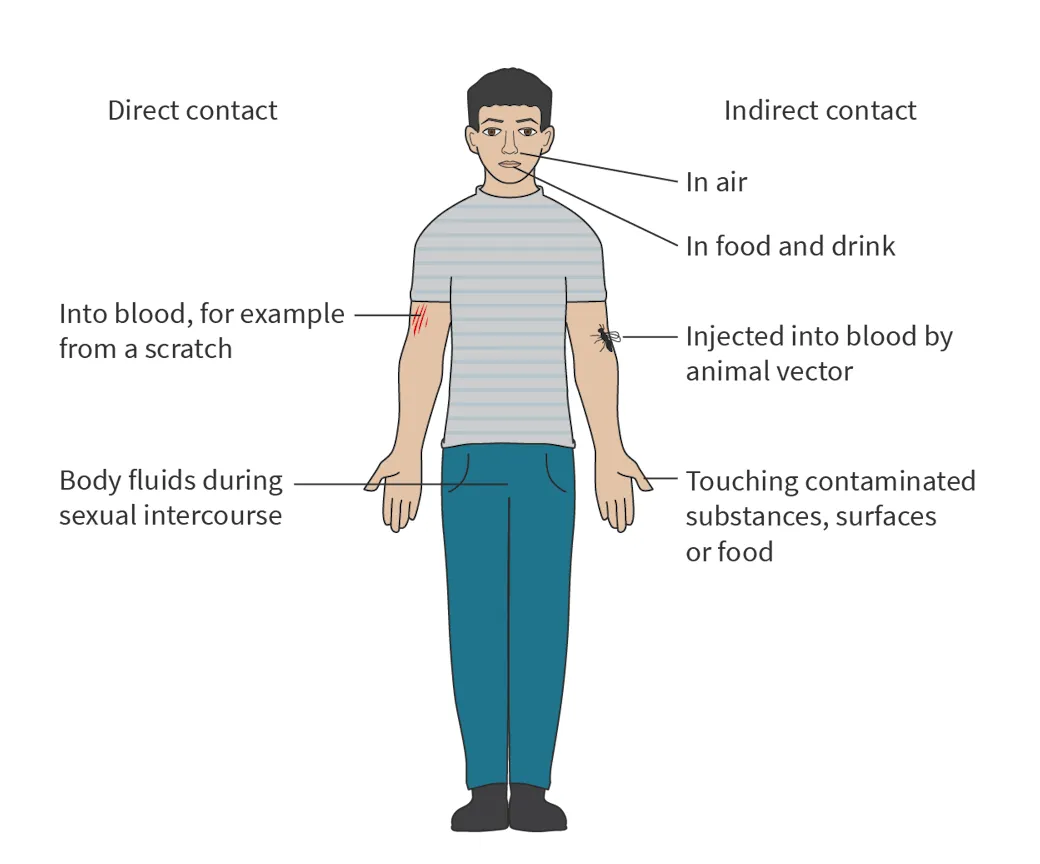
Through direct contact: from blood or through body fluids in sexual intercourse
Through indirect contact: from the air or through food and drink
Describe the first line of defense in the body against pathogens
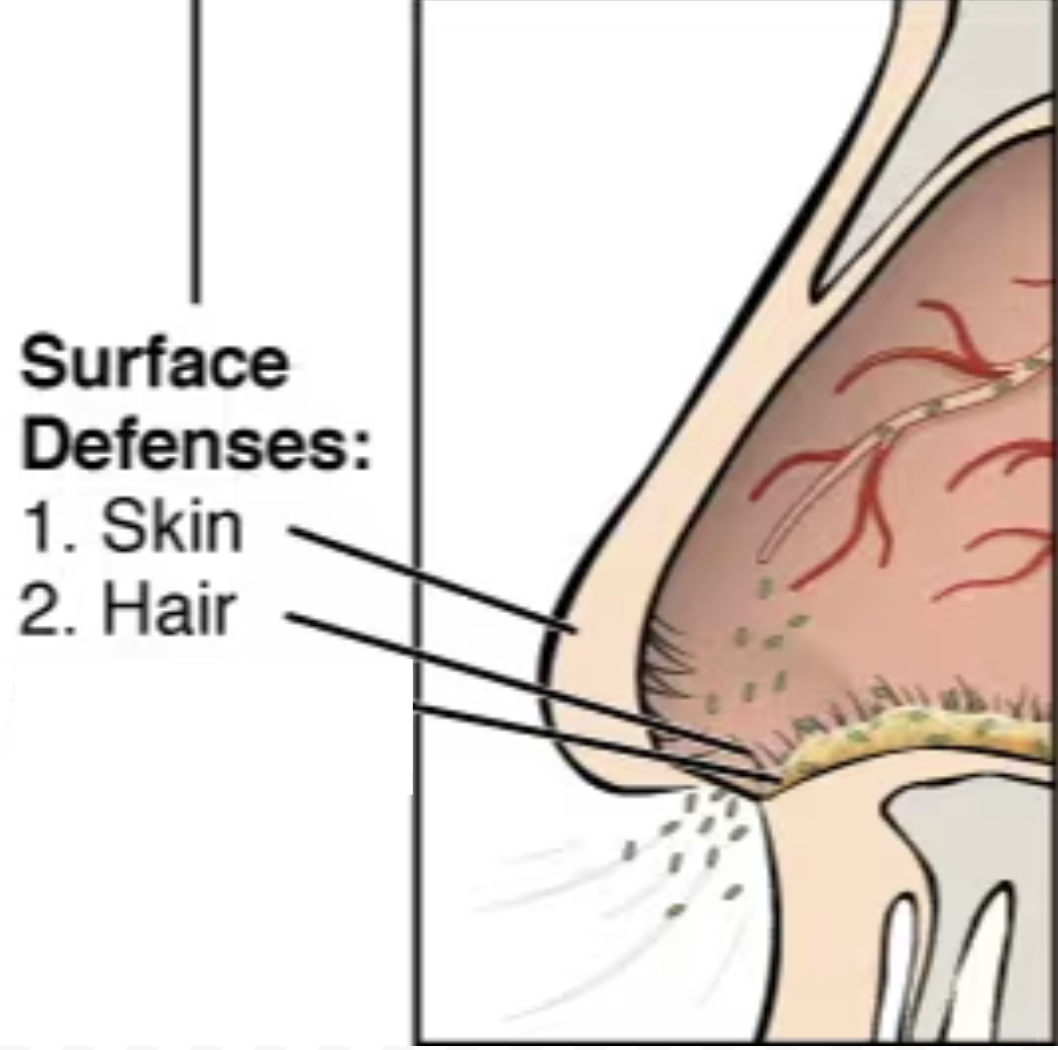
Involves mechanical barriers (structures that prevent pathogens from entering into the body)
Hairs in the nose: trap particles carrying pathogens. Ciliated cells in the nose and throat move mucus with these trapped pathogens away from the lungs towards throat.
Skin: barrier that prevents the entry of pathogens. If the skin is cut, the blood clots and a scab is formed to prevent blood loss and prevent the entry of a pathogen.
Involves chemical barriers (substances that trap or kill pathogens)
Mucus:
Trap dust and pathogens since it is sticky
Produced in mucus membranes, inner gut lining and lungs
Acid secreted in the stomach:
Kills pathogens in food and water we swallow since it is highly acidic because of the HCl it contains
Describe the second line of defense in the body against pathogens
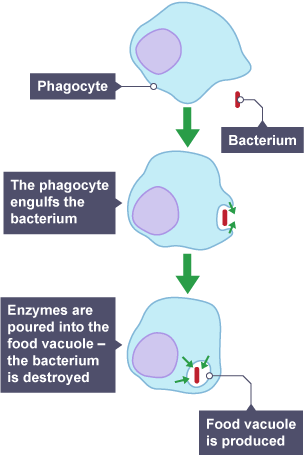
If pathogens manage to enter the body, the immune system detects and destroys them by using white blood cells.
White blood cells have different functions, for example:
Phagocytes: carry out phagocytosis, process where white blood cell surrounds and engulfs pathogens to destroy it
Lymphocytes: produce antibodies, which are proteins that attach to specific pathogens and mark them for destruction
How can you control the spread of disease?
Clean water supply and sewage treatment
Human waste must be separated and sewage needs to be treated to kill pathogens
Personal hygiene
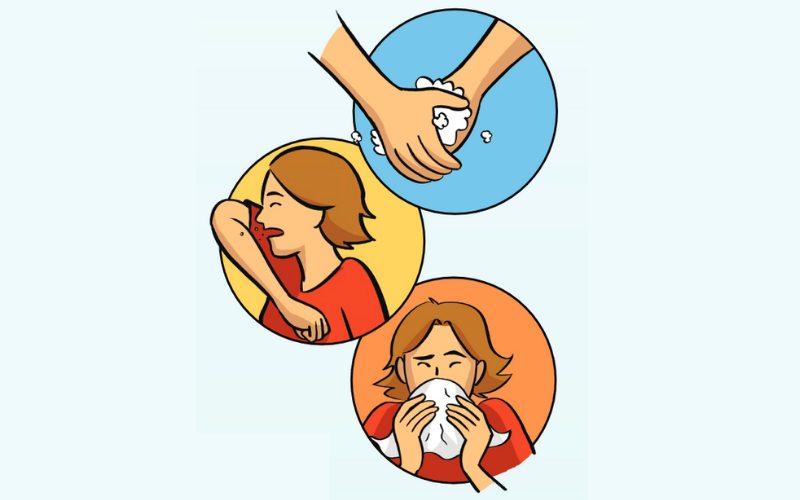
Wash hands, cover when coughing or sneezing, dispose of tissues
Food hygiene
Store food properly, keep meat and dairy refrigerated, cook food thoroughly to kill pathogens
Waste disposal
Food waste needs to be placed in covered containers, waste must be disposed of at a landfill or by burning or composting to avoid attracting insect vectors
Vaccination
Reduce disease spread in population
Protect against specific pathogens
State the features of viruses
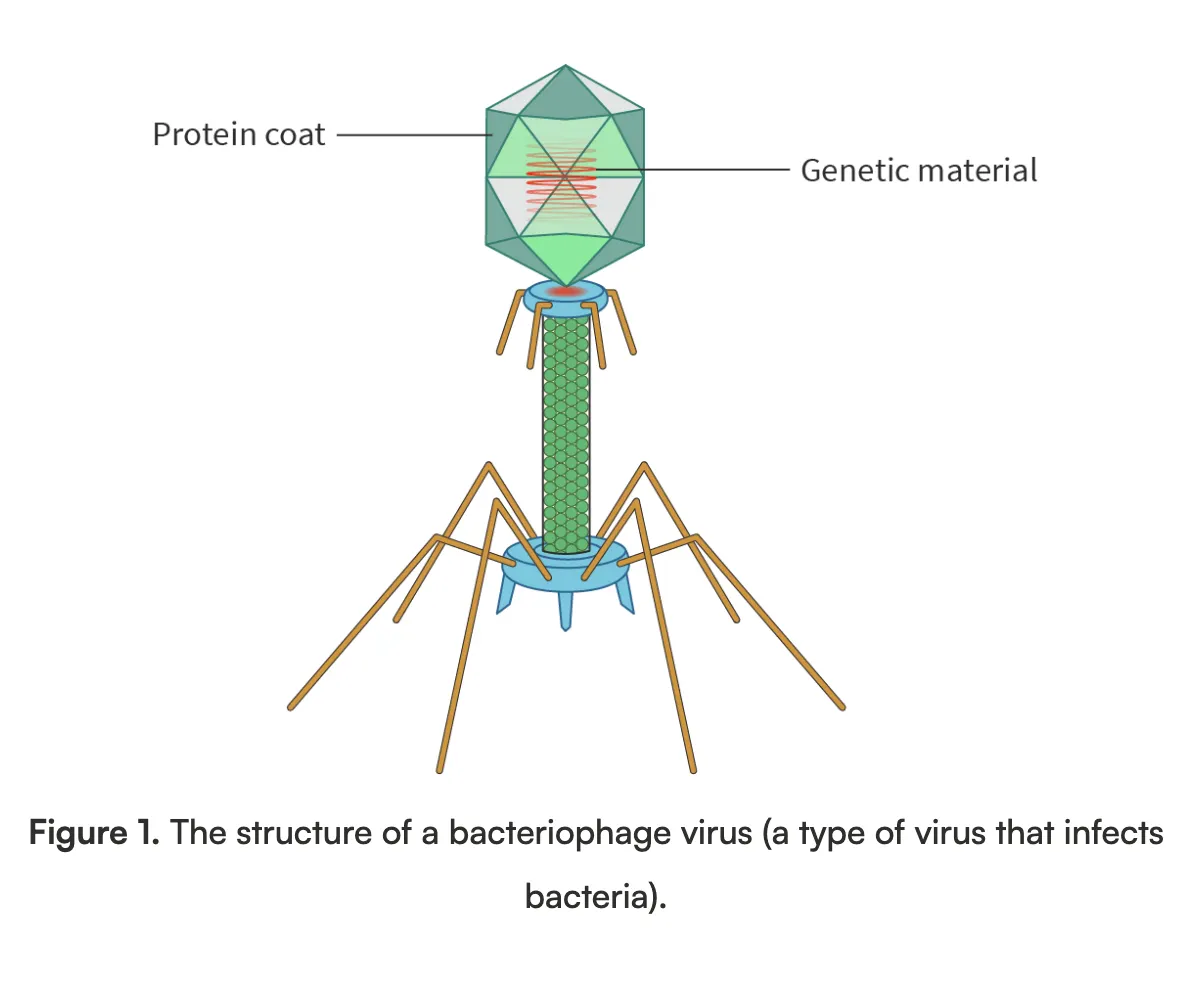
They have a protein coat that surrounds genetic material (DNA or RNA)
They reproduce by inserting their genetic material into the host cell and using the material of the host cells to make more viruses
They are not living organisms because:
Not made of cells
Don’t have cell membrane or cytoplasm
Don’t have seven characteristics of living organisms (MRS GREN)
What is active immunity?
Defense against a pathogen by antibody production
It can be gained naturally (after infection of pathogen) or artificially (vaccination)
What is an antigen?
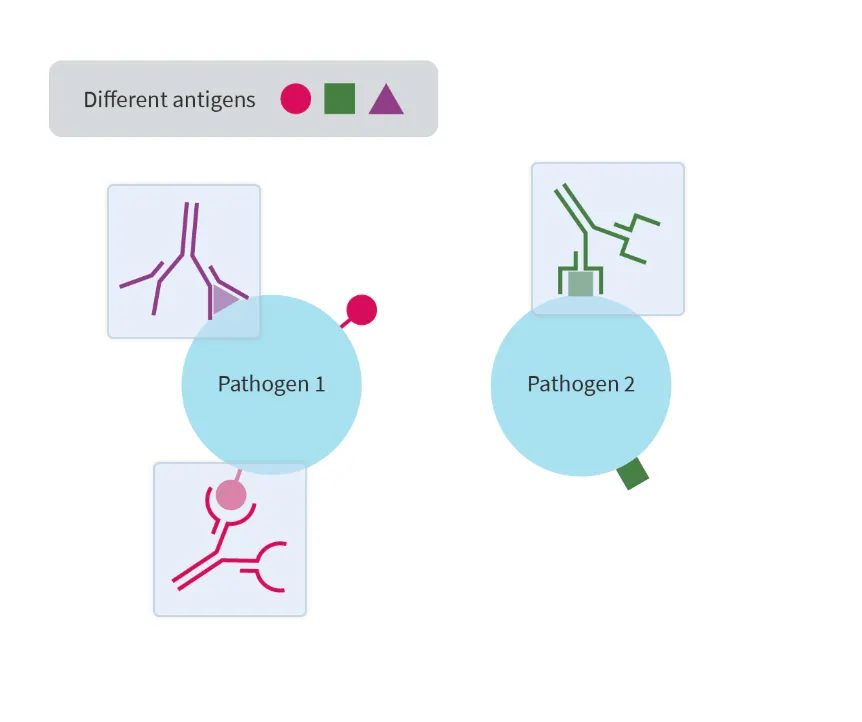
Substances (often protein, fats or carbohydrates) that trigger an immune response
Each pathogen has its own uniquely shaped antigens
What is an antibody?
Proteins made by lymphocytes that have a specific shape which is complementary to the antigen so that it can bind to it and attack
After attaching to an antigen, the antibody can either:
Mark pathogen for phagocytosis and destruction for phagocytes or
Cause pathogen to die by binding to it and causing direct destruction
What are the two types of responses that the immune system has after pathogen infection?
Primary response: when the immune system reacts to a pathogen for the first time
Secondary response: when the immune system reacts quicker upon reinfection of the same pathogen, this process involves memory cells
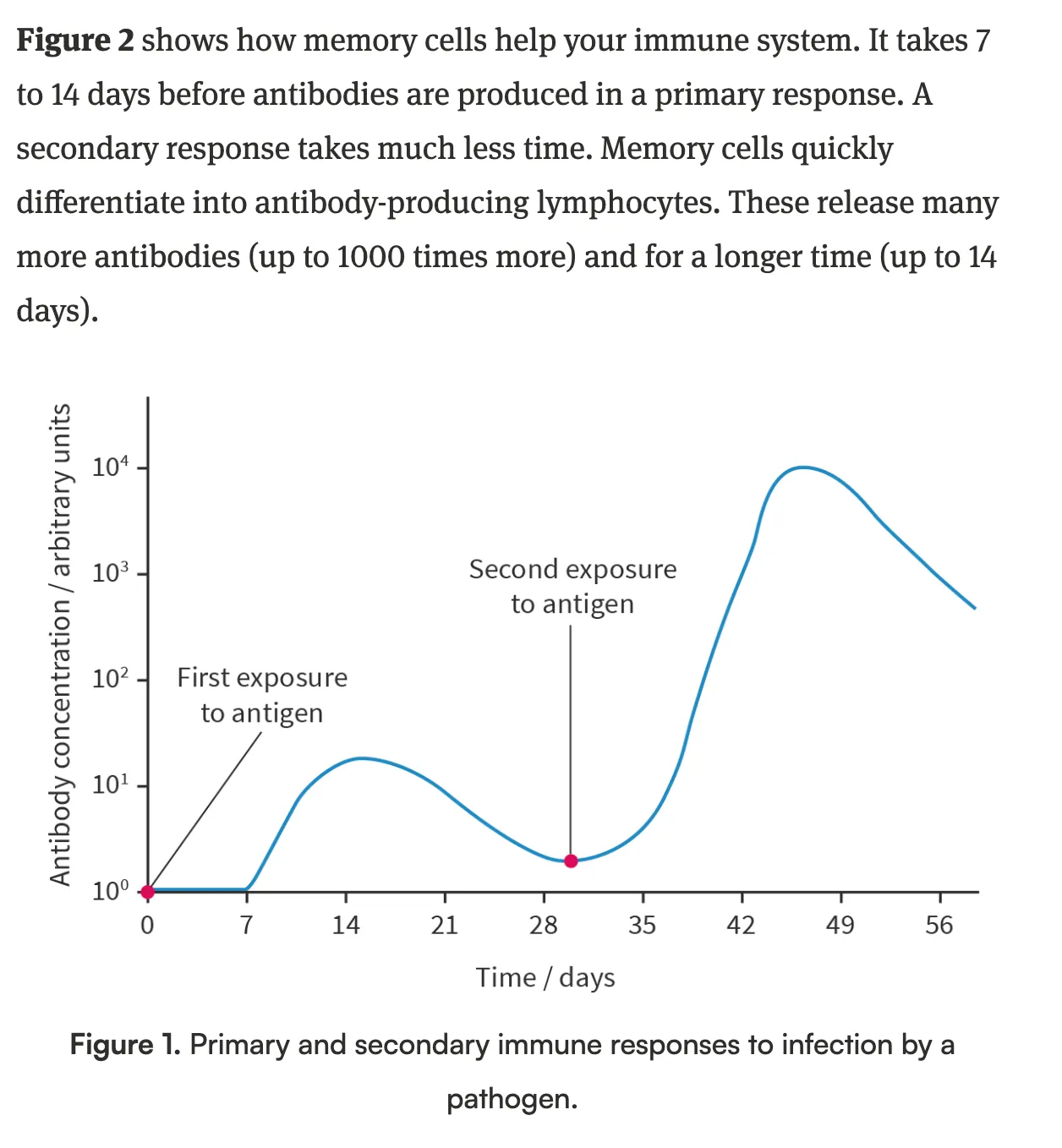
What are memory cells?
Cells that remain in the blood after infection, they remember the specific pathogen
Upon reinfection, they trigger a fast secondary response which produces antibodies up to 1000x faster than the first time
This destroys antibodies quickly before they cause a disease, giving immunity
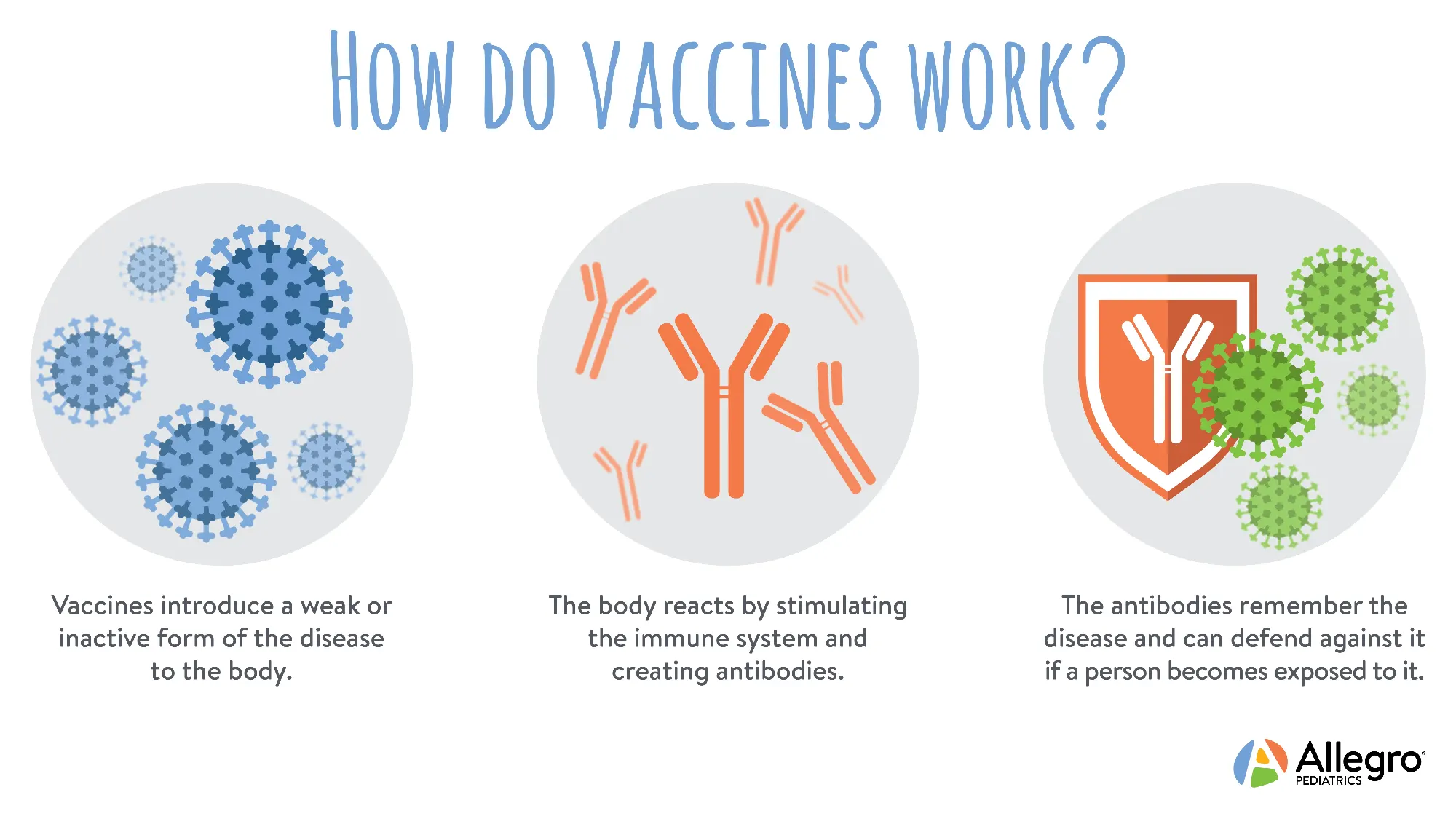
Outline the process of vaccination
Weakened or dead parts of a pathogen or their antigens (that can no longer cause disease) are put into the body
Antigens stimulate an immune response from the lymphocytes, which then produce complementary antibodies and memory cells
Memory cells give long term immunity (sometimes a booster vaccination is required)
How do vaccinations prevent the spread of disease?
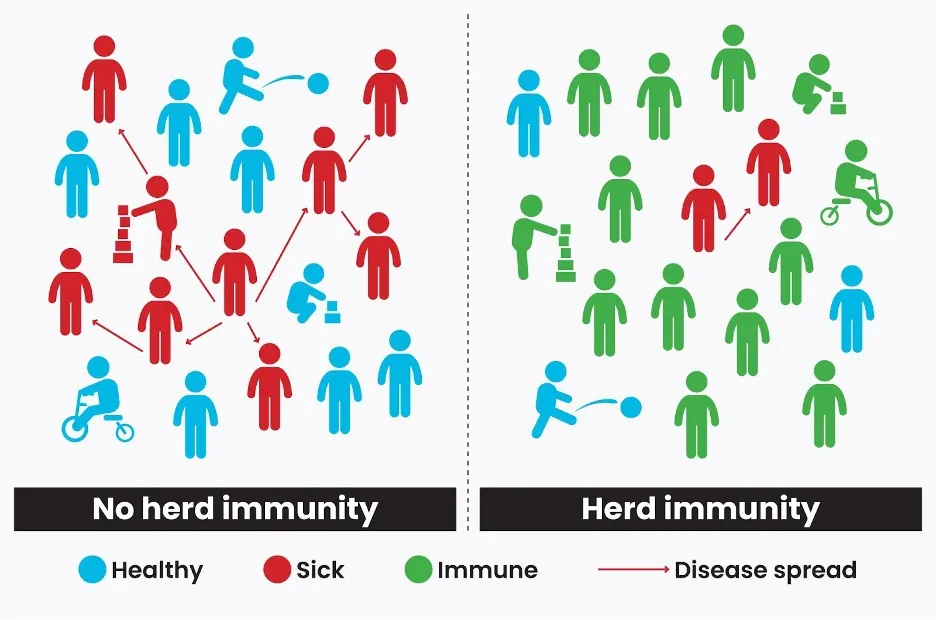
Grand herd immunity: when enough people in a population have achieved immunity against a pathogen, making it very difficult to spread the disease