IGCSE Maths formulae & stuff to remember
 Call Kai
 Learn
Learn Practice Test
 Spaced Repetition
 Match
Match Flashcards
 Knowt Play
1/96

Earn XP
Description and Tags
Name | Mastery | Learn | Test | Matching | Spaced | Call with Kai | Chat |
|---|
No analytics yet
Send a link to your students to track their progress
97 Terms
{ }
the set of
n(A)
number of elements in set A
∈
is an element of
∉
is not an element of
∅
the empty (null) set
ξ
the universal set
∪
union - everything in both sets - everything that is in at least one of the sets
∩
intersection - the overlap of the sets - elements that are in both sets
⊂
is a subset of
A′
the complement of A - everything in the universal set not in A
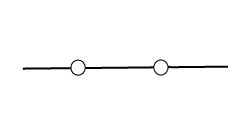
open interval on a number line - number isn’t included - < or >
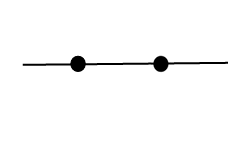
closed interval on a number line - number is included - ≥ or ≤
area of a pyramid
1/3 x base area x height
area of a circle
𝜋r2
circumference of a circle
2𝜋r
area of a parallelogram
base x vertical height
area of a triangle
½ x base x height
area of a sector of a circle
angle x 𝜋r2
360
circumference of a sector of a circle
angle x 2𝜋r
360
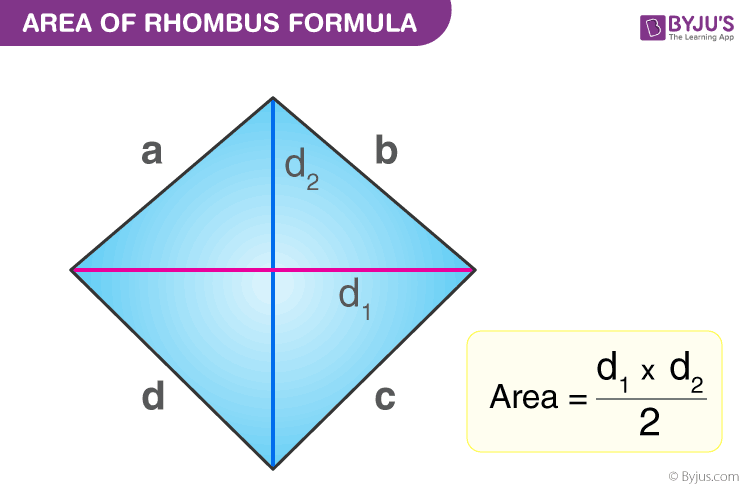
area of a rhombus
width x height (diagonals)
2
probability of an event when all outcomes are equally likely
number of ways the event can happen / total number of possible outcomes
mutually exclusive events
events that can’t happen at the same time eg rolling a 1 & 3 on a dice
independent events
events that have no effect on the probability of each other
p(event A and event B)
p(A) x p(B)
p(event A or event B)
p(A) + p(B)
dependent/conditional events
events that depend on/are influenced by other events. opposite of independent events
line formula
y = mx + c
m = gradient
c = y-intercept
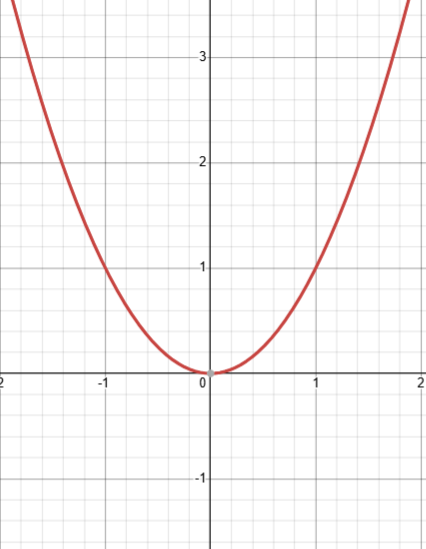
quadratic graphs
parabola - u shape
symmetric with 1 turning point
positive x2 = u-shape, negative x2 = n shape
find roots (points where it crosses x axis) by solving
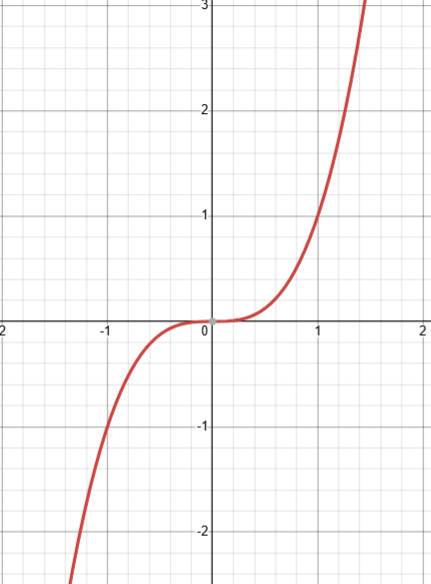
cubic graphs
curve with a wiggle
2 turning points
positive x3 = curve goes down → up (left → right)
last number of the equation tells you height
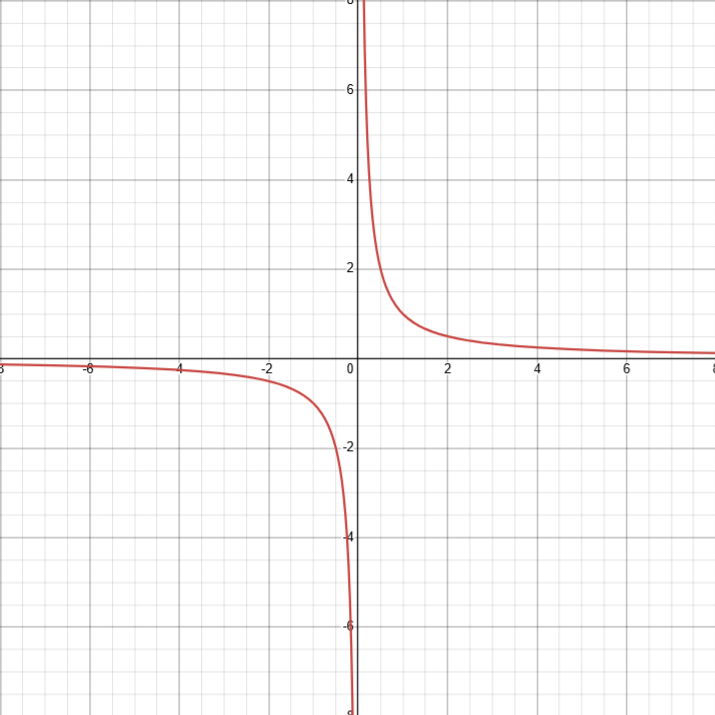
reciprocal graphs
a
x
recognise them by their fraction
the denominators never = 0 (function is undefined if so). asymptotes are lines that the graph gets very close to but never touches
if the term is squared it will only have positive values so will only be in the top 2 quarters
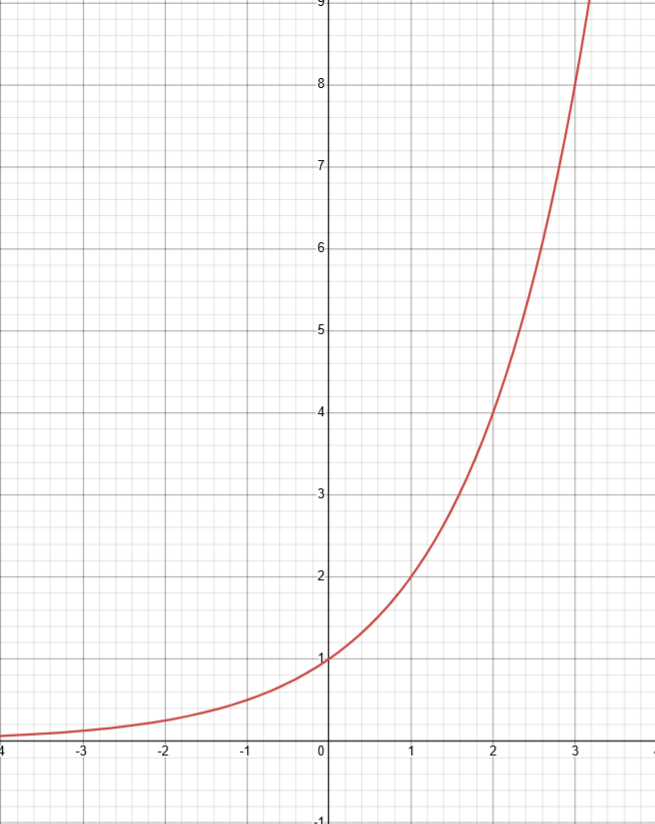
exponential graphs
y = ax
when a > 1 the graph increases really quickly. when a < 1 the graph decreases really quickly
always go through (0,1)
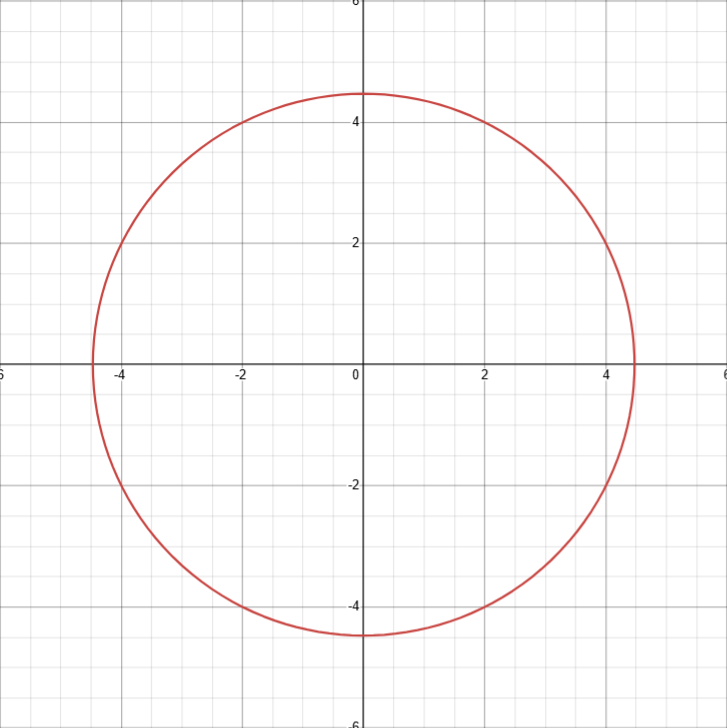
circle graphs
(x - a)2 + (y - b)2 = r2
r = radius
centre is (a,b) but remember to swap the signs
1 tonne in kg
1000kg
1ml in cm3
1cm3
which way are bearings measured from
clockwise from the north
what does ‘bearing of b from a’ mean
start at a go to b
how to set bearing out
3 digits eg 045 degrees
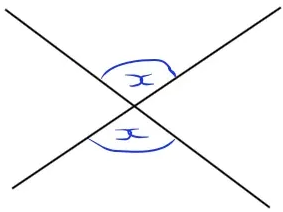
x = x
opposite angles are equal
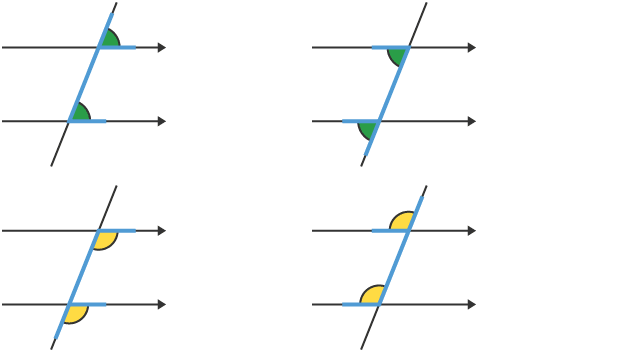
corresponding angles are equal
look for the f shape
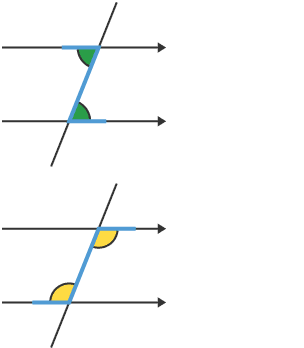
alternate angles are equal
look for the z shape
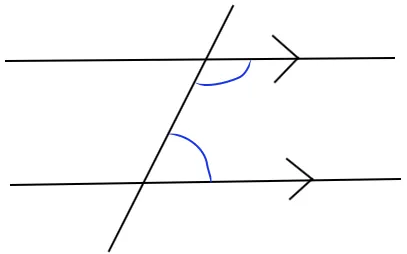
co-interior angles add to 180 degrees
the ambiguous case
if an angle is supposed to be obtuse but you’re getting an acute one (or vice versa) subtract what you’re getting from 180 degrees
simultaneous equations acronyms
SSS = same signs subtract
DSA = different signs add
>
greater than
<
less than
≥
greater than or equal to
≤
less than or equal to
what happens when you multiply/divide both sides of an inequality by a negative number
flip the inequality sign
line used for < or > when graphing inequalities
dashed/dotted line
line used for ≥ or ≤ when graphing inequalities
soild line
tree diagram rules
across diagram = multiply
down diagram = add
LSF, ASF, VSf
ASF = LSF2
VSF = LSF3
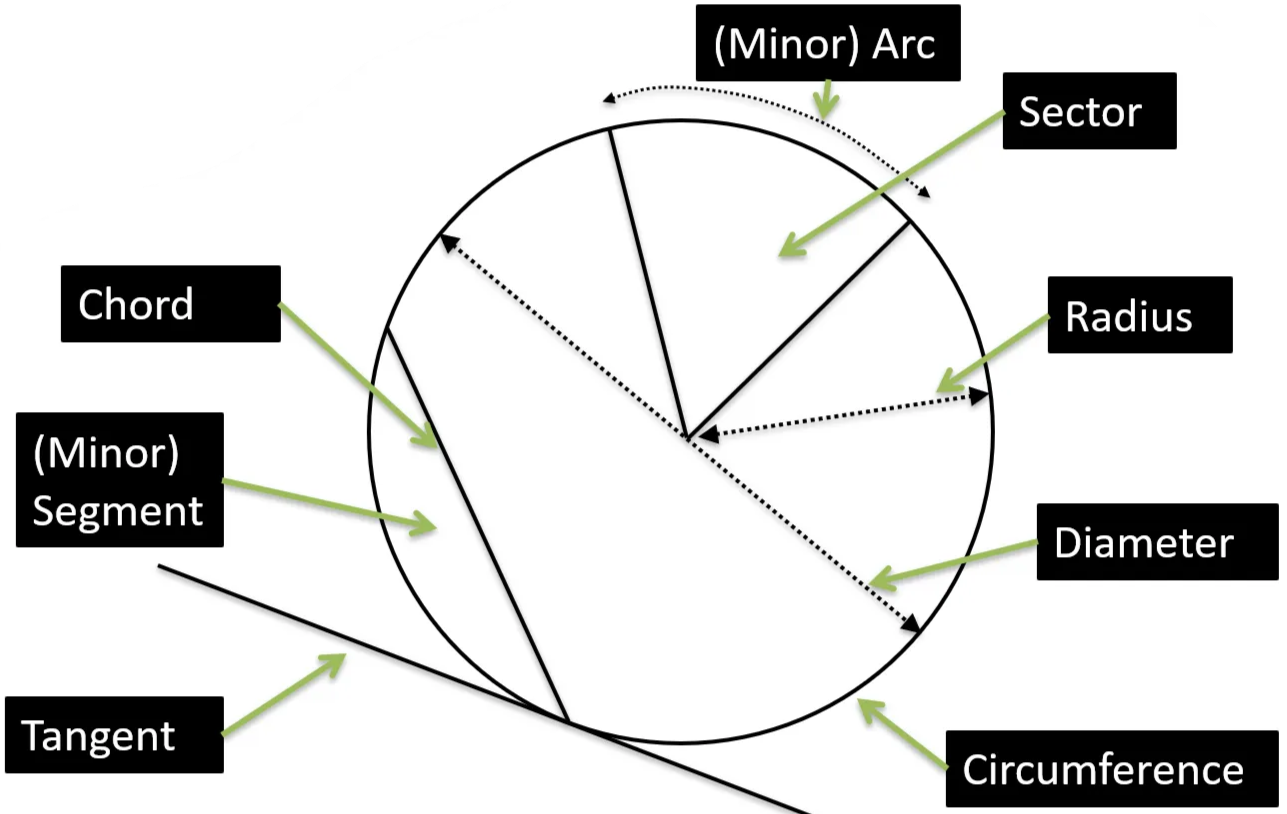
parts of a circle
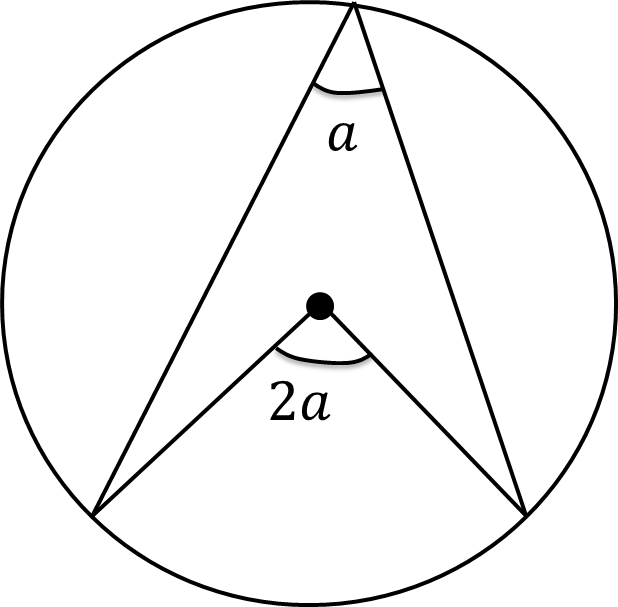
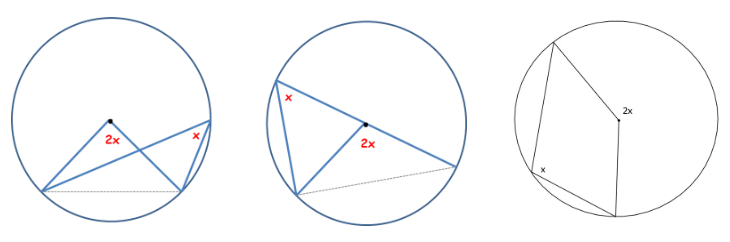
angle at centre is 2x angle at circumference - arrowhead
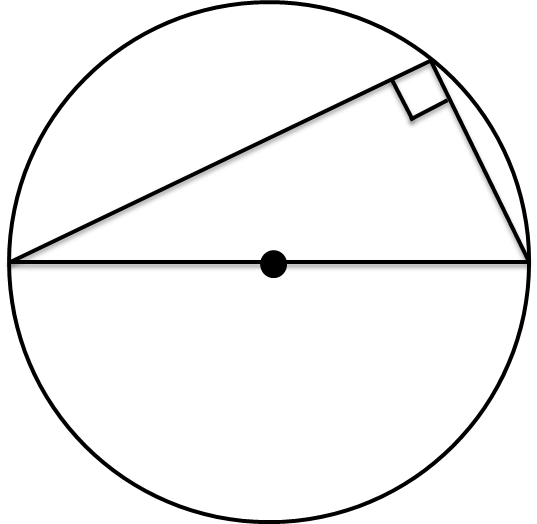
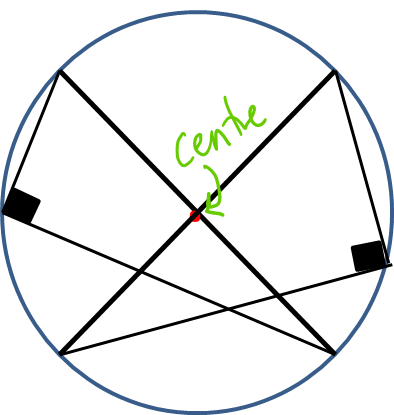
angle at circumference in a triangle on the diameter is 90o
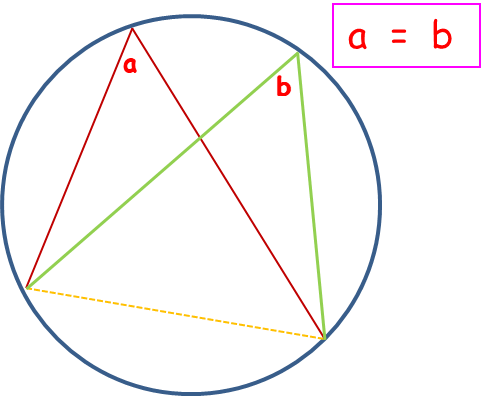
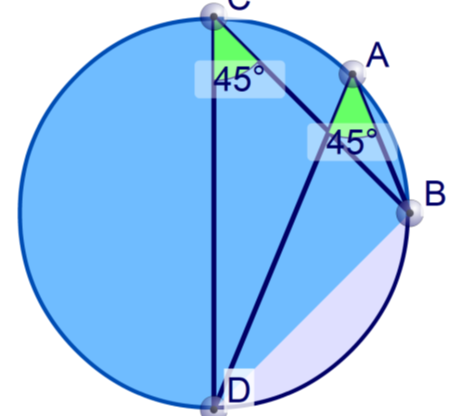
angles in the same segment are equal - butterfly
remember to stay in the same segment
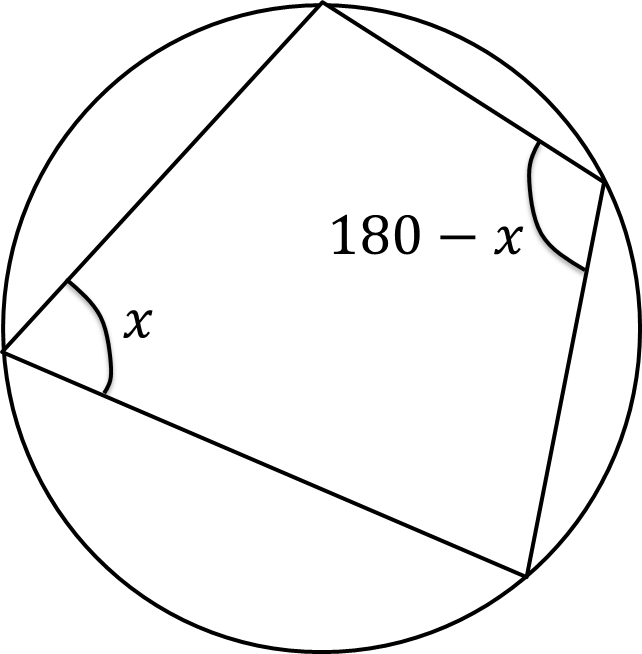
opposite angles in a cyclic quadrilateral add to 180o
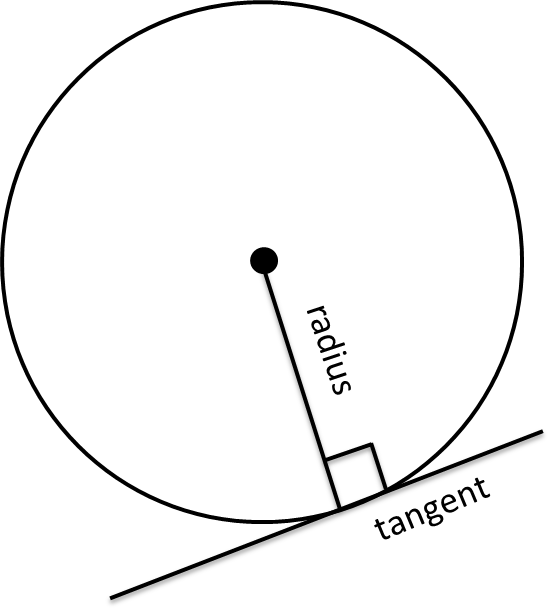
angle made by tangent & radius is 90o
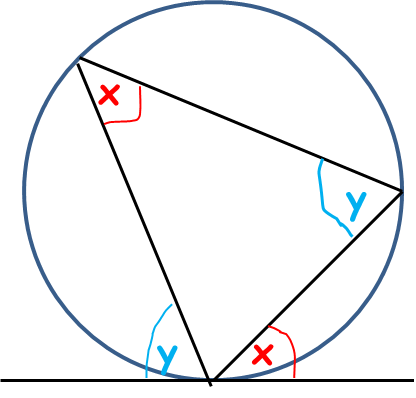
alternate segment theorem
look for a triangle / chord meeting a tangent
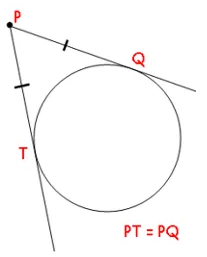
2 tangents coming from the same point are the same length
often leads to an isosceles triangle
how many mg in a g
1000
compound interest formula
original amount x multiplieryears
eg £300 increase by 5% for 2 years = 300 × 1.052
frequency density formula
frequency / class width
density formula
density = mass / volume
ρ = m/V
nth term of an arithmetic sequence
un = a + (n - 1) d
y = sinx graph
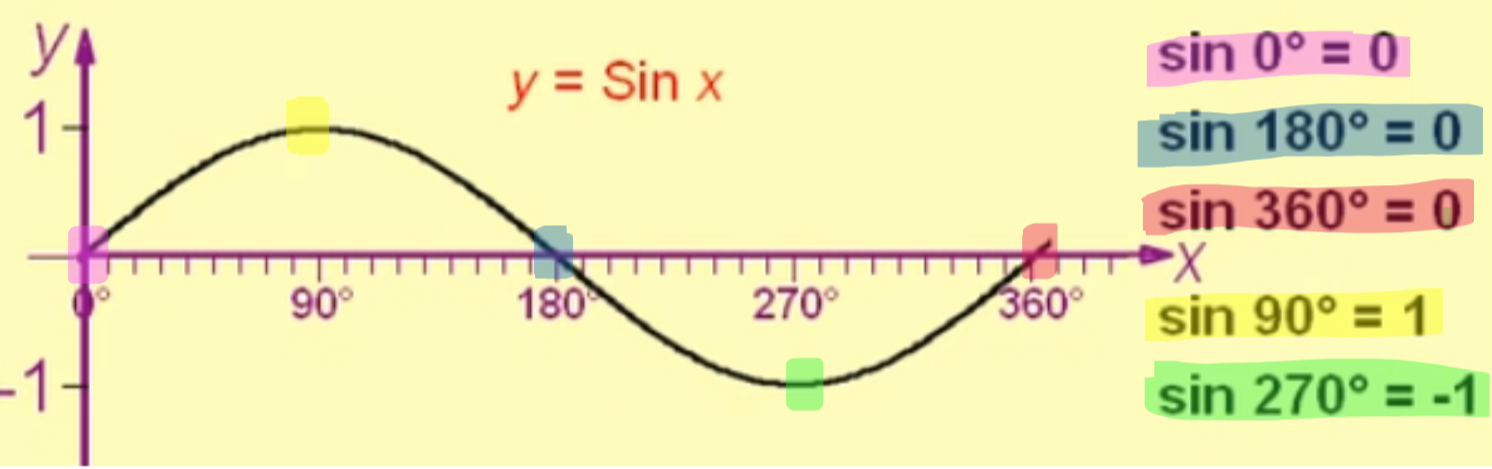
look for sideways S shape
y = cosx graph
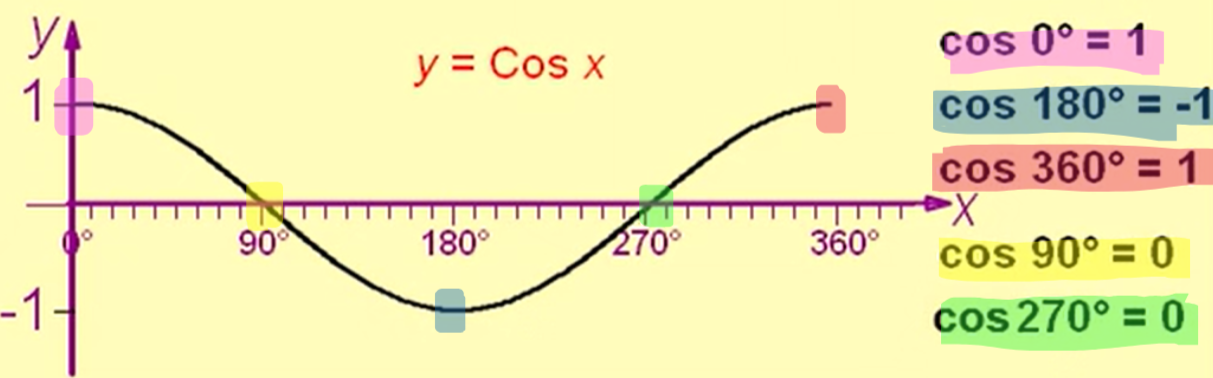
look for sideways C shape
y = tanx graph
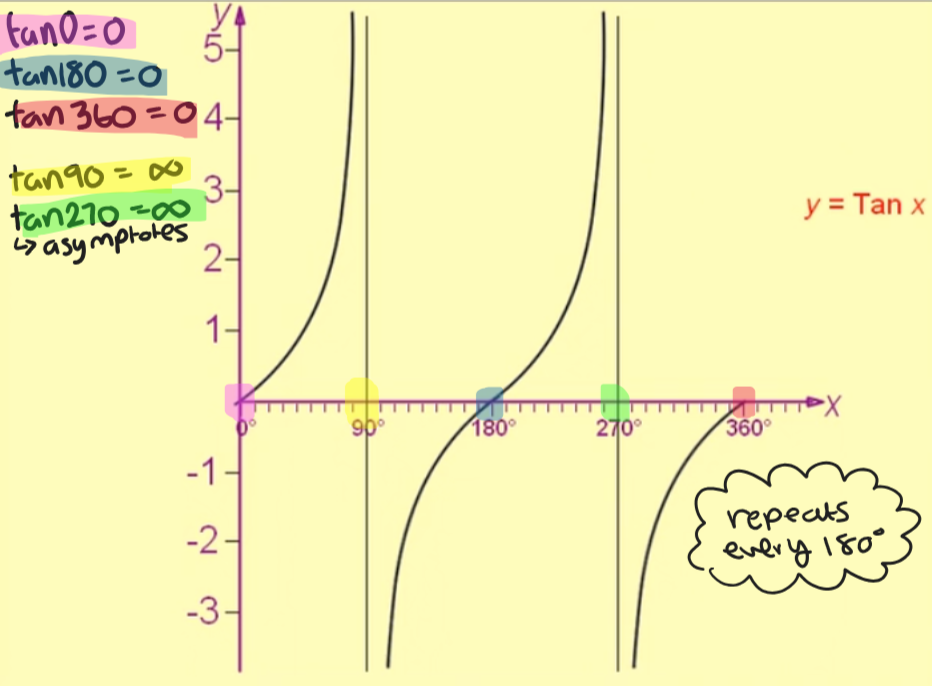
how to find LCM from prime factors
find the highest power of EVERY prime (doesn’t have to be common) & multiply them together
how to find HCF from prime factors
find the highest power of every prime that APPEARS IN BOTH (must be common) & multiply them together
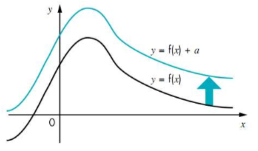
y = f(x) + a
translation up/down (vector 0a) - affects the y value
eg f(x) + 5 the point 2,3 goes to 2,8
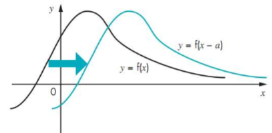
y = f(x + a)
translation left/right (vector -a0) - affects the x value - OPPOSITE SIGN
eg f(x + 5) the point 7,3 goes to 2,3
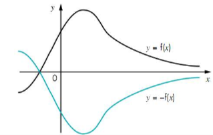
y = -f(x)
reflection in the x-axis - affects the y value
eg point 2,3 goes to 2,-3
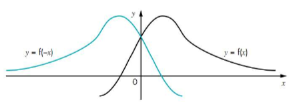
y = f(-x)
reflection in the y-axis - effects the x value
eg point 2,3 goes to -2,3
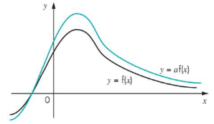
y = af(x)
stretch by scale factor a in the y-direction (effects y value)
eg for 5f(x) the point 2,3 goes to 2,15
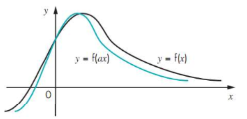
y = f(ax)
stretch by scale factor 1/a in x-direction (effects x value)
eg for f(3x) the point 6,7 goes to 2,7
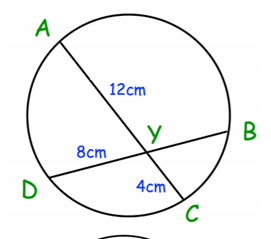
intersecting chord theorem - 2 chords intersect inside the circle
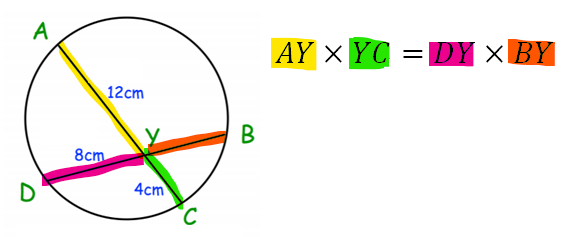
circumference→middle x middle→circumference = other circumference→middle = middle→circumference
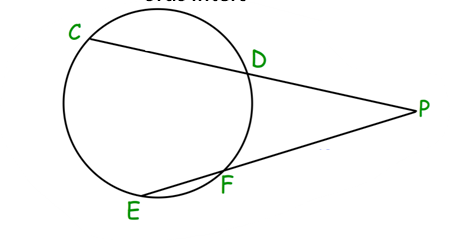
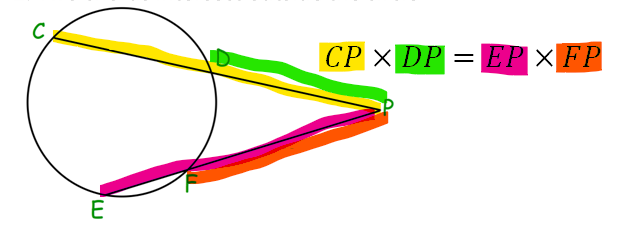
intersecting chord theorem - 2 chords intersect outside circle
whole one x outside = whole one x outside
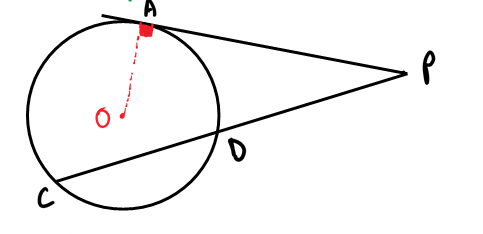
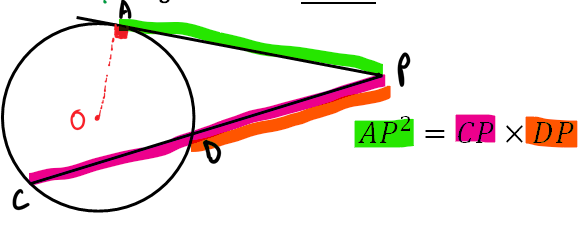
intersecting chord theorem - chord and tangent meet outside circle
tangent2 = whole thing x outside
kinematics order
differentiate: displacement → velocity → acceleration
percentage change
(change/original) x 100
completing the square


am x an
am + n
am / an
am-n
(am)n
amn
a-n
1
an
a1/n

gradient formula
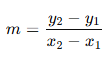
aka rise/run or change in y / change in x
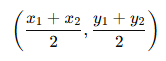
midpoint of a line
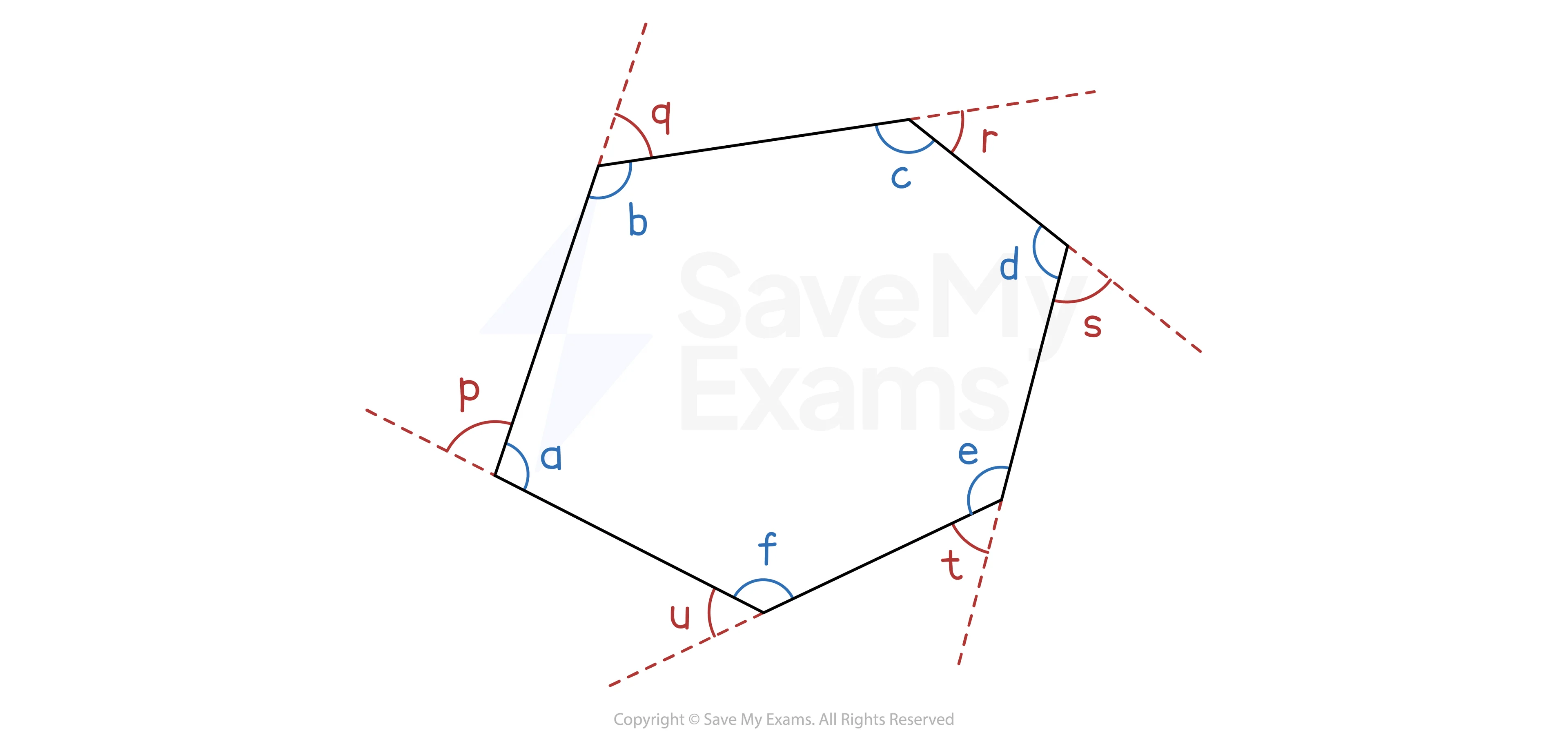
sum of interior angles in a polygon
(n-2) x 180
sum of exterior angles in a polygon
always 360
volume of a prism
cross sectional area x length
pressure
force / area
finding median/quartiles for odd vs even number of terms in a list
Odd number of data values = IGNORE the median when splitting (all numbers except median either on one side or the other) eg:
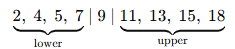
Even number of data values = Split straight down the middle (all numbers either on one side or the other)
to find quartiles find the median of each other two new subsets, it doesn’t matter if it isn’t a number in the original list & can be a decimal
eg here the LQ would be 4.5 and the UQ would be 14 (neither on the list)
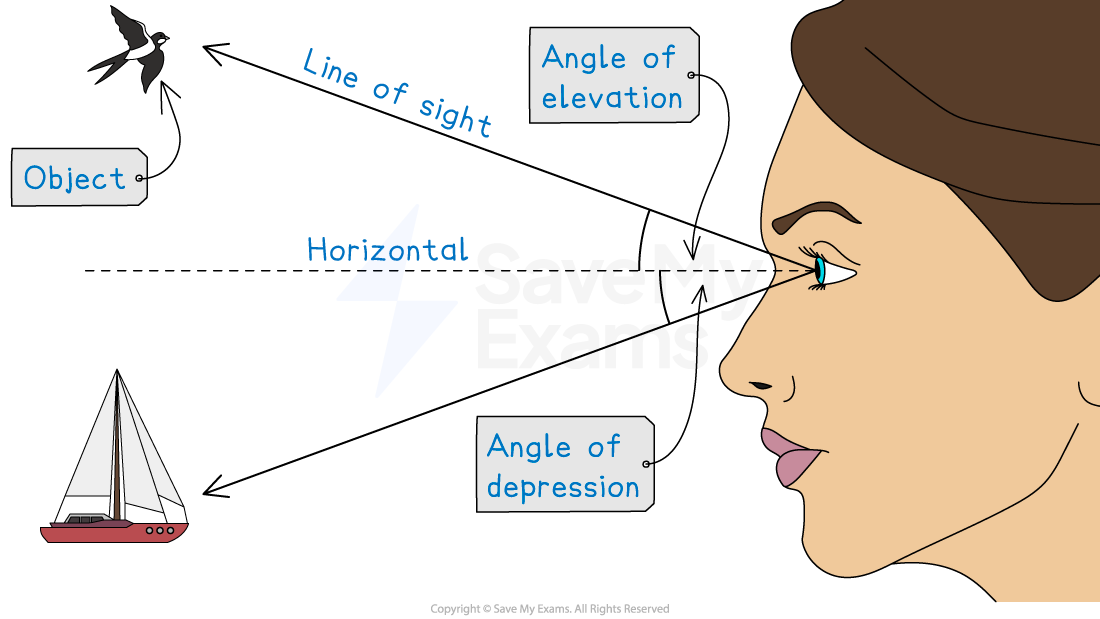
angles of depression & elevation
measured between the horizontal and the line of sight
Looking up = angle of elevation
Looking down =angle of depression
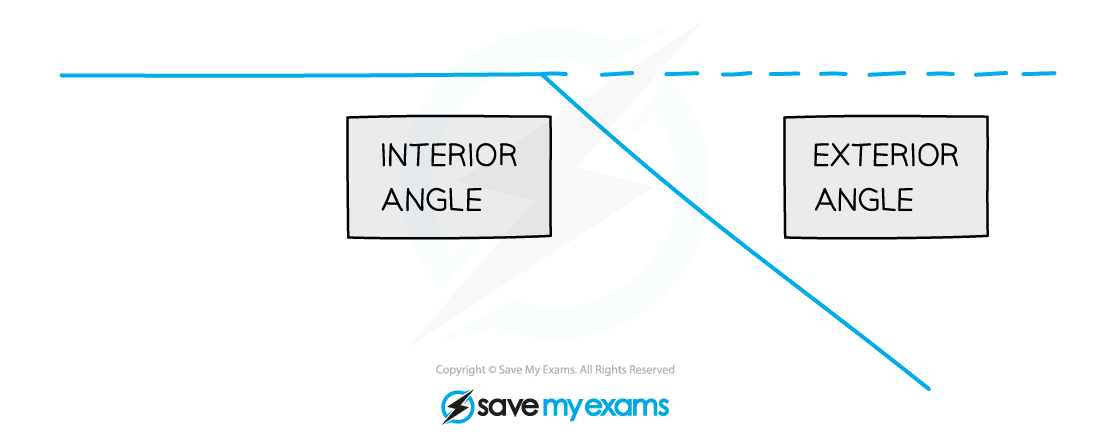
interior & exterior angles
Interior angles are the angles inside a polygon at the corners
The exterior angle at a corner is the angle needed to make a straight line with the interior angles. It is not the angle that forms a full turn at the corner
The interior angle and exterior angle add up to 180° at each corner
simple interest
Simple interest is based only on the starting amount. Each payment will be the same