MTTC_Creating Visual Art_Sculpture and Ceramics
 Call Kai
 Learn
Learn Practice Test
 Spaced Repetition
 Match
Match Flashcards
 Knowt Play
1/67

There's no tags or description
Looks like no tags are added yet.
Name | Mastery | Learn | Test | Matching | Spaced | Call with Kai | Chat |
|---|
No analytics yet
Send a link to your students to track their progress
68 Terms
Ceramics history
-throughout history, ceramics have been used for fine arts and for functional pieces
-around 24,000 B.C., humans began making small figures out of clay
-in 9,000 or 10,000 B.C., the first functional pottery and bricks were made
-Glazes were discovered in Egypt around 8,000 B.C.
-A potter's wheel was used in Central America around 3,000 B.C.
-in ancient Greece, decorative vases depicted daily life and religion and were later decorated with black figures and red figures
- porcelain was developed iin china during the Han dynasty (206 B.C.-A.D 220)
-pottery now can be mass-manufactured, but many fine artworks and functional pieces are still created by hand
Ceramics
- Items produced from clay, including fine artwork, sculptures, figurines, and functional items such as tiles, dishes, urns, and vases
- The item is formed, then it is heated to harden it
- A glaze can be applied, and then the item is reheated to harden the glaze
- An underglaze can be applied first as a painted decoration
- They can be hand built, pressed into molds, or created using a wheel
Sculpture
- Sculptures have been created throughout history from many media, and only the most durable have survived
- Can be small figures, larger freestanding works, or reliefs attached to walls
Sculpture history
- First know prehistoric sculptures are from the Stone Age, approximately 230,000 BC and they were made from basalt and quartz
- Figures called Venuses (shaped as obese women, possibly related to fertility) have been found from the Stone Age and were made from materials such as bone and various stones
- Mesolithic sculpture (10,000-4,000 BC) included freestanding sculptures and bas-relief works
- Neolithic period (4,000-2,000 BC): bronze statuettes were created
- Classical greek sculpture is some of the most well known, dating from 500-323 B.C. Which were only surpassed by renaissance artists
- Renaissance (1,400-1,600 A.D) was a "rebirth" of classical ideas and the sculptors created figures with great realism
- Michelangelo (Michelangelo di Lodovico Buonarroti Simoni) is considered as the greatest Renaissance sculptor
- Traditional materials were used throughout history, including stone, wood, bone, and metal
Relief
- Sculpture in which the sculpture elements are attached to a solid background
- For sculpture to appear raised from background, background elements are cut away leaving the subject raised
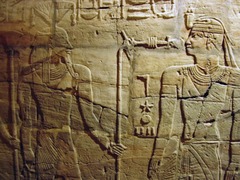
Bas relief
- AKA low-relief
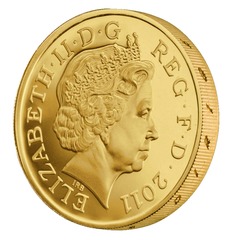
- Final sculpture has a shallow depth and is not raised far from the background
- Coins are a good example of this
- Elements are often distorted by being flattened
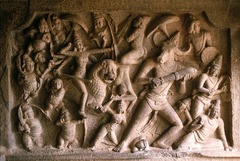
Haut-relief
- High relief
- When more than half of the sculptural form is projecting from the background
- Heads and limbs might be completely detatched from background in this form of relief
- Many ancient Greek relief sculptures used this technique
Clays
- Can be defined as high fire or low fire
- Three most common types are earthenware, stoneware, and porcelain
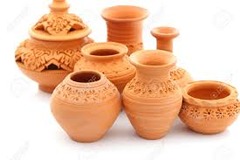
Earthenware
- The earliest clay used, it is fired to a temperature of less than 1,200 C.
- Terra cotta is a type of earthenware that is reddish brown in color
- It is brown, orange, or red in its raw and fired state
- Is more porous than stoneware or porcelain, and it is less durable
Stoneware
- A mid-to-high fire clay that ranges from light gray to brown when fired
- Nonporous, and it differs from porcelain in that it is more opaque
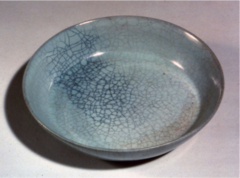
Porcelain
- Has a rich history in China, and items made with porcelain are often called china or fine china in some English-Speaking countries
- A high-fire clay that is made with kaolin, which makes the finished produce pure white
- Is fired to 1,800 C
- When fired, it is hard, nonporous, and translucent
Stone
- Used in sculpture for centuries
- Artists must use the subtractive method (removing pieces of the stone to shape the sculpture)
- Marble has been a preferred material for traditional sculptors since ancient Greece
- Artists also use granite, limestone, sandstone, and alabaster
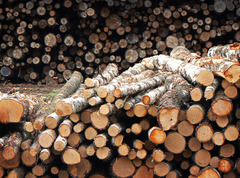
Wood
- Has been used historically for carving
- Many sculptures in Africa, China, and Japan were carved from wood
- Lighter and much easier to carve than stone
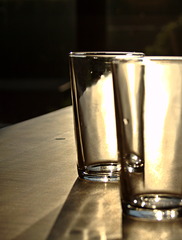
Glass
- Can be cast in molds or heated in kilns, then blown or sculpted with hand tools
- Larger-scale glass sculptures are a modern development
- Glass was believed to have been discovered in Egypt around 8,000 BC.
Clay
- Has been used for thousands of years for form pottery
- First function pottery vessels were created in 10,000 BC.
- People were crafting human and animal figures from clay as early as 24,000 BC
- Many cultures have used pottery for fine arts and functional vessels
- Clay is a natural material found in the earth
- Clay can be bought commercially, or it can be mixed by the artist
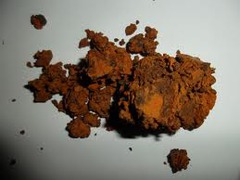
Molten glass
- Can be blown or molded into different shapes and designs
- Blown class techniques need a kiln, a blowpipe to blow the glass, a block to shape it, jacks or tongs to control the shape, and shears to cut the shape
Flameworking or lampworking (w/ molten glass)
- Flameworking or lampworking involves using a lamp or torch to melt glass before shaping it into different designs or shapes
- The materials used include a kiln, rods of tubes of glass, a torch or lamp, and shapers
Glass casting
- Involves putting molten glass into a mold to solidify
- Glass casting tools include premade molds, a kiln, and glass
Glass fusing
- The process of using a kiln to melt pieces of glass partially or entirely to fuse them together
- The artist needs a kiln, fusible glass strings, and sheets; confetti, frit, and powdered glass to create details, and molds for the glass to slump on
Cold glass
- Techniques involve etching, engraving, polishing, or cutting glass without heating it
- Cold glass techniques require etching cream, engraving burrs, and glass cutters
Stained glass
- Can be used to create sculptures by coloring molten glass and using shapes of glass to form images of patterns with lead between the glass shapes
- The artist needs glass, solder, pliers, and glass cutters
Wood sculpture
- Artists look for wood with a straight grain, few knots, and soft to moderate hardness
- Woods like basswood, butternut, white pine, or aspen are soft and won't wear down carving tools but are more easily damaged.
- Walnut, elm, acacia, and alder are moderately hard and are more durable
- Tools: artistis use hand tools like chisels, gouges, and knives to carve wood (avail. in diff. sizes w/ diff. shaped tips)
- A mallet is used to hit ends of chisels and gouges to help them cut the wood
- Tools for power carving include rotary tools with different tips like burs and drill bits, drill presses, band saws, belt sanders, or even chainsaws
Process of wood carving
- Starts by finding direction of the wood grain and carving across the grain when possible
- Carving along grain causes splintering/splitting
- If necessary to cut with grain, sculptor should make shallow cuts to prevent splintering
- Sculptor begins by roughing out general shape of sculpture then adds in details
- Working w/ wood requires safety glass, & a mask if sanding or power carving is being done
Stone Carving
- diff types of stone can be used for sculpting
- Soapstone is soft and can be cut with a knife
- Alabaster and sandstone are soft, easy to carve, and are suitable for beginners
- Marble, granite, and limestone, are harder and are more difficult to carbe but result in more durable sculptures
- The sculptor can carve finer lines into harder stone
Stone carving tools
- Artist uses hand tool like chisels, hammers, and wedges
- Also powered tools like pneumating hammers and chisels, and rotary diamond burrs and cutters
- Manual chisels are used with a mallet or hammer and can provide more control and precision for the sculptor
- Sculptors should wear safety goggles when working with stone and should always remember to cut away from themselves rather than toward themselves
Metal sculpture materials and processes
- Lost wax casting
- Sand casting
- Forging
- Arc, metal inert gas (MIG), and tungsten inert gas (TIG)
- Etching
- Chasing or repoussé
- Assemblage
Lost wax casting (Metal sculpture)
- Involves creating a wax model and then a mold from the model
- Metal is then poured into the mold
- Brass aluminum, stainless steel alloys, or bronze are used for this
Sand casting (Metal sculpture)
- Artist uses sand to create a mold before the molten metal is poured into the mold
- Metals with a high melting point are used like steel, nickel, or titanium
Forging (Metal sculpture)
- Process commonly used in blacksmithing to heat metal until it is pliable enough to shape with hammers or presses
- Metals used include carbon steel, stainless steel, and copper alloys.
Arc, Metal inert gas (MIG), and Tungsten inert gas (TIG)
(Metal sculpture)
- Welding methods are used to join metals
- Some are more ideal for welding: like aluminum, carbon steel, or stainless steel
- Aluminum and stainless steel are used for large scale sculptures that will be exposed to weather
- Corten, or weathering steel, is used when a rust-like finish is desired
Etch (Metal sculpture)
-An artist can use acid or chemical to etch the surface of metals to create designs
- This works well on titanium, aluminum, copper, and nickel
Chasing and repoussé (Metal sculpture)
- Techniques where the artist hammers metal to make intricate designs
- Done on a smaller scale on metals like gold, silver, bronze, pewter, and copper
Assemblage (Metal sculpture)
- The joining of metals with methods like screws, bolts, and welding
- This can be done with a variety of metals
Tools used for sculpture
- Chisels, pitching tools, rasps, mallets, and rifflers are used to sculpt stone
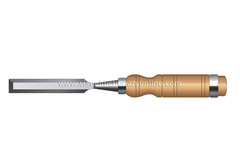
Chisel (stone sculpture tool)
- A piece of steel that is pointed at one end and flat on the other end
- Can be positioned on the stone and hit on the flat end with a mallet to wear away excess stone
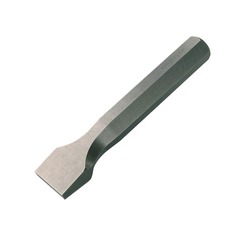
Pitching tool (stone sculpture tool)
- A wedge shaped chisel
- Can be positioned on the stone and hit on the flat end with a mallet to wear away excess stone
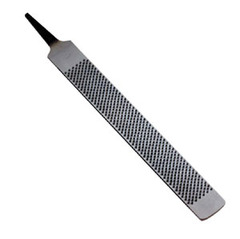
Rasps (stone sculpture tool)
- Flat steel tools with a rough surface which can be used to wear away excess stone
Riffler (stone sculpture tool)
- Small rasp used for details
Sandpaper or emery (Type of stone) (stone sculpture tool)
- Can be used to polish a stone sculpture
Cutters or rolling pins (pottery)
Tools used for handbuilding
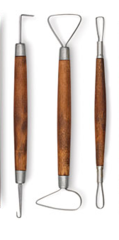
Ribbon or loop tools (pottery tool)
- Pottery tools made from a flattened metal ribbon attatched to a wooden handle
- These are used to trim, carve, and hollow out shapes
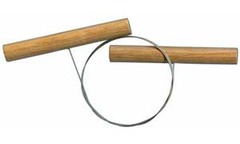
Wire cutter (pottery tool)
- Pottery tool used to remove a pot from a potter's wheel
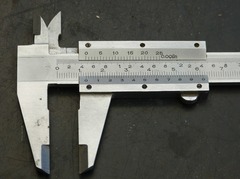
Caliper (pottery tool)
- Pottery tool
- An adjustable tool used to measure openings for making lids
Wood sculpture tools
-similar tools are used as those for stone sculptures: chisels, rasps, mallets, and sandpaper
-gouges are useful for digging into the wood, and knives are also used for carving
Subtractive sculpture
- Oldest form of sculpture
- Removing mateiral from. alarger piece, like marble, wood, or another material
- Michelangelo was a master of this technique, also known as carving
- He'd start with a block of marble, then he would carve away until he was satisfied
- The original piece of material has to be big enough to accomodate size and shape of finished work
Additive sculpture
- Consists of adding material. to create an artwork
- A soft material like clay or plaster strips are built up over an armature until final form is achieved
- AKA Modeling
- W/ this technique, sculpture can start small and be built larger
Assembling (additive sculpture technique)
- Assembling is another additive sculpture technique that became popular in the 1950s and 1960s
- Artist creates a three-dimensional collage by gluing, welding, nailing, and otherwise joining objects (using found objects)
- Final product is called an assemblage
Handbuilding
- Working with clay w/o a potter wheel
- Three methods are slab building, pinch pot, and coil method
Slab building
- Clay is rolled into sheets and cut into shapes
- Shapes are cut out and joined together
- Artist would score edges w/ a sharp clay tool and then add some slip (liquid clay) to join edges
Pinch pot
- Created by rolling a ball of clay then inserting a thumb into the ball
- The artist presses the sides out evenly with the thumb on the inside of the pot and fingers on the outside, until the sides and bottom are of consistent width and are smooth
Coil method
- Artist makes a shallow pinch pot as base
- He or she then rolls long coils of clay and builds up the body o the bowl or pot in a spiral, scoring and adding slip as the object is built
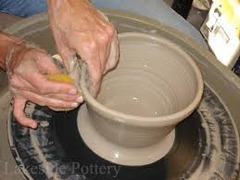
Wheel throwing
- Consists of using a potter's wheel to throw clay objects
- The artist will first get any air bubbles out of the clay by wedging (kneading) the item on a surface
- Then he or she uses slip to create the object as the clay spins on the wheel
Traditional sculpture materials
- Stone, wood, clay, and metal
- Stone sculptures have survived through the yrs better than other materials due to due to their durability
- Most works created with wood have been lost to decay, insect damage, and fire
- Sculptors in ancient greece and during the renaissance focused on depicting the human body
- many ancient sculptures depicted religious or political subjects
Modern sculpture materials
- Modern sculptors have moved away from traditional materials
- They focus more on assembling and found objects
- Picasso changed the direction of sculpture when he began constructing sculptures from different objects, like sculptural collage in the early 20th century
- In 1940s and 1950s, artists began creating abstract and surreal sculptures and experimenting with new materials
- This includes Alexander Calder's mobiles and David's Smith's stainless steel sculptures
- By 1960s, someartists began creating minimalist works, and experimenting with steel and environmental installations
- Modern artists have also created sound sculptures, light sculptures, street art sculptures, and kinetic sculptures
Stages of clay
- Determine how fragile or workable clay is, and what can or should be done to it next
- Includes leather hard, bone dry, bisque, greenware, and slip
Leather hard (stage of clay)
- Refers to clay that has partially dreid but is not completely dry
- The artist can carve the piece or add decorative slip
- Handles can be added, and the foot of a pot can be trimmed
Bone dry (stage of clay)
- Refers to when the clay is completely dry
- Clay will be a lighter color
- The piece will be fragile; attatching and carbing cannot be done at this stage
Bisque (stage of clay)
- When the piece has been fired once in a kiln
- Bisqueware can be glazed and fired again
- At this stage, prior to being glazed, the clay is still porous
Greenware (Stage of clay)
- Prior to being fired, all unfired clay pieces are referred to as greenware
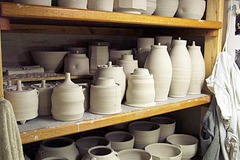
Use and significance of ceramics in china
- Pottery was first used in China during the Paleolithic era, became most well known art form in China
- Porcelain, a type of ceramic, is so associated with China that porcelain ware are dubbed "china" or "fine china" in other countries
- Porcelain originated in China, and although proto portcelain was made as early as 1,600 BC, it developed into high-fire porcelain in the Han dynasty (206 BC-AD 220)
- Later during the Ming dynasty they began exporting porcelain wares to Europe
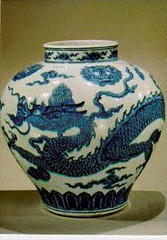
- Ming Dynasty (AD 1368-1644): cobalt underglazing was perfected, leading to the production of the iconic blue and white vases from that period
- The blue underglaze is painted onto the porcelain, and then a clear glaze is applied, and the piece is fired
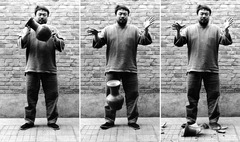
Ai Weiwei
- Contemporary artist Ai Weiwei blends modern ideas with historical Chinese materials
- One of his performance art pieces involved dropping a Han dynasty urn. Another work involved creating 100 million porcelain sunflower seeds.
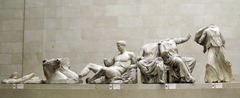
Sculptures from Ancient Greece
- often depicted battles, mythology, and their rulers
- Earlier sculptures were made from limestone or bronze, the later, larger sculptural works were made from marble or bronze
- the classical period of greek sculpture showed great skill is depicting human anatomy and natural poses
- Sculptures were life size and realistic
- Most bronze greek sculptures have only survived as roman copies
- The greeks used the lost-wax technique to create their metal sculptures
Sculpture from Ancient Rome
- Sculptures in ancient Rome focused more on portrait and less on the idealized human body
- Figures were more rigid and less natural than the greek sculptures
- Their sculptures reflected the current styles and hairdos, and could even be dated by historians based on these fashions
- **Romans sought to immortalize and capture a person's likeness, whereas Greeks sought to idealize them**
- There are many original Roman sculptures, but there are also many roman copies of greek sculptures
Renaissance Sculpture
- Hallmarks of early renaissance were classical composition and realism
- artits portrated their subjects with natrualism of their clothing, porportions, and perspective
- These italian artists recalled the classical sculptures of ancient Greece, and their subjects nad forms
- Sculptors cretaed religious and secular sculptures thru the renaissance
- Church interiors, palaces, and private homes were elaborately decorates
- The madonna and child were a popular subject, as well as scenes from the life of christ
- During the High Renaissance, subjects broadened and diverged more away from religiou themes to to include mythology and other topics
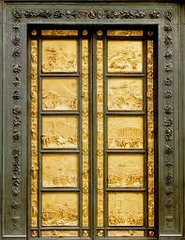
Lorenzo Ghiberti (renaissance sculpture)
- Won a contest to create large bronze doors at the florence baptistery
- Thought of as the beginning of renaissance sculpture
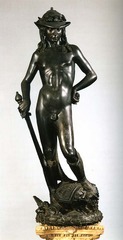
Donatello (renaissance sculpture)
- Donato di Niccolò di Betto Bardi aka Donatello, is anothor well known sculptor of the 15th century, second only to michelangelo.
- both created many large marble & bronze sculptures
- his most well known work is his David, cast in bronze
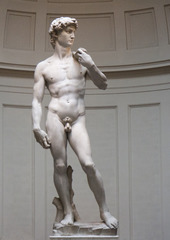
Michelangelo (renaissance sculpture)
- Michelangelo is known for many sculptures including the Pieta and David, both marble
- This is an image of Michalangelo's David
Lost wax casting technique
- Technique in which a metal copy of a sculpture is produced from an original sculpture
- Was used at early as 3,700 BC.
- To make a sculpture this way, a mold is first made of a clay sculpture
- Inside of mold is brushed with wax until the wax is the thickness of the intended metal sculpture
- The mold is removed, and the shell of wax is filled with a heat resistant material
- then a heat resistant plaster covers the wax, and the assemblage is turned over and placed in an oven
-the wax drains away through the vents placed in the shell
-after the plaster mold has been filled with sand, bronze is poured into the void left by the wax.
- After the whole assemblage has cooled off, the plaster and center are both removed, and the artist can apply any finishing touches to the bronze sculpture