shoulder girdle
 Call Kai
 Learn
Learn Practice Test
 Spaced Repetition
 Match
Match Flashcards
 Knowt Play
1/88

There's no tags or description
Looks like no tags are added yet.
Name | Mastery | Learn | Test | Matching | Spaced | Call with Kai | Chat |
|---|
No analytics yet
Send a link to your students to track their progress
89 Terms
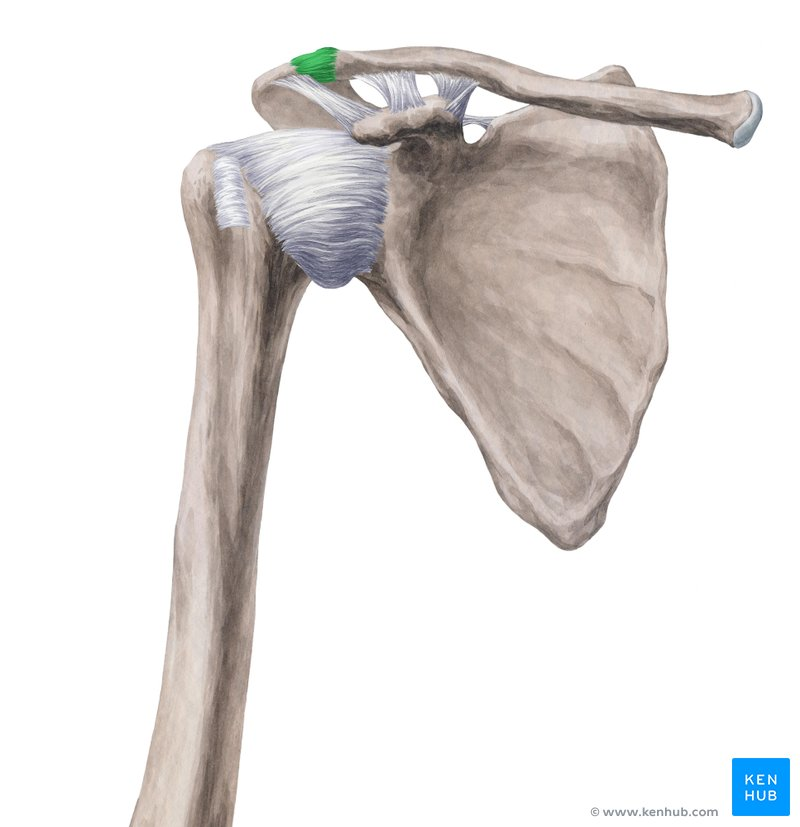
acromioclavicular joint (AC joint)

sternoclavicular joint (SV joint)
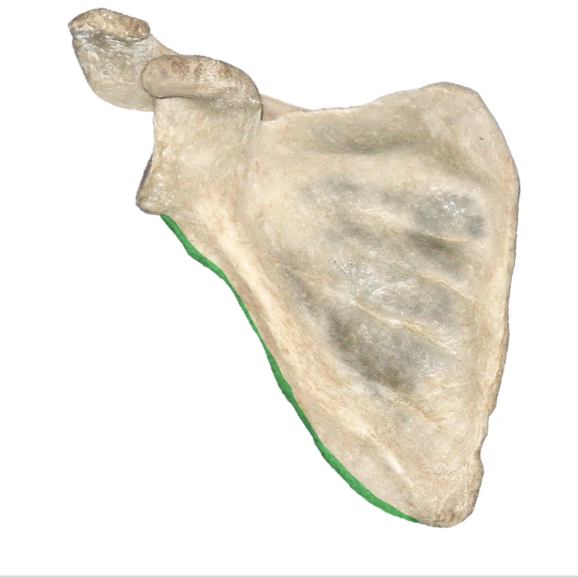
lateral border of scapula
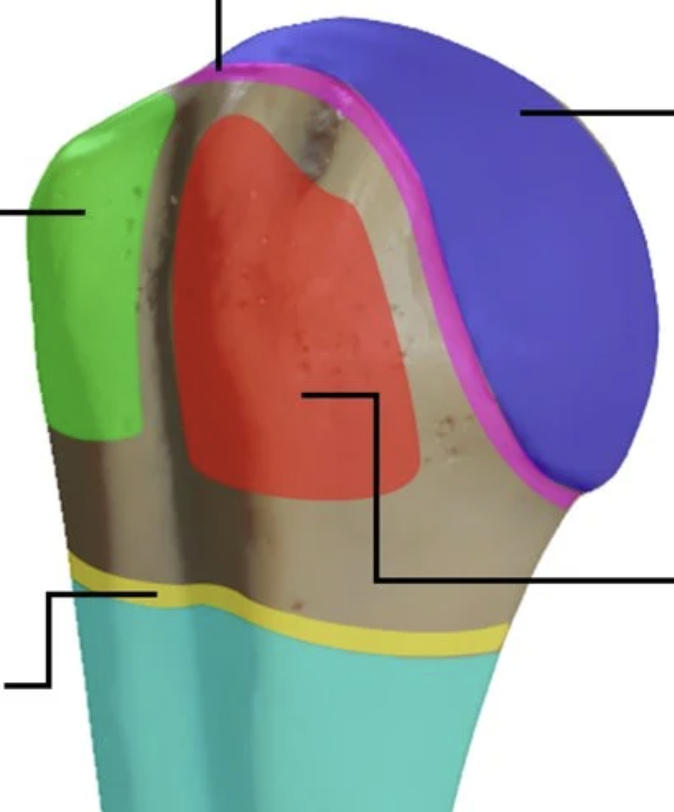
green
greater tuberosity
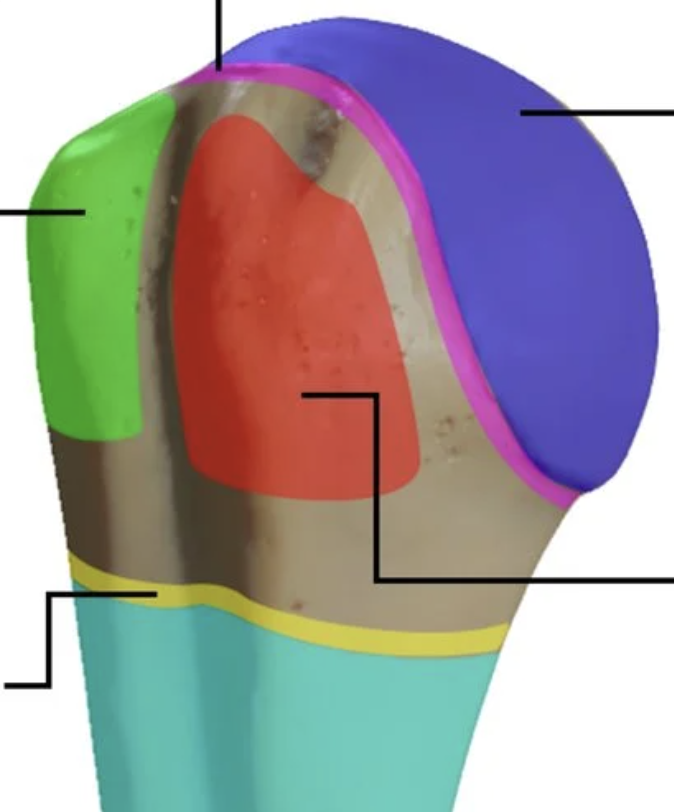
red
lesser tuberosity
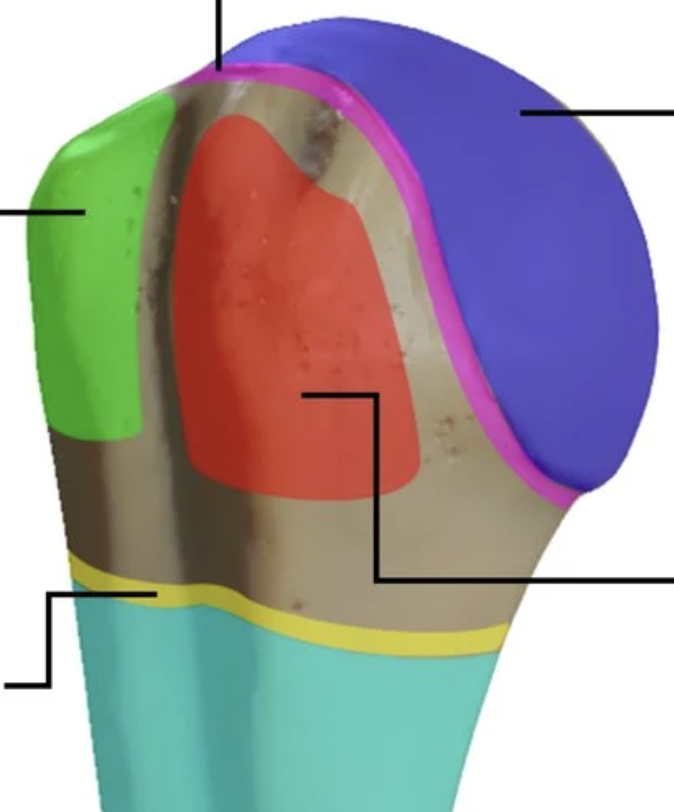
purple
humeral head
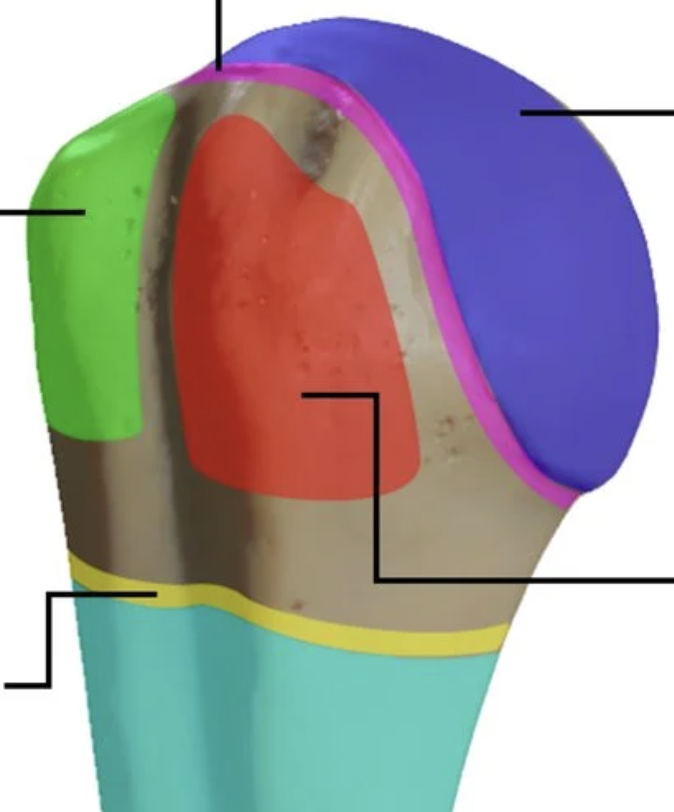
pink
anatomical neck
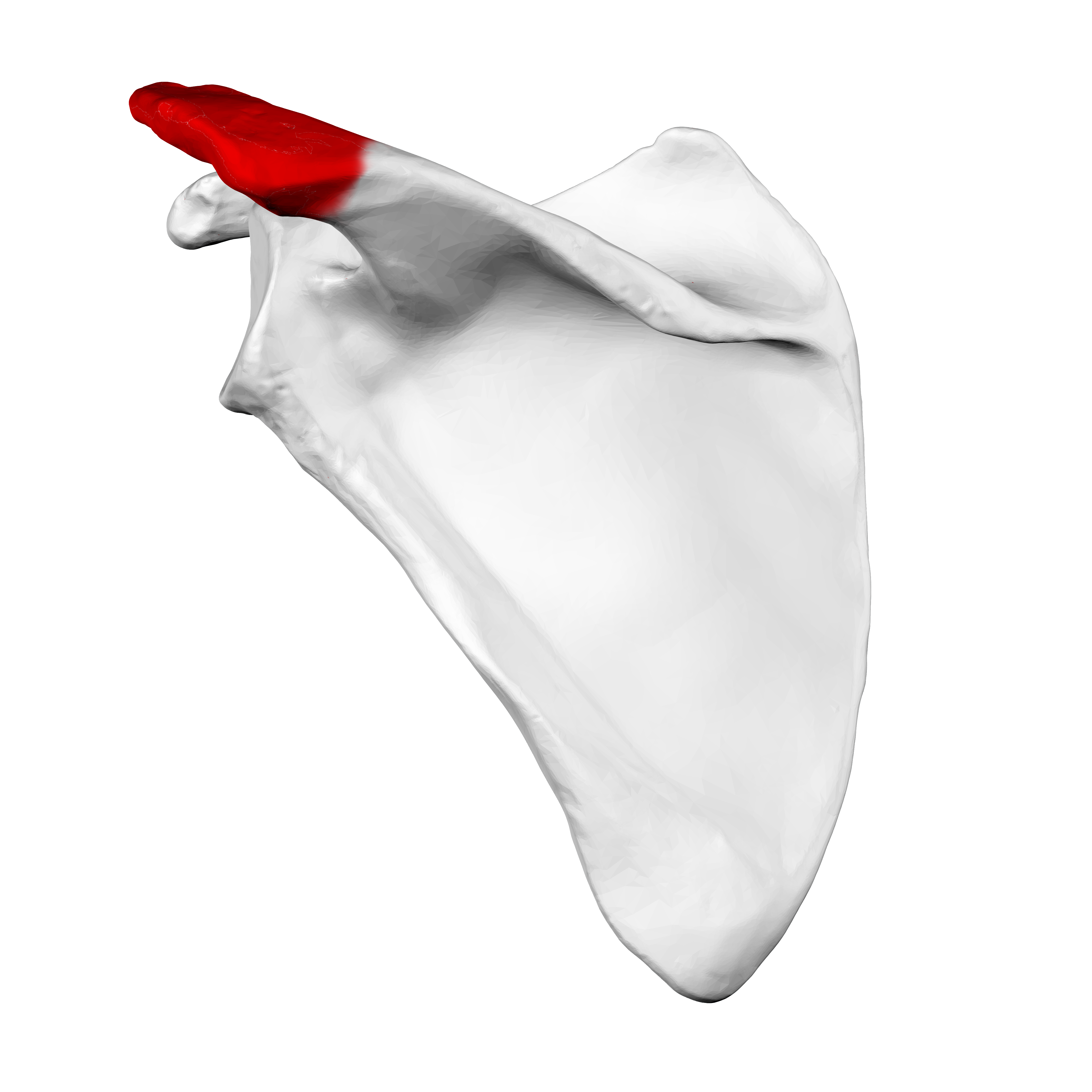
acromion of scapula
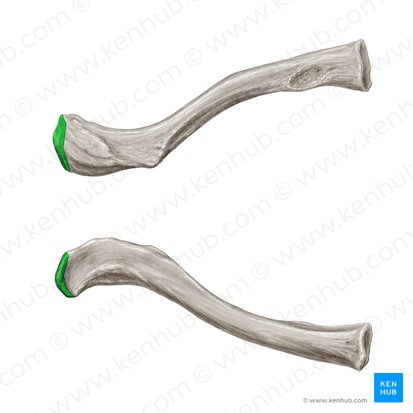
acromial extremity of clavicle
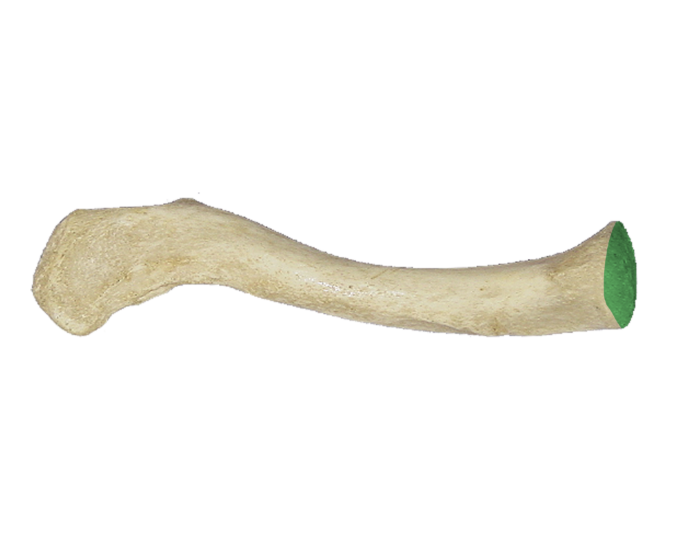
sternal extremity of clavicle

superior border of scapula
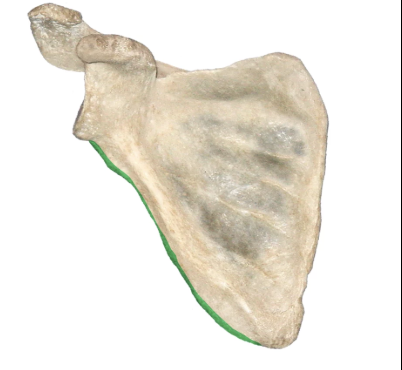
lateral border of scapula

medial border of scapula

scapulohumeral joint
what is shoulder dislocation
landing on outstretched arm
what are the different types of shoulder dislocation
complete, partial, anterior, posterior
what is patient position for ap shoulder girdle
erect with back against the erect bucky, slight rotation to the side of interest so the side of interest is in contact with the bucky
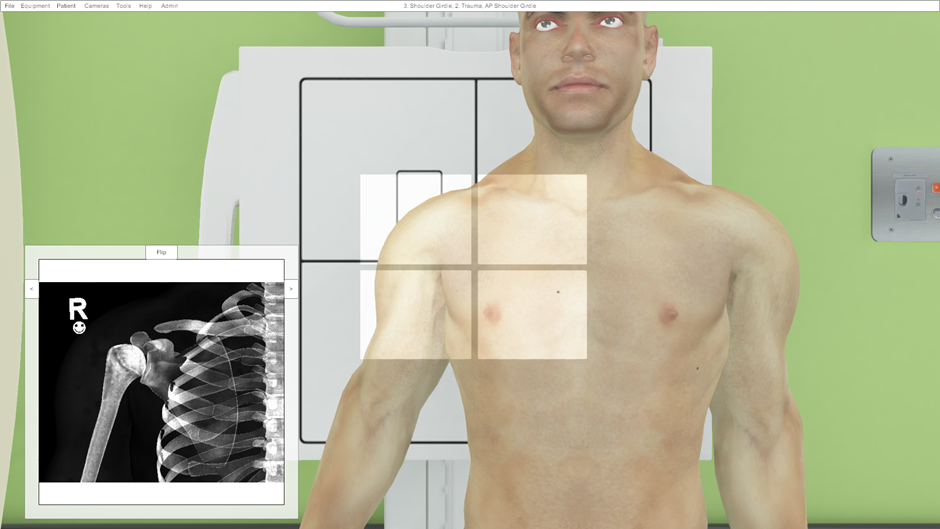
what is the anatomy for ap shoulder
clavical to sc joint, scapula to inferior border, proximal 1/3 humerus, lateral and superior soft tissue margins
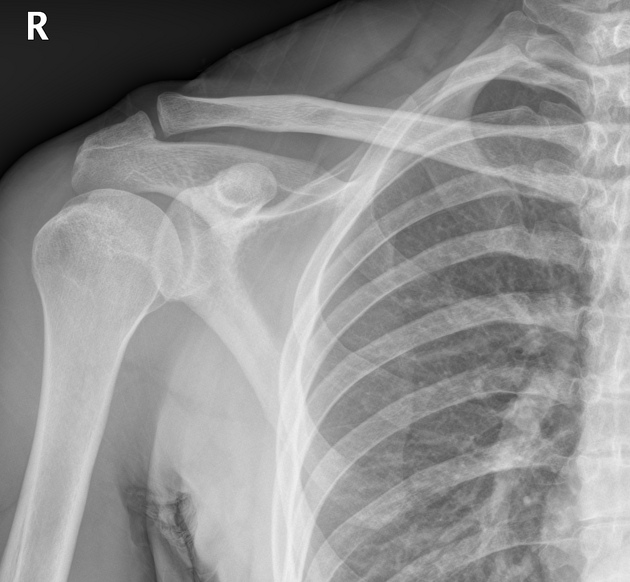
what is relative position for ap shoulder
correct rotation is evidenced by both greater and lesser tubercles superimposed by head, scapula parallel to IR
what is the aesthetics for ap shoulder
full superior quadrant of the shoulder girdle with centre point to the ROI
do you need to use grid for ap shoulder
yes
what is the part position for lateral shoulder
fix elbow to 90° and place hand across the front of the body, epicodyles should be superimposed, abduct the arm so that the humeral shaft is separate from the body, align the acj and the medial border of the scapula to be perpendicular to the detector
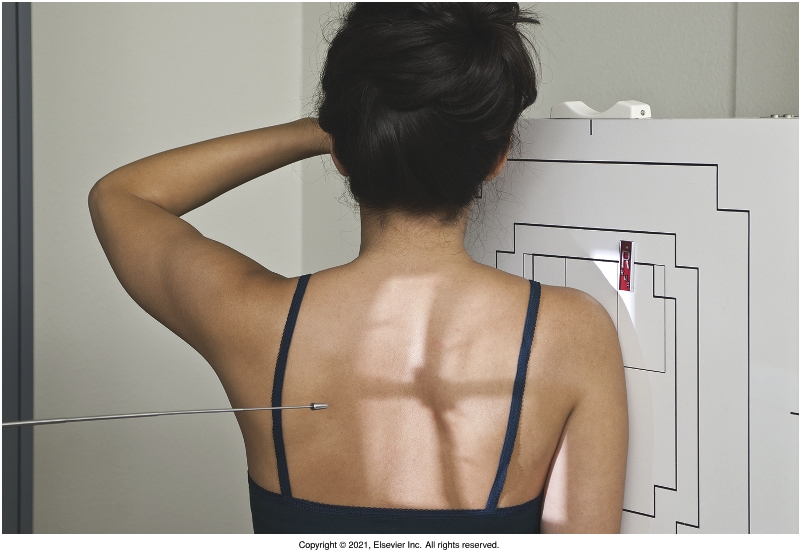
what is the centre point for lateral shoulder
scapulohumeral joint (5-6cm) below the top of shoulder
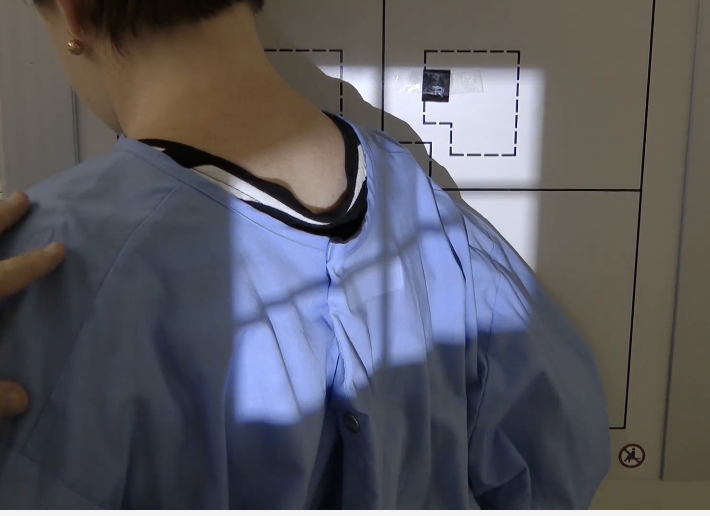
do you need grid for lateral shoulder
yes
what is the collimation for lateral shoulder
full length of scapula, acromion and coracoid process = Y
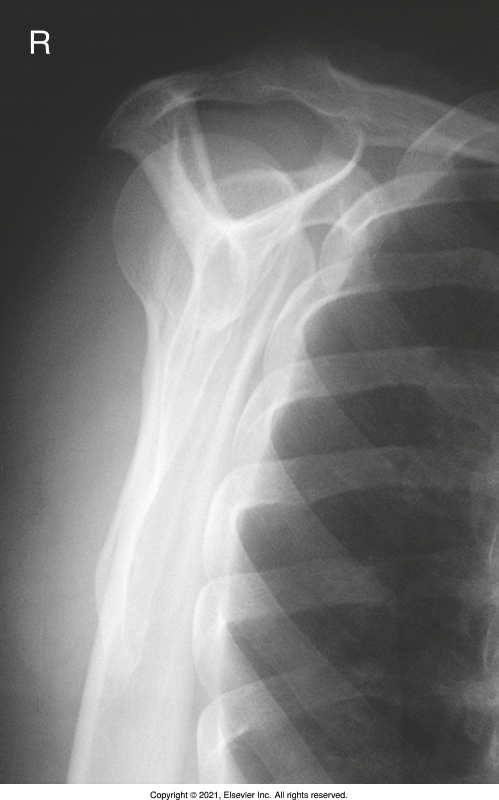
what is anatomy for lateral shoulder
lateral and superior soft tissue margins, all of scapula, lateral soft tissue margins
what is the relative position for lateral shoulder
body of scapula should be end on without superimposition over ribs, acromion and coracoid process Y ( humeral head in the sub acromial space)
what is garth’s positioning used for
only for suspected dislocation
what is the patient position for Garth’s shoulder
erect (stand or sit), ap with soi posterior oblique 45°

what is the centre point for garth’s shoulder
glenohumeral joint
what is the central ray for garth’s shoulder
45° caudal
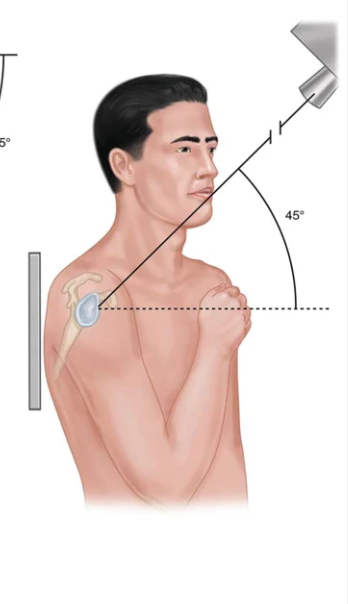
what is the anatomy for Garths shoulder
humeral head, glenoid cavity, neck and head of scapula free of superimposition

what is the relative position for garth’s shoulder
correct rotation is evidenced by coracoid process is projected over part of elongated humeral head, acromion and ac joint are superior to humeral head
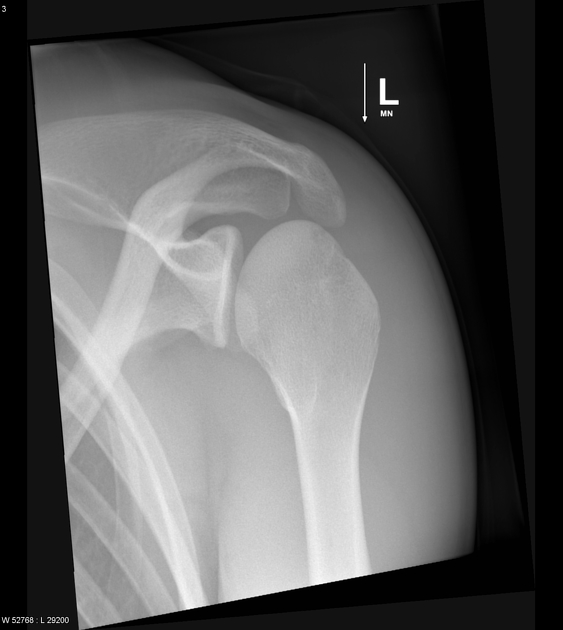
what is the aesthetics for garths shoulder
full superior quadrant of the shoulder girdle with centre point to the roi
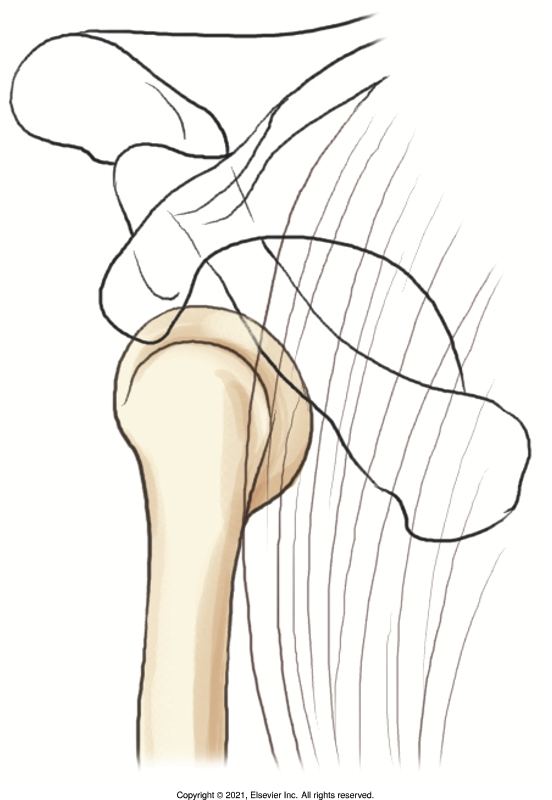
anterior dislocation

posterior dislocation
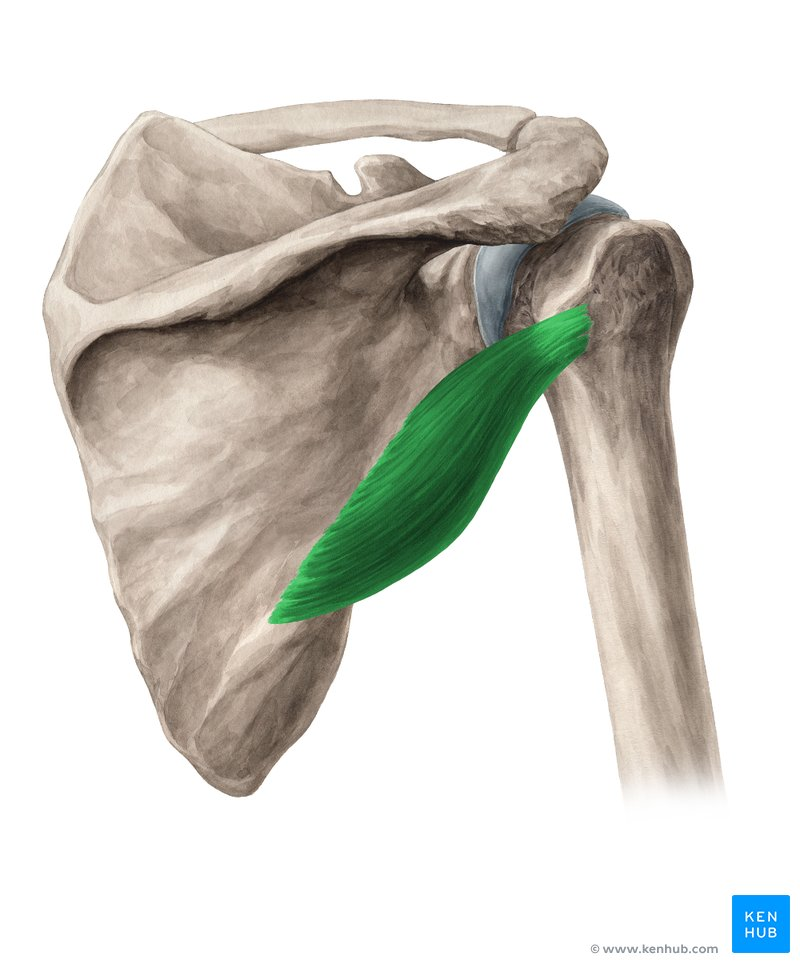
teres minor
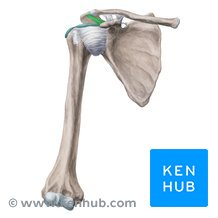
coracoacromial ligament
what is the rotator cuff composed of ( IMPORTANT)
tendons of the subscapularis, supraspinatus, infraspinatus and teres minor
what is impingement syndrome
where the bones in your shoulder rub or pinch your rotator cuff tendons and bursa
what are signs of impingement in xray
narrowed subacromial space, abnormal shape of the aromion or osteoarthrosis

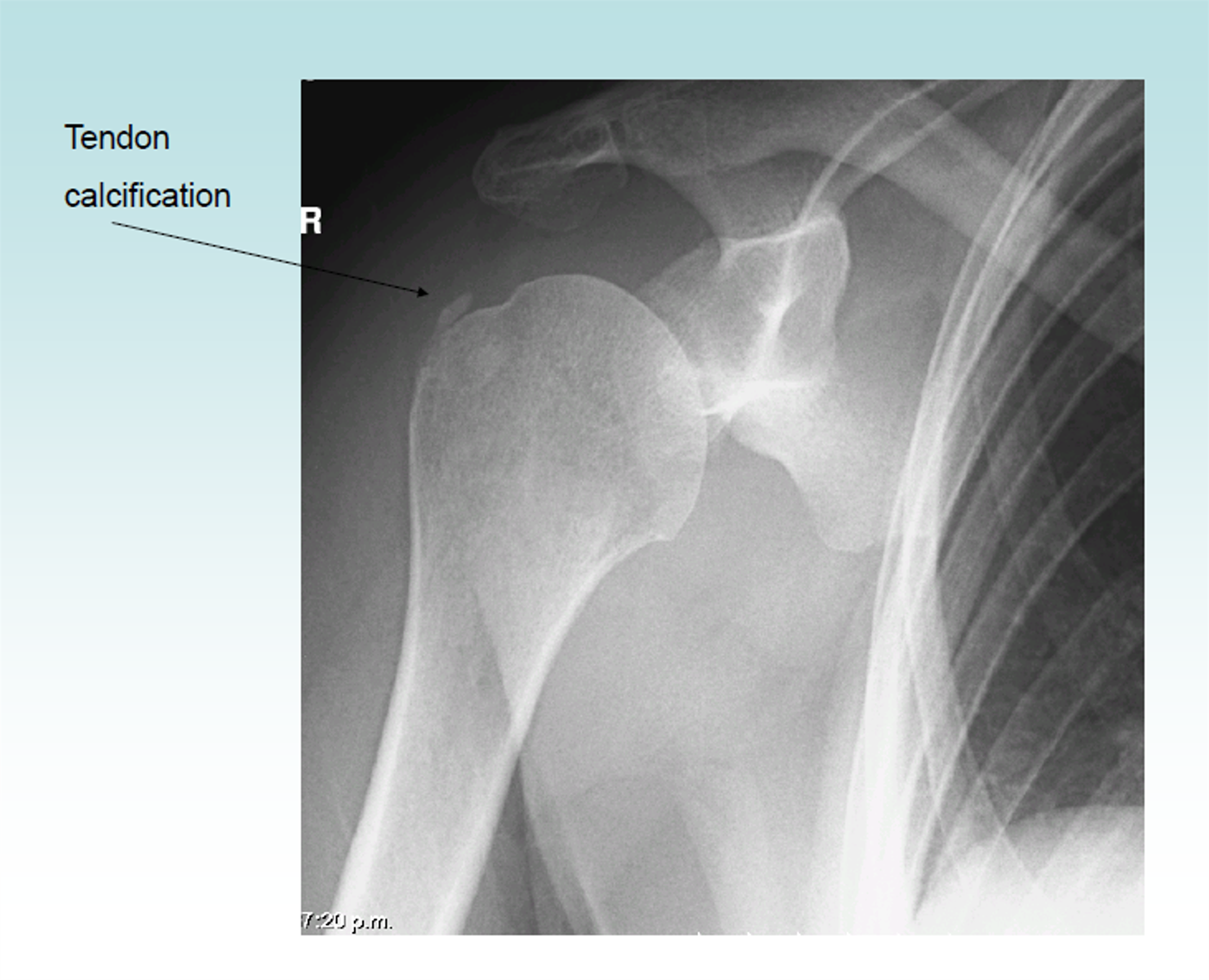
what are the calcification of rotator cuff
calcium deposits in the rotator cuff
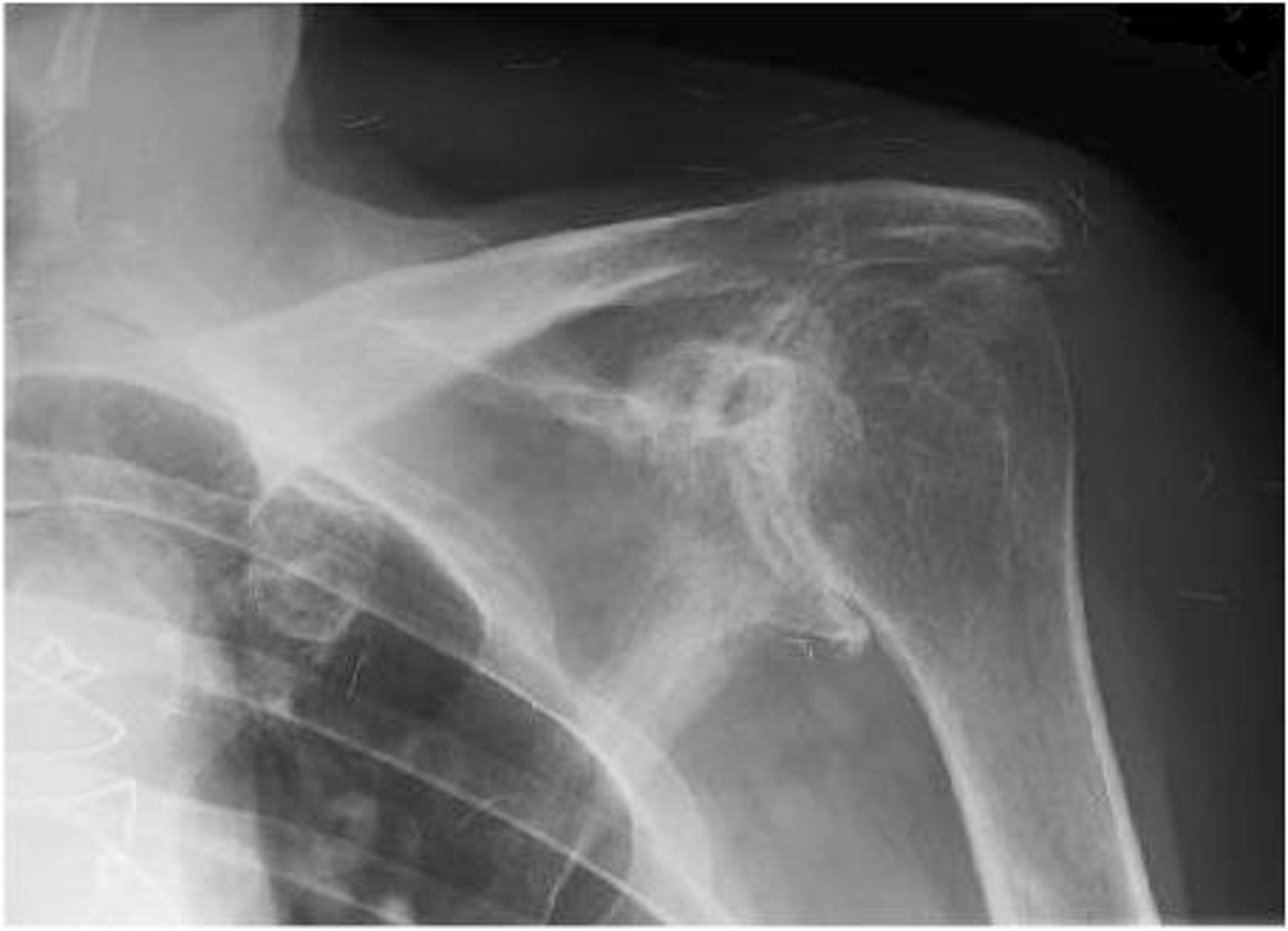
what is frozen shoulder
Frozen shoulder is a progressive disorder of the glenohumeral joint where the joint capsule contracts, thickens, and forms adhesions, severely restricting both active and passive range of motion
what is the patient position for ap grashey shoulder
patient erect with back against the erect bucky, rotate to the side of interest (30-45) so the SOI is in contact with the bucky

where is the centre point for grashey shoulder
on the GHJ - 2.5cm inferior to coroacoid process ( 2cm inf to lateral clavicle)
do you need to use grid for grashey shoulder
yes
what is the collimation for grasheys shoulder
increase collimation, centred over the joint- no need to include the full scapula or clavicle, include superior and lateral skin margins
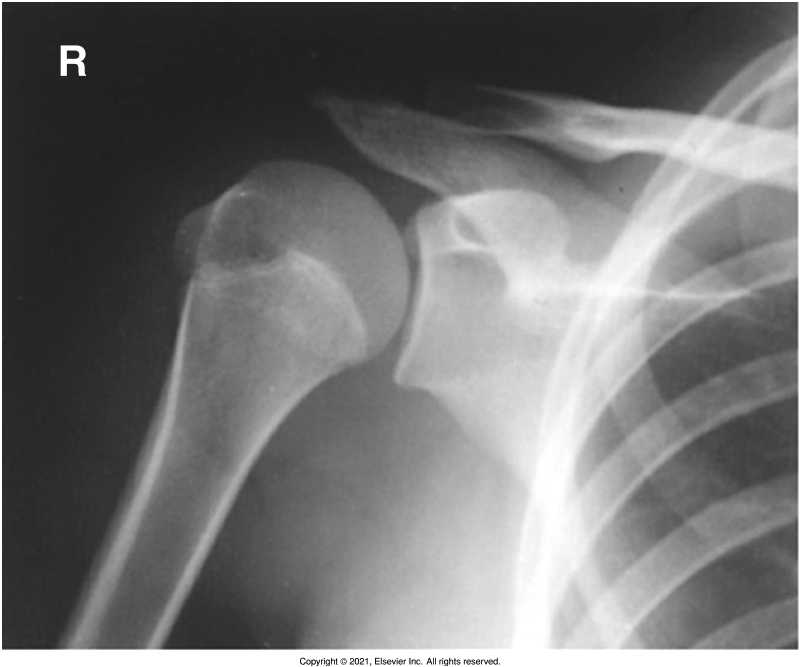
what is the relative position of grasheys shoulder
correct rotation is evidenced by glenohumeral joint should be open, anterior and posterior rims of glenoid should be superimposed
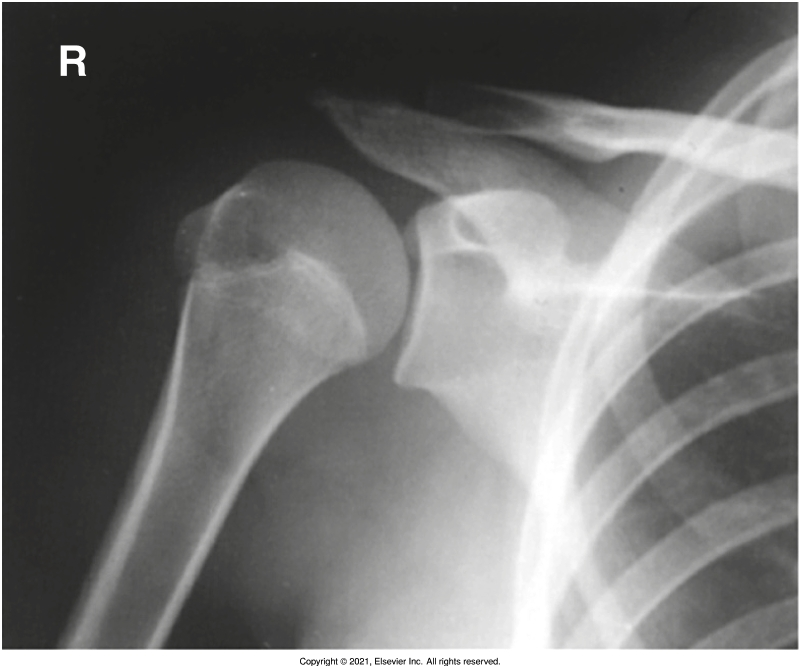
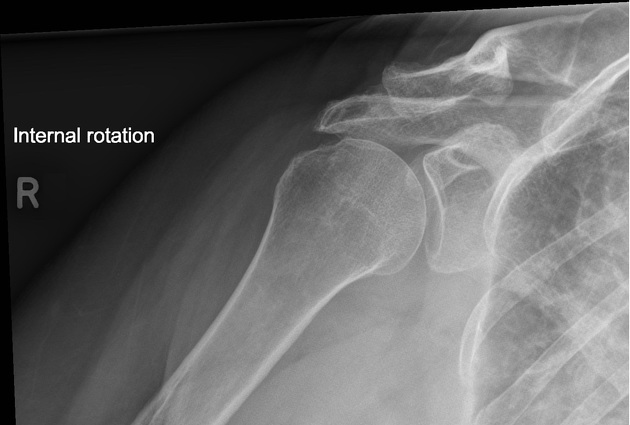
what is the part position for ap internal rotation 5° caud shoulder
slightly abduct and internally rotate the arm so the hand is pronated (epicondyles of humerus are perpendicular to IR)
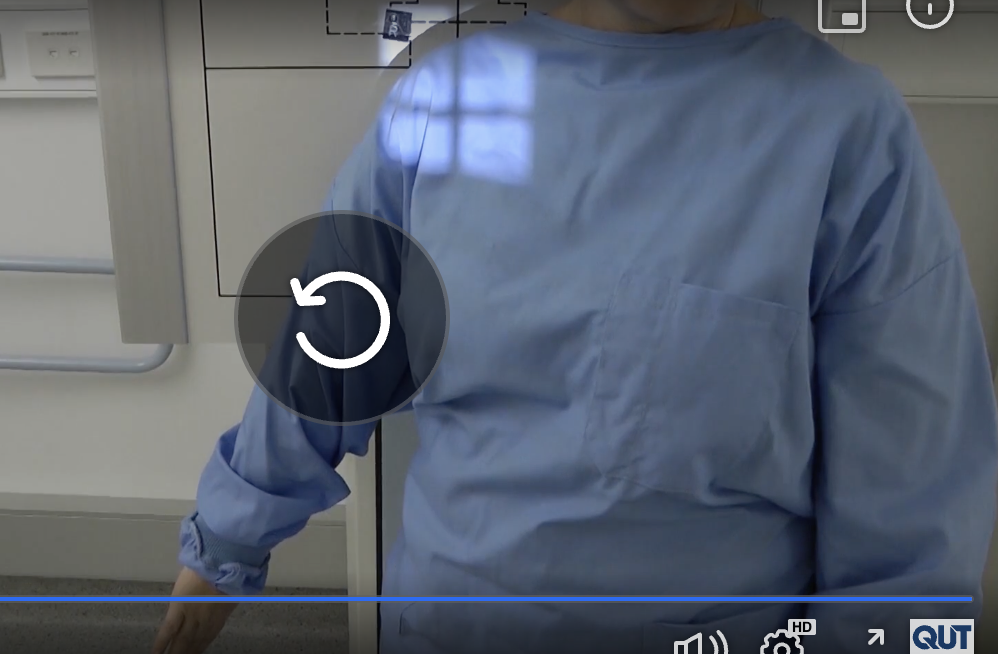
do you need grid for ap internal rotation 5 caud shoulder
yes
what is the centre ray for ap internal rotation 5°caud shoulder
5° caudal ( towards the feet)
what is the relative position for ap internal rotation 5 caud shoulder
correct rotation is evidenced by lesser tubercle in profile on medial side, open subacromial space (due to caudal angle)
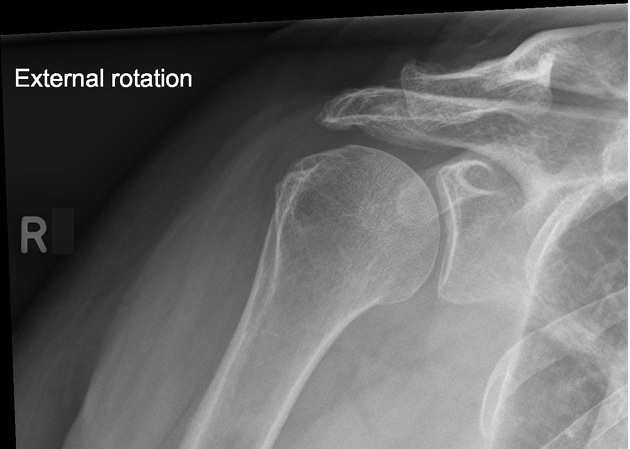
what is part position for ap external rotation 5° caud shoulder
slightly abduct and externally rotate the arm so the hand is pronated (epicondyles of humerus are parallel to IR)

what is the relative position for ap external rotation 5° caud
correct rotation is evidenced by external rotation greater tubercle in profile laterally, angle of the tube opens up the sub acromial space
what is patient position for neer’s shoulder
erect, pa with soi closest to the IR
what is part position for neer’s shoulder
arm slightly abducted, hand across abdomen, superimpose the superior angle of scapula and the ACJ

what is the centre point for neer’s shoulder
sub-acromial space
what is the central ray for neer’s shoulder
10-15 caudal
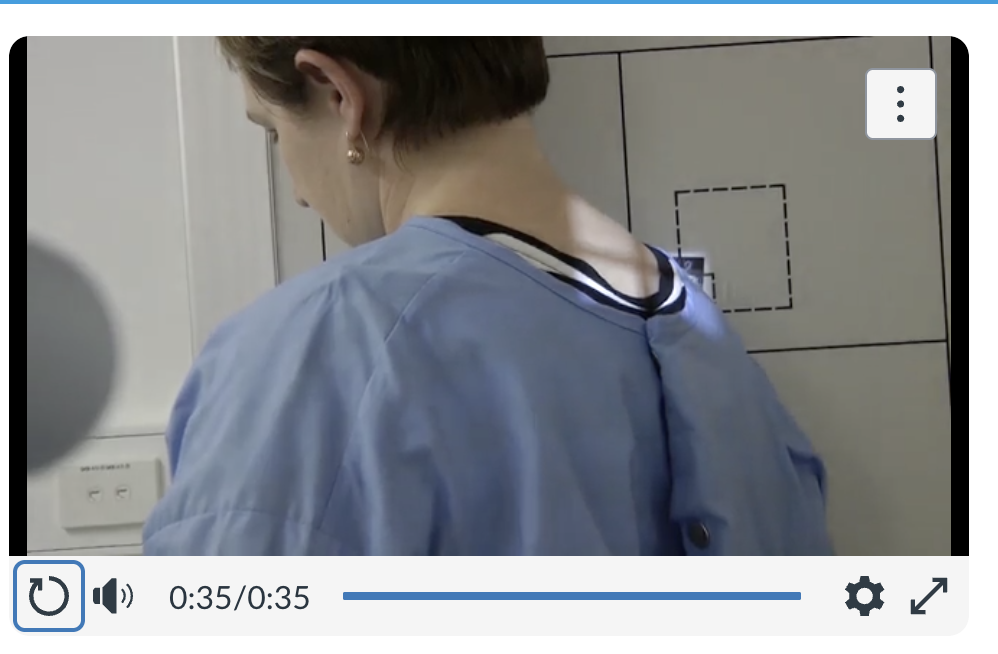
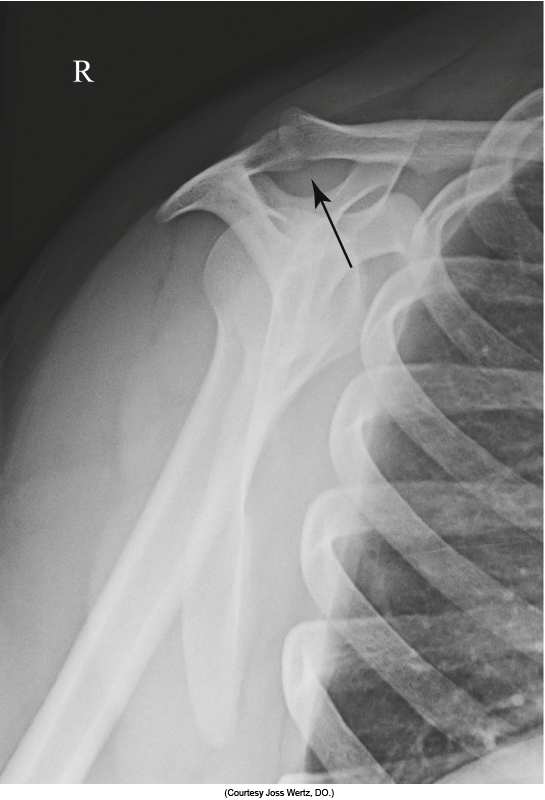
what is the relative position for neer’s shoulder
body of scapula should be end on without superimposition over ribs, acromion and coracoid process Y, supraspinatus outlet open

what is the aesthetics for neer’s shoulder
humeral head superior, in centre of IR, flip image so looking front on
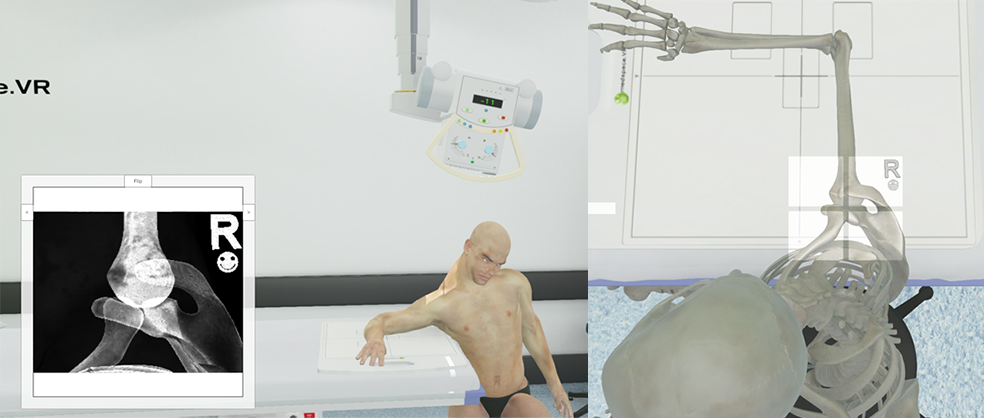
what is the patient position for axial shoulder
patient sitting at the end of the table with SOI closest
what is part position for axial shoulder
abduct arm so shoulder over IR
what is the central ray for axial shoulder
0-15° down humerus depending on flexibility of patient
do you need grid for neers shoulder
yes
do you need grid for axial shoulder
no
what is the anatomy for axial shoulder
coracoid process and lesser tubercle seen in profile
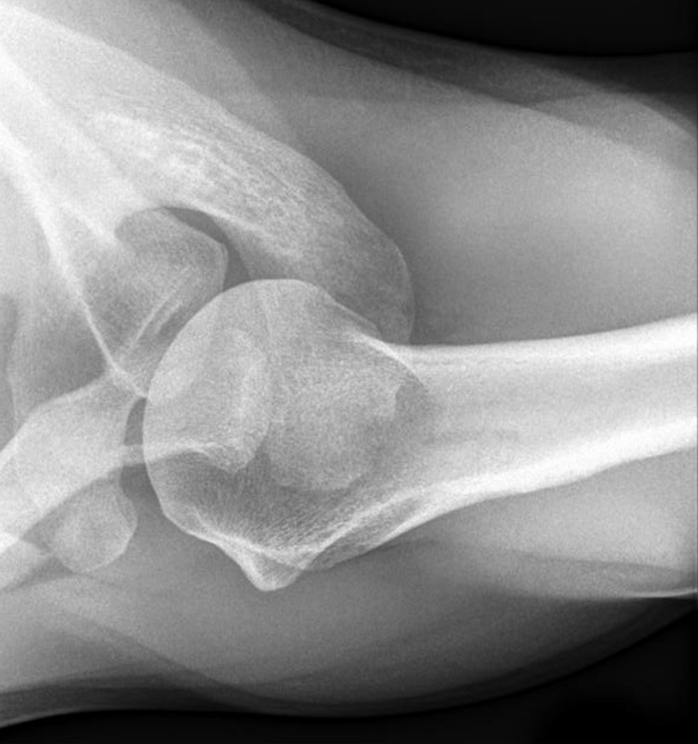
what is the relative position for axial shoulder
correct position is evidenced by anterior and posterior rims of glenoid cavity are superimposed
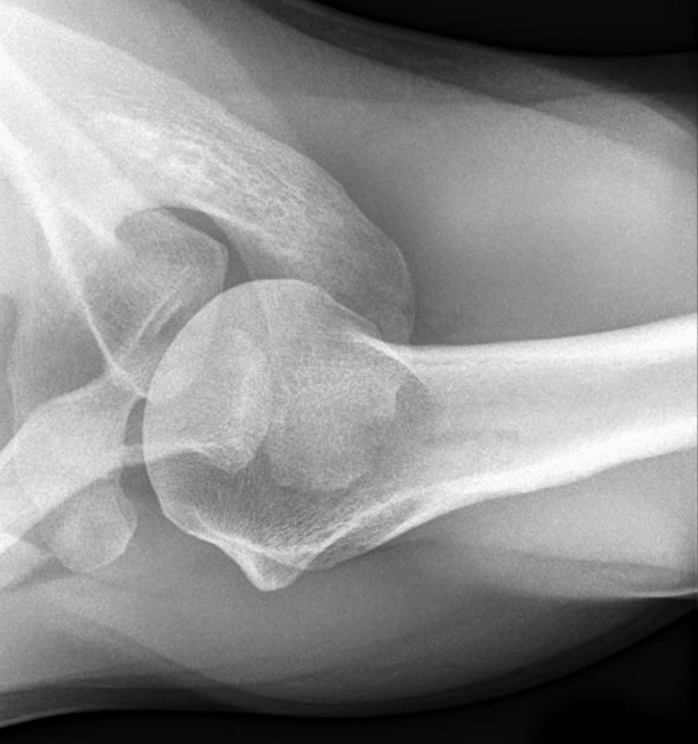
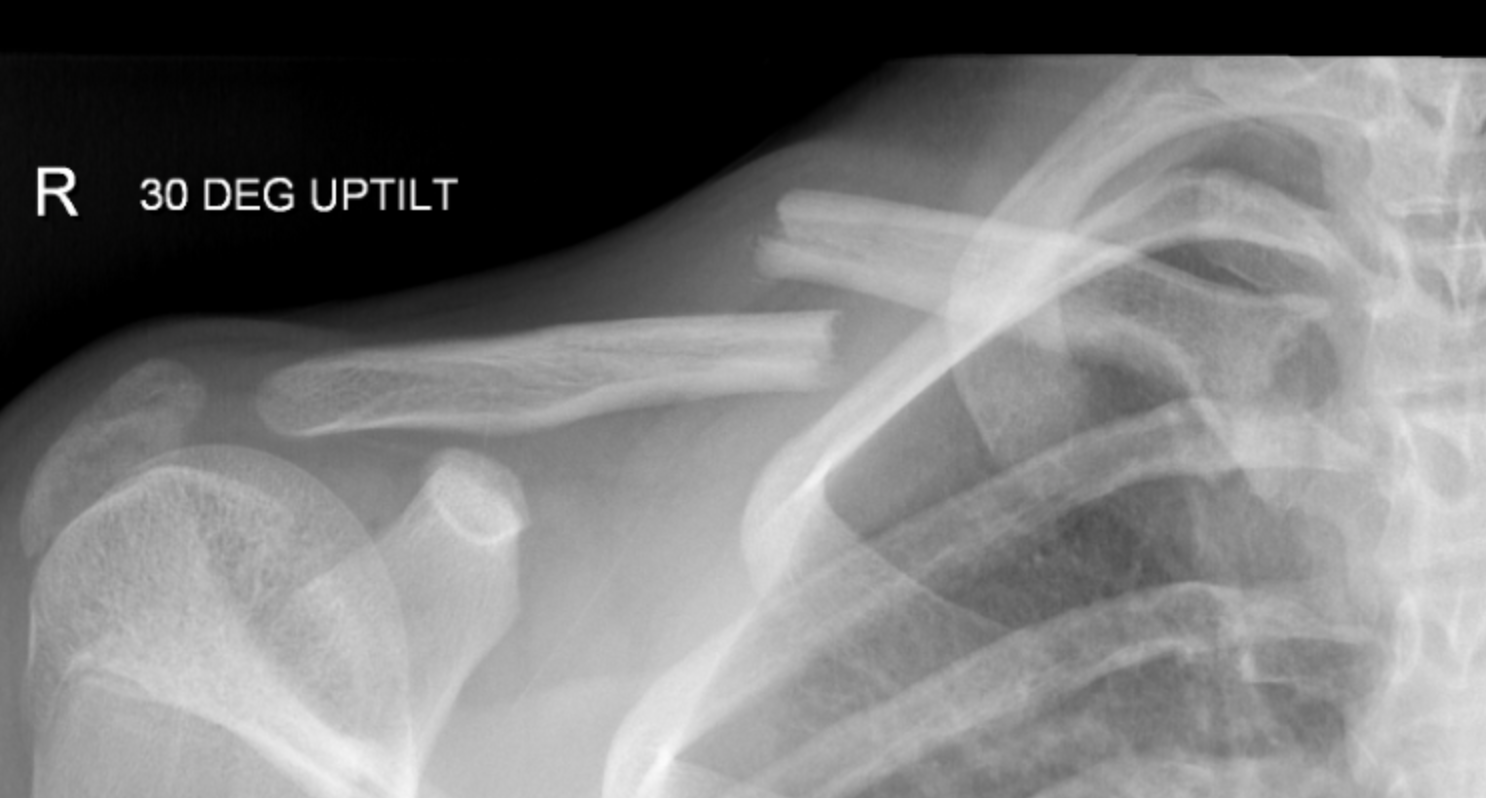
fracture clavicle
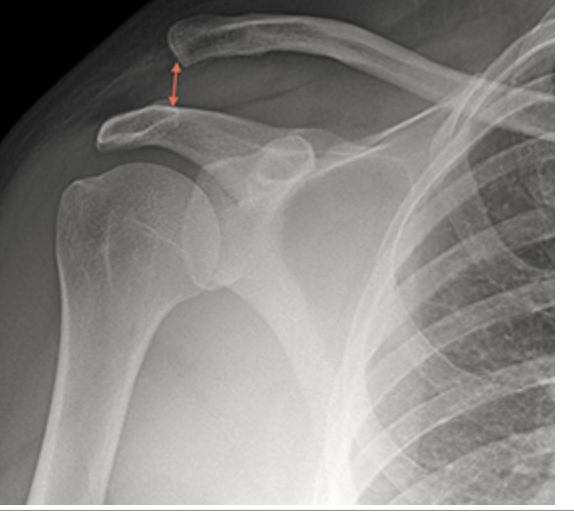
ACJ separation (dislocation)
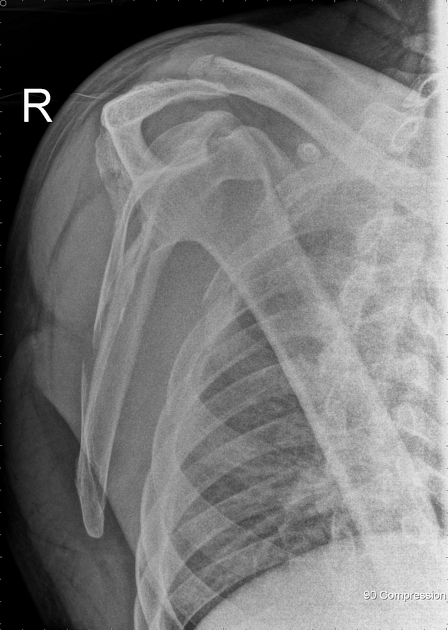
fracture scapula
what is breathing technique (ap scapula)
shallow breathing to blur the ribs
what is the position of ap scapula
erect with back against erect bucky, slight rotation to the side of interst so the scapula is parallel with the IR, abduction of the arm and supination of the hand to isolate the lateral border of the scapula free from superimposition on the ribs (pt rest hand on head)
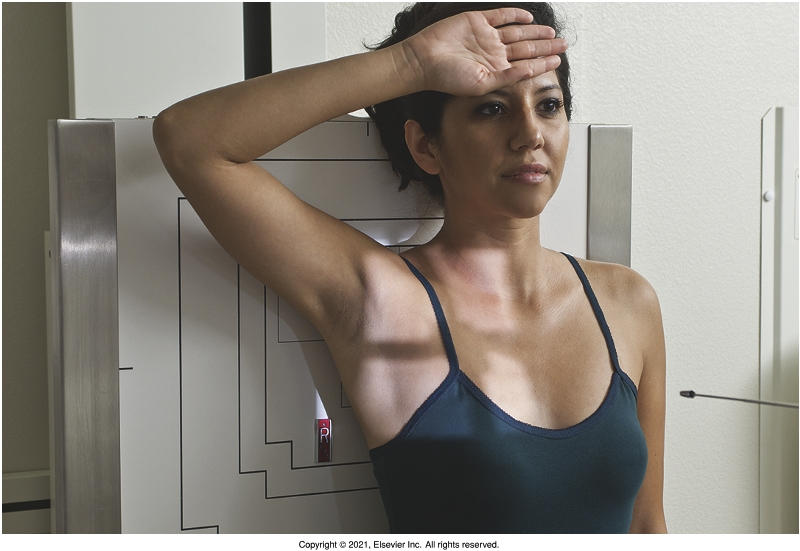
what is position for lateral scapula
stand facing the erect bucky/oblique as needed (30°) with the anterior of the side of interest closest to the detector, fix elbow to 90° and place hand across the front of the body, epicondyles should be superimposed, adduct the arm so the humeral shaft is anterior to the body, bring tightly across the front of the patient’s body
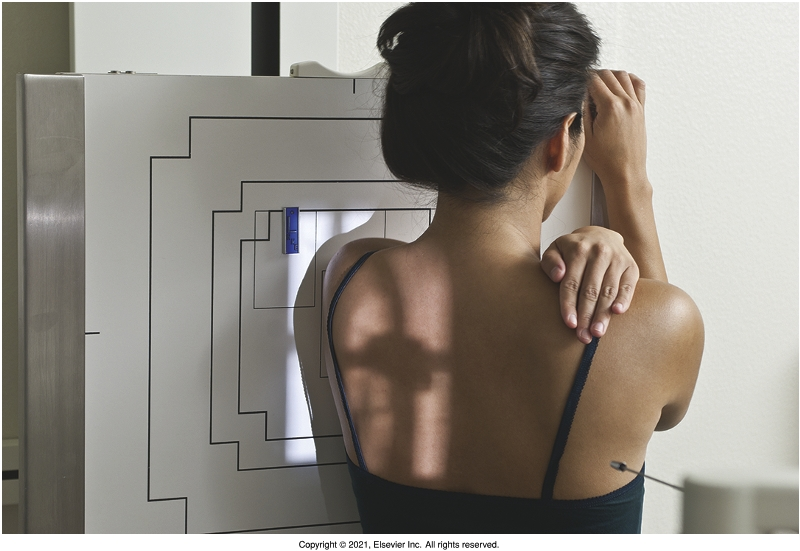
what is the collimation for ap and lateral scapula
entire scapula, full length of scapula, acromion and coracoid process =Y
do you need grid for ap and lateral scapula
yes
what is the relative position for ap scapula
lateral portion of scapula free of superimposition of ribs

what is the relative position for lateral scapula
correct rotation is evidenced by humerus should not superimpose the scapula too much, body of scapula should be end on without superimpositionoer ribs, acromion and coracoid process Y
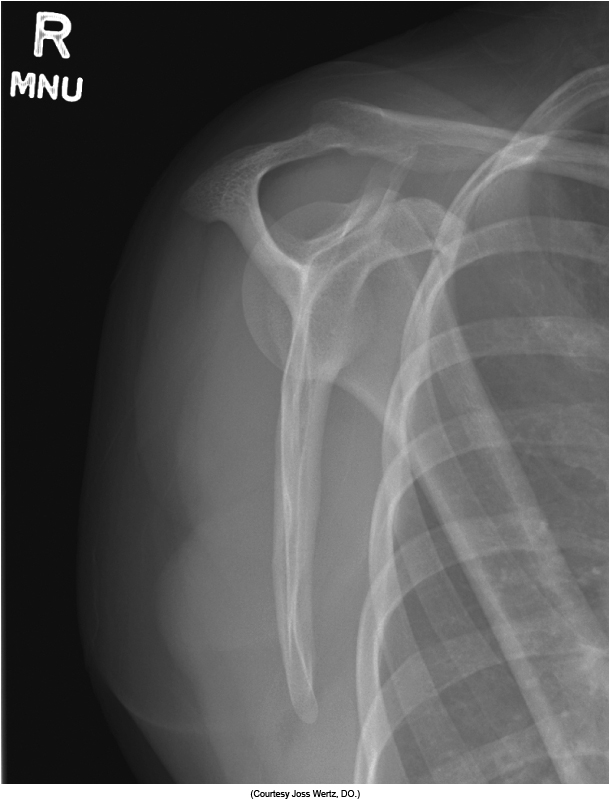
what is the patient position for ap clavicle and axial clavicle (colimated, follow up)
patient erect with back against the erect bucky, slight rotation AWAY from the side of interest so the clavicle is parallel with the IR
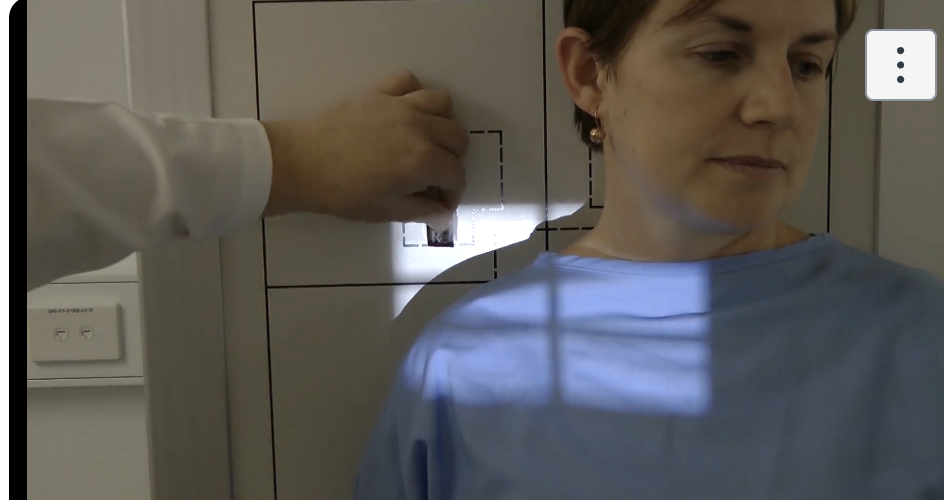
what is the central ray for axial clavicle ( collimated)
angled 15-30 ° towards the head
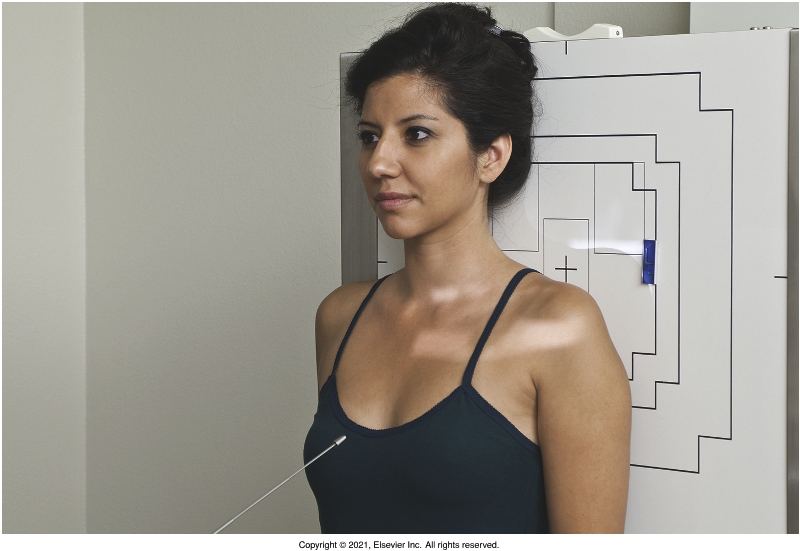
what is the anatomy to include for follow up clavicle
clavicle, acromion to sternum, lateral and superior soft tissue margins
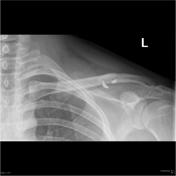
what is the relative position for ap clavicle follow up
correct rotation is evidenc
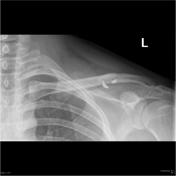
ed by clavicle parallel to IR and not foreshortened
what is the relative position for axial clavicle
correct rotation is evidenced by clavicle parallel to IR (not foreshortened), clavicle projected superior t

o most of the scapula and the 2nd, 3nd ribs
what is patient position for ap bilateral acj
ap erect, no rotation of the body (ned each side to be equal)
what is the centre point of ap bilateral acj ( one exposure)
absolute mid-line 2.5cm above jugular notch
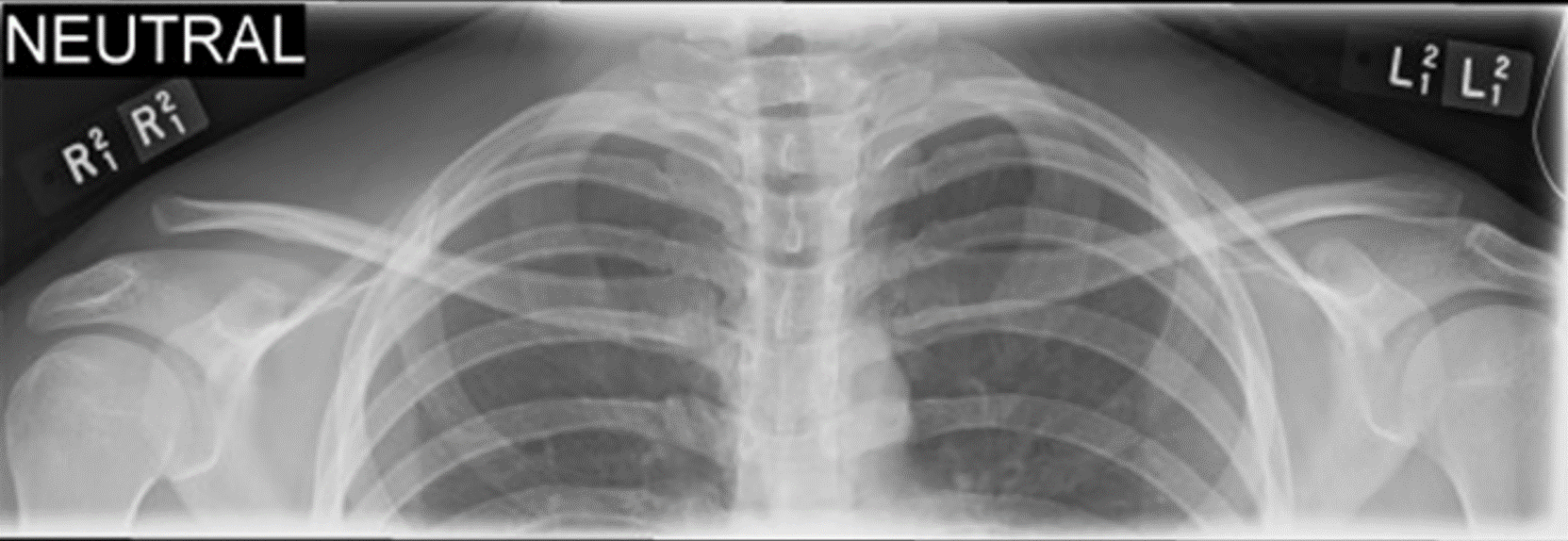
what is the centre point for ap bilateral acj (singular acj)
directly over the acj

what is the sid for ap bilateral acj
180cm
do you need grid for ap bilaeral acj
yes
what is position for weight bearing ap bilateral acj
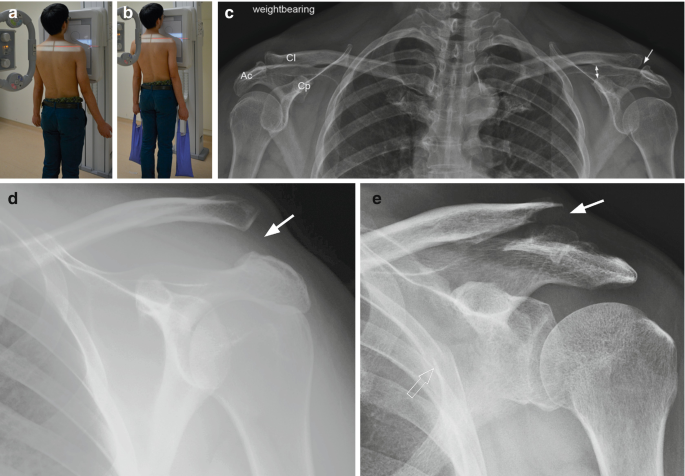
what is the relative position for ap bilateral acj
correct rotation is evidenced by symmetric appearance of the SC joint