Fixatives (updated)
 Call Kai
 Learn
Learn Practice Test
 Spaced Repetition
 Match
Match Flashcards
 Knowt Play
1/97

There's no tags or description
Looks like no tags are added yet.
Name | Mastery | Learn | Test | Matching | Spaced | Call with Kai | Chat |
|---|
No analytics yet
Send a link to your students to track their progress
98 Terms
acetone/alcohol fixative type
non-additive, coagulant
alcohol/acetone advantages (2)
fast penetration
preserved enzymes at cold temperatures
alcohol/acetone disadvantages (2)
loss of lipids
bad for electron microscopy
alcohol/acetone preferred use (3)
glycogen preservation
cytology
urate demonstration
acetic acid fixative type
non-additive, coagulant (nucleic acids)/non-coagulant (cytoplasm)
acetic acid preferred use
counteract the tissue shrinkage in fixatives
acetic acid advantage
fast penetration
acetic acid disadvantage (2)
lyses red blood cells
bad for electron microscopy
Formaldehyde preferred use
to make different formalin solutions
formaldehyde fixative type
Additive, non-coagulant
formaldehyde advantages (4)
cheap
stable
flexible with staining
enzyme stains if solution is cold
formaldehyde disadvantage (4)
gradual loss of lipids over time
penetrates quickly but fixes slowly
hardens tissue more than any other fixative other than alcohol and acetone
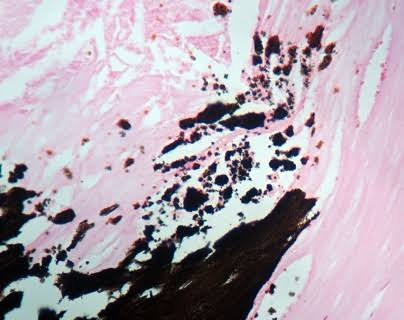
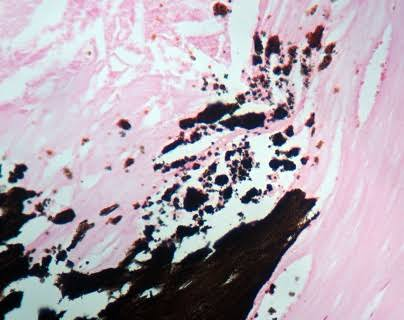
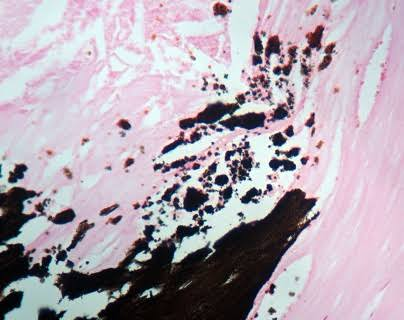
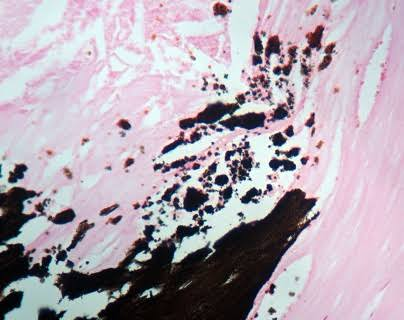
formation of formalin pigment
10% aqueous formalin disadvantage (2)
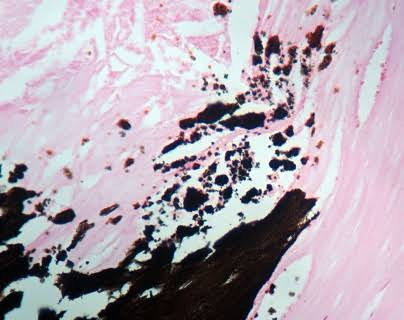
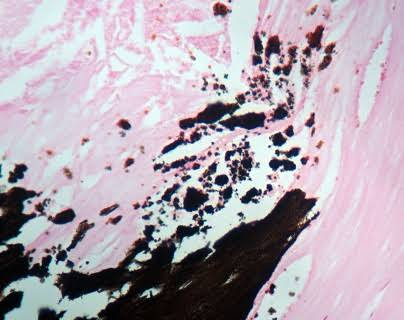
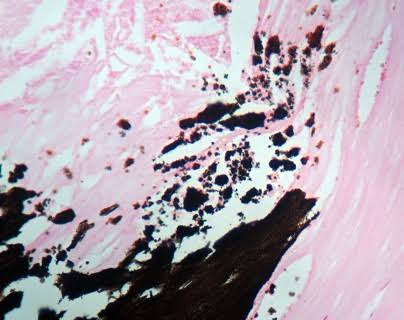
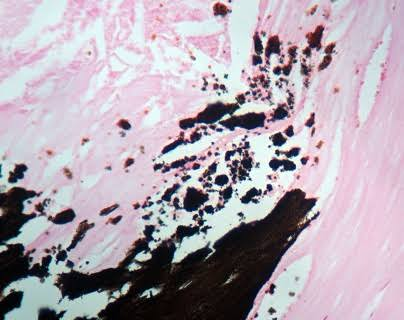
formalin pigment
hypotonic
10% aqueous formalin fixative type
additive, non-coagulant

10% neutralized formalin ingredients (3)
formaldehyde
DI water
calcium/magnesium carbonate


10% neutralized formalin fixative type
additive, non-coagulant


10% neutralized formalin disadvantage (2)
acidic after withdrawal from a storage bottle
formalin pigment

10% NBF ingredients (4)
formaldehyde
DI water
sodium phosphate, monobasic and dibasic
10% NBF preferred use
routine fixative
10% NBF fixative type
Additive, Non-coagulant
10% NBF advantages (2)
stable pH
no formalin pigment, like other formaldehyde fixatives
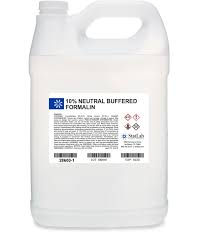
10% NBF disadvantage
hypotonic
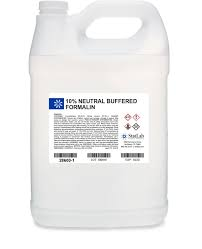

alcoholic formalin ingredients (3)
ethanol
DI water
formaldehyde


alcoholic formalin preferred use (2)
fixes and dehydrates at the same time
trichrome stains


alcoholic formalin advantage
better than NBF in preserving carbohydrates


alcoholic formalin fixative type
additive, coagulant

formalin ammonium bromide type of fixative
additive, non-coagulant
formalin ammonium bromide ingredients (3)
formaldehyde
ammonium bromide
DI water
formalin ammonium bromide preferred use (2)
fixation of CNS
cajal gold stain
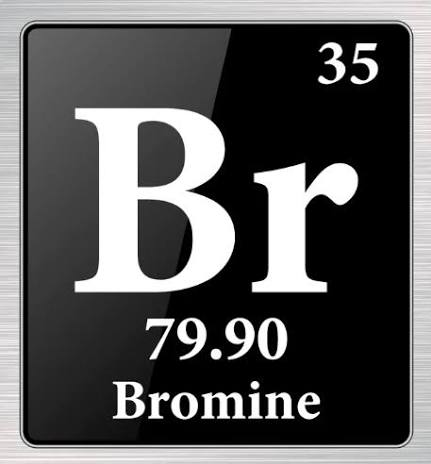
formalin ammonium bromide disadvantages (5)
not good for IHC, H&E, or molecular studies
gives positive fuelgen reaction due to hydrolysis
lyses red blood cells
10% formalin saline type of fixative
additive, non-coagulant
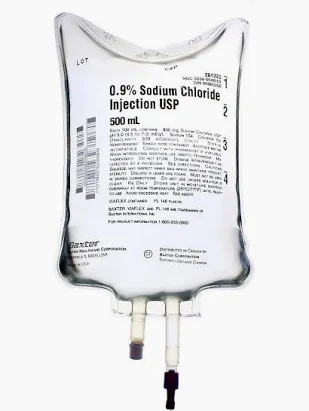
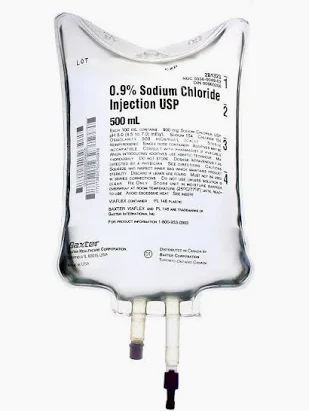
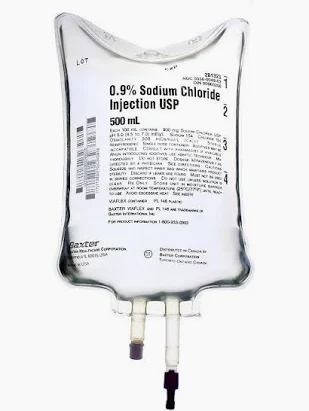
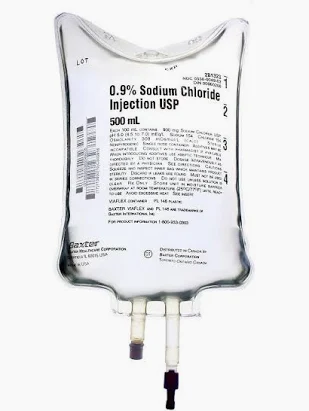
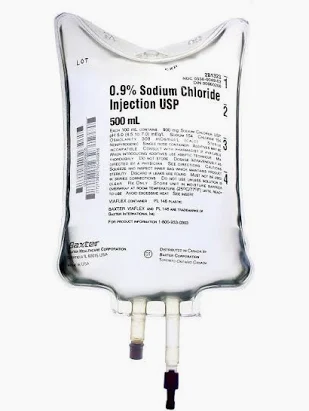
10% formalin saline ingredients (3)
water
formaldehdye
sodium chloride
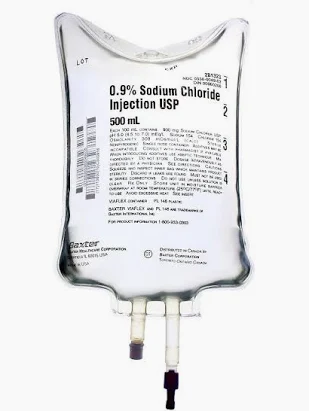
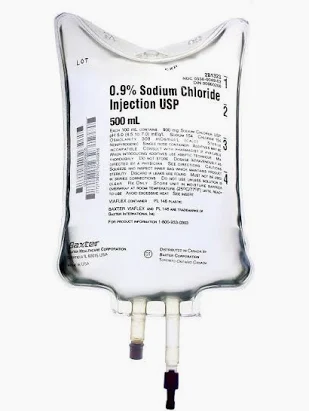
10% formalin saline preferred use (2)
preserve salinity of delicate tissues (neuro and embryo)
storage and transport
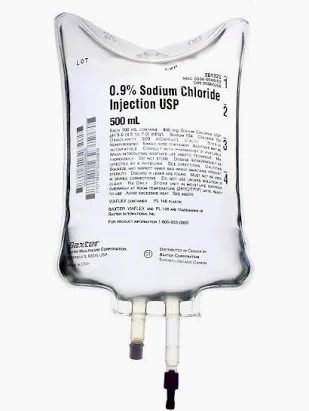
10% formalin saline advantages (2)
isotonic
good for Masson’s technique
10% formalin saline disadvantage
not buffered, may produce formalin pigment
calcium formalin type of fixative
additive, non-coagulant
calcium formalion ingredients (3)
DI water
formaldehyde
calcium chloride
calcium formalin preferred use (2)
preservation of phospholipids and myelin sheaths
calcium formalin notes (2)
changes phospholipid solubility
used for Baker’s acid hematein test

modified millonig formalin ingredients (4)
formaldehyde
DI water
sodium phosphate monobasic
sodium hydroxide


modified millonig formalin type of fixative
additive, non-coagulant


modified millonig formalin preferred use
electron microscopy on stored tissue


modified millonig formalin advantages (3)
better for ultrastructure preservation
isotonic
buffered


modiified millonig formalin disadvantge
paraffin sectioning is more difficult

acetate formalin ingredients (3)
formaldehyde
DI water
sodium acetate
acetate formalin type of fixative
additive, non-coagulant
acetate formalin preferred use
an alternative when phosphate salts are not available
acetate formalin advantage
buffered
acetate formlin disadvantage
pseudocalcification will happen if calcium acetate is used in solution
glutareldehyde fixative type
additive, non-coagulant
glutaraldehyde preferred use
electron microscopy
glutaraldehyde advantage
fixes while it penetrates
glutaraldehyde disadvantages (5)
penetrates slowly but fixes rapidly
breaks down when exposed to air
overhardens if fixed for over two hours, put in buffer solution afterwards
false positive in PAS staining
gradual loss of lipids over time
how to prep vials of glutaraldehyde for electron microscopy
fresh reagent before use, prepped vials that were sealed under inert nitrogen
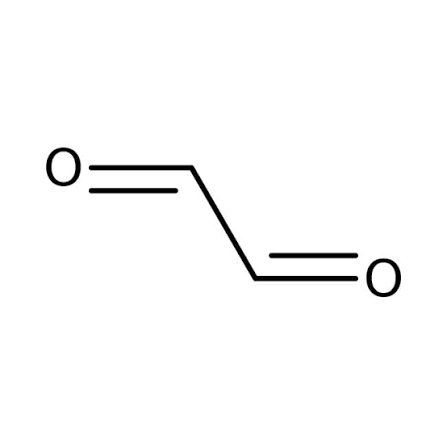
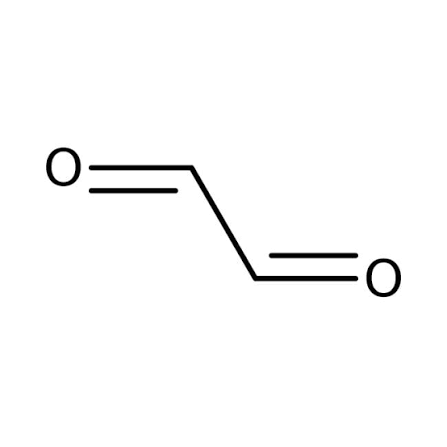
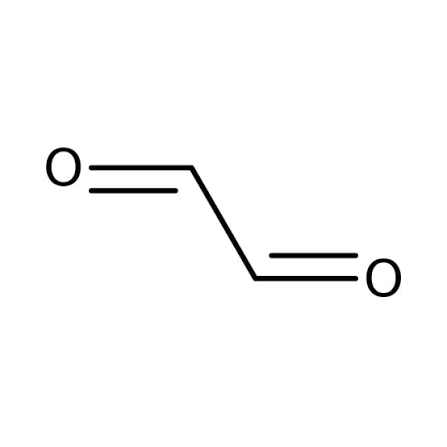
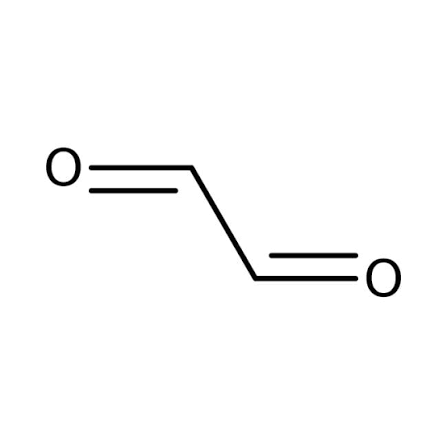
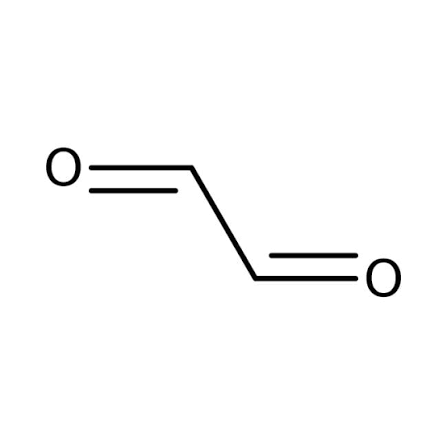
glyoxal preferred use (4)
detects microcalcifications in breast biopsies
alternative to formaldehyde for routine H&E
can fix carbs OR proteins at different rates, at different pHs
good preservation of chromatin and membranes
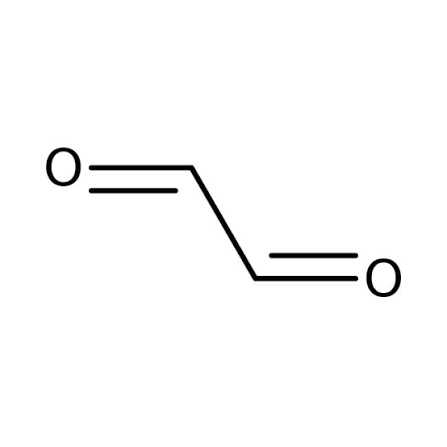
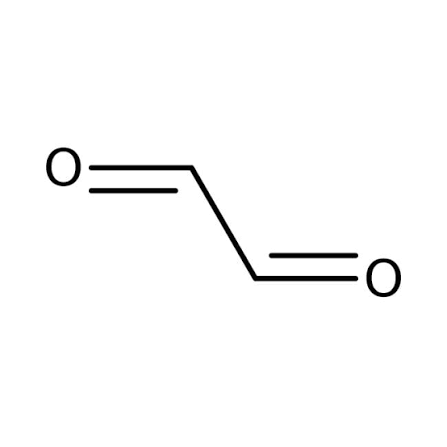
glyoxal fixative type
additive, non-coagulant
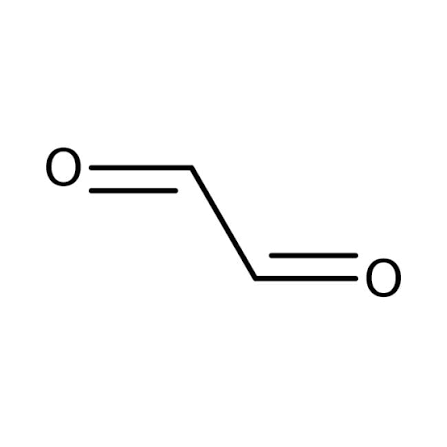
glyoxal advantages (2)
faster than NBF
less antigen retrieval needed for IHC
glyoxal diasvantages (3)
weak staining after prolonged exposure
bad for H pylori staining
not as good as 10% NBF for enzyme stains
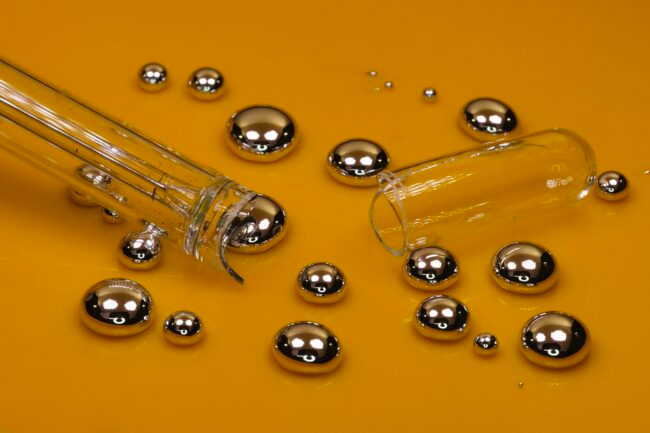
mercuric chloride fixative type
additive, coagulant
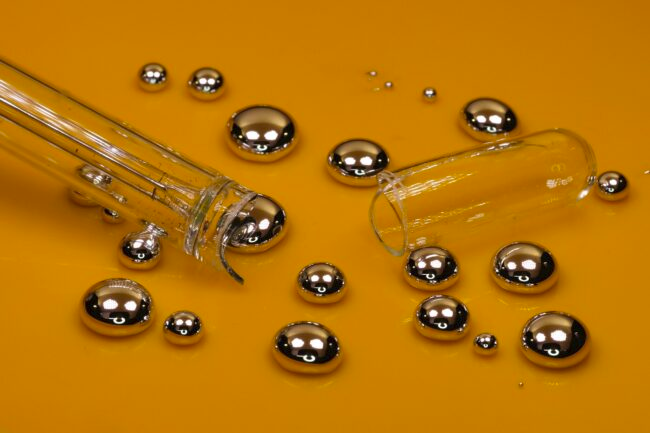
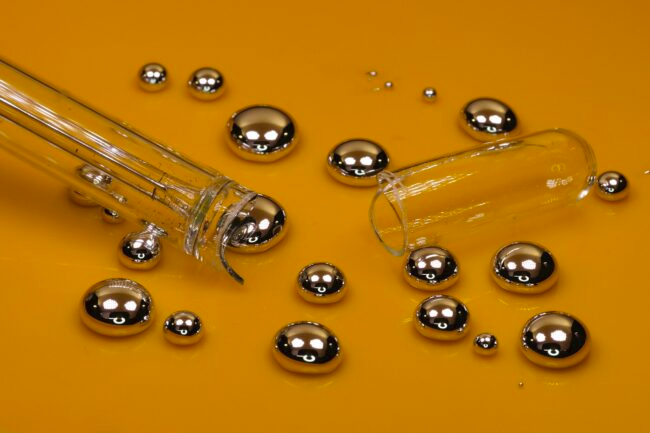
mercuric chloride preferred use
in other fixatives as a protein coagulant
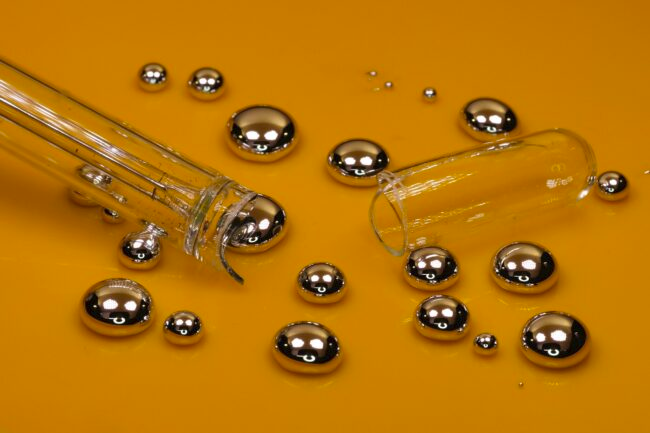
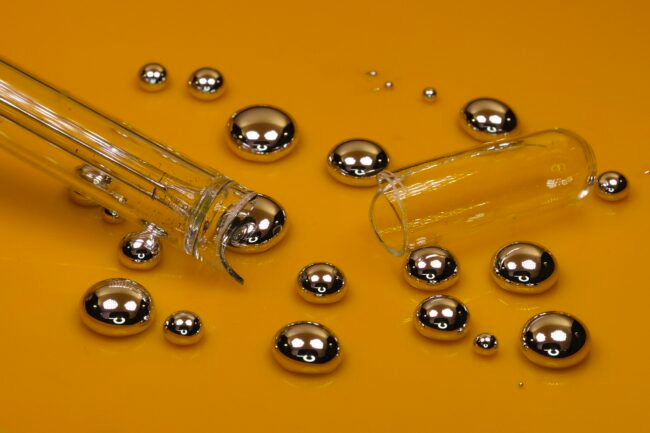
mercuric chloride advantage (2)
leave tissue receptive to dyes
rapid penetration
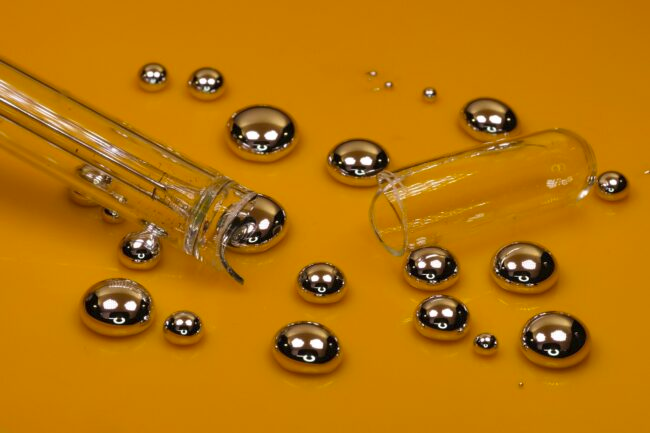
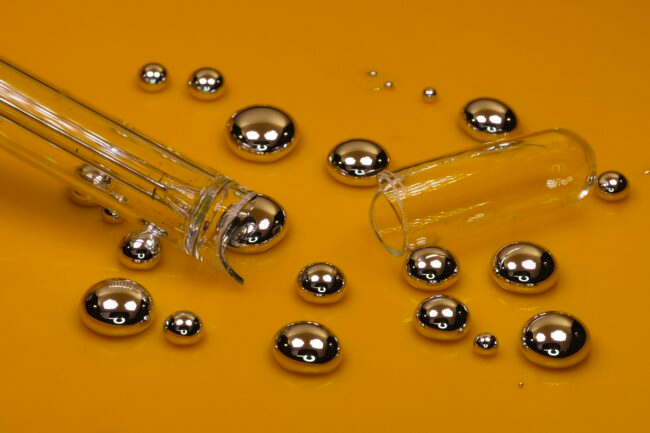
mercuric chloride disadvantage (5)
mercury pigment
cannot due frozen sections
penetrates poorly
shrinkage
hardening
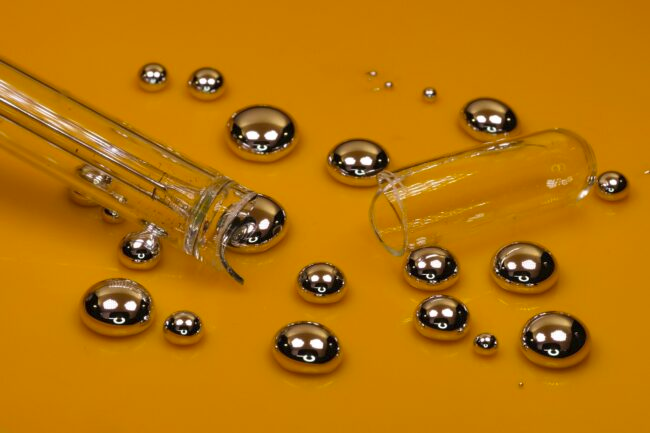
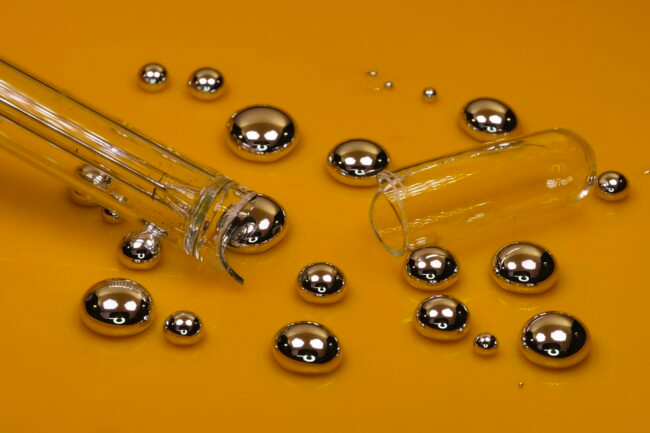
how to prevent mercury pigment
mercury pigment cannot be prevented
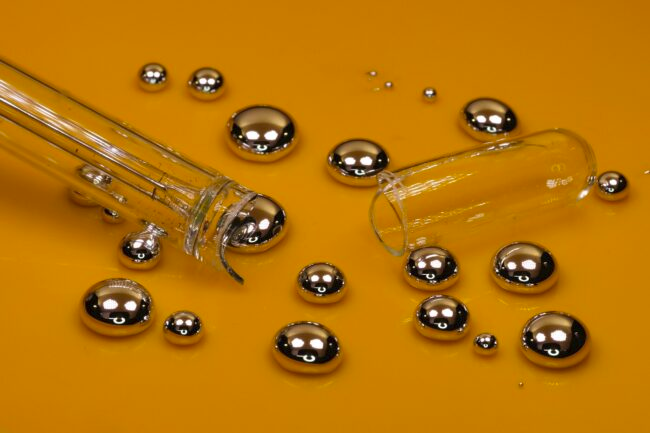
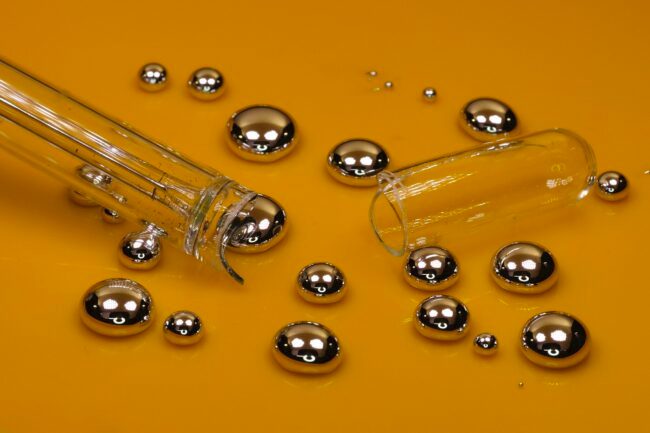
how to remove mercury pigment
iodine, followed by sodium thiosulfate (hypo)
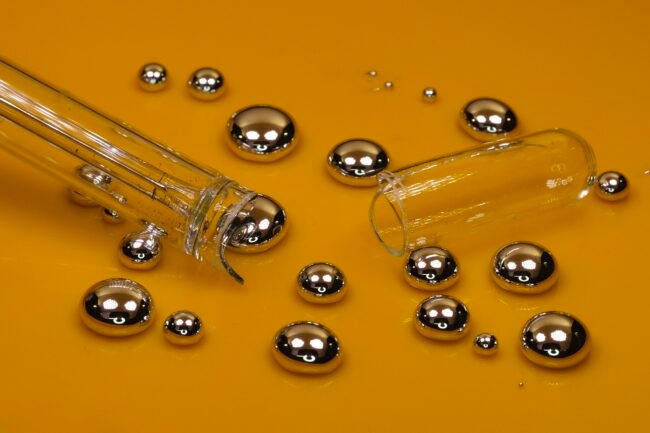
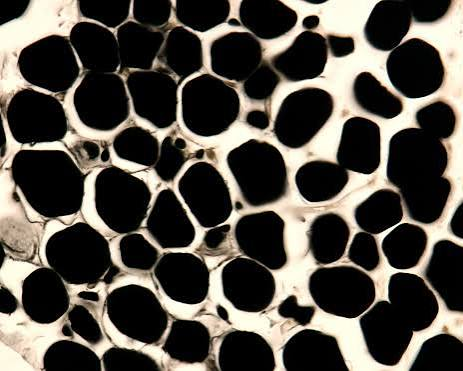
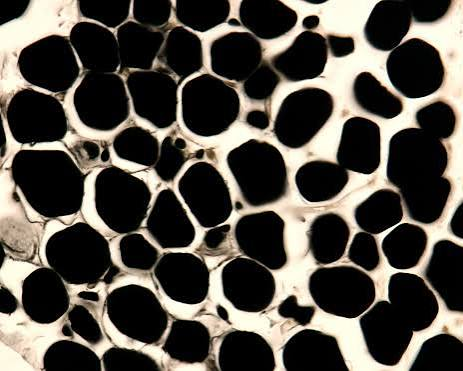
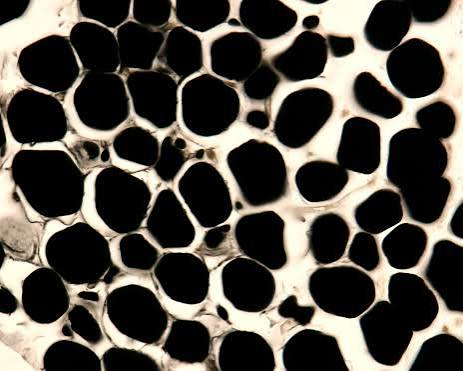
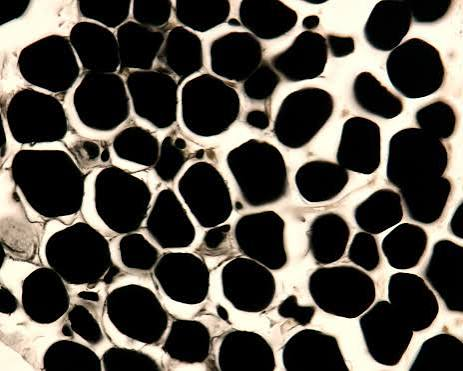
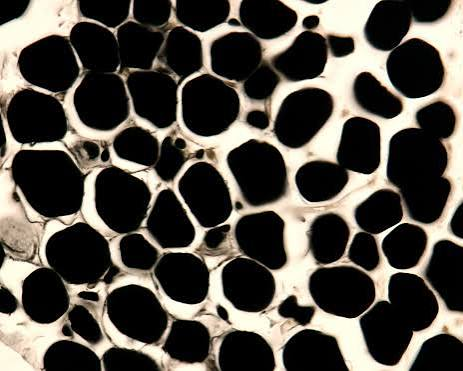
osmium tetroxide fixative type
additive, non-coagulant
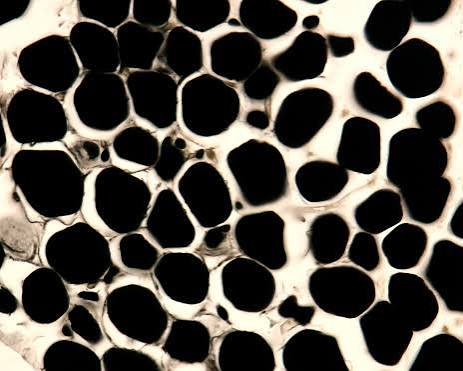
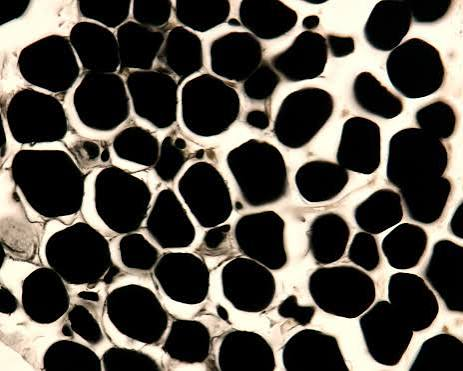
osmium tetroxide preferred use (2)
secondary fixative for electron microscopy
preserve lipids an phospholipids
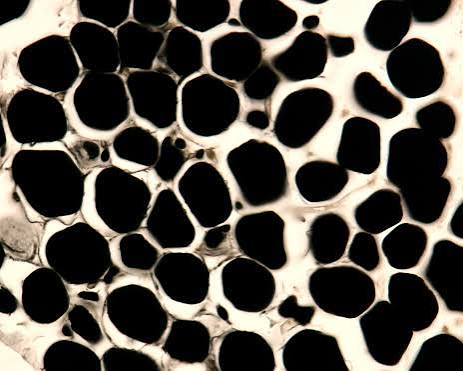
osmium tetroxide advantages (2)
preserve lipids and phospholipids from processing
fixative and a stain
osmium tetroxide disadvantages (3)
cytoplasm cannot be stained with eosin but rather hematoxylin
expensive
slow penetration

picric acid type of fixative
additive, coagulant


picric acid preferred use (2)
glycogen fixation
mordant for trichrome stains


picric acid advantages (3)
fixative and a stain
leave tissue receptive to dyes
gives a soft texture to tissue


picric acid disadvantages (5)
not good for nucleic acid stain, hydrolyzes
shrinkage
must be washed with 50% ehtanol before processing or else staining will be weak and morphology is destroyed
explosive
slow penetration


potassium dichromate type of fixative
additive, non-coagulant in alkaline solution, coagulant in acidic solution


potassium dichromate preferred use (3)
preverve lipids
preserve mitochondria
preserve chromaffin granules to diagnose pheochromocytomas


potassium dichromate advantages (2)
greater affinity for eosin
soft tissue texture


potassium dichromate disadvantages (3)
dissolves DNA
shrinkage after processing
chromate pigment

how to prevent chromate pigment
1% HCl with 70% ethanol for 30 min
how to remove chromate pigment
you cannot remove chromate pigment, but it can be reduced with acid alcohol
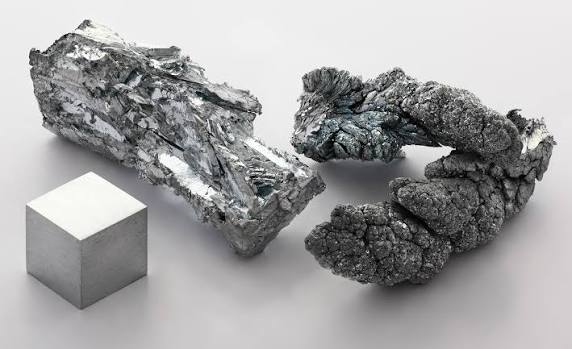
zinc salt fixative type
additive, coagulant
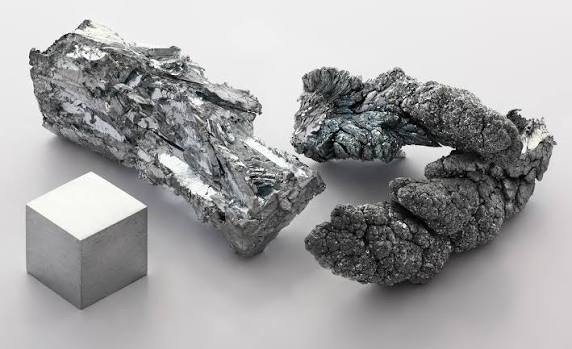
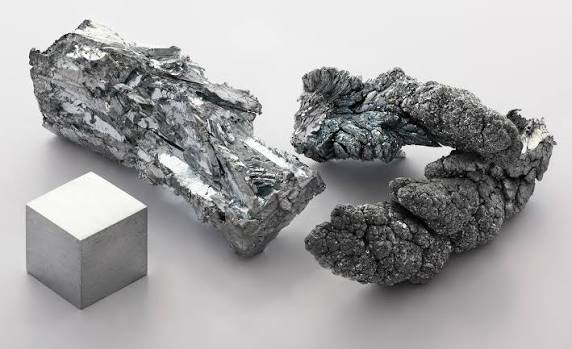
zinc salt preferred use (2)
replacement for mercuric chloride
post fixation on open processors
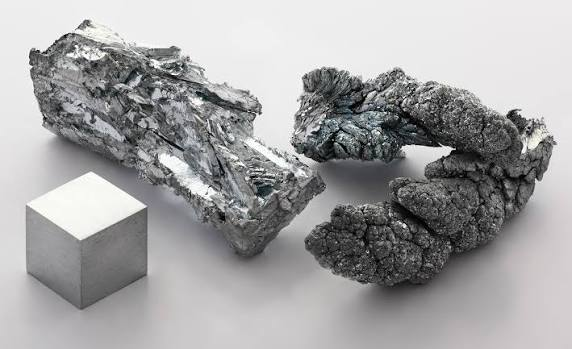
zinc salt advantages (2)
enhanced staining
less antigen retrieval needed for IHC
zinc salt disadvantages
zinc precipitate
slow penetration
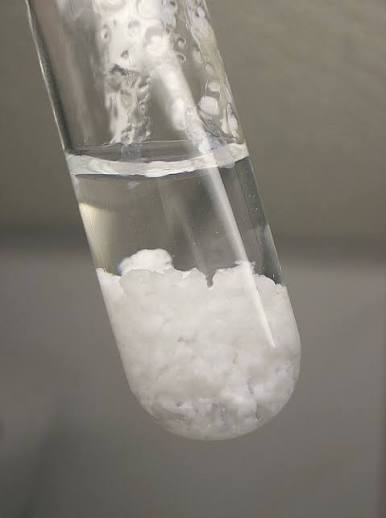
what causes zinc precipitate (6)
carbonates in tap water
phosphates in buffered formalin
alcohol
heat
pressure
vaccuum
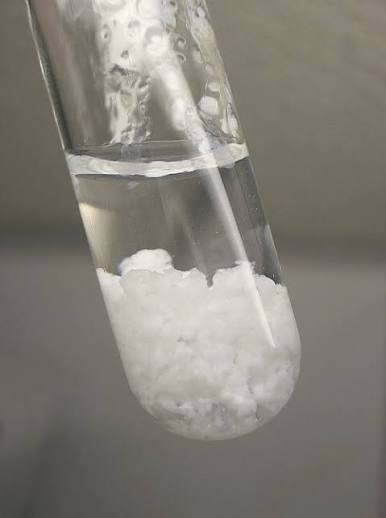
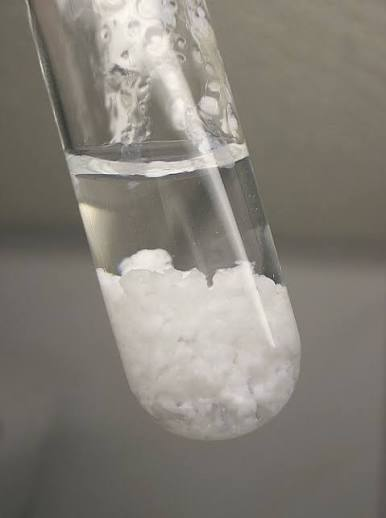
how to remove zinc precipitate
5-20% acetic acid solution
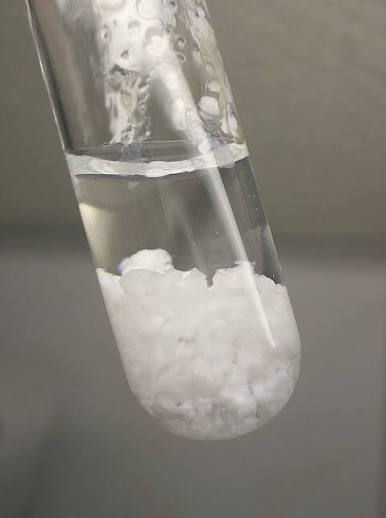
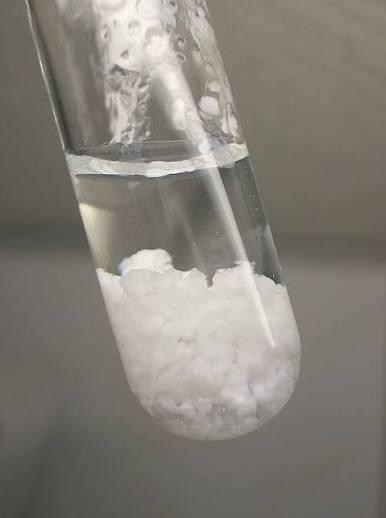
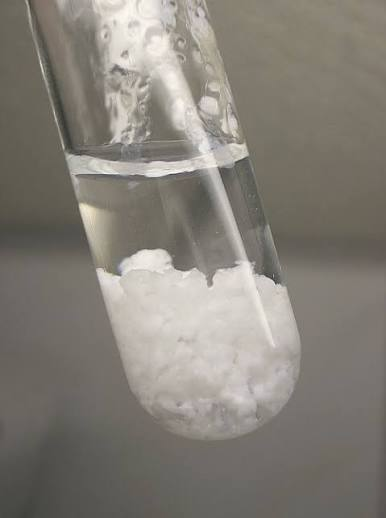
affects of zinc precipitate (3)
reduce processor alcohol concentrations
can clog processor
difficult microtomy

B5 ingredients


B5 type of fixative


B5 preferred use
lymph node and bone marrow (w/ zinc salts)


B5 advantages
good antigen preservation for IHC (w/ zinc salts)


B5 disadvantages