Unit 3 Periodic Table Honors
 Call Kai
 Learn
Learn Practice Test
 Spaced Repetition
 Match
Match Flashcards
1/23

Earn XP
Description and Tags
A collection of vocabulary flashcards covering the periodic table, categories of elements, physical properties, and chemical properties based on the lecture notes.
Name | Mastery | Learn | Test | Matching | Spaced | Call with Kai | Chat |
|---|
No analytics yet
Send a link to your students to track their progress
24 Terms
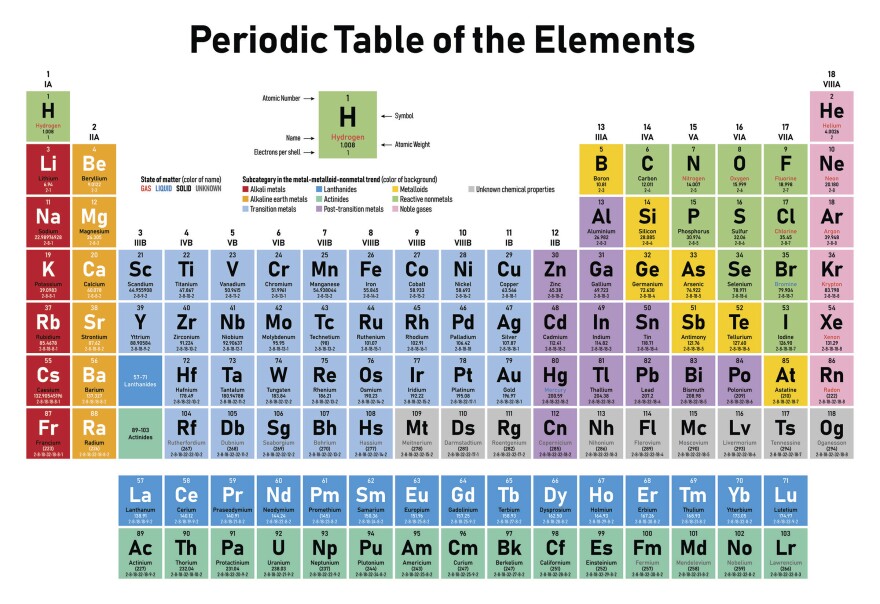
Period
A horizontal row of elements on the periodic table.

Group
A column of elements on the periodic table.
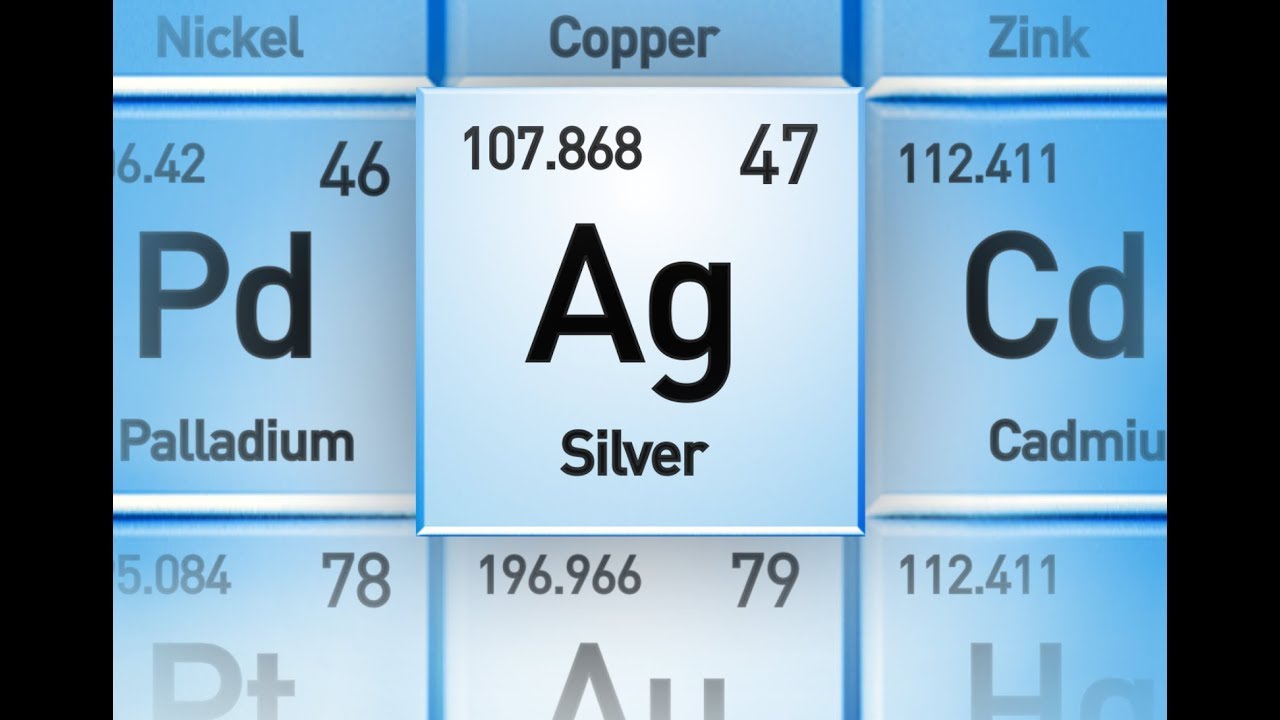
Chemical Symbol
A one or two letter abbreviation used to identify a given element on the periodic table.

Metals
Elements that are shiny and are good conductors of thermal energy and electric current; typically malleable.
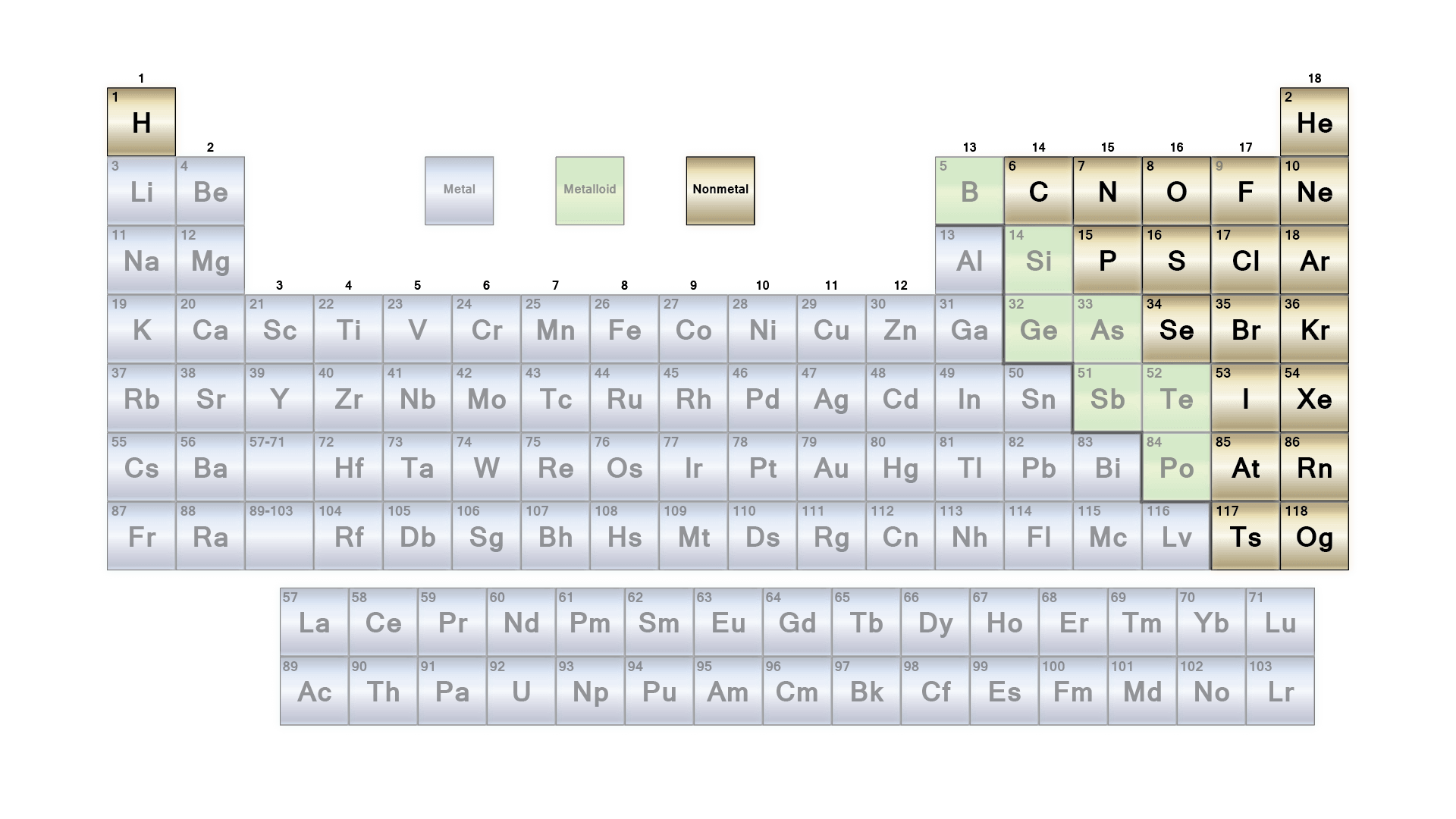
Non Metals
Elements that are dull and are poor conductors of thermal energy and electric current; usually brittle when solid.

Metalloids
Elements that have properties of both metals and nonmetals; also referred to as semiconductors.
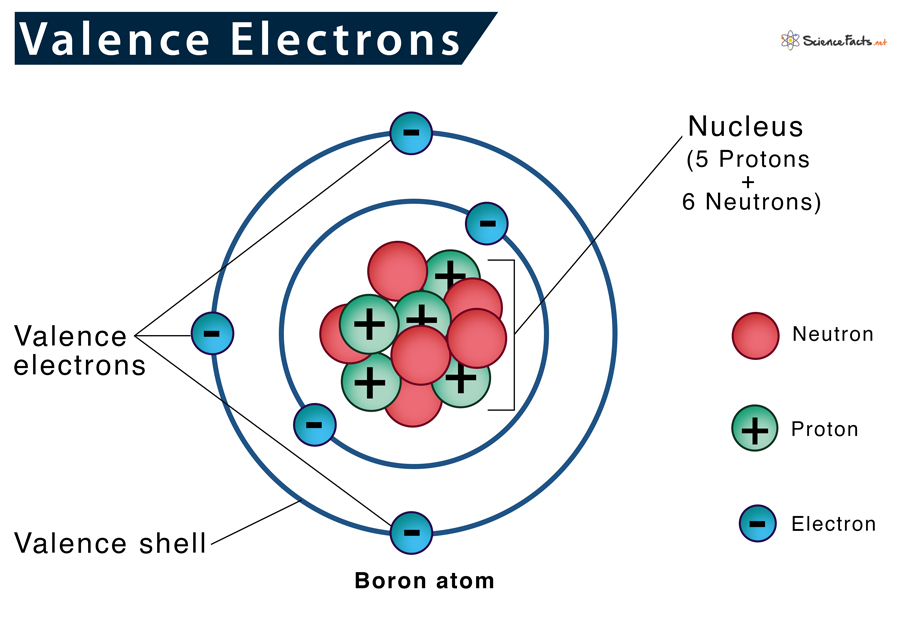
Valence electrons
The electrons that occupy the outermost energy level, farthest away from the nucleus.
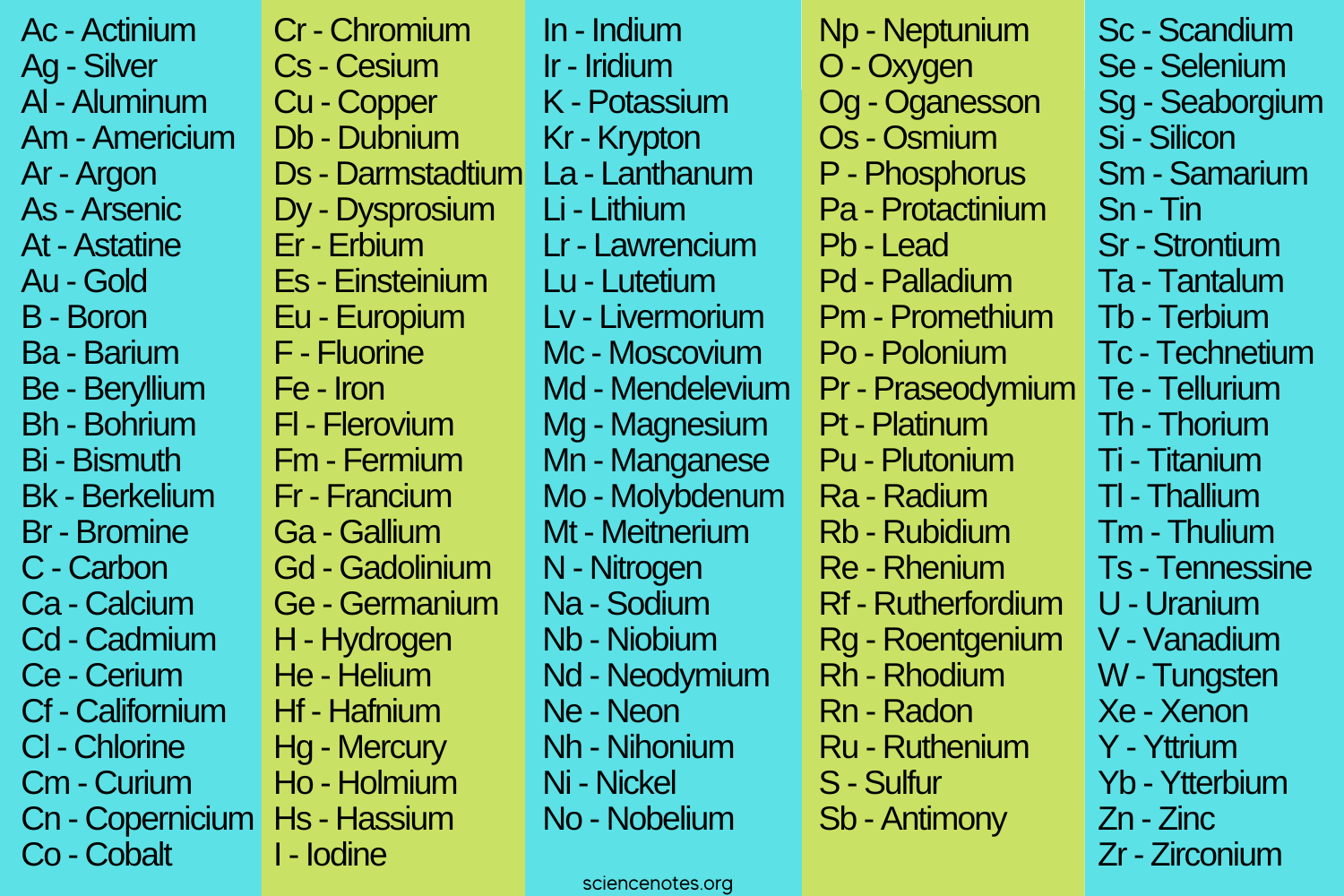
Element
A pure substance made of only one kind of atom.

Periodic Table
A chart that organizes all known elements by their properties. Ordered by increasing atomic number

Conductor
A material that allows heat or electricity to flow through it easily.

Insulator
A material that does not allow heat or electricity to flow through it easily.

Malleable
Can be hammered or rolled into thin sheets without breaking.

Ductile
Can be stretched into a wire. This is a property of a metal. The image shows how the metal is being compressed into a wire like shape.

Brittle
Breaks or shatters easily when solid. This is a property of a nonmetal.
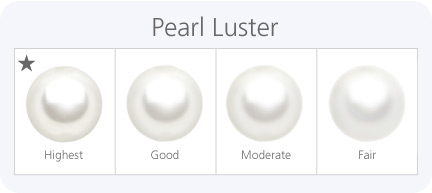
Luster
How shiny or reflective a surface is. The more reflective it is the higher its Luster
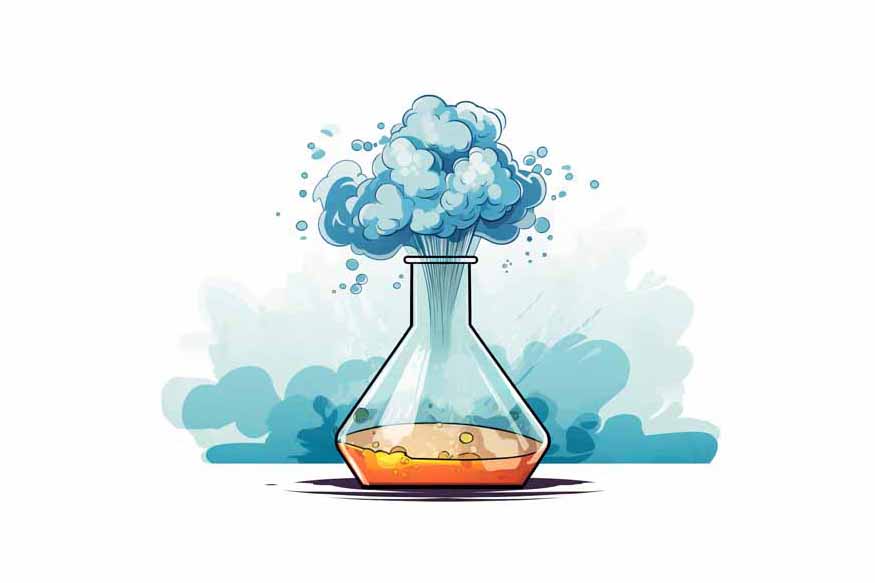
Reactivity
How easily an element reacts with other substances.

Semiconductor
A material that conducts electricity under certain conditions (common in metalloids).

Physical Property
A characteristic that can be observed or measured without changing the substance.

Chemical Property
A characteristic that describes how a substance reacts with others.
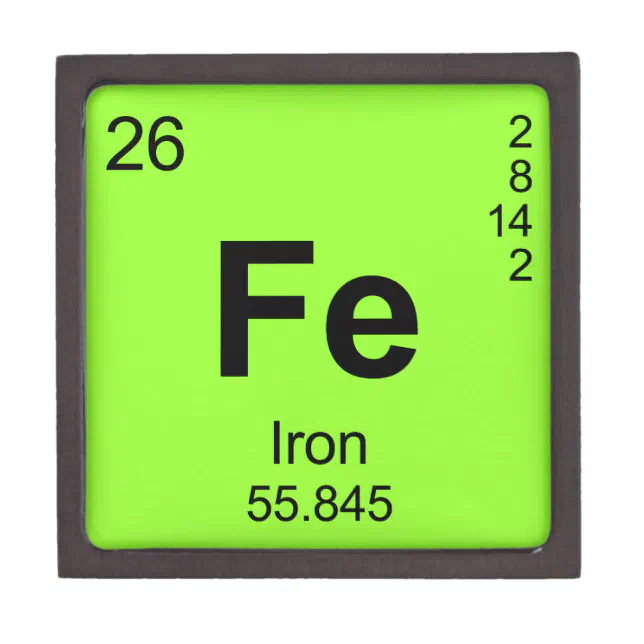
Atomic Number
The atomic number represents the number of protons in the nucleus. Found in the upper left corner of the element's box on the periodic table.
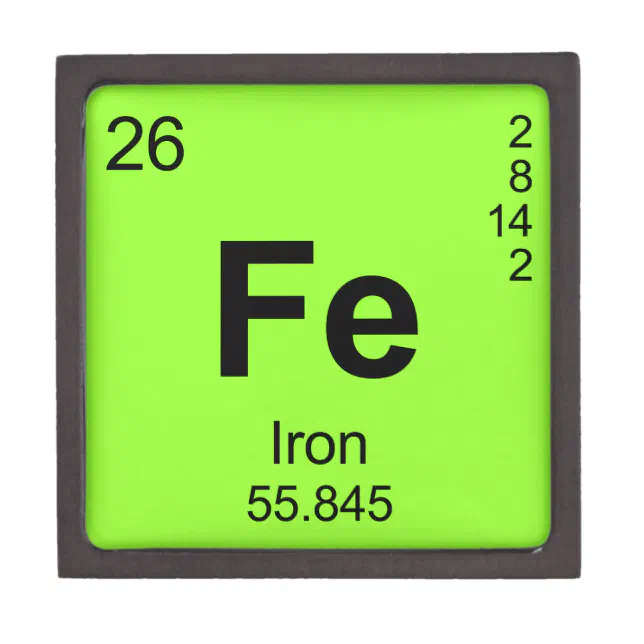
Atomic Mass
The atomic mass is the weighted average of all the different isotopes of the element. Sometimes it appears as a whole number or decimal. Always the biggest number.
Number of Electrons
The number of electrons is equal to number of protons, in a neutrally charged atom. All atoms on the periodic table are neutral.
Number of Protons
The number of protons is the atomic number.
Number of Neutrons
You can find the number of neutrons by rounding the atomic mass first. Then atomic mass-atomic number=Number of neutrons