Brain
 Call Kai
 Learn
Learn Practice Test
 Spaced Repetition
 Match
Match Flashcards
 Knowt Play
1/55

There's no tags or description
Looks like no tags are added yet.
Name | Mastery | Learn | Test | Matching | Spaced | Call with Kai | Chat |
|---|
No analytics yet
Send a link to your students to track their progress
56 Terms
What are the functions of cerebrospinal fluid (CSF)?
Cushions and protects the brain and spinal cord
Reduces the brain's effective weight
Provides nutrients and removes wastes
Allows the brain to float and move safely
Where is CSF located?
In the four ventricles of the brain
Central canal of the spinal cord
Subarachnoid space
3 layers of meniges
Dura mater (outer, tough)
Arachnoid mater (middle)
Pia mater (inner, thin, attached to brain)
Between which meningeal layers is CSF found?
Between the arachnoid mater and pia mater
What are the four ventricles?
Right lateral ventricle
Left lateral ventricle
Third ventricle
Fourth ventricle
Where are the lateral ventricles located?
One inside each cerebral hemisphere
Where is the third ventricle?
Between the two halves of the diencephalon
Where is the fourth ventricle?
Between the brainstem (pons/medulla) and cerebellum
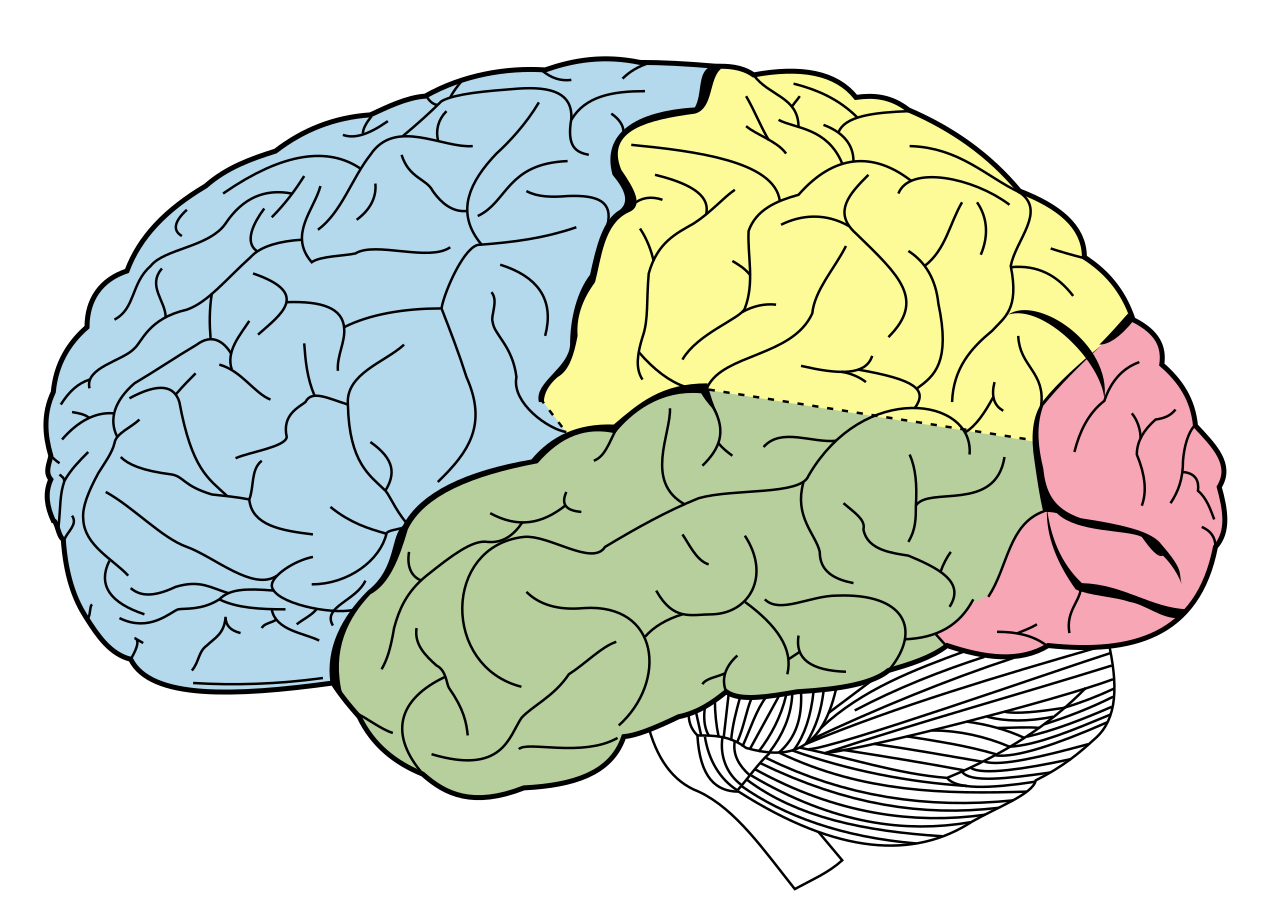
What is the cerebrum responsible for?
Conscious thought
Memory
Emotion
Sensory perception
Voluntary movement
What does the cerebellum do?
Coordinates muscle movement
Balance
Posture
Motor learning
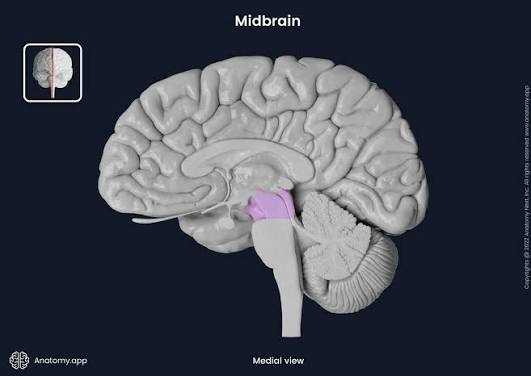
What are the functions of the midbrain?
Visual and auditory reflexes
Eye movement
Routes sensory information
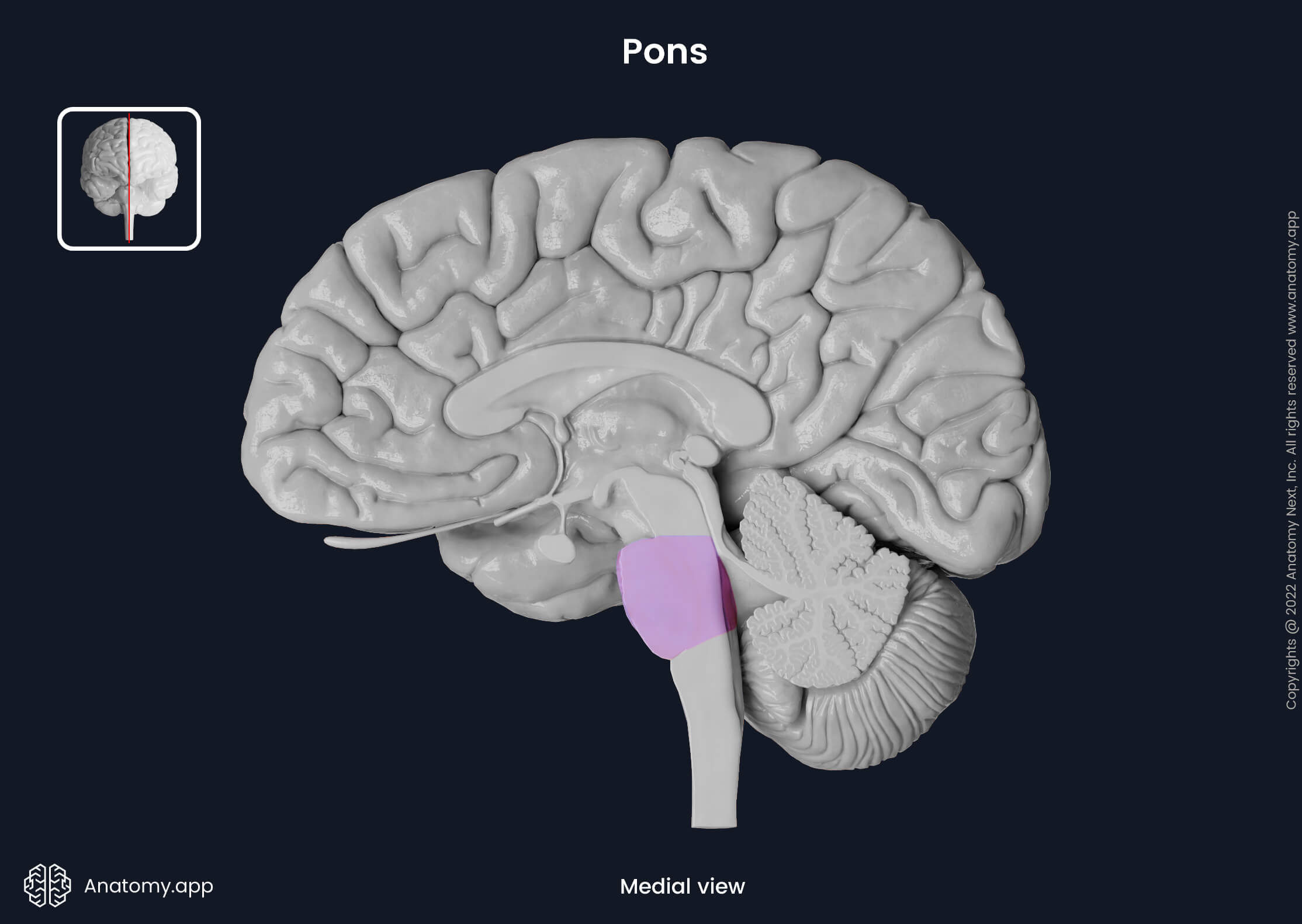
What are the functions of the pons?
Connects cerebrum and cerebellum
Helps regulate breathing
Sleep
Relay center
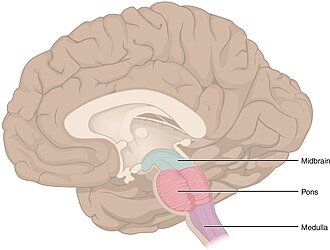
What does the medulla control?
Heart rate
Blood pressure
Breathing
Swallowing
What does EEG stand for?
Electroencephalogram
What does an EEG measure?
Electrical activity of the brain
What brain cells produce EEG signals?
Large groups of pyramidal neurons in the cerebral cortex.
What are delta waves?
Brain waves (0–4 Hz) associated with deep sleep
Which lobe processes visual information?
Occipital lobe
Which Brodmann areas are the primary visual cortex?
Areas 17 and 18.
Which lobe processes hearing?
Temporal lobe
Which Brodmann areas are the primary auditory cortex?
Areas 41 and 42.
Parietal lobe.
touch, pain, pressure, and body position?
What is gray matter?
Contains neuron cell bodies; responsible for processing information
What is white matter?
Contains myelinated axons; carries signals between brain regions
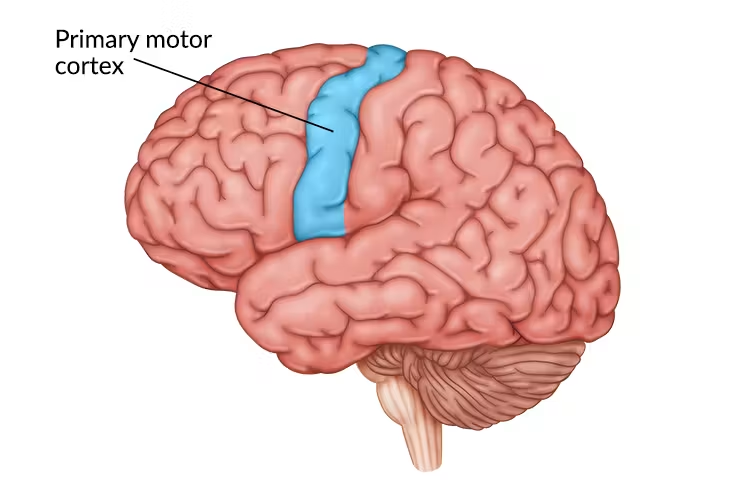
What is the primary motor cortex?
Located in the precentral gyrus; sends commands for voluntary skeletal muscle movement.
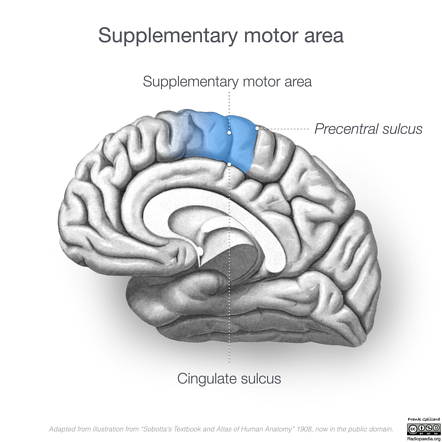
What is the premotor (secondary motor) cortex?
Plans and prepares movements before they occur.
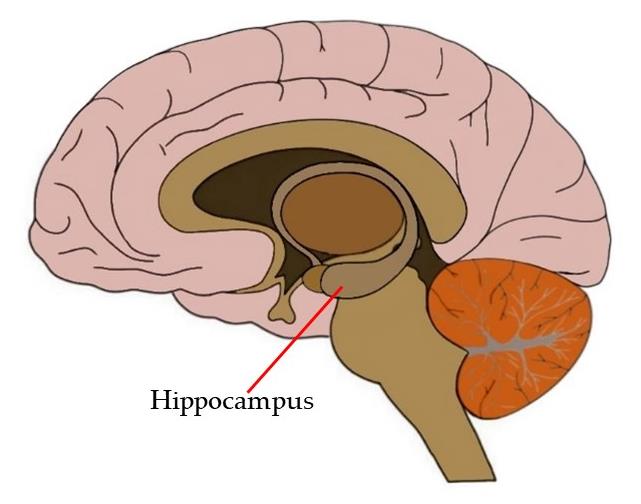
Which structure forms long-term memories?
Hippocampus
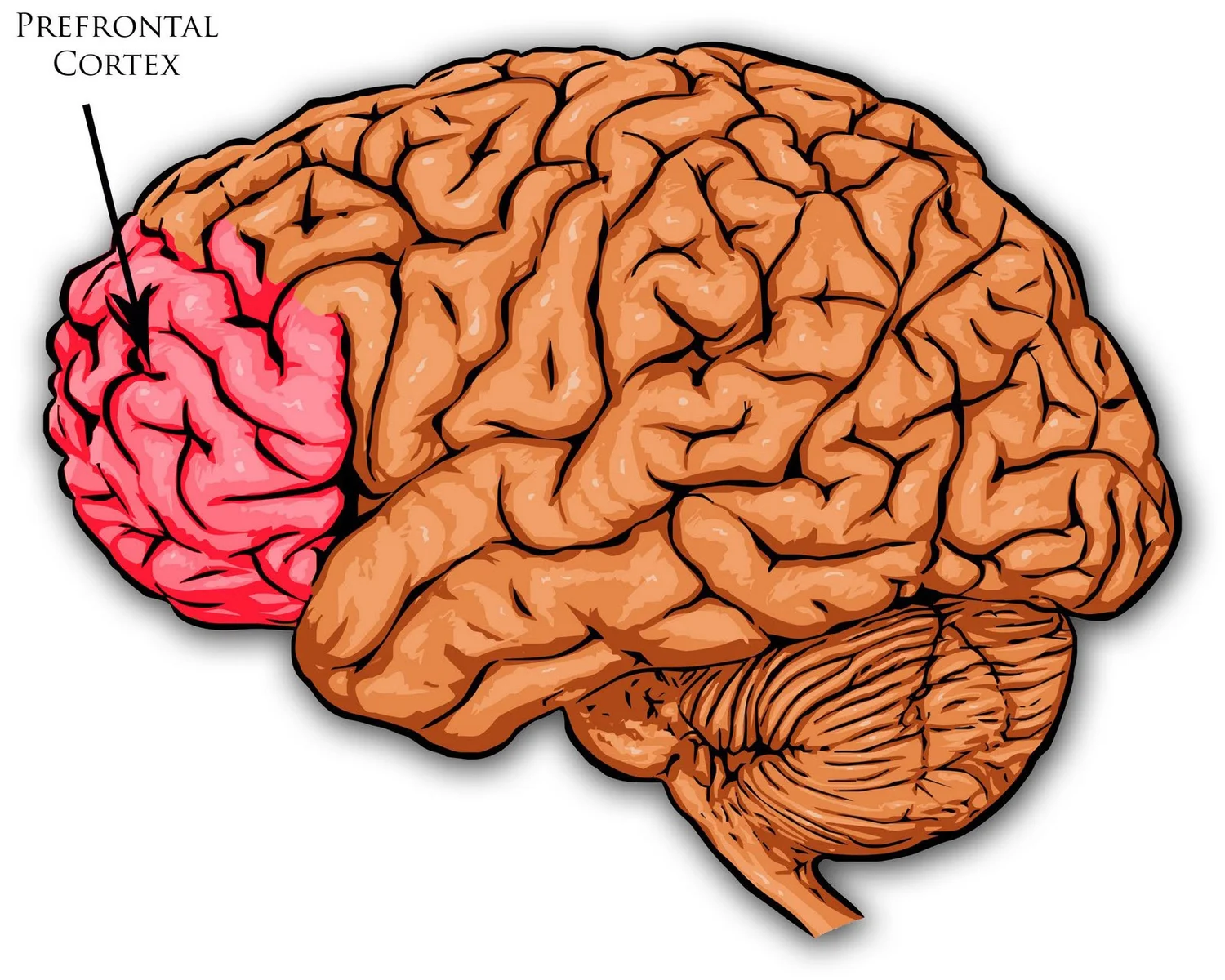
Where is short-term memory mainly processed?
Prefrontal cortex
What is Broca's area?
Produces speech and controls muscles involved in speaking
Where is Broca's area located?
Left frontal lobe (most people).
What mnemonic helps remember the cranial nerves?
Oh Oh Oh To Touch And Feel Very Good Velvet Ah Heaven
What mnemonic helps remember sensory, motor, or both?
Some Say Marry Money But My Brother Says Big Brains Matter Most
cranial nerves
Q: CN I
A: Olfactory – smell (Sensory)
Q: CN II
A: Optic – vision (Sensory)
Q: CN III
A: Oculomotor – eye movement, pupil constriction (Motor)
Q: CN IV
A: Trochlear – eye movement (Motor)
Q: CN V
A: Trigeminal – facial sensation, chewing (Both)
Q: CN VI
A: Abducens – eye movement (Motor)
Q: CN VII
A: Facial – facial expression, taste anterior 2/3 tongue (Both)
Q: CN VIII
A: Vestibulocochlear – hearing and balance (Sensory)
Q: CN IX
A: Glossopharyngeal – taste posterior 1/3, swallowing (Both)
Q: CN X
A: Vagus – autonomic control, swallowing, voice (Both)
Q: CN XI
A: Accessory – neck and shoulder movement (Motor)
Q: CN XII
A: Hypoglossal – tongue movement (Motor)
What three structures make up the brainstem?
Midbrain
Pons
Medulla oblongata
What are the major functions of the brainstem?
Controls vital functions
Cranial nerve connections
Relays sensory and motor information
What structures make up the hindbrain?
Pons
Medulla
Cerebellum
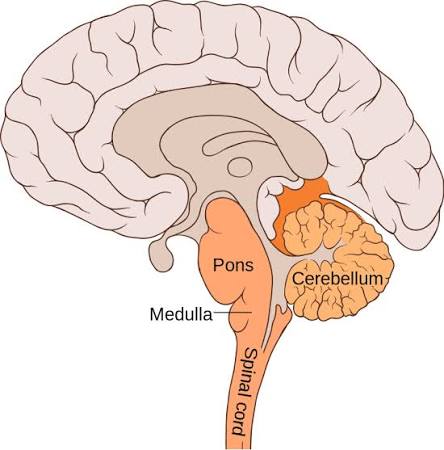
Main function of the hindbrain?
Basic life functions and coordination
What makes up the midbrain?
Tectum and tegmentum
Main function of the midbrain?
Visual and auditory reflexes.
What makes up the forebrain?
Cerebrum
Diencephalon
Main function of the forebrain?
Higher thinking, memory, emotion, sensory integration
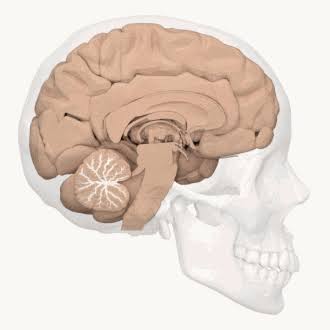
What is the arbor vitae?
Tree-like white matter inside the cerebellum
Function of the arbor vitae?
Carries information to and from the cerebellar cortex
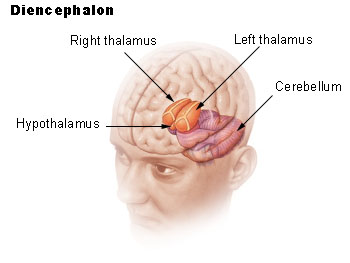
What structures make up the diencephalon?
Thalamus
Hypothalamus
Epithalamus
Mammillary bodies
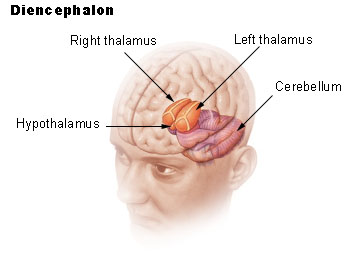
What are the main functions of the diencephalon?
Relays sensory information
Maintains homeostasis
Controls endocrine and autonomic functions
Regulates alertness
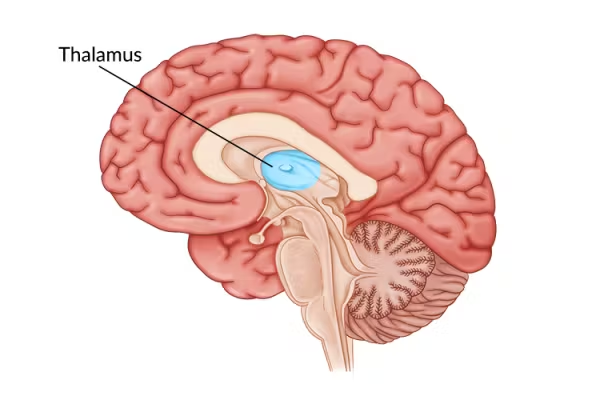
What is the main function of the thalamus?
Relay station for nearly all sensory information (except smell) going to the cerebral cortex.
What does the hypothalamus regulate?
Body temperature
Hunger
Thirst
Circadian rhythm
Autonomic nervous system
Pituitary gland
Homeostasis
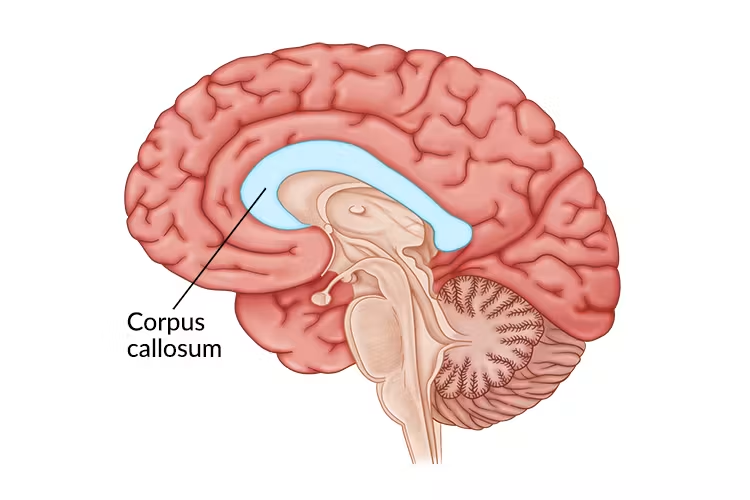
What is the corpus callosum?
Large bundle of white matter connecting the two cerebral hemispheres.
Function of the corpus callosum?
Allows communication between the left and right hemispheres.
Frontal lobe function?
Motor control, planning, personality, decision-making, speech.
Parietal lobe function?
Touch, pain, temperature, proprioception
Temporal lobe function?
Hearing, language, memory.
Occipital lobe function?
Vision.
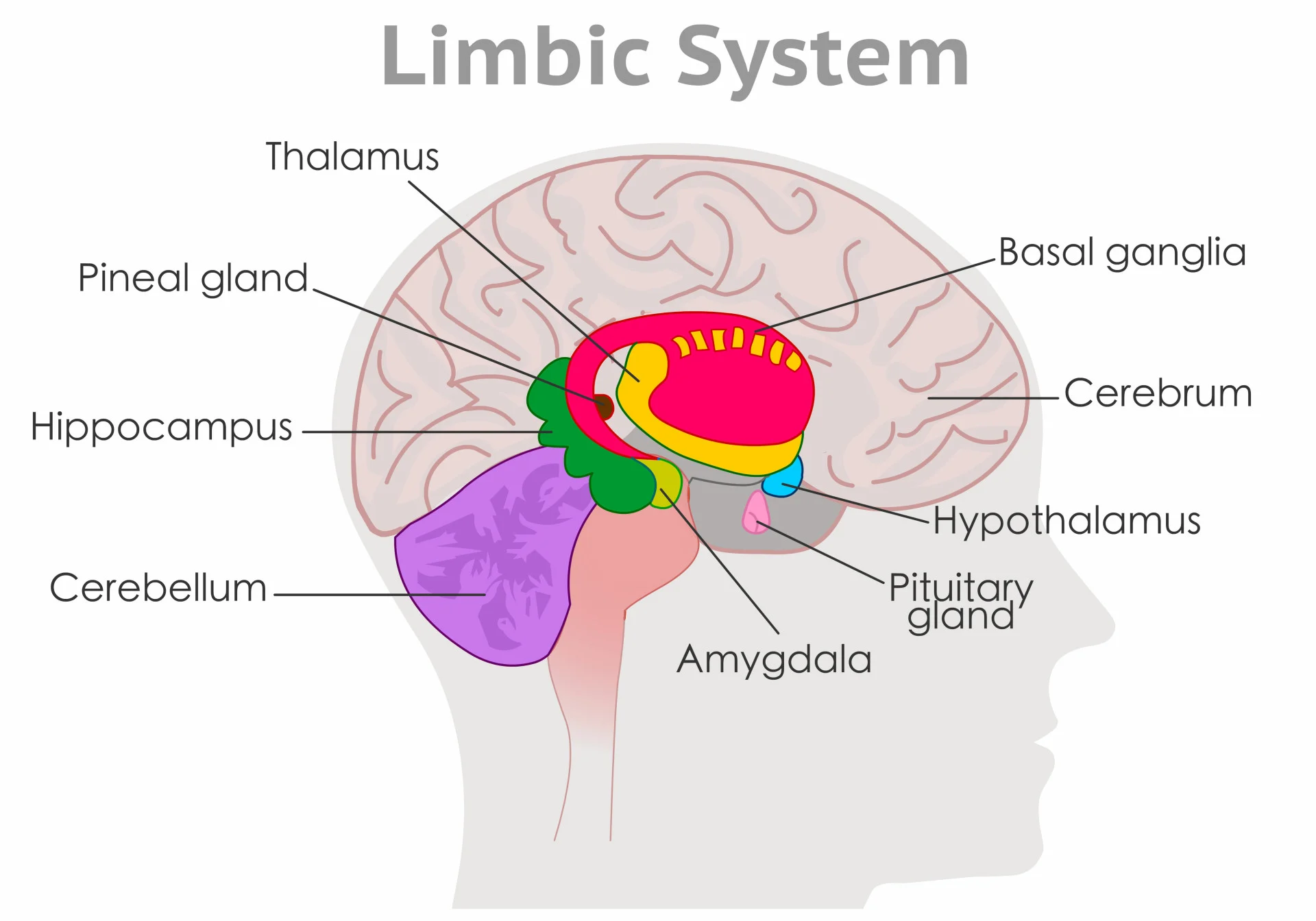
What is the limbic system?
Group of structures involved in emotion, memory, motivation, and behavior
Which structures are part of the limbic system?
Hippocampus
Amygdala
Limbic cortex
Mammillary bodies
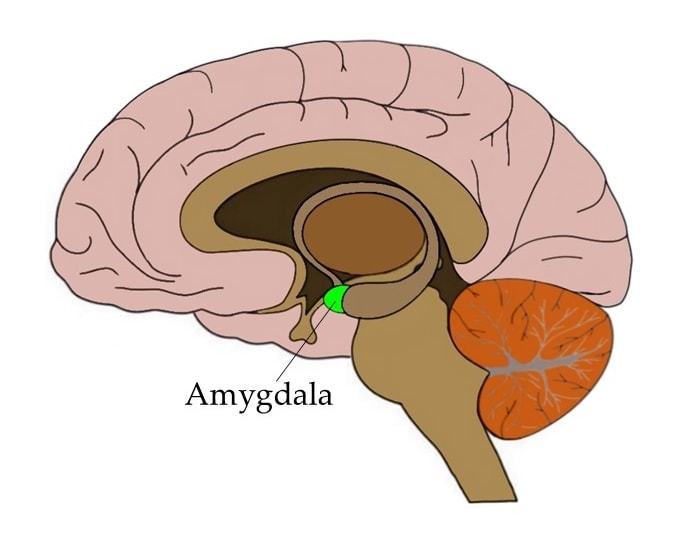
Function of the amygdala?
Processes emotions, especially fear and emotional memory.